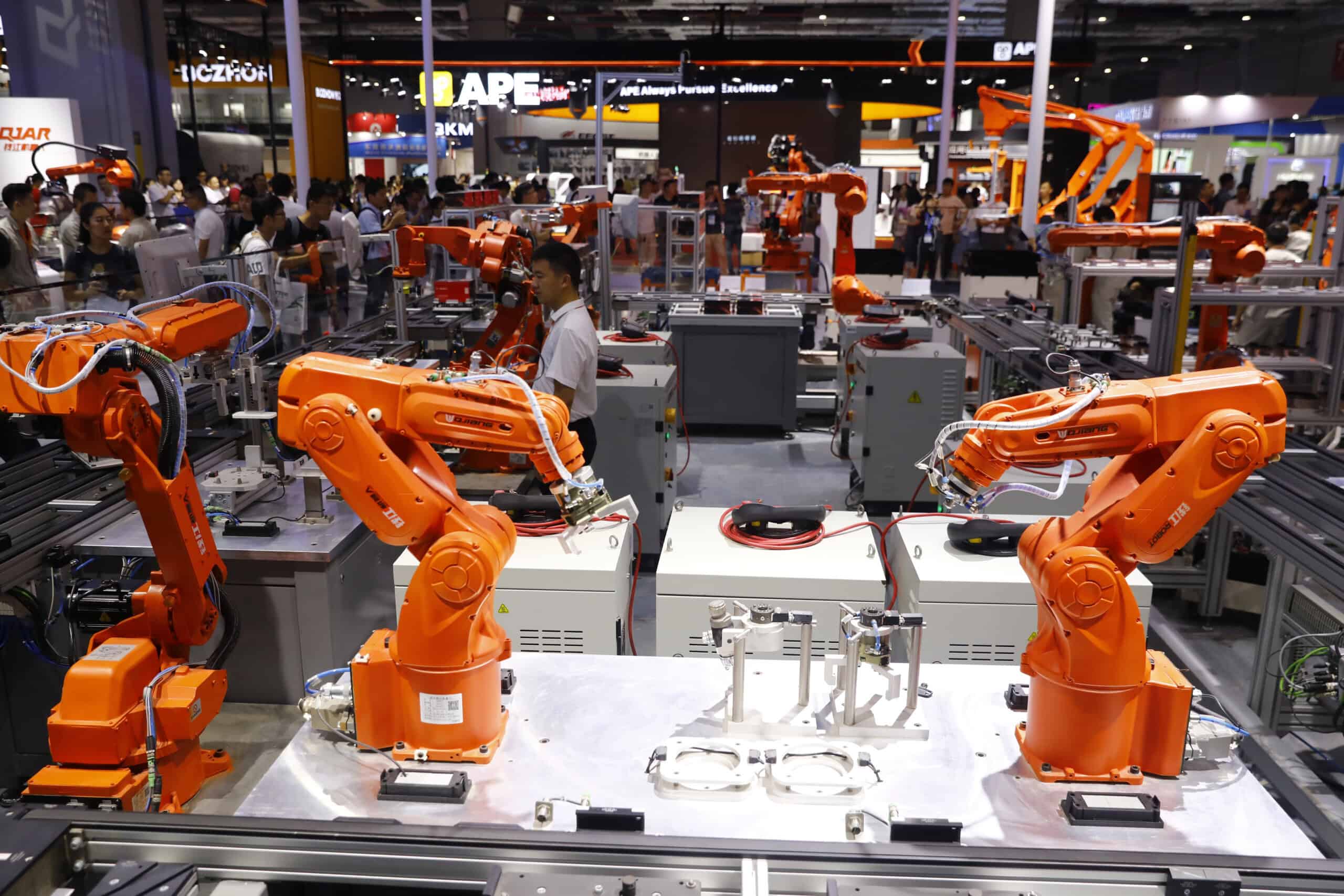
Good evening. In a perfect world, artificial intelligence would be the answer to China’s many labor pains. AI could help bolster productivity as the country’s workforce, the size of which peaked at 800 million people in 2015, continues to shrink. It could also lower the barriers to entry for entrepreneurially minded individuals who have long wanted to jump into the sea of commerce for themselves, but lacked the capital to hire employees and rent an office. Chinese workers, alas, live in an imperfect world — a world in which there is no gain without pain. As Rachel Cheung writes in this week’s cover story, for every example of AI boosting a Chinese company’s productivity or allowing an entrepreneur to start a new business, there is a counter-example of workers who have lost a job or whose career hopes have been dashed by AI. Some of the latter have started to record their experiences in popular online journals, an emerging genre better known as “the unemployment diaries”.
Other items in this week’s issue: The Strait of Hormuz crisis is putting China Inc in desperate straits; The Big Picture on PLA chip tenders; Liz Cannon on policing Chinese technology threats; and Andrew Cainey on western multinationals’ Global South blindspot.
Want this emailed directly to your inbox? Sign up to receive our free newsletter.

AI ai wo, AI bu ai wo, AI ai…
Yajun Zhang used to work for the World Economic Forum and Brunswick, the corporate advisory group. Now she works for herself, and AI works for her too. Zhang has started a consultancy that helps Chinese companies expand overseas. At Zhang’s ge ti hu (the Chinese term for an individual business) tasks that occupied small teams of people at her former employers are handled by AI agents. It is a good AI story in the world’s largest labor market. But there are many bad ones as well.
The Grinch Who Made Christmas More Expensive
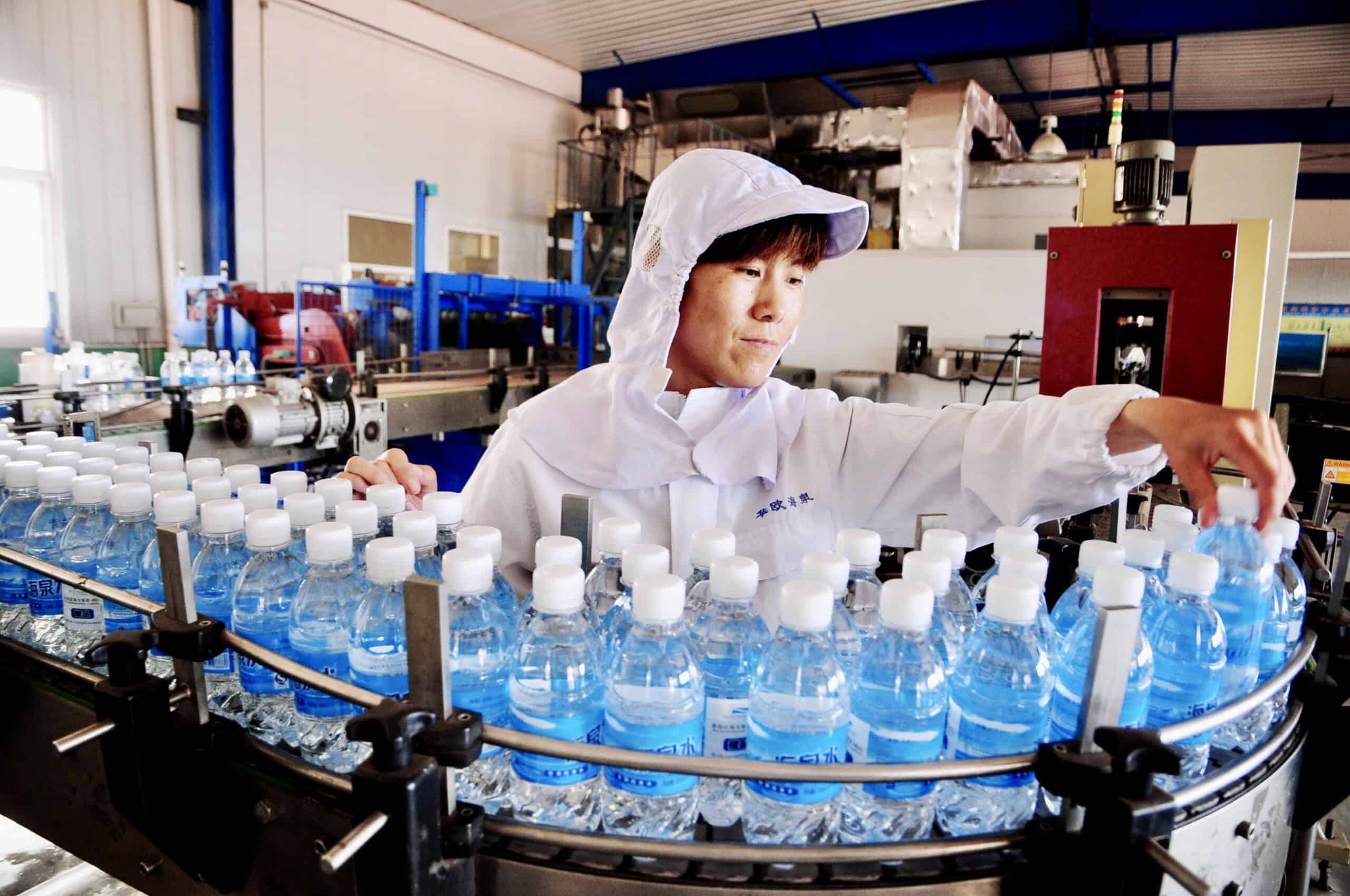
China’s crude oil stockpiles and decades long development of hydro, solar and wind power have so far helped it weather the energy inflation impacts of the U.S. and Israel’s war on Iran better than most other Asian nations. But then, writes Rachel Cheung, there are the secondary impacts on plastics, fertilizers and many other oil-based products that Chinese industry desperately needs and must now pay much higher prices for. “The end result,” one analyst says, “is Christmas will be more expensive this year.”
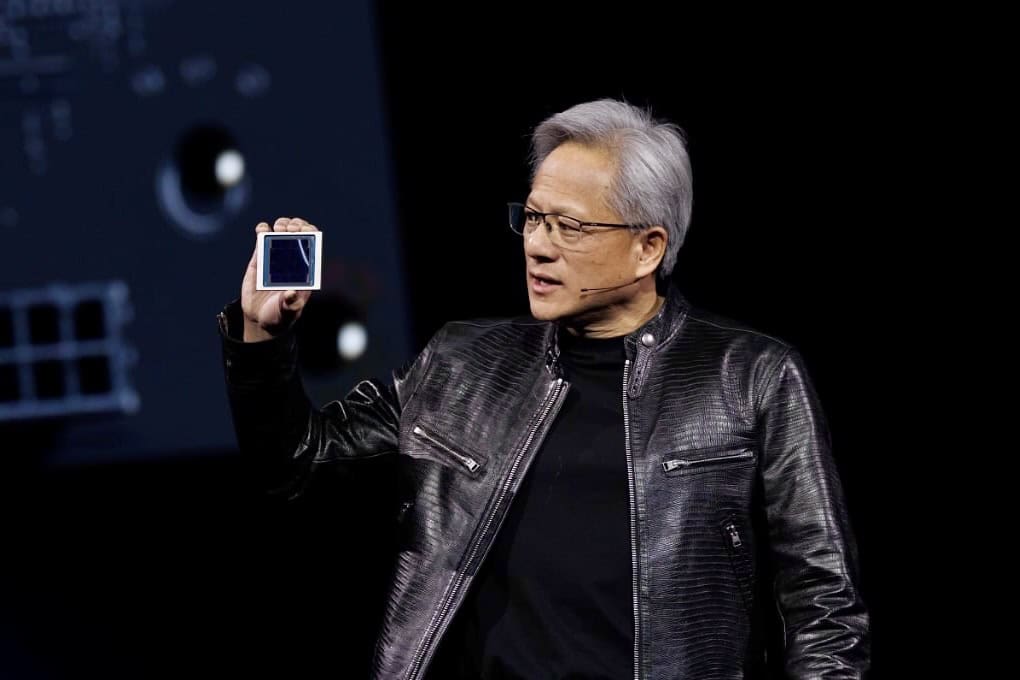
Power Grows Out of Nvidia Chips
The People’s Liberation Army is in the market for Nvidia semiconductor chips, Savannah Berman writes in this week’s Big Picture. In a recent report, WireScreen documented 540 tenders issued by PLA units and military academies that sought Nvidia chips. About half of these asked for Nvidia’s export-controlled A100 and A800 chips.
This week’s Wire China podcast guest is John Costello, author of WireScreen’s PLA-Nvidia report.
A Q&A with Liz Cannon

Hogan Lovells partner Liz Cannon is former head of a Commerce department committee tasked with guarding against national security risks posed by Chinese technologies. She had earlier spent 11 years at the justice department where she specialized in espionage and export control cases, many of them China-related.
In this week’s Q&A with Noah Berman, Cannon talks about her government career, why she left the Trump administration and what kind of cars her family drives. “[Trump’s administration is] trying to figure out how they can address these risks that they really do care about without causing China to respond with export controls on rare earths,” she says. “It’s a tricky situation.”
Liz Cannon
Illustration by Lauren Crow
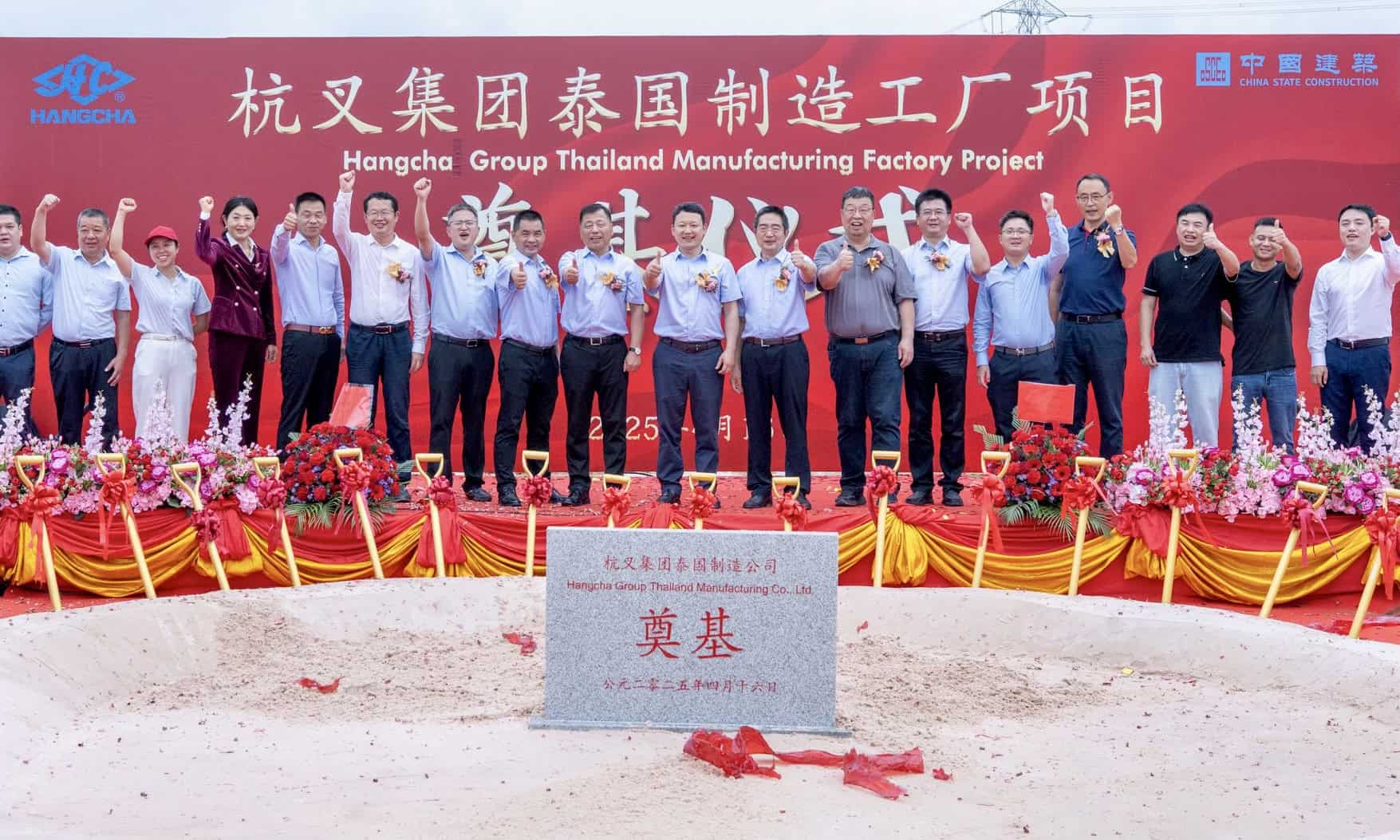
China Inc’s Southern Strategy
Toyota and Germany’s Jungheinrich are long-established, leading names in the global forklift market. But, writes Andrew Cainey, lesser known Hangcha, based in Hangzhou, is catching up quickly by focusing on large developing markets in the Global South. It is a trend that western companies ignore at their peril.
SOPA 2026 Awards
The Wire China’s Rachel Cheung was a finalist in two categories of this year’s Society of Publishers in Asia awards: Young Journalist of the Year and Excellence in Arts and Culture Reporting. Rachel was cited for her writing on Chinese quantum computing, robotics, a Hong Kong investment craze, healthcare AI and the technological, economic and political pressures that are bearing down on China’s books publishing industry.
All of Rachel’s nominated articles will be free-to-read on thewirechina.com until July 6.
Subscribe today for unlimited access, starting at only $25 a month.