The Trump administration may have put a pause on tariff hikes, but some Chinese manufacturers are bracing for another crisis as the closure of the Strait of Hormuz drags on.

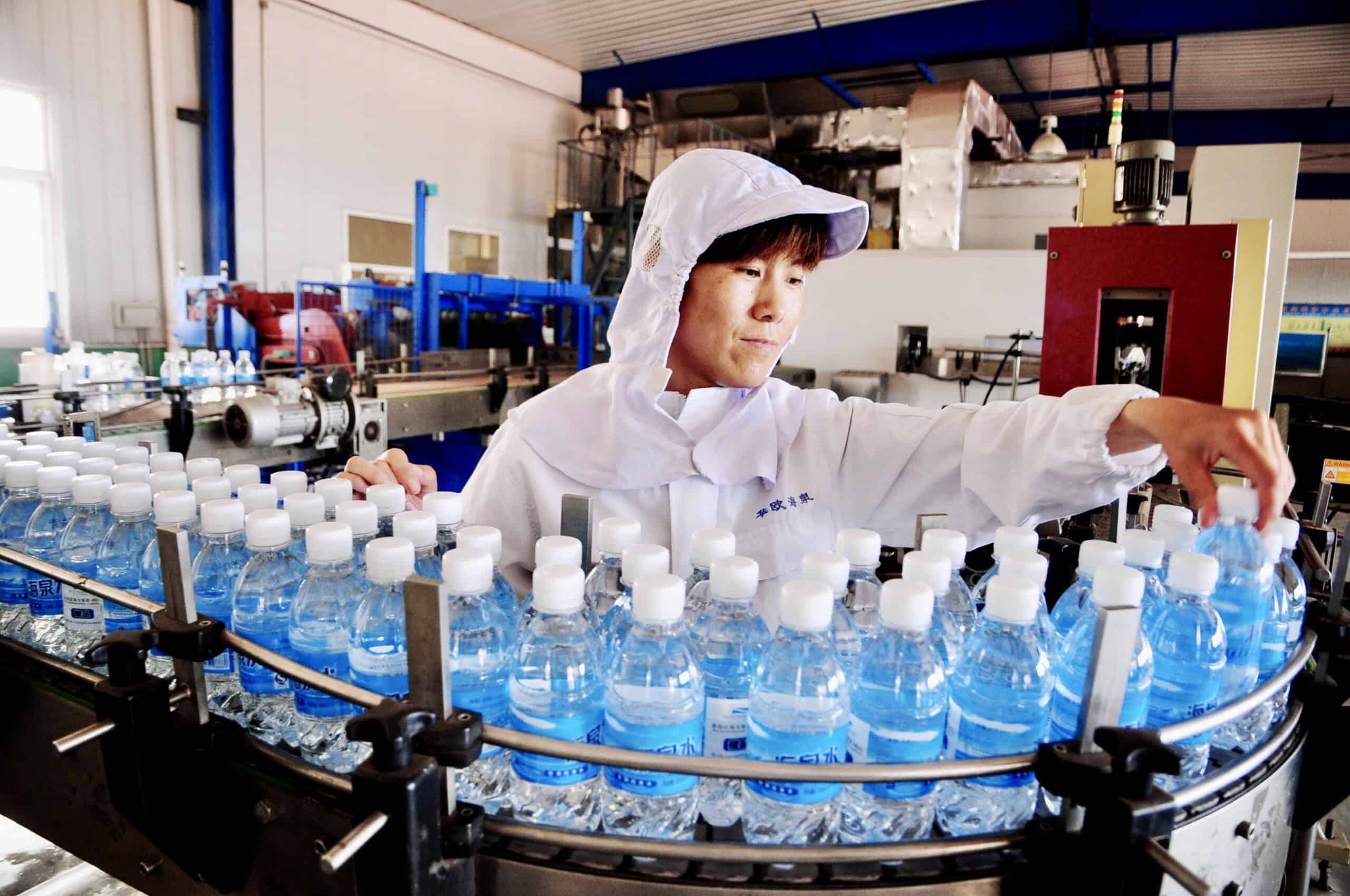
“The cost of materials is going up and down like the stock market every day. I’m having a heart attack,” says Chris Tay, founder of No Ordinary Drinks, a Chinese beverage company that also exports grape juice and yuzu water to Southeast Asian markets. From PET bottles and aluminium cans to plastic caps and labels, many of its raw materials are derived from oil. “It affects our margin by 30 to 45 basis points, which is a lot for us,” Tay says.
Tay’s company is absorbing the cost for now rather than putting up its selling price, while talking to suppliers on a daily basis. But if the stand-off doesn’t blow over soon, “the entire value chain from the upstream supplier all the way down to my customers will take a hit,” he adds.
On the whole, the Chinese economy is more insulated from oil shocks than other Asian countries, thanks to its stockpiles of crude oil and diversified energy sources. But in sectors from bottled water and household appliances to electrical vehicles and steel, Chinese manufacturers are grappling with shipping disruptions and price hikes in raw materials.
“Some of them would characterize it as a bigger shock than the tariffs last year because this is affecting their cost as well as global consumers,” says Chim Lee, a senior analyst with the Economic Intelligence Unit.
China’s rising self-sufficiency in energy has shielded its manufacturing sector from the brunt of the Iran war’s impact. Large Chinese industrial firms recorded a 18.2 percent year-on-year jump in profit in the first four months of this year, while the country’s official purchasing manager’s index declined only slightly from 50.3 in April to 50 in May — a figure that suggests the sector is holding steady.

But across factory floors, many companies are reeling from the secondary effects of higher oil prices. The purchasing price index for raw materials has soared above 60 since March, indicating substantial inflation in industrial inputs.
…petroleum is a key input in countless consumer products. Every plastic component, every package, every shipment is affected. If energy prices stay high, it becomes very difficult to prevent those costs from eventually reaching consumers.
Jacob Rothman, co-founder of Velong Enterprise, a Guangdong-based manufacturer that supplies kitchen tools to major U.S. brands and retailers
“Feedstocks such as plastics, chemicals, coatings, solvents, fertilizers, and synthetic fibers that feed into various industries have all gone up and are in short supply,” says Cameron Johnson, a supply chain consultant in Shanghai.

Right now, for instance, it is the production season for Christmas presents and decorations, a segment dominated by China. Factories typically source materials in the first quarter and churn out the goods by the end of summer. But prices of polymers for dolls and polyester for their clothes have skyrocketed this year, with some raw materials costs doubling since March.
“The end result is Christmas will be more expensive this year,” Johnson adds.
The shock has hit some industries harder than others. One example is the chemical sector, which relies heavily on petrochemical ingredients to produce detergents and plastic packaging. That, in turn, is driving up costs for the food and beverage industries.

Take Nongfu Spring, China’s largest soft beverage company. A third of its input costs come from PET, the thermoplastic used to make bottles. Its price surged from around 6,000 yuan ($886) per ton before the conflict to 9,000 yuan ($1,330) in early May. The company told analysts last month it has sufficient inventory to tide it over the first half of the year, but it expects cost to grow and weigh on its margins towards the second half.

Like their Asian counterparts, Chinese exporters are also navigating logistics challenges, such as delivery delays. Freight rates from China and East Asia to the U.S. have already more than doubled since March, according to Freight Right, a logistics company. It warned of an “impending storm” this month as major carriers are set to jack up their prices further.
For Chinese exporters, the situation has been compounded by the renminbi’s recent appreciation: it is up by 3.3 percent against the U.S. dollar since the start of the year, near a three-year-high. The rise means Chinese exporters pocket fewer yuan for every dollar of goods they sell.
For many firms, long manufacturing cycles mean that the squeeze has not yet shown up in their published financial reports. But manufacturers are starting to feel the strain as they run low on inventories.

Leland Miller, co-founder of China Beige Book, which independently surveys over 1,500 Chinese firms every month, points to pervasive weakness.
“IT consumer electronics is the only [Chinese] sector with stronger on-year and on-month profits, no doubt because of what’s happening in the semiconductor universe,” Miller says. But all other sub-sectors from automotive and textile to machinery and food processing saw a decline in revenue last month, compared to April, he says.
To protect their bottom lines, some Chinese manufacturers are spreading costs along the supply chain and seeking out alternative raw materials sources domestically. Others are abandoning low-cost goods altogether and shifting production towards products with higher margins.
But there is a limit to what manufacturers can absorb. If the Straits of Hormuz blockade continues, they will likely have to pass some of the costs onto consumers.
“Most people focus on gas prices, but petroleum is a key input in countless consumer products. Every plastic component, every package, every shipment is affected,” says Jacob Rothman, co-founder of Velong Enterprise, a Guangdong-based manufacturer that supplies kitchen tools to major U.S. brands and retailers. “If energy prices stay high, it becomes very difficult to prevent those costs from eventually reaching consumers.”
That could prove tricky within China’s domestic market, where companies are already producing more goods than people can consume and household demand has remained stubbornly moribund.
Exports may prove more resilient. Despite the cost volatility, Tay, of No Ordinary Drinks, expects its annual revenue to grow this year as the company explores new markets in the U.S. and the UK. “The tariffs are miniscule compared to what they did last year, so it’s manageable again,” Tay says.

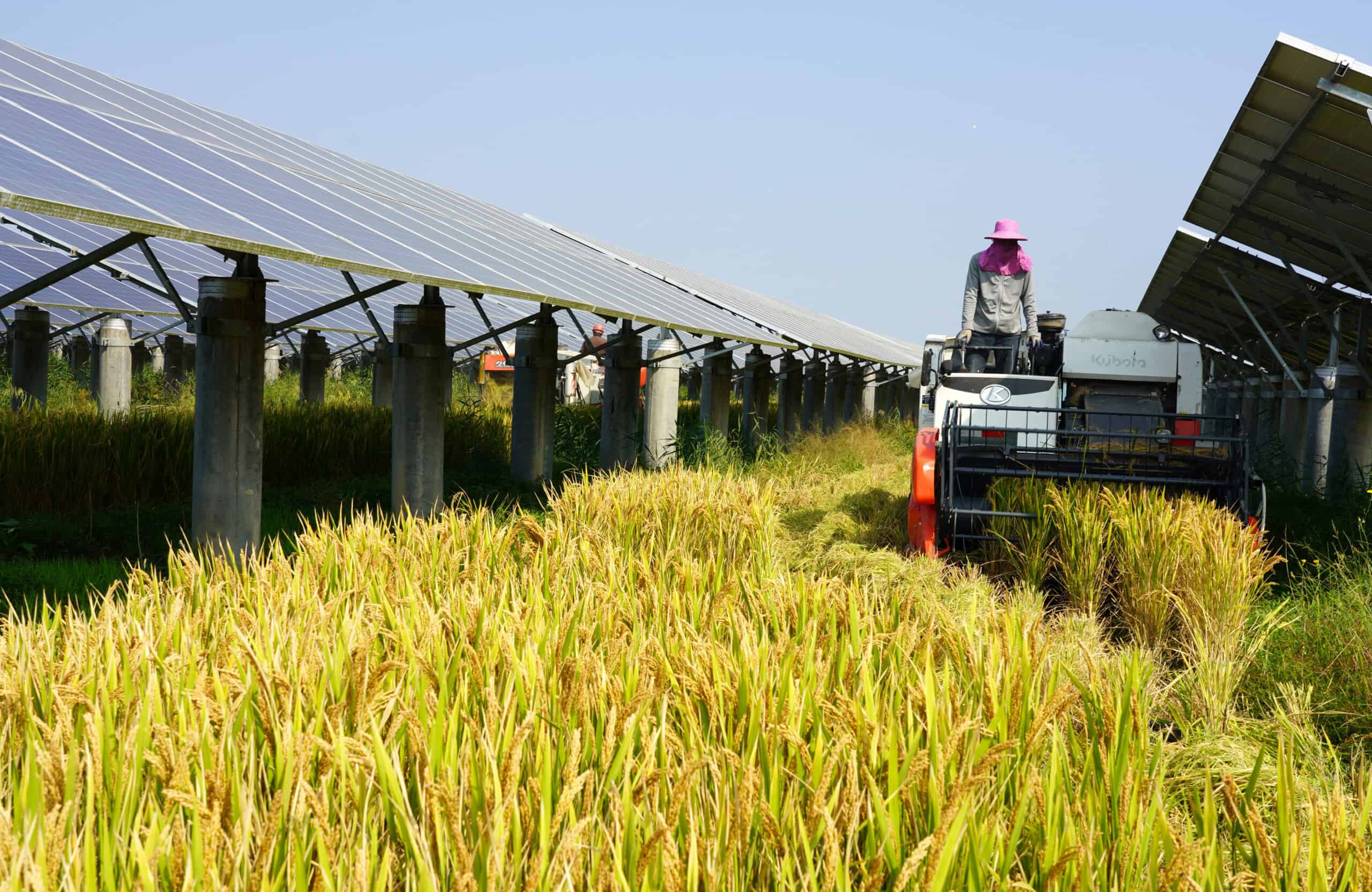
On a macro level, China’s export machine may also hold up. Price-sensitive consumers in the West may turn to cheaper substitutes from China. Booming demand for AI hardware has offset the decline in traditional segments, such as textile and toys. And energy supply shocks around the world have fueled demand for China’s green technology, such as electric vehicles, solar panels, and even electric fans.
China’s exports rose by 7.8 percent year-on-year in March and April, according to Oxford Economics, an advisory firm. Louise Loo, its head of Asia Economics, expects China’s exports to gain further global market share in the coming year.
China has already absorbed the first wave of pressure on the supply side. If Hormuz remains disrupted, the next phase will be a demand shock that again lands squarely on China’s manufacturing sector.
Leland Miller, co-founder of China Beige Book
The question is whether exports alone — which accounted for a fifth of China’s GDP last year — will be sufficient to lift its entire economy. “Export strength can keep the Chinese economy above water, but it can’t support it forever,” says Miller.

The looming threat is demand destruction globally as consumers tighten their wallets.
“China has already absorbed the first wave of pressure on the supply side,” he adds. “If Hormuz remains disrupted, the next phase will be a demand shock that again lands squarely on China’s manufacturing sector.”

Rachel Cheung is a staff writer for The Wire China based in Hong Kong. She previously worked at VICE World News and South China Morning Post, where she won a SOPA Award for Excellence in Arts and Culture Reporting. Her work has appeared in The Washington Post, Los Angeles Times, Columbia Journalism Review and The Atlantic, among other outlets.