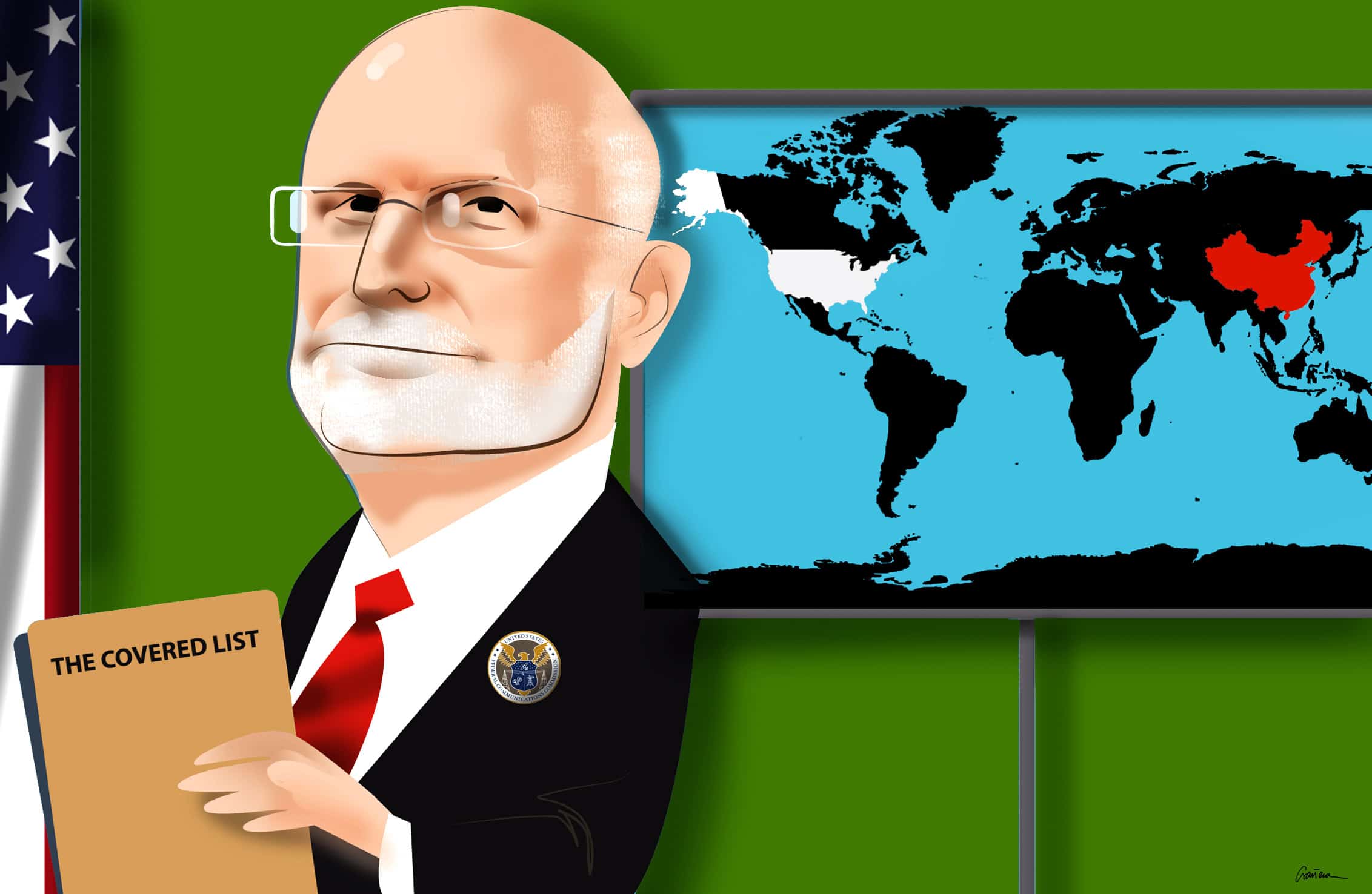
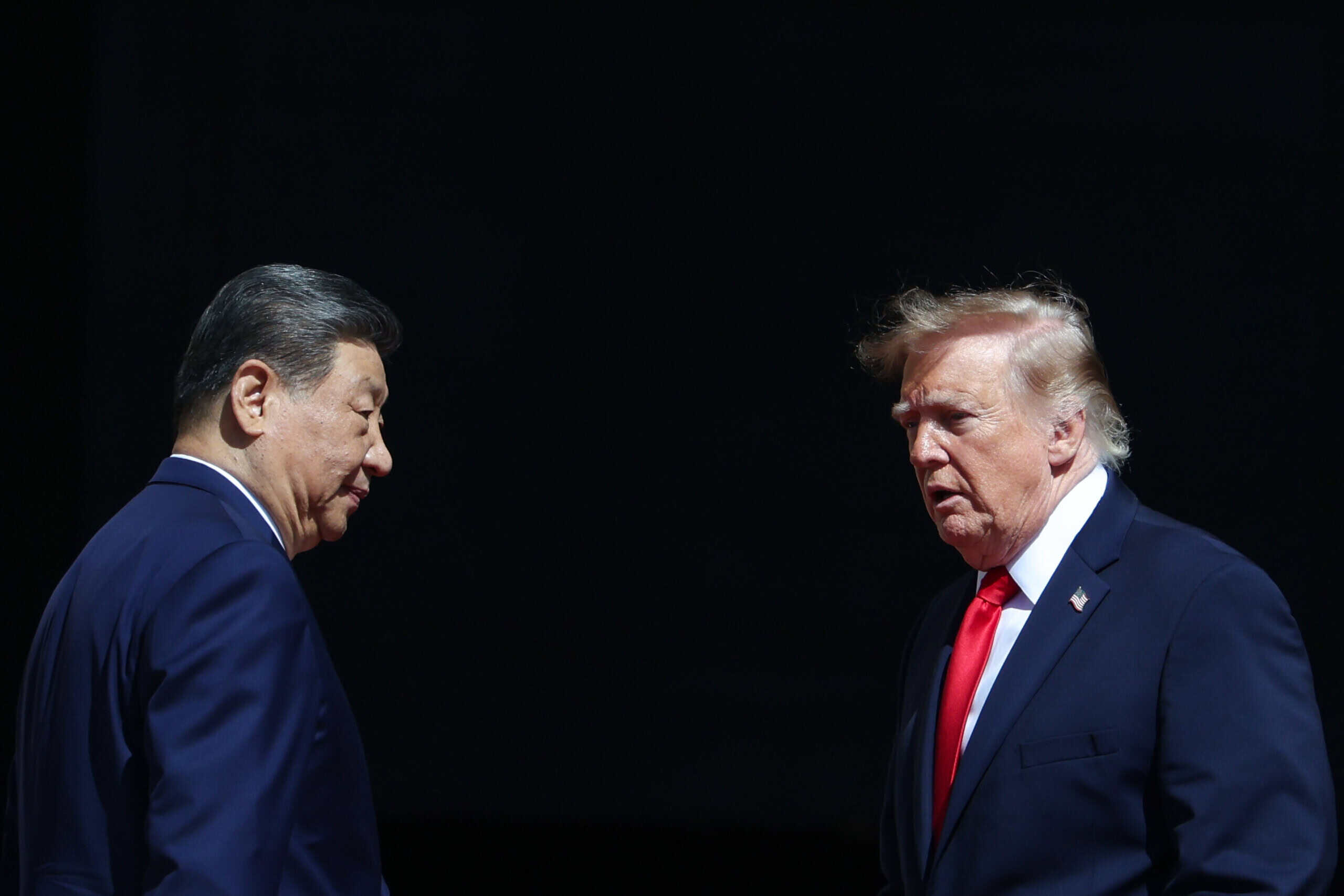
Good evening. The “war room” is an important part of many great films such as The Bourne Ultimatum (2007), starring Matt Damon as rogue agent Jason Bourne. In one of the movie’s best scenes, the CIA bad guy and his minions attempting to kill Bourne track his movements through London’s Waterloo train station with the help of an array of wall screens. Sometimes these display a wide variety of maps and video feeds; at other times they show one large single image. Bourne, of course, gets away.
But now consider this imaginary plot twist, courtesy of The Wire China’s scriptwriters. Shortly after Bourne disappears, the CIA discovers that the processor coordinating the images flashing across its wall screens was made by a Chinese-owned company — and a team of Chinese state security agents had helped Bourne escape.
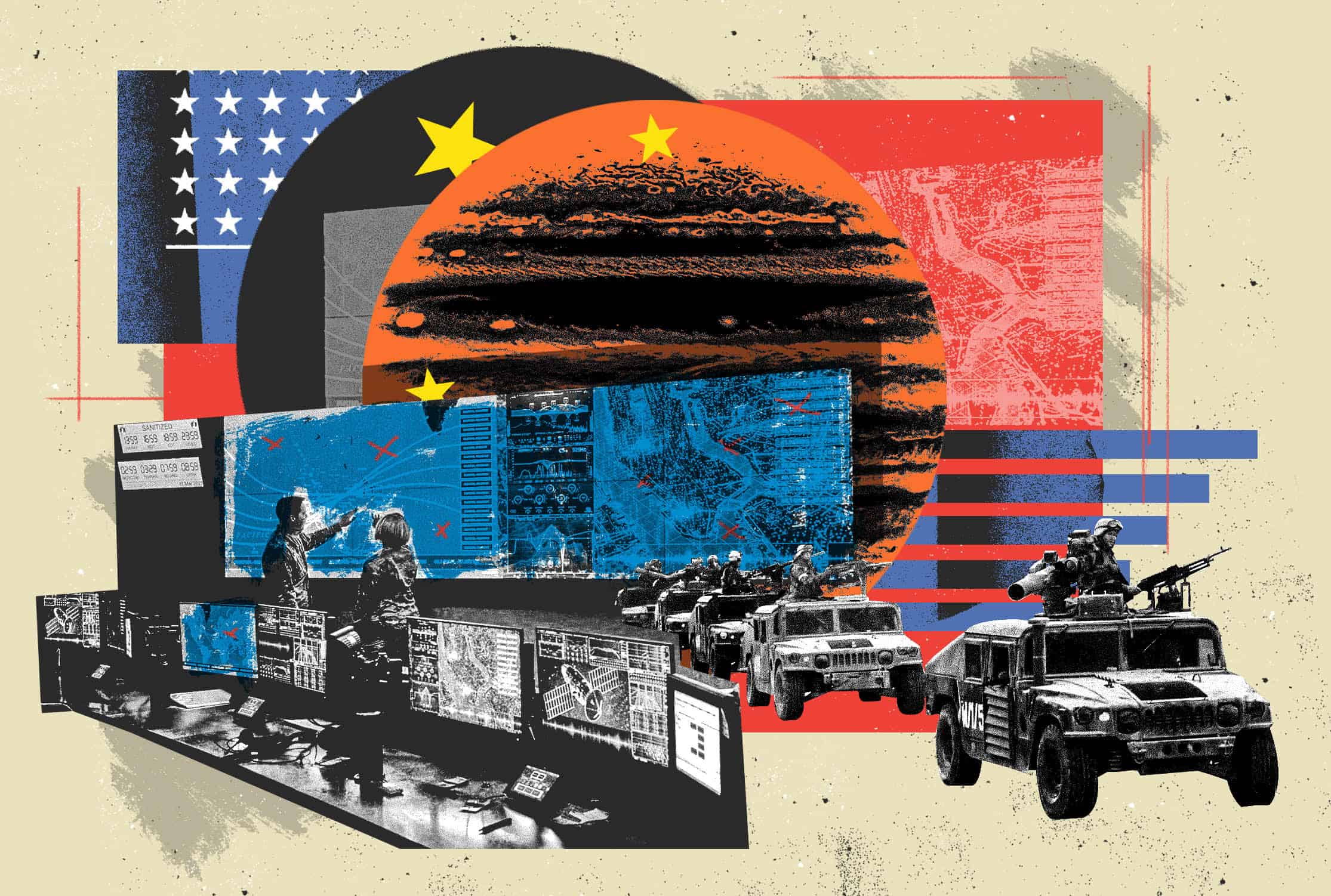
It is not as outlandish a story development as you might think. As Noah Berman and Rachel Cheung write in this week’s cover article, in 2024 the Biden administration discovered that Jupiter Systems, the California company that sells such processors to U.S. government and military clients, had been quietly bought by a Chinese company in 2020. Now the Trump administration, aided by a federal court judge, is taking back control of Jupiter. Time for a new installment in the Bourne film franchise?
Other items in this week’s issue: The 188 Chinese companies on the Pentagon’s 1260H list of banned suppliers; “open-weight” AI models; a conversation with Soumaya Keynes and Chad Bown; and tracking China’s trade surplus dollars.
And in the latest Wire China podcast, Rachel Cheung speaks with Tom Mitchell about her recent feature article on the Chinese Communist Party’s attempt to reap the potential economic gains from artificial intelligence while avoiding undue pain for the country’s workers.
Want this emailed directly to your inbox? Sign up to receive our free newsletter.
CFIUS, Jupiter Systems and the Son of the Man Who Stayed Behind
Sidney Rittenberg, an American sympathizer of Mao Zedong’s Communist revolution, and his classic memoir The Man Who Stayed Behind will be familiar to many Wire China readers. The leftist fellow traveler mistakenly thought Mao’s victory in 1949 would create a dream society. Instead it unleashed the Great Leap Forward, the Cultural Revolution, the June 4th 1989 massacre and many other nightmares. He spent 16 years in Mao’s prisons on trumped-up charges and his son, Sidney Rittenberg Jr, was persecuted for the alleged sins of his father. More recently, the younger Rittenberg was a protagonist in a very different type of Chinese drama. For a few years he ran Jupiter Systems, a California company that sold sophisticated video processors to U.S. government and military clients. But there was a problem: the Committee on Foreign Investment in the U.S. didn’t know that Jupiter was owned by a Chinese company, Suirui. According to Rittenberg Jr, he fought many battles with his Suirui bosses to safeguard Jupiter’s sensitive technology and data.
The 188 Chinese Companies on the Pentagon’s Naughty List
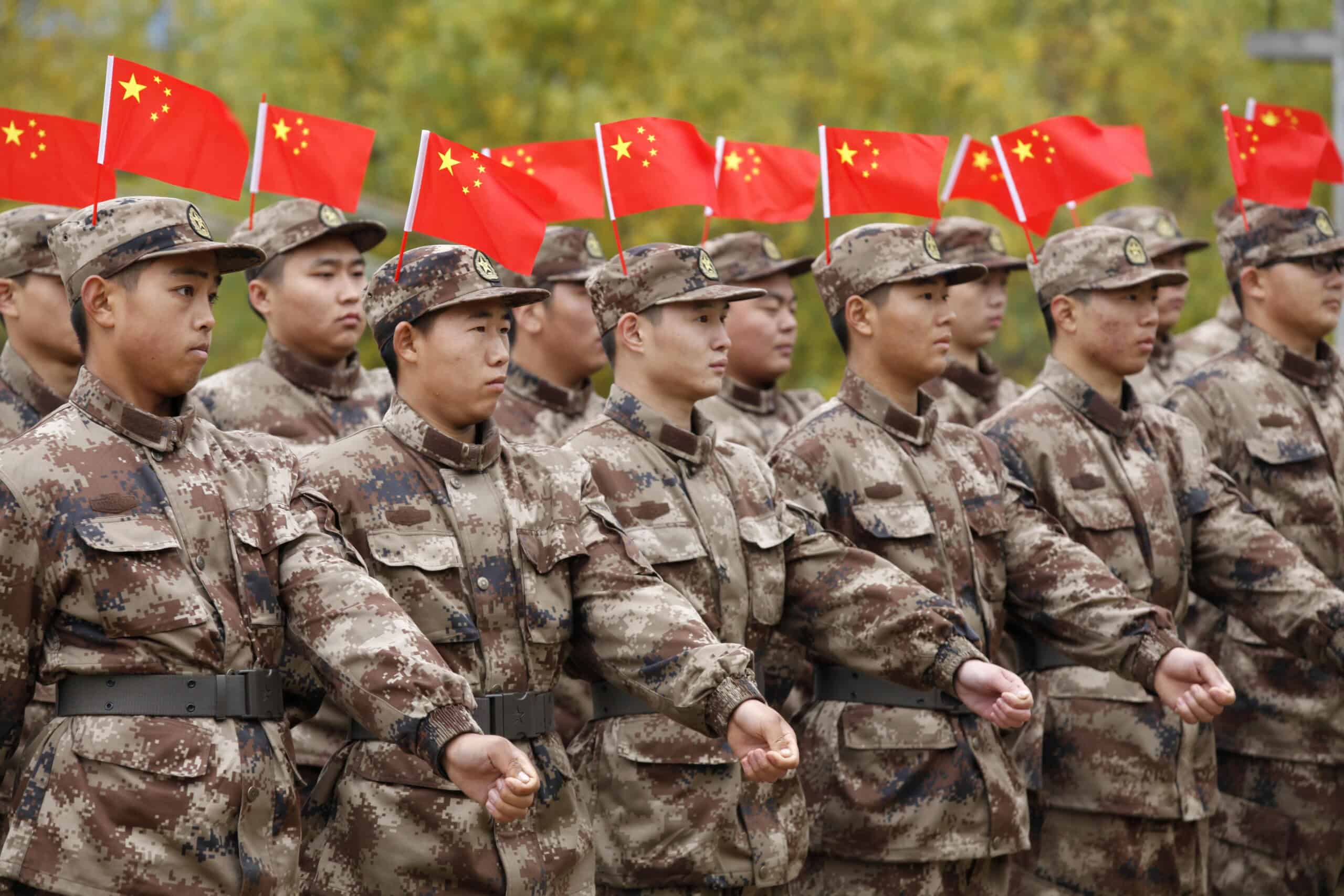
The Pentagon has published an updated list of Chinese companies it believes are supporting the People’s Liberation Army’s development. This time round there are some surprising inclusions as well as the odd notable omission on the “1260H” list. In the Big Picture, reporter Savannah Billman breaks down the new list, which bans the companies on it from Pentagon procurement contracts, and looks at why it has been published now, shortly after President Trump’s visit to Beijing.

A Rare Win-Win Opportunity
In the context of a historic nadir in bilateral relations, is there anything China and the U.S. can agree to agree on? Both countries, Kristy Loke and Stephen Casper write, have a shared interest in promoting and regulating “open-weight” AI models, which can be freely downloaded and adapted by others. Maybe China and the U.S. can start there.
A Q&A with Soumaya Keynes and Chad Bown

Financial Times commentator Soumaya Keynes and Chad Bown, from the Peterson Institute for International Economics, are the co-authors of How to Win a Trade War.
In an interview with Andrew Peaple, Keynes and Bown discuss what makes a trade war a trade war, global trade imbalances and the Boards of Trade and Investment recently established by Beijing and Washington. “China’s a big country,” says Keynes, “it’s not going to accept the humiliation of having its economic model challenged or changed by the U.S. or anyone else.”
Soumaya Keynes and Chad Bown
Illustration by Lauren Crow
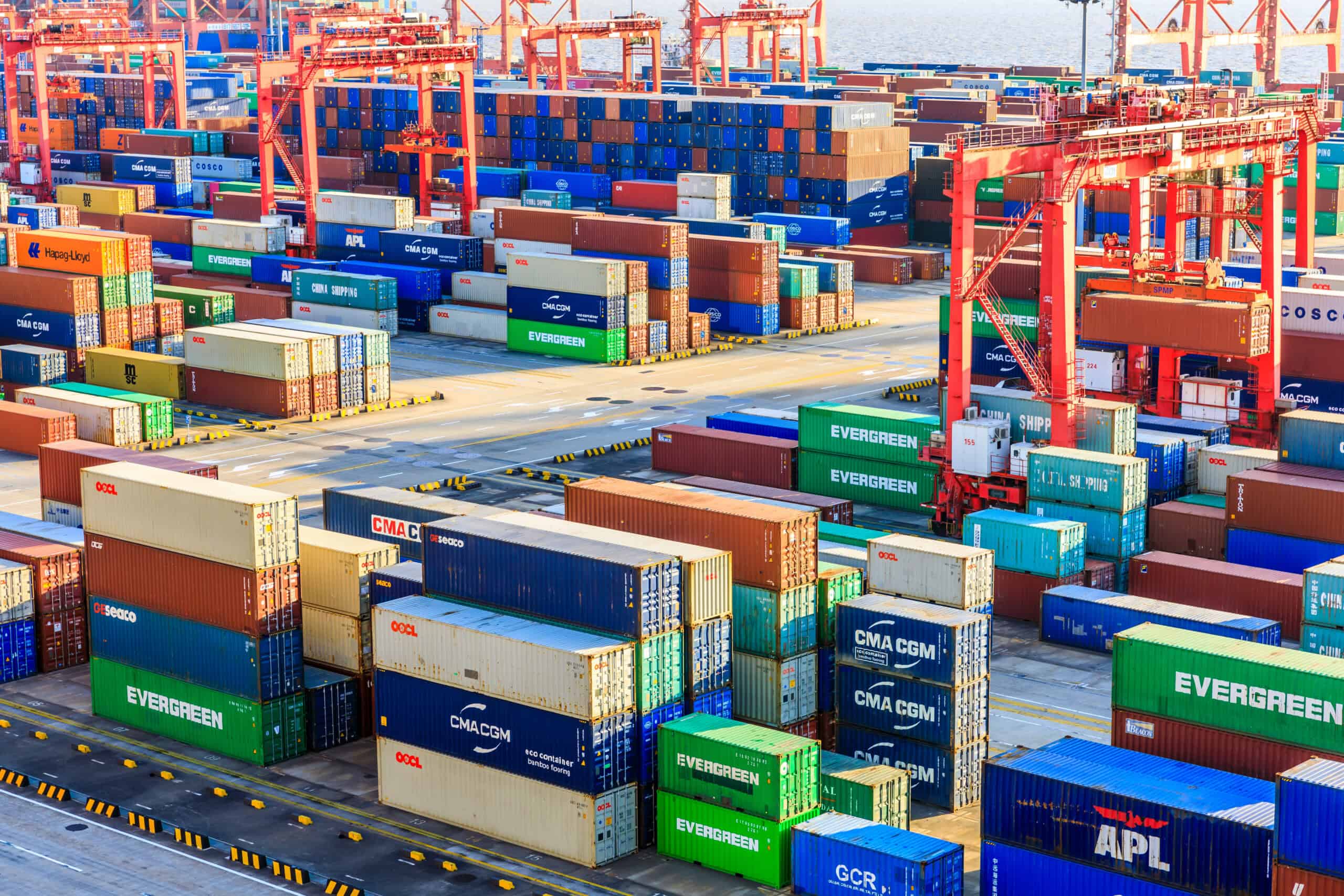
Tracking China’s Trillions
One trillion dollars is a lot of dollars — and a big headache for those who need to manage China’s annual trade surpluses. Miao Yanliang follows the money.
SOPA 2026 Awards
The Wire China’s Rachel Cheung was a finalist in two categories of this year’s Society of Publishers in Asia awards: Young Journalist of the Year and Excellence in Arts and Culture Reporting. Rachel was cited for her writing on Chinese quantum computing, robotics, a Hong Kong investment craze, healthcare AI and the technological, economic and political pressures that are bearing down on China’s books publishing industry.
All of Rachel’s nominated articles will be free-to-read on thewirechina.com until July 6.
Subscribe today for unlimited access, starting at only $25 a month.