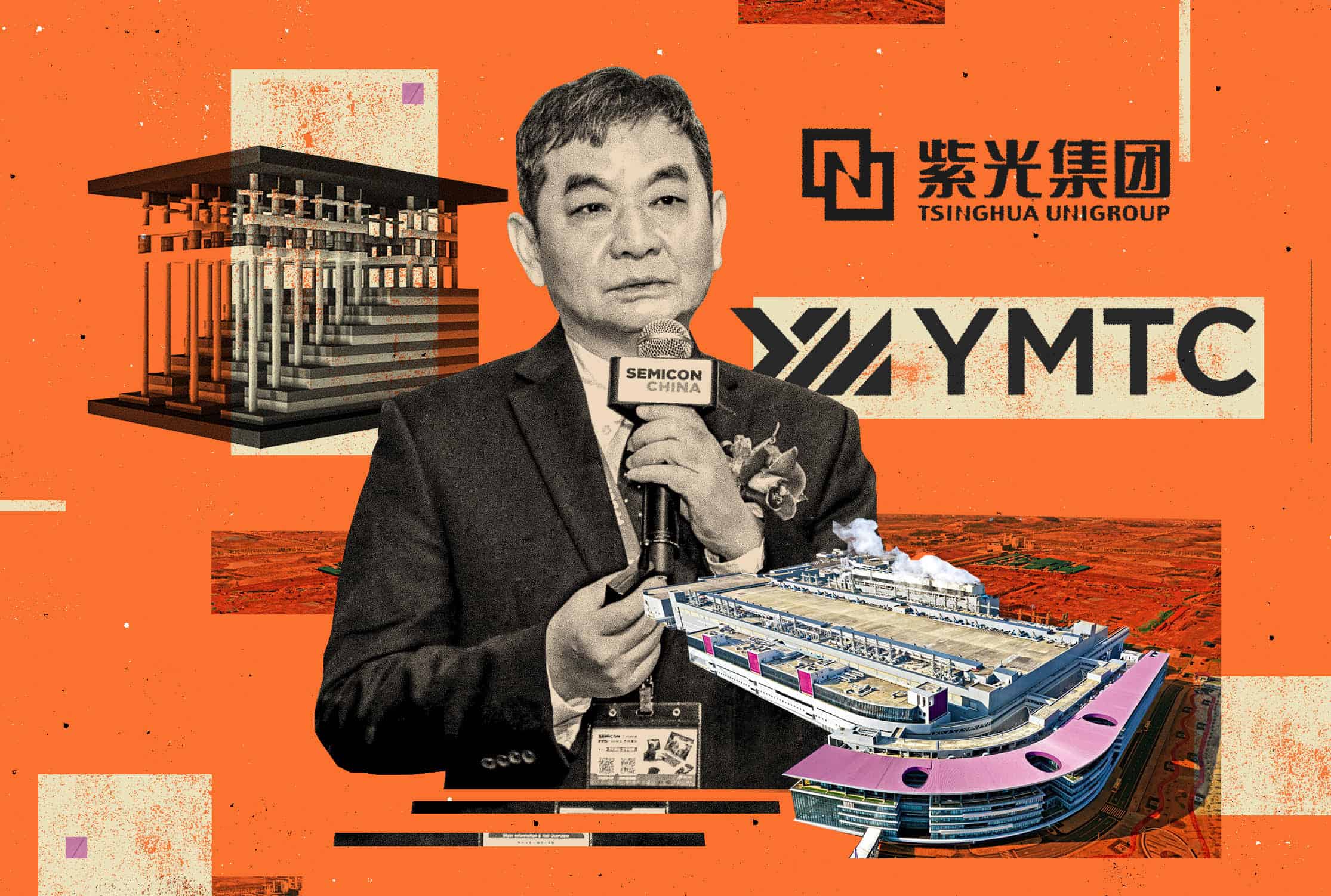
Good evening. In a not too distant era, Jeffrey Chao would have been celebrated in America as another example of a successful immigrant and credit to his new country. After finishing university in Shanghai, Chao established TP-Link, a successful network equipment manufacturer, in Shenzhen and later moved its headquarters, himself and his family to the U.S. But as Noah Berman writes in our cover story, the company remains the subject of much scrutiny in Washington. If Chao is to realise his American Dream, he will have to win over many China Hawk sceptics in Washington including Brendan Carr, Trump’s crusader-chairman of the Federal Communications Commission. Under Carr the FCC is being used to ban imports of products made by companies that U.S. government agencies deem to be threats to American national security.
Noah’s cover story on TP-Link is also the subject of this week’s Wire China podcast, hosted by Savannah Billman.
Other items in this week’s issue: The quiet companies surfing China’s AI wave; The Big Picture on the debut of China’s anti-sanctions tool; The Wall Street Journal’s China bureau chief, Jonathan Cheng, on North Korea’s Kim family dynasty; and Mike Kuiken and Leland Miller on India, the potential ally that the U.S. needs to pay more attention to.
Want this emailed directly to your inbox? Sign up to receive our free newsletter.
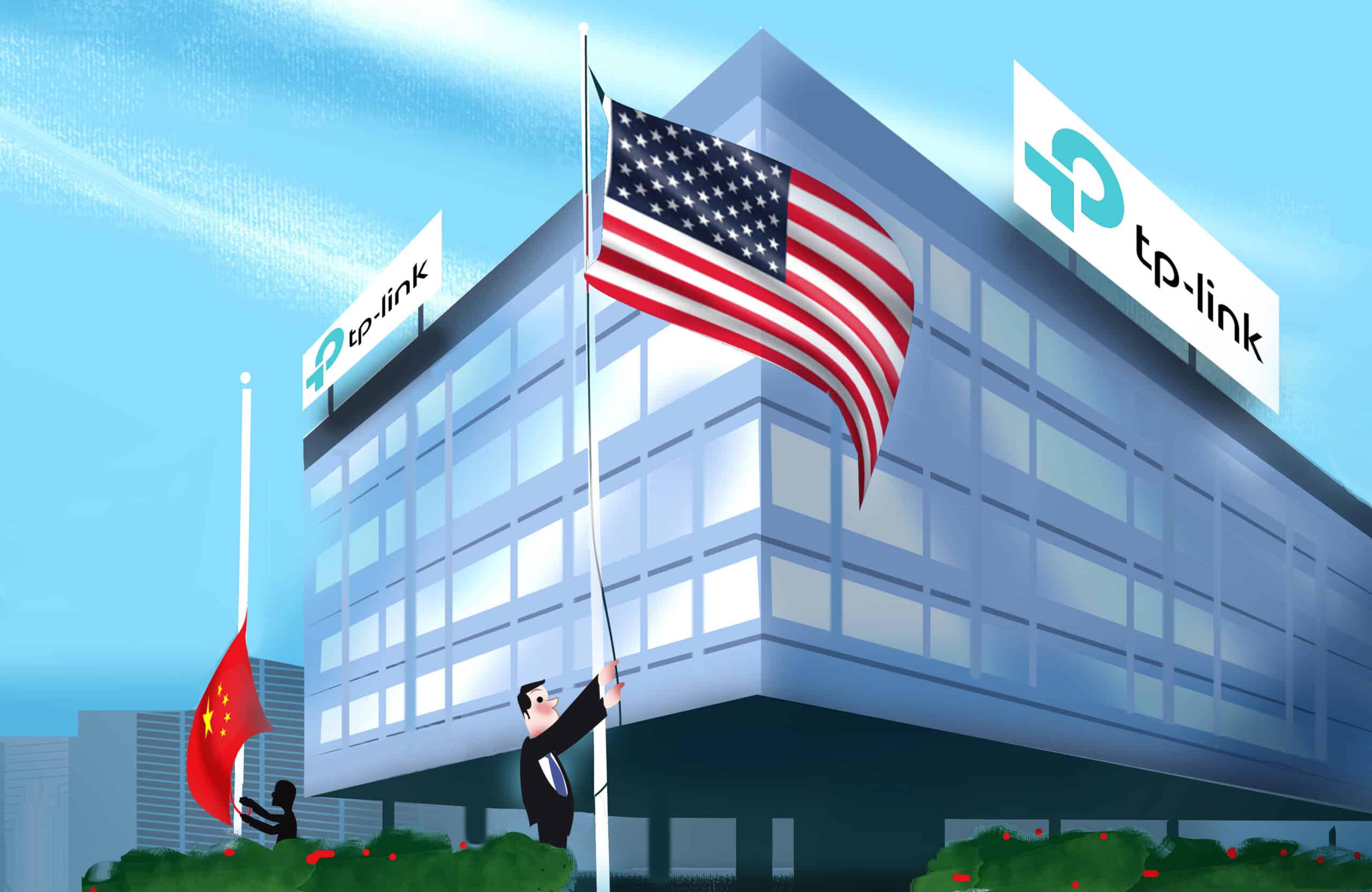
TP-Link’s American Dream
TP-Link, America’s largest supplier of the consumer routers that connect households to the internet, moved its headquarters from China to California in 2024 and is controlled by a Delaware-based LLC. The company also insists that all of the routers that it imports into the U.S. are made in Vietnam, not China. Be all that as it may, TP-Link, its China-born founder Jeffrey Chao, and its lobbyists are working overtime to convince sceptical politicians and regulators in Washington that its routers are not a threat to U.S. national security.
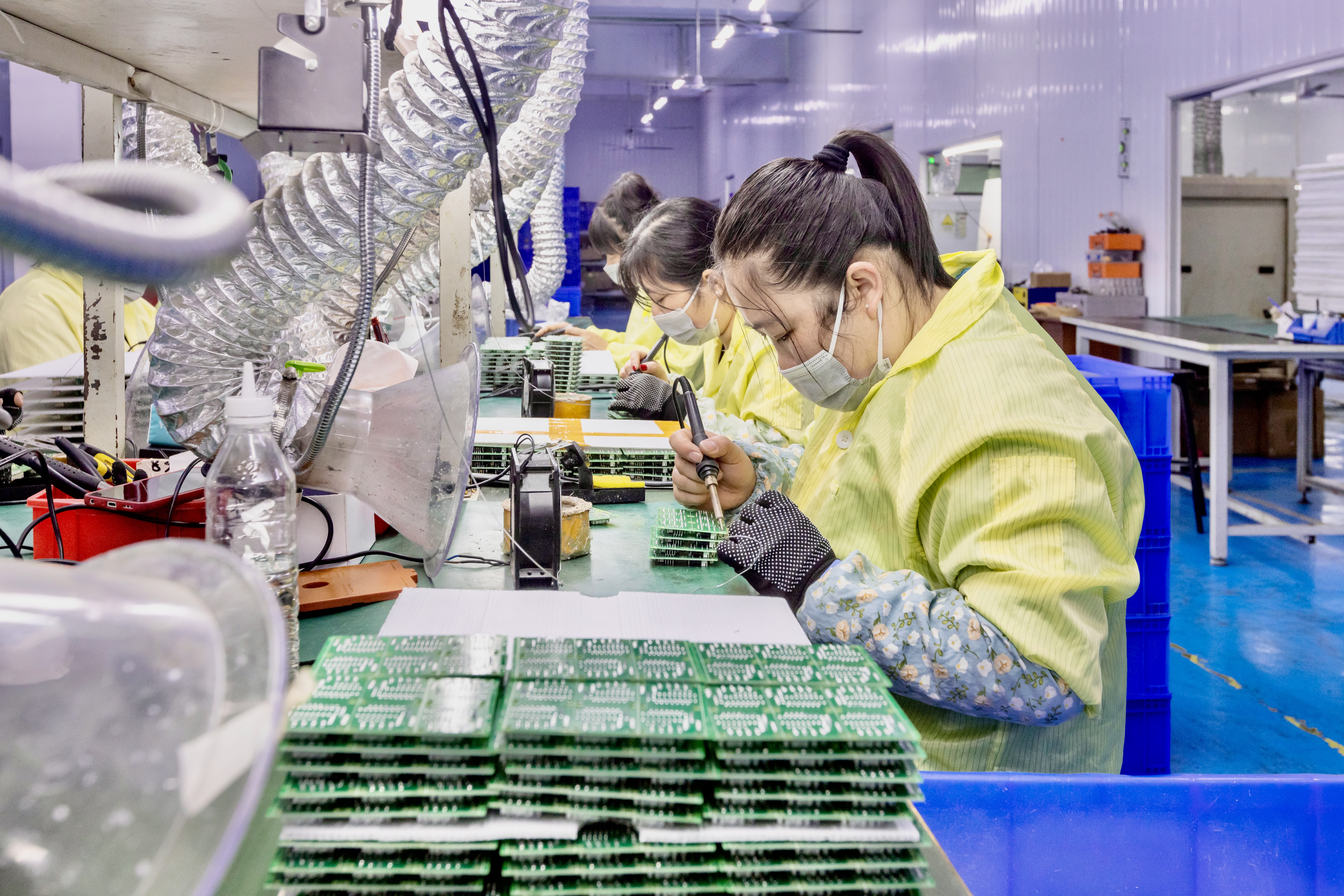
China’s Quiet AI Winners
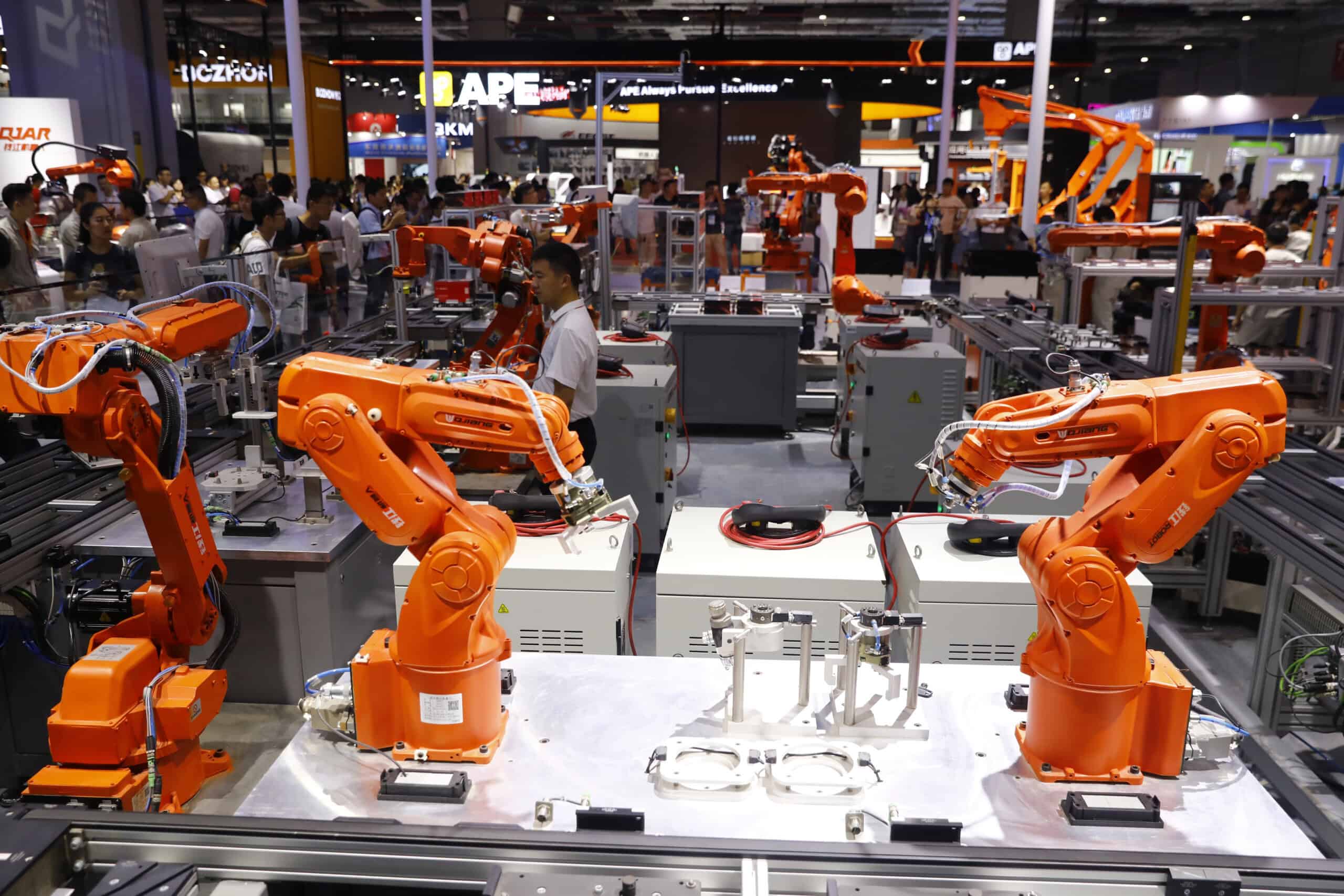
Victory Giant Technology, a Guangdong-based manufacturer of printed circuit boards used in AI servers and other computers, raised $2.6 billion recently in Hong Kong’s biggest IPO of the year so far. Other beneficiaries of the AI boom that you have probably never heard of, writes Rachel Cheung, include Kingboard Laminates and Zhongji Innolight. Time to update your portfolio.
Fighting Fire with Fire
In April the Chinese government used a 2021 law known as the Blocking Rule for the first time. The law, Savannah Billman writes in this week’s Big Picture, was passed to counter what Beijing sees as unjustified sanctions on Chinese entities. It is one of eight major new regulations passed since 2020 that China passed in order to counter the sanctions increasingly aimed at it by the U.S. — and also fight back with sanctions of its own.
A Q&A with Jonathan Cheng
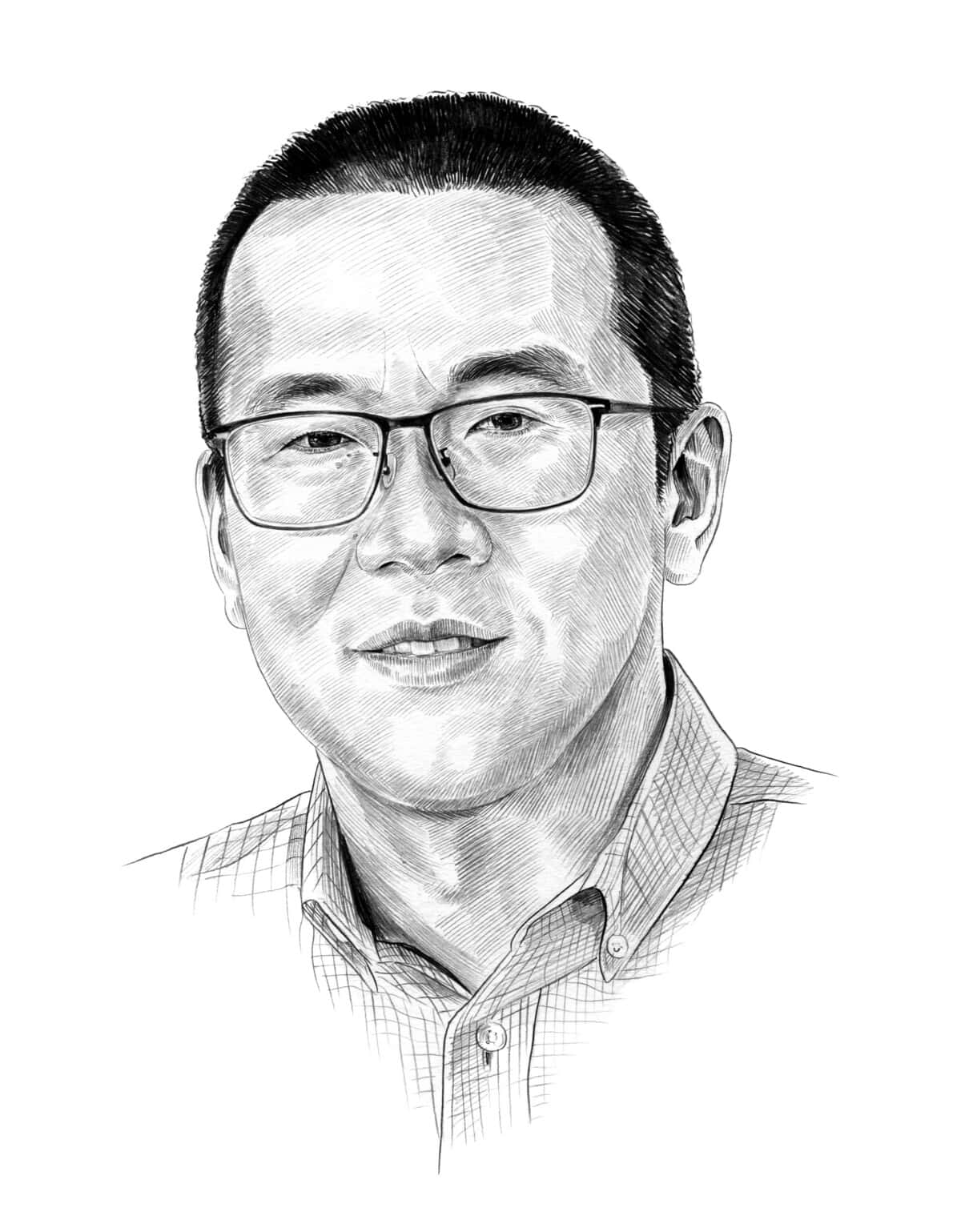
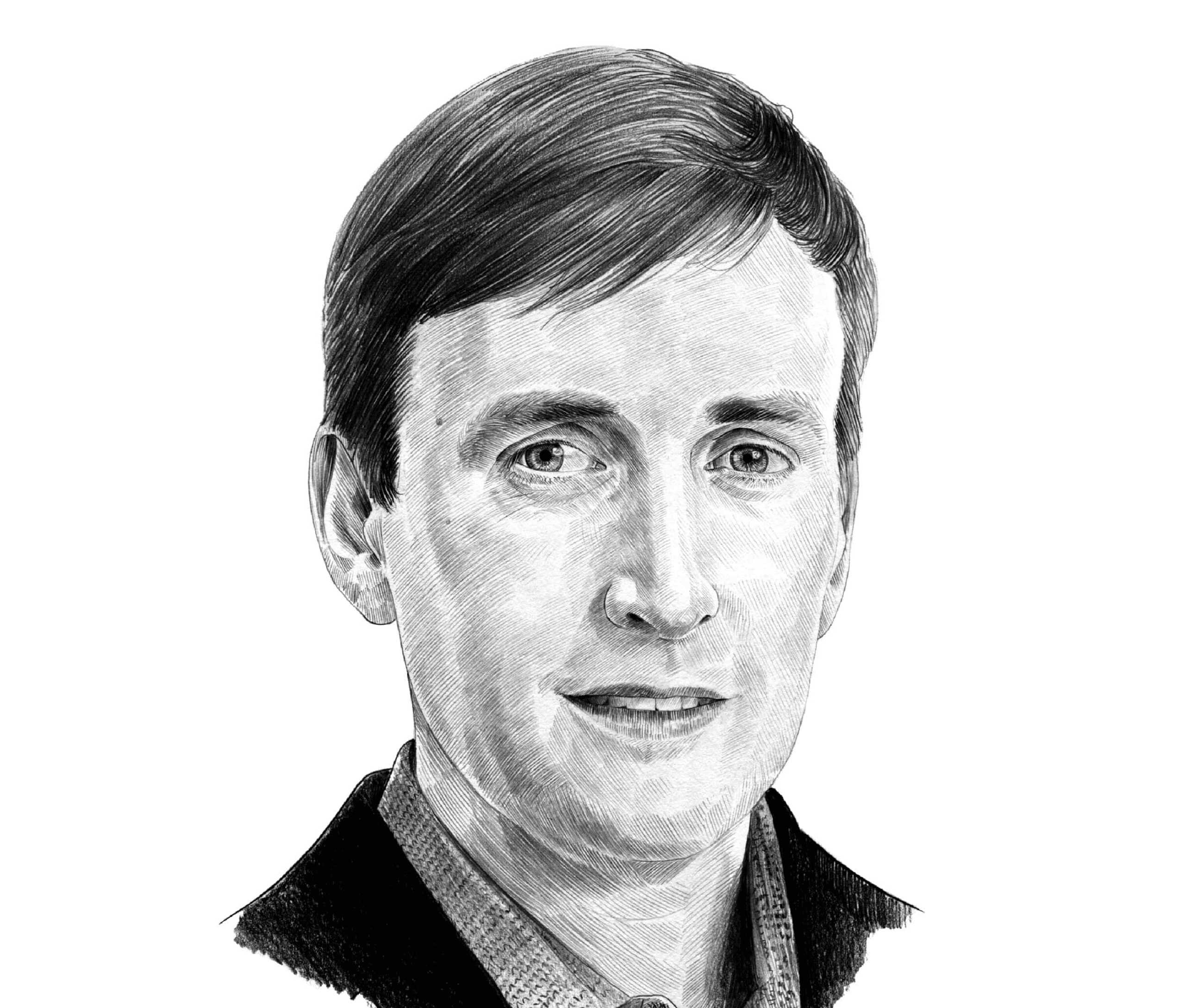
When the U.S. and China engaged in a series of tit-for-tat expulsions of each others’ journalists six years ago, Jonathan Cheng dodged the bullets because he was Canadian. Today Cheng, the Wall Street Journal’s China bureau chief, is one of just three accredited correspondents working for the Journal, New York Times and Washington Post in China.
In a conversation with Brent Crane, Cheng talks about his new book on North Korea’s Kim family dynasty and how “much of what I see [in China] rhymes with North Korea”.
Jonathan Cheng
Illustration by Lauren Crow
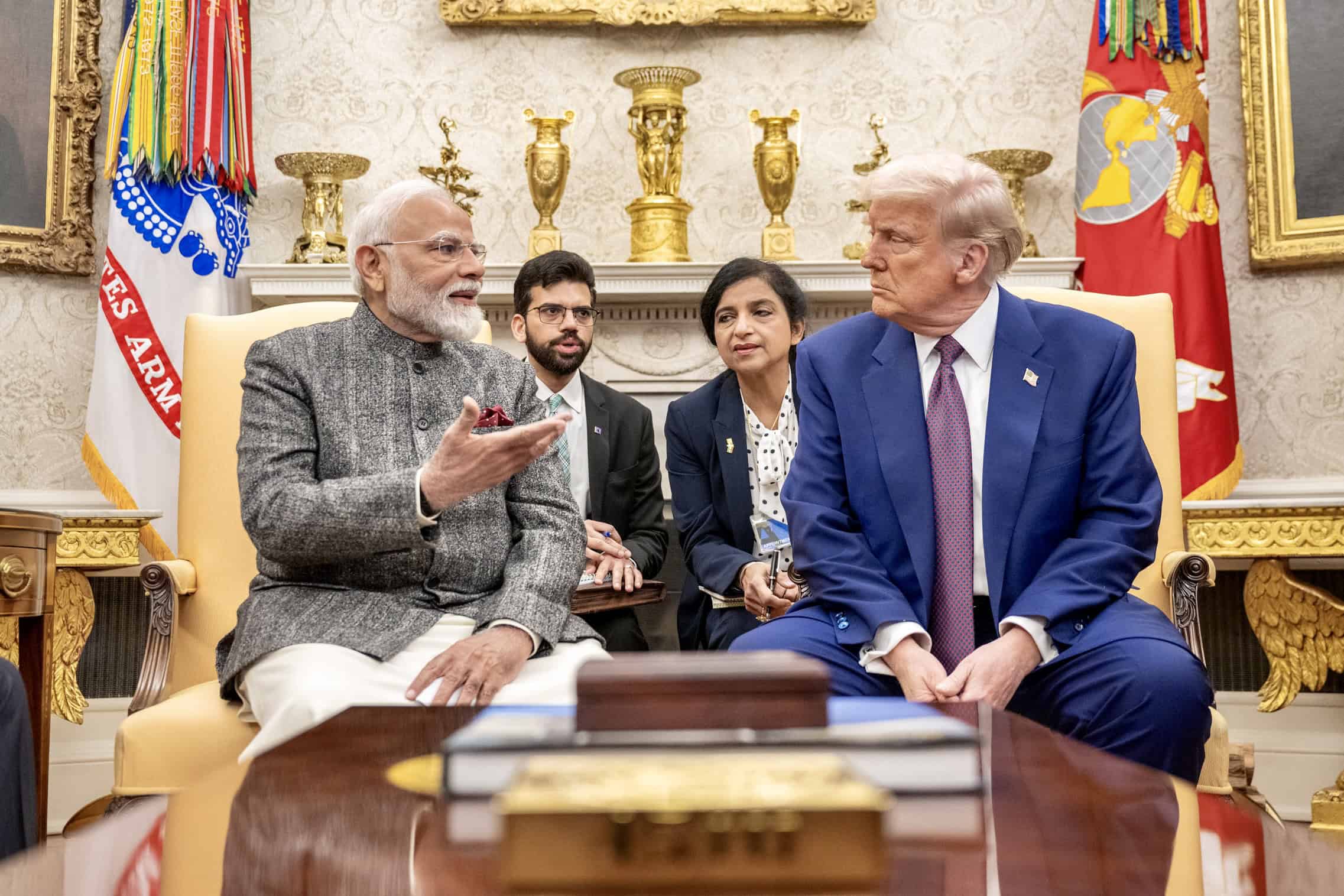
Meanwhile, South of the Himalayas…
If the U.S. and Europe have any hope of competing against China’s industrial might they need to work much more closely with India, Mike Kuiken and Leland Miller write in this week’s op-ed. From New Delhi’s perspective they argue, the fundamental problem is that “bilateral activity [with the U.S.] has accelerated while [India’s] access to the underlying technologies that matter has not”.
SOPA 2026 Awards
The Wire China’s Rachel Cheung was a finalist in two categories of this year’s Society of Publishers in Asia awards: Young Journalist of the Year and Excellence in Arts and Culture Reporting. Rachel was cited for her writing on Chinese quantum computing, robotics, a Hong Kong investment craze, healthcare AI and the technological, economic and political pressures that are bearing down on China’s books publishing industry.
All of Rachel’s nominated articles will be free-to-read on thewirechina.com until July 6.
Subscribe today for unlimited access, starting at only $25 a month.