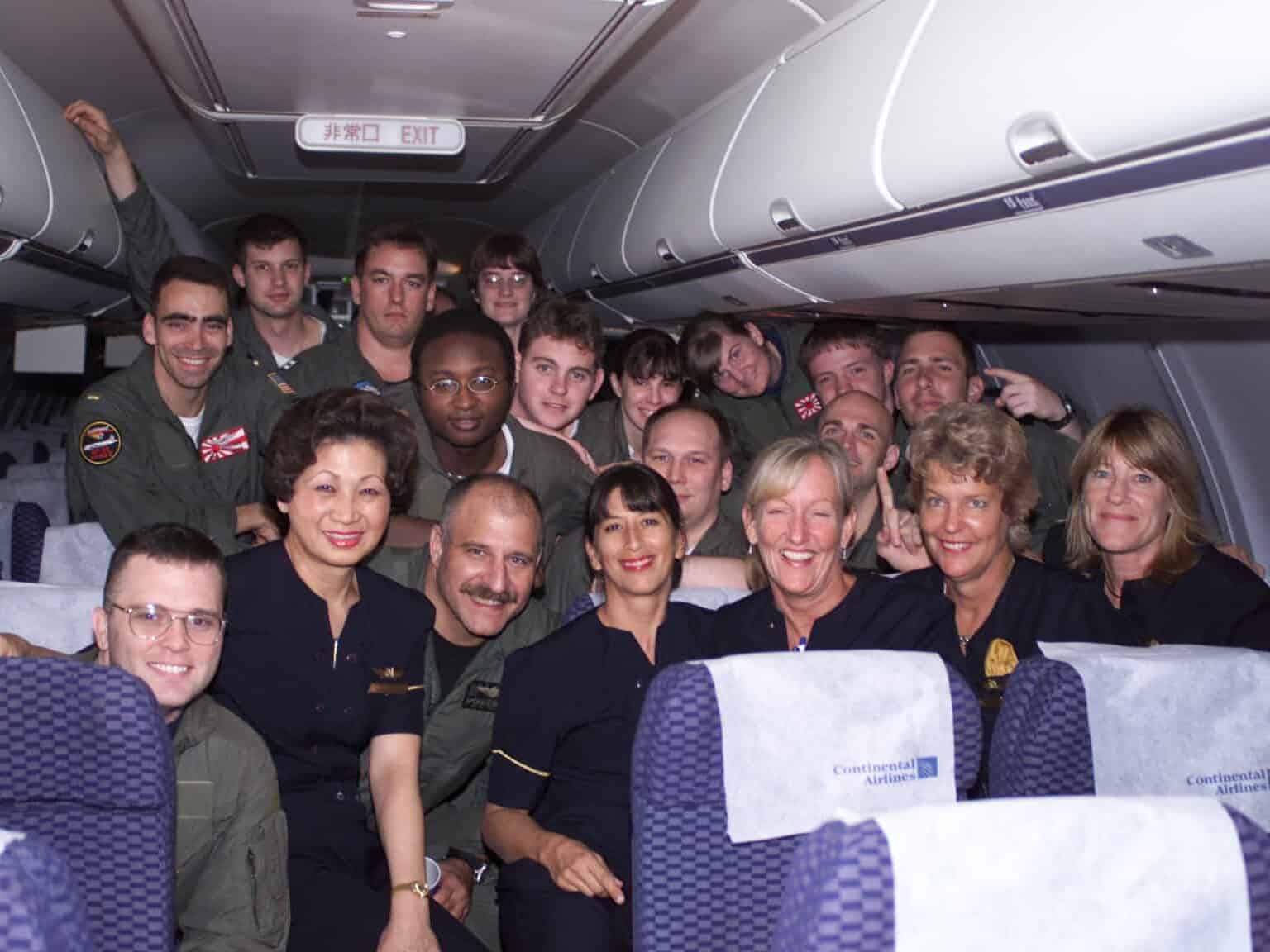
Good evening. In Part II of our oral history series on the April 2001 Hainan spy plane crisis, The Wire China is today publishing eight accounts of the incident from participants including Dennis Wilder, then the CIA’s China Division Chief (Directorate of Intelligence); U.S. diplomats Marc Grossman, Jim Moriarty and Ted Gong; and EP-3 crew members Jeremy Crandall and Nick Mellos.
On April 5, 2001 the crisis was entering its fourth day and it would be another week before China would agree to release the 24-member crew after formally receiving Ambassador Joseph Prueher’s “two sorries” letter. As Wilder tells Eliot Chen in this week’s cover story: “Nobody wanted to use the words ‘hostage situation’, but that was at the back of people’s minds”.
If any other participants would like to share their oral or written memories of the crisis for a possible follow-up to this series, please contact noah.berman@thewire.media, rachel.cheung@thewire.media, savannah.billman@thewire.media, eliot@thewire.media or tom.mitchell@thewire.media.
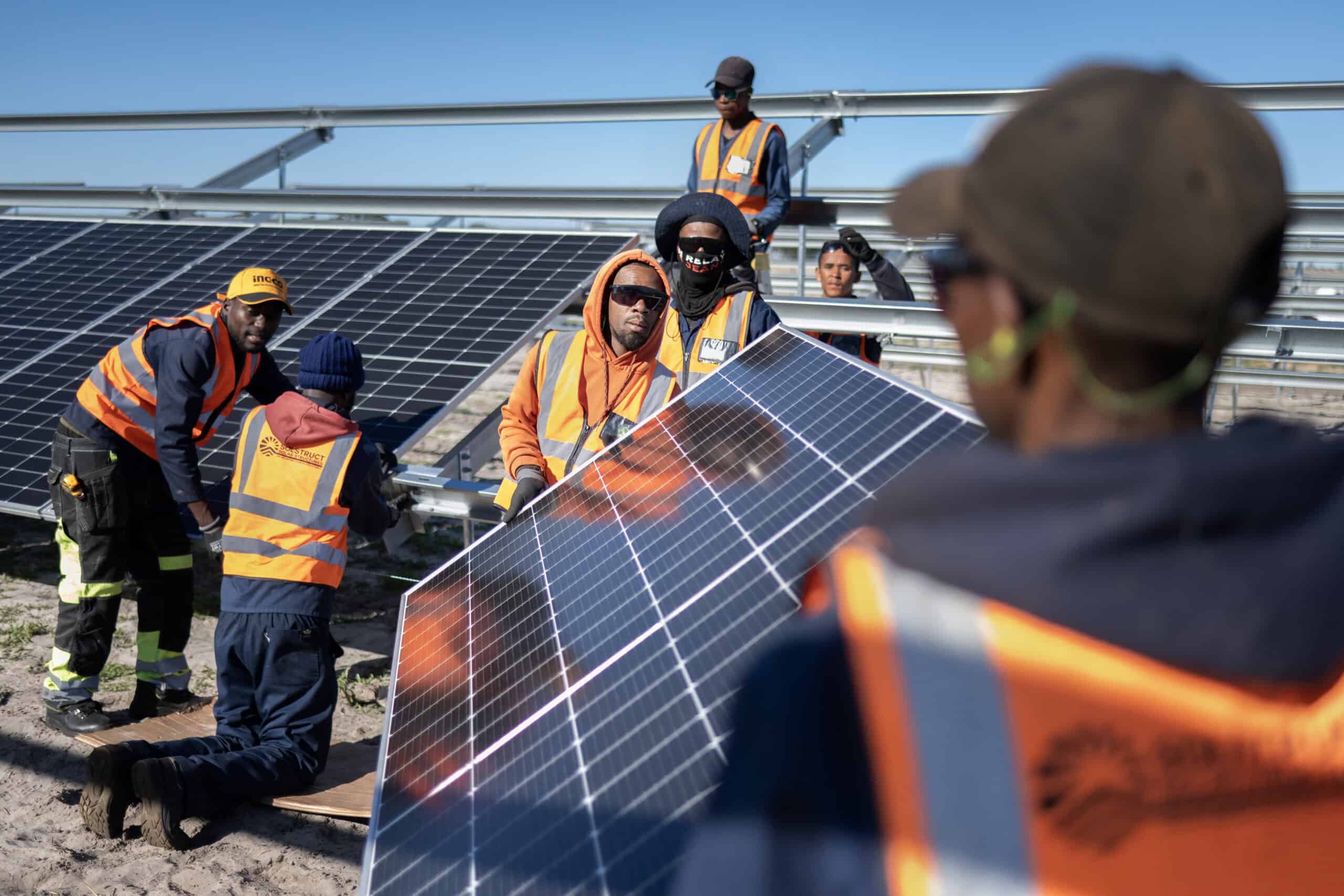
In this week’s Wire China podcast, editor Andrew Peaple and reporter Noah Berman discuss his reporting on the Chinese solar industry’s soaring sales to Africa. But the continent’s yawning trade deficit with China could dampen the excitement.
Other items in this week’s issue:
Can China’s solar industry finally close Africa’s electricity gap? ; Big Pharma’s love affair with China; a Q&A with journalist and author Michael Luo; and an ill-timed decline in China’s lending to poor countries.
Want this emailed directly to your inbox? Sign up to receive our free newsletter.
Eleven Days, Part II
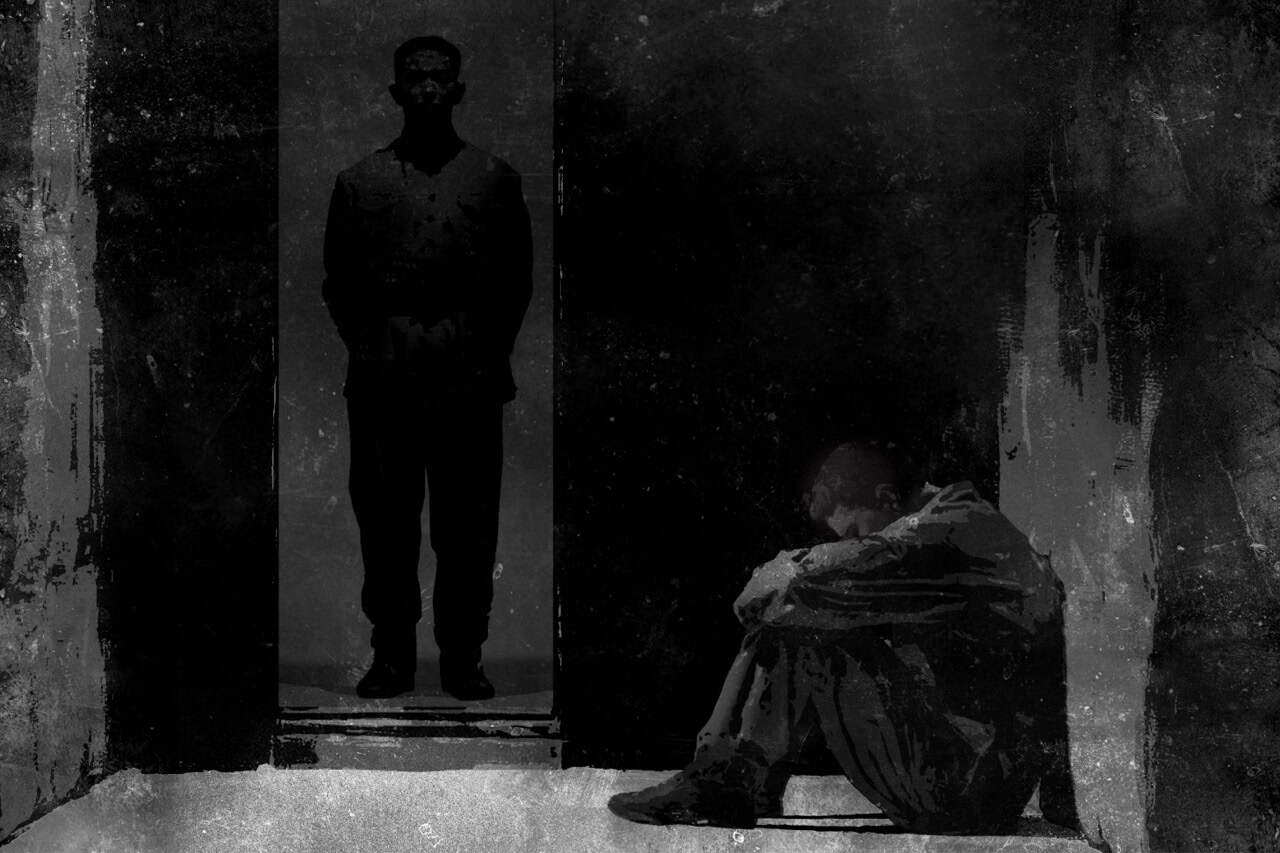
In 2001, Ted Gong was head of the department at the U.S. consulate in Guangzhou that helped American citizens in distress across southern China. On April 1 of that year, Gong was dispatched to Hainan to help ensure the well-being and release of the 24 U.S. Navy personnel whose plane had been involved in a collision with a Chinese jet fighter and made an emergency landing on the Chinese island. The experience was a crash-course in the stark differences between U.S. and Chinese crisis management capabilities. “[Our procedures] were so quick and established,” he tells The Wire China’s Savannah Billman. “[We had] almost direct lines to the President when he wanted to talk to us. And I’m sitting there watching my [Chinese] counterparts on the other side of the table say, ‘We don’t have a telephone line to Beijing’ … I remember my thought was, these guys don’t have a decision-making system in place that is anything near [our] almost instantaneous command structure.”
Following the Sun — China’s Solar Industry in Africa
Africa, the world’s sunniest continent, generates less than five per cent of its electricity from the sun. For China’s solar industry, that is a clear market opportunity. In 2022, Noah Berman writes, Africa accounted for less than three percent of China’s solar panel exports. Last year the continent’s share had rebounded to almost eight percent, and that should continue to grow as the 600 million Africans without electricity — almost 40 percent of its population — are finally provided with this 19th century technology. The downside is an even bigger continental trade deficit with China.
Addicted to China
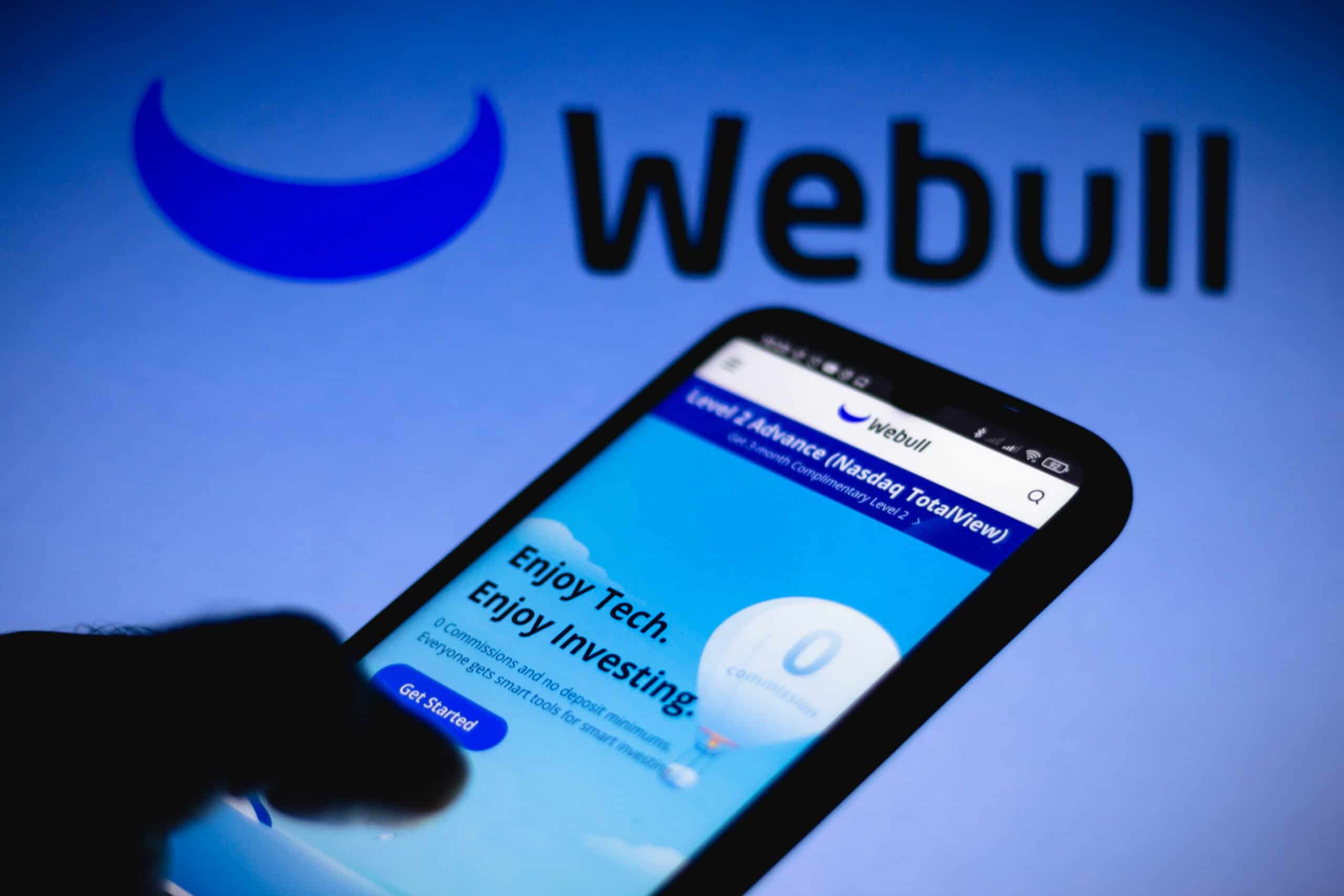
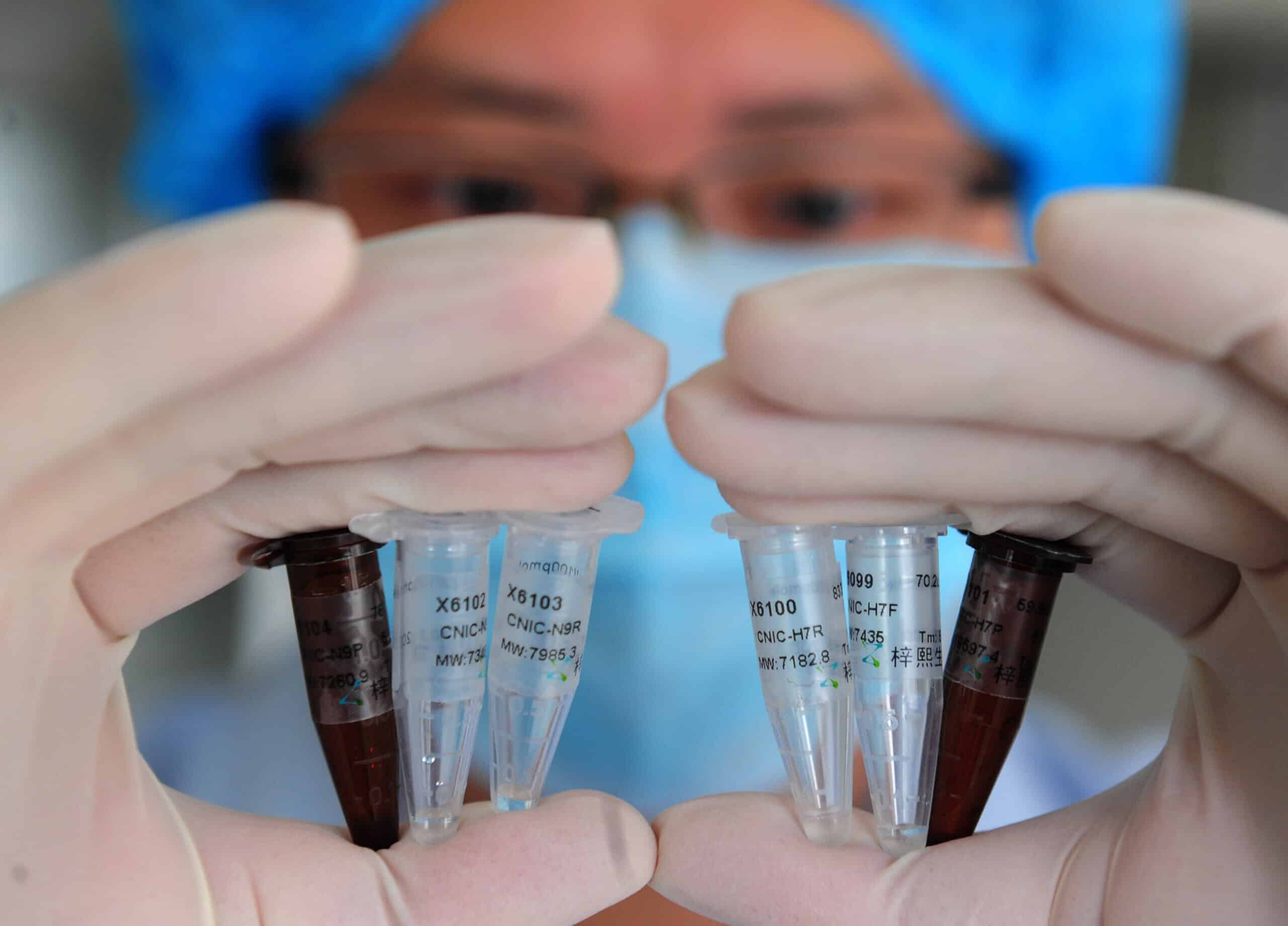
China’s diplomatic relationship with the U.S. and many of its allies may be at a historic nadir, but don’t tell that to the global pharmaceutical industry. In the first two months of 2026, Chinese and multinational pharma companies signed licensing agreements totalling over $50 billion, a five-year high, Savannah Billman writes in this week’s Big Picture. Eli Lilly and AstraZeneca have even signed agreements for drugs that their Chinese partners haven’t invented yet. “By the time [AstraZeneca] closed the deal, that medicine was not even in the clinic,” one industry expert says. “That’s the crazy part.”
A Q&A with Michael Luo
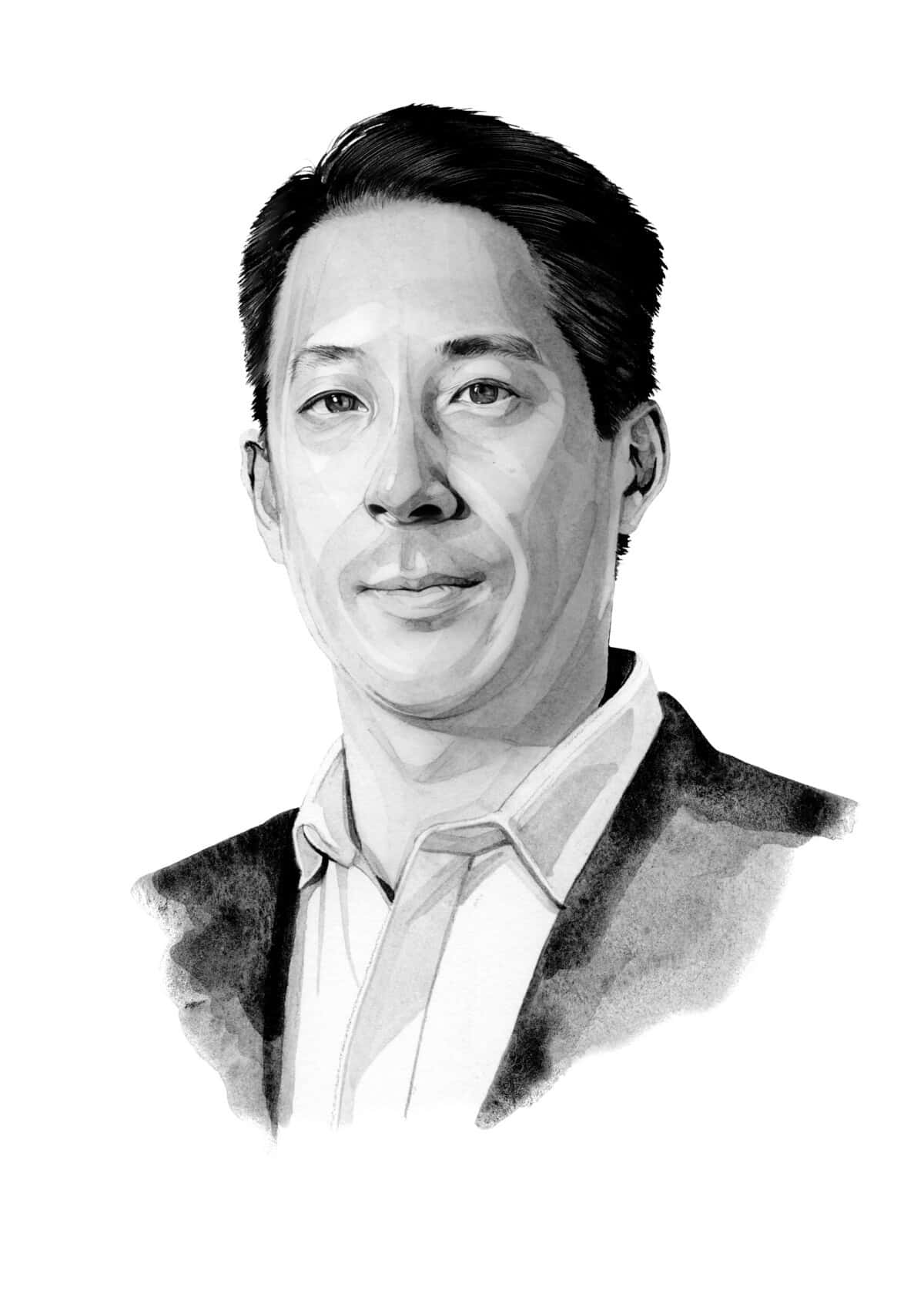
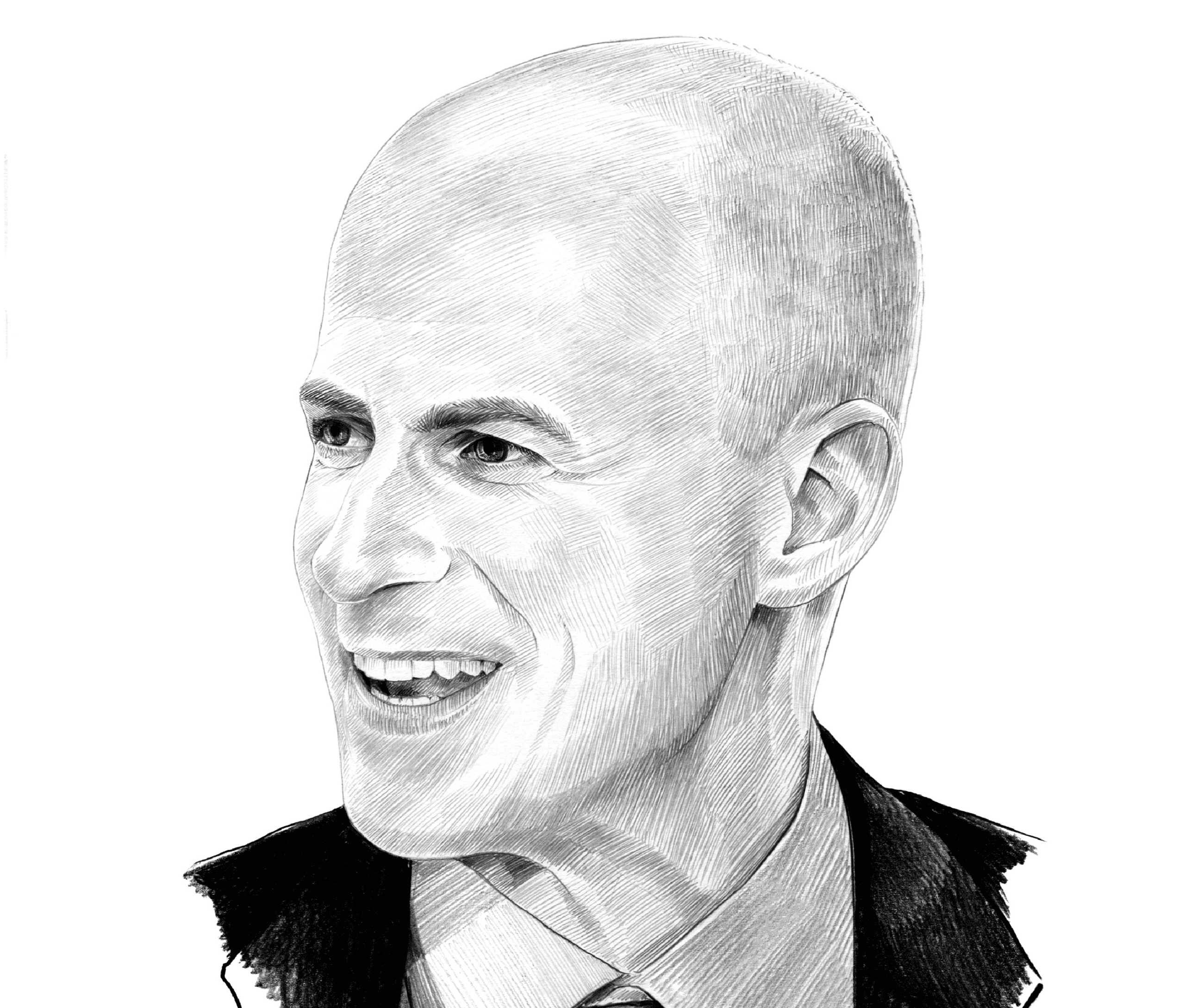
The New Yorker’s Michael Luo is a former New York Times reporter and author of a book on Chinese immigrants in America. In a conversation with Brent Crane, Luo discusses the history of anti-Chinese discrimination in the U.S., class and migration, and his family’s encounter with a racist that went viral and inspired his book.
Luo says he was haunted by a “bereft feeling I had thinking about my kids – they are two generations removed from my parents’ immigrant experience, yet I wondered if they would ever feel like they truly belonged in this country.”
Michael Luo
Illustration by Kate Copeland
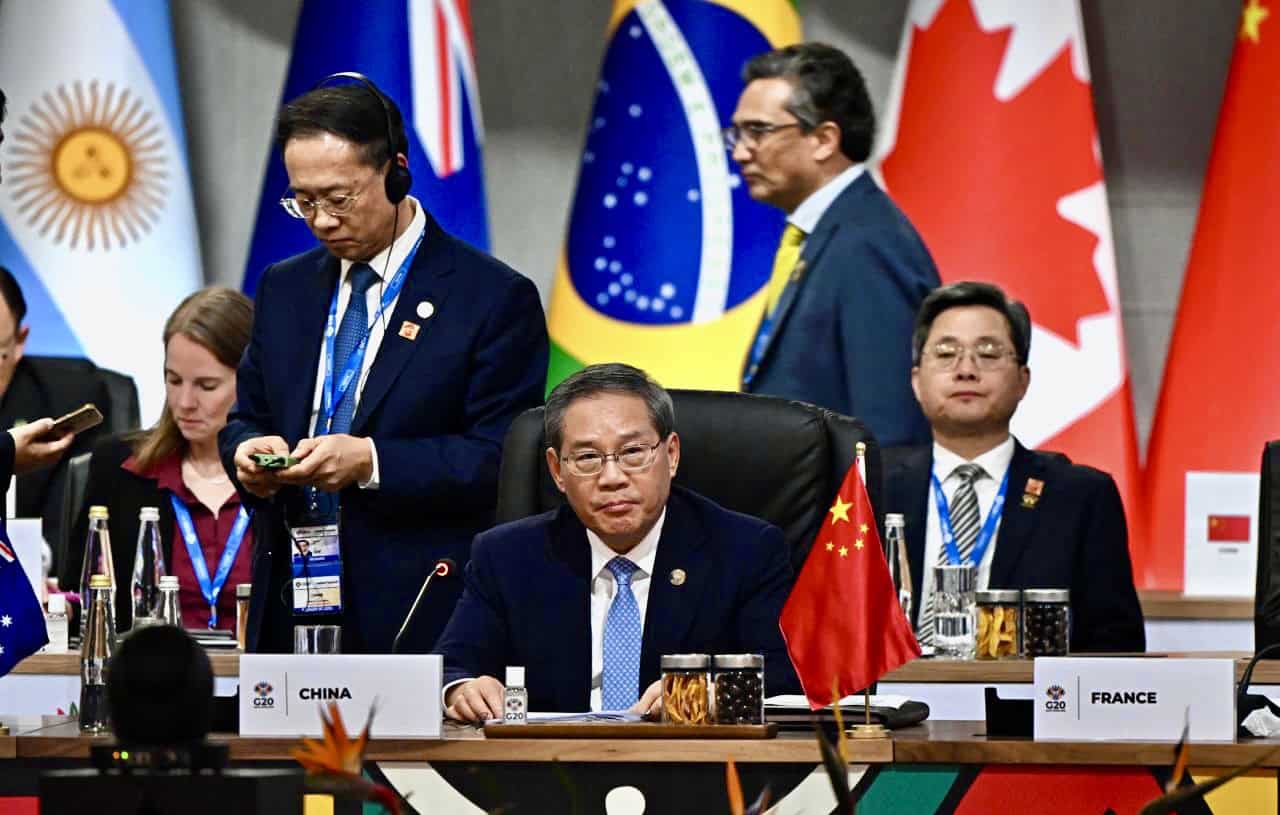
Penny Wise Pound Foolish
After establishing itself as an important lender to some of the world’s poorest countries, over recent years China has taken more from them in repayments than it has given out in new loans. This, argue Kevin P. Gallagher and Rebecca Ray, is a lost opportunity for Beijing.
Subscribe today for unlimited access, starting at only $25 a month.