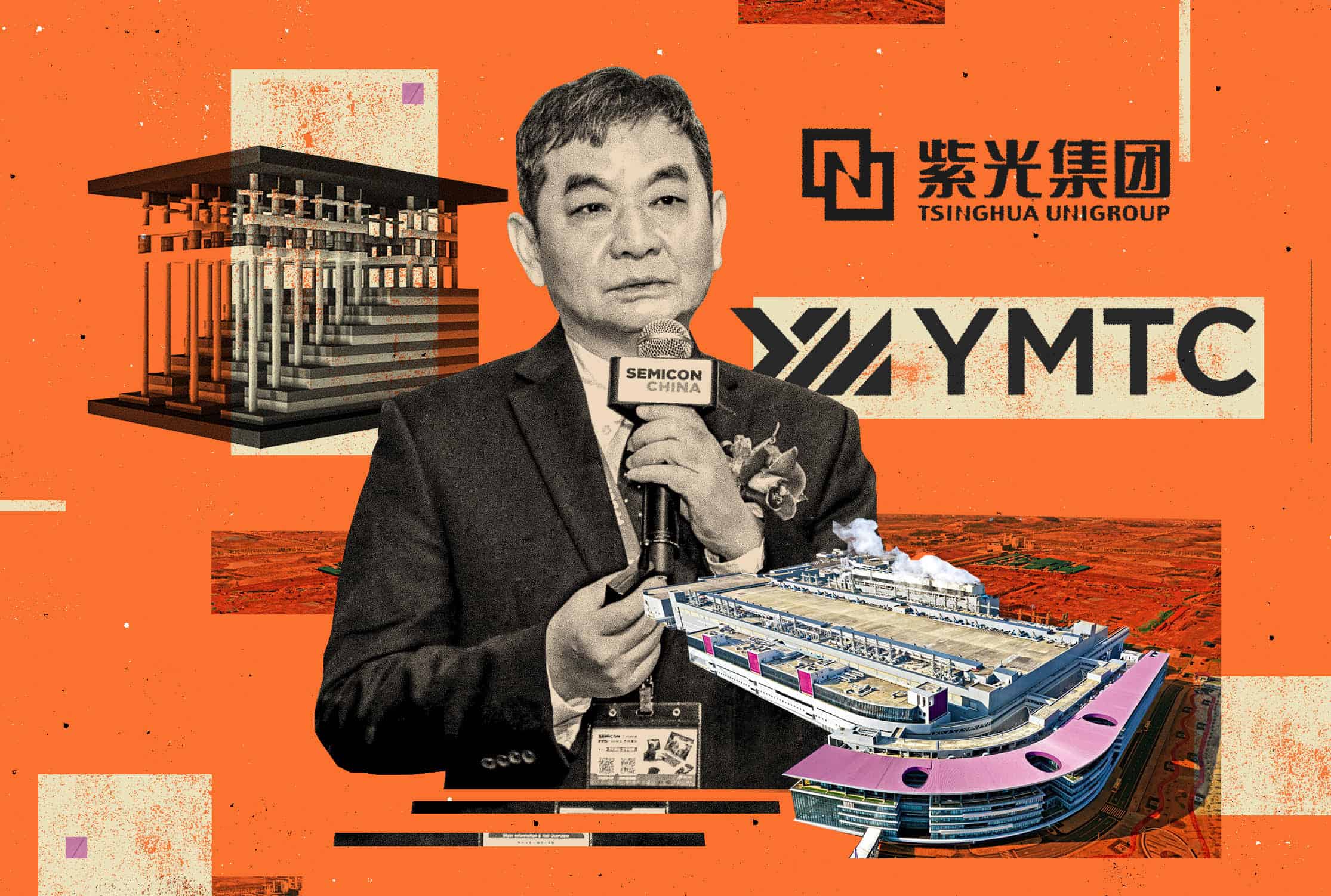
Good evening. For all the disagreements, policy reversals and setbacks that Communist China’s 50-year reform project has encountered under leaders as different as Deng Xiaoping, Jiang Zemin, Hu Jintao and Xi Jinping, there have been many constants. One of these is the Chinese Academy of Sciences. In this week’s Big Picture Cover article, Savannah Billman looks at the structure, funding and commercial activities of CAS, which remains central to the Chinese Communist Party’s ambitions to displace the U.S. as the world’s leading scientific power. It is an ambition that has been aided and abetted by the federal government funding cutbacks that have engendered so much controversy in Washington during Donald Trump’s second term in office. From Xi’s point of view, these recent developments in the U.S. constitute an act of self-harm as senseless and mystifying as Mao Zedong’s attacks on CAS and so many other vital Chinese institutions during the Cultural Revolution. But as with so many other of America’s mistakes, from its wars in the Middle East to its withdrawal from Europe, it is a mistake that will also benefit Xi and CAS’s big ambitions.
Other items in this week’s issue: China’s “Southern” AI strategy; a possible Bangkok-London-Michigan expressway for Chinese autonomous vehicles; a conversation with former export controls czar Alan Estevez; plus Angela Huyue Zhang on what China can teach America about “sovereign AI”.
And in the latest Wire China podcast, Noah Berman and Rachel Cheung discuss their recent investigation into Chinese-owned Jupiter Systems, which the U.S. government did not know was Chinese-owned even though it sold sensitive communications technology to U.S. government and military customers.
Want this emailed directly to your inbox? Sign up to receive our free newsletter.
Not your Average Academy of Sciences
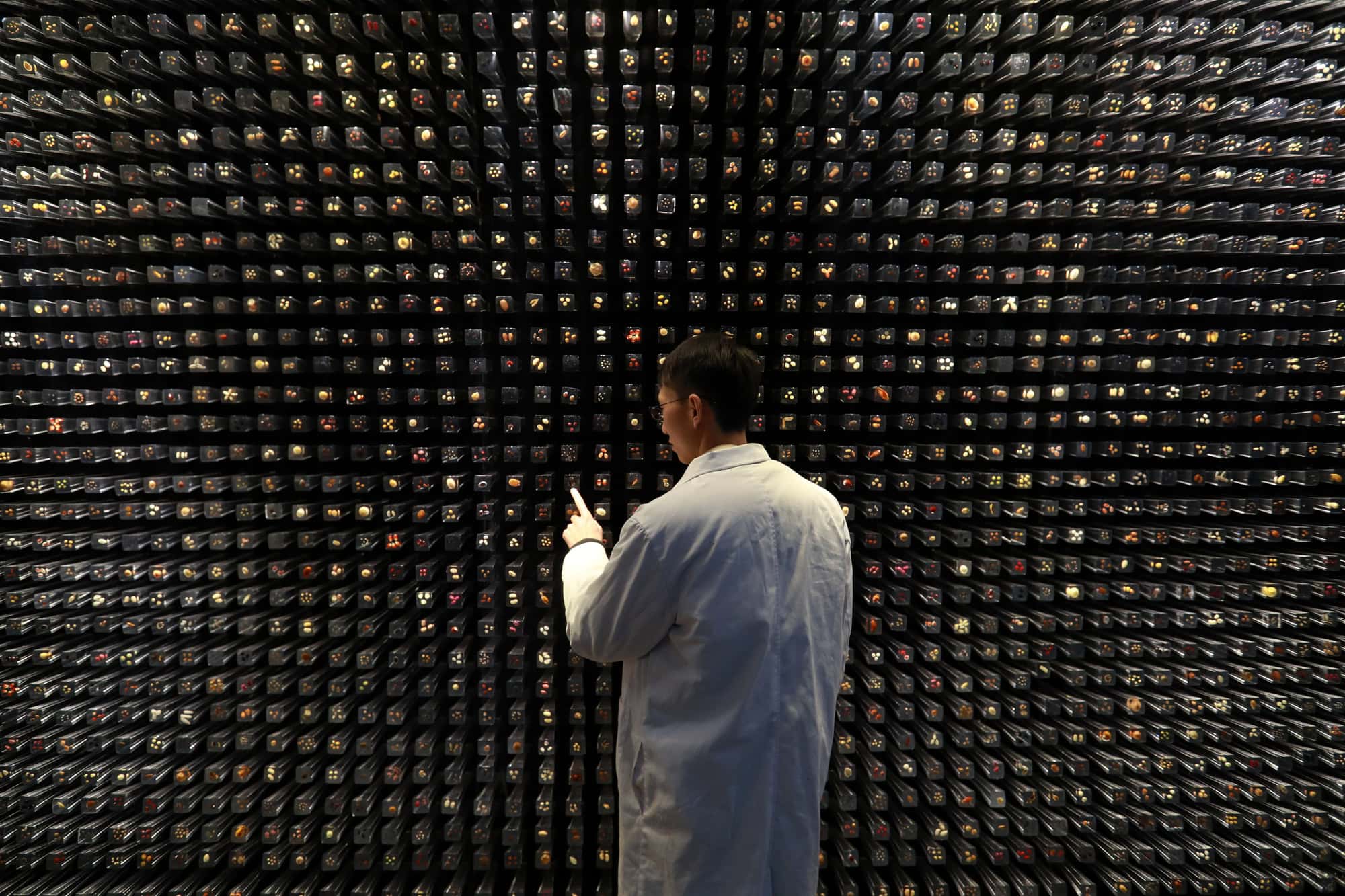
What operates more than 100 research institutes and three universities, employs 63,000 scientists and publishes more research papers than any other institution? The answer is the Chinese Academy of Sciences, a relatively unknown entity outside of China. In this week’s Big Picture cover story, Savannah Billman looks at one of the most important arrows in the Chinese Communist Party’s science and technology quiver.
Surrounding American AI from the South
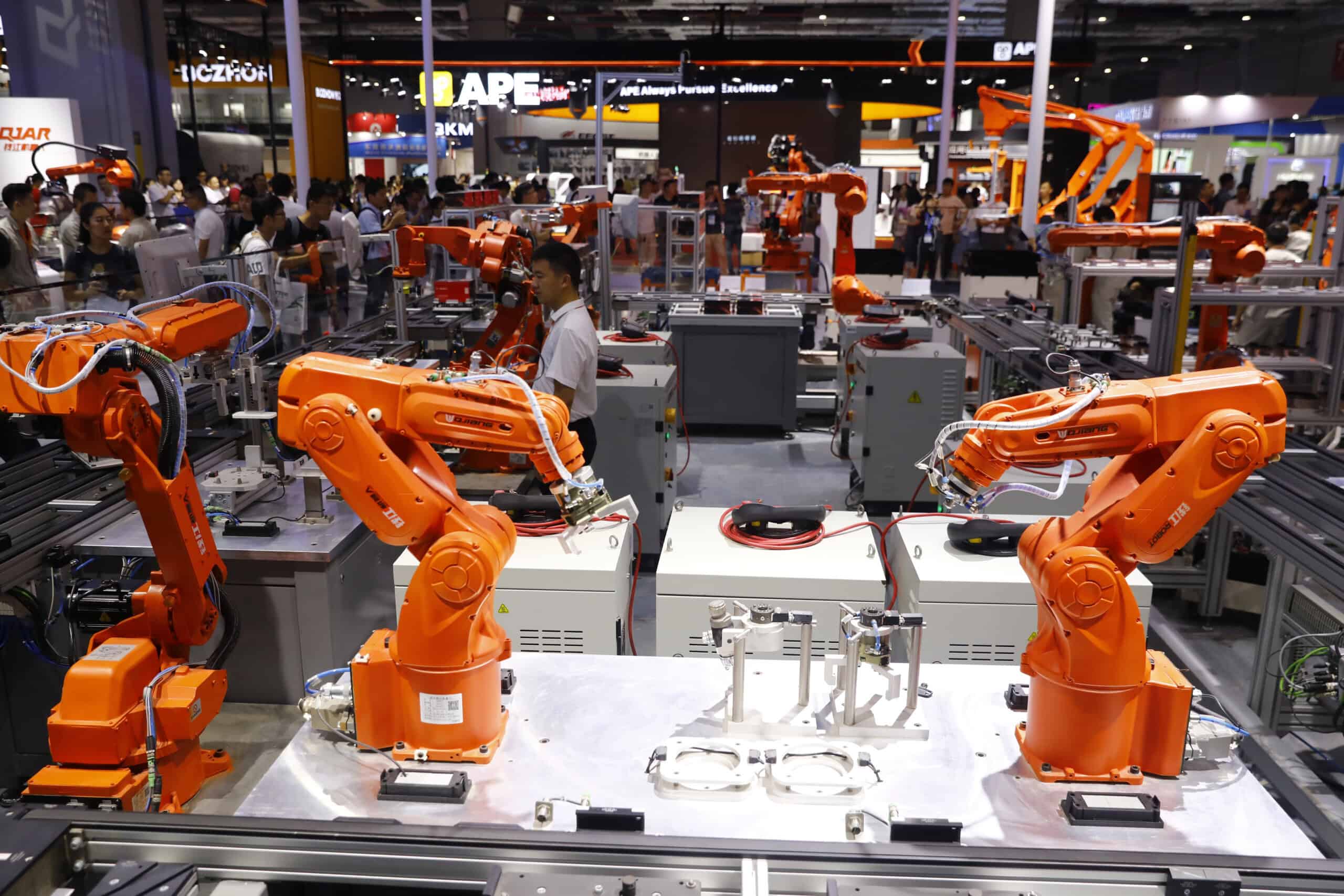
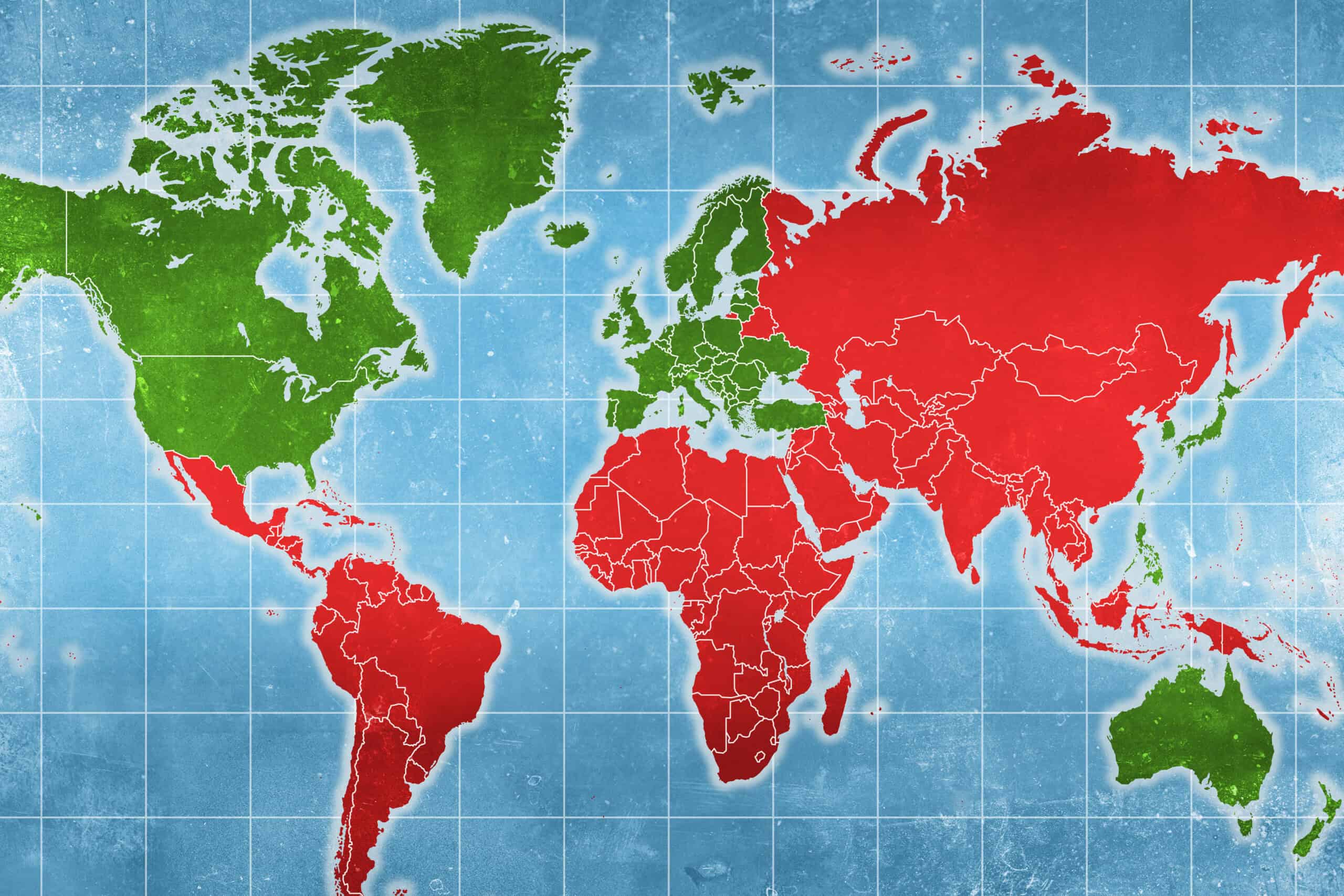
For a young person in a large developing country, China’s exports may not yet have the cache of Hollywood, Coca-Cola and the NBA. But he or she is increasingly likely to associate China with high-quality manufactured goods, a recently completed infrastructure project or rescue workers arriving after a natural disaster. If this trend continues, the Chinese Communist Party hopes, that familiarity may also soon extend to DeepSeek rather than Gemini as it tries to popularise relatively cheap “open-weight” Chinese AI models and establish a leading position in the industry at America’s expense. Alex Colville assesses how this project is progressing in three very different Southeast Asian countries.
“From Caution to Audacity”
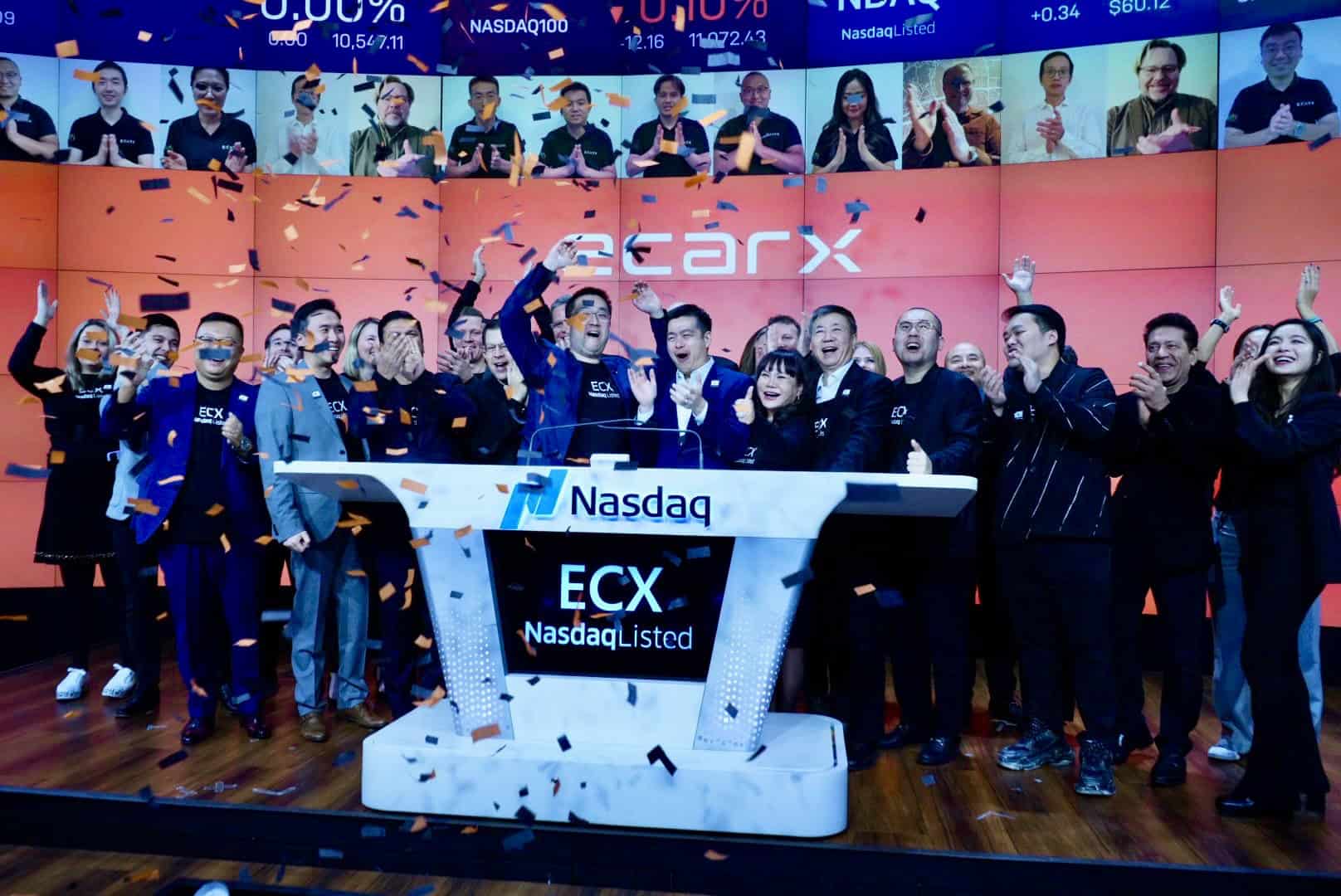
Has a London-headquartered company with “substantially all” of its operations and assets in China found a way to export autonomous vehicles to the U.S.? Last month ECARX announced a $750 million partnership to supply a Michigan buyer with AVs, writes Noah Berman. ECARX’s controlling shareholder is Eric Li, who is also chairman of Hangzhou-based car maker Geely. To get around the Biden administration’s “connected-vehicle rule”, which bans the import or sale of cars that use Chinese technology for internet connectivity or autonomous driving, ECARX plans to manufacture its Michigan-bound AVs outside of China. When it comes to trying to finally enter the world’s second-largest car market, an industry expert says “Chinese companies like ECARX are moving from caution to audacity.”
A Q&A with Alan Estevez

Alan Estevez is a former head of the Commerce Department’s powerful Bureau of Industry and Security, which decides what U.S. technologies cannot be exported to China. He previously worked as a defense acquisition official.
In this week’s Q&A with Noah Berman, Estevez discusses Biden-era restrictions on exports of semiconductors and chip-making equipment to China, Made in China 2025 and why the Trump administration’s decision to let Nvidia sell its H200 chips to China was a mistake. “Export controls have a purpose but the purpose is going to degrade over time,” he says. “You have to keep advancing your own technology to stay ahead.”
Alan Estevez
Illustration by Lauren Crow
Securing AI Sovereignty
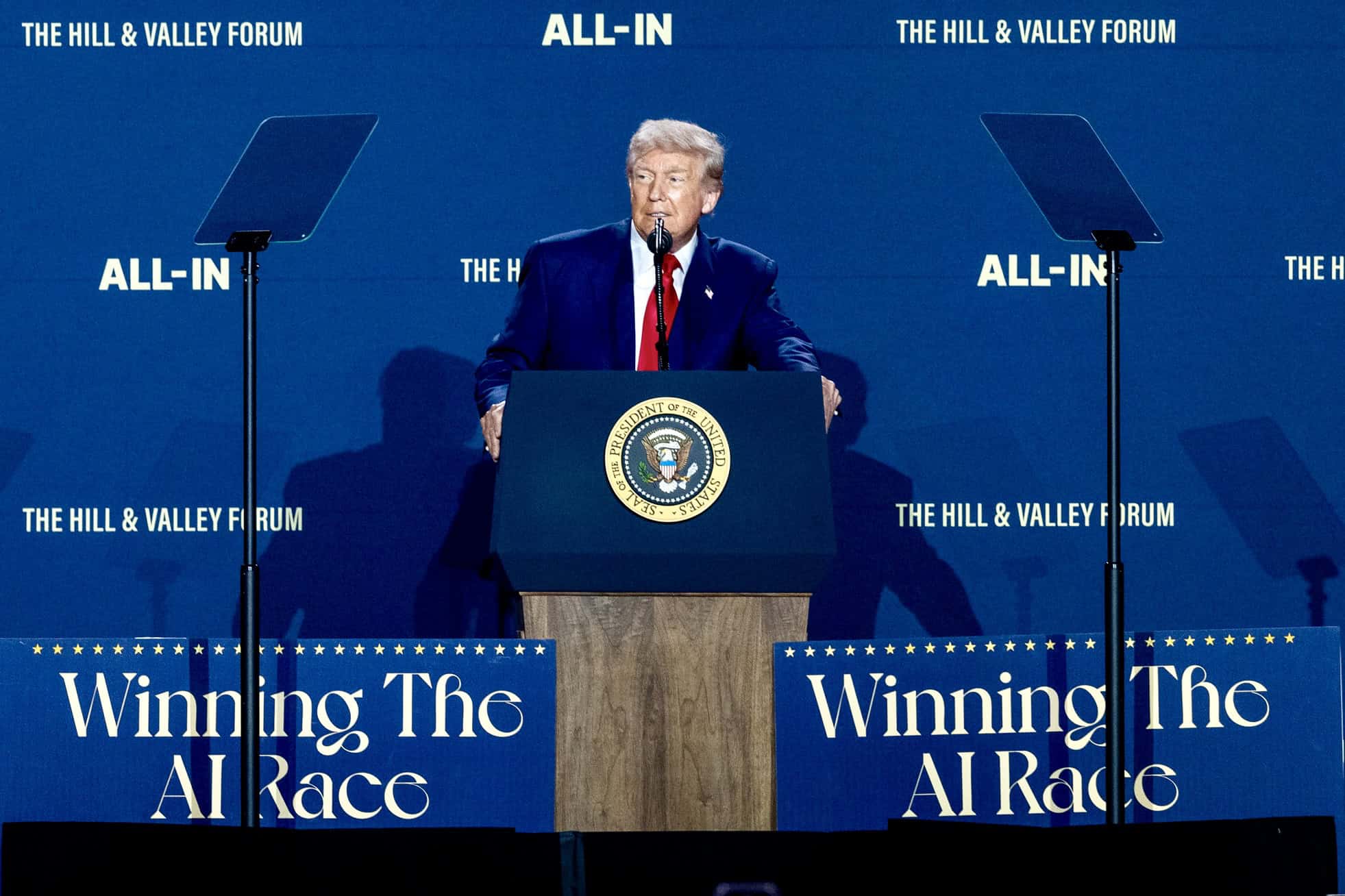
The Chinese government has launched an $8 billion national AI fund — itself a subset of a much larger semiconductor development fund — to make sure it reaps a share of the transformative technology’s economic rewards. Angela Huyue Zhang argues that the U.S. should consider a similar strategy.
SOPA 2026 Awards
The Wire China’s Rachel Cheung was a finalist in two categories of this year’s Society of Publishers in Asia awards: Young Journalist of the Year and Excellence in Arts and Culture Reporting. Rachel was cited for her writing on Chinese quantum computing, robotics, a Hong Kong investment craze, healthcare AI and the technological, economic and political pressures that are bearing down on China’s books publishing industry.
All of Rachel’s nominated articles will be free-to-read on thewirechina.com until July 6.
Subscribe today for unlimited access, starting at only $25 a month.