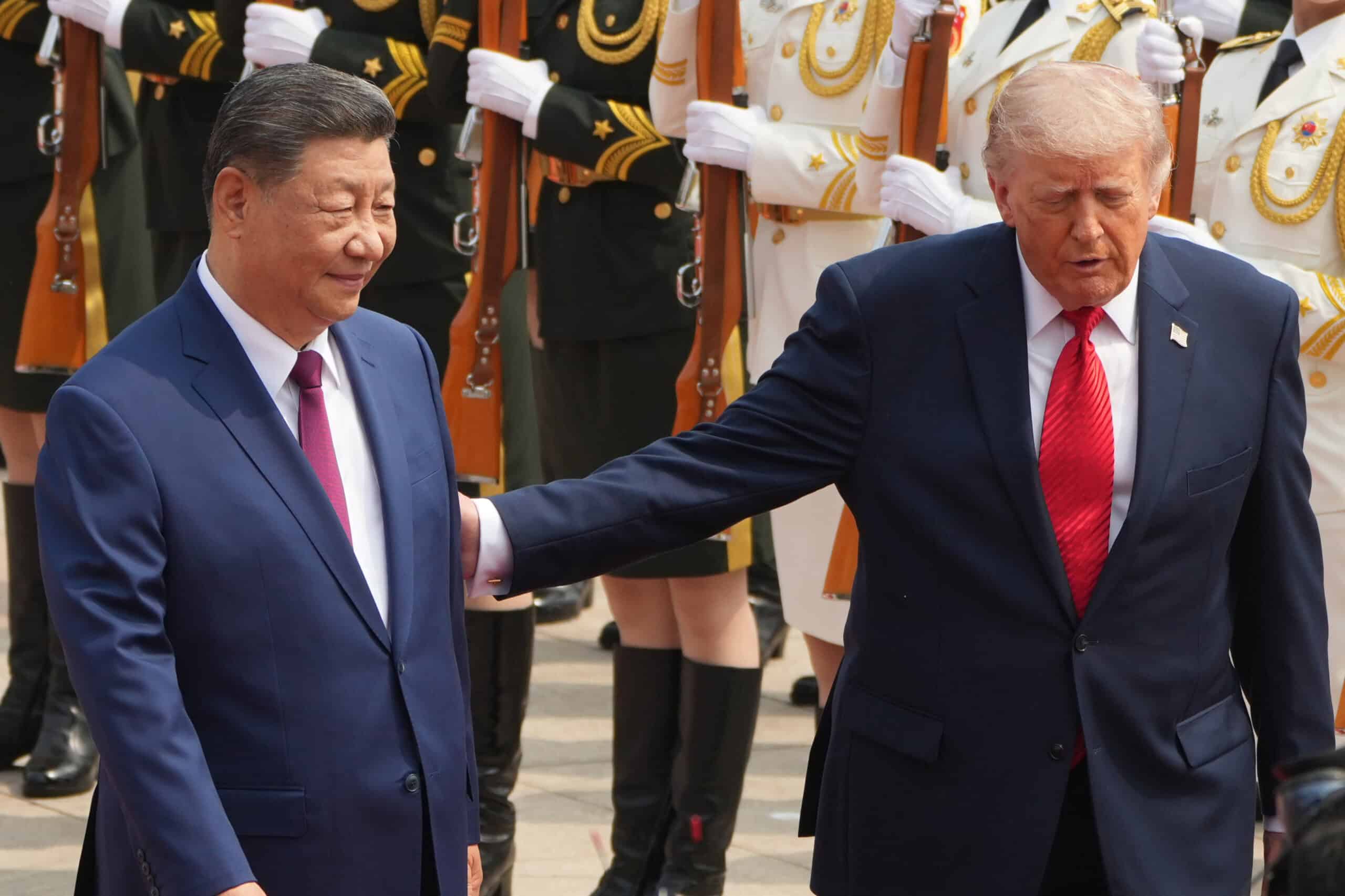
Good evening. There were no knock-out blows when Trump 2.0 met Xi 3.0 in Beijing this month for the two presidents’ highly anticipated summit. But did one of them win on points? This week’s cover story asks seven Chinese and U.S. experts and former government officials — and one relative of a Chinese prisoner of conscience — to assess the meeting and its outcomes. When it came to the ever central issue of Taiwan, Chinese officials were hoping for a repeat of Donald Trump’s 2018 “surrender summit” with Vladimir Putin in Helsinki, when he said he believed Putin’s assurances that Russia did not interfere in the 2016 U.S. presidential election and not the American intelligence community’s evidence to the contrary. In the end Beijing did not get what it was wishing for. Trump did not say or do anything that fundamentally changed America’s long-standing policy towards Taiwan, although a big test of that fortitude will come later this year when he decides whether or not to proceed with a $14 billion arms sale to the island. For now, at least, Xi Jinping can be happy that Trump’s broader approach towards the world’s most important bilateral relationship seems to have shifted from serial confrontation to a preference for constructive stability.
And in this week’s podcast, Savannah Billman and Rachel Cheung discuss Rachel’s recent reporting on the quiet companies profiting from China’s AI surge.
Other items in this week’s issue: The companies invited to Xi and Trump’s summit supper, Victor Shih on Trump vs Xi II, and Alicia García-Herrero and Elina Ribakova on Russia and China, unequal partners. Plus, Chinese memory chips and a conversation with Joe Studwell about his new book How Africa Works and China’s role in the continent’s development.
Want this emailed directly to your inbox? Sign up to receive our free newsletter.
A Fox News host, a Chinese scholar and…
…the head of Donald Trump’s advance team walk into a bar. Well, it wasn’t a bar. But Fox News host Bret Baier, Fudan University’s Wu Xinbo and White House staffer John Hiller were seated together at Xi Jinping’s official welcome banquet for Donald Trump, which was held at the Great Hall of the People. John F. Kennedy’s Camelot the Trump administration is not, so Baier and Hiller were surprised that a scholar had been invited to such a state function, according to Wu, who is one of China’s leading Americanologists and a member of the Chinese foreign ministry’s policy advisory board. In this week’s cover story, The Wire China talks to Wu and many others about their views of this month’s summit.
Guess Who’s Coming to Dinner
My CEOs are bigger and better than your CEOs, Trump seemed to say Xi as he showed off the powerful corporate bosses drafted to serve in his Beijing entourage. In this week’s Big Picture, Savannah Billman looks at China Inc’s opposing line-up.
How Trump Helped Xi Trump Trump
“Trump’s second term began with a relatively good hand for the United States: a strong alliance network, cooling price pressures, ample funding for green energy and semiconductor subsidies, and global leadership in science and technology across most fields,” Victor Shih writes in an op-ed on the Trump-Xi summit in Beijing. What a shame, Shih argues, the U.S. president threw most of it away before arriving in China’s capital.
Xi’s Russian Mini-Me
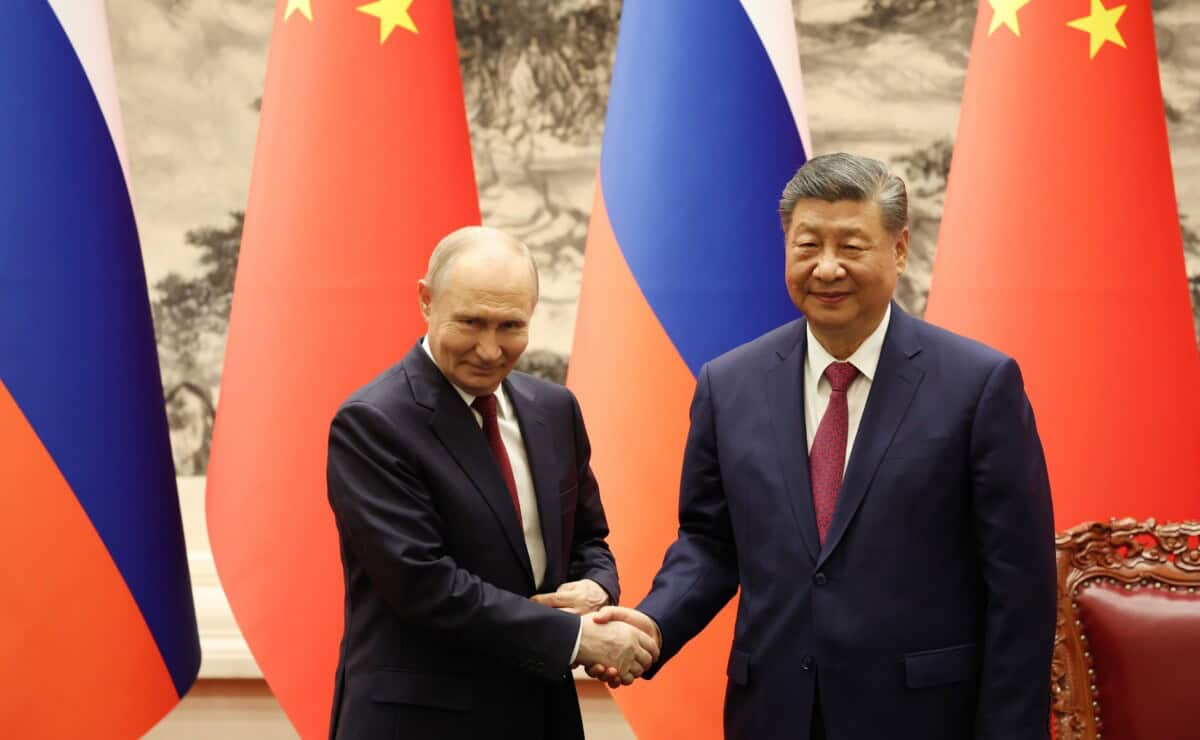
Traveling to Beijing last week in Trump’s wake, Vladimir Putin’s visit to his most important patron displayed the large and growing power imbalance between China and Russia, write Alicia García-Herrero and Elina Ribikova. At the root of Russia’s predicament is the fact that it needs China to buy its energy. Xi has other options.
Beggars Not Choosers
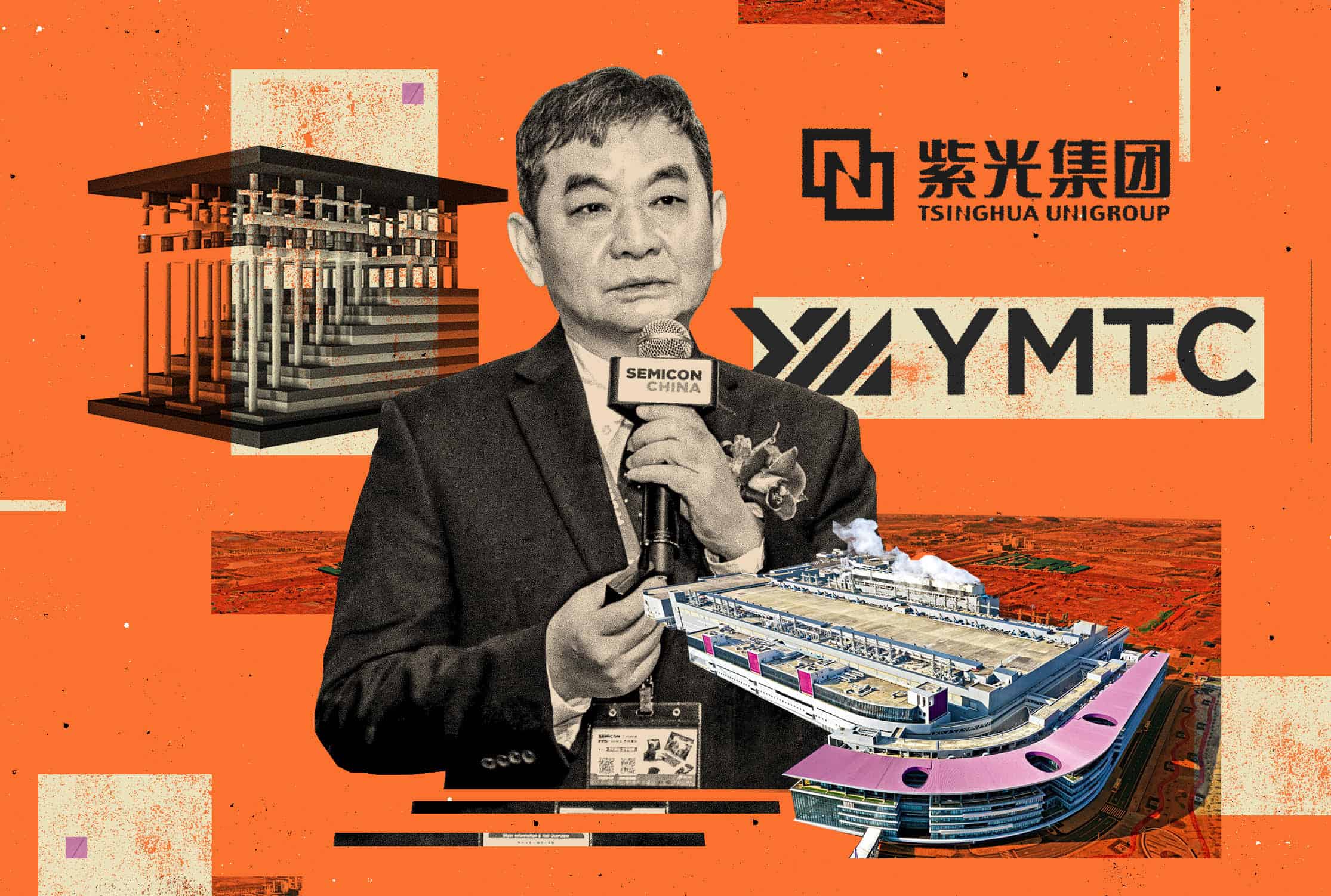
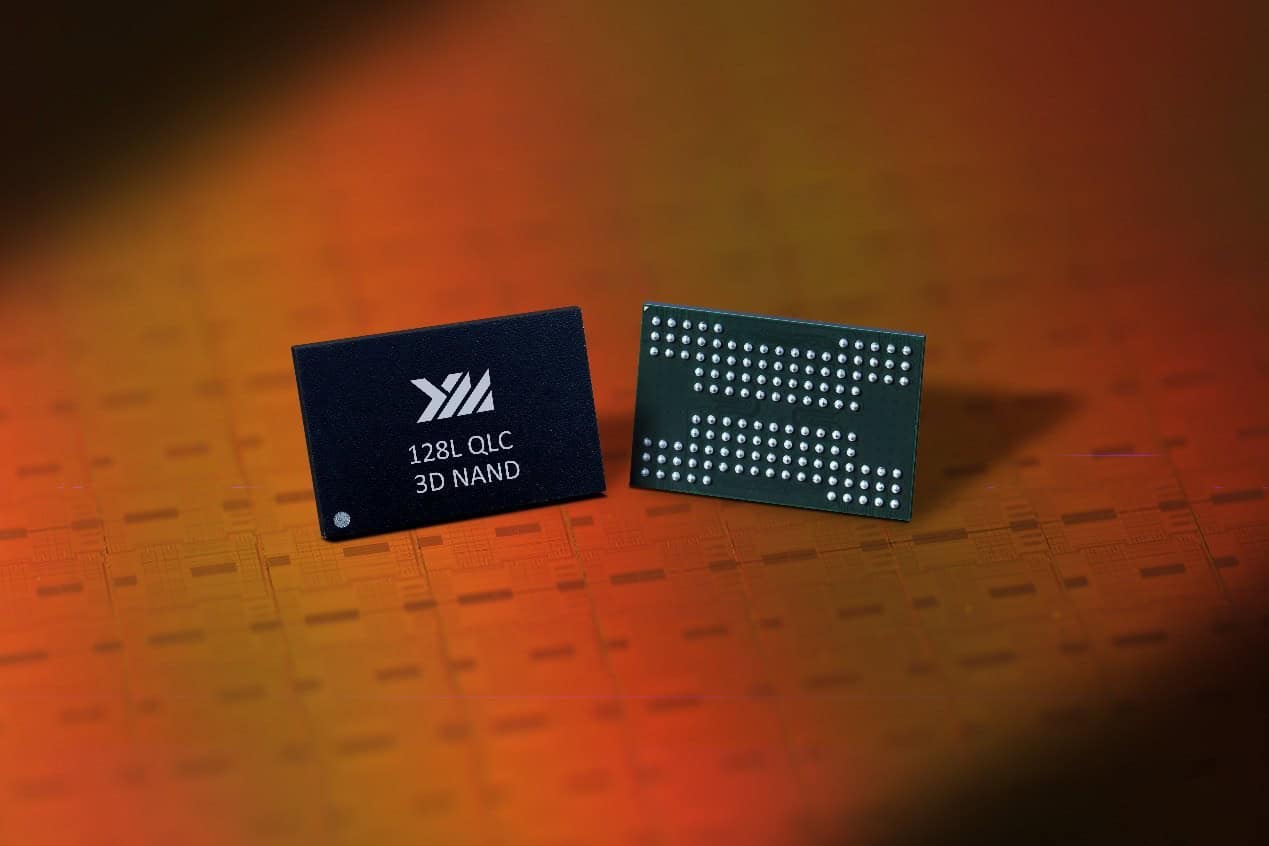
A global shortage of memory chips could be a boon for Chinese competitors in a market long dominated by South Korean and U.S. suppliers, Noah Berman writes. While sourcing from the likes of ChangXin Memory Technologies and Yangtze Memory Technologies is fraught with political risk for American buyers such as Apple and Dell, it may be a risk they have to take.
A Q&A with Joe Studwell
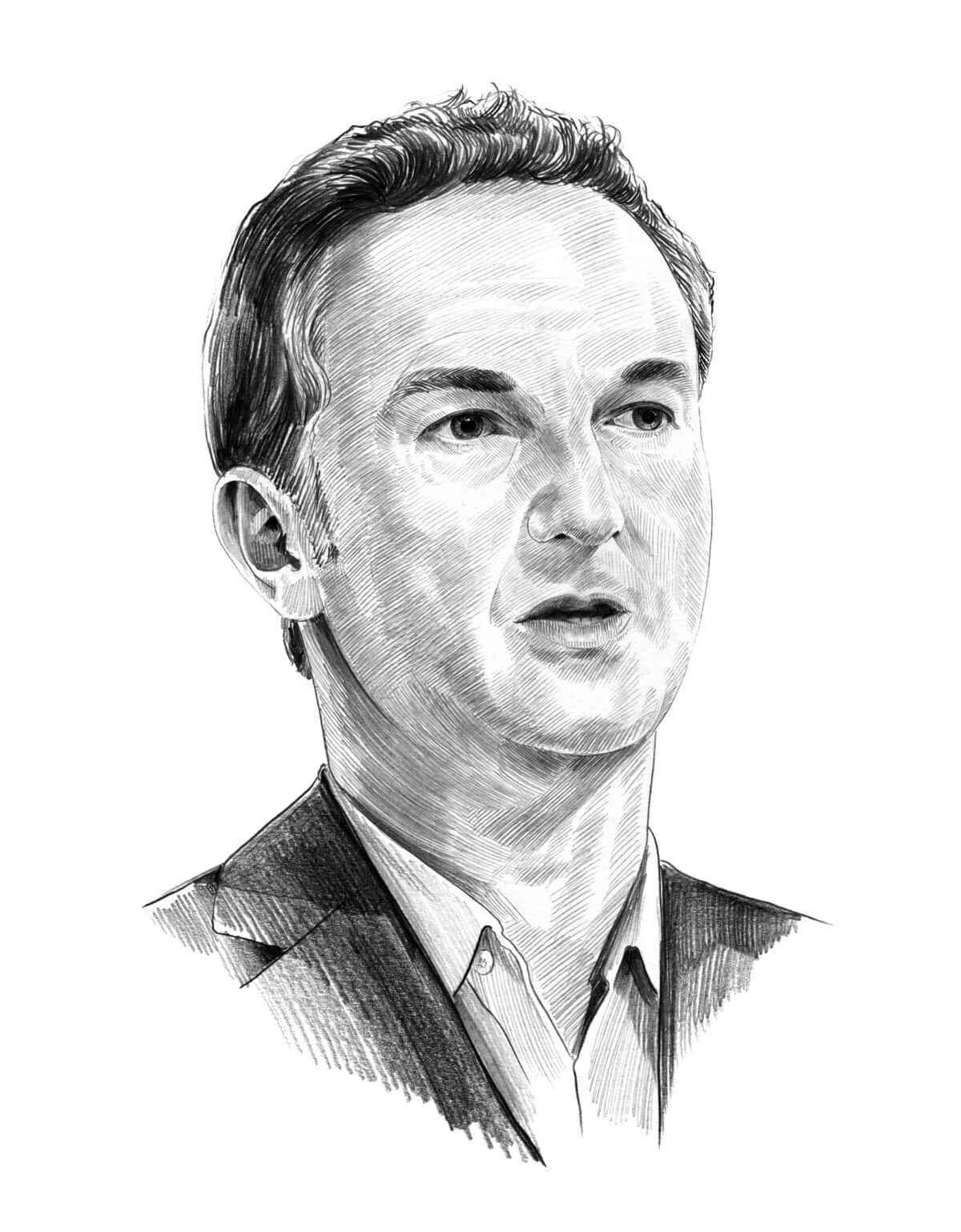
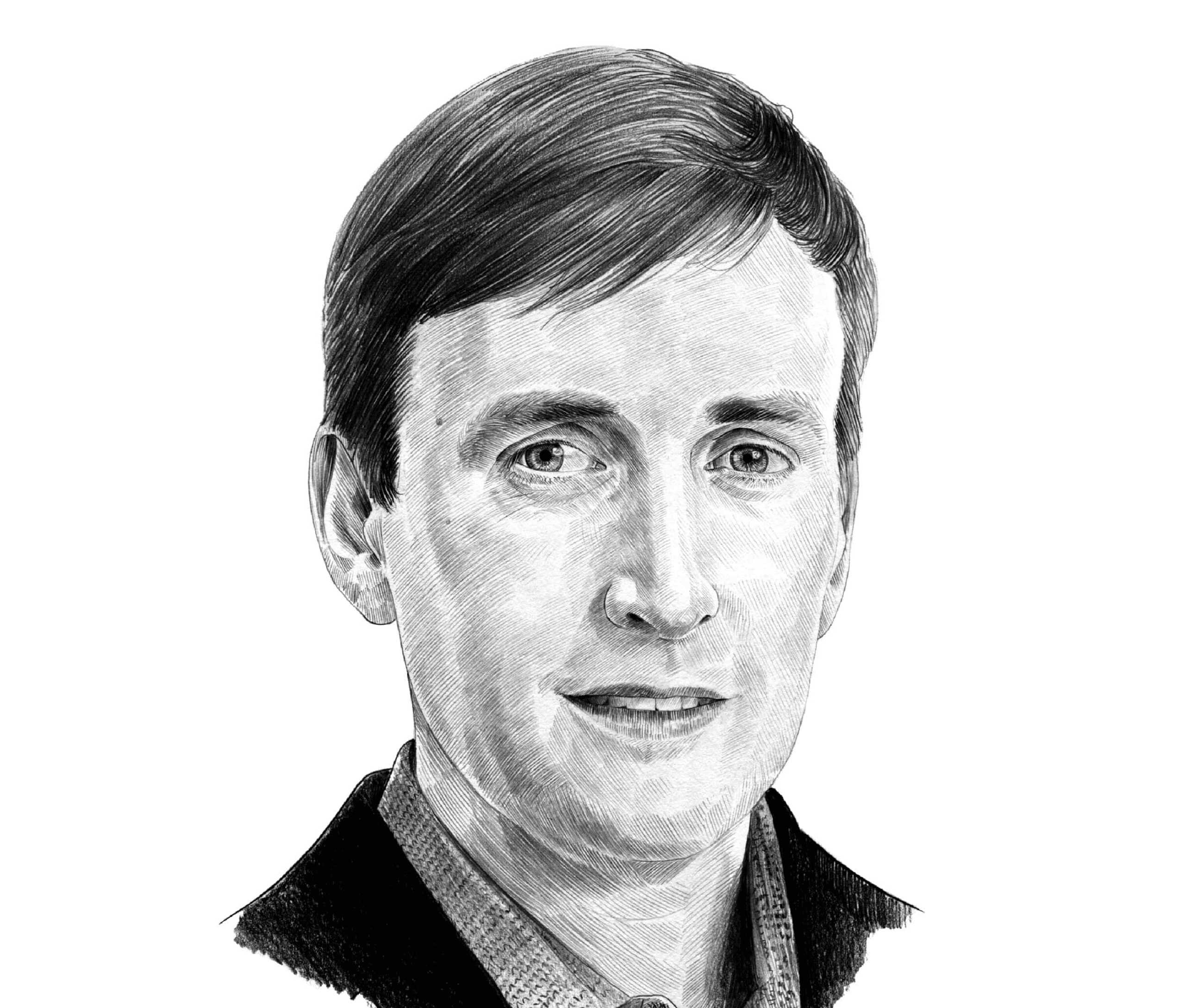
Joe Studwell is author of Asian Godfathers, a classic examination of Hong Kong and Southeast Asia’s richest families, and two other books on China and Asia. His latest work is about economic development in Africa.
In a conversation with Andrew Peaple, Studwell discusses whether African nations can emulate East Asia’s economic success stories and China’s role in the continent’s development. “Chinese public banks have put about $150 billion dollars of lending into Africa and that’s made a huge difference,” he says. “Eighty percent of the money has gone into infrastructure.”
Joe Studwell
Illustration by Lauren Crow
SOPA 2026 Awards
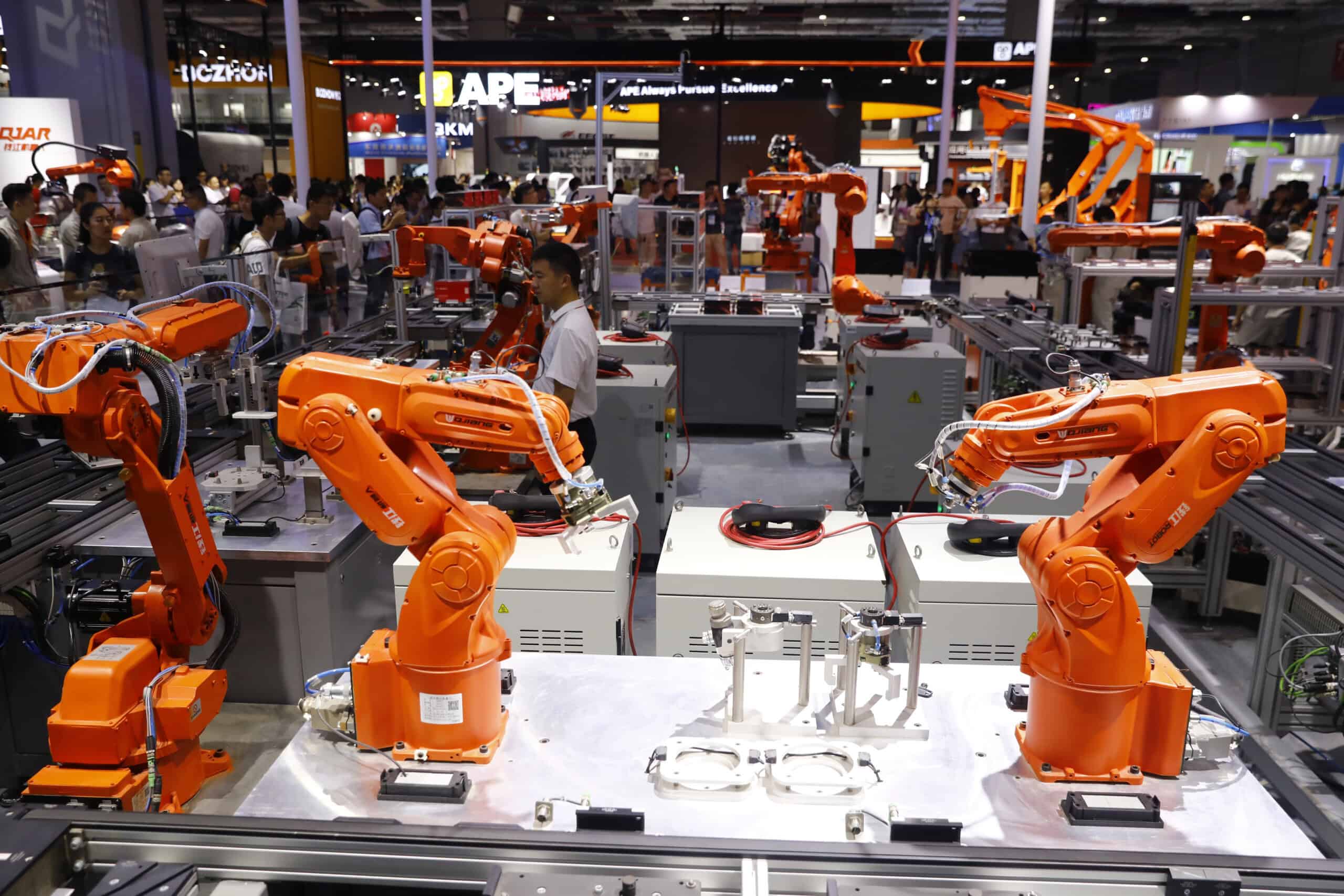
The Wire China’s Rachel Cheung was a finalist in two categories of this year’s Society of Publishers in Asia awards: Young Journalist of the Year and Excellence in Arts and Culture Reporting. Rachel was cited for her writing on Chinese quantum computing, robotics, a Hong Kong investment craze, healthcare AI and the technological, economic and political pressures that are bearing down on China’s books publishing industry.
All of Rachel’s nominated articles will be free-to-read on thewirechina.com until July 6.
Subscribe today for unlimited access, starting at only $25 a month.