What chips American companies can sell to China has long been a controversial subject. How many chips they can and should buy from China is now rising fast up the agenda too.
The reason? A global shortage of memory chips — due largely to a surge in demand from AI data centers — which many in the industry say has become unprecedented in scale.
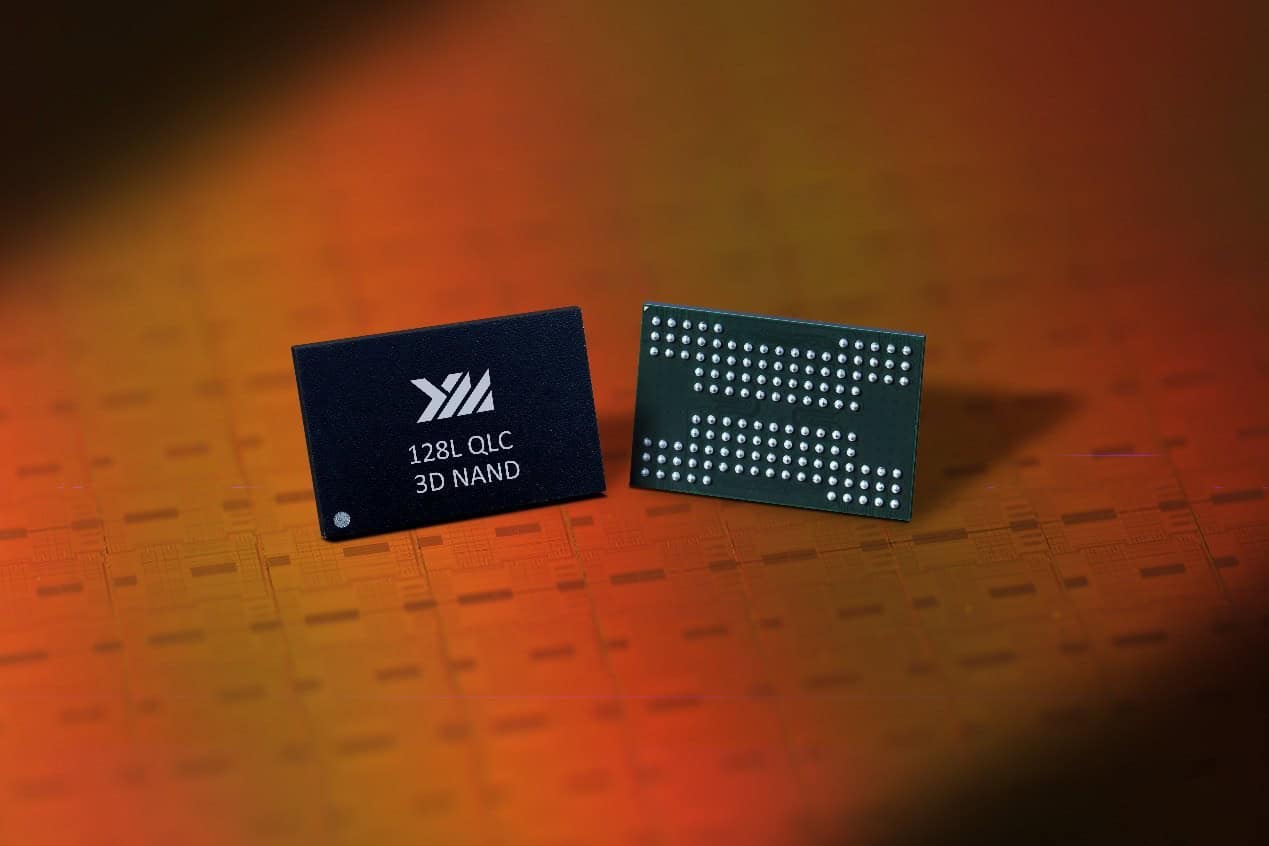
U.S. companies’ need for new sources of supply means they are now having to look beyond traditional memory chip giants based in South Korea and America itself. That quest is steering them towards China, where two state-backed champions, ChangXin Memory Technologies and Yangtze Memory Technologies, are emerging as major industry players.
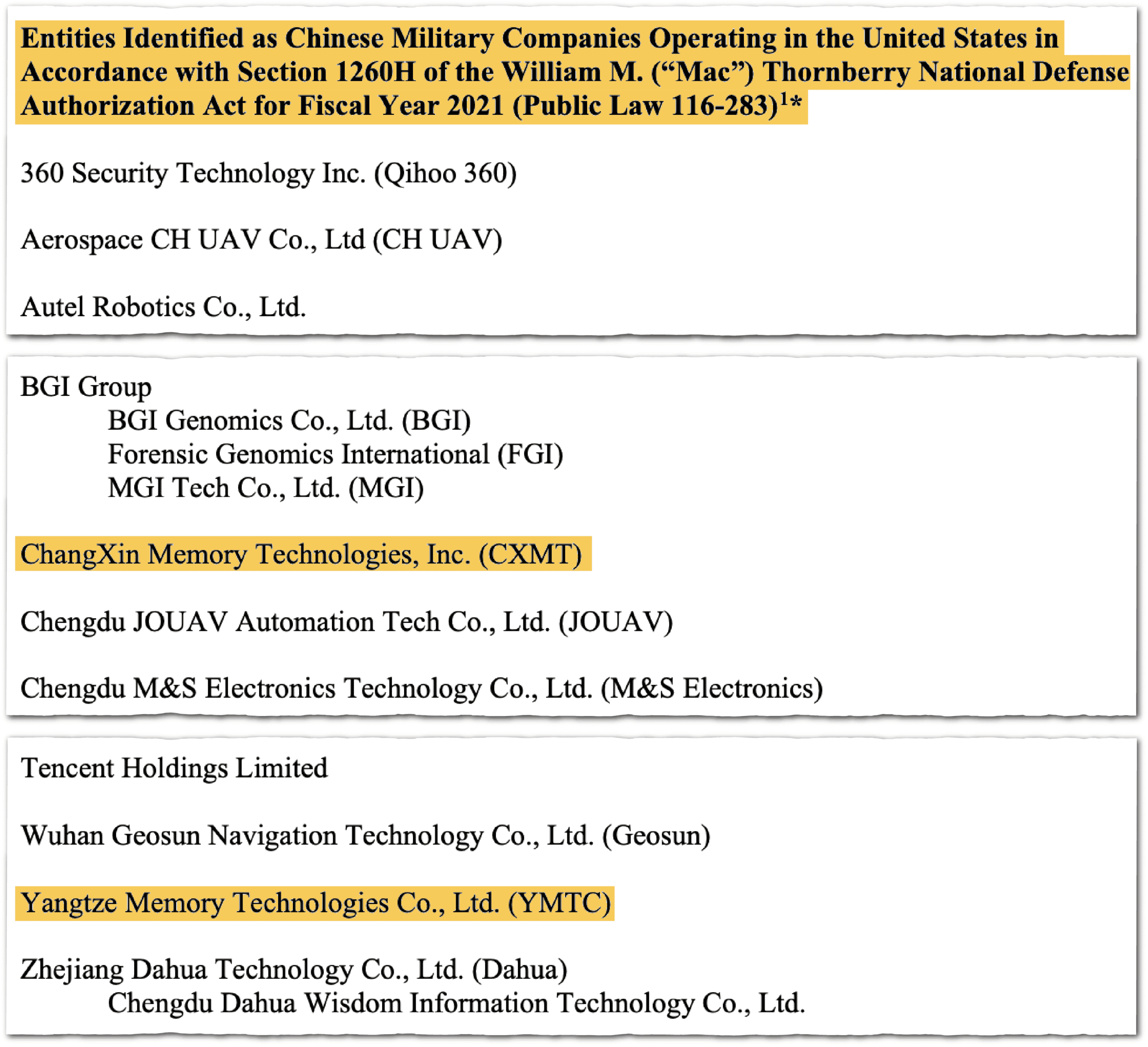
U.S. restrictions could yet make the likes of Apple, Dell and other memory chip customers wary of buying more from China. The U.S. government has previously designated both major Chinese suppliers as “Chinese military companies” and sought to hold back their development through its own export controls.
The dynamic underscores how American memory chip buyers must juggle their commercial incentives with directives that could come from Washington not to buy more from China.
“It’s a tightrope balance,” says Jim Handy, a memory chip expert who has worked in the semiconductor industry for four decades. “They’re under enormous pressure not to use Chinese chips.”
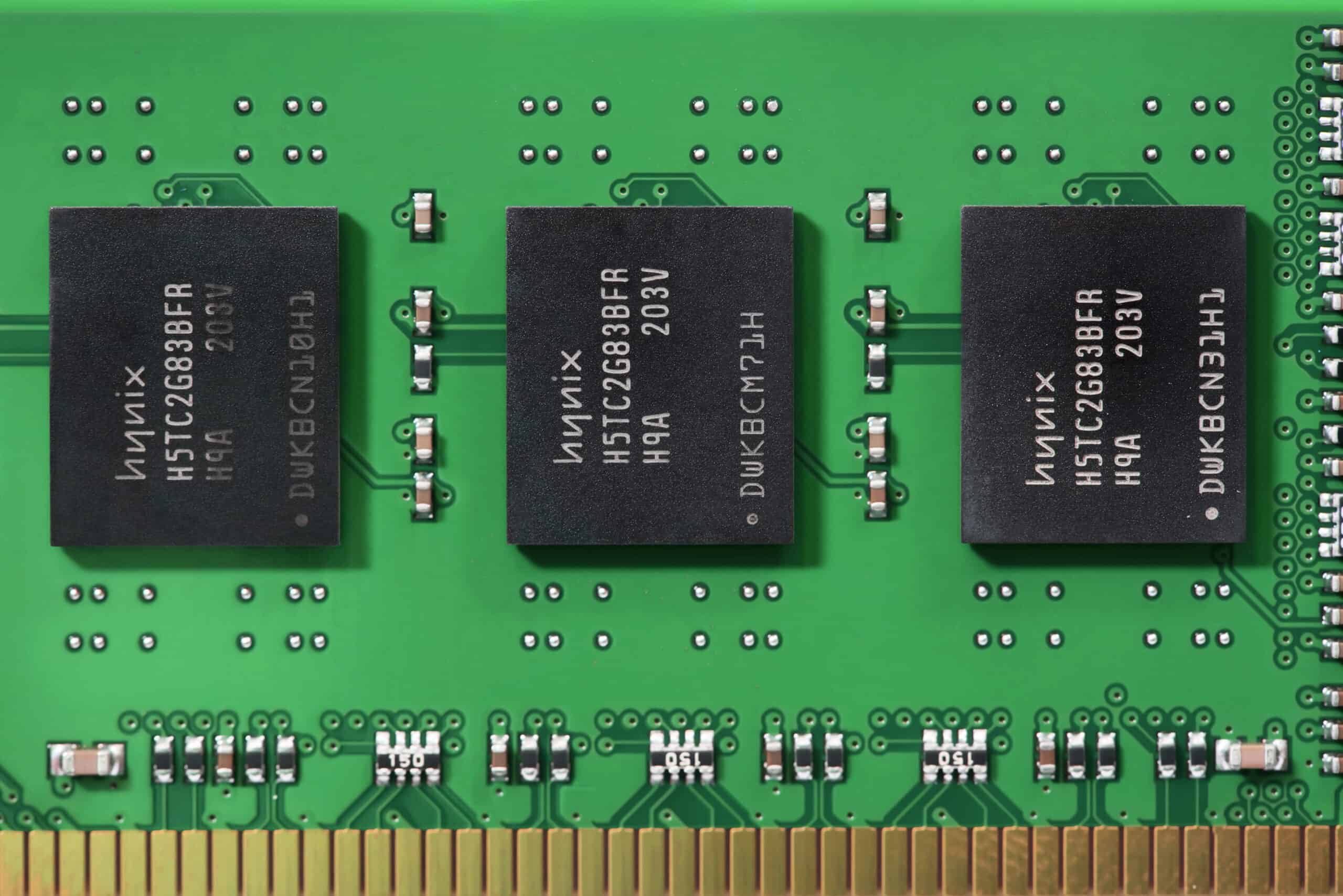
Memory chips have long underpinned global consumers’ ability to use apps and store photos on their smartphones and other devices. But massive demand from AI data centers, which are packed with servers containing memory chips, has led to the current shortage.
While South Korean giants Samsung and SK Hynix, followed by the U.S.’s Micron, dominate the memory chip industry, none of the three — which together control around 90 percent of the market for so-called dynamic random access memory (DRAM) — can make enough chips to satisfy AI-related demand.
Last year the four leading AI chip designers — Nvidia, AMD, Google and Amazon — together consumed 92 percent of the global supply of high-bandwidth memory (HBM), a type of advanced DRAM, according to Epoch AI, a research institute. Demand for HBM meanwhile grew by 150 percent in 2023 and more than 200 percent in 2024, according to research firm TechInsights.
As soon as we become dependent on those low-cost products, it ends up eroding our industrial base and makes us more dependent on China.
Jimmy Goodrich, senior fellow at the University of California Institute on Global Conflict and Cooperation
Supply is failing to keep up. Market researcher IDC projects that supply of DRAM and NAND, another type of memory, will grow this year by 16 percent and 17 percent, respectively. The mismatch has caused prices to rise. Prices of DRAM and NAND grew more than seven times over in the year up to February, according to Counterpoint Research.
DRAM modules made by American memory firm Kingston Technology. Credit: Kingston Technology
Moreover, memory chip manufacturers are now pivoting to sell more higher-performing DRAM, meaning they are making fewer of the basic commodity chips used in televisions, phones and other consumer electronics.
Adding more suppliers could ease market conditions. Soaring input costs of memory chips have already led U.S. computer manufacturers Dell and HP to hike prices for their own goods. Tim Cook, the chief executive of Apple, warned in April that “memory costs will drive an increasing impact on our business.”
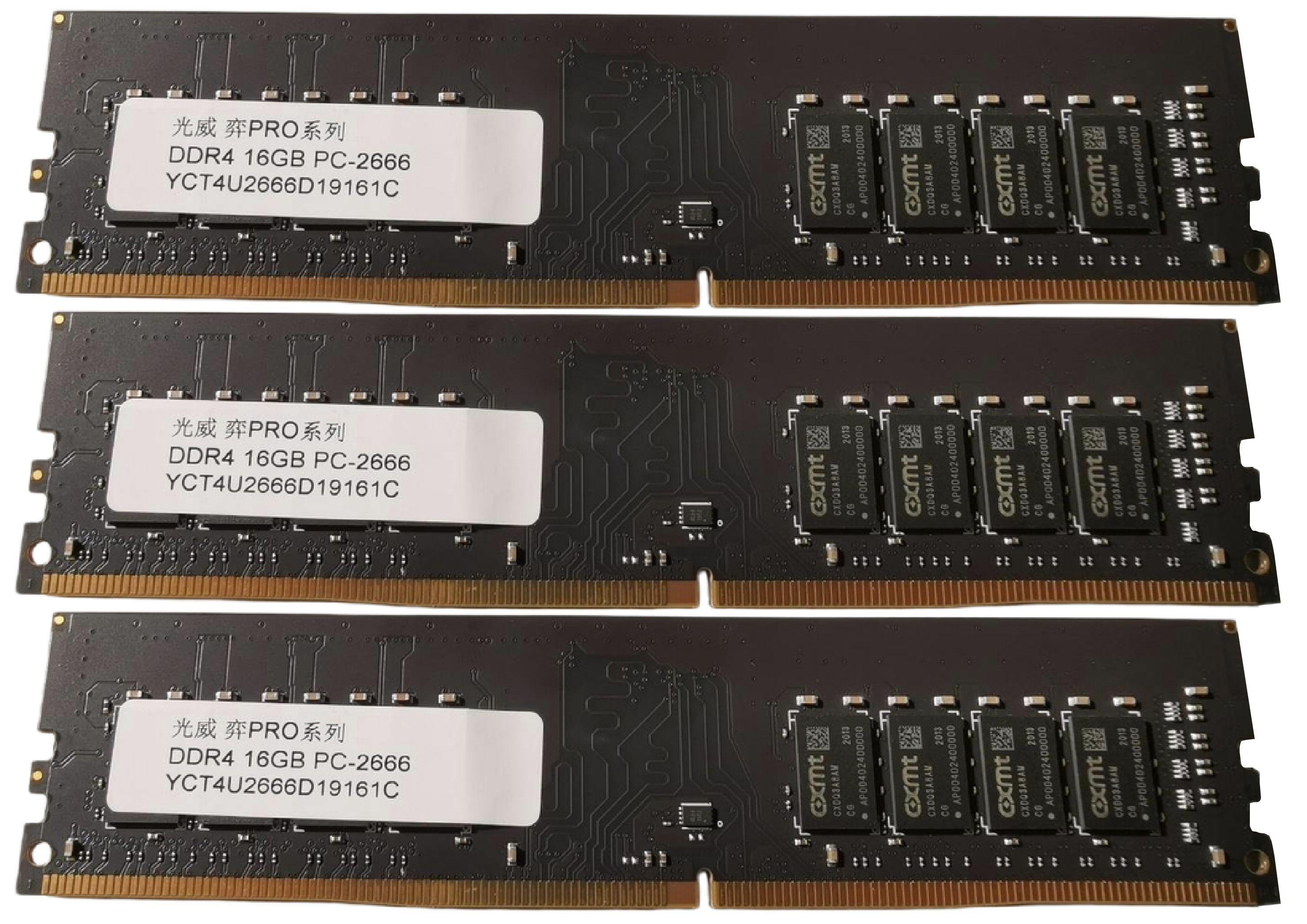
Even though geopolitical concerns will make U.S. companies “hesitant” to take on CXMT as a supplier, “there is definitely increasing interest in using CXMT memory,” says Ray Wang, an analyst at consultancy Semianalysis.
But some industry experts fear looking to Chinese suppliers to ease market conditions risks again making the United States dependent on China for a vital product.
“I understand the temptation by everyone across the global tech supply chain to make a profit,” says Jimmy Goodrich, senior fellow at the University of California Institute on Global Conflict and Cooperation. “That should not come at the expense of national security.”
“Of course a heavily subsidized national champion backed by the Chinese government that can lower pricing to below market rates is going to be attractive,” he adds. “As soon as we become dependent on those low-cost products, it ends up eroding our industrial base and makes us more dependent on China.”
Whether CXMT and YMTC have capacity to add new customers is a separate question. Analysts say the same dynamics that have created a crunch in the U.S. are playing out in China. CXMT said it made $7.5 billion in sales in the first quarter of this year, up more than eight-fold from the same period in 2025; all but 3 percent of its revenue last year came from China and Hong Kong. The company has filed for an initial public offering on Shanghai’s STAR Market, with a listing expected later this year that could value the chipmaker at upwards of $100 billion.
U.S. firms may yet try to buy Chinese memory anyway. In February, Chinese media reported that Apple is considering sourcing from CXMT and YMTC. The same month, Nikkei reported that Dell is also considering buying from CXMT. Apple and Dell did not respond to requests for comment.
Such transactions have historically drawn ire from hawkish politicians in Washington. In September 2022, then-Senator Marco Rubio co-wrote a letter, alongside three other senators from both parties, to express “extreme concern” that Apple might buy memory chips from YMTC.
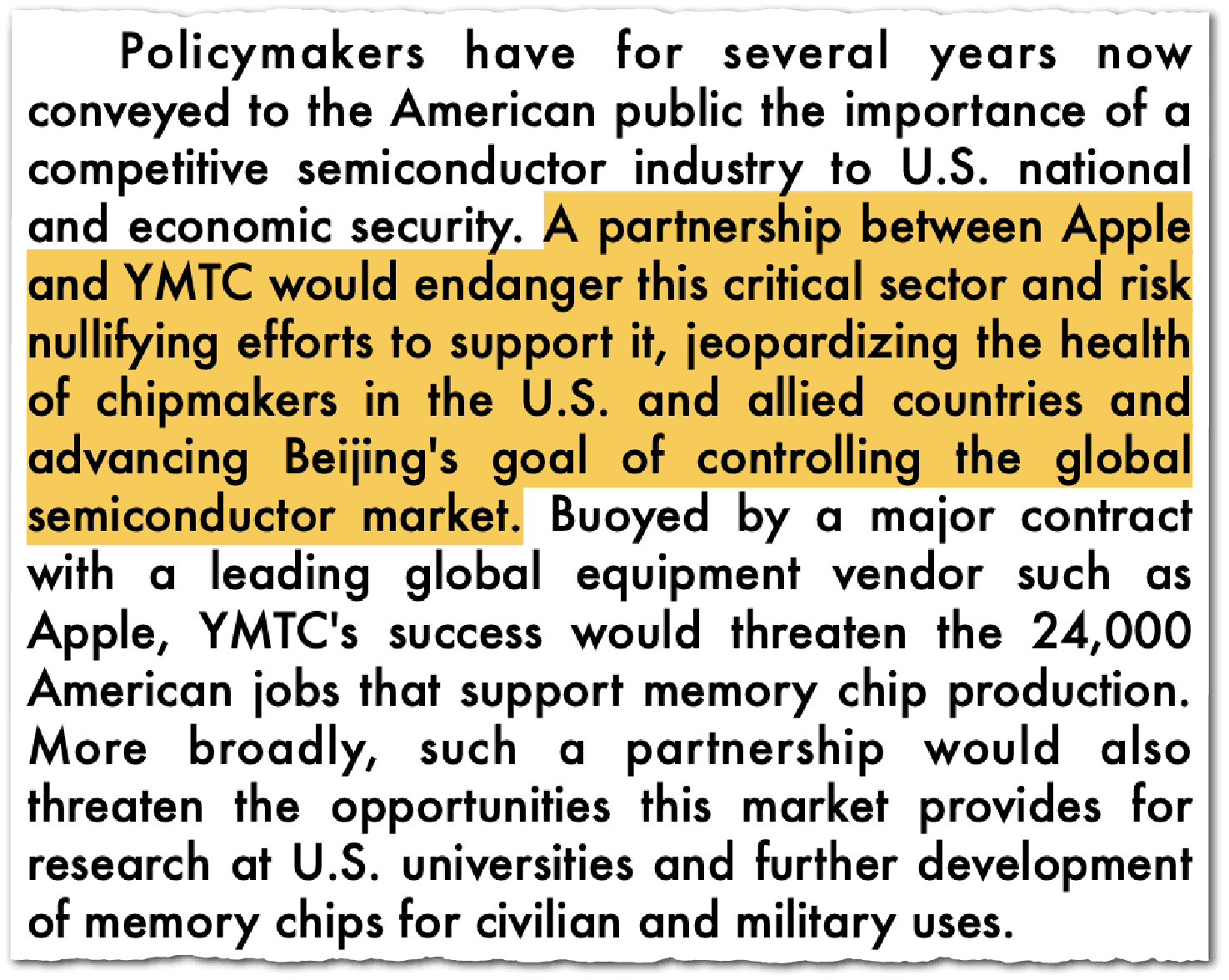
“Any decision to partner with YMTC, no matter the intended market of the product offerings developed by such a partnership, would affirm and reward the PRC’s distortive and unfair trade practices,” the letter said.
The most recent supplier list on Apple’s website does not include YMTC or CXMT.
The U.S. has expanded export controls on sales of semiconductor manufacturing equipment to both Chinese companies in the years since, as it has sought to throttle China’s chipmaking capabilities.
Less than three months after the Rubio letter, the Biden administration added YMTC to a trade blacklist, citing concerns that any shipments to the company risked being diverted to heavily sanctioned Chinese telecoms giant Huawei. The Biden administration later made a private deal with Japan and the Netherlands — countries that are home to companies like Tokyo Electron and ASML that manufacture vital chipmaking equipment — to tighten export restrictions on CXMT, The Wire has reported.
Export controls are definitely a huge consideration for any Western company. But at this current point in the market, a lot of customers will tell you that they’ll just put their hands on anything they can get.
Marcus Chen, executive vice president at electronics distributor Fusion Worldwide
Shortly after the Commerce Department blacklisted YMTC, the company invited analysts to a Zoom call with its president. Instead of answering questions, “it was him getting in the bully pulpit talking about what a horrible time the U.S. government was giving him,” recalls Handy, the semiconductor industry veteran, who was in the meeting.
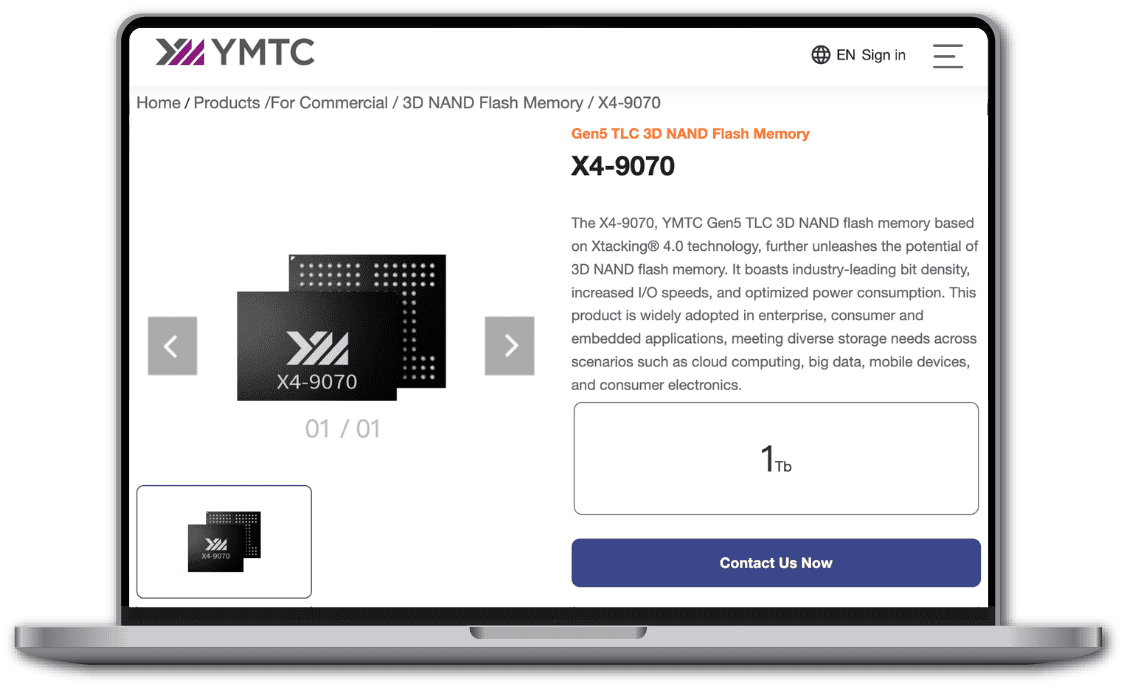
Both companies have made gains in spite of the U.S.-led controls, though they still trail far behind their larger rivals. YMTC now commands around 11 percent of the NAND market, while CXMT controls about 5 percent of the DRAM market, according to Counterpoint Research.
YMTC was valued at $22 billion last year, according to data provider Pitchbook, but some market estimates now peg the company’s value at ten times that. On Tuesday, it filed IPO paperwork with China’s securities regulator.
Goodrich says the two firms have grown more formidable because industry lobbying resulted in loopholes that allowed several suppliers to keep selling them semiconductor manufacturing equipment until last January, when the Biden administration tightened the regulations.
“The export controls on Chinese memory makers have been a huge disappointment,” he says.
The pressure on U.S. consumer electronics companies to buy Chinese may only grow as the memory shortage continues — analysts expect it to last at least until the end of next year — and as CXMT and YMTC continue to gain market share. In its most recent quarterly filing, Micron warned that it faced “increasing competition” due to investment “by the Chinese government and various state-owned or affiliated entities, such as CXMT and YMTC.”
Neither CXMT nor YMTC responded to a request for comment. YMTC has previously denied links to the Chinese military.
While the Trump administration has paused several China-related actions to maintain a trade truce with Beijing, the threat of future export controls still looms. That could dissuade U.S. companies from agreeing to long-term supply deals with CXMT and YMTC, says Marcus Chen, executive vice president at electronics distributor Fusion Worldwide.
“Export controls are definitely a huge consideration for any Western company,” he adds. “But at this current point in the market, a lot of customers will tell you that they’ll just put their hands on anything they can get.”

Noah Berman is a staff writer for The Wire based in New York. He previously wrote about economics and technology at the Council on Foreign Relations. His work has appeared in the Boston Globe and PBS News. He graduated from Georgetown University.