The Entity List has become one of America’s favorite weapons in its economic arsenal. The Trump administration just increased it by more than 20,000 companies, provoking ire from Beijing and putting it at the center of this month’s sudden and dramatic deterioration in Sino-U.S. relations.
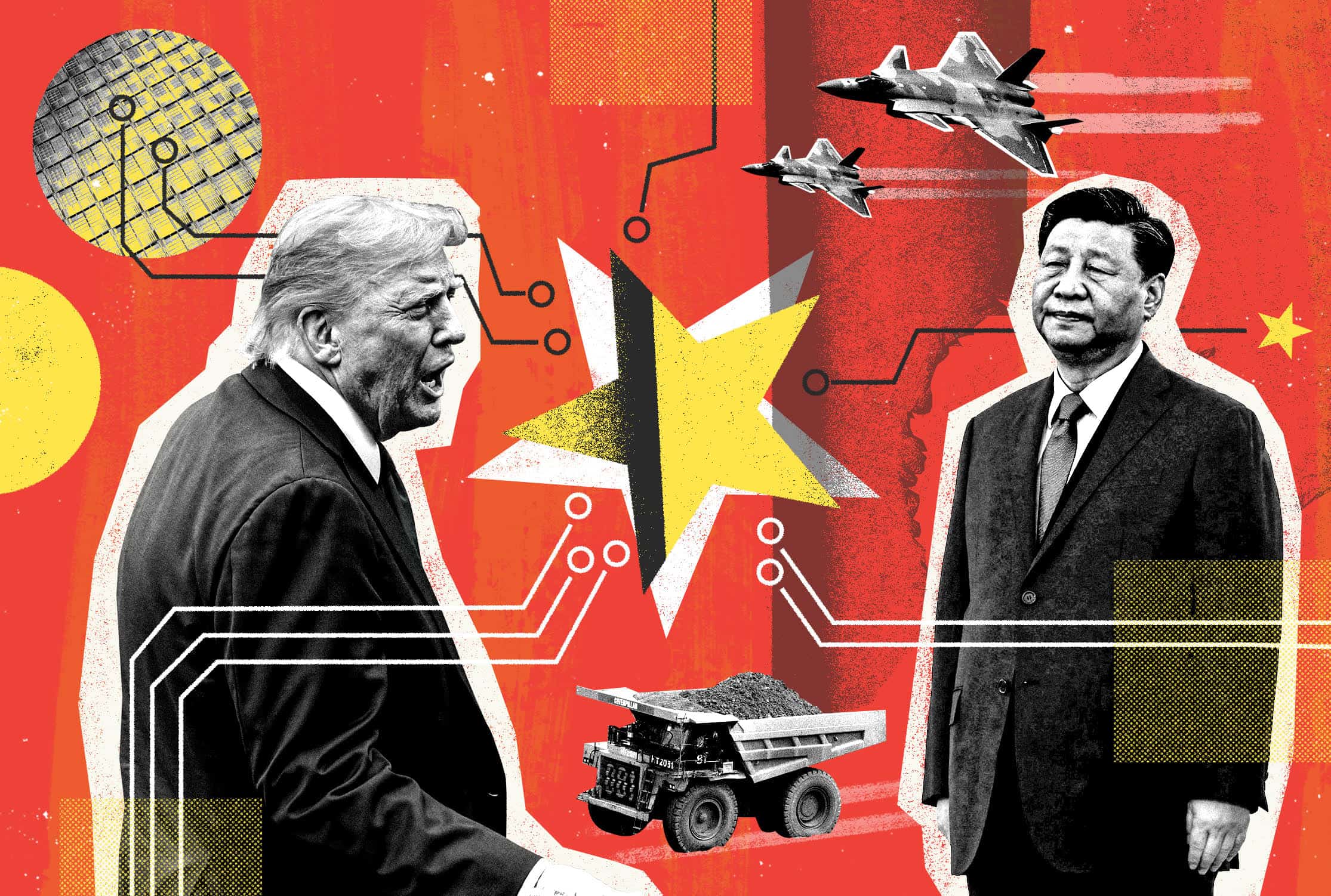
Illustration by Nate Kitch
At the beginning of Donald Trump’s first presidency, export control lawyer Doug Jacobson urged senior Commerce Department officials to release his client from the binds of an obscure policy tool that was making it difficult to buy American products.
The introduction to the Entity List. Credit: eCFR
Jacobson says the Singaporean company he represented was “in limbo” when he made his appeal to senior aides to Wilbur Ross, the newly confirmed commerce secretary. The Obama administration
Exclusive longform investigative journalism, Q&As, news and analysis, and data on Chinese business elites and corporations. We publish China scoops you won't find anywhere else.
A weekly curated reading list on China from Andrew Peaple.
A daily roundup of China finance, business and economics headlines.
We offer discounts for groups, institutions and students. Go to our Subscriptions page for details.
Sanctions and export controls failed to contain the rise of Yangtze Memory Technologies Corp. Now the national champion is riding the AI boom to a record IPO.
We use cookies to ensure that we give you the best experience on our website. If you continue to use this site we will assume that you are happy with it.