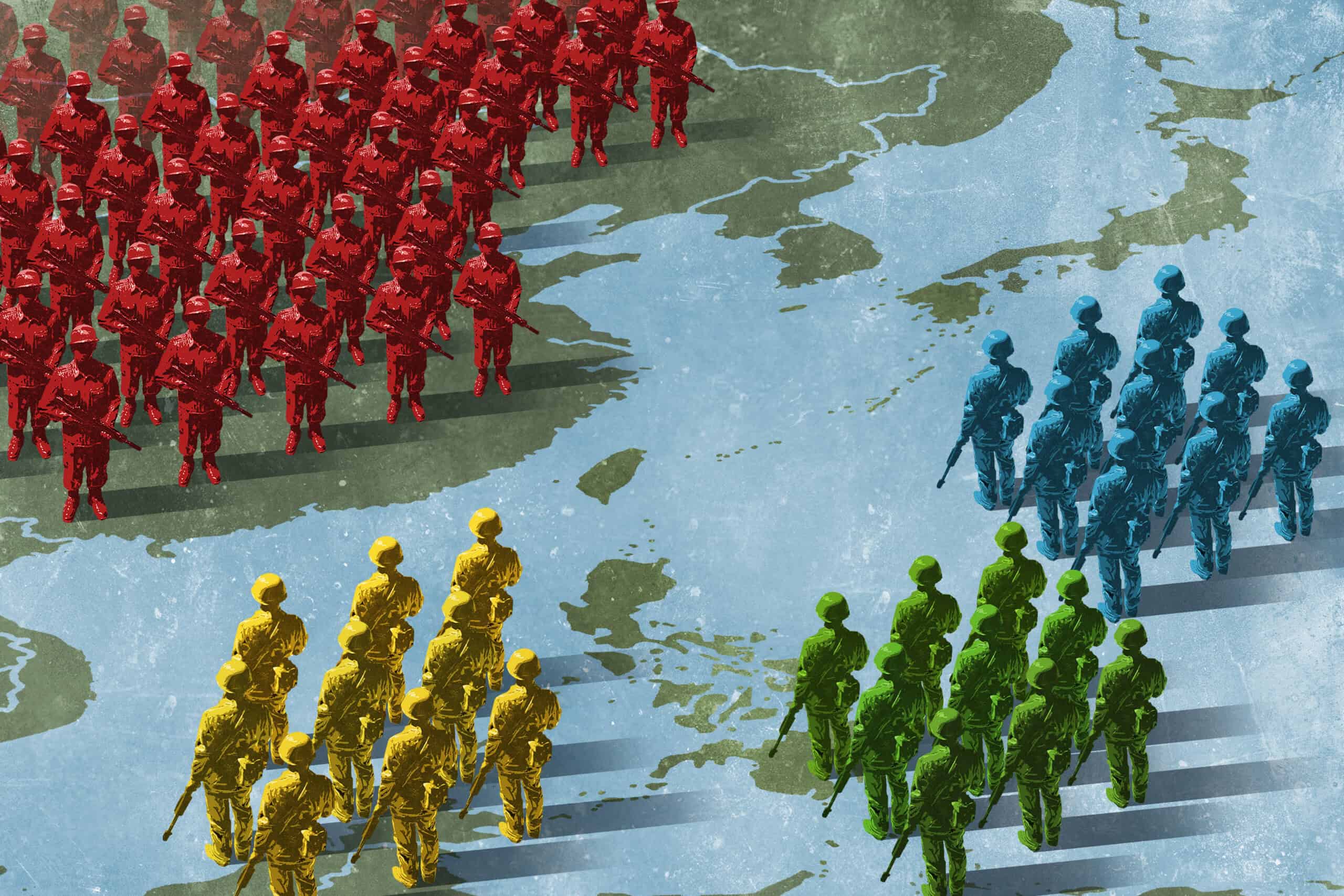
Good evening. At present, Taiwan acts as a giant aircraft carrier moored off China’s coast, impeding the PLA Navy and Air Force’s access to the western Pacific. Should Xi Jinping realise his dream of uniting Taiwan with China, the island would become a platform allowing the PLA to project power eastwards towards the U.S. territories of Guam, Midway and Wake Island, and the Hawaiian islands beyond. But America is not the only country that has a compelling national security interest in maintaining Taiwan’s de facto independence. For Japan and the Philippines, a Chinese-controlled Taiwan would threaten, respectively, their southern and northern flanks. As Chris Horton writes in this week’s cover story, this geopolitical fact is drawing Tokyo and Manila closer to each other — and towards Taipei. It is also the reason Japan’s military sent its first ever large-scale contingent to participate in the recent Balikatan, or “Shoulder-to-Shoulder”, exercises in the Northern Philippines alongside troops from the U.S., Australia, New Zealand, France and Canada.
Other items in this week’s issue: Bob Davis on a mooted Sino-U.S. “Board of Trade”; China’s foreign press corps ain’t what it used to be; The Big Picture’s Company in the News is AI glasses maker Rokid; and a conversation with Sebastian Mallaby on the need for China and the U.S. to agree on AI safeguards.
Want this emailed directly to your inbox? Sign up to receive our free newsletter.
The Wire China’s Rachel Cheung has been named a finalist in two categories of this year’s Society of Publishers in Asia awards: Young Journalist of the Year and Excellence in Arts and Culture Reporting. Rachel was cited for her writing on Chinese quantum computing, robotics, a Hong Kong investment craze, healthcare AI and China’s books publishing industry. All of Rachel’s nominated articles are now free-to-read on thewirechina.com. SOPA winners will be announced on June 18.
The Enemy of My Enemy
The USS Vigilance was commissioned by the U.S. Navy in February 1944 and served with distinction in the Pacific theatre of World War Two. Two decades later she was acquired by the Philippine Navy and rechristened the BRP Quezon. The Japanese would get her in the end though. On May 6 she was used for target practice during military exercises hosted by the Philippines with participation from America, Japan and four other countries. Japanese troops sank her in a demonstration of their new Type 88 surface-to-ship missile. The real target, however, was Beijing, which both Manila and Tokyo want to dissuade from trying to take Taiwan by force.
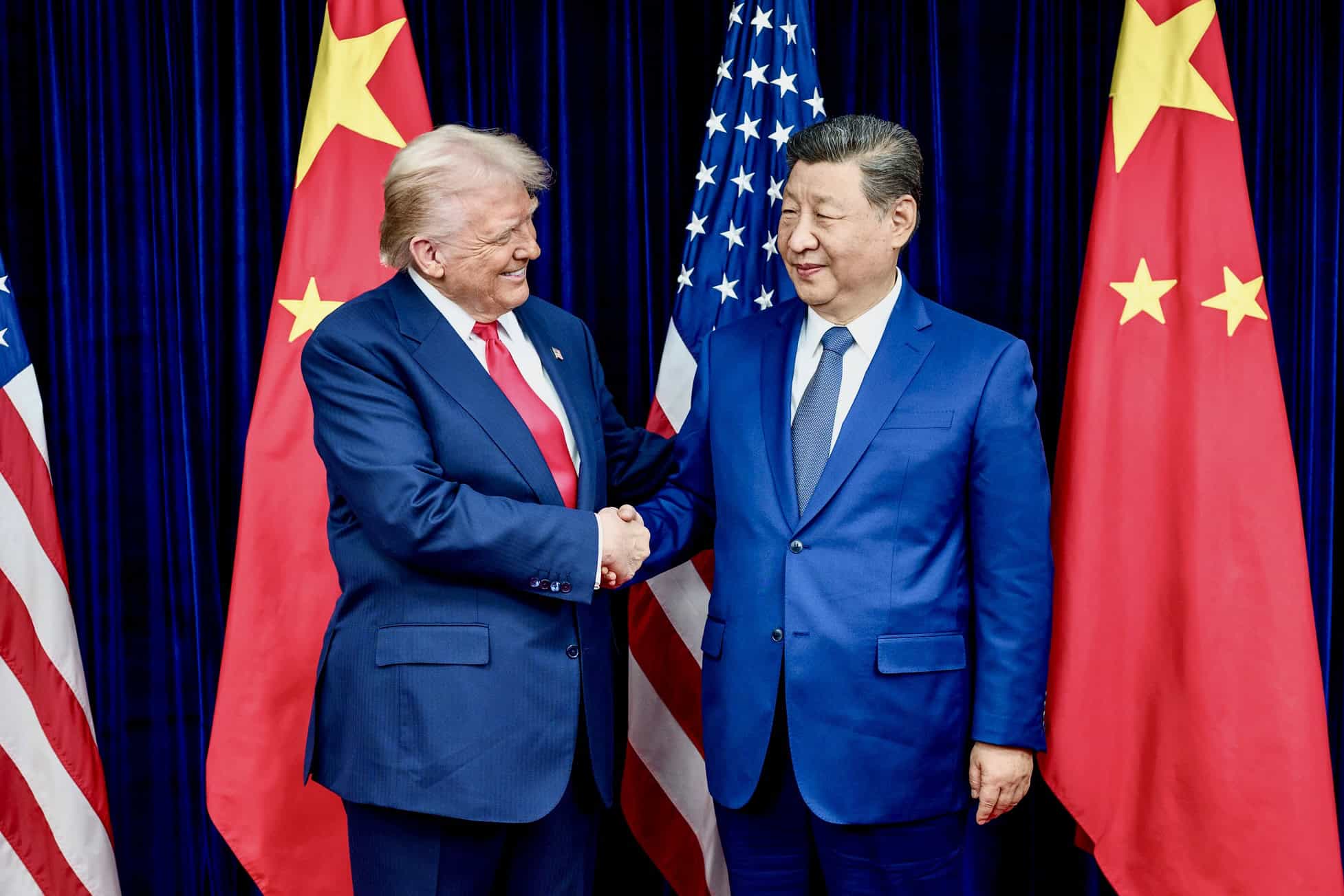
Managed Trade
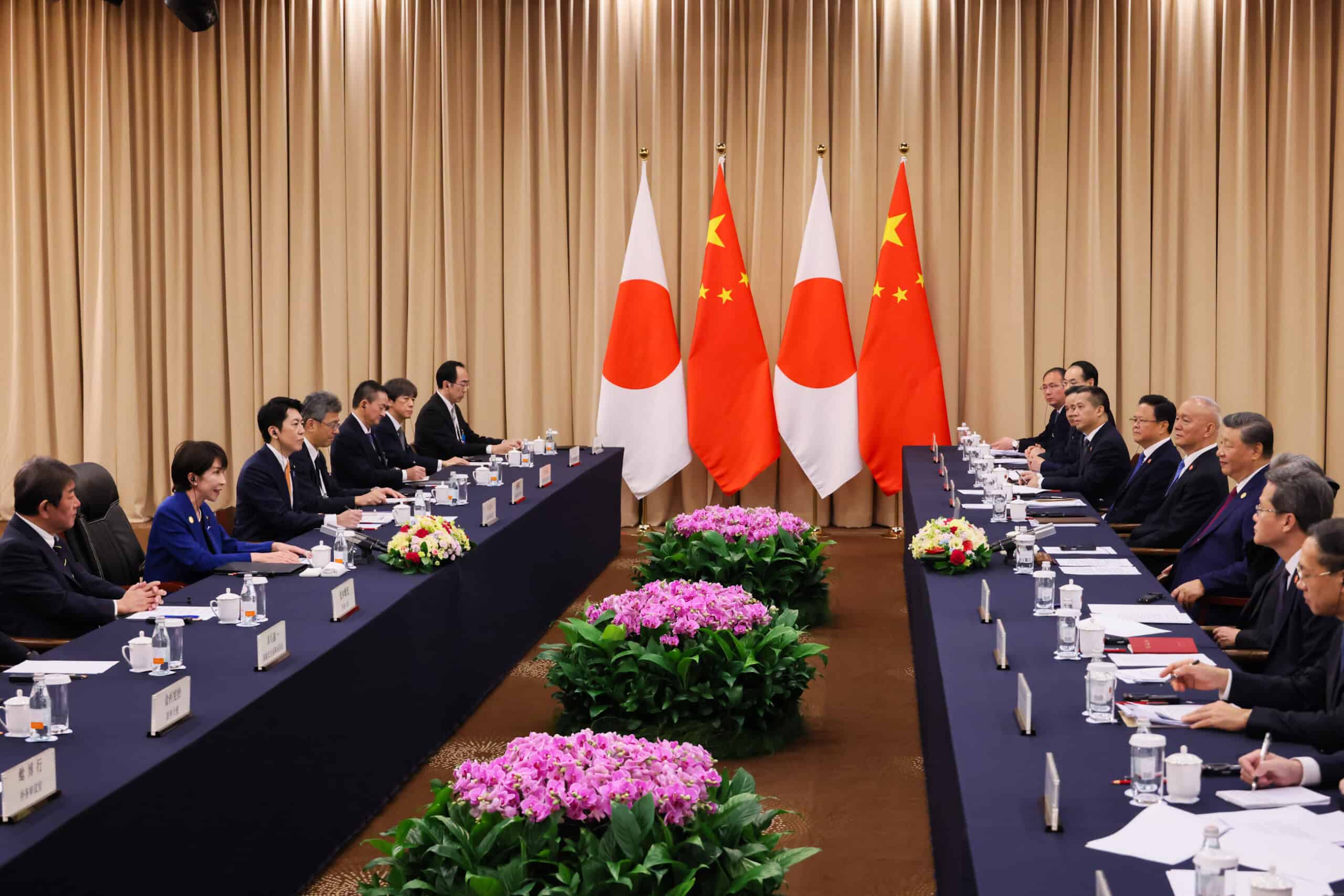
Veteran trade reporter Bob Davis writes about one of the bigger potential outcomes from this week’s long-awaited summit between Presidents Donald Trump and Xi Jinping. Under what the U.S. is calling a “Board of Trade”, both it and China would agree to lower tariffs on products both deem to be ‘non-sensitive’ while keeping them prohibitively high on goods seen as off-limits, such as the U.S.’s most advanced chips. The aim would be to bring stability to bilateral trade ties and — at least in the eyes of some Trump officials — help keep imports from China to a minimum.
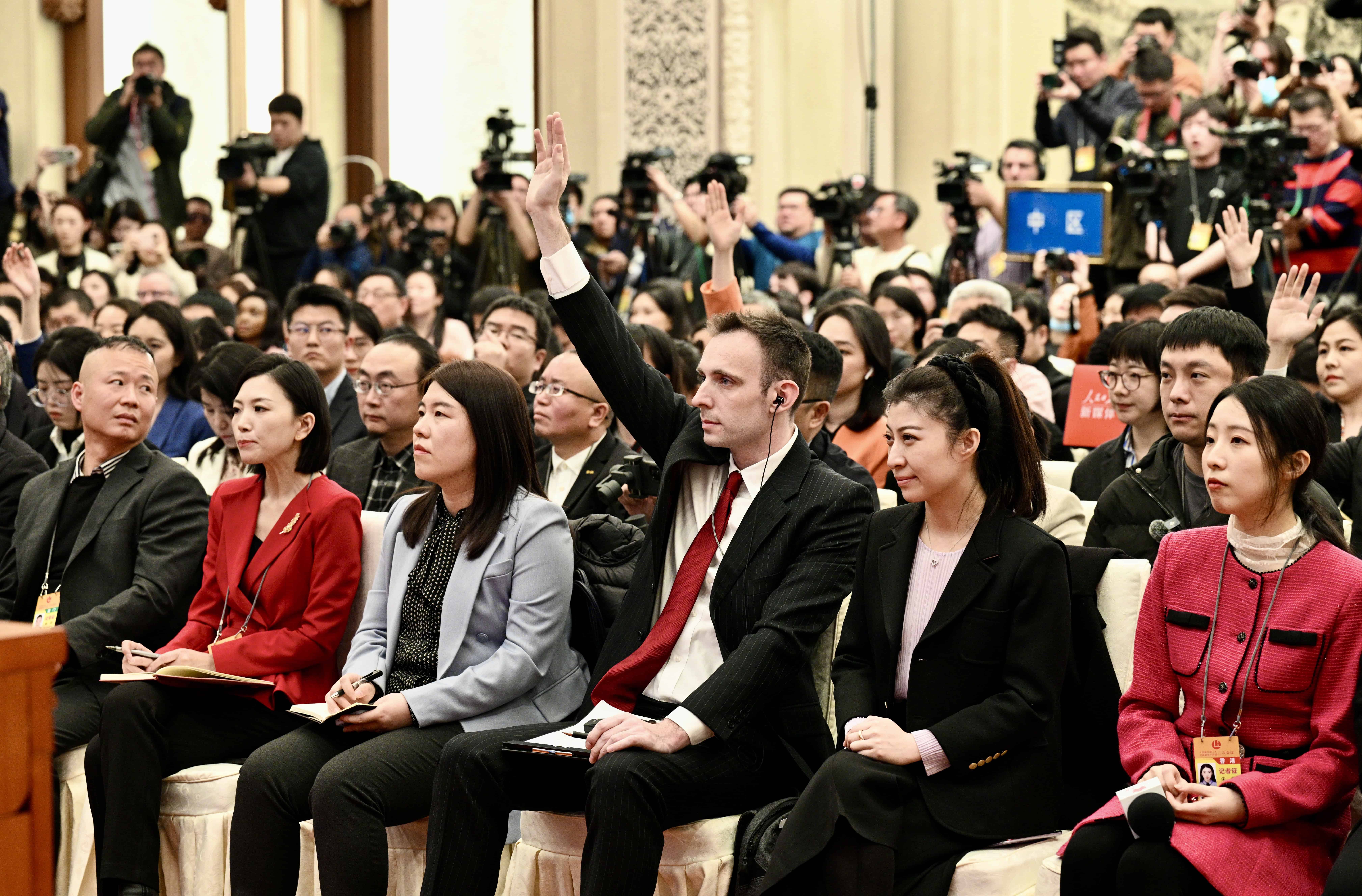
China’s Shrinking Foreign Press Pool
The Wall Street Journal currently has two accredited correspondents in mainland China, the New York Times one and the Washington Post none. Prior to Covid, the Big Three American newspapers would have had more than 20 reporters working in China. Eliot Chen reports on the recent expulsion of a New York Times China correspondent and how the Biden administration tried — and failed — to arrest the decline of U.S. reporters in China, and its consequences at a time when both China and the U.S. desperately need to understand the other better than ever before.

New Kid on the Block
Mark Zuckerberg and Meta have little to fear from Zhu Mingming and Rokid — for now. Zhu, Rokid’s founder and CEO, is an Alibaba alumnus-turned-upstart in the market for AI and augmented reality (AR) glasses. The industry is currently dominated by Ray-Ban Metas, Savannah Billman writes in The Big Picture’s Company in the News profile. But if Rokid ever does rise to the top ranks of its industry, it won’t be the first time that a little known Chinese outfit has snuck up on its giant global rivals.
A Q&A with Sebastian Mallaby
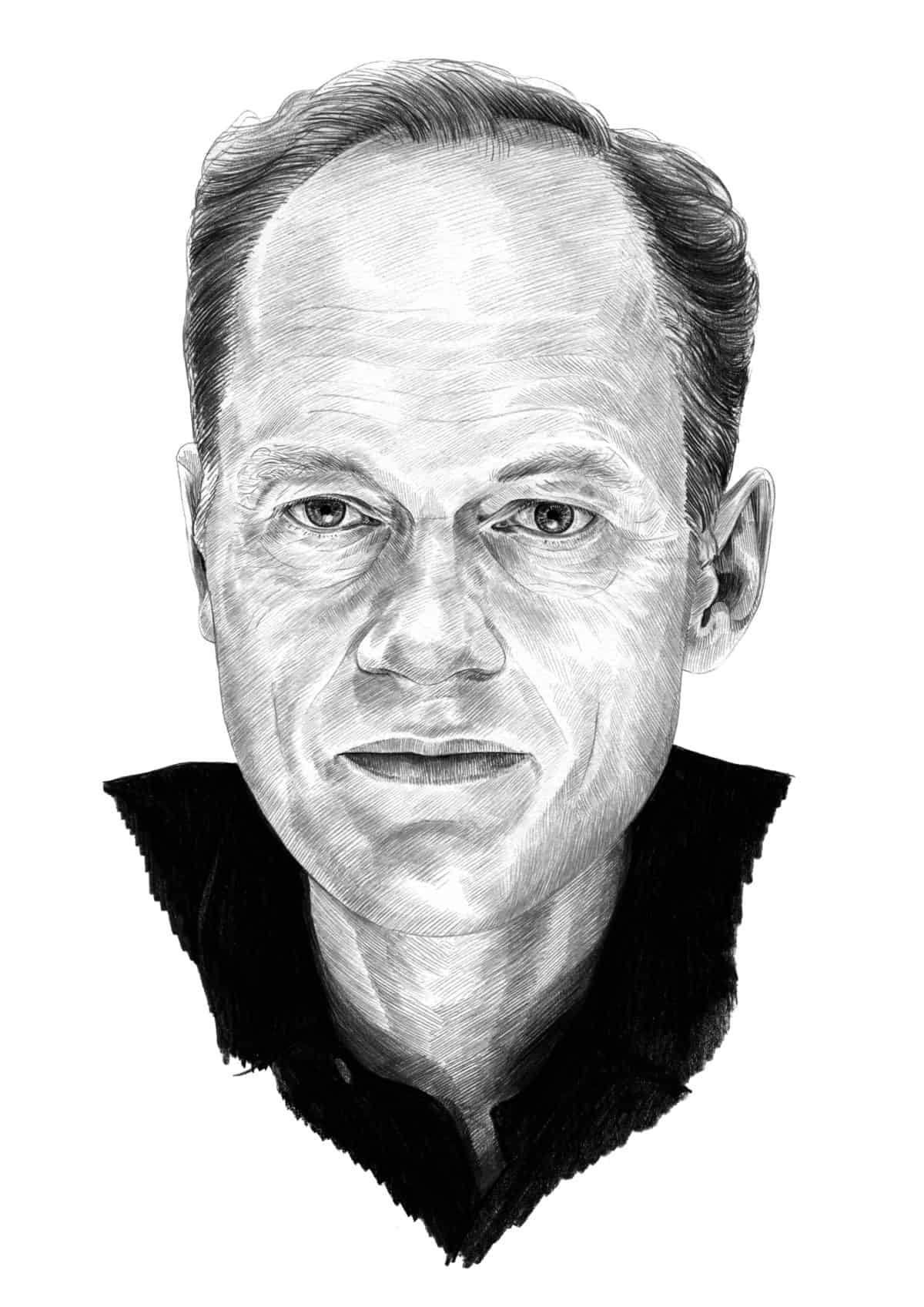
Sebastian Mallaby is a British journalist and author of a new book on Artificial Intelligence. In a conversation with Eliot Chen, he talks about the need for a Sino-U.S. detente on AI and what the Trump administration should be prepared to give up to achieve one.
“The notion of catastrophic risk is probably associated in China more with the Cultural Revolution, the Great Leap Forward, stuff that goes wrong because it’s political,” Mallaby says. “Technology, to the contrary, is seen in China as part of the core reason for its successful economic growth story.”
Sebastian Mallaby
Illustration by Lauren Crow
Subscribe today for unlimited access, starting at only $25 a month.