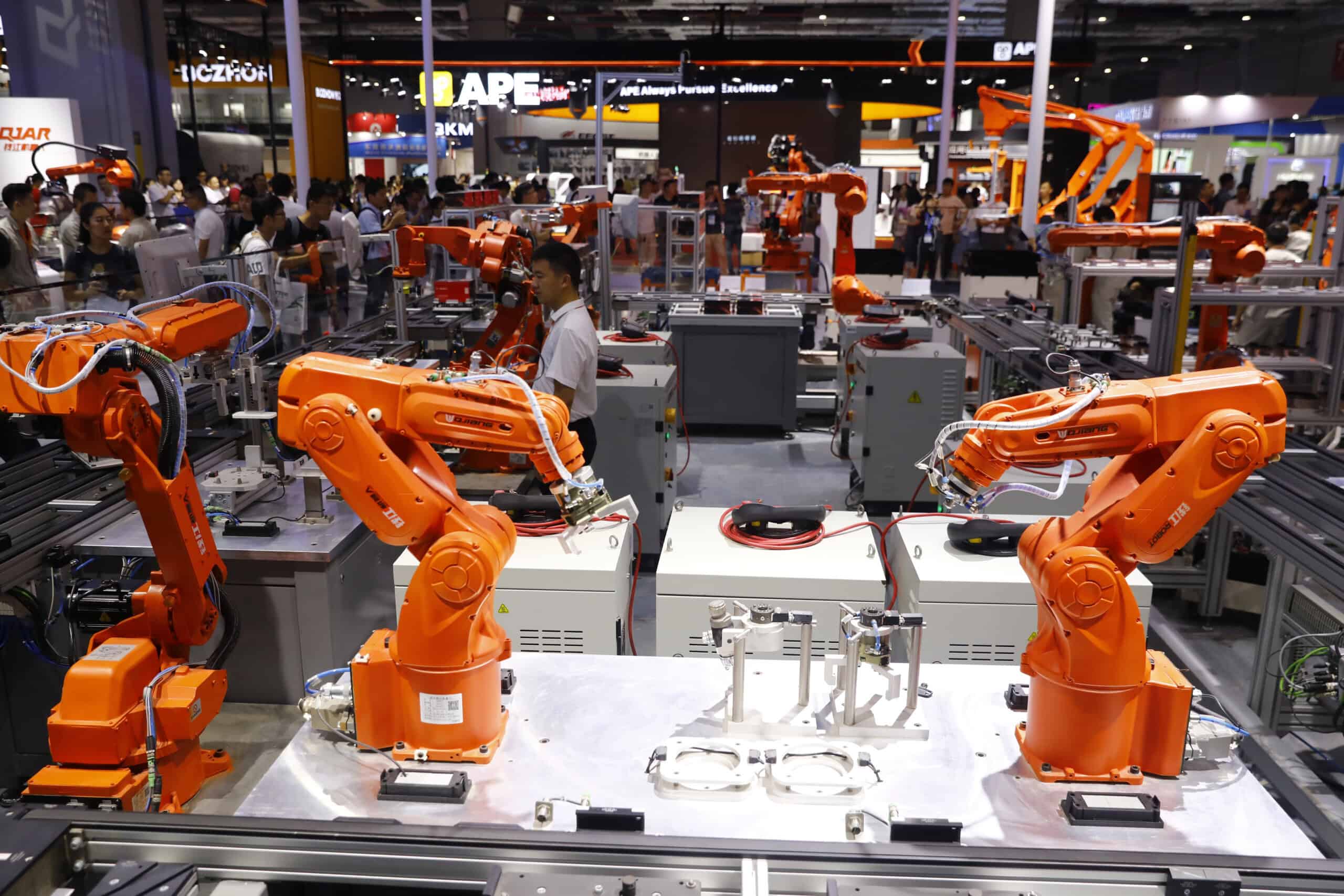
Good evening. It could have been a perfect Trans-Pacific marriage. In 2015 a Chinese entrepreneur with a strong anti-establishment streak, and backed by funding from Sina Corporation, set up an autonomous driving company in San Diego aimed at revolutionizing a classic American industry — long-distance trucking. But after getting off to a fast start and successfully launching a hot IPO in 2021, Hou Xiaodi’s TuSimple venture crashed and burned amidst what were, by then, all-too-predictable accusations about the alleged sharing of sensitive U.S. data with Chinese partners. As Grady McGregor writes in this week’s cover story, the story of TuSimple’s failure is also a more prosaic one of a board at war with itself over contradictory technology strategies, among other disputes. Hou, who is now a naturalized U.S. citizen, is fighting his former colleagues for control of TuSimple’s $450 million in cash reserves and has not given up on his dream of transforming America’s trucking industry.
Also in this week’s issue: The Big Picture examines controversial Chinese AI start-up GoLaxy; Can SenseTime revive its past success?; a Q&A with Chris Horton on the island nation that, in the eyes of China, doesn’t exist; and a former RTHK columnist reflects on the Hong Kong broadcaster’s decline.
Want this emailed directly to your inbox? Sign up to receive our free newsletter.

Not Simple
The Teamsters probably won’t like it, but the U.S. trucking industry is ripe for an autonomous driving revolution. The U.S. freight industry currently loses an estimated $95 million each week due to driver shortages. In 2021, the U.S. trucking industry needed an extra 80,000 drivers to fill all potential orders, a figure that is projected to double by the year 2030. Hou Xiaodi, founder of the doomed autonomous driving start-up TuSimple, failed at his first attempt to disrupt traditional trucking but is determined to try, try again.

The Big Picture: GoLaxy in the News
This week The Big Picture presents an In the News profile of GoLaxy, an AI company whose investors include a large state supercomputer company, Sugon, and the Chinese Academy of Science’s Institute of Computing Technology. GoLaxy denies aiding and abetting Chinese government propaganda and foreign policy goals in places including Hong Kong and Taiwan. But as Noah Berman reports, GoLaxy’s government ties are in fact more extensive than recently reported.
Better Luck Next Time
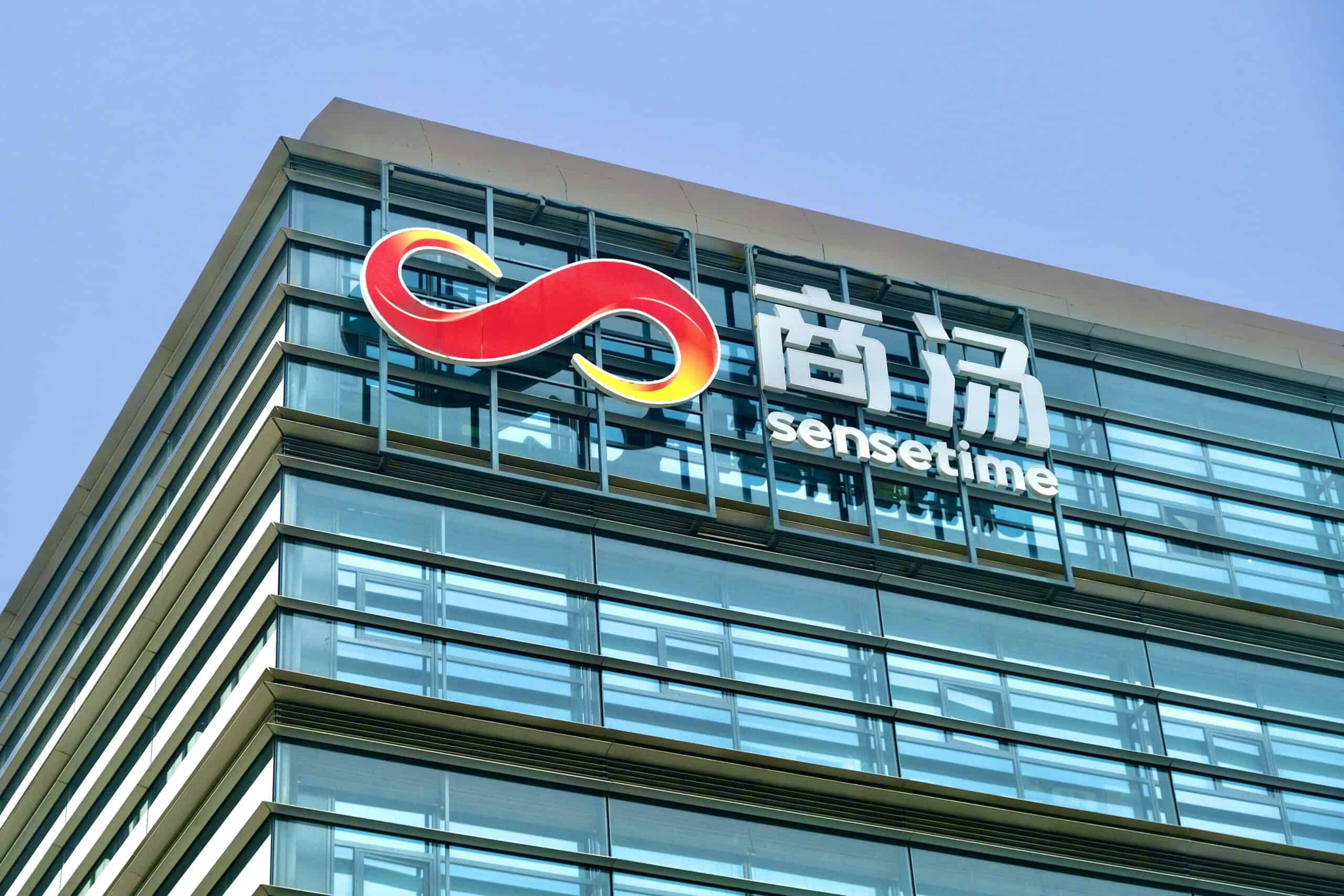
Remember SenseTime, the world’s most valuable AI start-up seven years ago, and its CEO Tang Xiao’ou, who could command prime-time face time with President Xi Jinping ? It subsequently lost ground to rivals as it struggled to contend with a human rights controversy, U.S. sanctions, technology shifts and Tang’s death at age 55. Rachel Cheung examines whether SenseTime can mount a comeback.

A Q&A with Chris Horton

Chris Horton spent 15 years in China and Hong Kong before moving to, as he calls it in the title of his new book, the “Ghost Nation” of Taiwan a decade ago.
In a conversation with Paddy Stephens, Horton reflects on his adopted home, the existential crisis that it faces and what it was like to interview Lee Teng-hui, the founding father of democratic Taiwan, in Hokkien and a smattering of three other languages. He argues that simple international perceptions of Taiwan — as a pawn caught between Presidents Xi Jinping and Donald Trump, or a cog in the modern global economy — do the island a grave injustice and “weaken our understanding of a very important country”.
Chris Horton
Illustration by Lauren Crow

RTHK RIP
Barry Wood is a Washington, D.C.-based journalist and former columnist for Radio Television Hong Kong — the territory’s public broadcaster that was modeled on the BBC until Xi Jinping’s administration, armed with the 2020 National Security Law, decided enough was enough. The Chinese Communist Party simply could not conceive of, let alone tolerate, an Hong Kong government-funded broadcaster whose journalists were not afraid to embarrass or criticise the Hong Kong government. In this week’s opinion column, Wood rues the rapid decline of RTHK and Hong Kong’s once vibrant media industry.
Subscribe today for unlimited access, starting at only $19 a month.