As President Biden’s National Security Adviser, Jake Sullivan played a leading role in shaping aggressive, tech-focused policies toward China. Under what became known as ‘the Sullivan doctrine,’ the U.S. sought to stay several generations ahead of China in advanced technology, especially semiconductors and artificial intelligence. His ‘small yard, high fence’ strategy involved erecting powerful protections for a small number of technologies deemed critical to U.S. national and economic security. Earlier in his career, Sullivan was national security advisor to Biden when he was vice president and a senior State Department official under Hillary Clinton.

Illustration by Lauren Crow
Q: Let’s go back to 2021 when you were taking office after Trump 1.0. Before that, you and Kurt Campbell had written in 2019 in Foreign Affairs that ‘the era of engagement with China has come to an unceremonious close. The debate now is what comes next.’ Trump clearly was a break with what had happened in the past. What did you want to keep and what did you want to change?
A: When we came into office, I had two starting premises. One was that China was determined to surpass the United States as the world’s leading economic, technological, military, and diplomatic power. The second was that no matter how that competition played out, the United States and China were going to have to figure out a way to live alongside one another.
My basic thesis was: this will be an intense competition across multiple domains, but we have to manage the competition so that it doesn’t veer into conflict, and so that we reserve space for cooperation on issues of mutual interest.
When we looked at the Trump administration, Kurt and Ely Ratner put it well in an earlier in Foreign Affairs piece when they said China was being competitive without being confrontational, and the U.S. was being confrontational without being competitive.
| BIO AT A GLANCE | |
|---|---|
| AGE | 49 |
| BIRTHPLACE | Burlington, Vermont |
| FORMER POSITION | Biden administration National Security Adviser |
| CURRENT POSITION | Kissinger Professor of the Practice of Statecraft and World Order, Harvard Kennedy School |
We were not making the investments in the sources of our own strength at home. We were burning credibility with our allies and weakening the structures of our alliances. We were not sufficiently focused on the technology aspect of the competition.
When I came in, I had a view that to compete effectively, the United States needed to invest in the core foundations of our national strength at home, and with our allies, particularly in the areas of frontier technology. [Kurt Campbell became Biden’s National Security Council Asia chief and then deputy Secretary of State. Ely Ratner became assistant Secretary of Defense for Asia.]
What did you see as positive in what Trump had done?
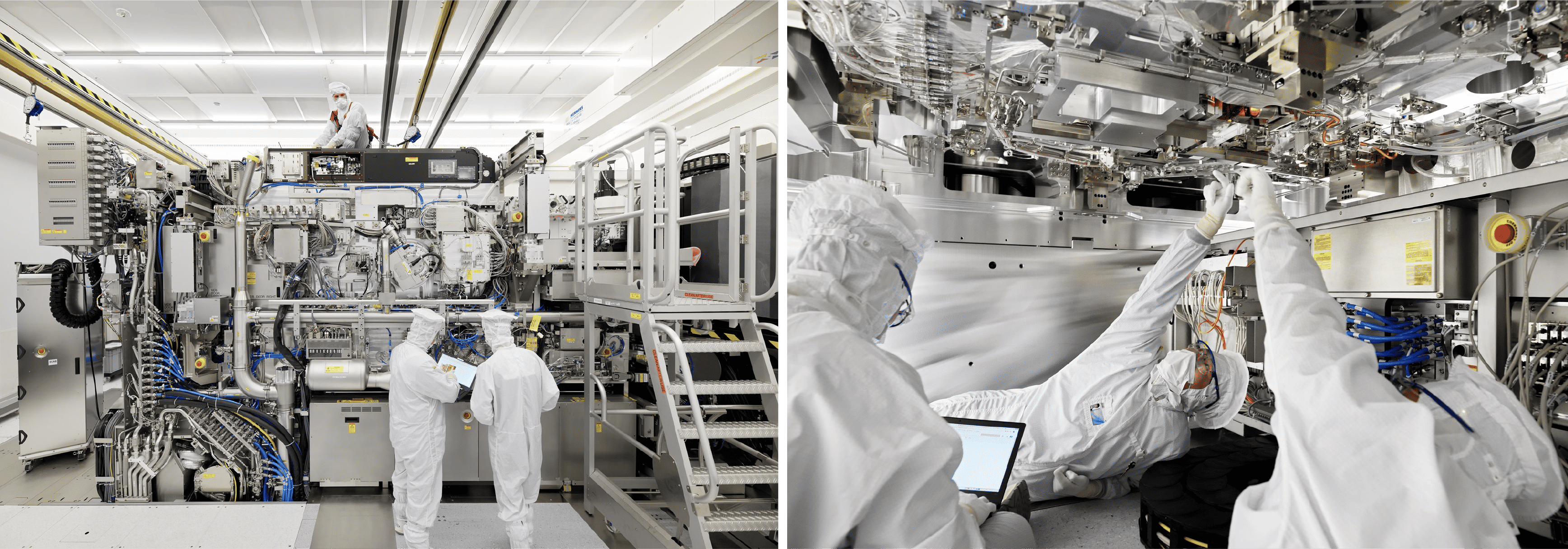
One step the Trump administration took, which I think was quite important, was to [block China from obtaining] extreme ultraviolet lithography machines produced by ASML. The Trump administration pioneered this kind of choke point technology restriction which we then took forward with semiconductor export controls. [Complex machines made by ASML Holding N.V. of the Netherlands use EUV technology to produce the world’s most advanced semiconductors.]
At a more general level, the Trump administration was correct in its diagnosis that the underlying dynamic in the relationship between the U.S. and China had a deeply competitive element. But a lot of parts of their prescription were not setting up the U.S. well for success.
Now, let’s fast forward to when you left office in 2025. What did you expect a Trump 2.0 to keep and what did you think that they might change?
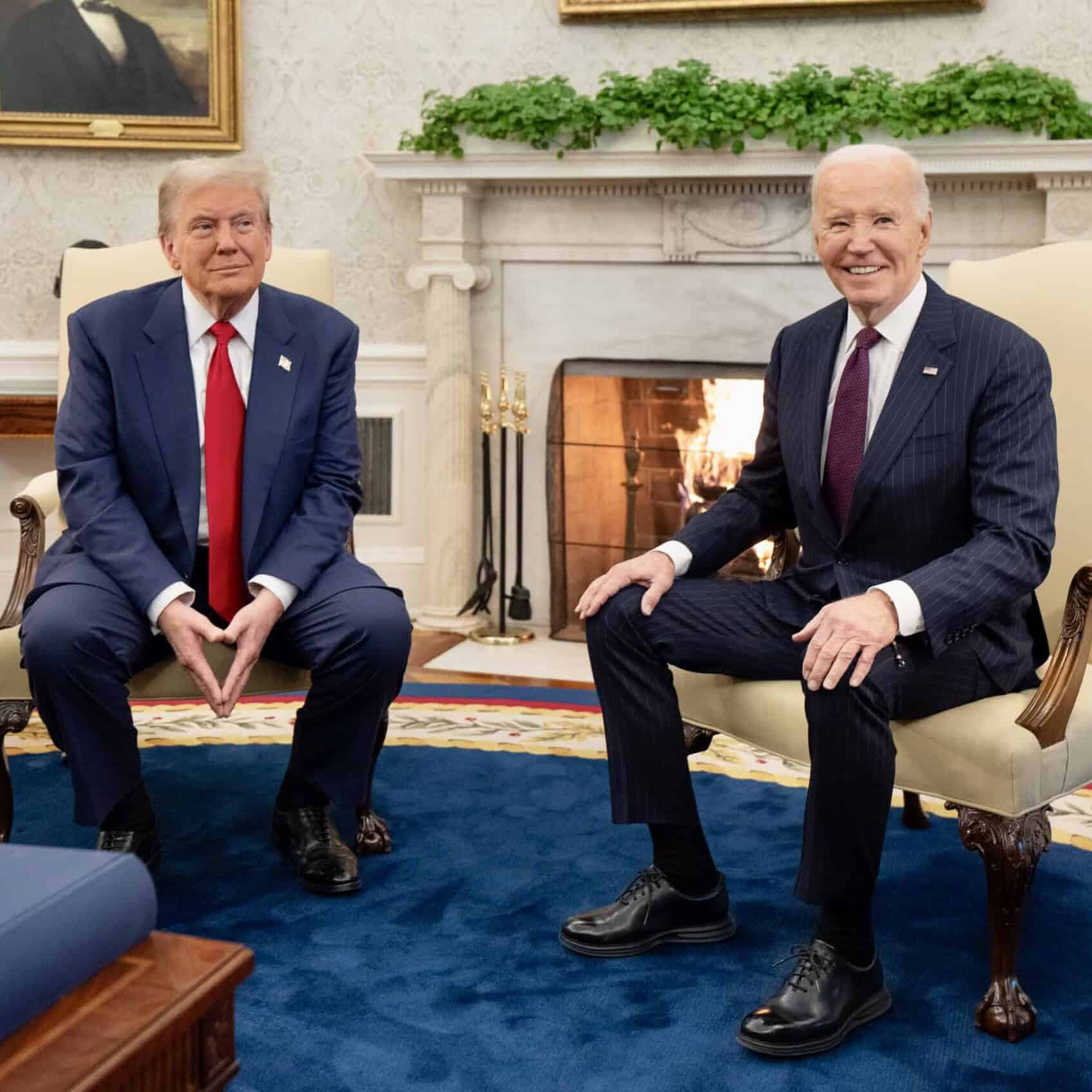
As we were leaving office, I felt it was deeply unpredictable where this was going to go because President Trump himself has always had an instinct that says, ‘I like strong men. I like big countries. I can get along with them. I can do deals with them.’
During the transition phase and in the early months of the Trump administration, I always considered the possibility that he would shift into something more like a grand bargain. But equally, I thought there was a possibility that you could have almost unbounded escalation through a trade war and tit-for-tat retaliation. The spectrum of possibilities was quite wide.
I did expect that they would sustain the technology restrictions, because, as I noted, they started them, and we really built it out into a full strategy. I thought that the semiconductor export controls would continue and that they would continue to refine them as the technology developed. So, it came as somewhat of a surprise to me that they moved in the other direction on that.
[Trump is] not interested in an elevated level of tension. He’s interested in escalation and concession and then de-escalation. When China really pushed back hard, he thought, ‘Well, I’ve got to move to the de-escalation phase as rapidly as possible.’
I did not have very high hopes that they would continue to deepen the initiatives that we had put in place with respect to our alliances. But I also didn’t think that they would walk away from them. There was a mixed bag of expectations and predictions, because we’re dealing with a deeply unpredictable player who has deeply competing instincts about China, any one of which could rise to the surface at any given time.
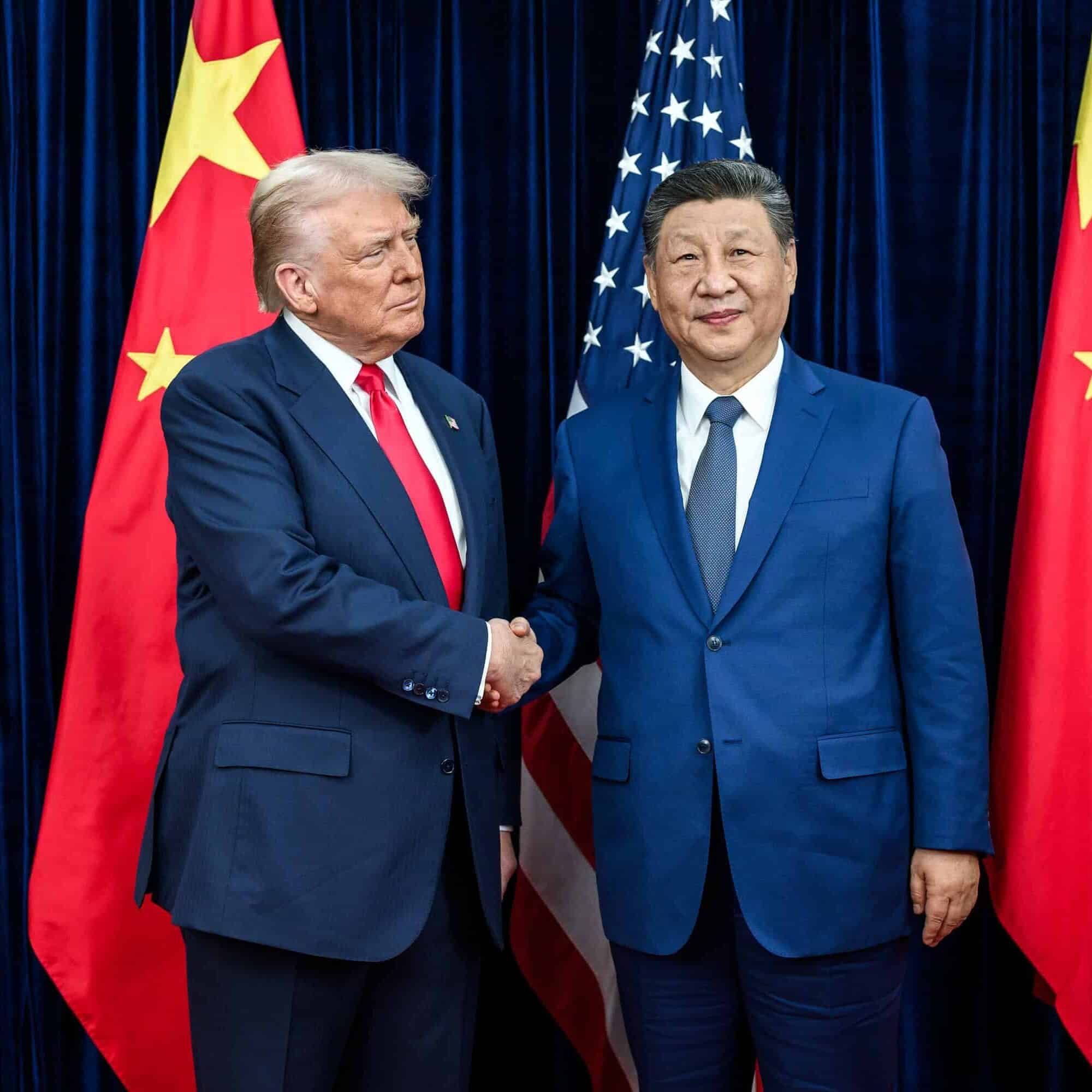
Trump himself seems less hawkish on China than during his first administration. What’s your interpretation of why?
I think it is primarily because he has the view of international affairs which says there are big countries and there’s everyone else. The big countries should do economic and strategic deals with each other so they have stable relations, and the rest of the world should kind of be told what to do. I don’t think it’s a strict ‘spheres of influence’ concept. I think it’s much more the idea that strong men deserve a different measure of respect — almost admiration — than everyone else.
The Trump national security strategy reflects that when it comes to China and Russia. Who else has the theory that there are big countries and everyone else? Xi Jinping and China. There’s a mirroring to how the current Chinese leadership sees the world and how Donald Trump sees the world.
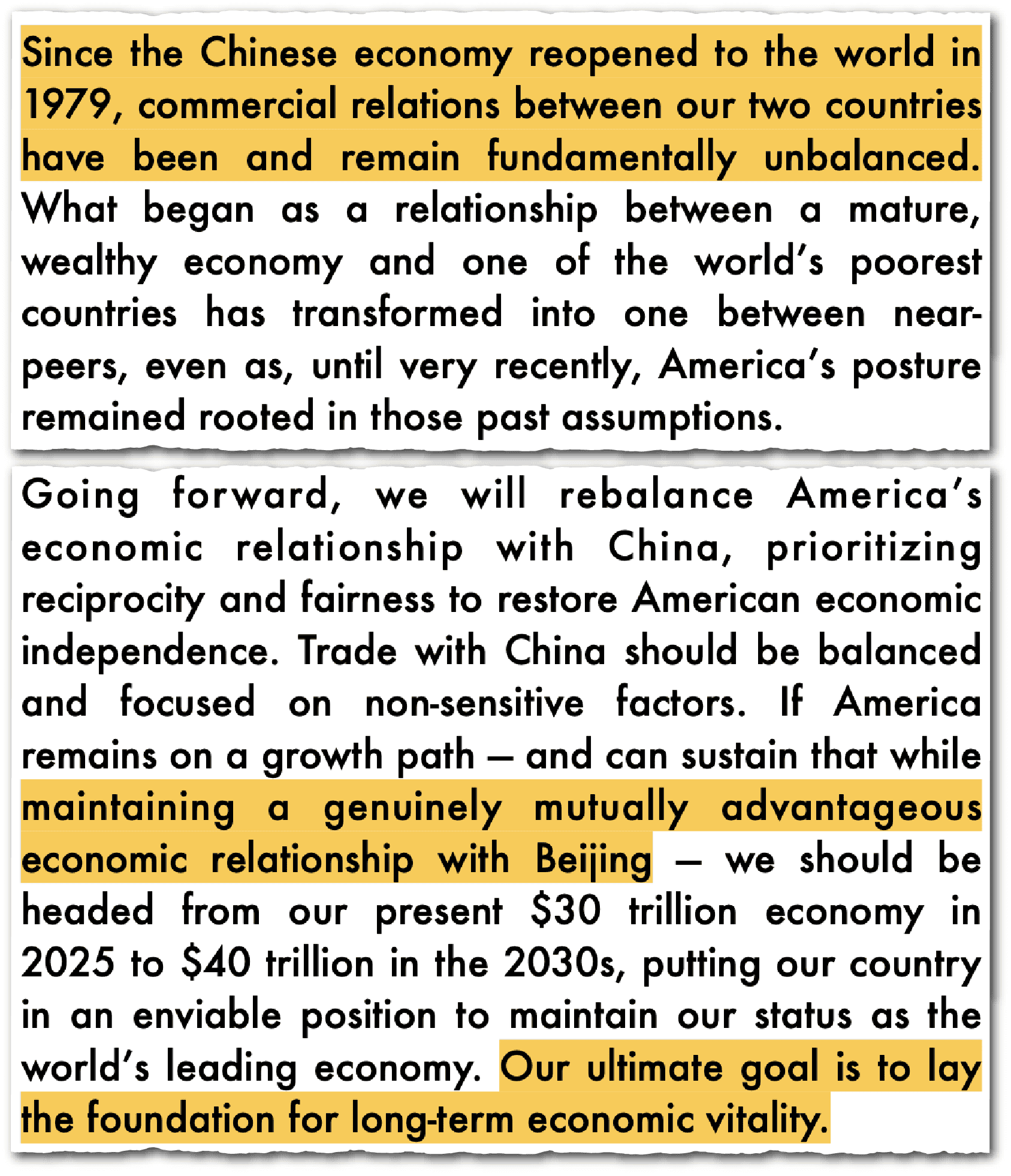
Second, Trump sees the relationship with China through an economic lens, not through a strategic lens. He sees it through a notion that China has been taking advantage of the United States in various ways, and we need to respond to that. The strategic posture in the Indo-Pacific or the broader technology competition? That’s not something that registers in Trump’s thinking about the U.S.-China relationship.
Finally, I believe that President Trump and a lot of the people around him see the paramount national security issues of our time as things like immigration and identity. Those lie at the heart of the national security strategy, and China doesn’t factor into that. That’s a Western hemisphere focus. That’s a focus on trying to support right-wing parties in Europe, because they see somehow, quote-unquote, ‘Western civilization under threat.’
The overall priority of China in the Trump national security strategy is much lower than one might have anticipated, and certainly lower than it was during the Biden administration.
You think he believes the biggest threat to the United States is internal — essentially immigration and things that flow from that?
When I read the national security strategy, I see a document that elevates drugs and migration, which he links together — and migration is paramount. There is a hemispheric element to that and a domestic element. The Trump administration maps that onto Europe to say, ‘What is the biggest threat to Europe?’ It’s not Russia. It’s migrants. It’s ‘civilizational erasure.’ That phrase is used in the national security strategy.
Where does that leave China?
It leaves China in a circumstance where the president wants a deal. He wants to be able to say we’re selling more to China. Maybe he wants to be able to say that China is investing more in the United States, we’re doing something about the trade deficit, and he has a good relationship with Xi Jinping. Everything is going to be fine between us, thank you very much.
There’s a heavy emphasis on economics, and China has a lower strategic priority. There is a personalized dimension to it. He sees having a good relationship with Xi as his central aim.
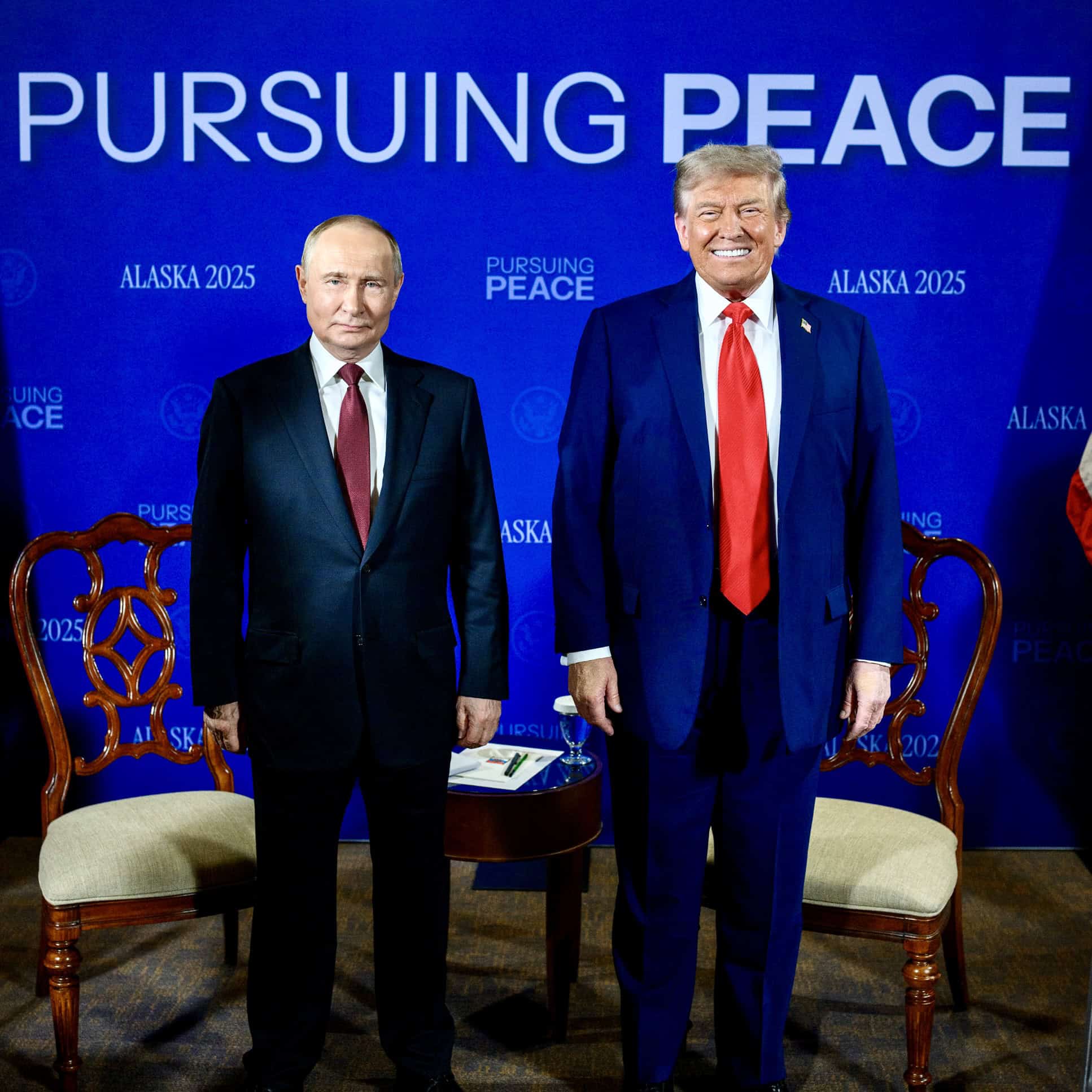
President Trump is very sure footed, very confident, very assertive when it comes to countries he perceives as weaker. He is very unsure footed, very tentative and very willing to make compromises and concessions to countries he thinks are strong, and particularly to leaders he thinks are strong.
With Russia and China, his entire mode of approaching foreign policy is fundamentally different because he sees those guys as his equal, or maybe even he sees them as his betters. There’s a kind of tentativeness in his dealings with both the leader of Russia and the leader of China. That is a sharp departure from how he deals with everybody else.
One thing that has surprised me is the degree to which the Chinese threat to withhold rare earths has seemed to check anything the United States was doing concerning China. I think the Chinese were probably surprised how effective the tool was, and that the United States didn’t respond with its own chokeholds on China. What could the U.S. have done facing a perceived threat like that?
There’s no doubt China has leverage, including on rare earths. And there’s no doubt the United States has leverage on China where they can inflict some measure of pain. In my view, there is absolutely no reason to telegraph so persistently that rare earths are a fatal weakness of the United States, which I don’t believe they are. We could have managed our way through this without throwing up our hands.
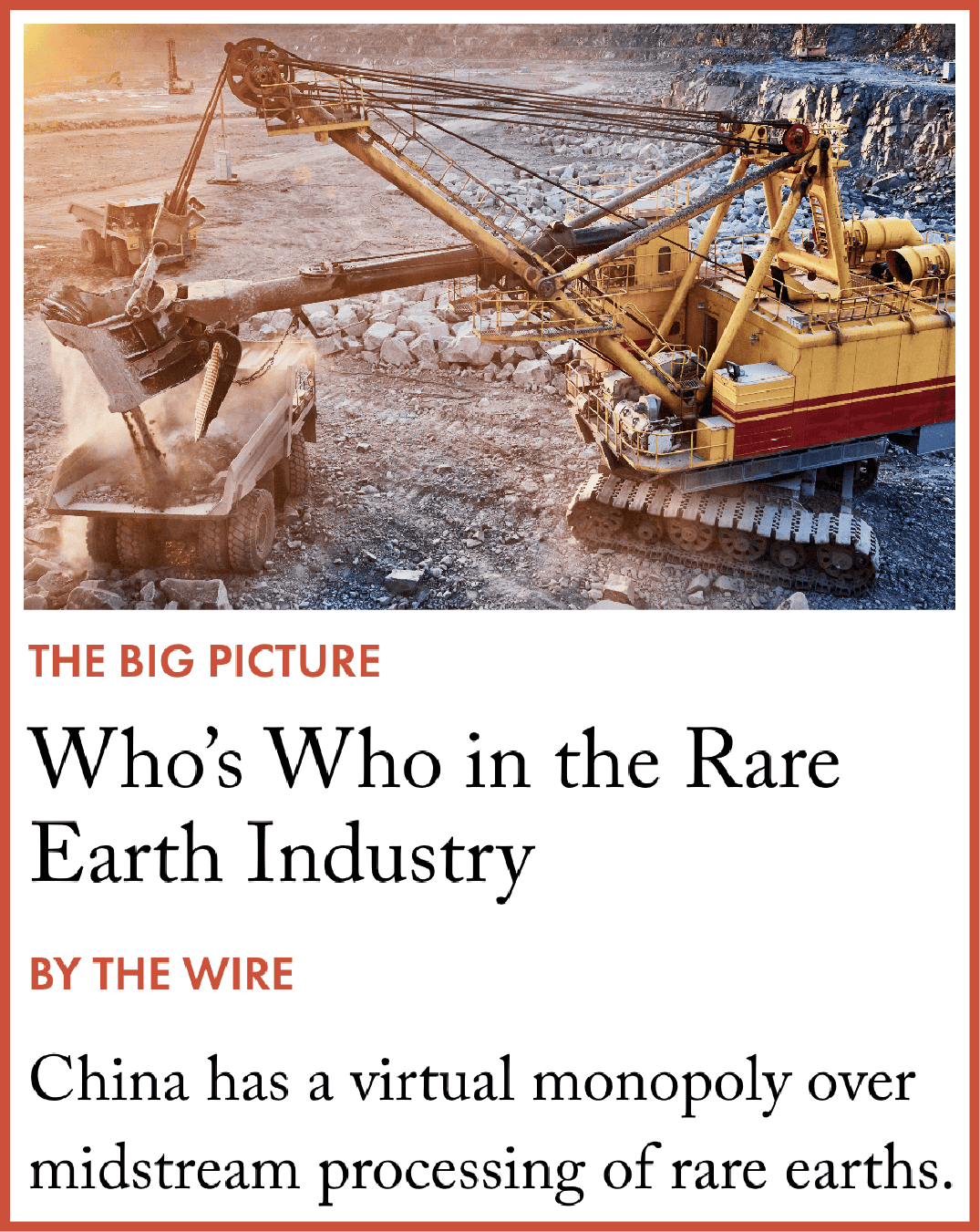
To the extent it is a vulnerability, going out and saying so publicly and repeatedly has led Beijing to conclude that it holds the high cards, and can use this tool at any point along the way to make sure that the United States does not do things it doesn’t like — and maybe even cause the U.S. to do things that China is looking for which are problematic from our perspective.
In the Biden administration, we saw the rare earth challenge. We took a series of steps to try to reduce the vulnerability. Many of those steps the Trump administration is now building on.
It is patently clear that we did not move fast enough or ambitiously enough. There were a number of hurdles involved in getting processing capacity for rare earths outside of China. But we didn’t get the job done. Frankly, I think that the Trump administration has taken some good steps now, but still isn’t moving with the alacrity or the ambition that is necessary.
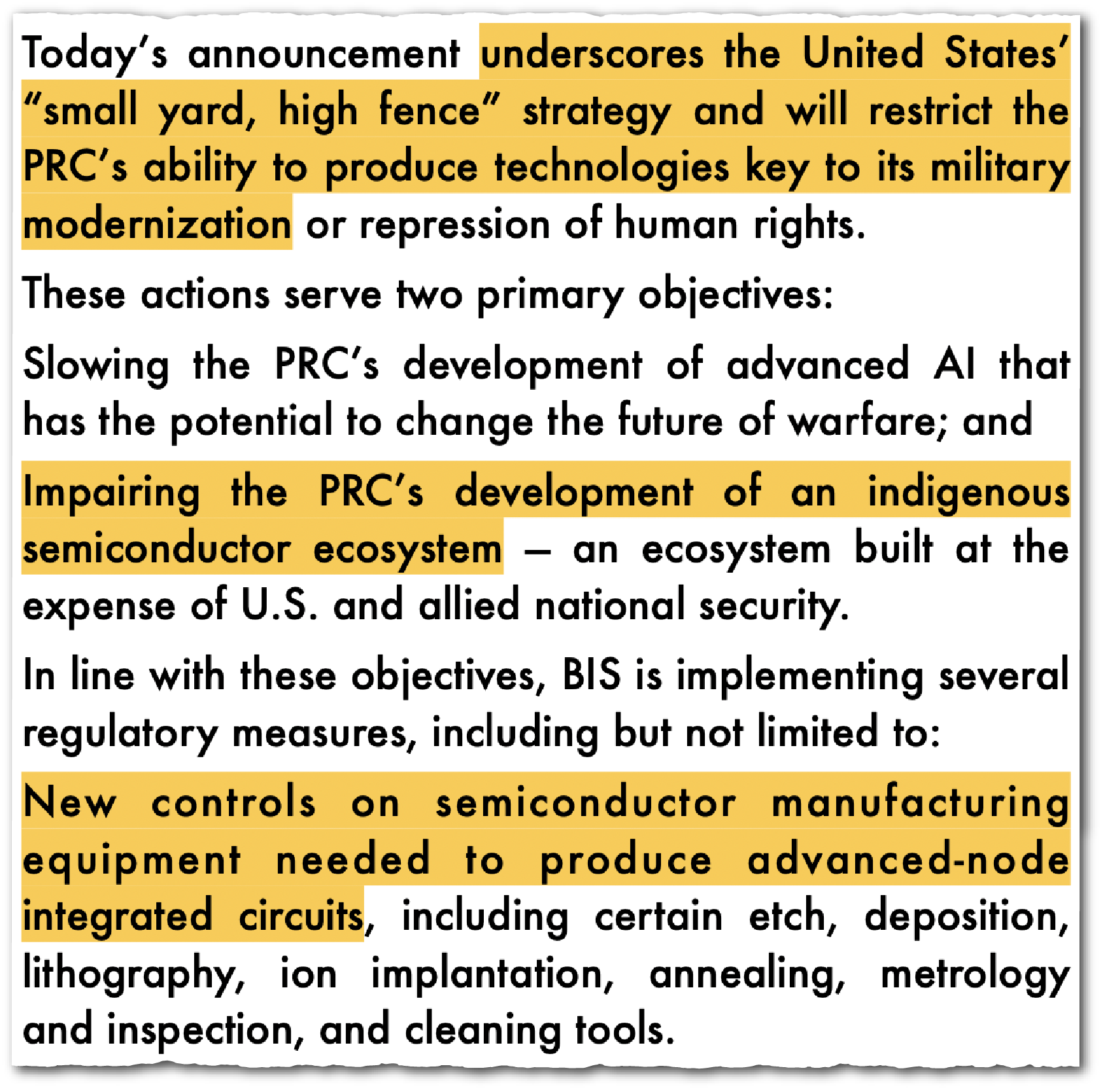
The United States has to play a more sophisticated game. When we were doing the semiconductor export controls, we recognized that China could respond by imposing various forms of restrictions in return, including potentially on rare earths. Part of the theory behind the ‘small yard, high fence,’ was to communicate a degree of restraint and to show China we could escalate, although we’re choosing not to — so be cautious in how sharply you retaliate. And in fact, China was cautious in how sharply it retaliated to semiconductor export controls. They imposed restrictions on things like germanium and gallium, but it was quite manageable.
When President Trump came in and slapped on 145 percent tariffs on China — a giant club right out of the gate — it communicated no restraint. It left the Chinese in a position where they felt they had no choice but to respond with a very heavy club. There is a more strategic and calibrated approach to economic and technology measures to manage retaliation risk. There is a playbook for doing that.
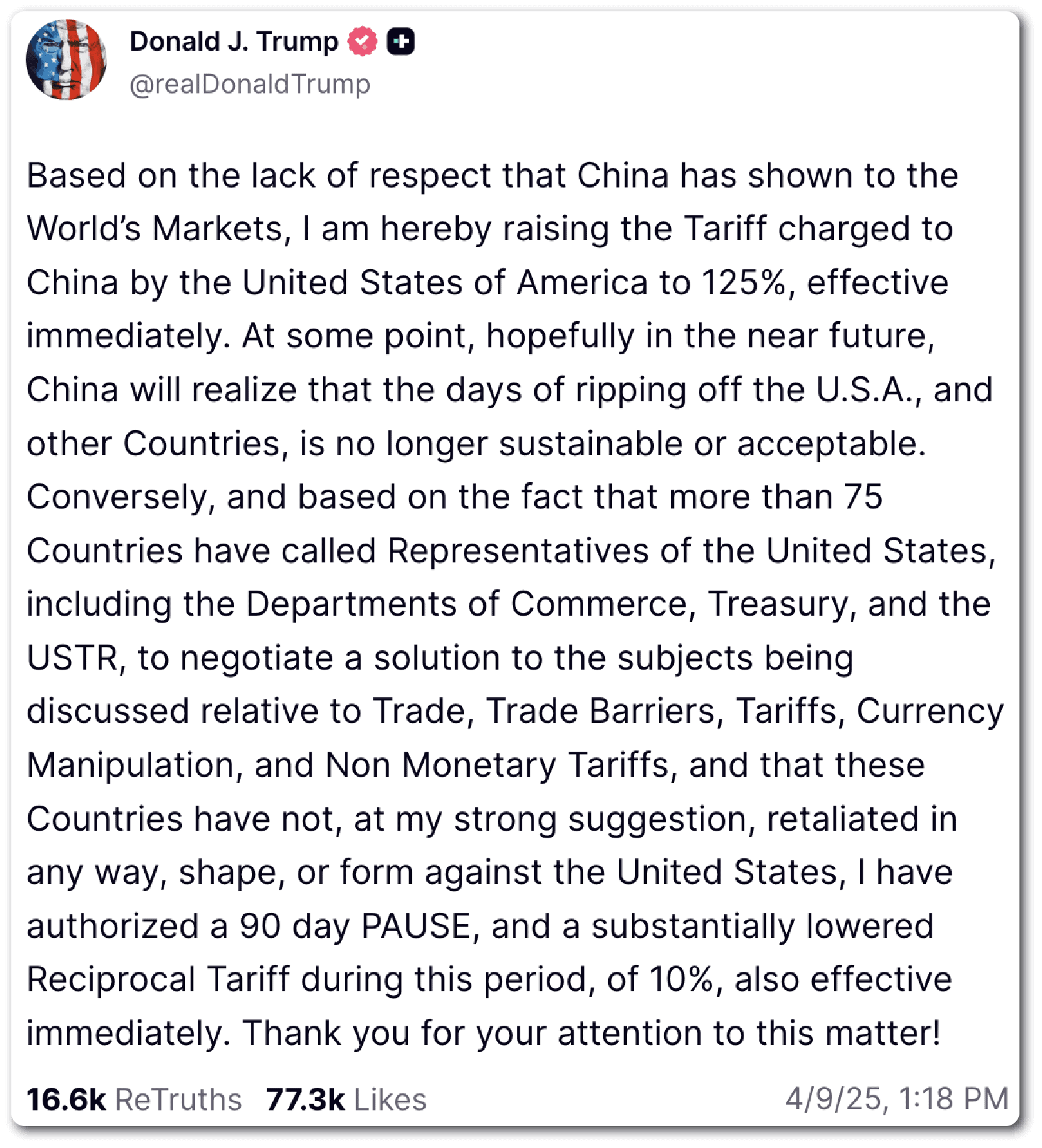
Coming out of the gate with a massive tariff announcement put the United States in a tight spot. The result is that China believes it has the upper hand and it can press its advantage at its will.
[Trump initially threatened China with 145 percent tariffs, but fairly quickly backed down from that tariff rate.]
The 145 percent tariff just didn’t seem realistic. It would have crippled the United States as well as China.
It suggests to me that all this had an element of theater. It’s, ‘I’m going to go big on tariffs until I get some loose commitment from the other side. And I will have shown through my strength that I extracted something.’
As soon as it became very real for President Trump that this was going to turn into a genuine trade war, he wanted to back down. I don’t think he was interested in fighting a sustained, significant trade war with China, or with other countries that push back hard against him.
He’s not interested in an elevated level of tension. He’s interested in escalation and concession and then de-escalation. When China really pushed back hard, he thought, ‘Well, I’ve got to move to the de-escalation phase as rapidly as possible.’
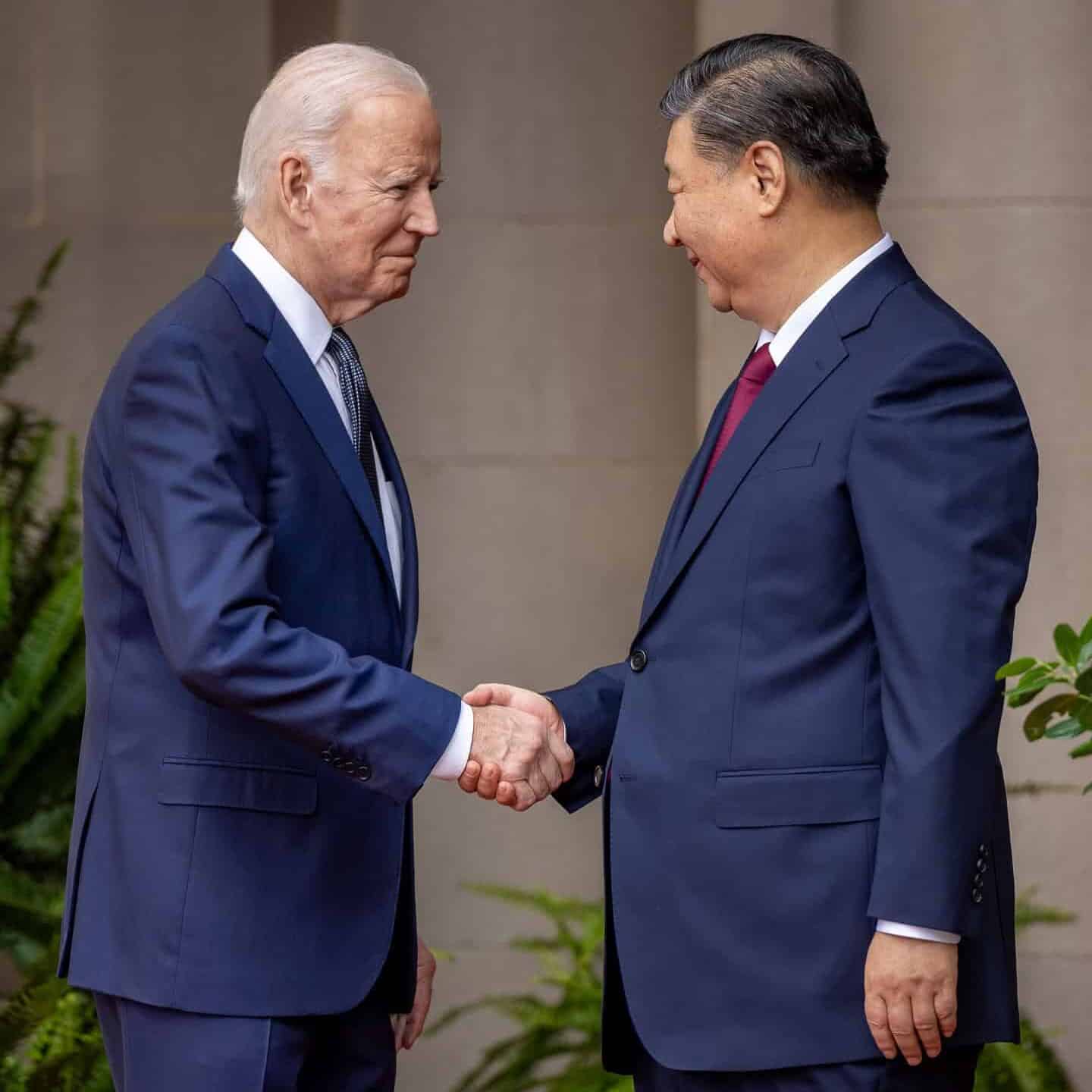
Let’s turn to the Biden administration. When it comes to China specifically, it seems like most of the time was spent having to reset relations to how they were when you came into office, because things went sour in so many ways. There was the balloon affair, the contretemps in Alaska, Nancy Pelosi’s visit to Taiwan. There were lots of things that pissed off the Chinese, and then they would freeze relations.
[China responded sharply to a number of events during the Biden administration. Those included a contentious Alaska meeting in March 2021 when Sullivan and Secretary of State Antony Blinken got into a row with their Chinese counterparts, a visit to Taiwan by House Speaker Nancy Pelosi in August 2022, and the U.S. shooting down of a Chinese spy balloon that floated over the U.S. in February 2023.]
Certainly, things like the balloon, and the Pelosi visit caused a spike in tensions between our two countries. No doubt about it. One of the principles we had coming into office was that competition means there’s going to be a degree of friction in the relationship. We had to accept friction and then manage it, as opposed to simply trying to avoid friction. Intense competition requires intense diplomacy. We needed deep and sustained dialogue at senior levels to manage the differences between us and to work our way through crises.
There has been a concerted effort, driven by the Chinese government and supported by voices in the United States and other parts of the West, which basically says that resistance is futile… Why do they want the restrictions taken down? Because they are effective.
I do not believe that we ended up at the end of the administration where we started. At the end of the administration, we had achieved something quite significant, which is a model of the relationship that was our vision of managed competition. We were able to take significant competitive actions to strengthen the American strategic position, but we were also able to manage the relationship and have strong diplomatic links at every level, from leader-to-leader, to military-to-military, to my channel with [Foreign Minister] Wang Yi.
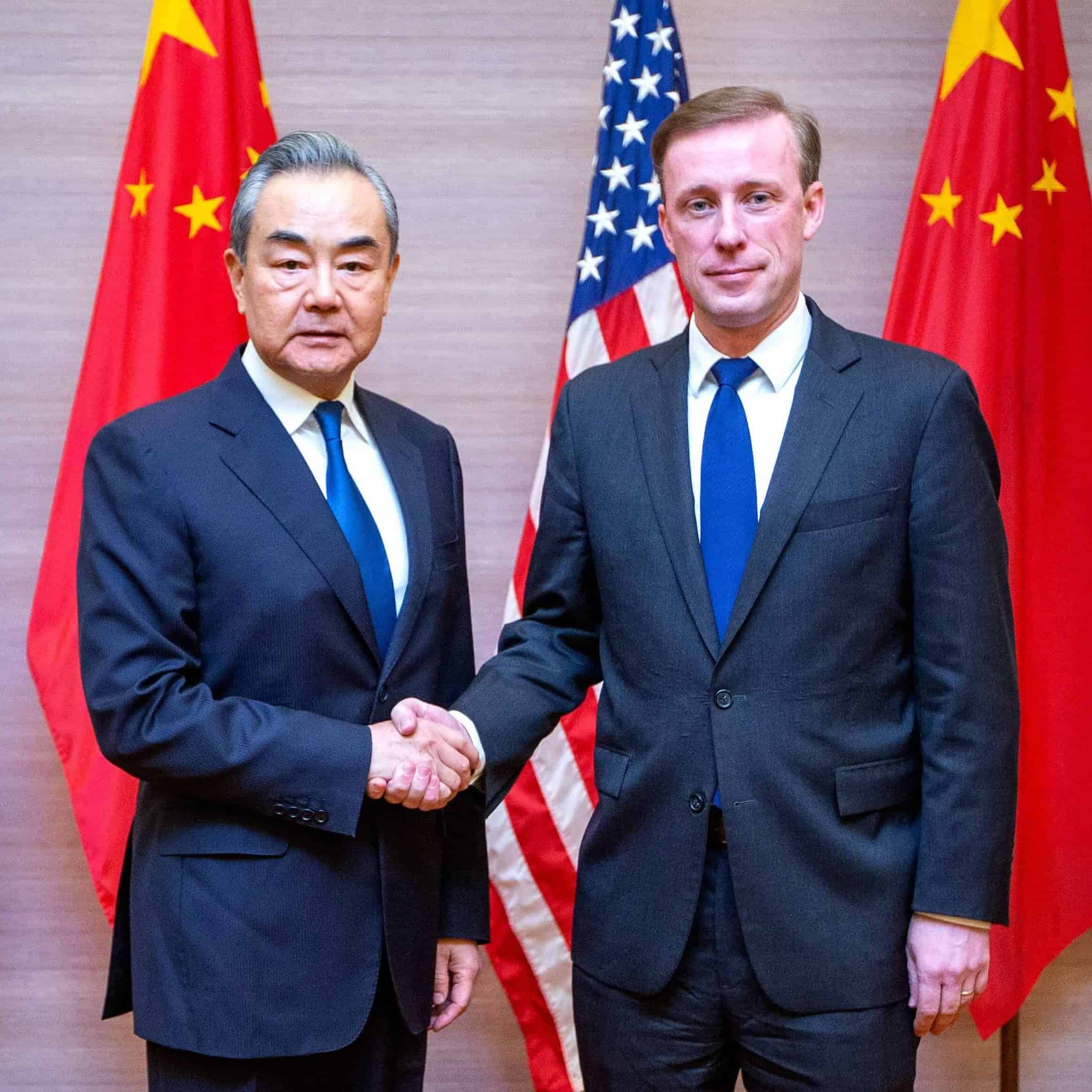
The day we walked out of office, the U.S. was in a stronger position. We had the space to continue to take competitive actions, and we also had a diplomatic framework that was working. We were investing in the sources of our strength at home. We were protecting our technology from being used against us, and yet we were still able to have a fundamentally sound and stable relationship with China.
Let’s talk a bit about the Russian invasion of Ukraine. You have talked about how at some point there was a 50 percent chance that the Russians would explode a nuclear device. Did you recruit Xi Jinping when you were trying to talk down the Russians from this? Did Xi Jinping play any role in trying to convince the Russians?
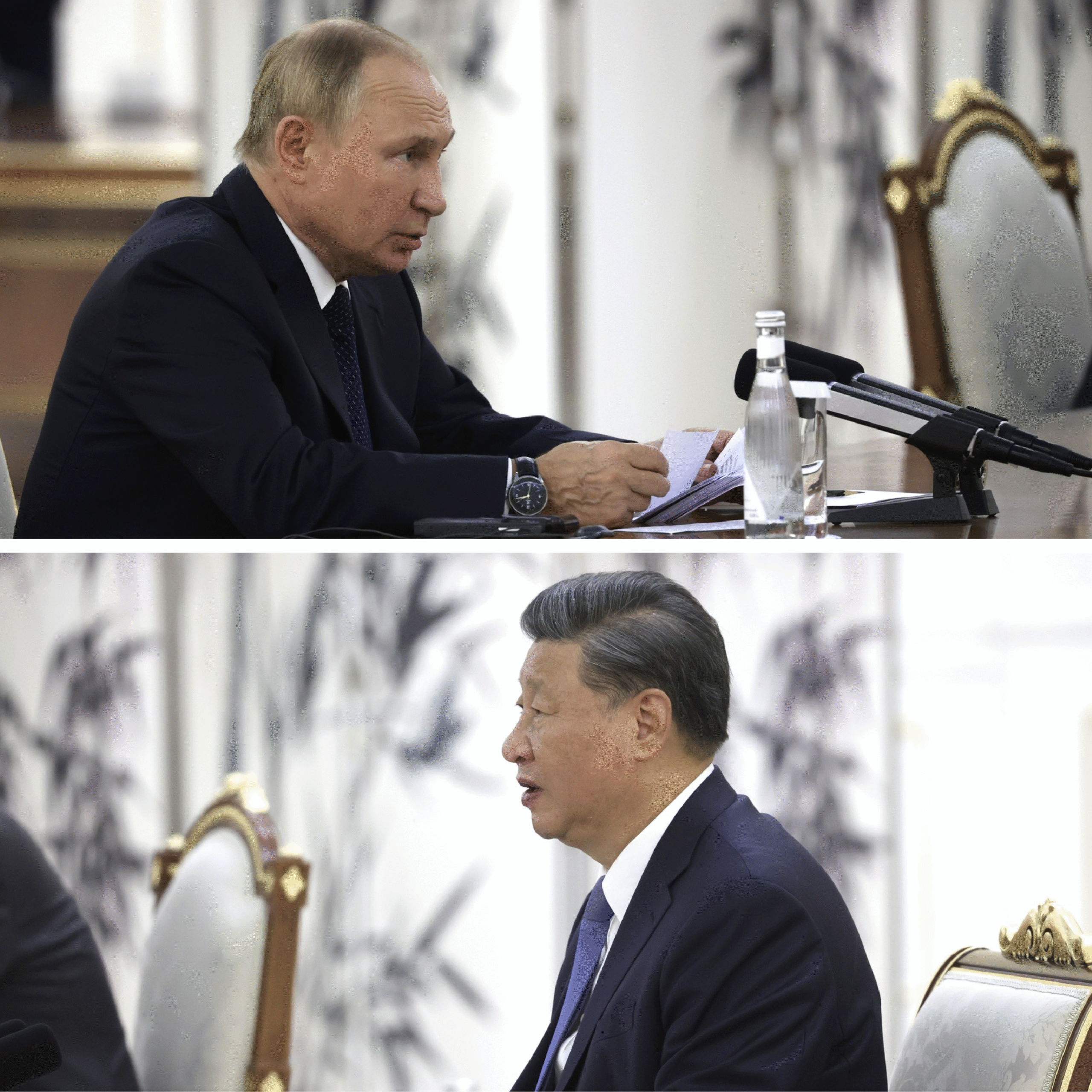
We had a concerted strategy to engage China at the highest level, and to get them to engage Russia at the highest level to make clear that China opposed the use of a tactical nuclear weapon in Ukraine. I have to be a little cautious about exactly how we went through all that. I don’t think ‘recruit’ is the right word, but we definitely had senior-most outreach to Beijing.
And Beijing, in fact, did engage Moscow to make clear that they had grave concerns about that eventuality.
As far as you can tell, did China play a significant role in Russia backing down or dropping the idea?
It’s very difficult to say in the counterfactual, why Russia didn’t use a tactical nuclear weapon. There is one group of critics who say it was all just a giant bluff, and that they were never intending to do it under any circumstances. There’s another group of observers who say that the 50 percent possibility was not just 50 percent; it was 50 percent if there was a catastrophic collapse of the Russian lines, and no such catastrophic collapse happened. Then there’s another group who thinks that the combination of very strong deterrent messages from the United States and interventions by the likes of Beijing and Delhi did have an impact on Putin’s calculus.
My own view is that the circumstance didn’t come to pass that [might have] forced Putin’s hand. That is probably the one closest to accurate assessment. But it certainly did not hurt to have the outreach.
The Biden administration was proud of creating what you called a ‘latticework’ of relations in Asia — Japan, South Korea, Philippines, India, to some degree, Australia — where you worked in a coordinated way when it came to China. What is left of that?
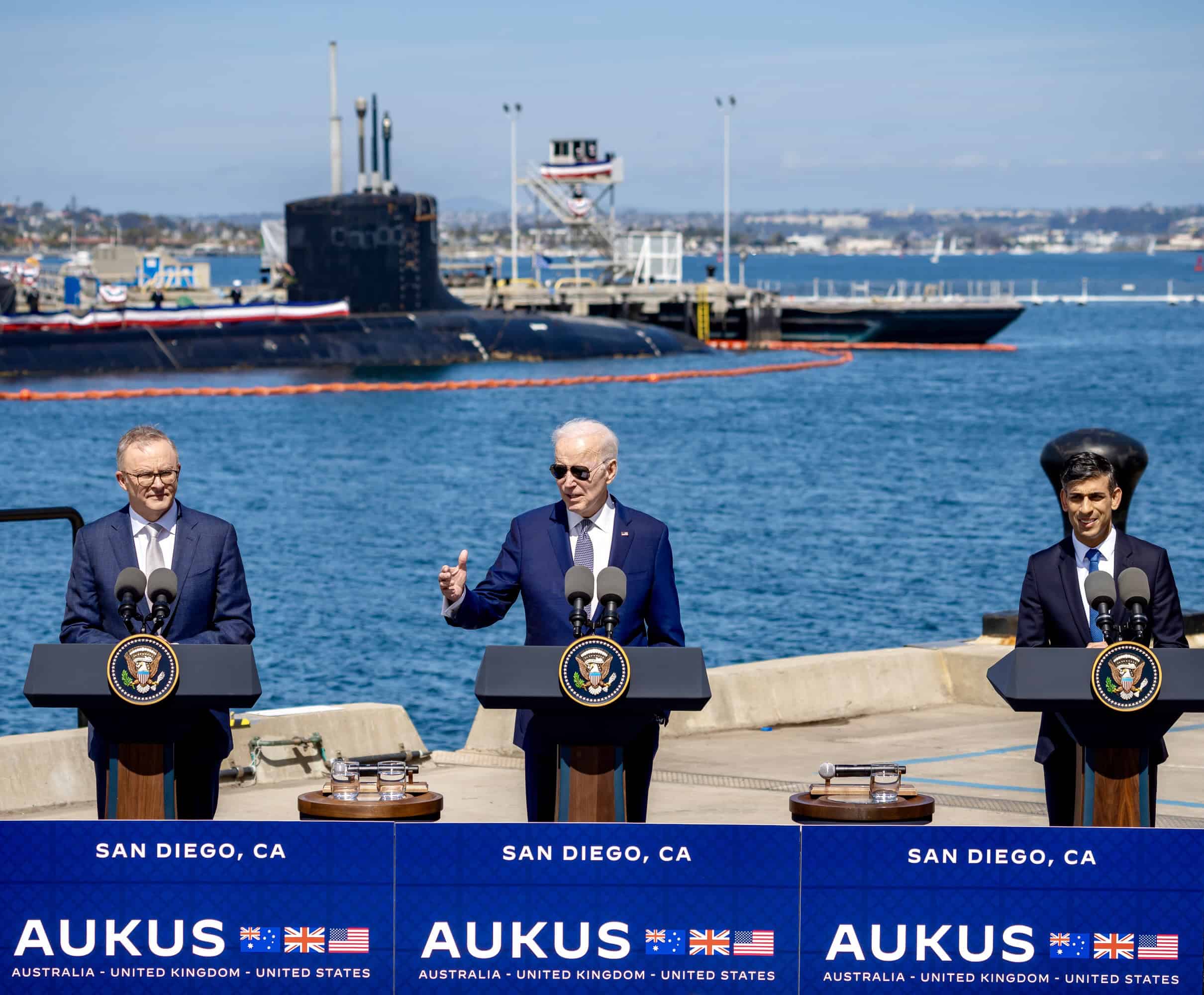
We put this this at the center of our strategy — linking together overlapping configurations that included AUKUS with Australia and the UK, a trilateral relationship with Japan and South Korea, a trilateral relationship with Japan and the Philippines, the Quad grouping of India, Japan, Australia, United States, and a range of other relationships with ASEAN countries, and the Pacific Islands. We also brought Europe more into Asia, not just through AUKUS, but through the European Union’s engagement with some of these key allies as well.
A lot of those things are continuing. The architecture remains intact, but the signaling that this administration is sending about where allies fit into its strategy vis a vis China is radically different than it was in our administration. A central feature of our China strategy was alignment. How do we collectively diagnose and respond to the challenges of Chinese overcapacity, economic coercion, and military aggression? We built an aligned strategy with this group of countries.
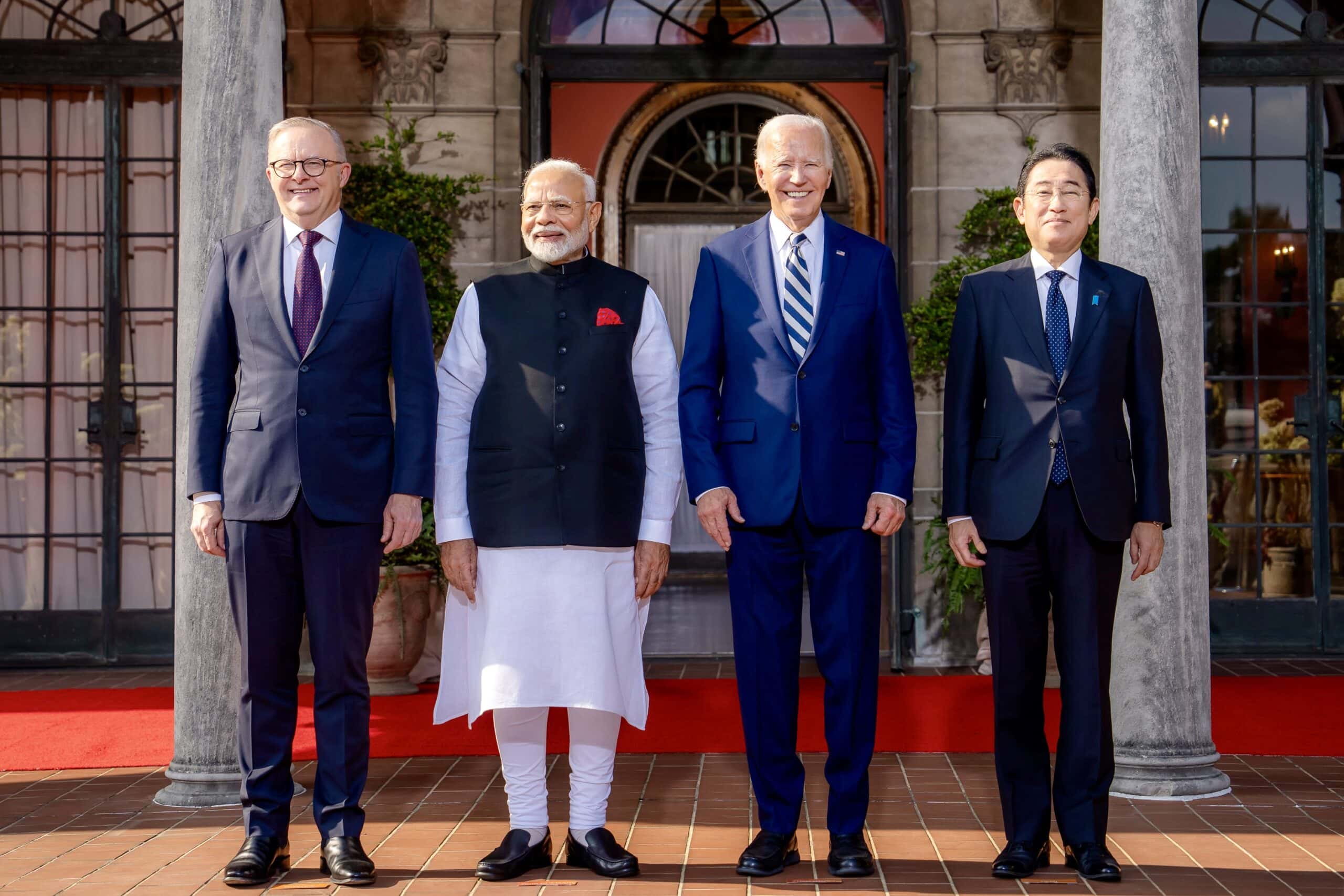
The Trump administration sees the priority as bilateral diplomacy between Donald Trump and Xi Jinping. Everything else is secondary. We saw this most dramatically and recently with how Trump responded to the coercion of China against Japan for comments the Japanese Prime Minister made about Taiwan.
Stay on top of China news.
Join the thousands of policymakers and business leaders who rely on The Wire China.
Rather than going to the Japanese and saying, ‘We’ve got your back,’ he went to the Chinese and said, ‘Hey, I’m going to tell the Japanese to calm down.’ That psychological shift, that change in the diplomatic orientation of the United States vis a vis our allies in China, is pretty significant. It’s sending a message to these countries that they need to make their own accommodations with Beijing. Over time, that is quite corrosive.
[China reacted harshly after Japanese Prime Minister Sanae Takaichi said in November 2025 that a Chinese attack on Taiwan could create an ‘existential crisis’ for Japan. Among other actions, Beijing restricted travel and cultural exchanges, cut off seafood imports from Japan and restricted exports of rare earths to Japan.]
With AUKUS, there is talk that the submarine deal is off. As far as you can tell, what’s the status? [AUKUS is a deal involving the U.S., the UK and Australia. The three countries agreed to work on technology together and eventually help Australia produce its own nuclear-powered submarines.]
There was an effort to put it on the chopping block. It didn’t get axed. They doubled down on moving forward with the initiative. But there is now a question about one key element, which is the sale of Virginia-class [nuclear-powered] submarines in the coming years to Australia, as part of a step-by-step process to them fully acquiring the capability [to build the submarines]. That sale may not happen.
…this is not just about how many chips they have and how many chips we have. It’s how does that translate ultimately into AI advantage over the long haul? Here the story is yet to be fully written.
That would be a damn shame. My hope is that reason and strategic logic prevail in the Trump administration, and they don’t back off.
Let’s shift to what’s called the Sullivan doctrine. In September 2022, you said that ‘given the foundational nature of certain technologies, we must maintain as large a lead as possible.’ But a month later you spoke of setting up a ‘small yard, high fence’, which seems quite different. How do you define that term?
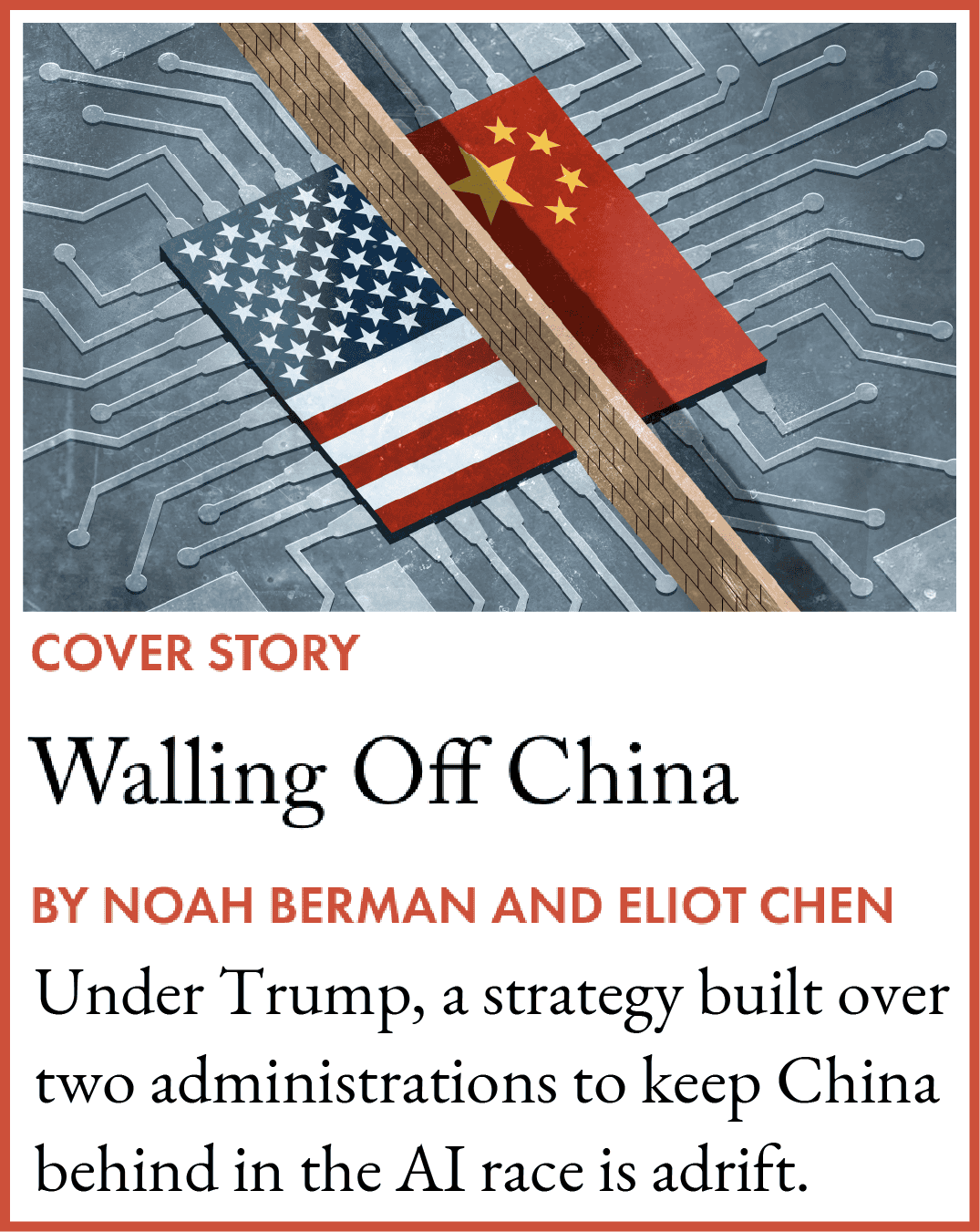
First of all, I don’t personally use the phrase the ‘Sullivan doctrine.’ Small yard, high fence means that there is a set of technologies with deep national security applications that the United States should restrict from sale to China and to other competitors, so that they cannot be used against us or our allies. But we are not looking to decouple our economies or to deprive China or any other country of commercial technologies. The yard is small because it is only a set of exquisite high-end technologies with national security applications, and the fence is high in that we have a strict export restriction on such technologies.
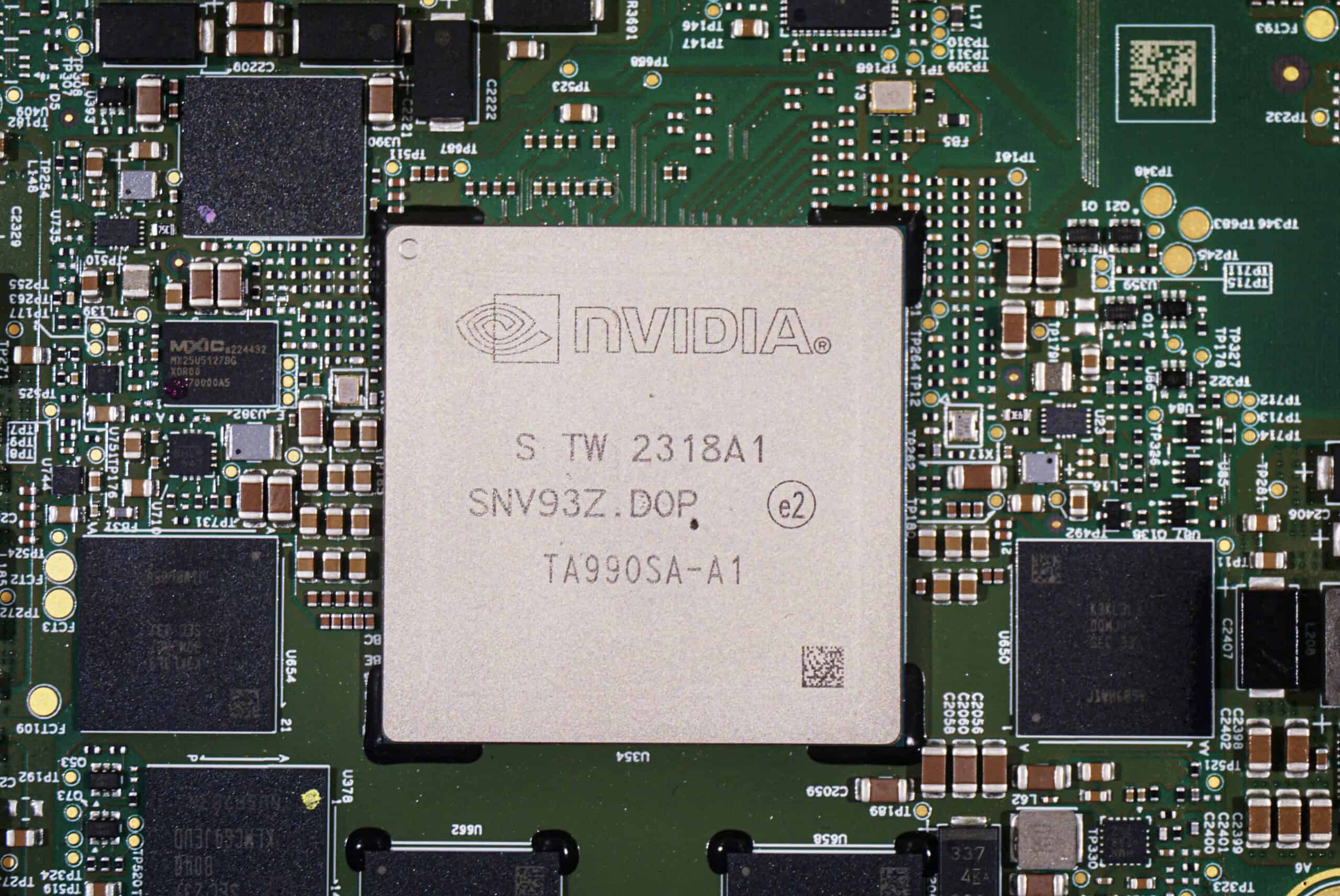
If you look at the semiconductor area, which is the main area of what’s inside the fence, we still allow the sale of lots of kinds of chips to China for commercial purposes, gaming, electronics, and what have you. We restrict high-end tools for making semiconductors, and we restrict high-end GPUs [graphic processing units] that are important for the training of advanced frontier AI models.
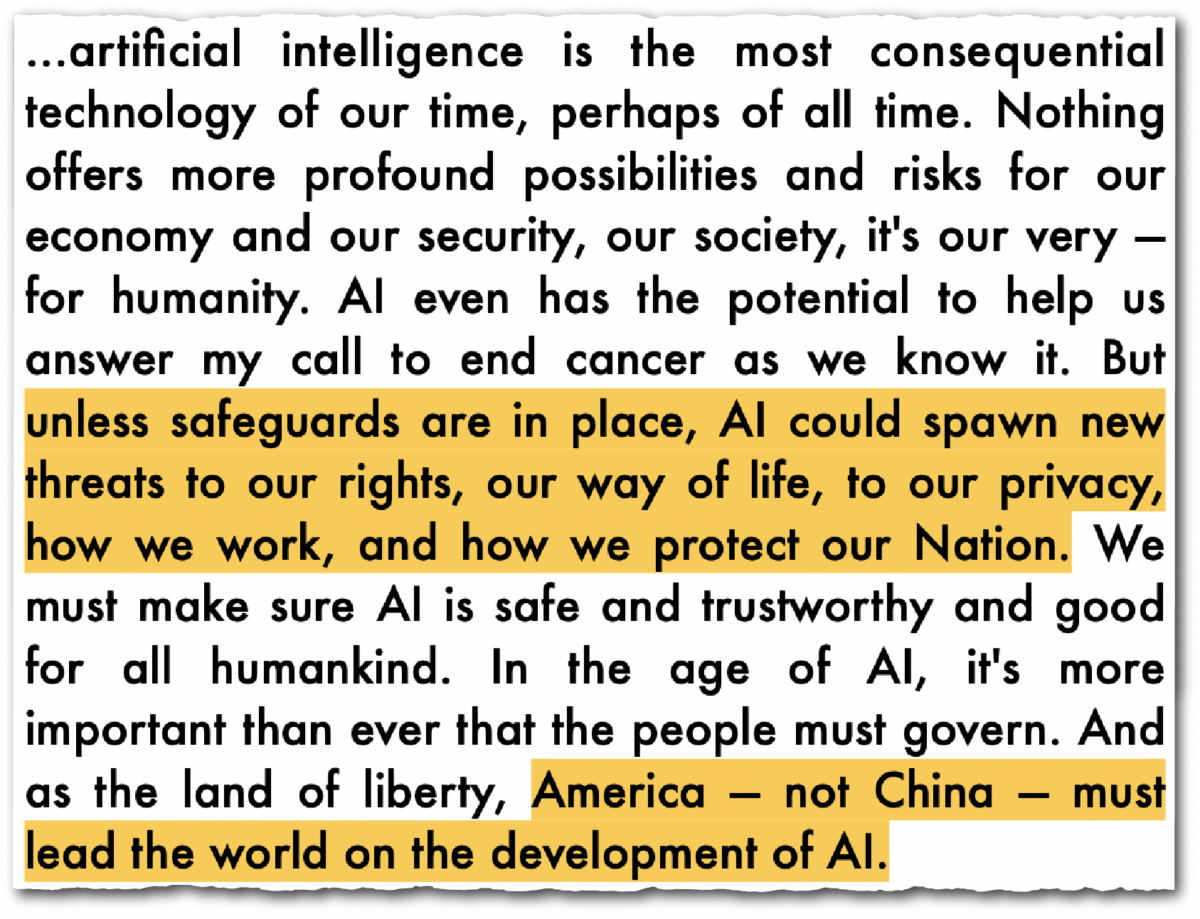
Regarding the comment ‘as large a lead as possible’ — even in 2022 before the release of ChatGPT, we had conviction that AI was going to transform basically everything, and that compute power was central to AI advantage. Having a significant lead in compute would help ensure that the U.S. could sustain and extend a lead in the development of AI, particularly for national security applications. Our theory was don’t just go one generation behind in terms of what you’re prepared to sell.
This was not a broad-based technology denial regime. It was not a Cold War-style of selling none of our tech to China. It was very rigorously and very carefully selecting a small number of chips that cannot be sold to China.
Would the Trump administration’s decision to allow the export of Nvidia’s H200 chips have been allowed under your small yard, high fence?
It would not have. No. In fact, they didn’t allow it, and then they did. They rolled back a restriction that had previously been in place.
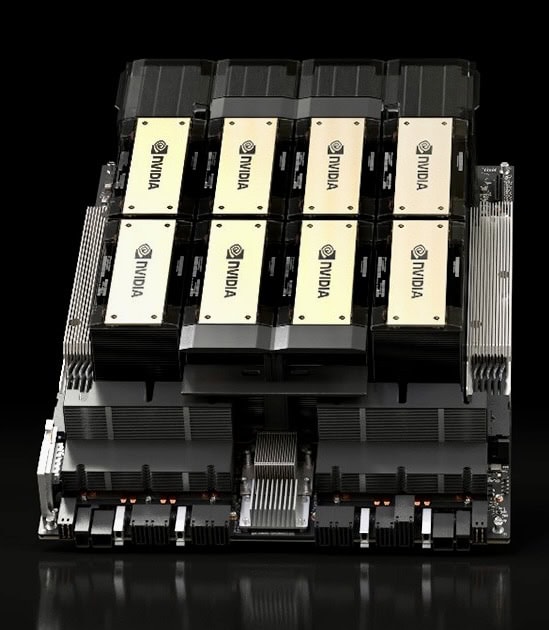
This is a powerful chip that helps China solve its biggest challenge when it comes to frontier AI development, and that is lack of access to sufficient compute. We’re essentially solving China’s problem for it, and that makes no sense to me. Why are we selling a chip that China can use for various forms of national security advantage?
That chip should be inside the yard, and there is pretty strong bipartisan consensus on this point. Recent legislative proposals in the House, championed by Republicans and also supported by Democrats, take issue with the Trump administration’s decision to sell some of these high-end semiconductors to Chinese firms.
When you think about the regime that you put in place, how effective do you think it was? Some critics say the Chinese figured ways around it, either by smuggling or having shipments made to subsidiaries. And then there is the example of DeepSeek, where China produced an impressive AI model on its own.
There has been a concerted effort, driven by the Chinese government and supported by voices in the United States and other parts of the West, which basically says that resistance is futile. This can never work. You should give up these restrictions because they’re bound to fail. Why do they want the restrictions taken down? Because they are effective.
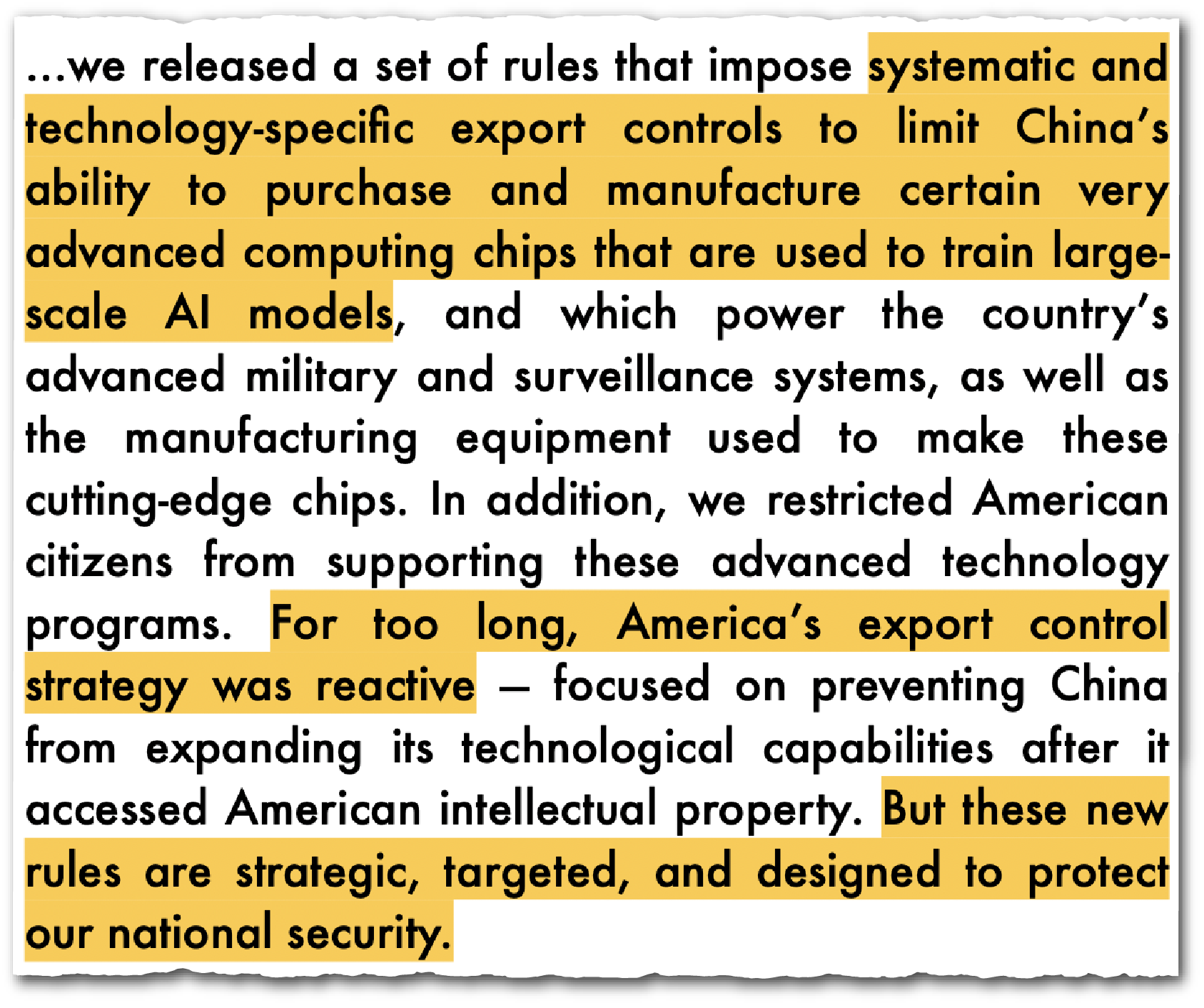
Compute constraint would be the number one thing that the CEO of DeepSeek would identify as impeding his progress. If you look at how much compute China has access to today versus how much compute United States and the West have, it’s night and day.
To answer the question of how effective [the restrictions are], this is not just about how many chips they have and how many chips we have. It’s how does that translate ultimately into AI advantage over the long haul? Here the story is yet to be fully written. What we do know is that the controls are working for the intended purpose of giving the United States a huge advantage in the most critical input to the development of frontier AI.
You were unusual as a national security advisor in focusing so much on domestic industrial policy and on strengthening U.S. technological leadership. A big part of the strategy for investing so heavily in green technology was to award contracts in red states as well as blue ones, so there would be Republican support even if a Republican won the White House. That doesn’t seem to have worked. Trump has eliminated a lot of contracts for wind and solar, even in areas he heavily carried.
That’s a real setback but we have to play a long game here. My view is that the decision to cancel contracts in red states is unpopular in those states. That will have an impact on the political conversation inside the Republican party over the coming years. We have to continue to try to create conditions where there is sustainable support for clean energy investment in the United States.
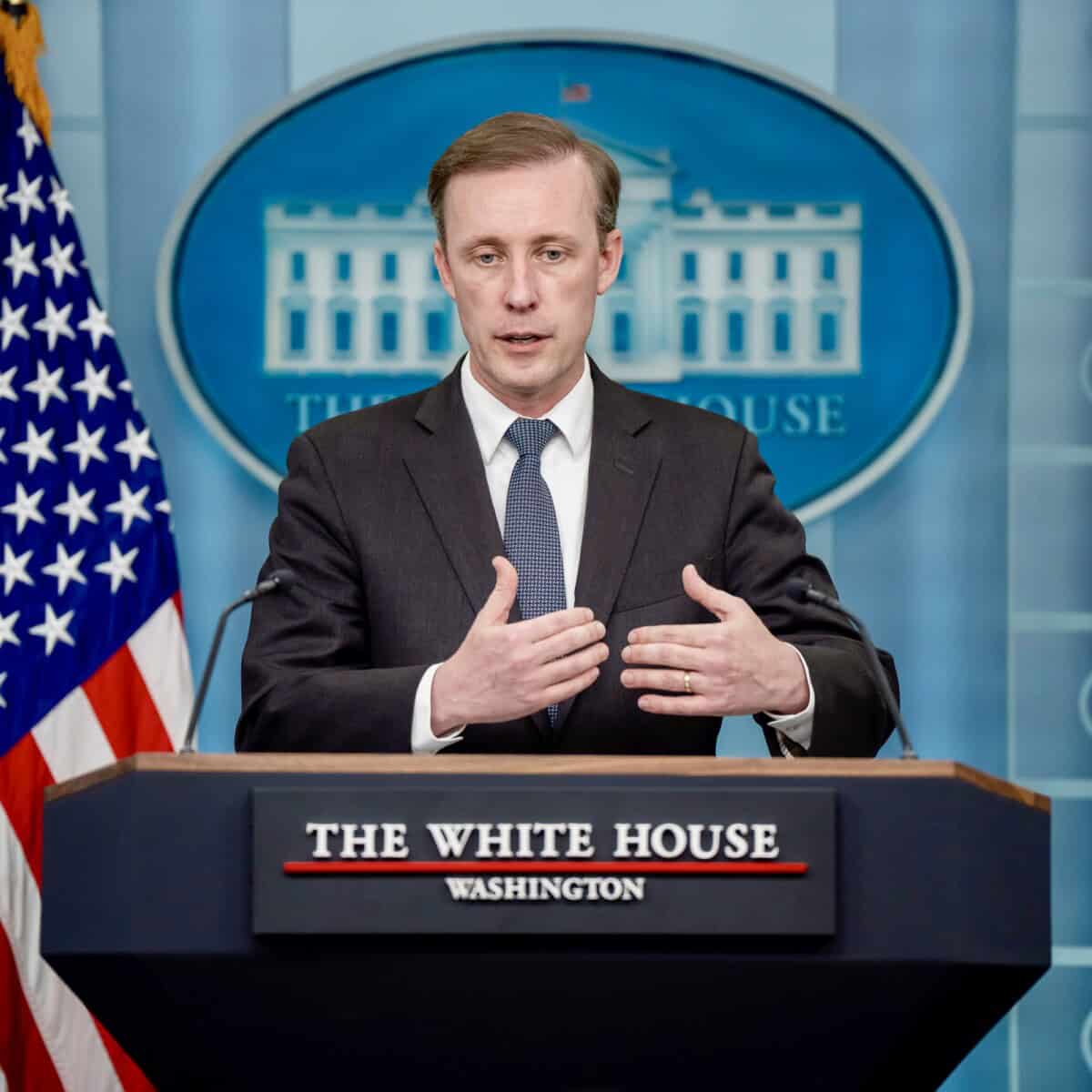
Climate denialism is blinding many in the Republican party to the need for the United States to be in the game on one of the most significant things happening in the global economy, which is the clean energy transition. That ultimately has huge impacts on national security as well, both with respect to energy resilience and energy independence, so we’re not dependent on China the way that we were dependent on Middle Eastern oil for a long time. It’s also important for the [development of the] basic electric stack — the batteries, power electronics, motors and legacy semiconductors that you build electric vehicles on. It’s also what you build drones and robotics on.
If the United States cannot invest in and build out a supply chain for that here, it is going to set us back in very direct ways in the Pentagon, not to mention the impact on all of the ancillary economic and climate-related effects.
Let’s talk about Chinese investment in the United States. Trump has several times said he would allow and even encourage Chinese car companies to invest in the U.S.. Do you think that’s a good idea? If so, how would you do it?
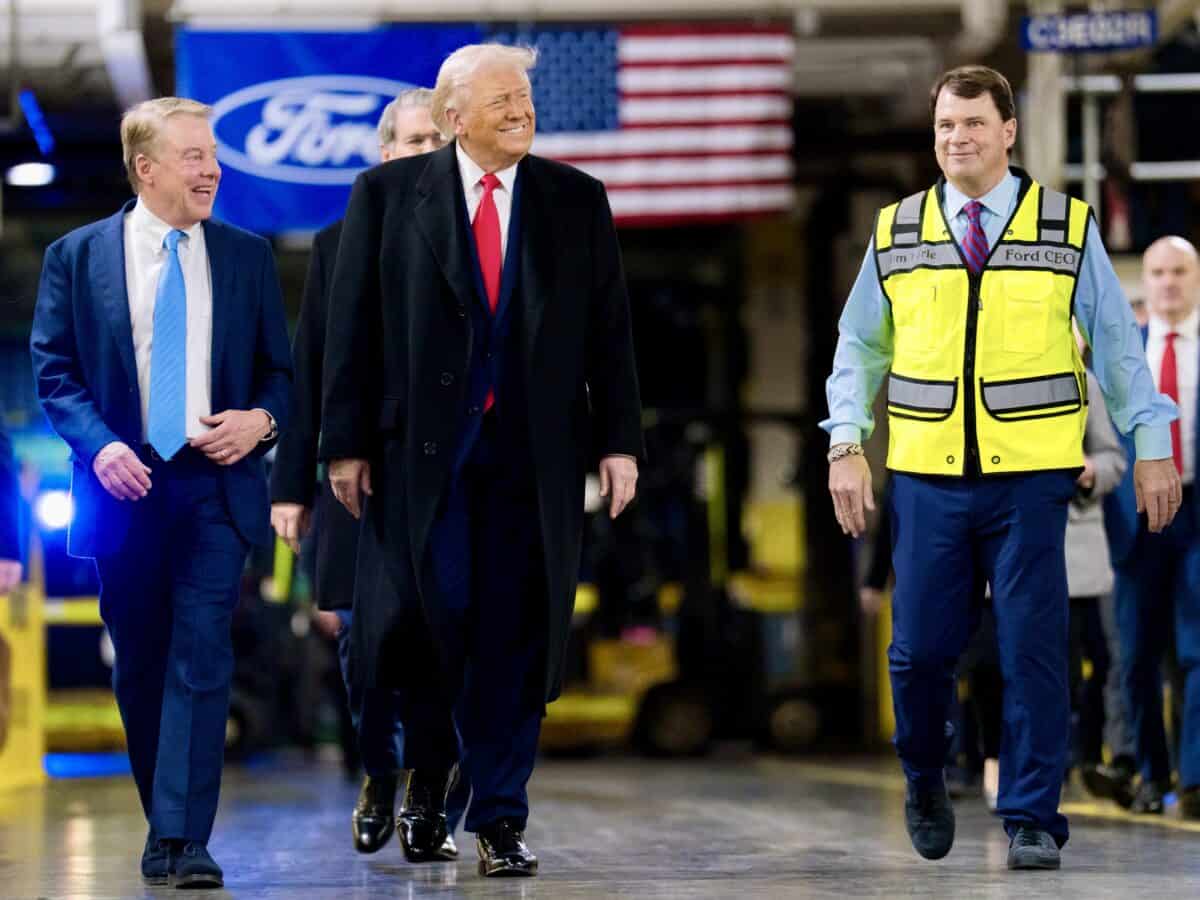
I would distinguish between two things. One is, say, a Chinese battery company that wants to work with Ford to produce electric vehicles. I believe that joint ventures along those lines are credible if they have the right safeguards around them. Having the United States have access to the most cutting-edge battery technology in a joint venture like that would help us over the long term.
I also think we should be investing in alternatives to lithium ion battery technology like silicone anodes and so forth.
But when it comes to having millions of Chinese electric vehicles on American roads here, I have a much deeper concern because these are connected vehicles. These are vehicles run by Chinese software. In the Biden administration we passed a rule saying that we would not permit that.
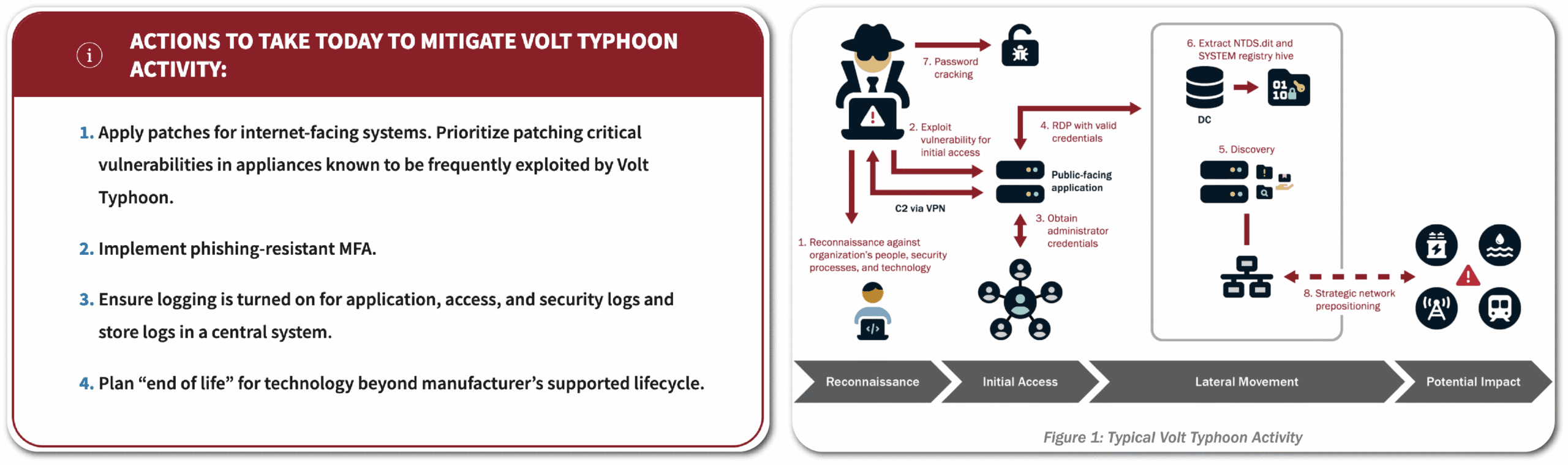
Early in 2024 the Department of Homeland Security CISA [Cybersecurity and information Security Agency] came out with a report about a Chinese state-sponsored cyberattack campaign against American critical infrastructure called Volt Typhoon. It reported publicly that the Chinese state actors were pre-positioning malware on American critical infrastructure systems for activation, disruption or destruction at the onset of a crisis or conflict.
From the first day to the last day, I saw [Biden] operating as the commander-in-chief. I’ve said this repeatedly. I was in the Oval Office and the situation room, and what I did was watch him do his job.
If you’ve got millions of Chinese-connected vehicles on the road, it doesn’t take a lot to connect the dots to the threat of Volt Typhoon. That gravely concerns me. I would not support that any more than I would support Huawei running through our telecommunications infrastructure
It’s difficult to understand what the Trump administration is doing in that regard. On the one hand, they pushed out some officials at Commerce’s Bureau of Industry and Security who had worked on those issues. They were Biden appointees, so maybe that’s why they got rid of them. On the other hand, BIS is supposedly enforcing the ban on connected cars. Then finally there is the TikTok sale, which involved a way of dealing with data produced by Chinese software. Do you think TikTok pointed to a way to handle that connected car data issue?
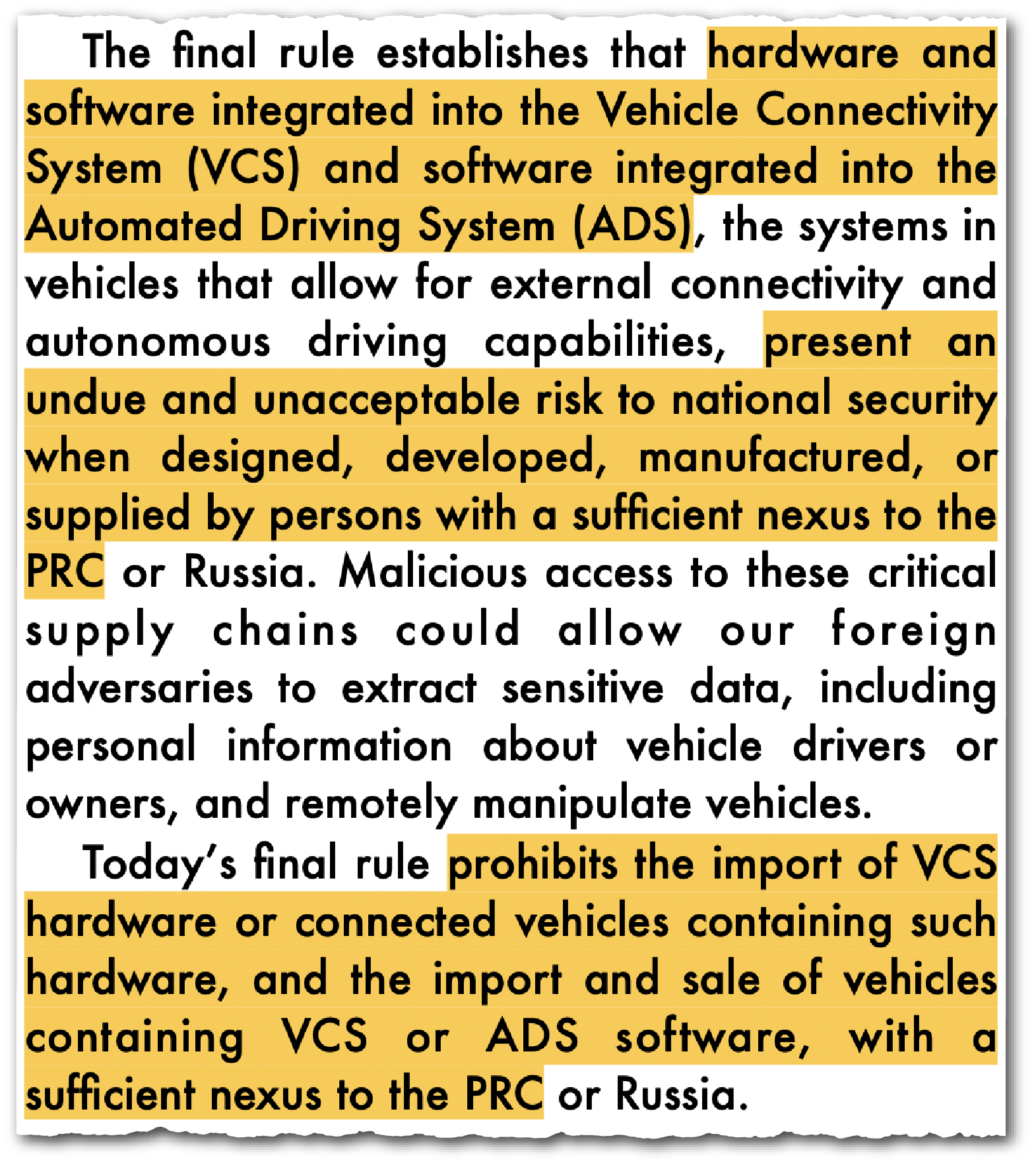
We did not see a clear pathway to that when we were in office. That isn’t to say that some technology solution isn’t out there in the ether. I would not have a whole lot of confidence in the Trump administration’s technical solution to what I see as a core national security challenge. But I will always keep an open mind if people want to present arguments about what is possible to mitigate threats.
With TikTok, there’s a lack of clarity about what exactly is going on with the data security rules and the nature of the algorithm and how it will be updated.
What about American consumers? I’ve read any number of reviews that say the Chinese cars outclass Tesla. The head of Ford has talked about how impressive the technology is.
This is why I was distinguishing between having Chinese connected cars with Chinese software on our roads at scale, where I think the risk-benefit analysis goes in one direction; and having Chinese battery companies that don’t have the same connected-vehicle challenge working with the Fords of the world so they make better cars.
Whether the American consumer can get a car that they really like that is high quality and low cost should be a relevant factor. I care a lot about that. But I also care deeply about these fundamental national security issues. It’s always a balance on these issues.
| MISCELLANEA | |
|---|---|
| BOOK REC | Apple in China by Patrick McGee |
| FAVORITE MUSIC | Country music. Tim McGraw, Garth Brooks, Zac Brown Band. |
| FAVORITE MOVIE | Braveheart |
| MOST ADMIRED | Abraham Lincoln |
Is there a way for the U.S. to do what China did, and insist that any Chinese investment in the U.S. gives access to their technology?
I haven’t looked at legal fine print. But conceptually does the idea work that the United States could take a page from China’s playbook, when it comes to technology transfer in places where China has moved ahead? I think there’s some purchase to that idea.
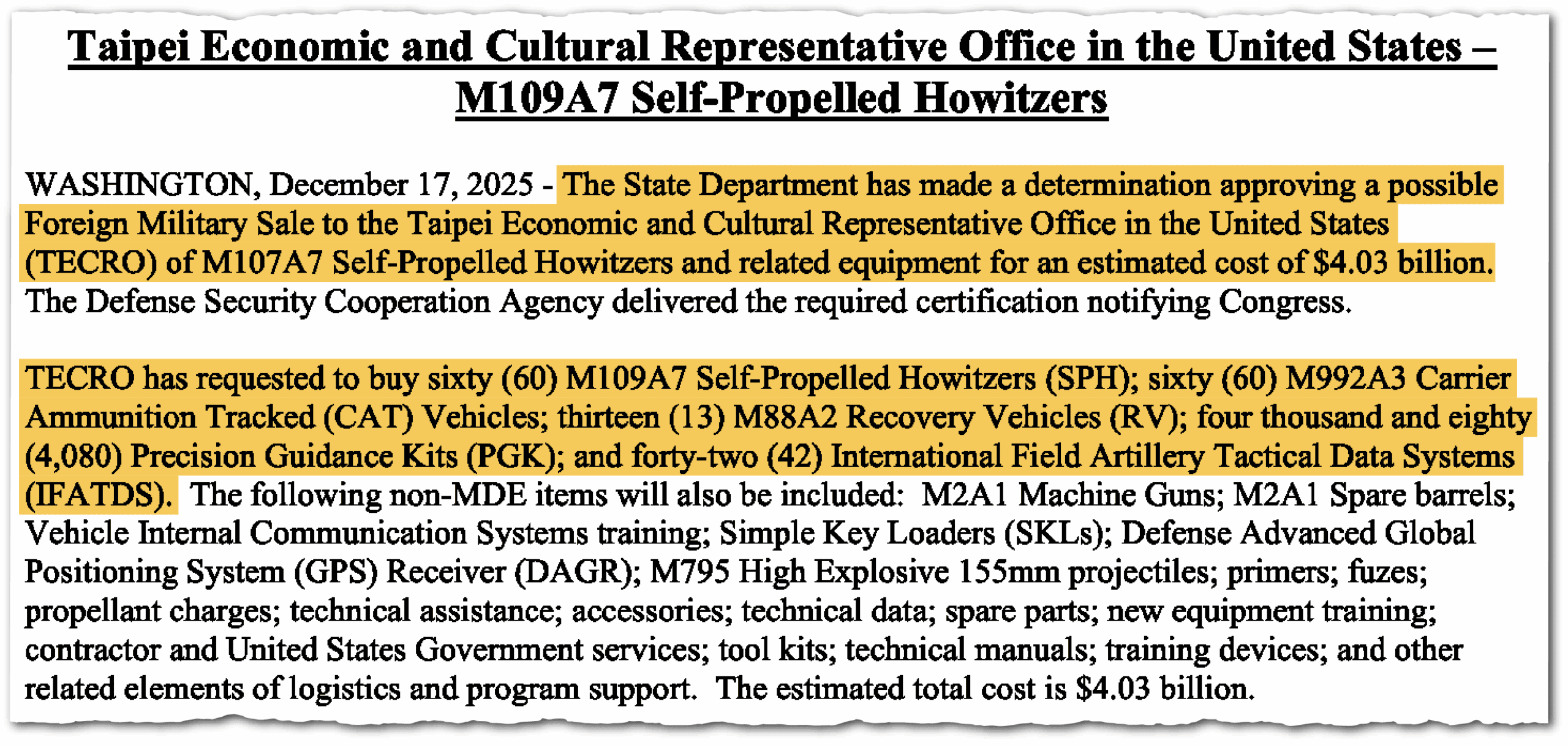
When it comes to Taiwan, it’s quite confusing where Trump stands. Rhetorically, he doesn’t seem to care that much about it. But the military package they’re proposing seems to be quite substantial and includes some of the kinds of weapons that would help Taiwan defend itself if it were attacked.
It’s very unclear. Trump has sent a lot of implicit signals that he doesn’t care that much about Taiwan, but he has made no explicit changes to U.S. policy. And this arms sale is continuity, as opposed to departure from U.S. policy, when it comes to providing Taiwan with the self-defense articles it needs to ensure its own protection.
There is a big question mark here, and that question mark extends to what, if anything, President Trump will do or say with respect to Taiwan when he and President Xi meet. In Taiwan, the level of uncertainty and concern about where American policy stands right now is quite high. The same is true with respect to allies like Japan when it comes to the Taiwan question.
[After the interview, Trump postponed the arms sale, the New York Times reported, concerned that the military package would upset Xi before Trump’s scheduled trip to China on March 31.]
What do you think the Chinese are prepared to do in 2027 concerning Taiwan?
The proposition is that Xi has said he would like his military to be ready for a major military contingency with respect to Taiwan by 2027 — not necessarily that they would do such a thing in 2027. Xi Jinping would like to see reunification by any means. Is he prepared to launch a major invasion of Taiwan? We cannot rule that out. Do I think that is inevitable? I do not. It can be deterred and prevented, and that should be the object of U.S. policy.
Looking for the best China coverage?
Subscribe to The Wire China today.
What should we make of the purges that resulted in this exclamation point of the removal of Zhang Youxia, the vice chairman of the Central Military Commission? There is one school of thought that he was removed, in part, because he was too cautious in terms of preparations for military action against Taiwan, and that he may be replaced by more forward-leaning commanders. That’s something that we will have to watch. Do we end up with a new military leadership that is more likely to want to chomp at the bit when it comes to Taiwan? Is that what Xi is going for? There are some who believe the answer to that question is yes. I’m still in wait-and-see mode.
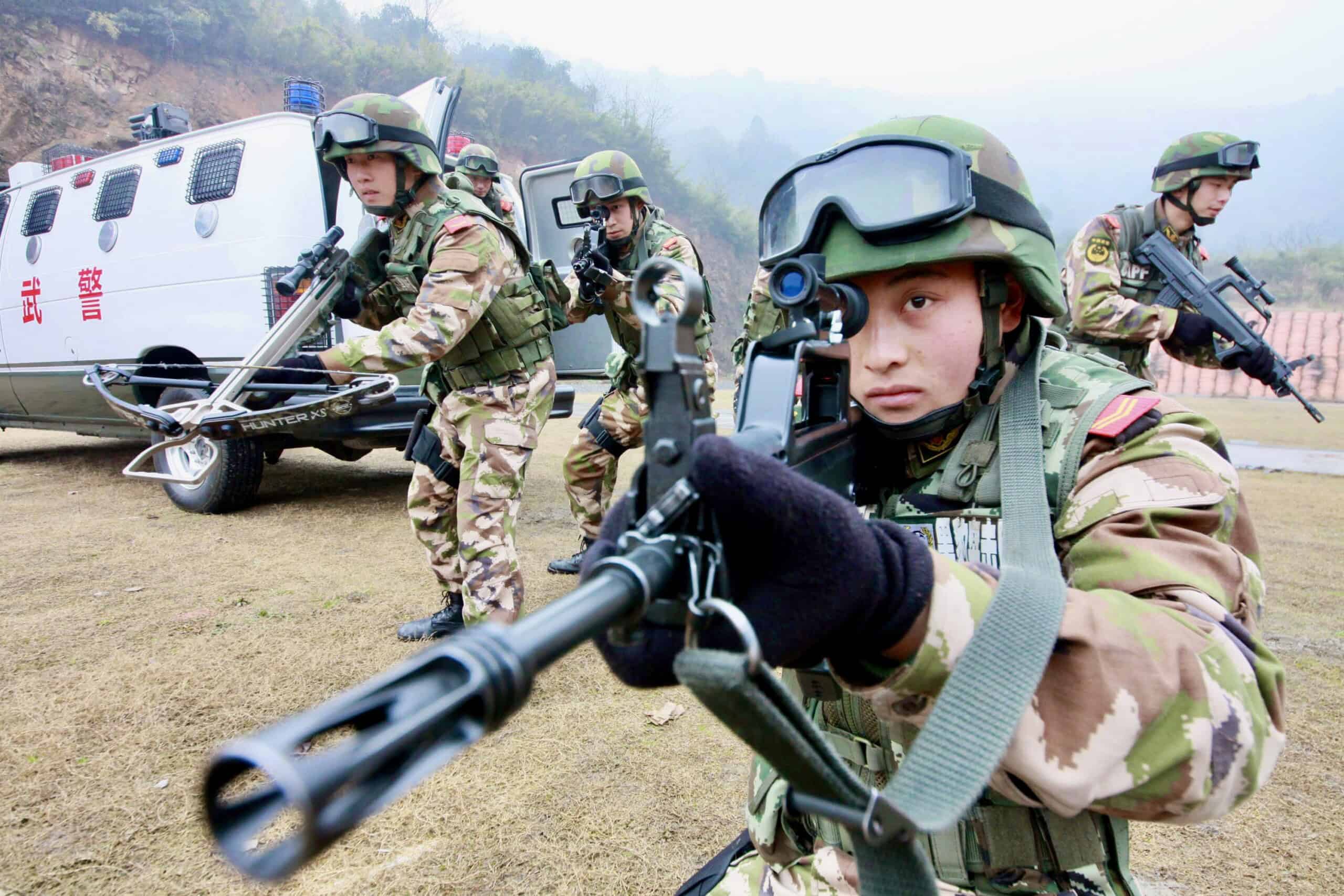
The other possibility is that he sacks so many generals that the military won’t be capable of invading by 2027.
The debate on that point is how much the purges affect operational readiness. Some say yes, some say no. But even if you say yes, it may be a short-term hit to readiness but a midterm heightened risk of conflict because you’re bringing in a group of people who are going to push harder and faster in that direction.
When you were looking at these issues, what did you think was most realistic — an invasion or some sort of blockade?
You have to prepare for every option. But I believed that options short of the big one were more likely. There are a range of different contingencies, including blockades or quarantines. We had a concerted effort to try to identify and prepare for all those different scenarios.
Let’s talk a bit about AI and the military. There had been track two dialogues between the U.S. and China on this issue. Biden and Xi said in San Francisco in November 2023 that they agreed on ‘the need to maintain human control of the decision to use nuclear weapons,’ which to me is obvious. About the dumbest thing you could possibly do is to put that on autopilot. Since then, you have noted the need for track twos, to discuss additional guardrails and so on. How do you think this could move forward?
First of all, they reached agreement on that statement, not in San Francisco, but in Peru in November of 2024. The reason I flag that is not just to nitpick, but it’s because it took a year from San Francisco to Peru to negotiate that statement, which I agree with you, is a super obvious statement. It is the lowest of low hanging fruit, and yet it took a year to ultimately persuade Beijing to do it. It’s a very important step, because it’s the first time that an American and a Chinese leader have spoken to a nuclear risk reduction in a clear way, and also to AI risk in a concrete application.
That’s about as easy as it gets, but it’s a first step. That first step should be followed up on with a series of further steps that track twos can help with. But ultimately it will require President Trump and President Xi to make further statements, further agreements. I hope they do that over the next three years.
I have not yet participated in a track two dialogue on AI, but I am intending to. I consult with some of the track two dialogues that cover AI risk and so forth.
How useful do you find track twos? [Track two dialogues are usually off-the-record meetings between non-governmental officials to discuss hard-to-resolve issues between countries.]
They’re very useful in one important respect, which is they help create a greater sense of understanding of each side’s concerns and perspectives, and how the two sides are seeing a relationship. That filters up to the respective governments. They are of variable usefulness when it comes to trying to make progress on particular issues.
Given how fast AI technology is moving and how much of it’s in private sector hands, having a bunch of technologists on both sides talking to one another and coming up with risk-management devices or other ways for the U.S. and China to move the safety agenda forward could end up being very useful. But time will tell.
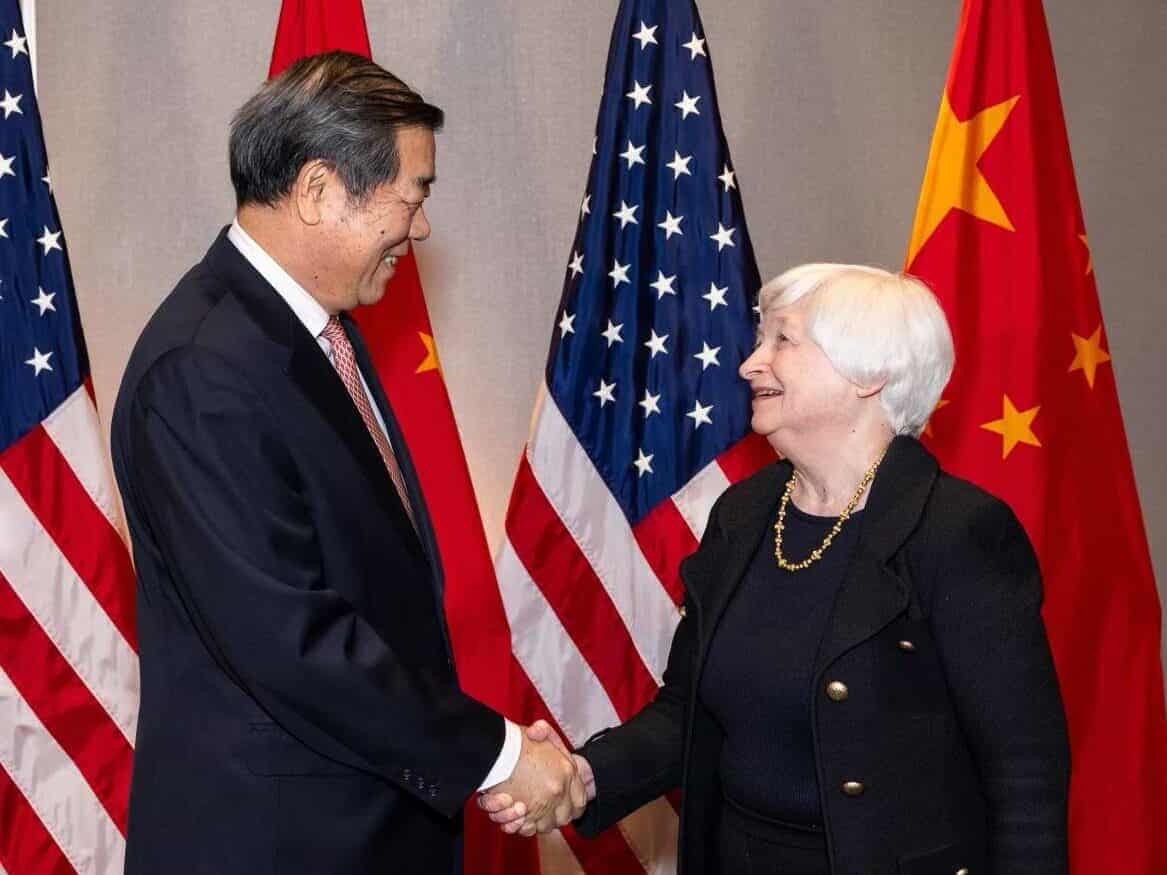
When I was talking to Janet Yellen for these interviews, she said she was cut out of the loop on presidential decisions involving economic issues with China. She compared that to national security, where the President was very involved in talking with advisors like yourself.
She said that there were very few meetings where the President talked with his advisors about things like tariffs and so on, and economic issues relating to China. Not that there were no meetings, but that the President wasn’t involved.
Do you think she had a gripe?
I can’t speak to the broader domestic economic side of it, because I was living in my lane with national security. But I can definitely say that on the tariff question — what to do about the Trump tariffs and how to adjust them to make them more targeted — I was in multiple meetings in the Oval Office with Secretary Yellen, where she had a robust back and forth with the President on that topic.
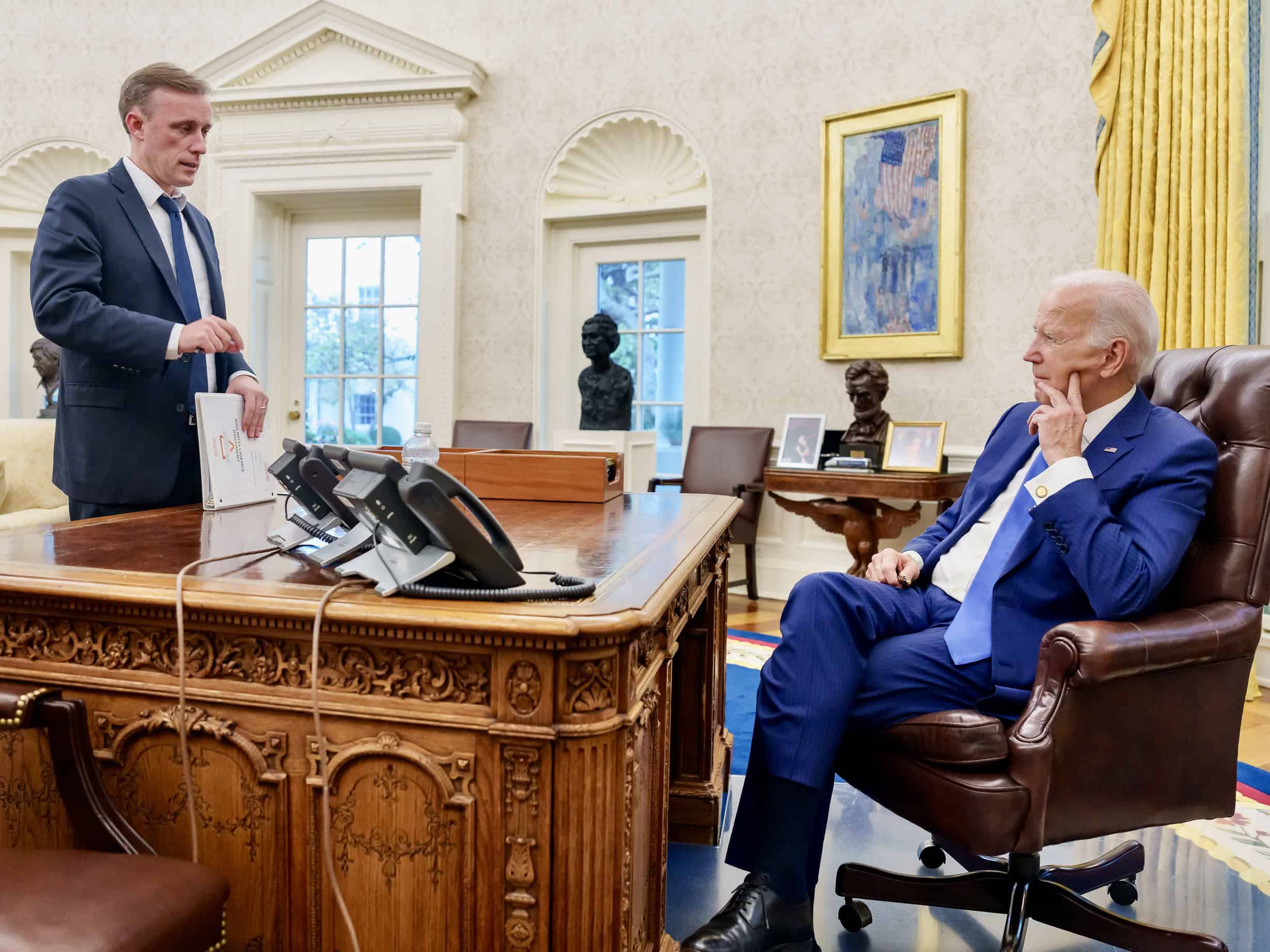
If anything, the fair criticism was that we had too much deliberation and it went on for too many years to try to reach a result that was actually quite incremental.
In the national security domain, we tried to run a rigorous process across the board. When it came to issues like technology controls or tariffs, of course, the Treasury didn’t just have a seat at the table but had an important voice at the table. That doesn’t mean that Secretary Yellen’s views always prevailed with the president, but they were always there for him to take into account.
Did you see any diminution in the President’s ability to carry out his duties on issues that you were responsible for?
From the first day to the last day, I saw him operating as the commander-in-chief. I’ve said this repeatedly. I was in the Oval Office and the situation room, and what I did was watch him do his job.

Bob Davis, a former correspondent at The Wall Street Journal, covered U.S.-China relations beginning in the 1990s. He is the author of Broken Engagement, a collection of The Wire China interviews. Earlier, he co-authored Superpower Showdown, with Lingling Wei, which chronicles the two nations’ economic and trade rivalry. He can be reached via bobdavisreports.com.