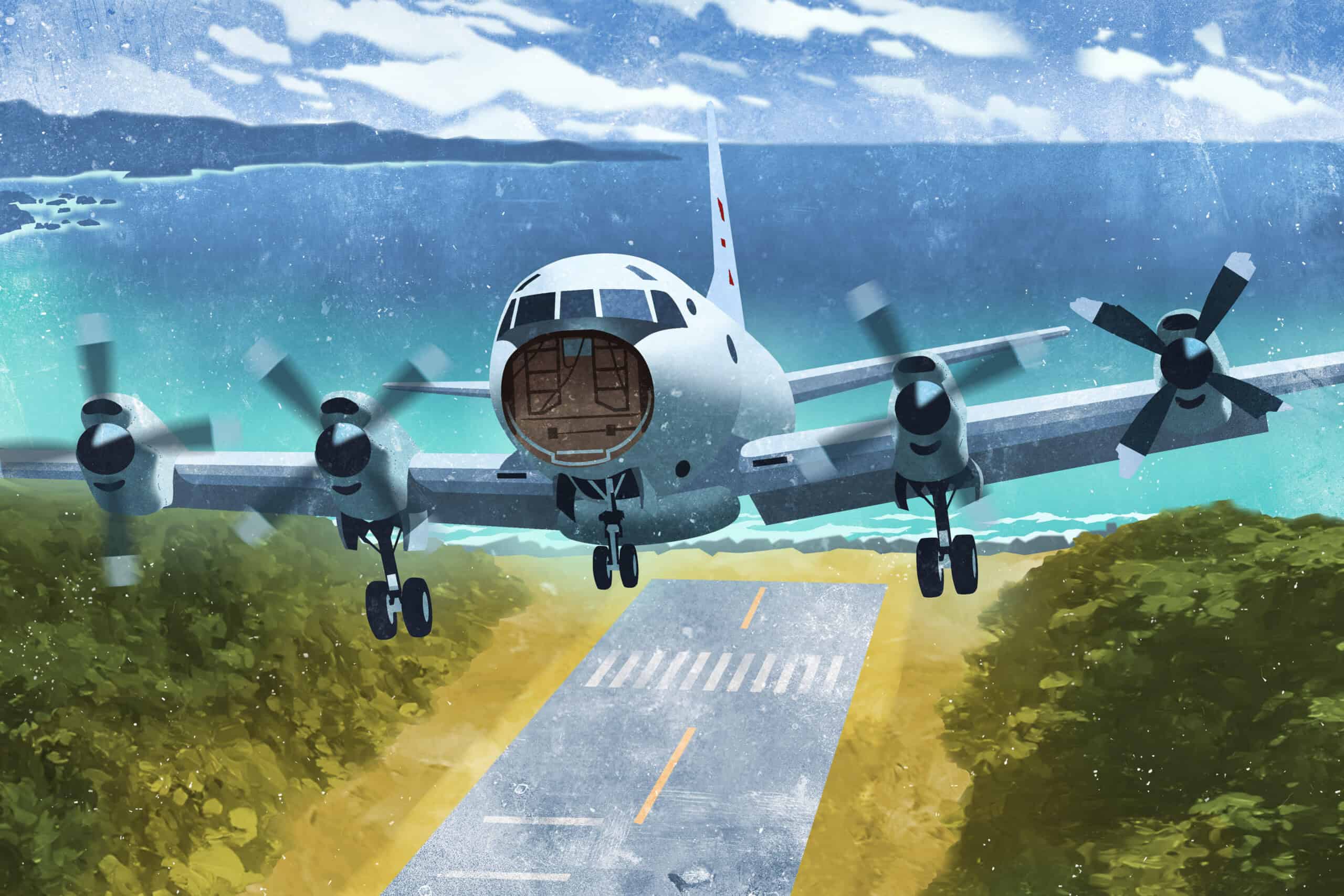
On April 5, 2001 the Hainan spy plane crisis was entering its fourth day.
The Chinese military and government was engaged in an increasingly desperate and ultimately futile air and maritime search for the pilot of a jet fighter that had collided with a U.S. EP-3 reconnaissance aircraft over the South China Sea.
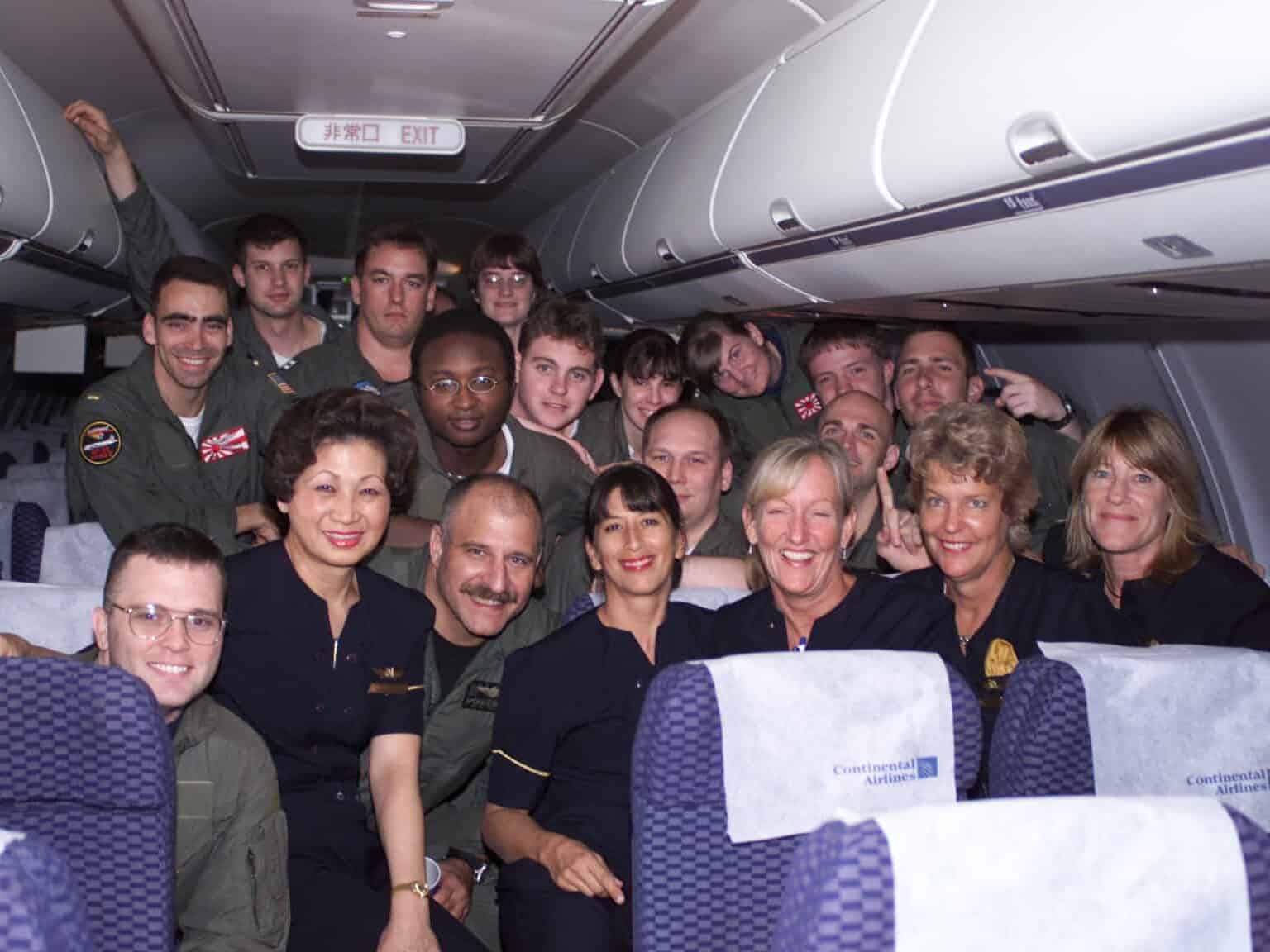
The spy plane’s 24-member crew was safe after making an emergency landing but were being held by the People’s Liberation Army.
Senior U.S. officials in Washington were struggling to communicate with their Chinese counterparts and a team of American diplomats dispatched to Hainan were seeking, with mixed success, regular access to the Navy personnel.
At the time Dennis Wilder was China Division Chief at the CIA’s Directorate of Intelligence. In Part II of our oral history series marking the quarter-century anniversary of the crisis, he tells The Wire China: “Nobody wanted to use the words ‘hostage situation’, but that was at the back of people’s minds”.
The eleven-day Hainan spy plane crisis appeared to be the opening salvo of a new Cold War that would define the geopolitics of the new century. As such it echoed the 1962 Cuban Missile Crisis, which was the most dangerous moment of the U.S.-Soviet Cold War and is dramatically recounted in Robert F. Kennedy’s memoir Thirteen Days.
The eight sections listed below run to 6,900 words. Readers who prefer can jump to each of the sections by clicking on the hyperlinks.
Any other participants who would like to share their oral or written memories of the crisis for a possible follow-up to this series can contact Noah Berman, Rachel Cheung, Eliot Chen, Savannah Billman, or Tom Mitchell.
The CIA China Division Chief (Directorate of Intelligence) — Dennis Wilder
The Consular Section Chief — Ted Gong
The Embassy Political Counselor — Jim Moriarty
The Undersecretary of State — Marc Grossman
The Cryptologic Technician — Jeremy Crandall
The Freelance Intermediary — Leigh-Wai Doo
The Flight Engineer — Nick Mellos

The CIA China Division Chief (Directorate of Intelligence) — Dennis Wilder
I was Chief of the China Division in the Directorate of Intelligence at the CIA. All analytic studies on China at the CIA came through my [desk]. I was writing all of the PDBs [presidential daily briefs] for [George W. Bush] on [the crisis]. All of the situation reports that he was receiving, that his National Security team was receiving from the CIA, came from my officers.
I was on a 14-hour flight from Hong Kong back to Washington at the time. I arrived at Dulles Airport, and my wife was standing there with some food and a change of clothes and she said: You need to go to the office, they’ve been calling every hour on the hour wondering when you’d be back, and I’ll see you in a week. I drove from Dulles to my office in Langley, to the situation room, the operations center, and got into the thick of the story.
In our databases was the previous information from the reconnaissance planes that this guy [the Chinese jet fighter pilot, Wang Wei] had done this stuff before.
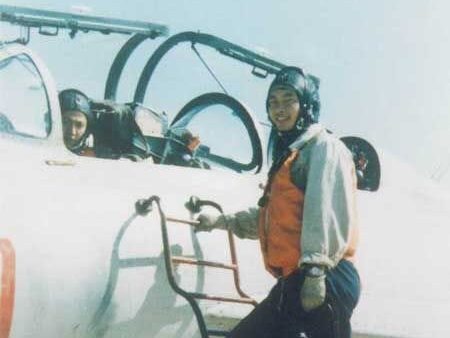
Wang Wei was well known to be a “hot dog” pilot. He had even put his email address in the window of his cockpit at one point and shown it to the people on other EP-3 planes.
[Editor’s note: the Chinese government has always maintained that the U.S. plane, not Wang Wei, was to blame for the collision. See Part 1, The Foreign Minister and The Chinese Pilot]
The maneuver he was doing is a standard military maneuver that pilots like to do to each other that is highly dangerous and not recommended, which is called the thumping maneuver.
What you do is you bring your aircraft up under the other plane and you lift quickly in front of the plane. What that does is create an air pocket, and then everybody else on the other plane gets all shaken up.
Vietnam-era pilots used to do it to each other in the U.S. military all the time. It was a game, okay?
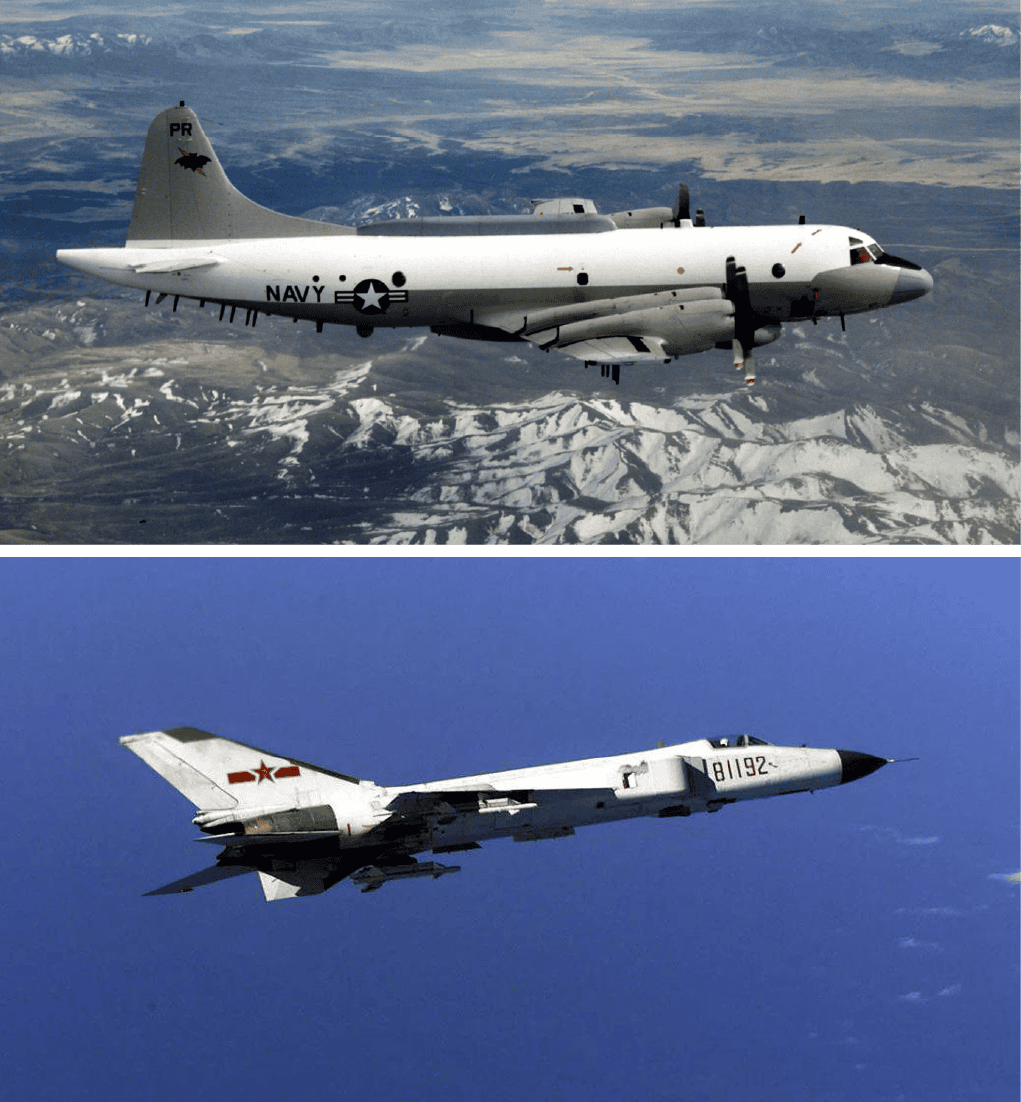
The difficulty this time with the game is the [Chinese] J-8 aircraft is a dog. It’s a terribly unsophisticated aircraft. It’s a knockoff of the MiG-21. And the problem is that when you fly that aircraft at low speed, it becomes unstable. And in order to fly at the same speed as an EP-3 turbo, you have to fly slow. And when you do that, your stability is not great and he just miscalculated the distance and consequently came up and you know, took off the nose cone of the EP-3 and crashed into the ocean.
So from very early on, we were confident as to what had happened here. And we were also confident that this was not a planned strategy on the part of Beijing.
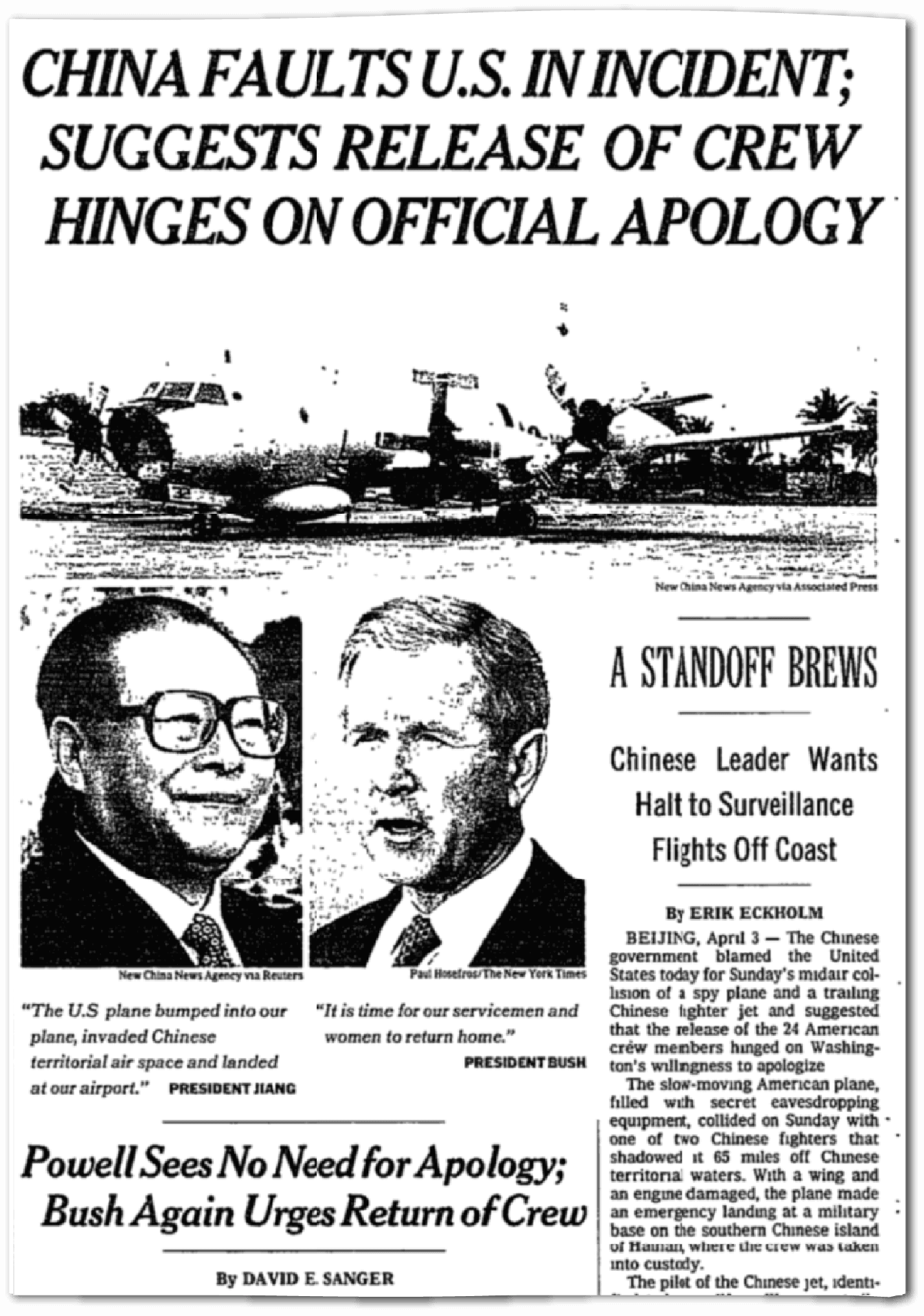
One of the things the White House was asking us was, was this some sort of test of the new President? People may not remember, Bush was a governor. He wasn’t a foreign policy expert. He was the governor of Texas and he had just come into office. The team was barely in place at the White House at that point in time and thus they had to wonder whether this crisis was something that the Chinese desired to test the mettle of a new President.
An important part of the job we did is to say to the White House, you know, as far as we can tell, this was not planned. This was the behavior of an individual pilot. Okay? So that was one analytic conclusion that we provided.
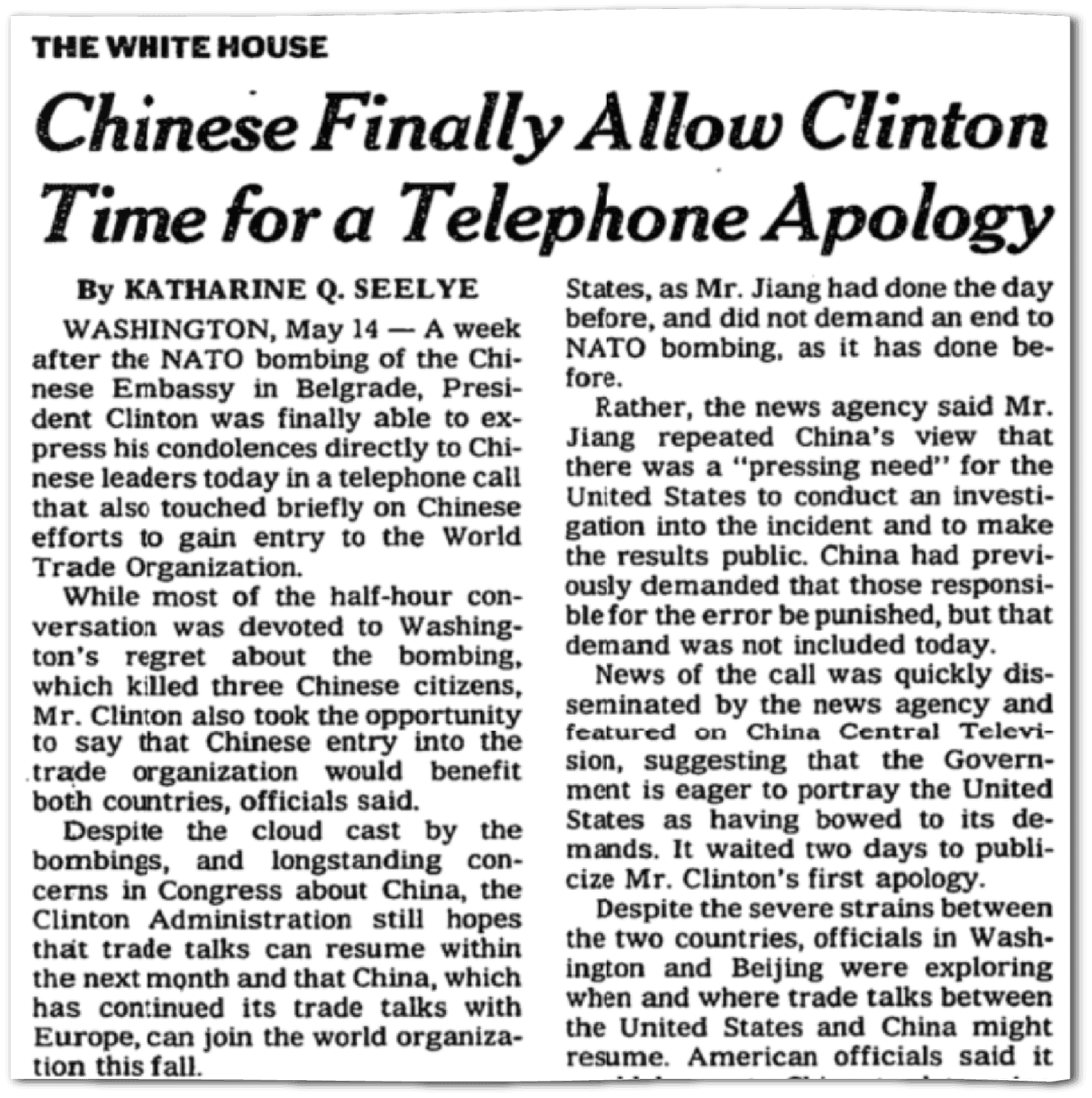
The other was that this put Jiang Zemin in a terrible fix because the Belgrade bombing [of the Chinese embassy in the Serbian capital by Nato planes in 1999] had been a humiliation for China. And now, for the first time since the Korean War, a Chinese pilot had gone down in combat with the Americans.
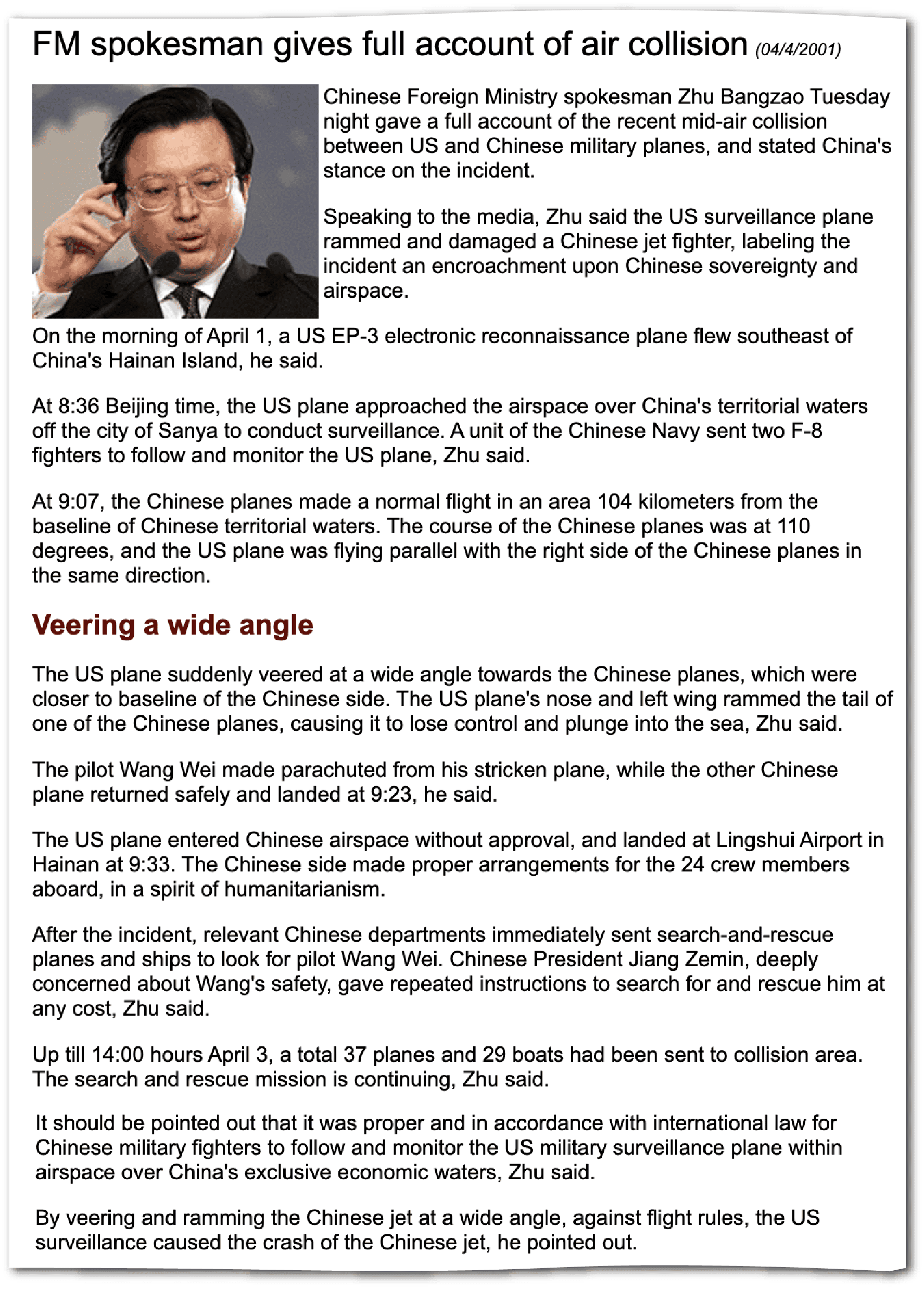
Of course, the story of the PLA was that we had done this on purpose. And they even had the wingman [the pilot of a second Chinese jet flying with Wang] come out publicly and say “Oh yes, the Americans were the ones who crashed into our plane.”
But what we could see was that when we looked at Chinese social media (unlike after the Belgrade bombing where people would post “let’s go attack the American Embassy” or “let’s go attack the Chengdu Consulate”) every time those kinds of messages went up after the EP-3, they were taken down by the censors immediately.
What that told us was that the central government did not want this thing to expand. They were trying to control it and trying to control public mood on this.
Jiang Zemin was also very eager to get [China’s World Trade Organization accession] deal finished with Bush.
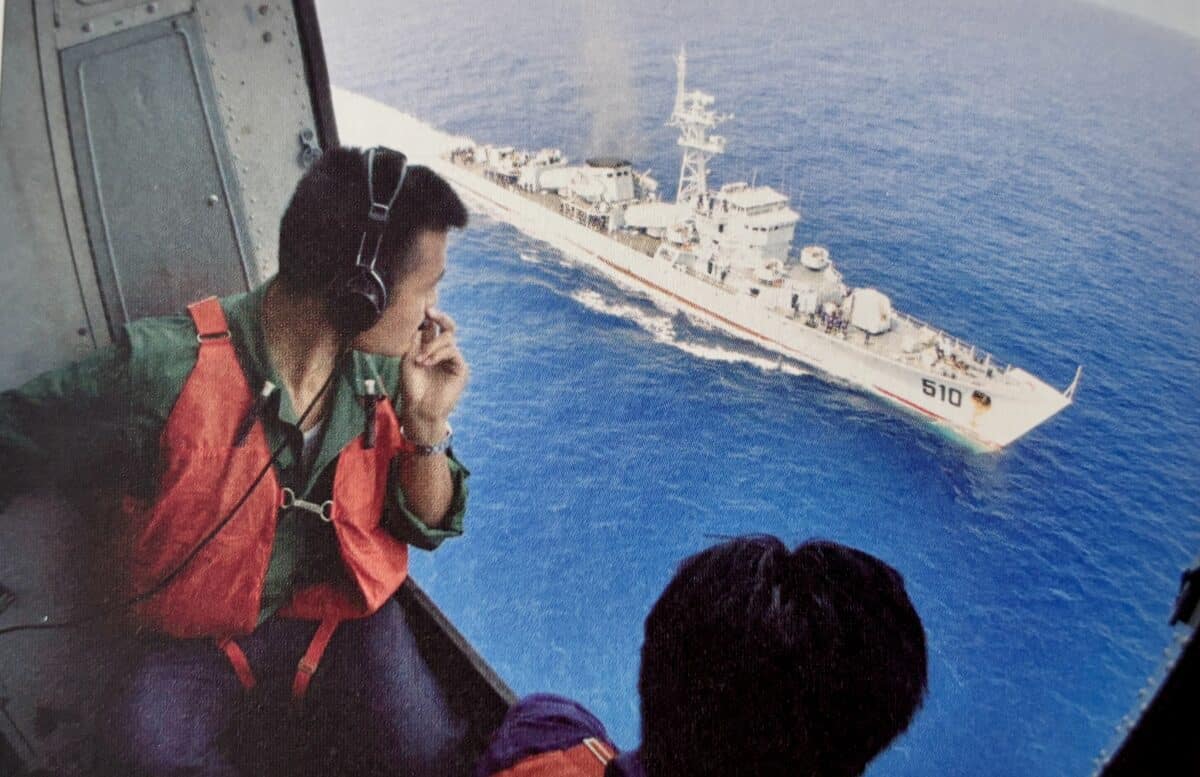
So Jiang Zemin had to deal with his public who were angry but with other foreign policy necessities as well.
What we felt he did was, in the initial period, he decided that he had to make a big deal of mourning the pilot. They did this massive search at sea for the pilot. The United States offered to assist and they said no way.
There was huge effort and huge publicity… They had a huge ceremony in the Great Hall of the People making him a martyr, with Jiang Zemin there. They needed to mourn him in order to assuage the Chinese people, but also had a chance to say how terrible what [the Americans] did was and to make this guy a hero.
The frustration at the White House, I will tell you, was that we had to live through the mourning period. And consequently, I was under great pressure to tell them how long this mourning period was going to be. And I couldn’t tell them how long that was going to be. I didn’t know. I mean, we felt it would be, you know, in the range of a week based on other things from the past, but we couldn’t guarantee anything.
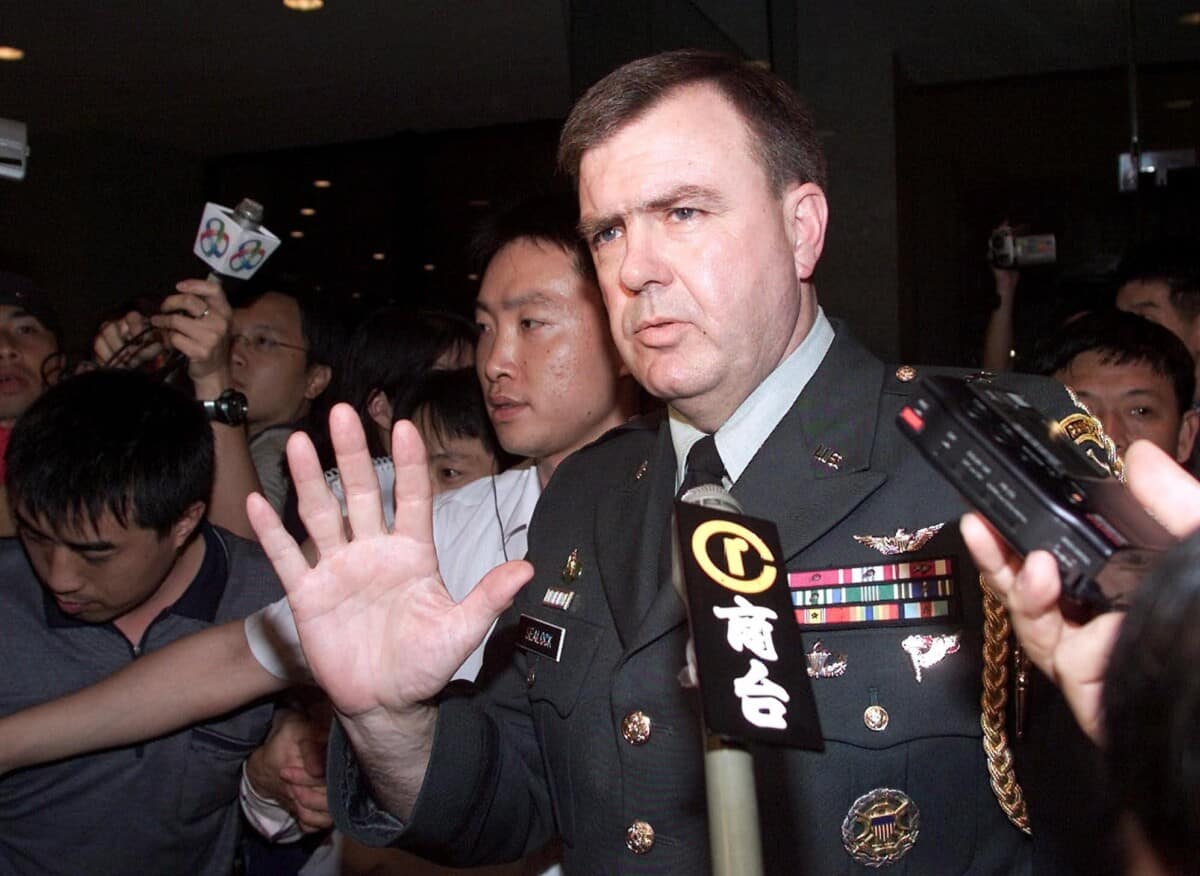
I kept getting calls from White House staff saying, “Are you sure?”, because the Chinese, as some of your other [interviewees] have noted, were reluctant to deal with us initially. They were reluctant to let [U.S. defense attaché Neal Sealock] go down to Hainan. This was all because they needed this time to decide how they were going to solve this problem — and time while they publicly said we had to absolutely apologize, and time for this mourning process to occur.
So our advice to the White House was: keep silent as much as you can. Do not antagonize the situation by getting into some sort of public debate over who was at fault. And of course, Colin Powell persuaded the President to give diplomacy a try, and then Ambassador Prueher did this fantastic job in Beijing of negotiating with the Chinese side.
The key moment for us came when Jiang Zemin went to South America [on April 4] during the crisis period. That to us said he doesn’t want a crisis. If he were really worried about a crisis, he wouldn’t be going on a six-nation tour of Latin America.
…nobody wanted to use the words “hostage situation”, but that was at the back of people’s minds because there was no clear signaling from the Chinese side that “we’re working toward the release of your crew.” That wasn’t what we were getting from the Chinese side.
Dennis Wilder
The White House was frustrated that Jiang wouldn’t get on the phone, the Foreign Minister wouldn’t get on the phone, the Defense Minister wouldn’t get on the phone. So they were very frustrated with the Chinese.
But two things happened in Latin America. One is that in a speech, a dinner speech he gave in Chile, Jiang Zemin said he had visited a lot of countries and seen that it is normal for people to ask for forgiveness or say excuse me when they collide on the street.
Jiang Zemin comments on the EP-3 incident while at a press conference in Chile, April 6, 2001. Translation via People’s Daily. Credit: AP Archive
To me — and we wrote this analysis for the President — we said, “Mr. President, what he’s telling you here is he doesn’t need the formal apology. He needs something short of that. In Chinese this would be duibuqi, excuse me.”
So part of the reason that letter was written the way it was — “the letter of two sorries and one regret”, we often talk about it that way — is that it said sorry without [being a] formal apology. We were sorry for the death of the pilot. We were sorry for the loss of the aircraft. We regretted that the Chinese side did not get the chance to approve the landing of the aircraft on their airfield. [Editor’s note: also see Part I, The Ambassador.]
But we didn’t apologize, and of course the President wasn’t going to apologize. The other way we got through this was Powell didn’t sign the letter, the President didn’t sign the letter — Prueher signed the letter in Beijing so that it came from a much lower level of the U.S. government.
But Jiang … wanted to get out of this. Once that letter was approved and the Chinese accepted it, they declared victory, declared that of course we had apologized, and they were able to release the crew.
It was about day five when the White House called me and said to me, “Are you sure that this is going to work… because there was huge frustration in the White House that again, nobody would talk to them, and we weren’t exactly getting anywhere on getting the [EP-3 crew] out. Yes, they had let Sealock go and see them, but there wasn’t any sense of movement on releasing them.
And there was pressure from the Congress, there was expectation on the President to get something done here. And so the problems for me were that we took a pretty clear analytic stand on what we thought was happening and then people started asking, after things didn’t exactly ease up quickly, Are you right? Are they really going to release this crew or are we looking at a long-term — nobody wanted to use the words “hostage situation”, but that was at the back of people’s minds because there was no clear signaling from the Chinese side that “we’re working toward the release of your crew.” That wasn’t what we were getting from the Chinese side.
Could this happen again today and how do you think that that would unfold compared to back then?
It would be a lot worse today… Management of this on both sides would be very difficult because the level of trust has gone down so much between the United States and China.
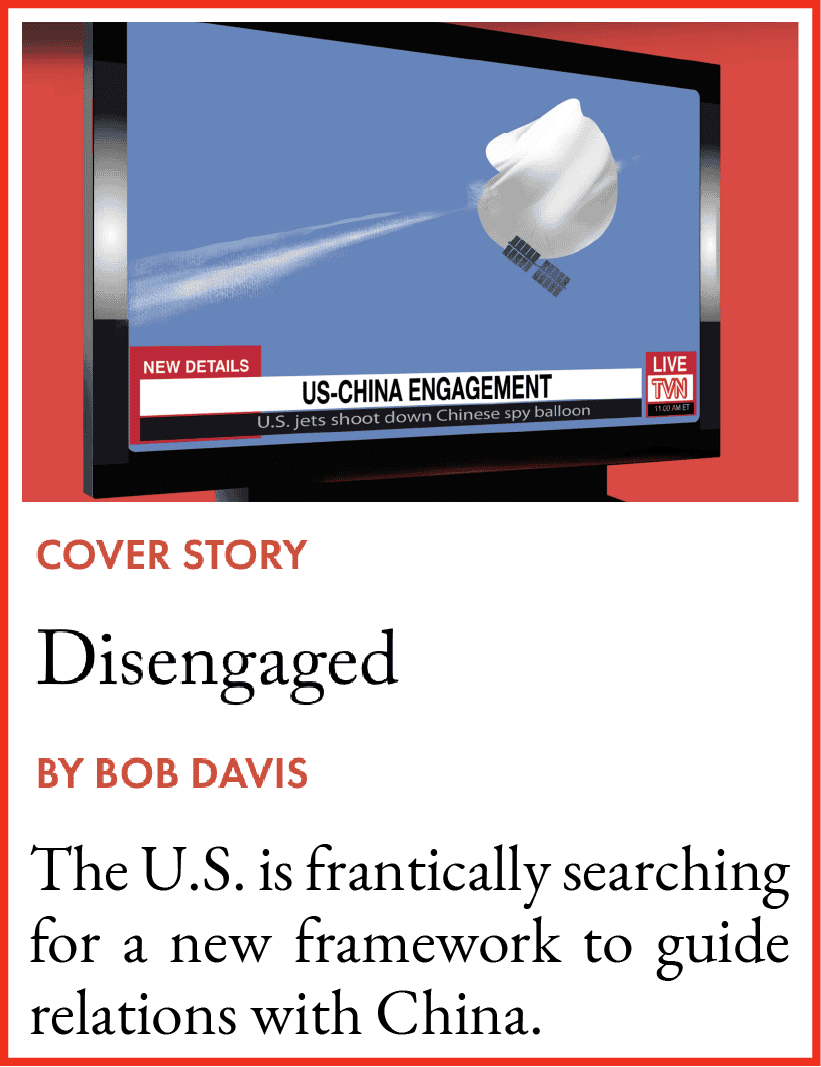
We have not resolved the problem of communication between senior leadership. For example, Biden never talked to [Xi Jinping] during the February 2023 [Chinese spy] balloon incident even though Biden asked for contact many times.
The Chinese leader will not speak to us during a crisis of this sort. That is just their way, and neither will the Defense Minister or the Foreign Minister. This is a huge concern on the American side with crisis management that has not at all been resolved … In fact, the Chinese tell me, “We can’t do that. Our system does not allow for that kind of free play.”
As told to Eliot Chen.
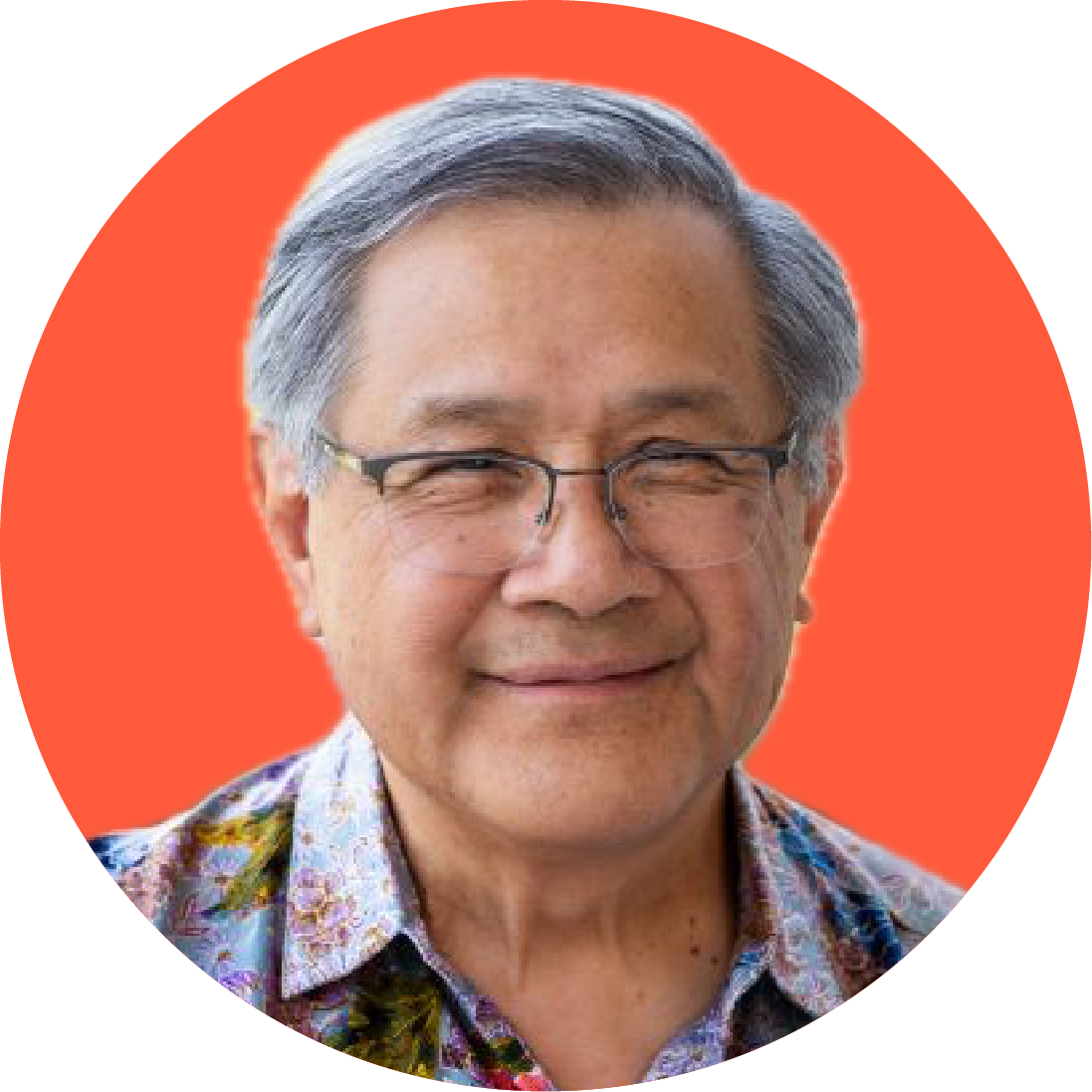
The Consular Section Chief — Ted Gong
I was in charge of consular operations out of Guangzhou. What we did in Guangzhou was process all the visas [for Chinese nationals heading to U.S.] and do, shall I say, consular protection services. If people get in trouble, U.S. consular officers are the ones to go out to help.
I had actually been in Hainan for one of my routine visits to maintain our network with local police, with [local foreign affairs officials] and other people or American citizens who are living in that [area]. I had just returned from Hainan when [the EP-3] incident occurred. My boss, the consul general in Guangzhou said, Ted, you have to get back over to Hainan … We weren’t all that clear about [our mission initially], but it involved the idea of trying to establish connections with the American crew.
The relationship between the U.S. and China at that time was actually pretty good … so we didn’t expect to have a lot of trouble. There’d be a lot of questions and so forth, but there are various protocols … and we expected it to be a very quick turnaround — that they would just hand over the crew. We didn’t expect it to be that difficult in negotiations, but it was.
I remember arriving and expecting to go see the crew almost immediately, which would happen if I were in a regular civilian American assistance effort. But we did not get an answer why we could not see the crew — or where the crew was at first — until several days later.
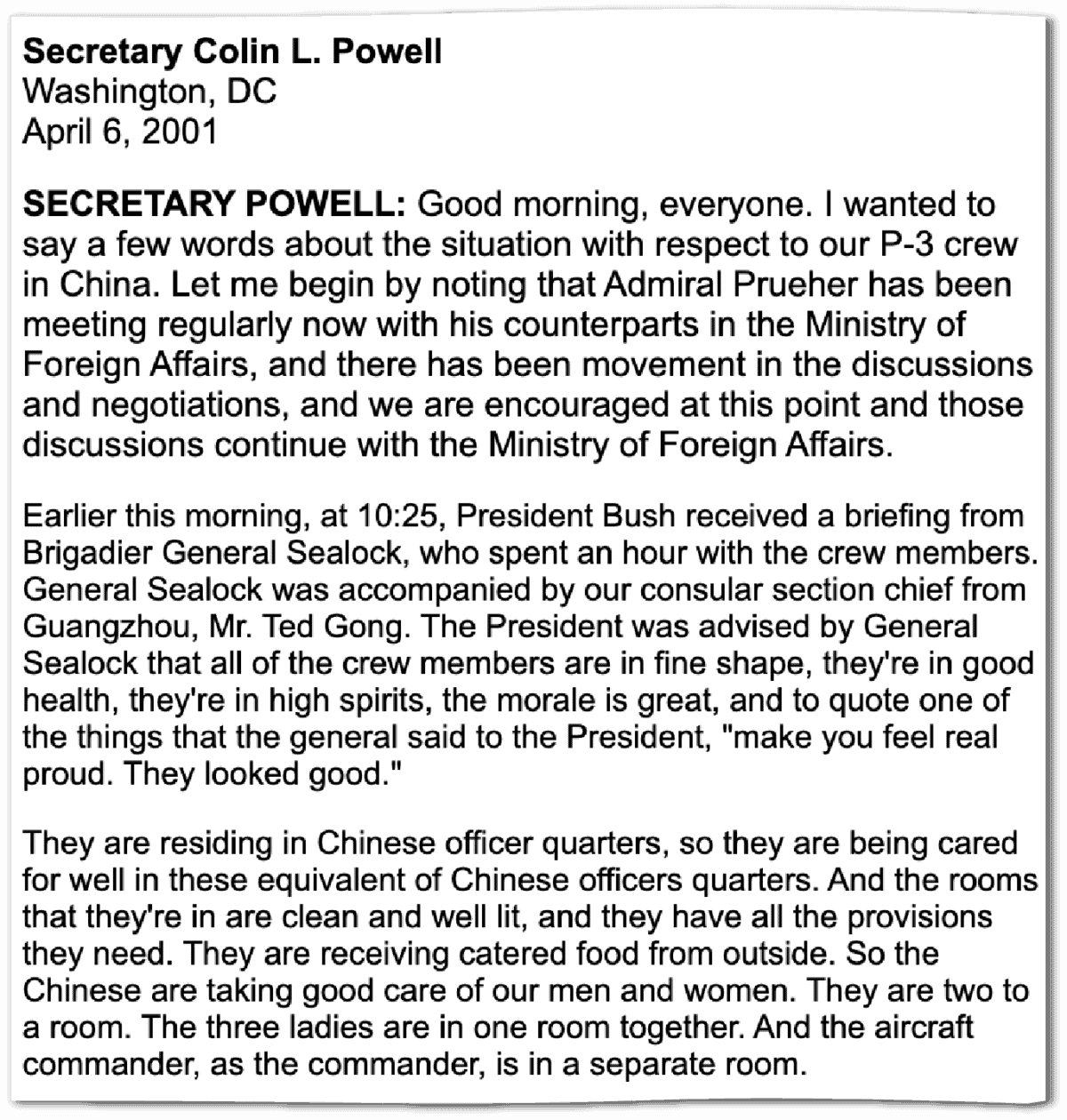
Eventually, they said we’re going to allow you to meet the crew … They had placed the crew where the Chinese military had some kind of hotel or dormitory. That place where they were held actually was a very nice place … where they had something like officers’ quarters. They were treated pretty well. They had great meals.
Of course you have to understand that [the EP-3] landed on the base where that Chinese military pilot [Wang Wei] actually came from — the pilot that flew his jet and crashed into our plane. That jet came from that landing field where [our plane] landed. So you can imagine there were a lot of emotions in the moment, and we had to work that out.
One of the things that [the crisis] reinforced for me is that everybody constantly talks about how strong the Communist government is, how centralized they are, and how much they were able to command things to be done. But in my experience … they don’t have that much control. The local guys, because they’re away from Beijing, they can actually do some things on their own … The decision-making process is not as firm or strong as we have always thought.
Then President Bush gives a statement on the EP-3 crew situation, April 9, 2001. Credit: AP Archive
The other thing that I remember was [the U.S. government’s] ability to deal with emergencies. [Our procedures] were so quick and established … In one instance, [we had] almost direct lines to the President when he wanted to talk to us. And I’m sitting there watching my counterparts on the other side of the table say, we don’t have a telephone line to Beijing and we don’t know exactly what they’re doing. I remember my thought was, these guys don’t have a decision-making system in place that is anything near the almost instantaneous command structure that we had established in the State Department.
I was a middle-level person, right, and I have the ability to speak with [top U.S. officials] almost immediately. And the other guys, who are supposed to be this monolithic Communist-controlled country, didn’t have the things set up. I think they have [things set up] now.
As told to Savannah Billman.

The Embassy Political Counselor — Jim Moriarty
I got a phone call at home from the [National Security Council]. We talked with the ambassador [Joseph Prueher]. He called an emergency meeting. I was part of the reaching out to the Chinese — trying to immediately say, “Where are we going with this?” They wouldn’t respond. It took them three days, which was eerily similar to what happened after the [U.S.] bombing of the Chinese embassy in Belgrade [in 1999 during Nato’s air campaign against Serbia].
My Chinese contacts during the EP-3 incident were saying, gee whiz haven’t we handled this much better than we handled the bombing of the embassy in Belgrade. I said it looks like you have people being held hostage in Hainan and you are not letting them go. The Chinese followed the same script that they had used [during the Belgrade crisis], which was waiting until [their] leadership decided what to do.
It was one of the more interesting meetings I’ve ever been in. It was in a big, almost like an amphitheater at the foreign ministry. On the American side, there was myself, the ambassador, an interpreter and the notetaker. On the other side facing us, I recall it being in four rows. The top two rows were populated by folks largely wearing leather jackets, short hair, muscular. The bottom two rows were populated with guys in suits and ties. I recognized several of them as being foreign ministry types.
After pleasantries, Ambassador Prueher starts the meeting by saying: “My Embassy has been looking at the Chinese media, which has given the explanation that the two planes, the Chinese fighter jet, and the propeller driven EP-3, were flying parallel courses roughly the same speed, 300 meters apart when the EP-3, violating all air safety protocols turned sharply into the fighter jet, causing the accident.” And Ambassador Prueher who, of course, had done something like 1000 landings on aircraft carriers, explained that if they were parallel courses 300 meters apart, roughly the same speed, by the time the EP-3 would have covered 300 meters going towards the fighter jet, the fighter jet would have gone another 300 meters straight forward.
I am 100 percent certain that if the situation was to happen today, it would end the same way it did back in 2001… It doesn’t matter who the president is. It doesn’t matter who’s in leadership in China. They would figure it out.
Jeremy Crandall
He was using his hands to illustrate this. The foreign minister Tang Jiaxuan was looking at the ceiling, not paying any attention, waiting for the interpretation. Opposite us on the Chinese side, the top two rows, who I assume contained a lot of English speakers, just looked stone faced straight ahead. The bottom two rows were looking shocked. I was convinced that they were thinking, “oh my gosh, the [People’s Liberation Army] has deceived us”.
Throughout my two tours [at the embassy, if] you had people in leather jackets, fairly muscular, short hair, we assumed that they were PLA. They might have been some other branch of security.
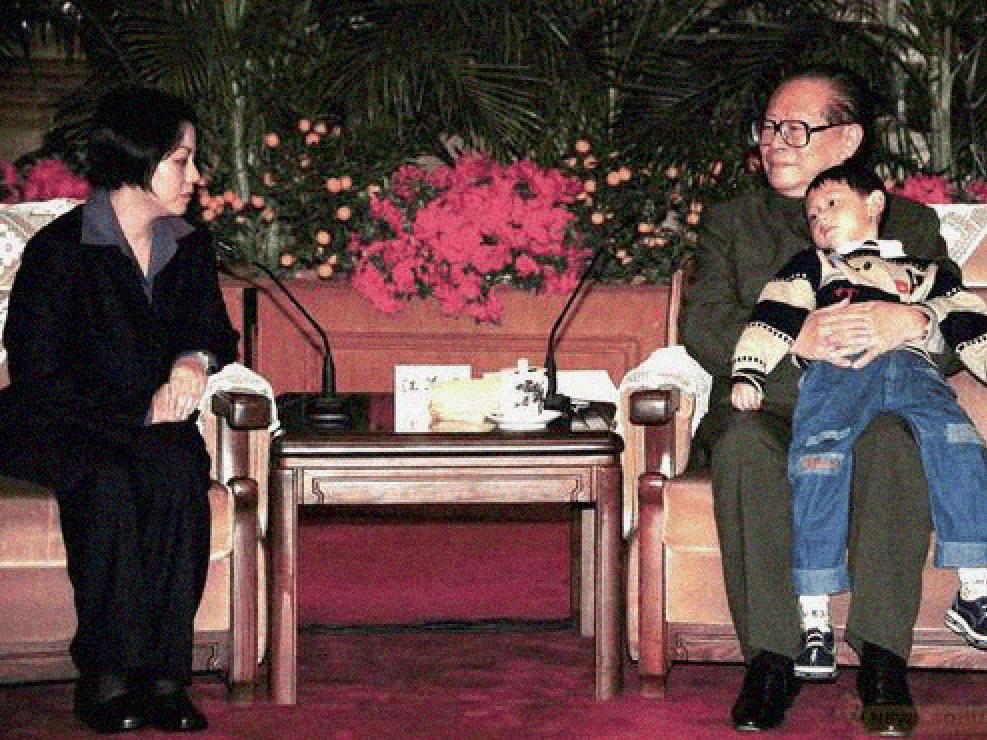
Back then, you really did have a collective leadership. It’s not like today, or like under Mao. The one thing that I thought was totally striking from my first tour in Beijing was [that after the 1989 Tiananmen Square massacre], it took Deng Xiaoping almost a year and a half to convince the collective leadership, with the opposition being led by Li Peng, to agree to return to economic reform and opening up, even though he strongly believed that the party would lose power eventually if it didn’t go down that route.
I worry that the inherent constraints of the collective leadership no longer exist. You have one man making the decisions.
We did have alternative channels of communication [in 2001]. Our defense folks were very active in Beijing. I was active in Beijing. Ambassador Prueher was managing everything with Washington and the top leadership. It worked well. Next time around, we’re not going to have those channels of communication. There’s nobody we’re going to be able to talk to. Who’s going to tell Xi Jinping an unpleasant truth?
We better hope that if and when the next accident occurs, in the Taiwan Strait or the South China Sea, that Xi does not have too much else on his plate and is able to reflect and think carefully.
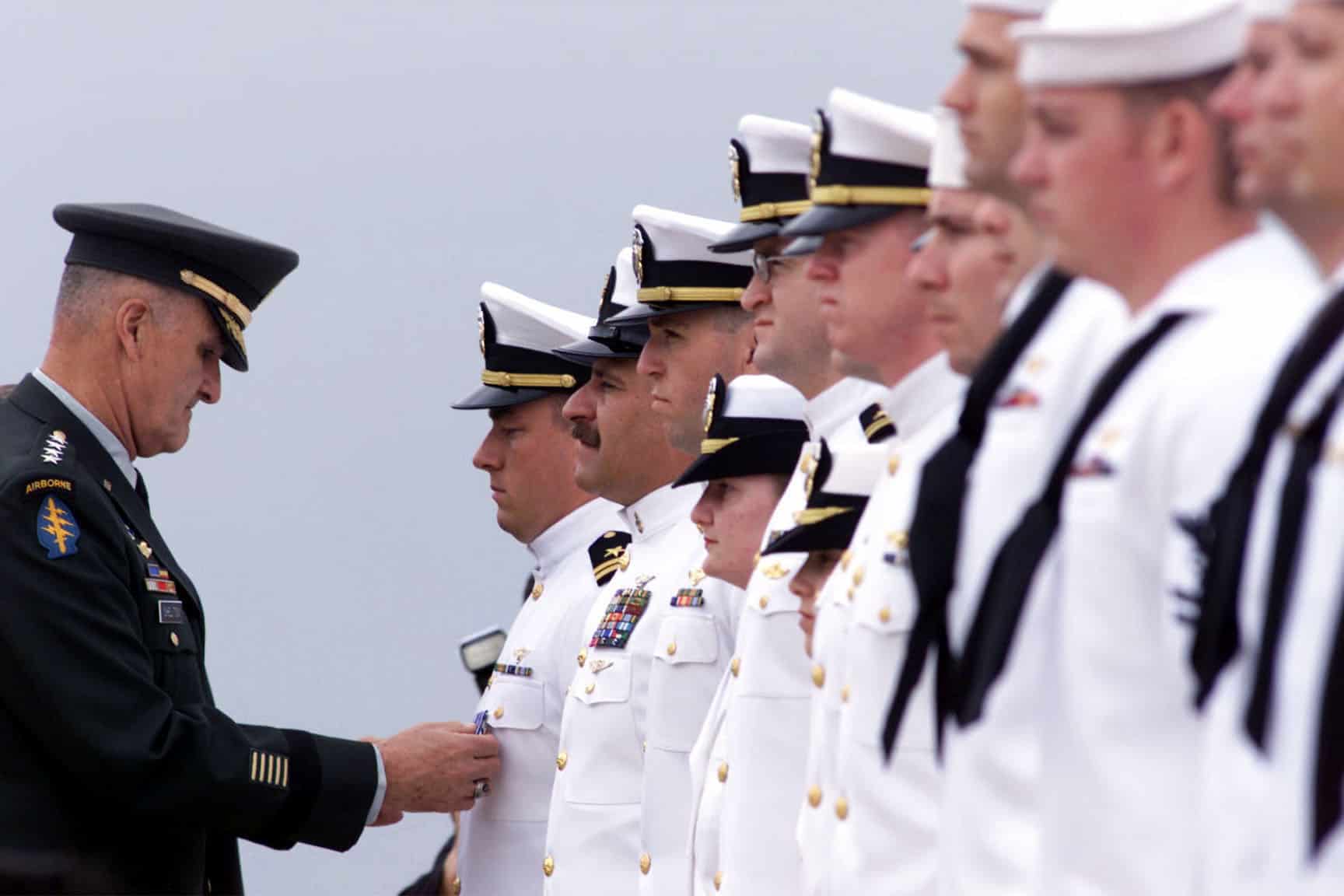
In the interim, we’ve got to build as much deterrence as possible, and that means talking to as many people as possible. Reminding people if Filipino soldiers or Japanese sailors are somehow killed by Chinese forces, the U.S. president is going to have a really tough decision to make [because both countries are U.S. treaty allies]. We have to build as much deterrence as we can [and hope] that sits in the back of Xi Jinping’s mind as he’s making a decision in the wake of an accident.
As told to Noah Berman.

The Undersecretary of State — Marc Grossman
On the first of April, I was a brand new Undersecretary of State for Political Affairs and Bam!, along comes this crisis. I was really an observer of a remarkable triumvirate of Secretary [of State Colin] Powell, Deputy Secretary [Richard] Armitage and Assistant Secretary Jim Kelly. They really wanted to show the State Department could do this work and do it well. My clear recollection of all of this is how much Colin Powell took this as “This is my job and I’m going to do it and I’m going to succeed.”
There were the obvious [sticking points] about how to get people out, what to do with the airplane and, of course, in the beginning, making sure people were safe and well treated. Then you had to try to figure out: how do you assess responsibility?
I give Secretary Powell and Jim Kelly and Rich full credit here. Secretary Powell, his object was, let’s not start World War Three over this. Let’s get these people out safely.
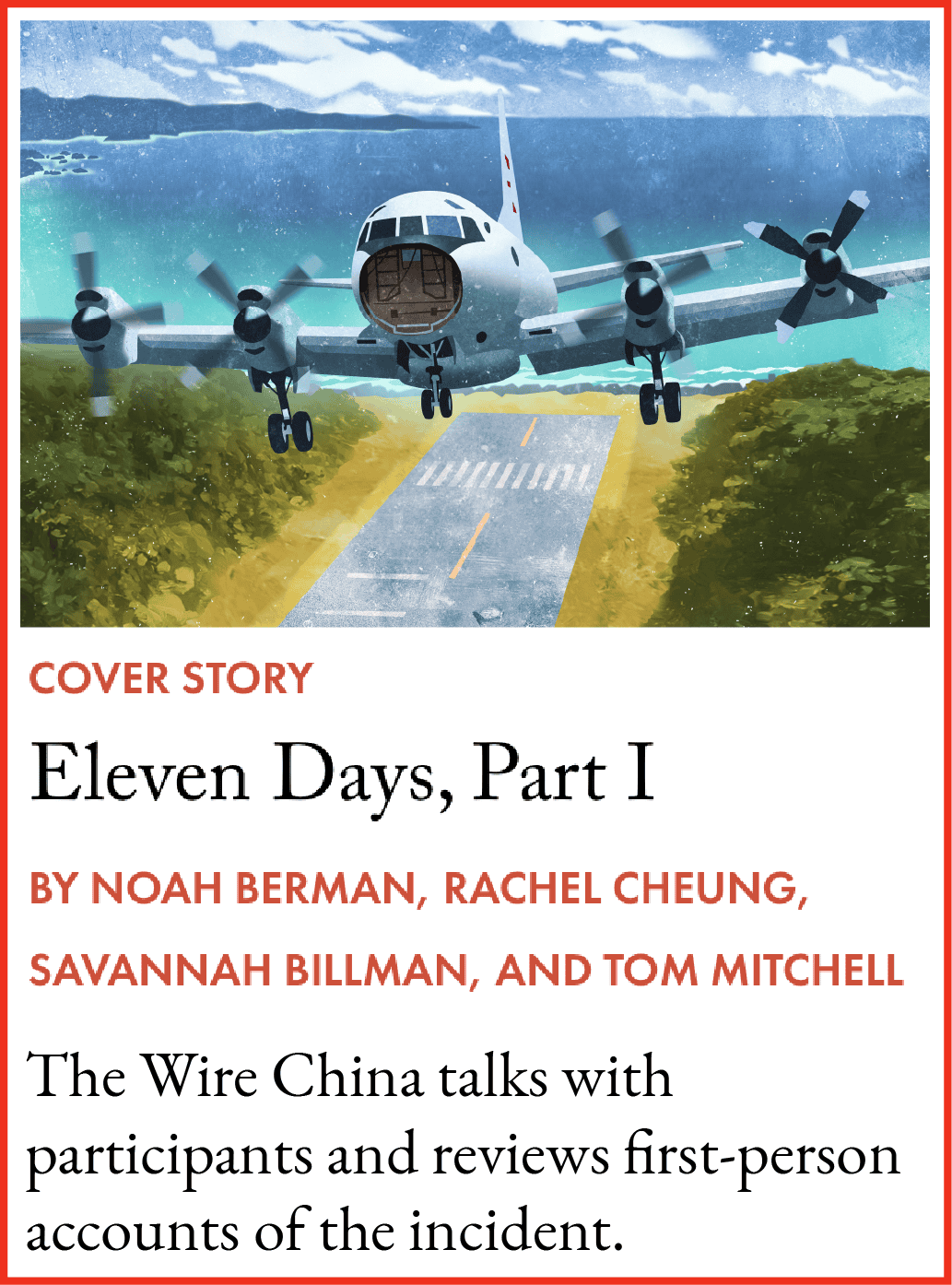
Was there fear, when you first heard about the plane going down, that this could become a much larger problem than it ended up being?
Absolutely — especially from that distance and with the time differences. One of the things that diplomats learn, and Secretary Powell always preached, was the first report is always wrong. But while you’re waiting for facts, people tend to think about the worst, and you have to prepare for that as well. Secretary Powell and Rich Armitage were experienced crisis managers. But if you weren’t anxious about this, then you weren’t paying attention.
The other thing is, at that [early] stage in the administration, there was a whole line of argument about, they’re testing us, and what does it mean for Taiwan? You can imagine, as people go through the various scenarios, the level of anxiety goes up. And I think that’s one of the great things that Secretary Powell did. He was a calm person. Among the things he set out to do was not have this turn into a major incident, either diplomatic or military.
Stay on top of China news.
Join the thousands of policymakers and business leaders who rely on The Wire China.
I don’t think it had a lasting strategic effect. People were very focused on ways to avoid another military accident, and did we have the right communication procedures in place if there was another accident? Our pilot was just flying along. The impact was that the Chinese needed better discipline over their forces, and that this created a new set of worries about interacting with Chinese forces.
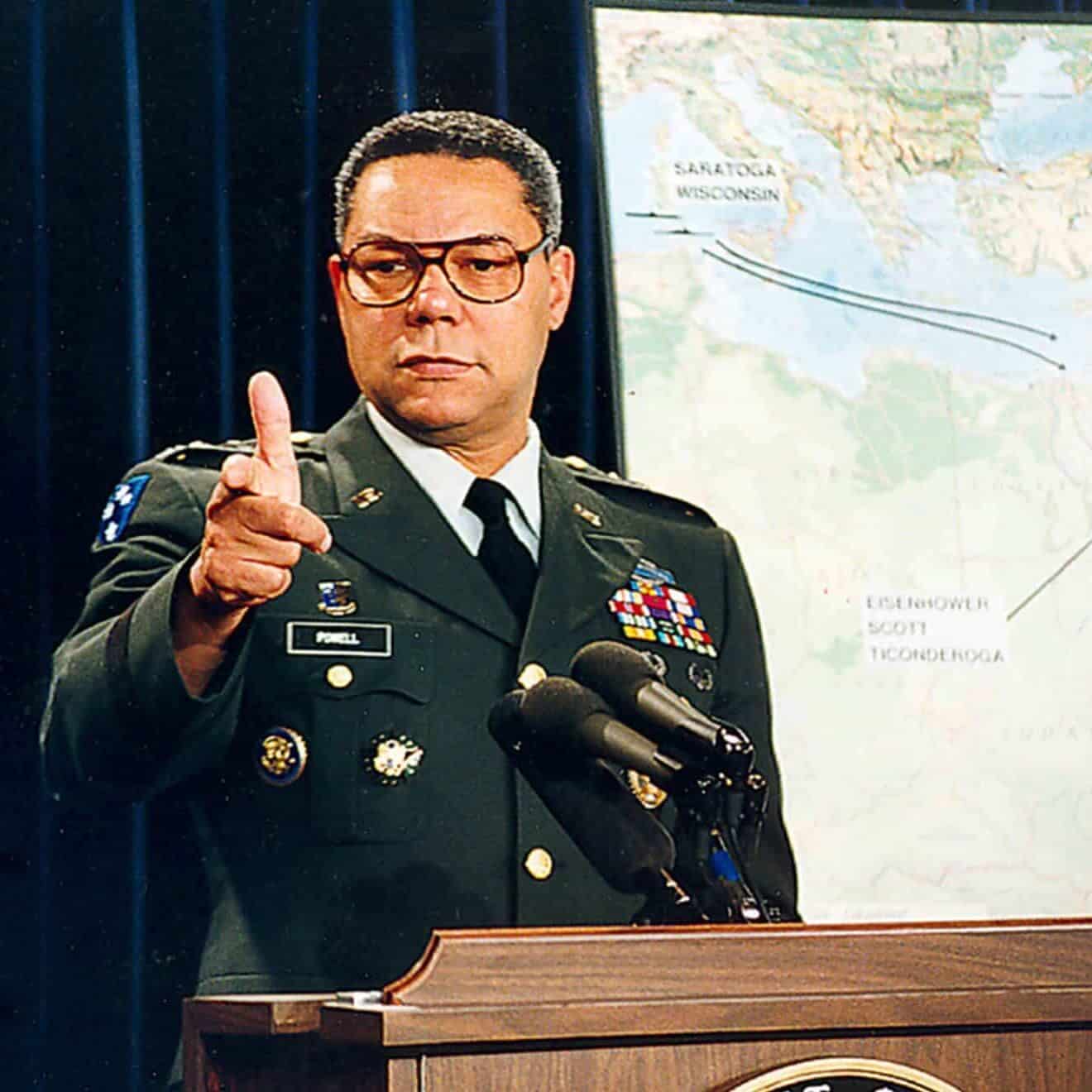
Colin Powell was a known quantity to the Chinese. They knew him, and they knew what he did in the first Gulf War [when he was chairman of the Joint Chiefs of Staff]. They knew he’d been a national security advisor. They had some sense of, here was an institutional person with a lot of experience. Now, it seems to me a “normal” conversation between the United States and China is so much more full of conflict. The two publics are looking at it in different ways. I would worry there wouldn’t be the space that Secretary Powell and his Chinese counterparts were able to carve for themselves to give themselves a few days to solve this problem.
The challenge now would be that China and the United States, especially on the military side, are out of practice of talking to each other. The question would be whether in today’s world, the practice of communication still exists to successfully solve a problem like this as quickly as Secretary Powell and others did.
As told to Noah Berman.
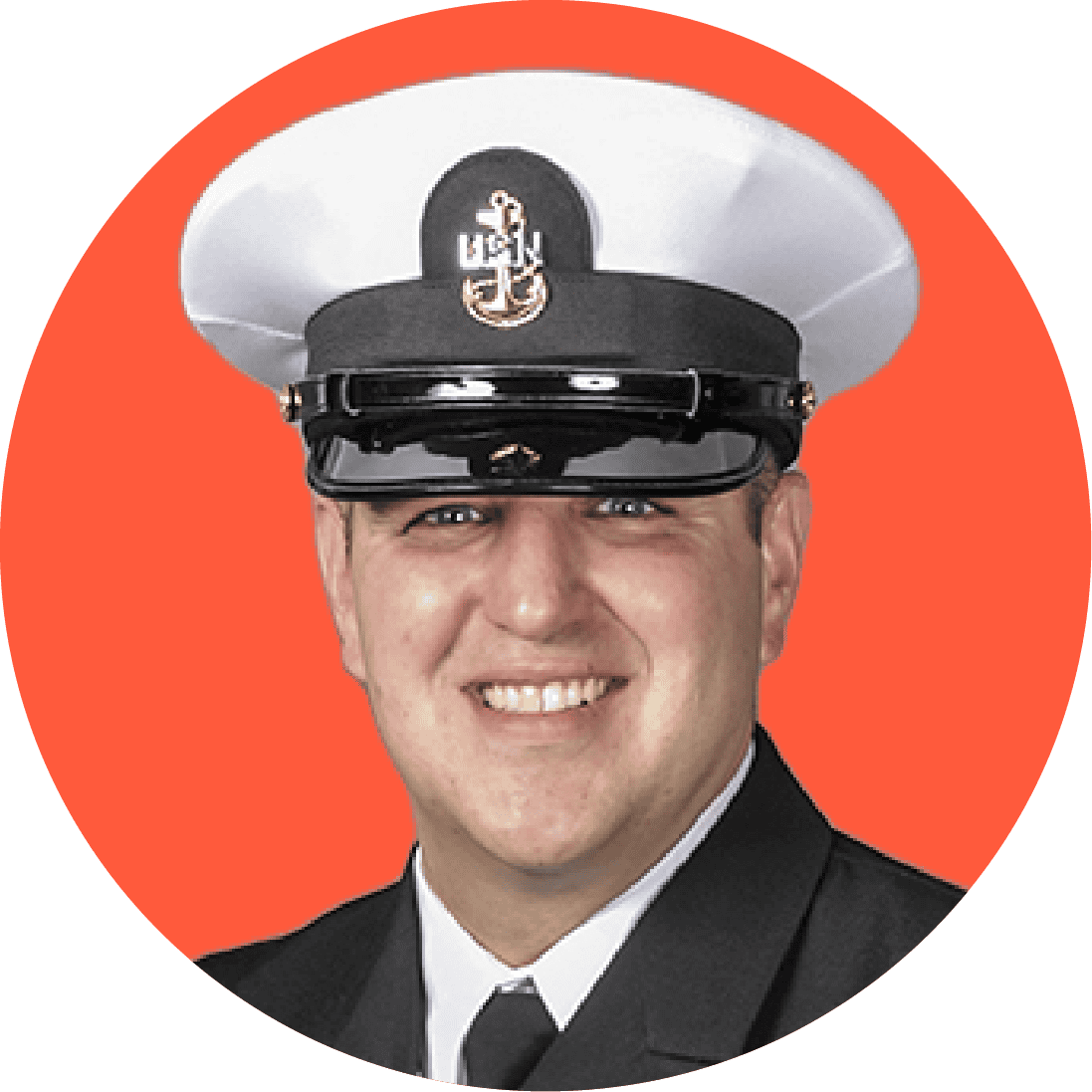
The Cryptologic Technician — Jeremy Crandall
Editor’s note: Jeremy Crandall describes himself as the “lowest ranking person on the plane.” He was a cryptologic technician (collection) with the Navy, a role that involves intercepting signals.
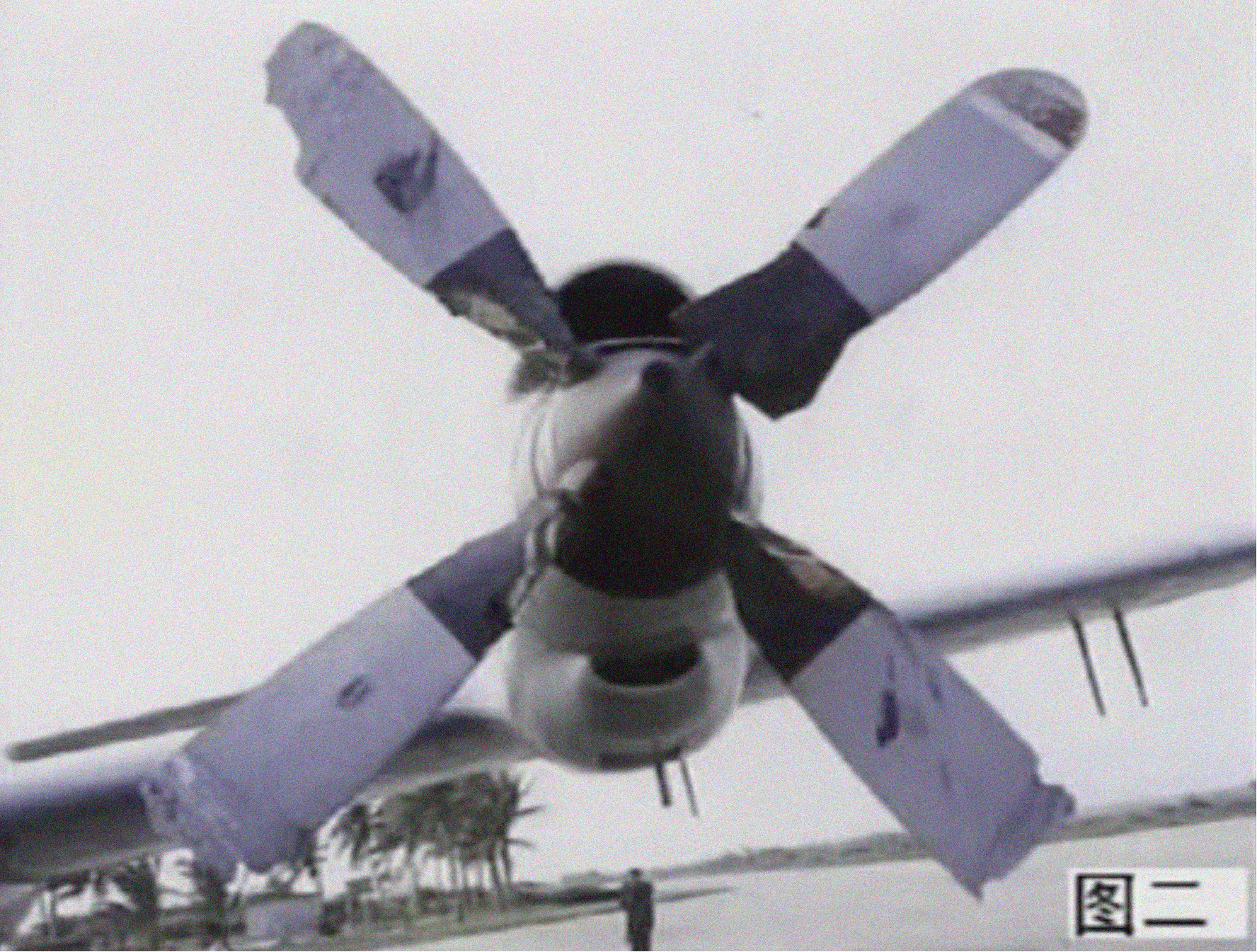
I was on the opposite side of the aircraft from where the collision took place, and prior to it, the [Chinese] pilot had gotten pretty close to our aircraft. And there was a point in time where he kind of dipped below our wing. The lieutenant had said, “Hey, could you go to the other side to see if he comes underneath us?” So I had gone over to a window that overlooked the wing on the opposite side, and that’s when the collision took place.
It was unexpected for everybody involved. Initially you’re just confused, and all of a sudden things just snap back into reality. The aircraft had started to fall. We were losing a lot of altitude, very quickly. You’re stuck to where you’re at, so you can’t move. You’re almost suspended. You can’t process what’s happening, because everything’s happening so quickly.
I wouldn’t say there was a lot of fear. The fear for me came back when there was a chance that we might survive. And that’s when our pilot, Shane Osborne, actually pulled the aircraft out of the dive. That’s when fear kicked in.
I went from this feeling of, I’m going to die, and the realization that’s about to happen and the comfort that comes with knowing that there’s nothing you can do, to we’re still in a really bad situation right now, and there’s no guarantee we’re going to survive, but there’s a chance. That’s where you find fear.
I was not fearful when we landed. You have more of that angst of the unknown. You don’t really get to relish the moment that you survive something like that, because now you’re moving on to another set of problems.
I had turned 20 years old two days prior to this. I didn’t have a lot of worldly experience. But when we landed, I was certain that I was going to leave there at some point in time. I didn’t know how long we were going to be there. And it wasn’t this arrogance of, I’m an American, and the American government’s going to come get me. It was the realization that China was also a civilized country. They have rules. They have laws just like us. They’re on a world stage. I felt confident that there was going to be a resolution at some point in time.
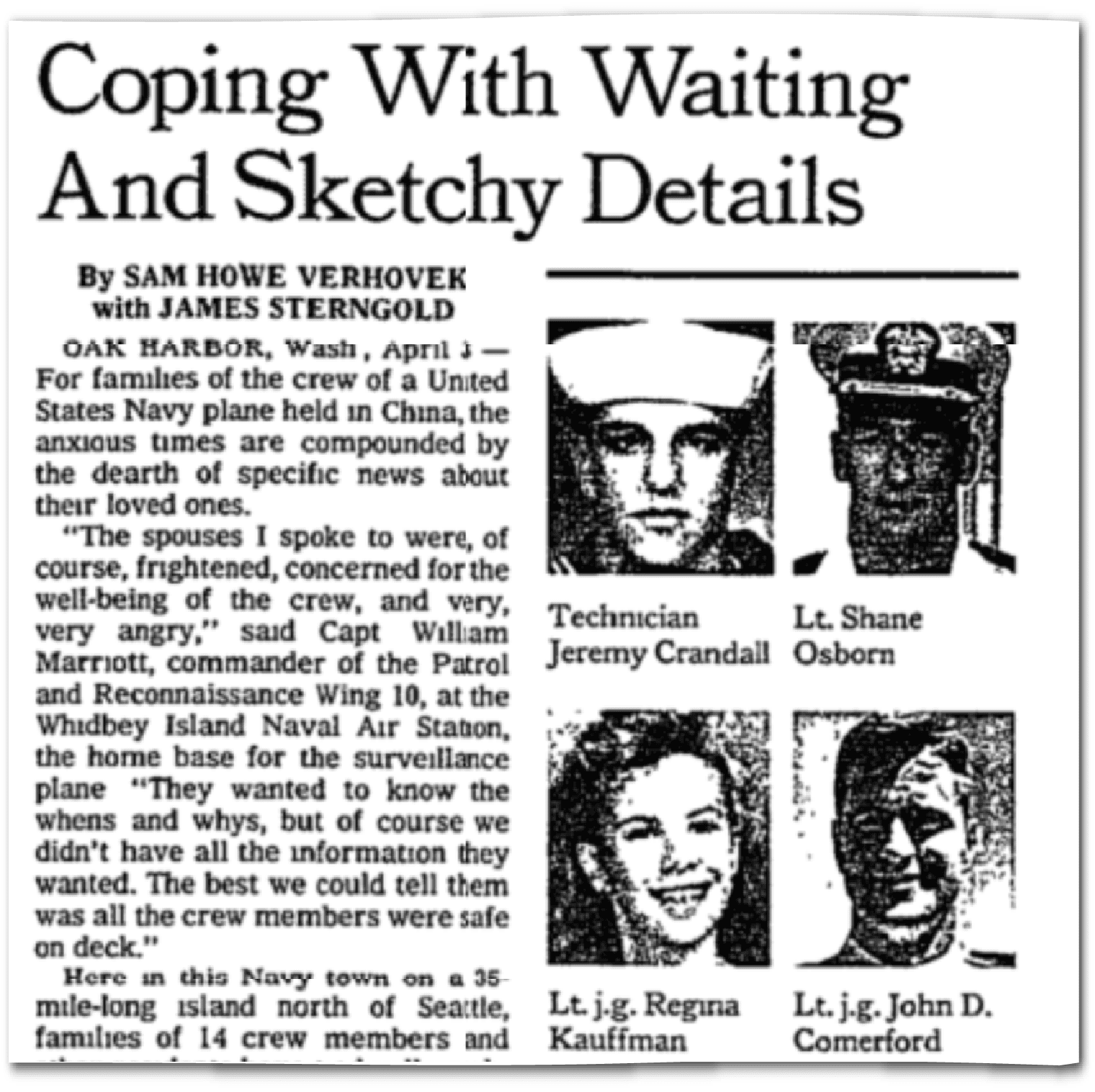
I slept a lot, because it was boring. We were two people to a room. You weren’t supposed to be going between rooms, not to say that we didn’t do that. But there were rules. You push the envelope sometimes, but you do respect the situation that you’re in and the rules that are there. I used to tell people I slept through detention.
We would come together for meals. If there was an announcement that needed to be made, we’d all come together. And the person that you’re in the room with, obviously you’d speak with them, play cards, just basic stuff.
We had two translators that they had provided to us. And I still don’t know what their names were, but they were both PLA officers. They somehow got the monikers Lieutenant Tony and Lieutenant Gump. I wish to this day I knew how they got those names. They were the nicest gentlemen, fantastic translators. They didn’t show any hostility towards us. And they were interested in learning different things. So obviously we could teach them different things about American culture. And they taught us things. You would sit there and think they must have a family home, and they’re having to spend all these extra hours here because of us to help support and translate for us.
I love to collect historical things. I have two cigarette packs upstairs from cigarettes they had given the crew. I asked them if they would sign a pack of cigarettes.
When we [were transferred to Haikou], somebody from the Embassy came over and addressed us. It was reassuring from the standpoint that they know that we’re here. Communications have obviously opened between the two countries, and you just want to let the process see its way through.
I am 100 percent certain that if the situation was to happen today, it would end the same way it did back in 2001. You’re talking about two premier countries with rules and laws, leaders in the world. It doesn’t matter who the president is. It doesn’t matter who’s in leadership in China. They would figure it out.
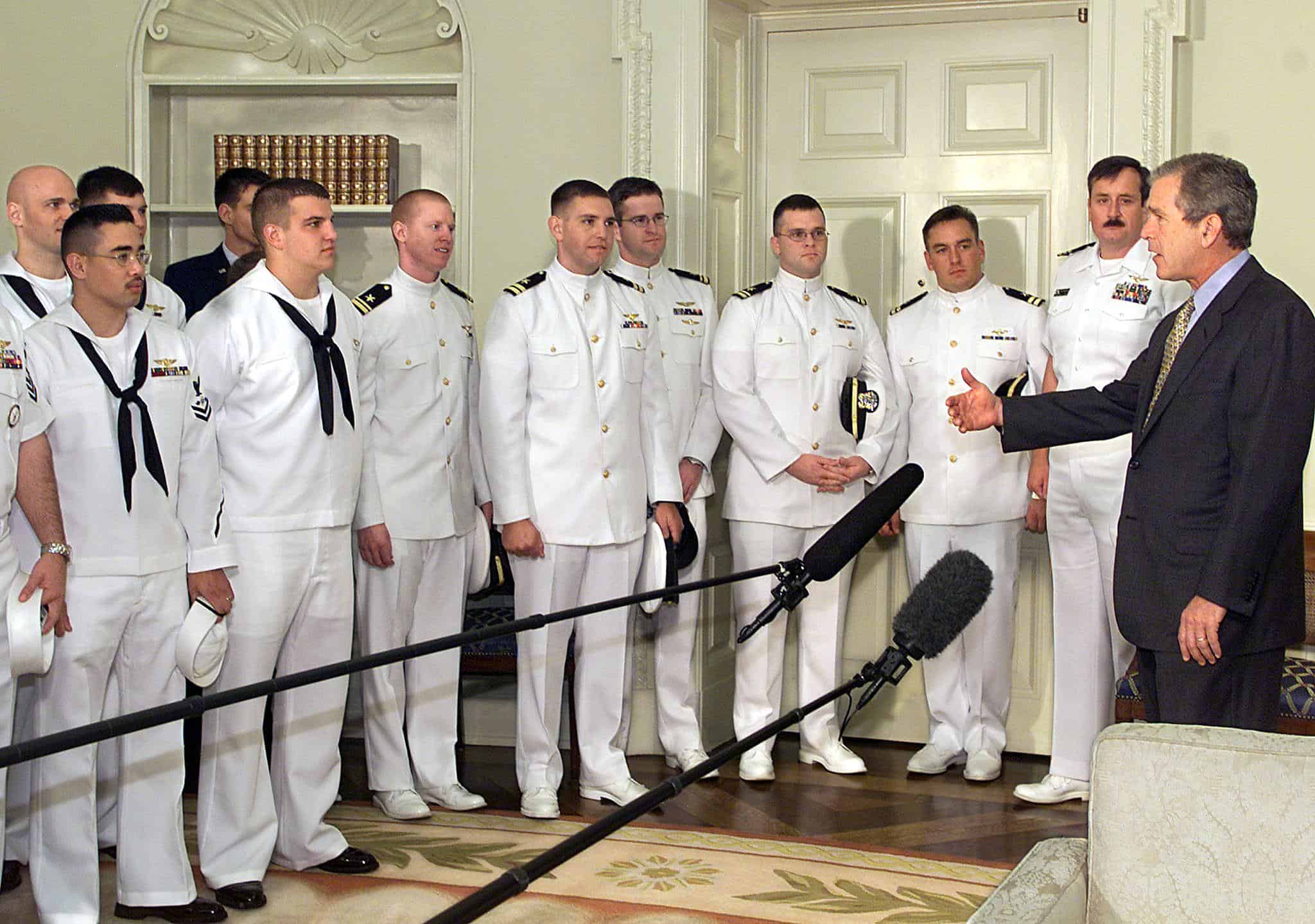
As told to Noah Berman.
The Freelance Intermediary — Leigh-Wai Doo
Editor’s note: When Leigh-Wai Doo was a Honolulu city councilman in the 1980s, he established a sister-city relationship with Haikou, the capital of Hainan. He developed relationships with officials there, and he also knew some U.S. military officials from his involvement with the Asia-Pacific Center for Security Studies. After watching CNN coverage of the EP-3 incident, he thought he might be able to help resolve the dispute.
I said to [my friend former General] Hank Stackpole, “Shall I go over, Hank? They know me. I know them. I want to go.” And he says, “Leigh-Wai, we all know you, but there’s only one channel of communication.” But he also says, “If you want to go on your own, nobody’s going to stop you.” That was the opening I needed.
The questioning by our Chinese interrogators was a shock and awe exchange. They interviewed us several times over the course of 24 hours at various times of the morning. We fell back on our training, which is what got us through the entire event.
Nick Mellos
I got the first airline flight out. Chen Jianjiao, who worked in the Hainan Foreign Affairs Office, was at Haikou’s airport to greet me. She gives me her cell phone number and says, “We’ll call you for a meeting.” In about two hours, I got a call. They’re going to come and pick me up from my hotel and go to the Foreign Affairs Office, where there were about a dozen of them, most of whom I knew. Chen Ci was the FAO’s director then. He was also the spokesperson speaking in English to the international news media on the EP-3 incident.
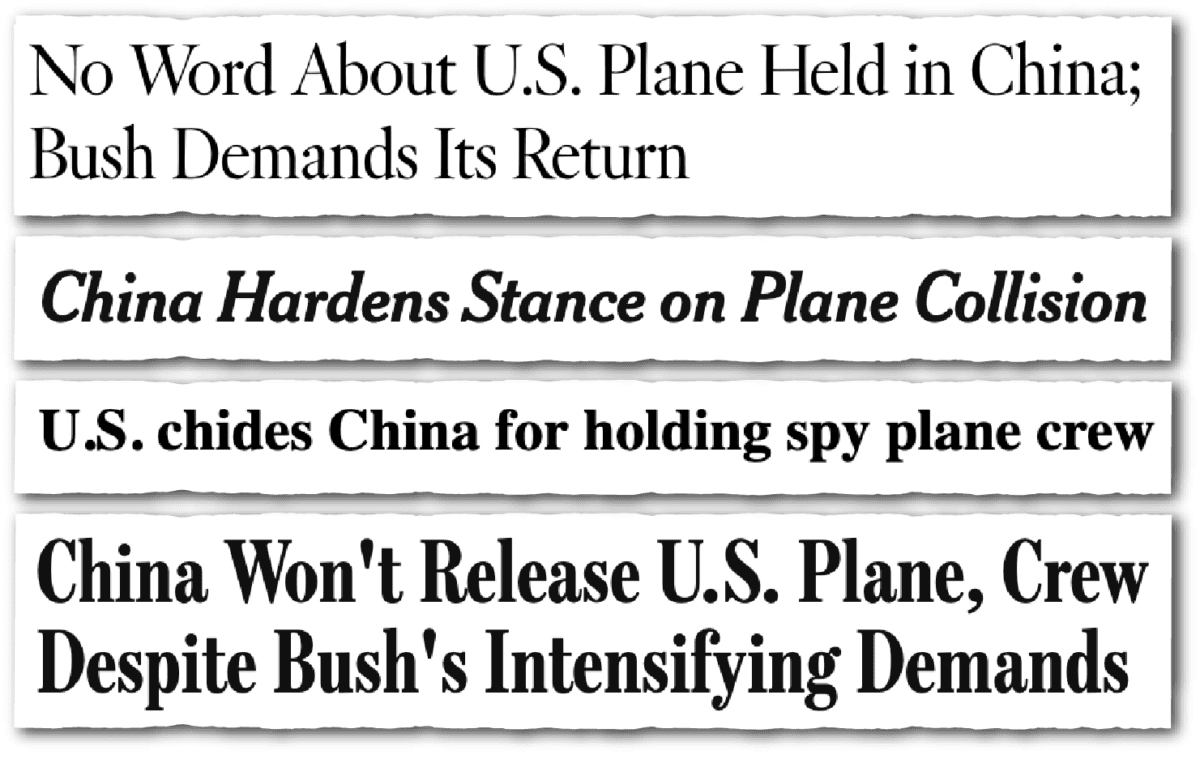
Chen Ci’s first question to me was, “What do the American people think?” This is before anybody has said anything. And I said, “Well, on CNN, first day the American spy plane has to land in Hainan. Second day, China won’t release the American crew. Third day, China is holding the Americans hostage.” Chen Ci asked me, “What do you think?” Meanwhile, there’s a dozen others sitting around listening. And I said, “The release of the American crew is the most important item for America.”
I had heard Chinese President Jiang Zemin say Americans must apologize, and [U.S. President] George W. Bush say we will never apologize. Because I don’t speak Chinese, I usually have several Chinese-English dictionaries. And that day I took five dictionaries. And in the Oxford dictionary, on the definition of ‘sorry,’ like the seventh definition on the bottom, as a synonym was the word ‘apologize.’ If you say you’re sorry, it could be interpreted as ‘apologize.’
I said, “I recognize the dilemma between Jiang Zemin and George W. Bush. But look at this dictionary.” And I showed them the line. And they don’t say anything. But Wang Sheng, who was the deputy there, looked at it.
Time goes by. About 10 o’clock at night, I get a phone call from Chen Jianjiao saying, “Chen Ci is going to have an important announcement at midnight.” Chen Ci says in English, “The Americans have said they’re sorry, so they’ll find a way to release the American crew.” But in the Chinese newspapers, they didn’t use the word duìbùqǐ’. They had all the newspapers the following morning saying bàoqiàn — apologize — because of that dictionary find.
As told to Noah Berman.
The Reporter — Tom Mitchell
In April 2001 I was the Guangzhou correspondent for the South China Morning Post.
On the second day of the Hainan spy plane crisis, the press pack that had assembled in Sanya, near where the EP-3 made its emergency landing, rushed to Haikou. The American crew had been transferred from the Lingshui air base where they were initially held to a People’s Liberation Army compound in the provincial capital. A six-member U.S. diplomatic team had also arrived in Haikou to lobby for access to the crew and to help resolve the crisis. The diplomatic team was headed by a defense attaché from the U.S. embassy, then Brigadier General Neal Sealock.
The reporters and diplomats all stayed at the same hotel, the Hainan Mandarin.

Hotel staff were struggling to cope with the sudden influx of unexpected guests. In the confusion, the front desk gave me a key card for a room that was already occupied. When I opened the door, I was surprised to see Duncan Hewitt, the BBC’s Shanghai correspondent, sprawled on the room’s one bed with his phone to his ear, doing a live voice feed to his colleagues in London. I gently closed the door and went back to the front desk.
Either because there were no other rooms — or more likely because they made another mistake — the front desk clerks then gave me a room on the top floor with the U.S. diplomats. I was the only reporter on the floor.
The Chinese guards posted on the diplomats’ floor didn’t seem thrilled by my presence. But nobody forced me to move to another level.
My room was between those of two people I knew from the American consulate in Guangzhou, Mark Canning and Ted Gong. Sealock’s room was further down, on the other side of Gong’s.
The first time I mentioned the words “spy plane” in a conversation with Canning, he smiled and said “please — not ‘spy plane’, it’s a ‘reconnaissance aircraft’ ”. Later Canning complained, mildly, about a line I put in a story about Sealock walking in the hallway in a Harvard t-shirt and his boxers. They were gym shorts not boxers, Canning insisted, but he didn’t ask for a correction.
My stroke of luck with my room was, alas, not to give me a string of great scoops. Sealock, Gong, Canning and the others were careful not to tell me anything they wouldn’t tell any other reporter. But it did give me a unique vantage point for the remainder of the crisis.
Every morning, the American diplomats’ Chinese counterparts would arrive to discuss whether they would be able to meet with the crew that day and, if so, the related logistics. The two sides conversed in the hallway outside one of the diplomats’ rooms. The first time this happened, I placed the top end of a glass against my room door and then put my ear against the bottom of the glass. I’m not sure where I had heard that this was supposed to amplify sounds, but it didn’t work. It also made me feel ridiculous.
One of the things that [the crisis] reinforced for me is that everybody constantly talks about how strong the Communist government is, how centralized they are, and how much they were able to command things to be done. But in my experience … they don’t have that much control.
Ted Gong
Then I had an epiphany. I don’t know if this is still the case today, but at that time in China it was common for hotel guests to prop their room doors wide open. This was so groups of travellers could come and go freely between their friends or family members’ rooms. So whenever I was in my room I did the same with my door, which made it a lot easier to keep track of the comings and goings on the floor. The Chinese guards, whom the U.S. diplomats referred to as “the goon squad”, didn’t bat an eye when I did.
Reporters were keen to glean anything they could about the diplomats’ meetings with the U.S. spy plane crew — a delicate matter as the days started to tick by and some began to wonder if this was the beginning of a “hostage situation” (see interview with the CIA’s Dennis Wilder, above).
At the first meeting, Sealock was able to see and speak with the entire crew.
After the second meeting, a Washington Post reporter tried to buttonhole one of the U.S. diplomats on whether Sealock had again seen the entire crew. The reporter later told me that the diplomat gave a response that suggested Sealock had seen all 24 Navy personnel, but it later emerged from Washington that he had only met with some of the crew.
That was an interesting wrinkle and I guessed that the Washington Post reporter had gotten a rocket from his editors about not ferreting that detail out in Haikou. The reporter complained to me about the diplomat’s alleged evasiveness: “He can’t do that!”.
Another ritual throughout the crisis were regular briefings by Chen Ci from the Hainan provincial government’s foreign affairs office. A U.S. diplomat on the front lines of the crisis told me that Chen, who could speak English well, had studied at the University of Richmond in Virginia.
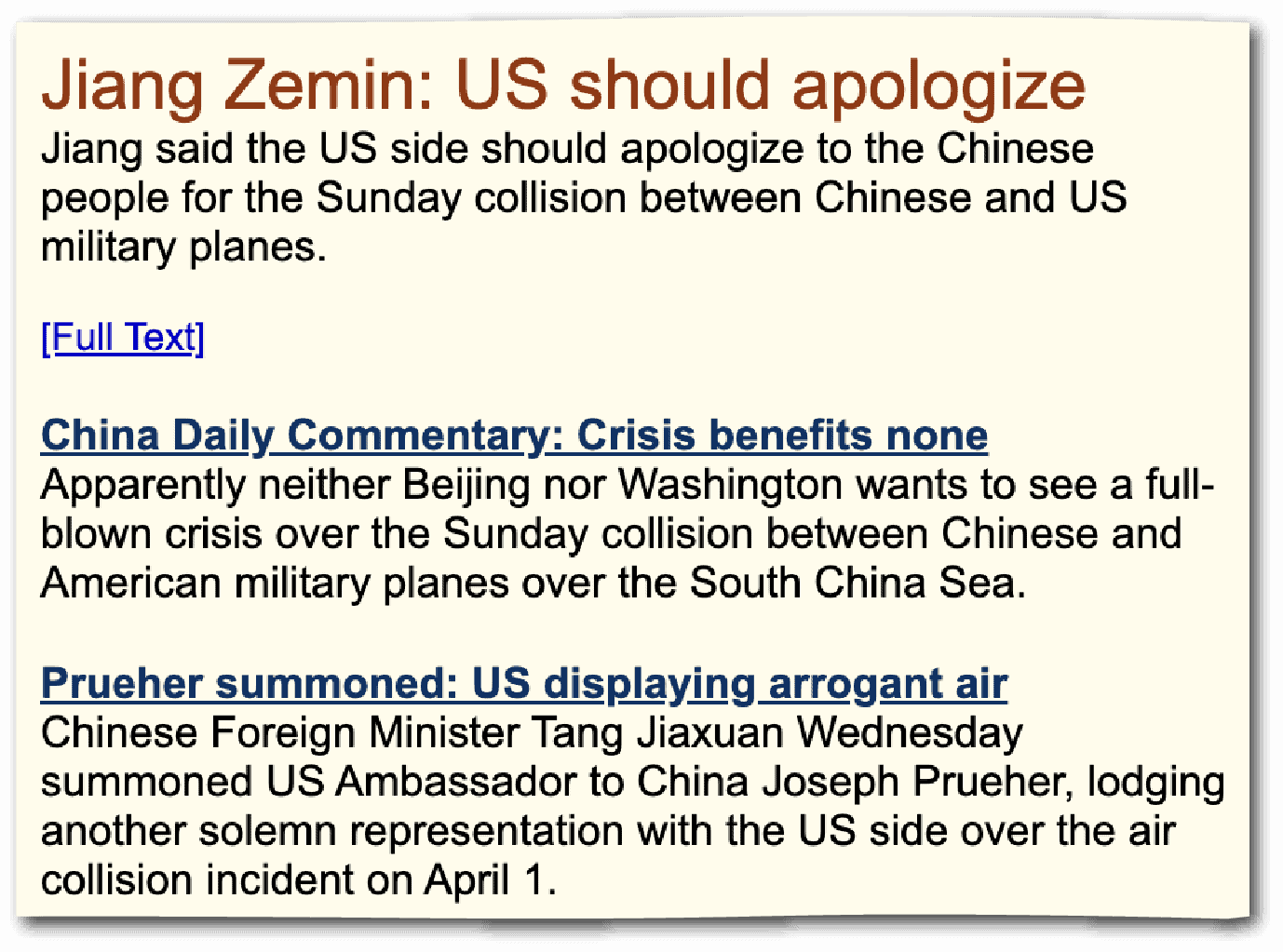
Chen’s briefings usually focused on the search for the missing Chinese pilot, Wang Wei, and Beijing’s insistence that the EP-3 had been responsible for the collision.
Like many others involved in the crisis, I was fascinated but ultimately ignorant of how information and orders were flowing between Chinese local and central government officials, and between PLA commanders and their civilian counterparts.
How much, I wondered, did Chen really know? Was he, like me and other reporters in Haikou, Beijing and Washington, also racing to cobble together information beyond that given to him for the daily briefings from his central government and Chinese military contacts? The fact that Chen took time during the crisis to meet with Leigh-Wai Doo, the former Honolulu city councillor, and the things they discussed according to Doo’s account above, suggests that Chen too was scrambling for news.
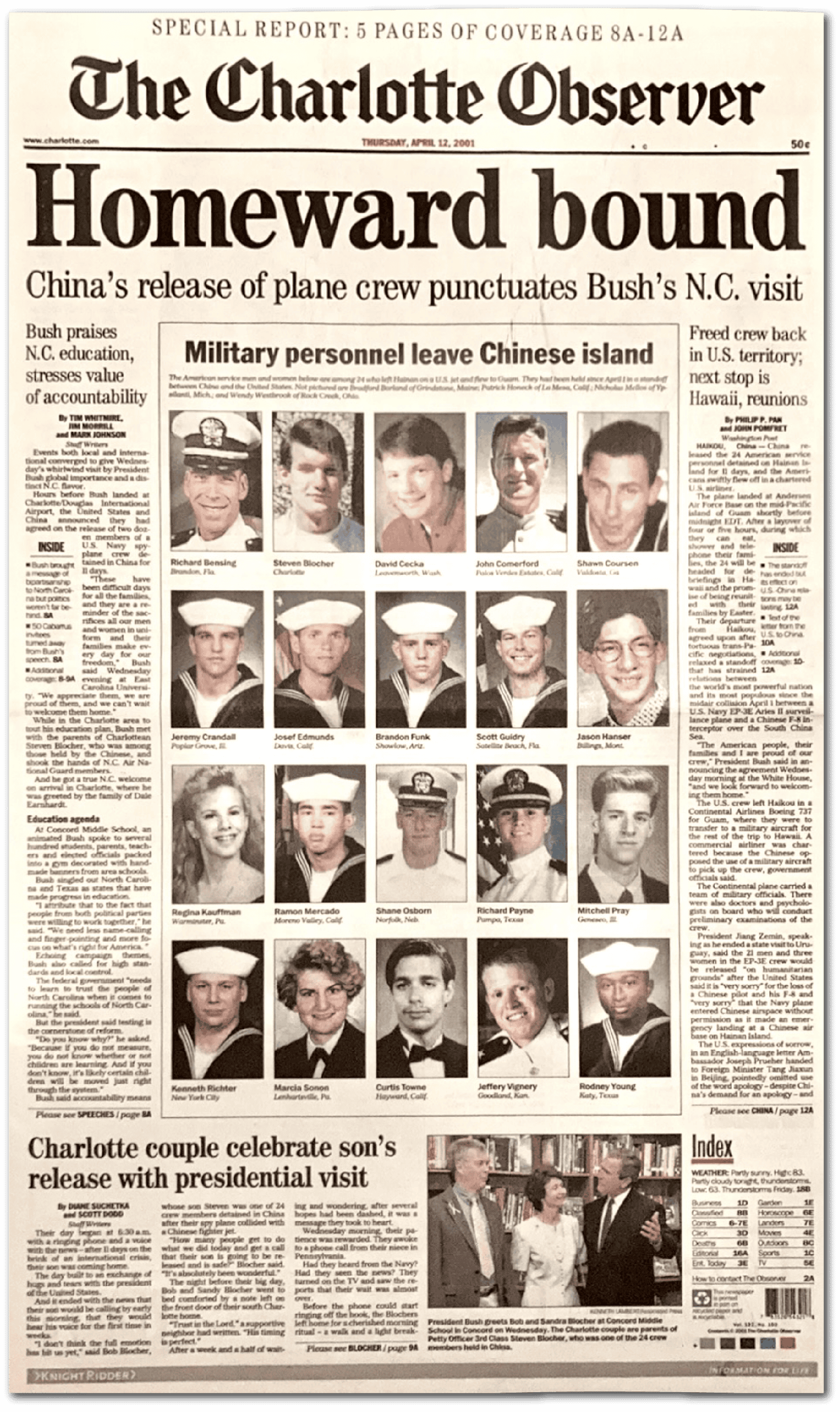
On the evening of Wednesday, April 11, it was announced that the U.S. EP-3 crew would be allowed to leave China the next day, just ahead of the Easter weekend. Our Hotel California adventure was about to end.
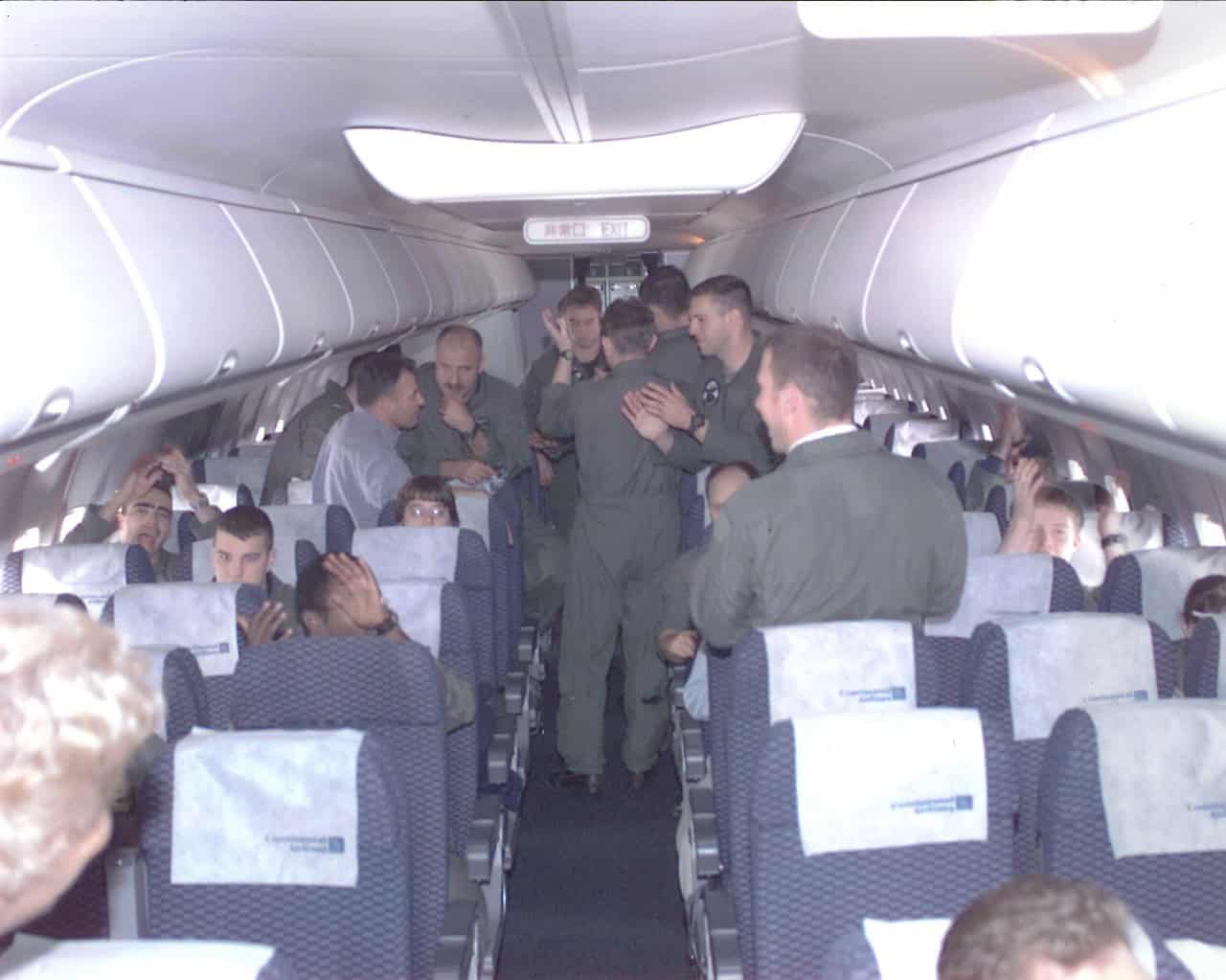
Ahead of the crew’s departure, the press pack raced to Haikou’s airport. Unbeknownst to us at the time, there was one last-minute hiccup.
A U.S. diplomat later told me that shortly before the plane flying the crew out of China was due to take off, a Chinese official ran up, gesturing at forms on a clipboard he was carrying. The plane’s pilot had made a mistake on his paperwork, writing in his destination as Haikou ROC, confusing the Republic of China (Taiwan) for the People’s Republic of China.
After some grumbling about yet another insult from the Americans, the mistake was scratched out and the plane took off, homeward bound.

The Flight Engineer — Nick Mellos
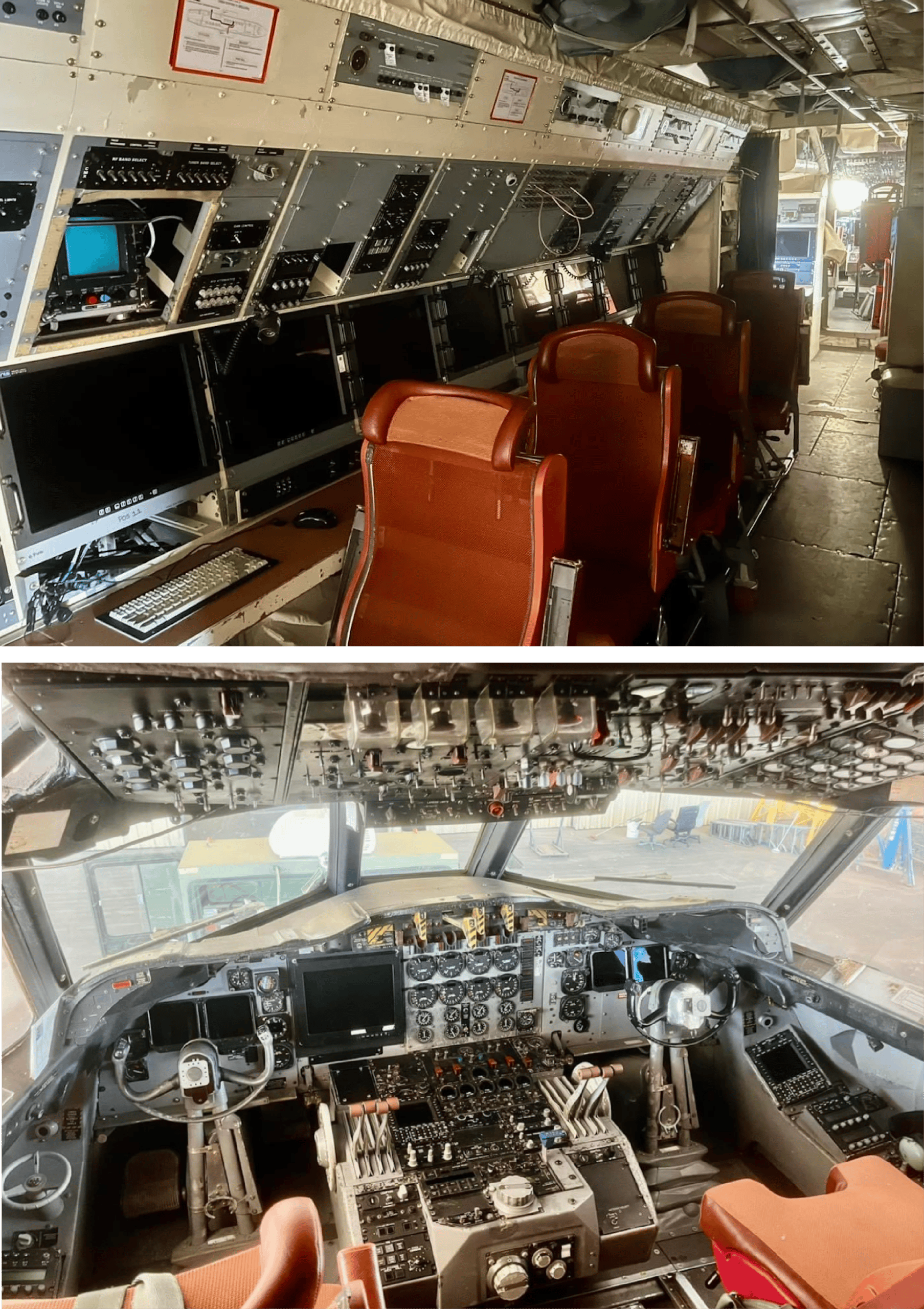
I was the senior flight engineer on the airplane at the time. I was on a break in the back in the galley and I heard chatter that we were being approached. I looked out the galley window and saw the aircraft right off our port wing, and he was closing towards us. I went up front to the cockpit. I could see him coming towards us from left to right, and we had turned outbound at a slow speed. We didn’t speed up or try to evade. He started closing on us, this time closer. His jet lost control and he collided with us, and I remember seeing his aircraft hit. Looking out the window, we could see a parachute.
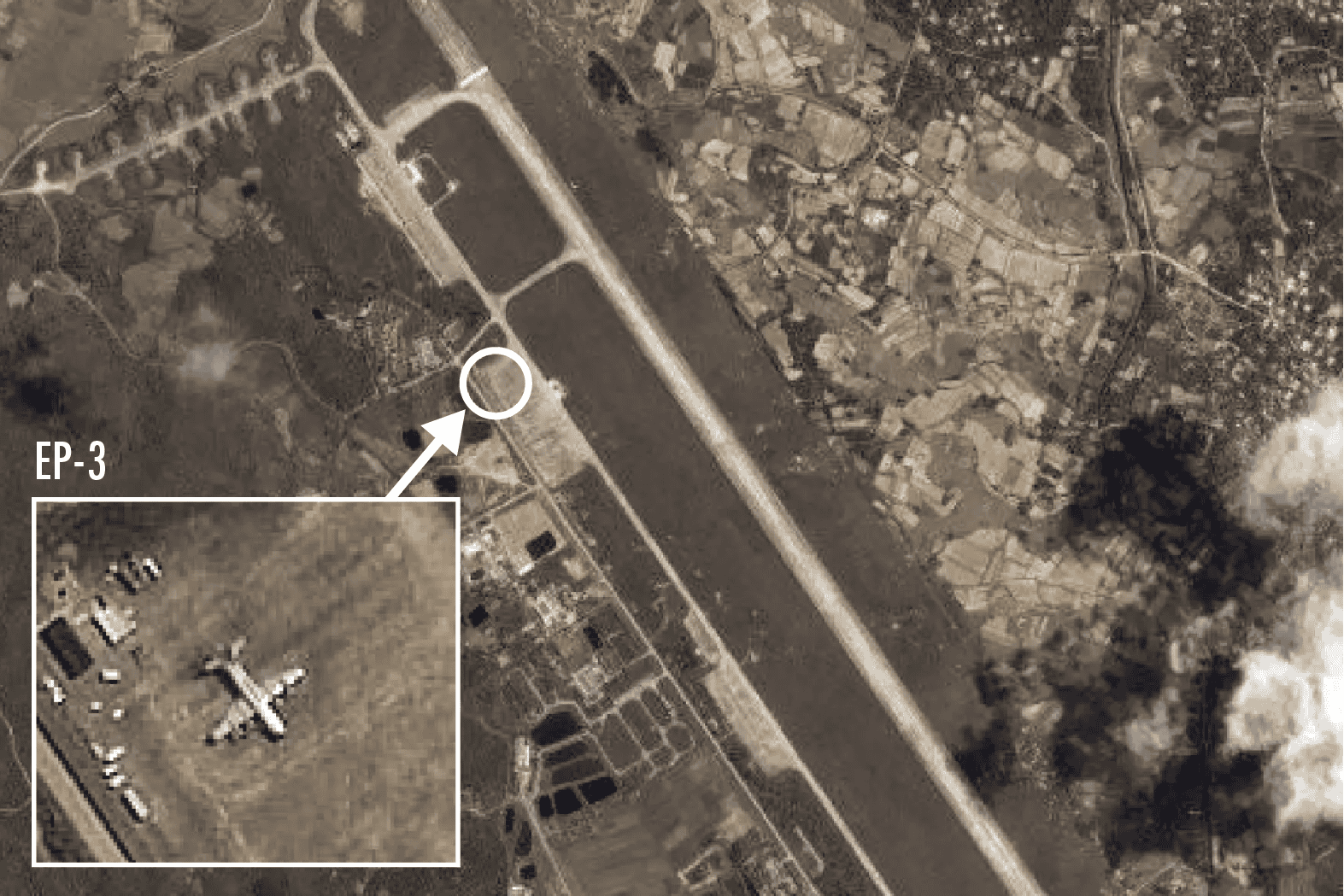
We discussed a bailout. However, at 10,000 feet, bailing everybody out, we’d have people spread out in a 12 mile radius. Ditching [the plane in the sea] really wasn’t an option. The [navigator] at that point called out that Hainan is 13 miles away. There’s a runway. This is peacetime. The pilot had made a call that we were a damaged aircraft, and we’re coming in to land at the Chinese Air Force base.
[After landing] we pulled off the runway and started to shut down the aircraft and lower the ladder, and then waited for the senior people on the base to come in and tell us what’s going on. We requested that they allow us to cover up the airplane and leave it parked.
Several of the [the crew] attempted to destroy code books and pieces of equipment. Did our adversaries really get anything of value? In my opinion, no. It was one of the older aircraft that had older equipment.
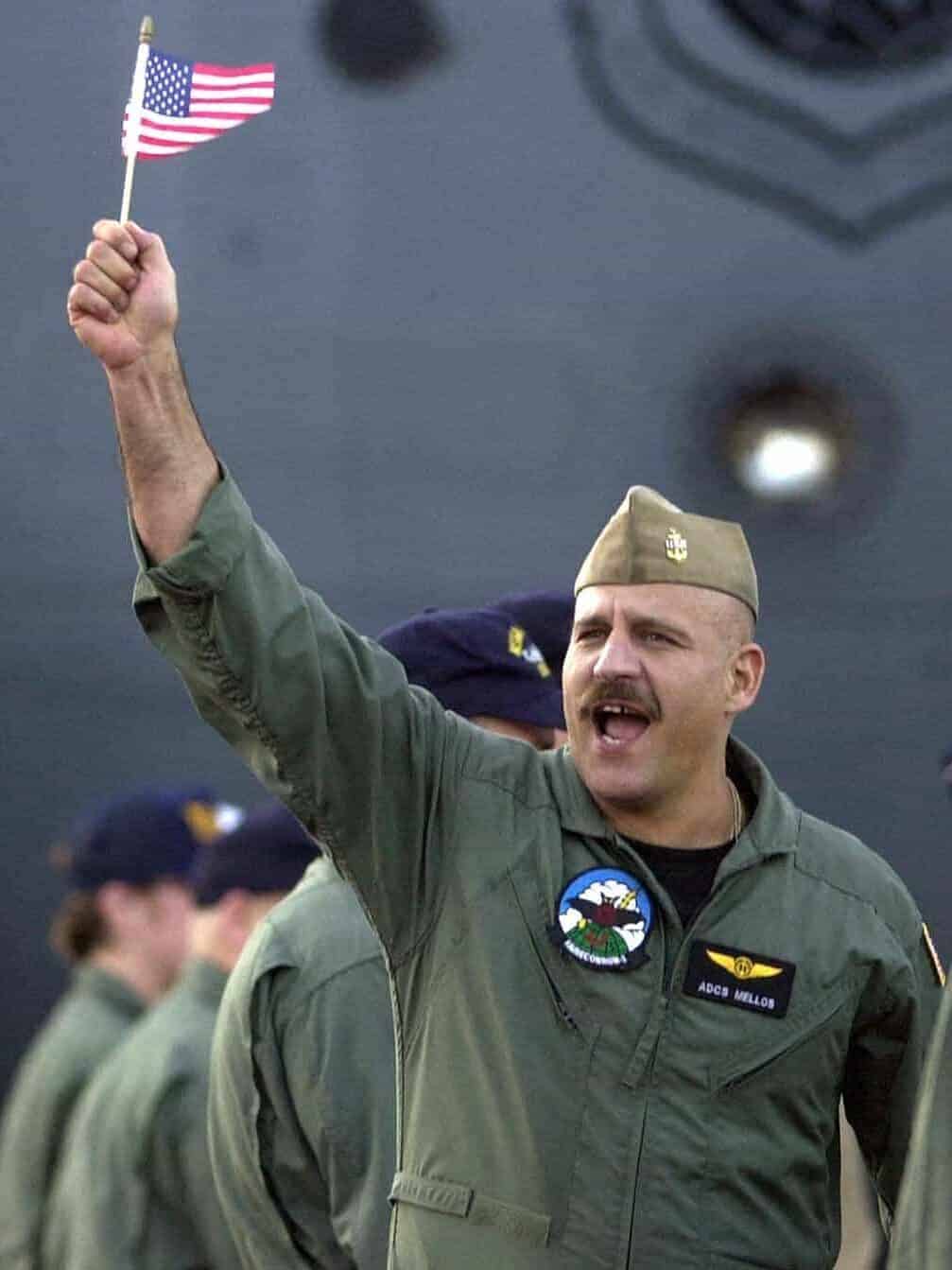
As far as detention in Hainan, we were treated professionally. You fall back on your training. The questioning by our Chinese interrogators was a shock and awe exchange. They interviewed us several times over the course of 24 hours at various times of the morning. We fell back on our training, which is what got us through the entire event.
It was a life changing experience: the incident, the detention, the repatriation. I was on the cover of every newspaper in the United States and the free world. A former girlfriend saw my picture in the newspaper, and we were both divorced at the time, not that we knew it. She reached out to me. I’m talking to her for the first time in well over 20 years. Long story short, a year later, we’re married. We’ve been married 24 years.
The crew as a whole — we stay in touch with each other [by email] every April 1. That has continued to this day.
As told to Noah Berman.

Rachel Cheung is a staff writer for The Wire China based in Hong Kong. She previously worked at VICE World News and South China Morning Post, where she won a SOPA Award for Excellence in Arts and Culture Reporting. Her work has appeared in The Washington Post, Los Angeles Times, Columbia Journalism Review and The Atlantic, among other outlets.

Noah Berman is a staff writer for The Wire based in New York. He previously wrote about economics and technology at the Council on Foreign Relations. His work has appeared in the Boston Globe and PBS News. He graduated from Georgetown University.

Savannah Billman is a Staff Writer for The Wire China based in NYC. She previously worked at the National Committee on U.S.-China Relations.

Eliot Chen is a Toronto-based staff writer at The Wire. Previously, he was a researcher at the Center for Strategic and International Studies’ Human Rights Initiative and MacroPolo. @eliotcxchen
Tom Mitchell is features editor at The Wire. He previously worked at the Financial Times, where he was China bureau chief and deputy news editor, and also at the South China Morning Post as deputy business editor and Guangzhou correspondent.