Michael Luo is an executive editor at The New Yorker and writes regularly for the magazine on politics, religion and Asian American issues. Before joining in 2016, he spent thirteen years at the New York Times, as a metro reporter, national correspondent and investigative reporter and editor. He is a recipient of a George Polk Award and a Livingston Award for Young Journalists. His first book, Strangers in the Land: Exclusion, Belonging, and the Epic Story of the Chinese in America, came out last year. The following is an edited transcript of a recent conversation about the book and its themes.
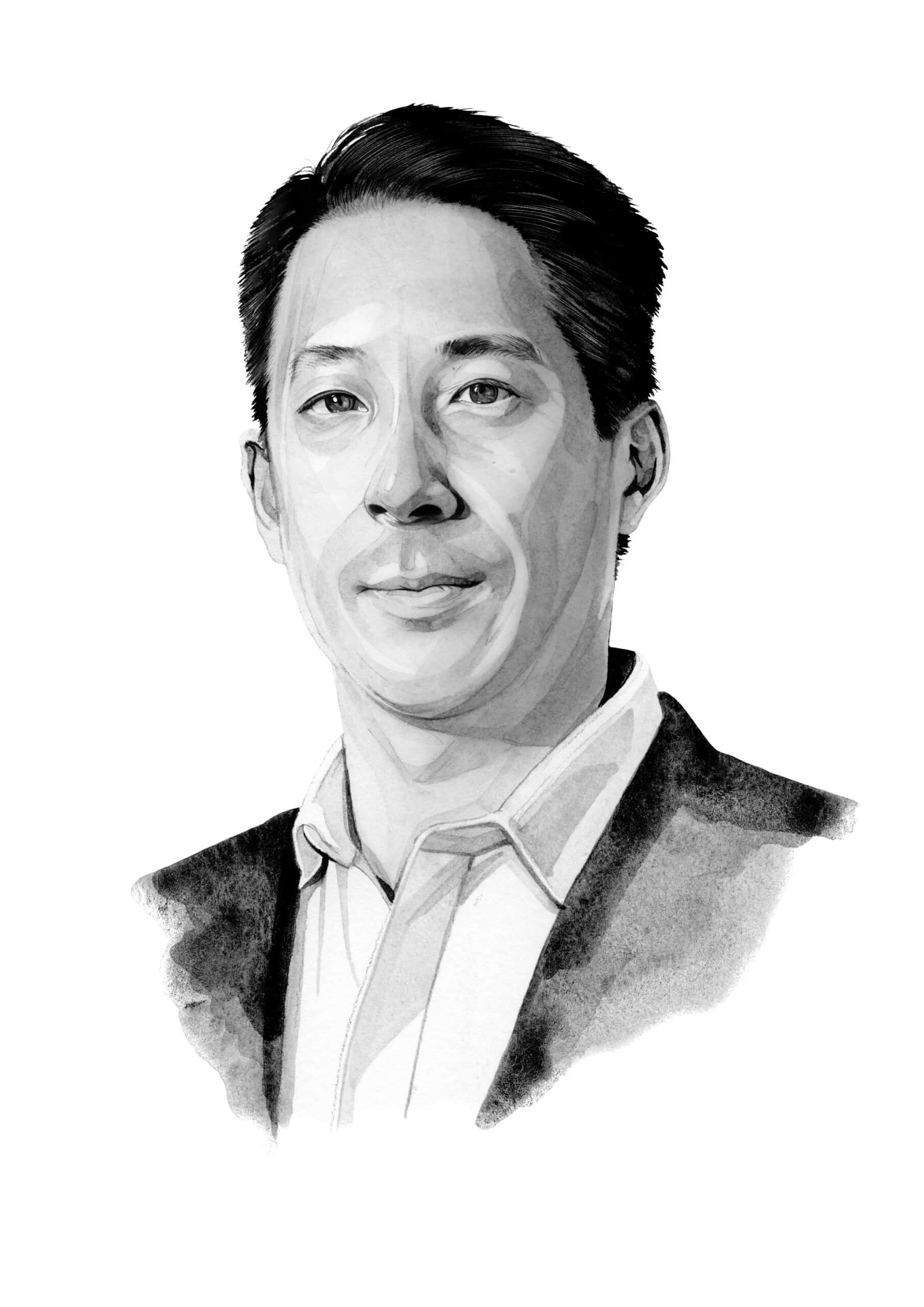
Illustration by Kate Copeland
Q: This book spans the 19th and 20th centuries and two continents. Before we get into all of that, how did you come to write it?
A: I have two origin stories I tell about the book. In October 2016, I had an encounter on the Upper East Side of Manhattan. It was a Sunday afternoon after church and I was out with my family and some friends, a group of Asian Americans. We were dawdling on the sidewalk trying to decide where to go for lunch. This well-dressed woman brushed past us, irritated we were in her way. When she was down the block, she turned and yelled, “Go back to China.” I probably should have let it go, but something made me run after her. We had a back and forth. When I walked away, she yelled, “Go back to your fucking country!” I remember trying to come up with a smart rejoinder. I yelled back, “I was born in this country!” It felt so . . . pathetic.
Afterward, I posted a series of tweets about what had happened. They quickly went viral. The mayor, Bill de Blasio, even weighed in. Some colleagues at the Times suggested that I write something about it, so I wrote an open letter to this woman. I wrote about this feeling of othering that has been so common in the Asian American experience and this bereft feeling I had as I was walking home that day, thinking about my kids. They are two generations removed from my parents’ immigrant experience, yet I wondered if they would ever feel like they truly belonged in this country.
| BIO AT A GLANCE | |
|---|---|
| AGE | 50 |
| BIRTHPLACE | Pittsburgh, Pennsylvania, USA |
| CURRENT POSITION | Executive Editor, The New Yorker |
Trump’s election was just a few weeks away, and it felt like a curtain of nativism was descending across the country. The piece I wrote went viral as well. The next day, editors at the Times decided to publish the letter on the front page, which was its own extraordinary thing. It just became this moment for Asian Americans. A lot of people related to what I had experienced, this feeling of being the Other. It really tapped into something.
And the second origin story?
A few weeks later, I was on a panel at Columbia University about race. Jelani Cobb, who is now my colleague at the New Yorker and is a historian by training, was on the panel with me. Jelani speaks about the Black experience in these full paragraphs of context and history. Listening to him, I realized I wasn’t equipped to tell the story of the Asian American experience in the same way. That stuck with me, this need to know the history deeper.
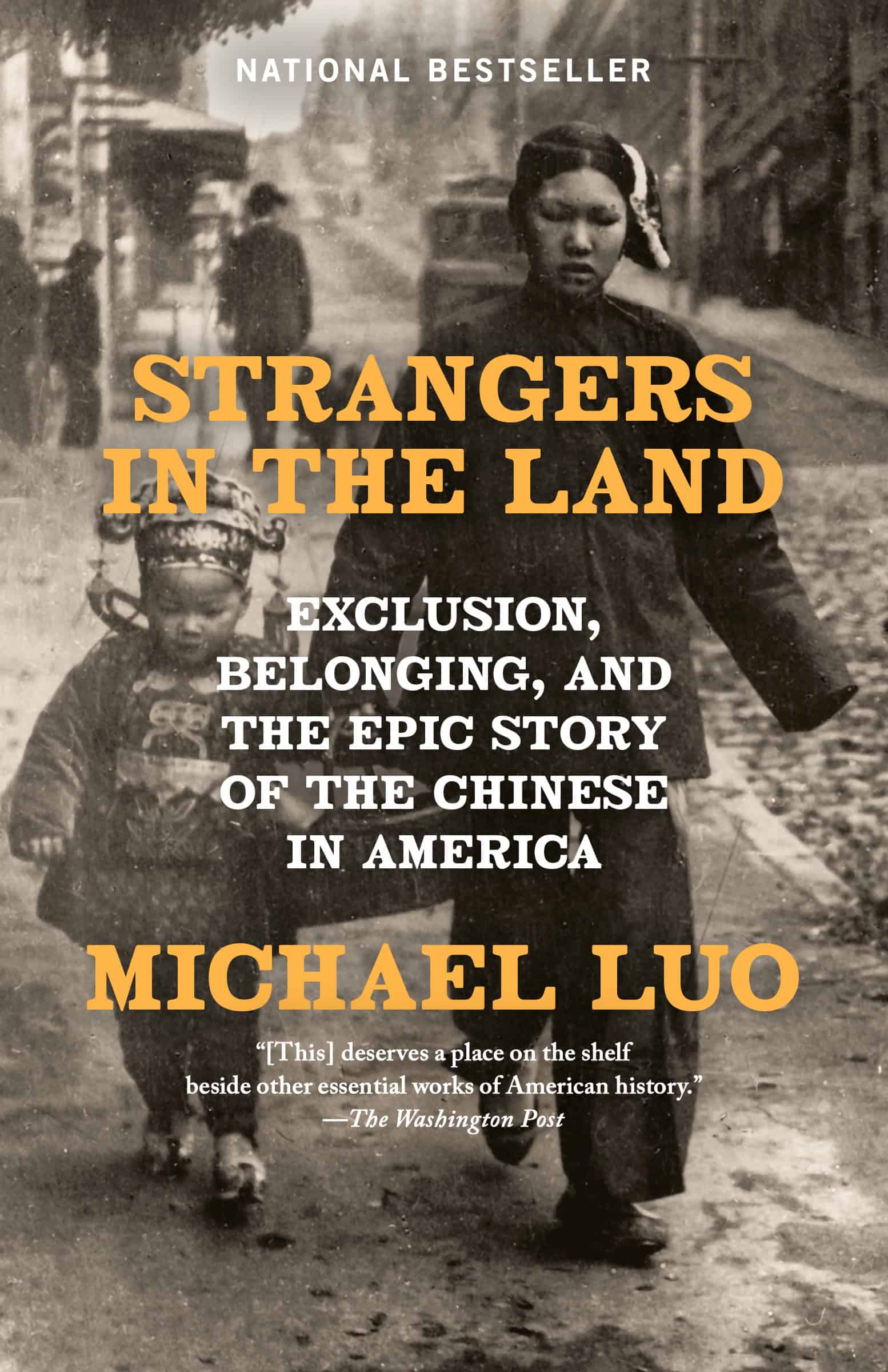
Shortly after this, I left the Times for the New Yorker. A couple of years later we had the pandemic and the surge in reports of anti-Asian hate crimes. In May of 2021, a white gunman went on a shooting spree at three spas in Atlanta, killing several Asian immigrant women. I wrote a piece for The New Yorker about the history of anti-Asian violence and how this wasn’t anything new. I drew on a few books: Iris Chang’s The Chinese in America; Driven Out by Jean Pfaelzer; Ghosts of Gold Mountain by Gordon Chang; and The Chinese Must Go by Beth Lew Williams. I focussed on this period in the 1880s that historians refer to as the “driving out,” when nearly two hundred communities in the American West expelled their Chinese residents. That piece led to a series of conversations with publishers about a possible book. There was intense interest, because of all that was going on. I realized I couldn’t turn away from the moment.
How does Chinese immigration to America begin?
The book begins with the gold rush in the middle of the nineteenth century. That’s when Chinese immigration to Gum Shan, or “gold mountain,” as they called it, began in earnest. California teemed with white Americans, European immigrants, Californios — the state’s Spanish speaking settlers who had become American citizens after the Treaty of Guadalupe — Black Americans, Indigenous peoples, Hawaiians, Chinese, and others. It led to this unprecedented experiment in multiracial democracy on the West Coast.
| MISCELLANEA | |
|---|---|
| FAVORITE BOOK | Last year, I fell in deep with Larry McMurtry’s Lonesome Dove. I plunged right into the sequel, Streets of Laredo, and then the two prequels, Dead Man’s Walk and Comanche Moon. |
| FAVORITE FILM | Gotta go with Spotlight. |
| FAVORITE MUSIC | Indie folk |
I spent a lot of time looking for accounts of the earliest Chinese arrivals. There’s a story that was passed down in the Chinese community about a merchant named Chum Ming, who came to America in 1847 and later ventured into the foothills of the Sierra Nevada during the gold rush. He wrote an excited letter to a friend back home, Cheong Yum, in the Sanyi district of Guangdong province. As the story goes, Cheong Yum told other people about it and word spread. The account might be apocryphal, but it gets at the way brothers told brothers and cousins; returning villagers inspired others to go to America. By 1860, Chinese immigrants accounted for just under ten percent of California’s population.
Why were so many coming from Guangdong province?
There were push and pull factors. There was the promise of riches, of course. There were also particular events affecting Guangdong province, like unrest from the Taiping Rebellion, which killed millions. The population in Guangdong province had also surged in the first half of the nineteenth century, making land increasingly scarce.
The Chinese fought for their rights and fought for America to live up to the ideals it supposedly stood for. That resulted, in some cases, in these landmark rulings that benefit not just Chinese, but everybody.
But the most plausible theory might have to do with the fact that Guangzhou and Hong Kong were important trading ports, with lots of exposure to the West. People in Guangdong had greater familiarity with the West and were perhaps more willing than others in China to get in boats and venture across the ocean.
After the gold rush peters out, the transcontinental railroad comes into the picture. What role did the Central Pacific Railroad play in the story of Chinese immigration?
The Central Pacific was tasked with building the western half of the transcontinental railroad. They needed an army of workers to do this. Initially, the leaders of the Central Pacific were skeptical about Chinese labor, but they were basically forced into trying out Chinese workers because they couldn’t get their white labor force to stick around. Initially they were drawing on Chinese who were in the United States.
There’s a character in my book, a Chinese labor contractor named Hung Wah. He had put advertisements in a local newspaper, the Placer Herald, offering to help supply workers to westerners who needed them. According to payroll records, in January 1864 he started working for the Central Pacific. You can see the numbers of workers recruited by him increasing. You then start to see correspondence among the leaders of the Central Pacific just marveling at how good their Chinese workers were. They turn to labor agents in China, urging them to bring over as many men as they can. According to estimates by historians, the Central Pacific was employing somewhere between ten and fifteen thousand Chinese workers at a time.
There’s this constant delineation throughout the book between Chinese merchants and laborers. The latter were often derided as “coolies.” What is that all about?
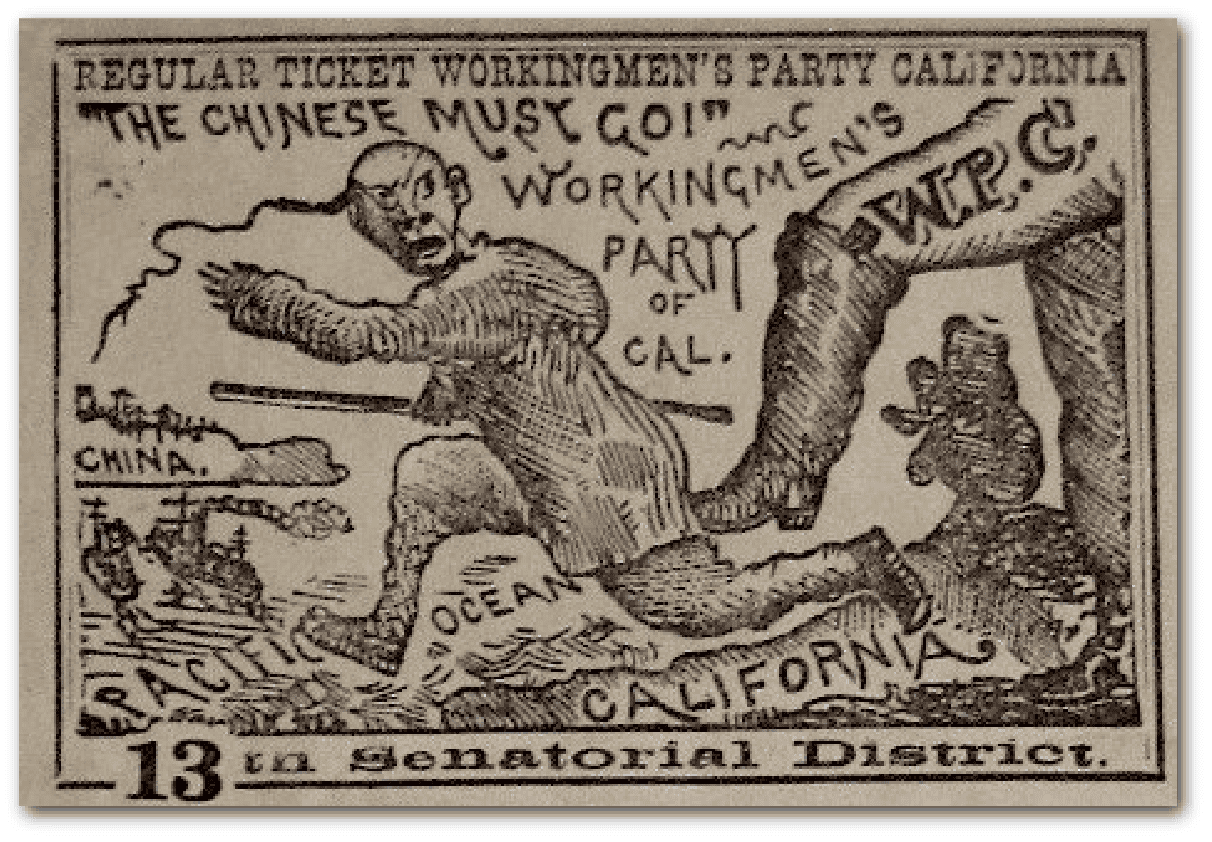
The coolie allegation relates to this idea that most Chinese laborers were coming under oppressive contracts, or in some form of involuntary servitude. Historians have shown this was not accurate. But it wound up becoming a potent attack against the Chinese from political leaders, as anti-Chinese sentiment began to rise on the Pacific coast. It was a way of making anti-Chinese bigotry acceptable by saying that actually what they were really advocating for was free labor.
And they were explicitly tying it to emancipation too.
Yes. It’s a twisting of the language of the anti-slavery movement into an attack on Chinese immigrants.
And what about the merchants? Who were they?
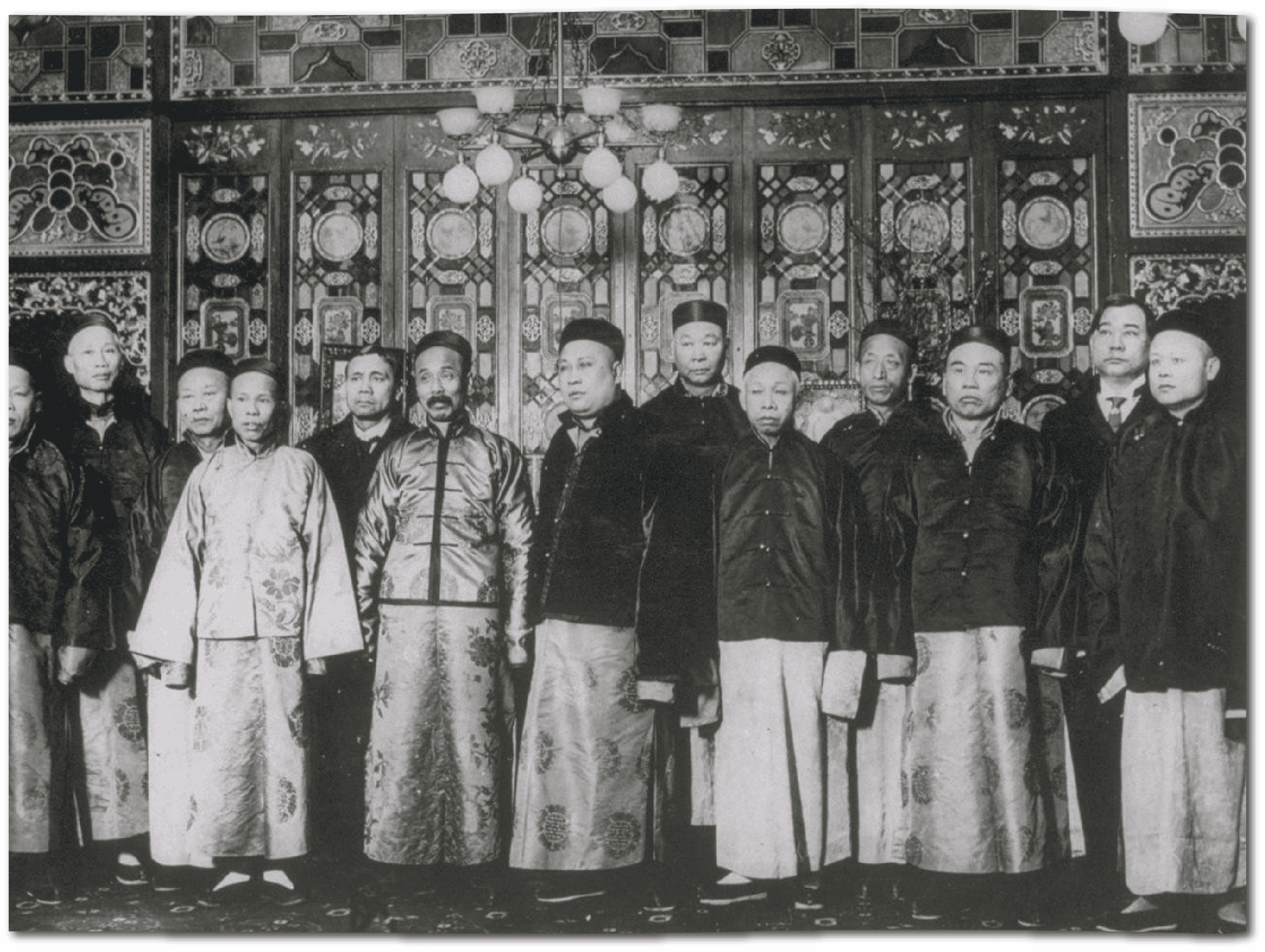
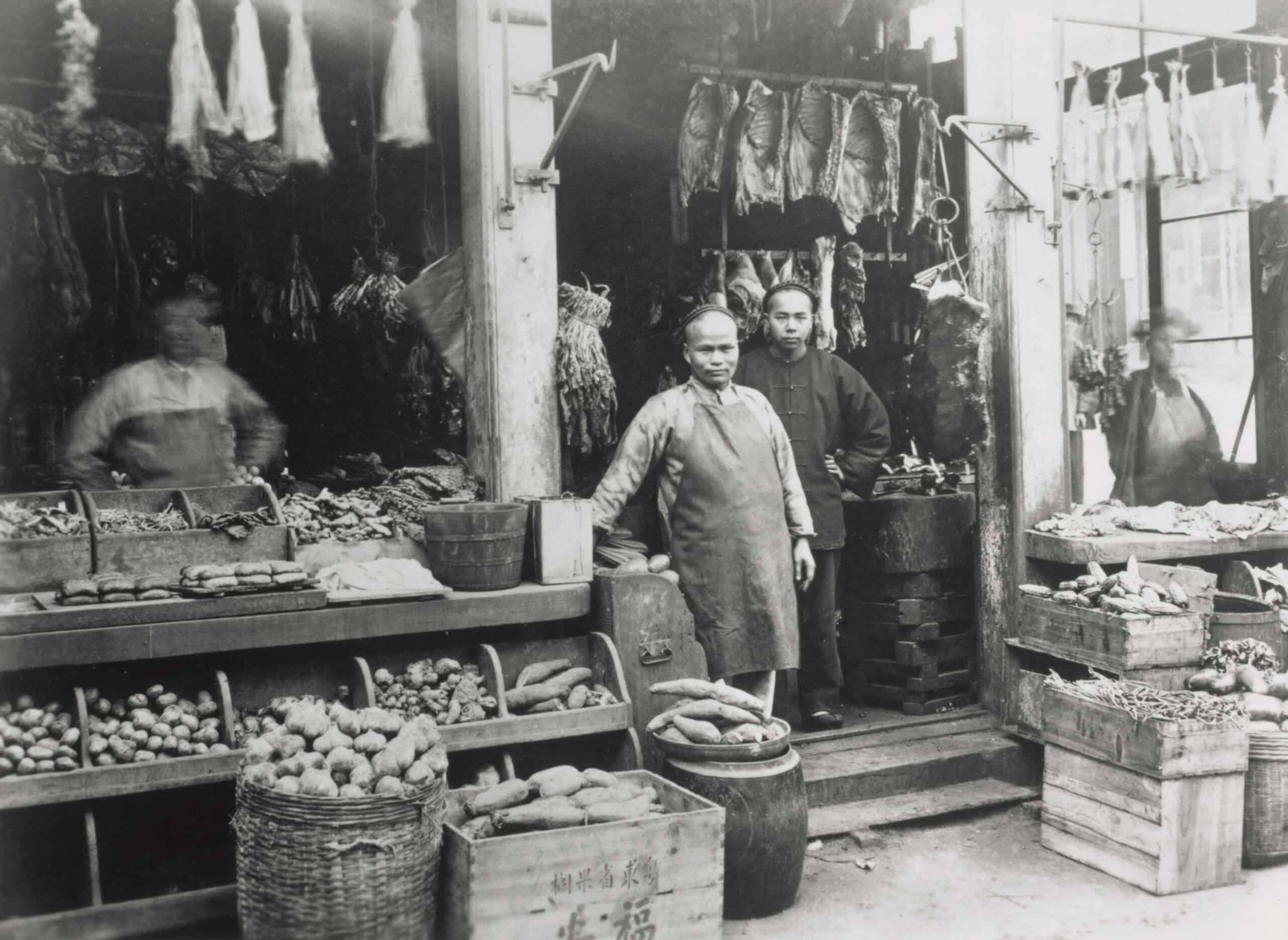
There was always a mix of people coming from China. A lot of the leaders of the community tended to be merchants. When Chinese immigrants arrived, there were these mutual aid associations — in Mandarin, they’re called huiguan — that helped when people arrived. These associations sprang up, built around geographic areas or dialect groups. Eventually they came together in an alliance they called the Six Companies. The leaders were mostly merchants and functioned as the civic leaders of the Chinese community.
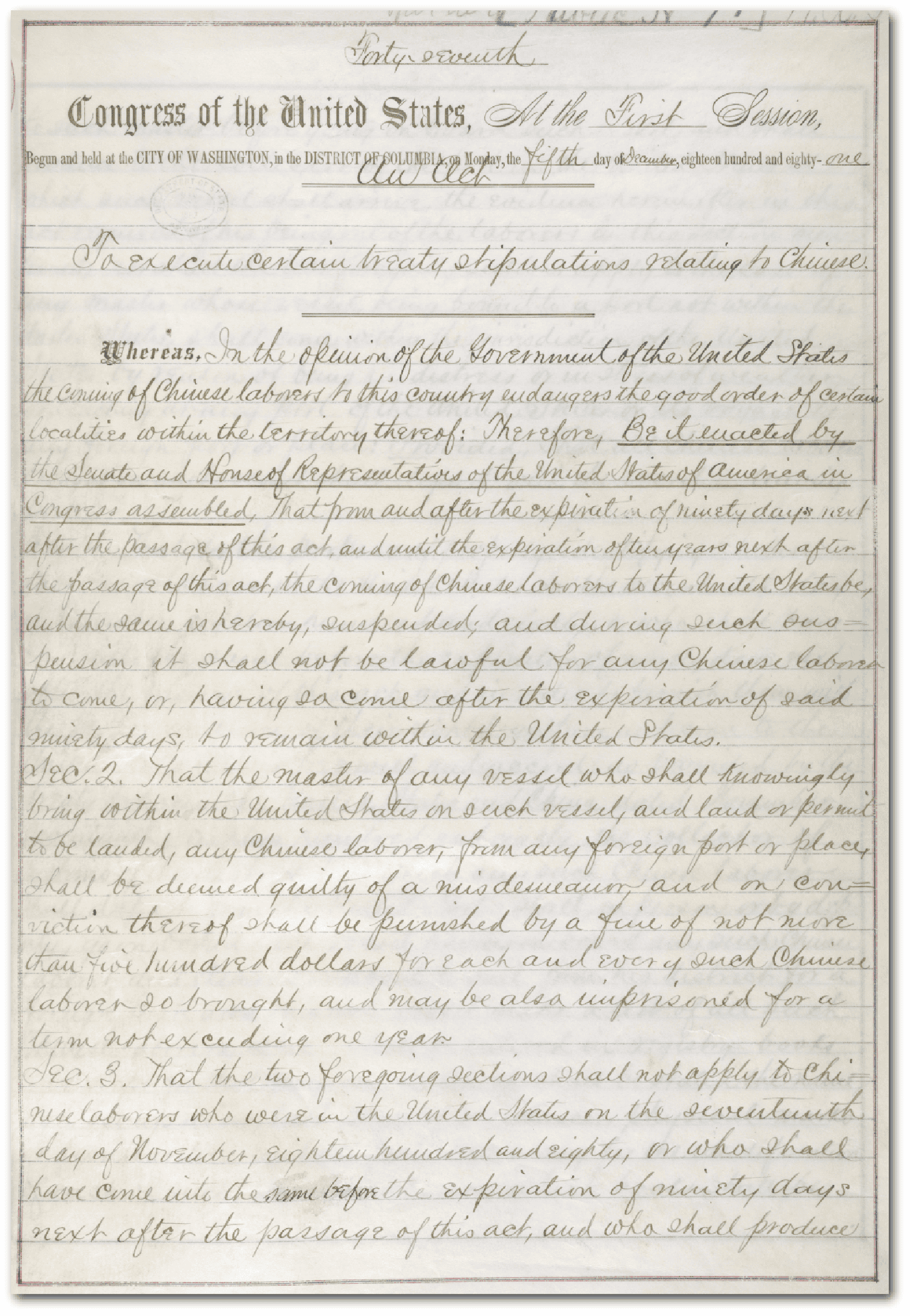
The difference between merchants and laborers became important later on, when anti-Chinese sentiment became a political cause and we end up, in 1882, with what’s known today at the Chinese Exclusion Act. It banned Chinese laborers specifically from entering the United States. Chinese merchants, who ostensibly did not pose the same threat to white labor, were exempted and were, technically, allowed to enter.
Looking for the best China coverage?
Subscribe to The Wire China today.
Many today are familiar with the Chinese Exclusion Act. But what was it, really?
Chinese exclusion was not a single law. It was a series of laws that Congress passed over the course of two decades in which the restrictions imposed on Chinese arrivals and even long-term residents already in the country became more and more onerous. According to the letter of the law, the measures were aimed at keeping Chinese laborers out, but the reality was, the arbitrariness and capriciousness with which Chinese exclusion laws were applied made it difficult for all Chinese to enter. People with proof that they were merchants were barred, because inspectors at the port didn’t believe them. Chinese arrivals would be subjected to physical examinations, in which inspectors would be looking for calluses and other signs that they were laborers.
Over time, as the Chinese population in the United States became more established, a growing number of arrivals claimed they were American citizens, by birth or through a parent. Immigration inspectors began detaining Chinese arrivals for weeks and months at a time, as they investigated their cases.
Let’s linger for a moment on the shocking violence you describe in the book, these bloody pogroms against Chinese in the West. Talk a bit about that.
In the 1870s, there was an economic downturn that really set all of this in motion. The two parties, Democrats and Republicans, were also very evenly divided. The country was polarized. As the parties were vying for political supremacy they looked to the West Coast for advantage. Both parties took up the mantle of halting Chinese immigration. This political confluence ended up leading to Chinese exclusion. In 1882, Congress passed the first Chinese restriction law.
Yet there was frustration after its passage in a lot of communities on the West Coast as Chinese immigrants continued to come. They found ways around the law, claiming merchant status, or claiming citizenship. The Chinese became very sophisticated in using the courts to challenge their detentions. San Francisco courts were often overwhelmed with Chinese immigration cases — similar to what we’re hearing about now in Minneapolis, where immigration cases are overwhelming the court system.
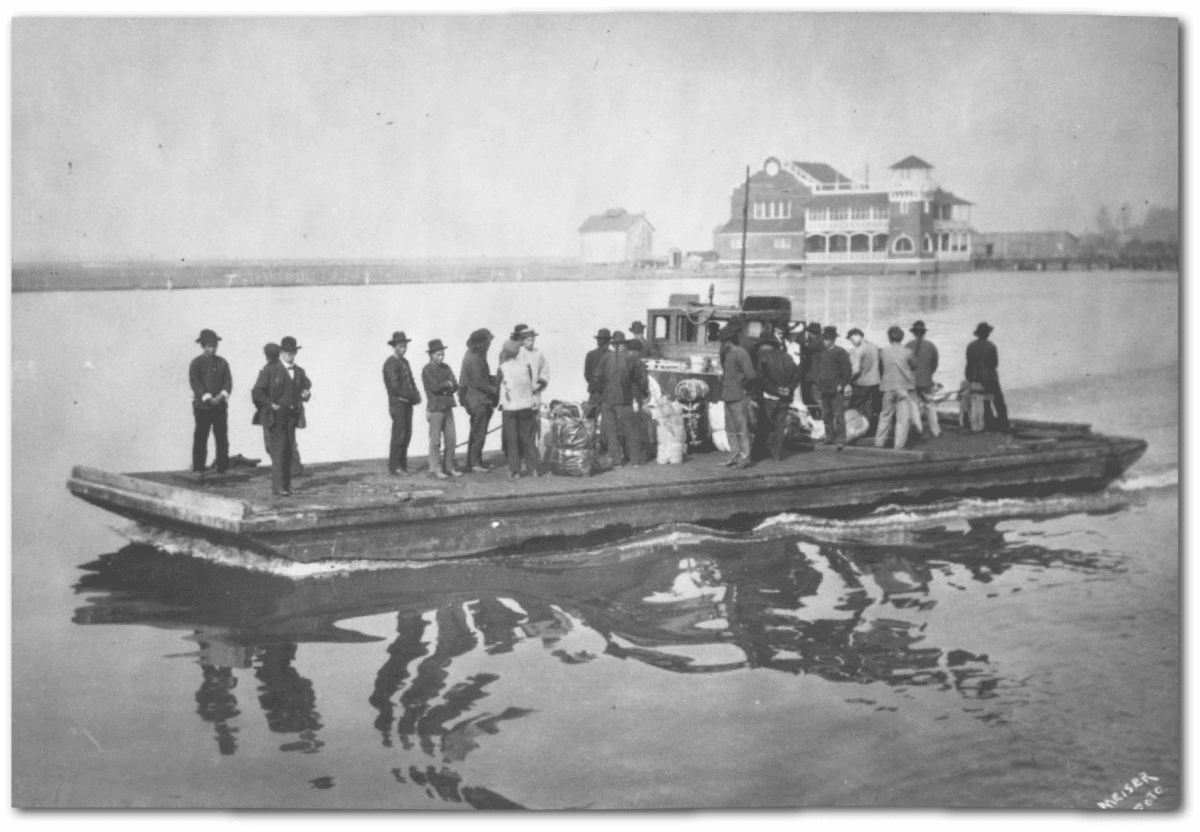
Some communities in the West wound up taking matters into their own hands to expel the Chinese. It was like a domino effect. The first major incident took place in Eureka, in the northern reaches of California, in February 1885. A member of the city council was accidentally killed by a stray bullet after two Chinese men got into an argument and opened fire. That led to a mob descending on the Chinese quarter. They forced some 300 Chinese residents onto boats to San Francisco. That was the opening act of this driving-out period.
After that, there was a cascade of expulsions and violence across the West. The historian Beth Lew-Williams identified at least 168 communities that expelled the Chinese. It’s a little known, shocking passage in our history.
How did you think about structuring the book?
I wound up thinking about the Chinese people as a whole as my protagonist. The book is, in some ways, a biography of a people. I saw in the story of the Chinese in America a traditional narrative arc, in which the central protagonist confronts a conflict and endures a series of complications, until we reach a climatic moment. The driving-out period functions as the emotional heart of the book — the moment of peak tension. But those who were trying to expel the Chinese didn’t succeed. They persevered. They were resilient.
| MOST ADMIRED |
|---|
| This is an impossible question! The person who comes to mind, partly because he makes a cameo in Strangers in the Land and is someone I’ve written about for The New Yorker, is Frederick Douglass. In the late 1860s, he began delivering a speech on America’s “composite nationality” that is a stirring tribute to the country’s heterogeneity. It’s worth re-reading today. |
You recount dozens of individual stories. Who are some characters from the book that have stayed with you?
In each chapter, I tried to build around a central character. In my chapter about the Los Angeles Chinese massacre of 1871, I tell the story of one of the worst mass lynchings in American history. Eighteen Chinese men were killed, fifteen of them were hanged. It was really important for me to say their names so they’re not just faceless victims. I wanted to humanize them.
The best known victim was a herbalist named Gene Tong. He spoke English so there was a bit more available in the archives on him. You could sketch his life. He had a wife that he lived with, which was unusual at the time because the Chinese population was overwhelmingly a bachelor society. He had a roommate. At one point he rented a storefront on Main Street from a white man and operated a store catering to white clientele. I also knew that he had a pet poodle. After the massacre, a newspaper reporter went to his apartment. It had been ransacked, with detritus everywhere. Cowering under a counter was this pet poodle with a broken leg. That’s a great narrative detail.
There are many Chinese activist types that you profile too. Do you have a favorite?
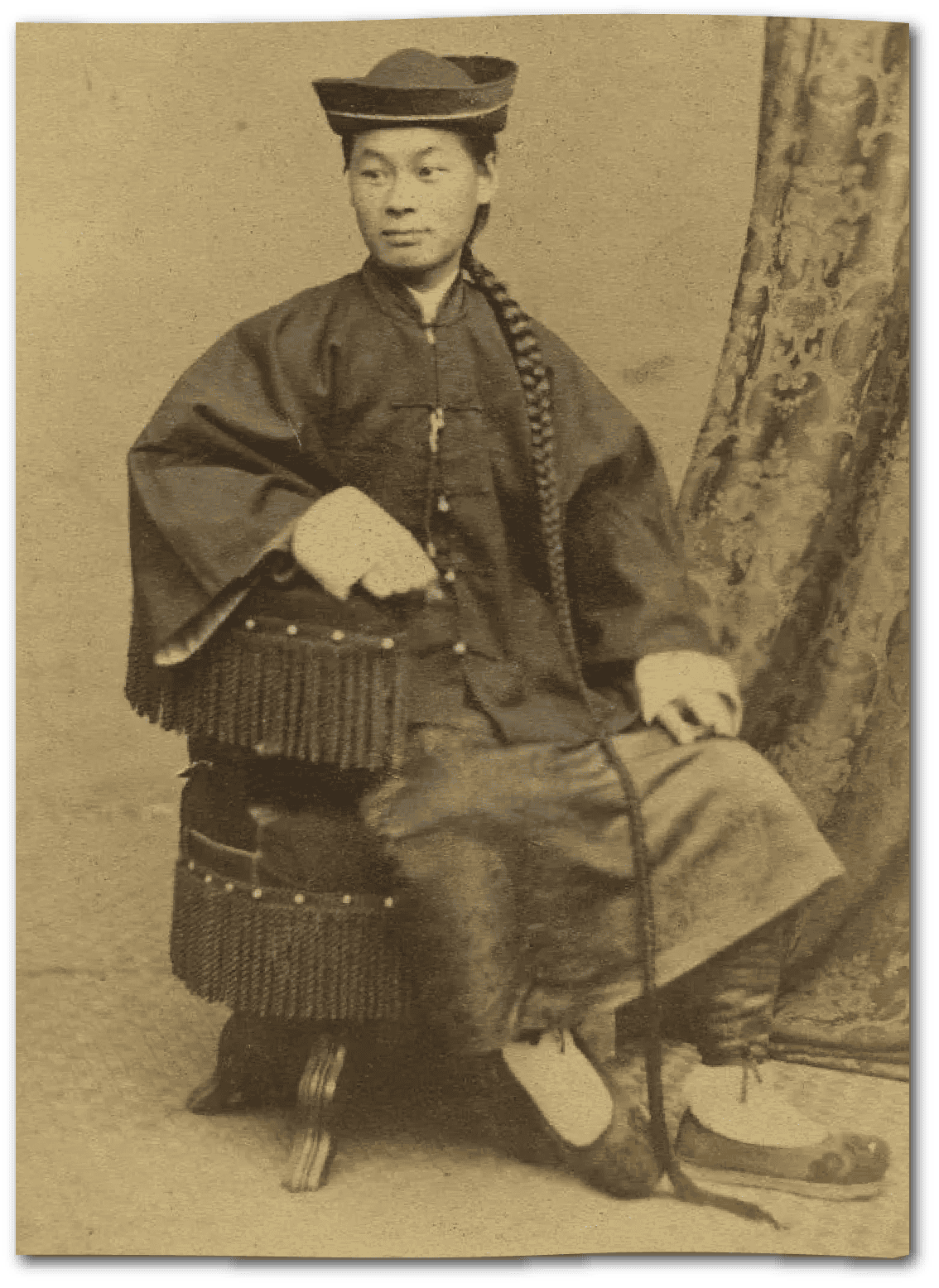
Wong Chin Foo was a quirky character. After his arrival in America, he became an itinerant lecturer for a time and called himself “America’s first missionary from China.” He delivered lectures in fluent English on Chinese customs and culture and performed calculations with an abacus, which some newspapers called an “abracadabra.” He talked about the virtues of Confucianism and made the case “that the Chinaman is as civilized as an American.” He later started a newspaper in New York called the Chinese American. It’s thought to be the first usage of that term. He also started an organization called the Chinese Equal Rights League and went to Washington to lobby against discriminatory laws targeting Chinese residents. He’s an early pioneer for civil rights.
Christianity is a kind of recurring theme throughout the book. What role did religion play in the story of Chinese immigration?
There’s an unusual number of Christian characters in the book, both Chinese and American. A lot of what interested Americans about China and Chinese immigrants was the opportunity to evangelize to this “heathen population,” as they called them. Some of the most valuable records I accumulated for the book were from the Presbyterian Historical Society in Philadelphia. There were boxes of letters written from these missionaries sent to San Francisco to evangelize the Chinese. They wrote detailed reports back to the mission board about what was happening and what they were doing.
Western missionaries were, in many cases, brave champions of the Chinese, but they also often harbored these ugly attitudes towards the Chinese, seeing them as heathens.
In terms of the Chinese themselves, some did end up becoming Christians, but not many. In order to reach potential converts, churches hosted night schools for Chinese immigrants, where they learned English. As an author, you’re reliant upon the archives, and many of the Chinese voices that can be found in the archives are immigrants who were Christians and learned English.
One of my favorite characters is an extraordinary immigrant named Huie Kin. He came to the United States in the late 1860s as a teenager. He left behind a memoir that you can still read today, called Reminiscences. Early on in my research, I read a copy of it at the New York Historical Society. There are these wonderful details about the tiny village in China where he grew up. He recounts his harrowing journey to America with three cousins; one of them died on the way. He worked as a servant boy in a household in Oakland and learned English. He became a Christian and went to seminary. He moved to New York to be a missionary to the Chinese there and started a church. He married a white woman who had been a volunteer in the ministry. They had multiple kids.
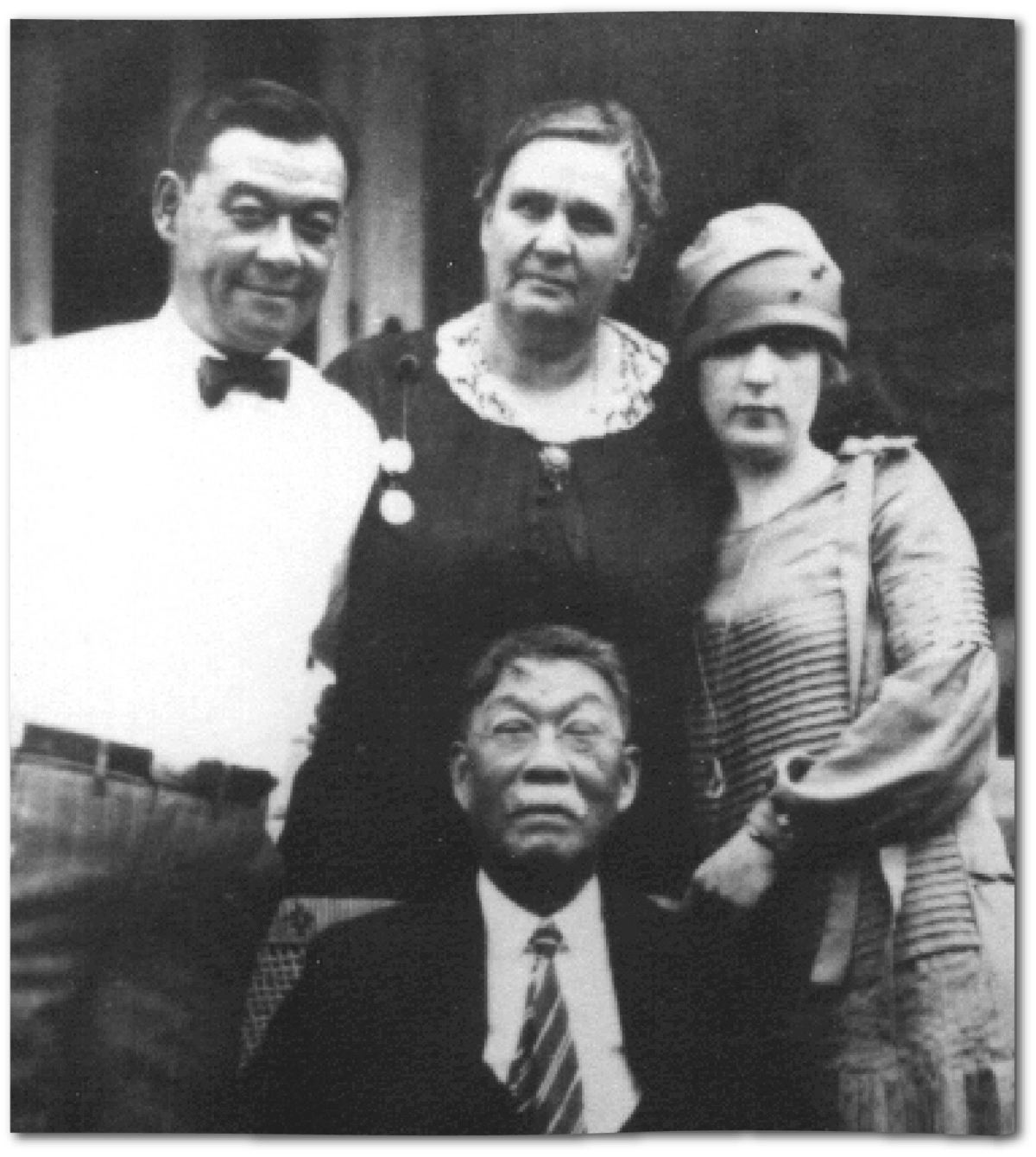
Today Huie Kin’s descendants are everywhere. There are reunions. I’ve encountered many descendants at book events. They’ll come up to me and express their appreciation for telling their ancestor’s story.
Like Christianity, the U.S. legal system also has a mixed record in this story. How were the courts used by and against Chinese in America?
In so many examples involving anti-Chinese violence, the chapter ends with the perpetrators getting off. Rock Springs is a perfect example. No one was ever punished for that because the grand jury declined to indict the men who were arrested; they couldn’t get any white witnesses to testify.
Still, from an early stage, the Chinese were very sophisticated about using the legal system to their advantage. At first, it was through the consulate that the Chinese in America were challenging discriminatory laws. Then the Six Companies started paying for lawyers.
…this isn’t just the story of the Chinese in America. It’s the story of any number of immigrant groups who have been treated as strangers. It’s the story of our diverse democracy. It’s the story of us.
One extraordinary story of Chinese resistance involved the Geary Act of 1892, which was another iteration of the Chinese exclusion laws. It required that Chinese residents in the United States register and be photographed. The Six Companies spread the word to all Chinese in the United States, telling them not to register. They asked Chinese in America to donate $1 each towards a legal fund that would be used to challenge the law. In the end, the Supreme Court ruled against them and the Chinese started to come forward and register.
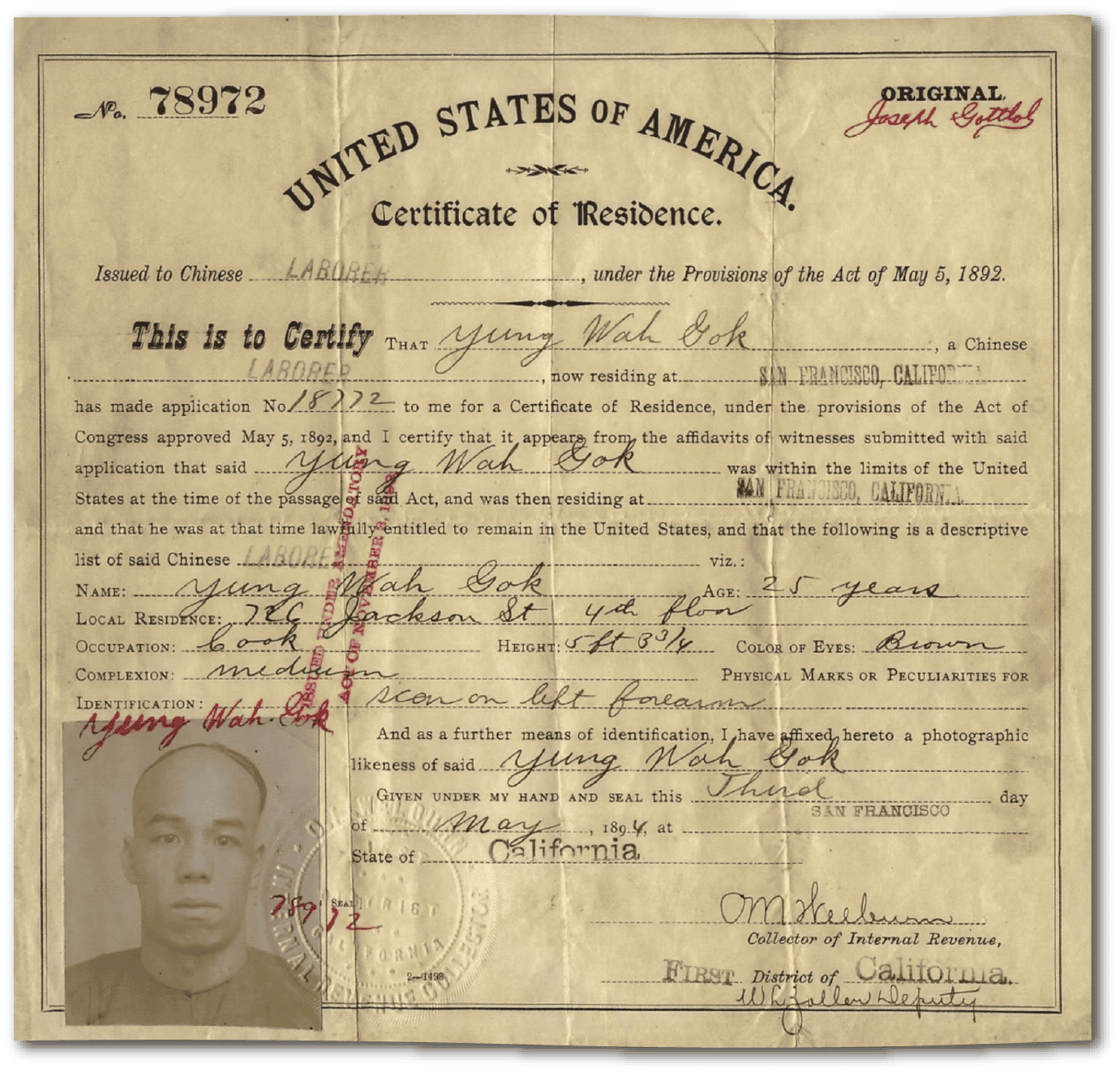
On almost every single page in the book, you feel a resonance with the current moment. When the Chinese were resisting this law, there was talk of mass deportations. But they quickly discovered that the Treasury Department didn’t have the money to deport the entire Chinese population. The Chinese fought for their rights and fought for America to live up to the ideals it supposedly stood for. That resulted, in some cases, in these landmark rulings that benefit not just Chinese, but everybody.
What were some of those rulings?
The most famous concerns birthright citizenship in the case of Wong Kim Ark. He was born in San Francisco but, like many other Chinese Americans, often travelled back and forth to China. In 1894, he visited China again. Before he left, he made sure to obtain statements from several white witnesses who vouched for the fact that he was an American citizen.
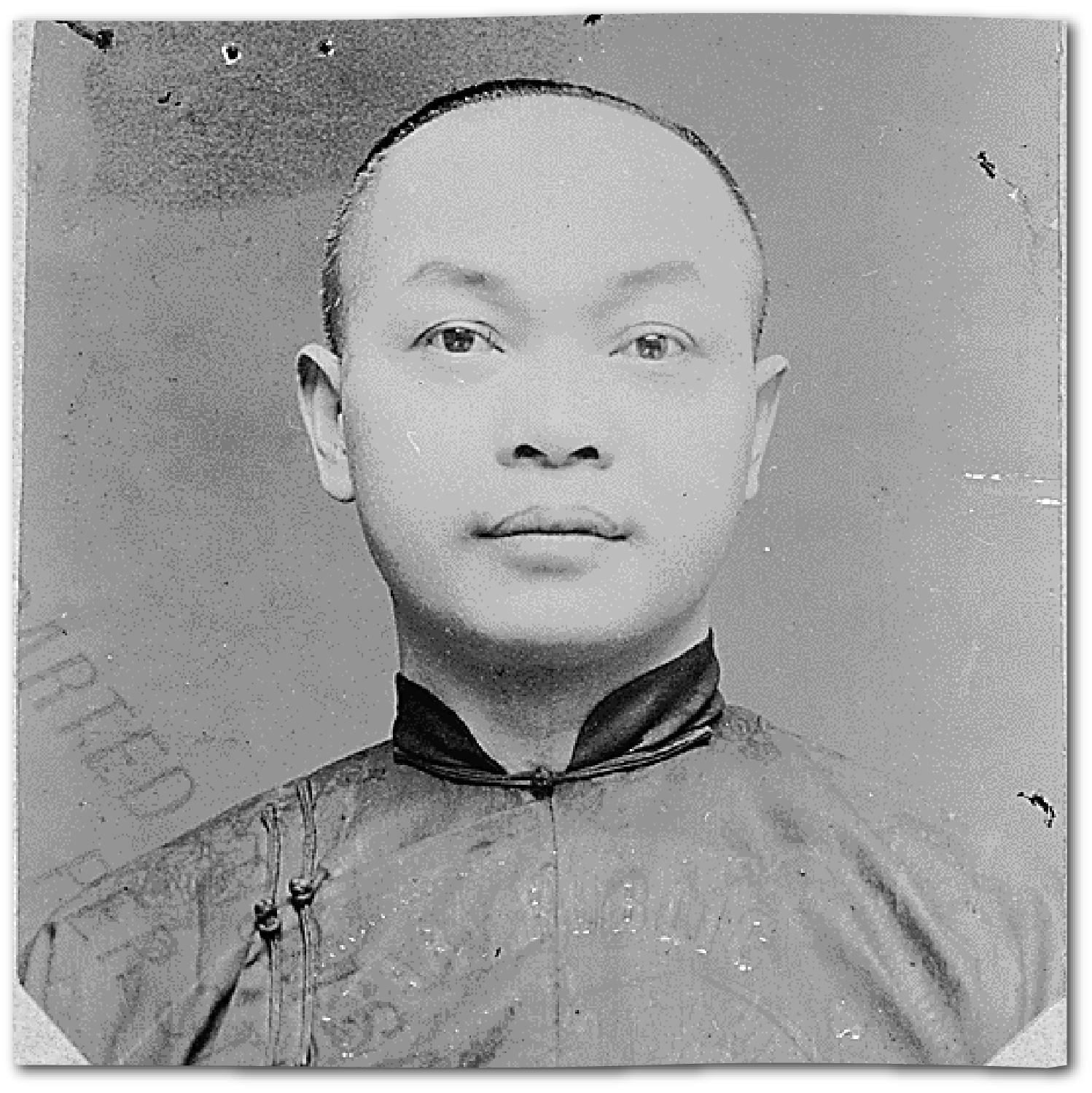
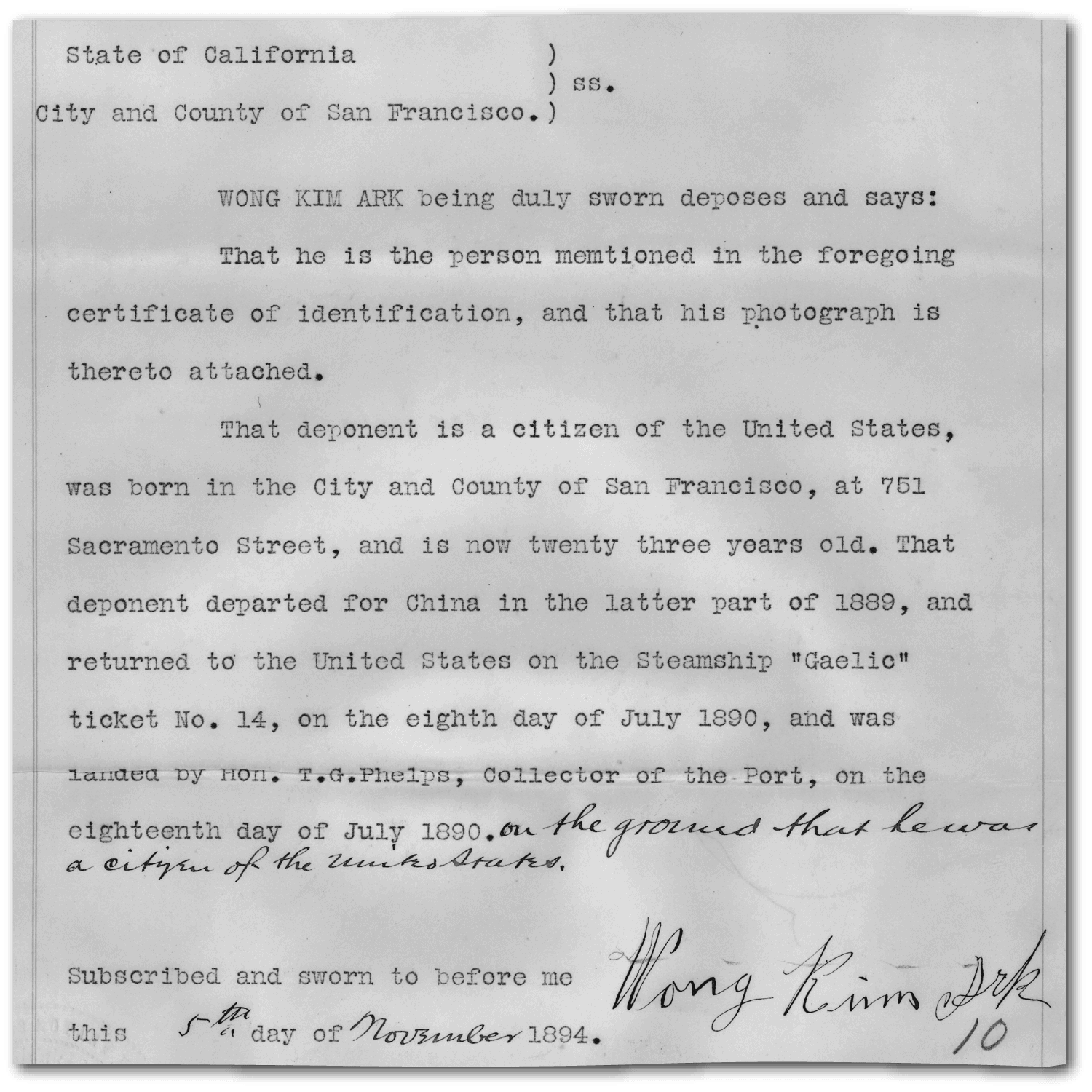
Left: Wong Kim Ark’s identification photograph. Right: A sworn departure statement from Wong Kim Ark. Credit: NARA via Wikimedia Commons
When he arrived back in San Francisco the following year, however, customs officials detained him. At the time, the Justice Department was looking for a case to test this principle of birthright citizenship. The 14th Amendment states that “all persons born or naturalized in the United States, and subject to the jurisdiction thereof, are citizens of the United States.” But George Collins, a San Francisco lawyer, had been pressing a legal theory that focused on the “subject to the jurisdiction thereof” clause. Collins argued that the children of Chinese immigrants were actually, at the moment of their birth, subject to a foreign power, and, therefore, shouldn’t be granted citizenship.
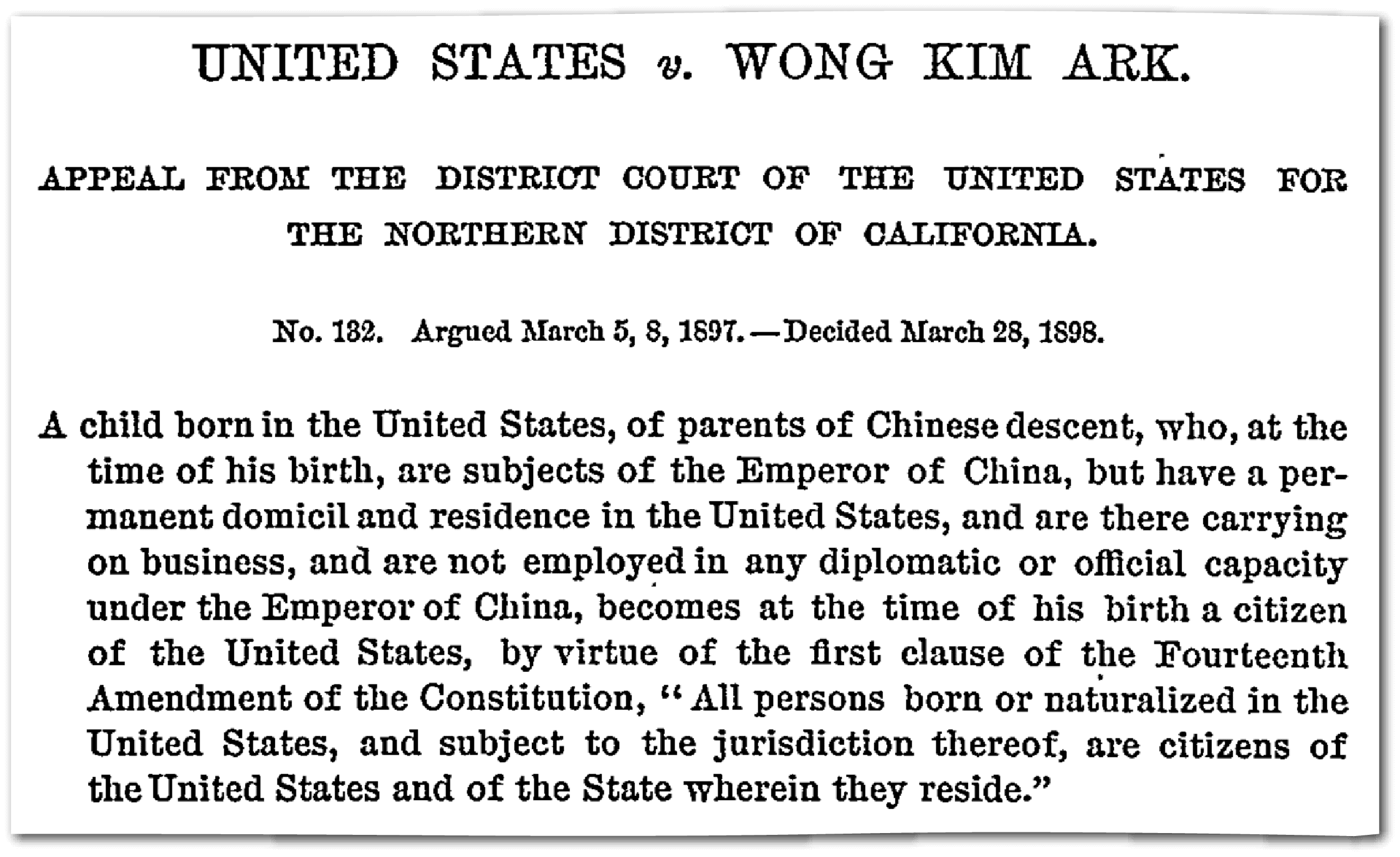
When the Supreme Court ruled that Wong Kim Ark was, in fact, a citizen, it established the legal precedent of birthright citizenship. The principle is now being challenged by the Trump administration for certain children born in the United States but without at least one parent who is a citizen or permanent resident. Interestingly, they’re once again focusing on the “subject to the jurisdiction” clause. The Supreme Court could rule on this any day now. History rhymes, as they say.
How long did Chinese exclusion last?
Chinese exclusion was formally lifted in 1943 during World War Two, when China and the United States were allies in the war against Japan. But at that point, only a marginal number of Chinese were admitted. The quota was just over 100 people — a tiny number. Chinese and other Asian immigrants weren’t placed on equal footing with other immigrant groups until the Immigration and Nationality Act of 1965, which has led to this extraordinary demographic transformation that we’re living through today.
It’s important to keep in mind, however, that the 1965 law was in some ways an accident. Lyndon Johnson picked up the mantle from John F. Kennedy, who had wanted to overhaul the country’s immigration laws. Johnson succeeded in passing the 1964 Civil Rights Act. Then he took on immigration reform. The 1965 law prioritizes family reunification and people with particular skills and talents. Supporters of the law insisted that the demographics of the country were not going to change much. This was important for winning passage of the legislation. But everyone underestimated the exponential power of family reunification. If lawmakers had understood just how much the country would have been transformed, it seems unlikely to me that the bill would have become law.
That led to your own parents’ immigration story.
Yes, my parents came post-1965. They were born in mainland China and went to Taiwan after the Communist takeover. They came to the United States for graduate school. My brother and I were born in Pittsburgh. I used to think that this history of Chinese immigration in the nineteenth century was not my history because my parents came so much later. But as I immersed myself in the archives, I started to understand how relevant the history was to our present moment. There’s a straight line from then until now. I also like to say that this isn’t just the story of the Chinese in America. It’s the story of any number of immigrant groups who have been treated as strangers. It’s the story of our diverse democracy. It’s the story of us.

Brent Crane is a journalist based in San Diego. His work has been featured in The New Yorker, The New York Times, The Economist and elsewhere. @bcamcrane