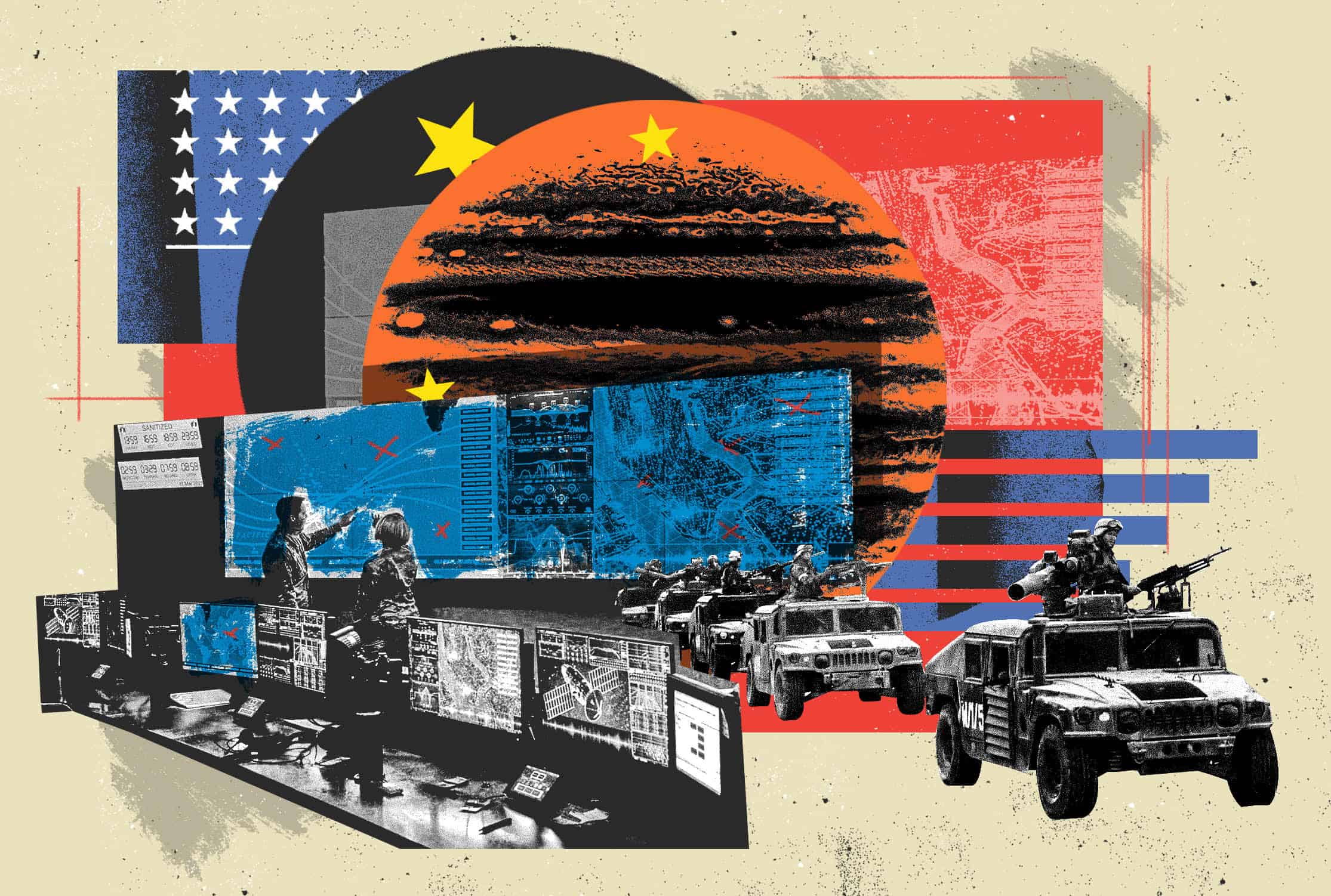
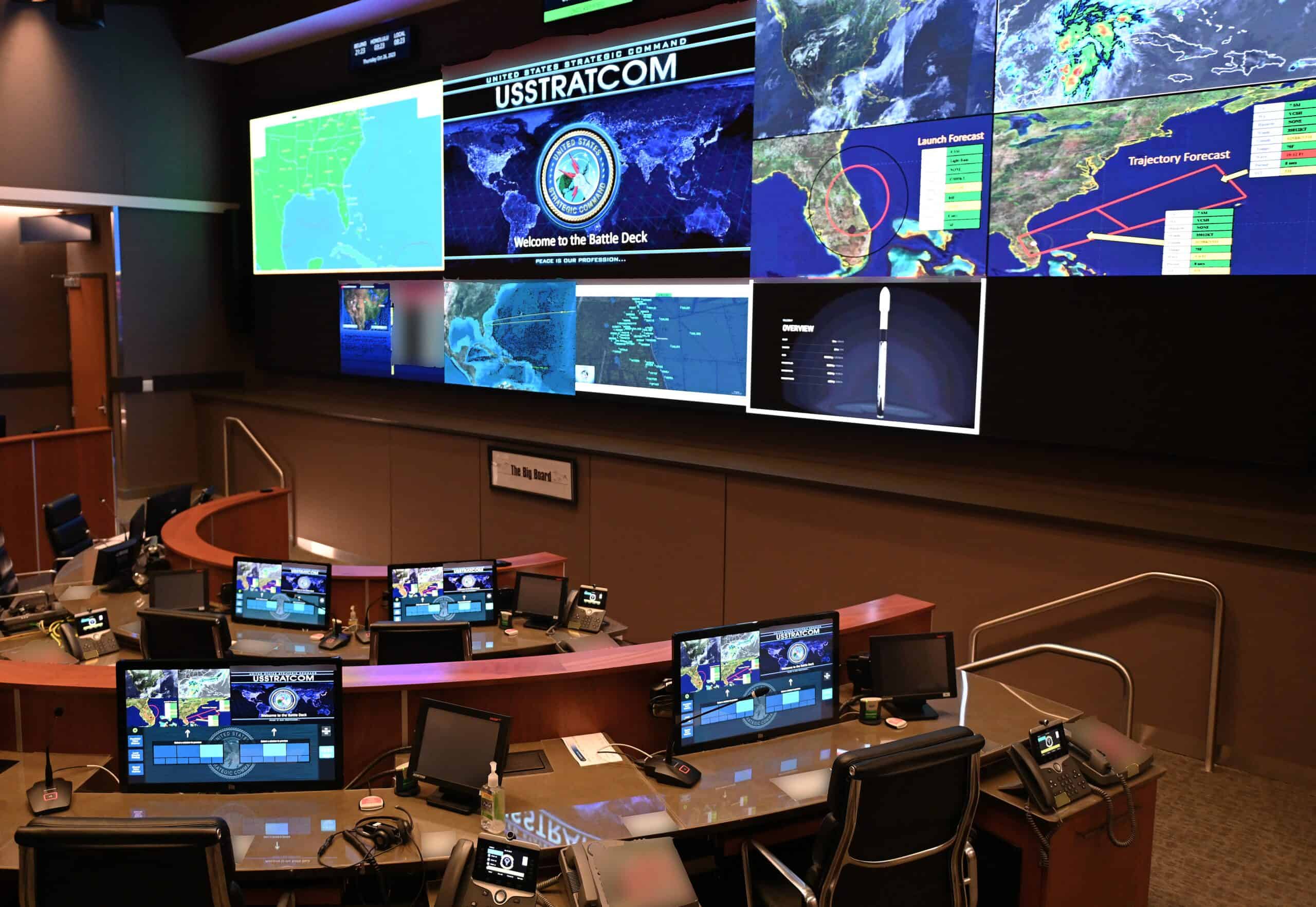
As General Tommy Franks ordered hundreds of thousands of U.S. troops to invade Iraq in 2003, he and his lieutenants tracked enemy movements and missiles on 10-foot screens connected using technology made by Jupiter Systems, a small California company.
Over the next two decades, Jupiter sold its products, including the processors that connect large wall-mounted screens, to every branch of the U.S. military, as well as a government lab involved with nuclear weapons research.
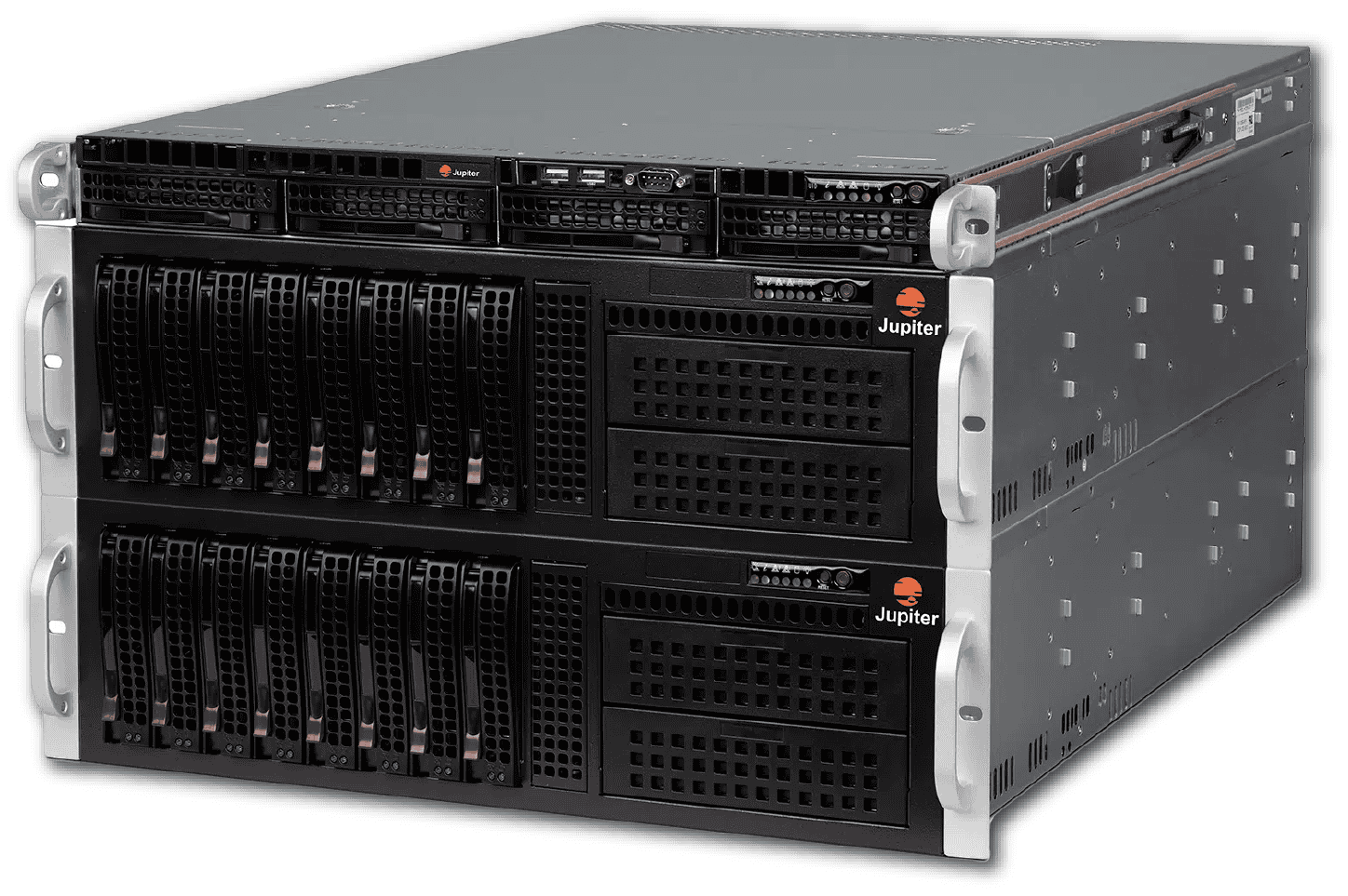
To supply such clients, Jupiter must pass stringent government vetting. The Army bought more than $46,000 worth of Jupiter’s products from 2023 to 2024; it uses Jupiter software in 40 of its systems. Because of the sensitivity of the information it displays, a Jupiter processor used by the Air Force is part of a larger system quarantined from the broader internet.
Until recently, however, the U.S. government and military did not know that Jupiter was quietly sold in February 2020 to a Chinese company, Suirui Group (pronounced sway-ray). When it did find out, it initiated proceedings to guarantee Jupiter’s independence. When those failed, the White House ordered Suirui to sell the company. And when Suirui missed deadlines to do so, the government asked a federal court to sever the Chinese firm’s control of Jupiter.
…court records and securities filings show Suirui has explored sales of its own technology to the People’s Liberation Army and supplied a Chinese company later sanctioned by the U.S. for hacking.
The Wire China spoke to nine former and current employees at Jupiter and its parent companies, and examined more than 500 pages of corporate filings, court documents, and communications between Jupiter, Suirui and the U.S. government.
Suirui allegedly sought access to Jupiter’s technology and customer base as it explored its own sales to China’s military. The court proceedings, meanwhile, offer the most detailed look to date into the often opaque process through which the U.S. government screens transactions for national security risks.

YOU SOLD IT TO WHO?
Suirui, which said it was worth an estimated 12 billion yuan ($1.7 billion) in 2024, once had aspirations to be the Chinese equivalent of Zoom. Its founder and chief executive is an entrepreneur named Shu Cheng.
Suirui, Shu and their U.S. lawyers did not respond to requests for comment.
Headquartered in Beijing and backed by state-owned companies such as China Mobile, court records and securities filings show Suirui has explored sales of its own technology to the People’s Liberation Army and supplied a Chinese company later sanctioned by the U.S. for hacking. It also became an official software provider for the 2022 Beijing Winter Olympics.
Months after Suirui bought Jupiter for $7.5 million, the group announced a new chief executive officer would lead the U.S. firm. It picked a person with deep roots in China and a name that is familiar to many people in the country and those who watch it closely from abroad — Sidney Rittenberg, Jr.
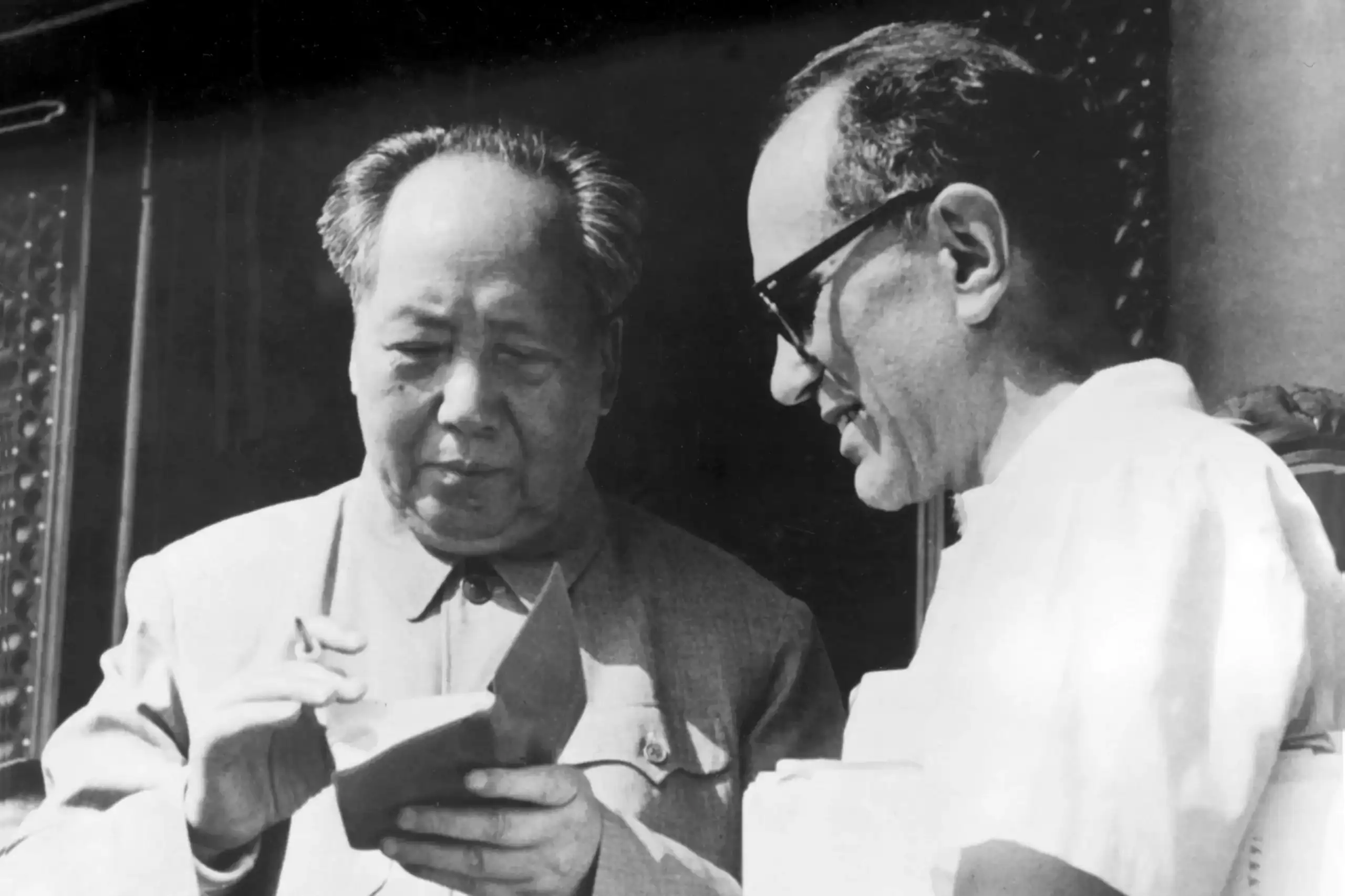
Rittenberg’s father was an American aide to Chairman Mao Zedong and later earned millions helping American businesses including Microsoft and Intel enter China. Before joining Suirui to oversee product development and design, the younger Rittenberg had handled government affairs in China for a public relations firm, dabbled in private equity and worked at Foxconn, the Taiwanese electronics manufacturer best known for its central role in Apple’s global supply chain.
After it was bought by Suirui, Jupiter, which has around 30 employees, began sourcing more parts from China and hired more staff there, according to court documents. All the while Rittenberg feuded with Shu, he told The Wire China.
During this period Jupiter’s business in the U.S. continued mostly as it had before. By 2024, the company estimated that it held about 20 percent of the market for video wall controllers — the technology powering TV walls.
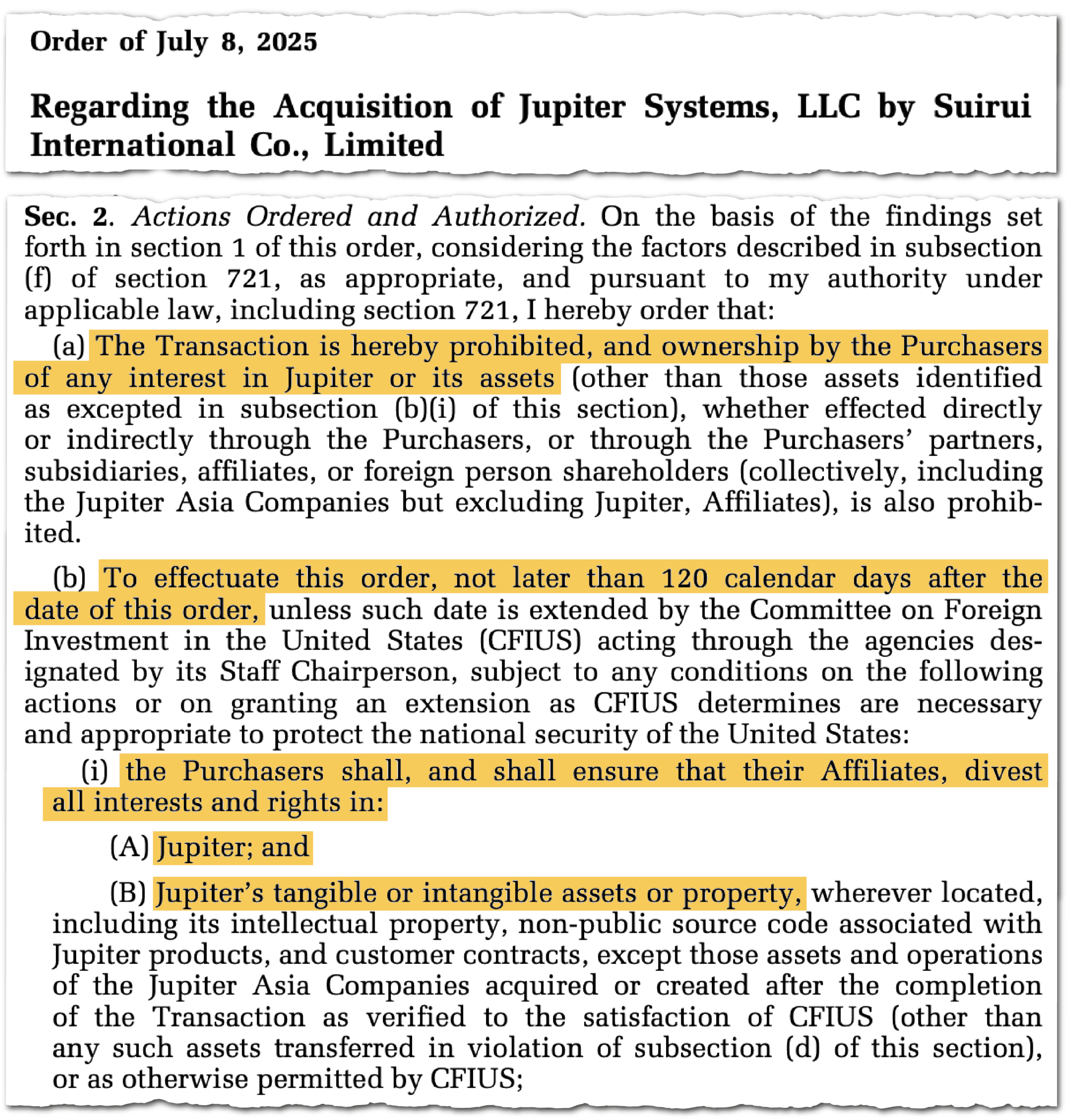
That same year Suirui’s acquisition of Jupiter, which was not filed with U.S. authorities, finally appeared on the Biden administration’s radar, when a panel of government agencies that screens deals for national security risks found out about it.
The problem about what to do next was handed to President Donald Trump. Last July, his administration issued an ultimatum to Suirui: divest all rights in Jupiter within 120 days. It was only the seventh time a U.S. president had exercised his authority to unwind a transaction on national security grounds — a power granted to the White House by a 1950 law called the Defense Production Act.
For the next eight months, the Committee on Foreign Investment in the United States (CFIUS), Jupiter and Suirui tried to negotiate a sale of Jupiter to an approved buyer. But the talks moved slowly and CFIUS grew frustrated with Suirui’s repeated requests for extensions to divestment deadlines. In February the government filed a complaint in federal court, initiating a legal fight over Jupiter’s ownership.

“Suirui’s ongoing ownership and control of Jupiter Systems creates a national security risk,” Chris Pilkerton, the head of CFIUS, wrote in a court filing. “Jupiter Systems’ products are integrated into military and critical infrastructure systems, and Suirui’s continued ownership of Jupiter Systems could enable unauthorized access to Government data or disablement of critical systems.”
During the negotiations Suirui regularly briefed the Chinese government, which is wary of the transfer of strategic technologies and assets.
“After each meeting with the U.S. side, we promptly report the details of the meeting to the relevant Chinese authorities,” Shu wrote in an email to U.S. officials last December. “Our work is very difficult because we have to comply with the regulatory requirements of both the Chinese and U.S. governments at the same time.”
Last month, a federal court in Washington put Jupiter into receivership. It was the first time a court had ever done so to enforce a presidential divestment order.
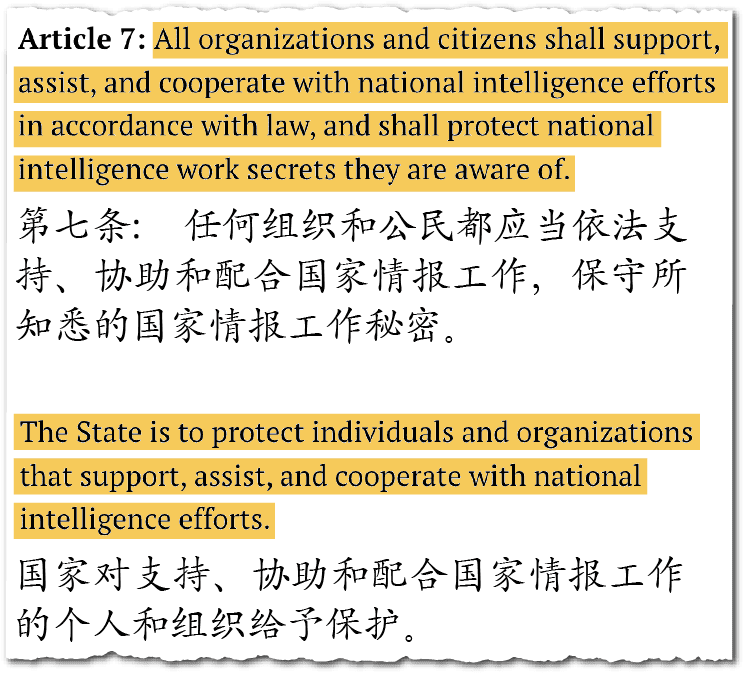
The court cited Jupiter’s sales of “video communications hardware and software” to the U.S. military, as well as Suirui’s obligation under various Chinese laws to share information and intelligence with the Chinese government when ordered to do so. Jupiter’s products “could potentially be accessed, and the data on those systems exploited, by the introduction of hardware and software vulnerabilities,” wrote the judge, Amir Ali.
A NEW OWNER
Jupiter Systems was founded in 1981 by Eric Wogsberg and Jack Klingelhofer, two American engineers, and grew into one of the largest manufacturers of video wall processors.
From its headquarters in California’s East Bay, the company began as a maker of high-end computers costing thousands of dollars. By the early 2000s Jupiter had settled into the video wall processor niche, with many command-and-control center clients. Federal and military sales soon accounted for much of its revenues.
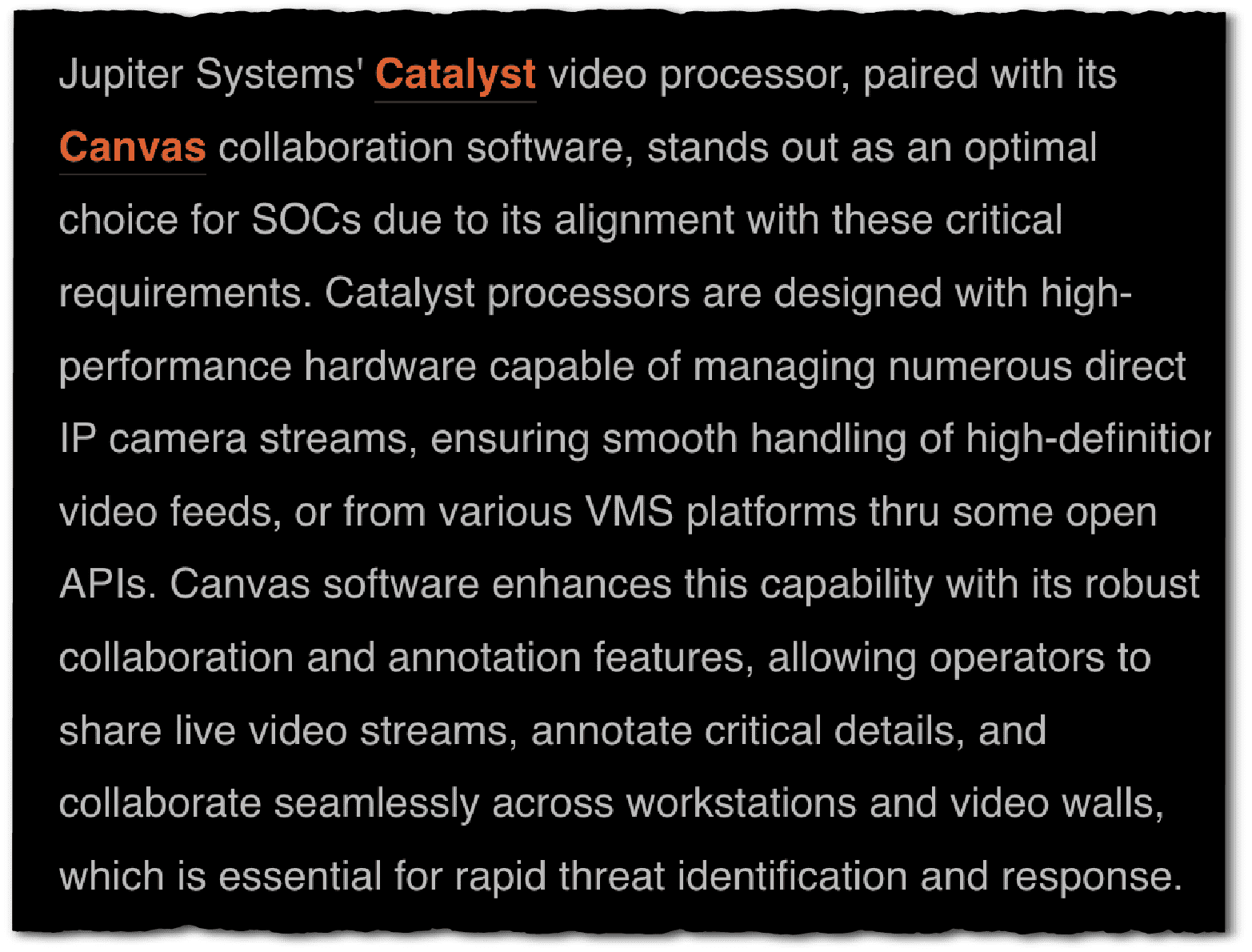
Jupiter also found a rapidly growing market in China as the country built out its nationwide security apparatus. It entered China as early as 1995 and established a regional office in Shenzhen. The company went on to sell to police bureaus in Beijing, Shenzhen, Fujian and Changsha, according to a press release announcing record China sales.
At the Beijing Olympics in 2008, Jupiter recorded its single biggest sale in China: more than $200,000 worth of products for the event’s Security Command Centre, according to a former Jupiter executive who asked not to be named.
Around 2010 a second former Jupiter employee, Mark Dustan, met with the head of Shanghai’s police department on a trip to China and saw an early version of the country’s vast surveillance capabilities displayed using a Jupiter processor.
“Up on the big screen, they pulled up a picture from a camera on a telephone pole and they could zoom in on a guy counting change in his hand,” Dustan told The Wire. “The resolution was extremely high. You could see what [denomination] coins were being held.”
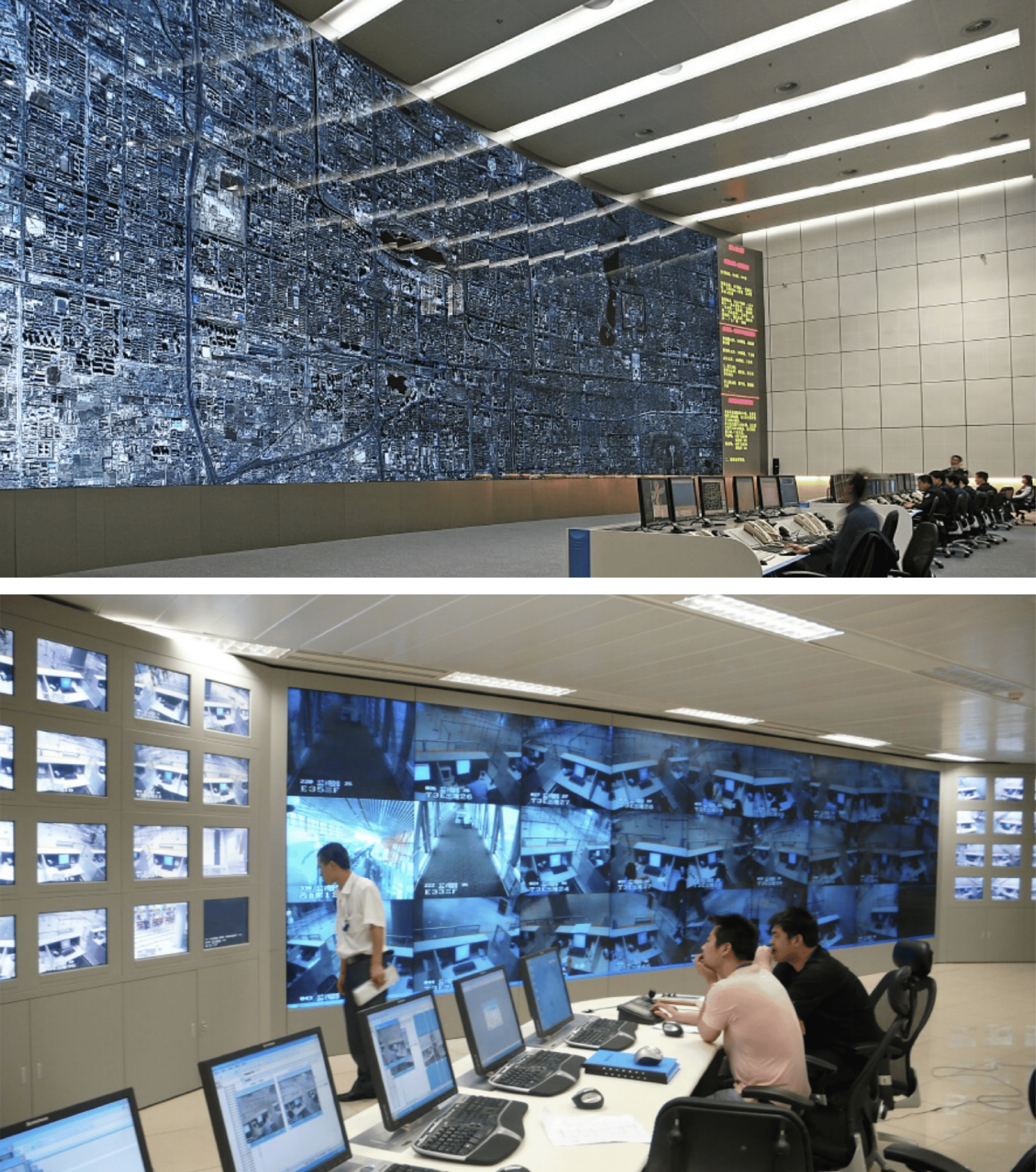
Jupiter’s China business reached $8 million around that time, according to the former Jupiter executive who asked not to be named. The company’s total revenue peaked at around $26 million in the early 2010s, Matt Pestana, Jupiter’s senior director of operations, said in courtroom testimony in March.
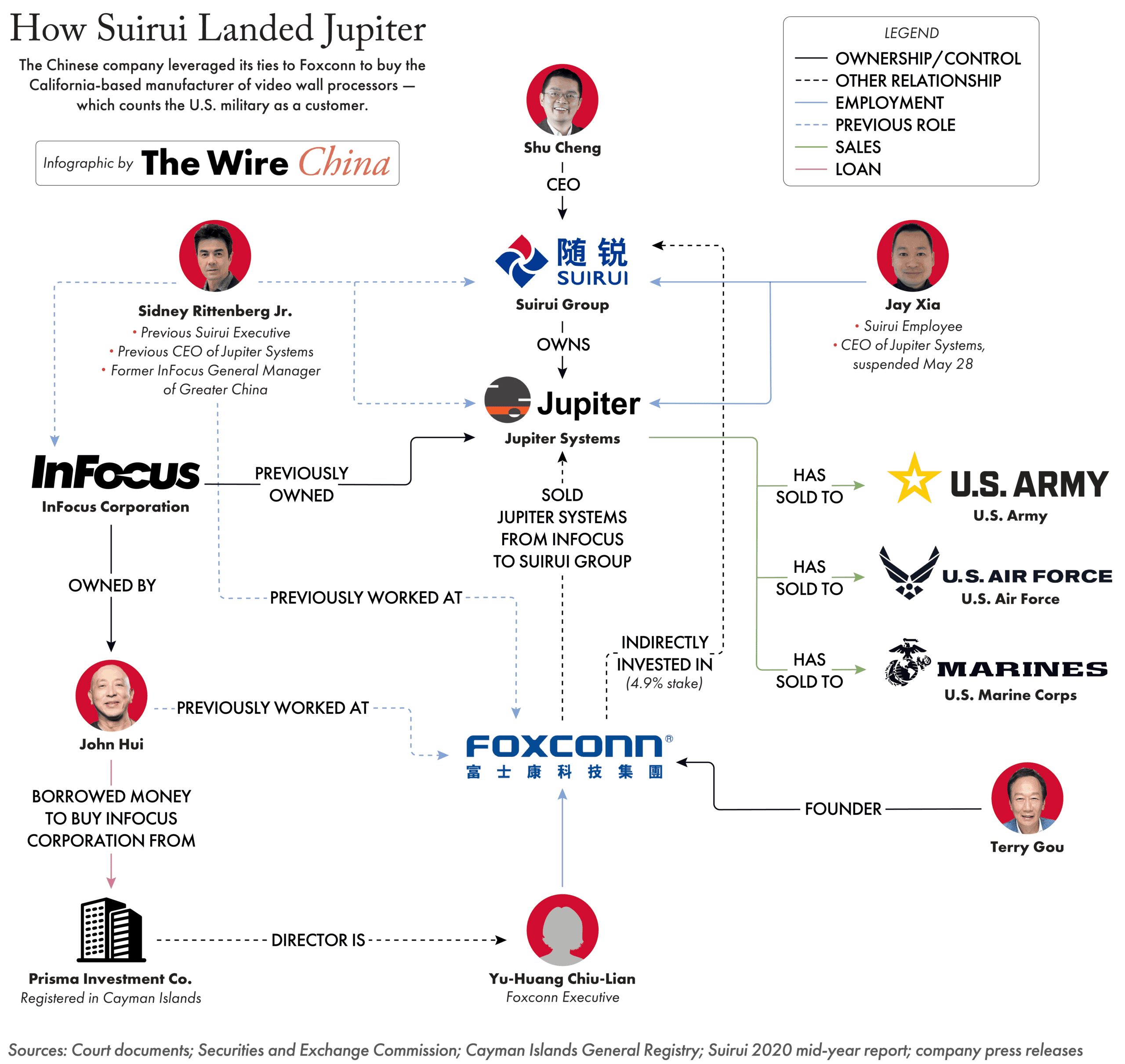
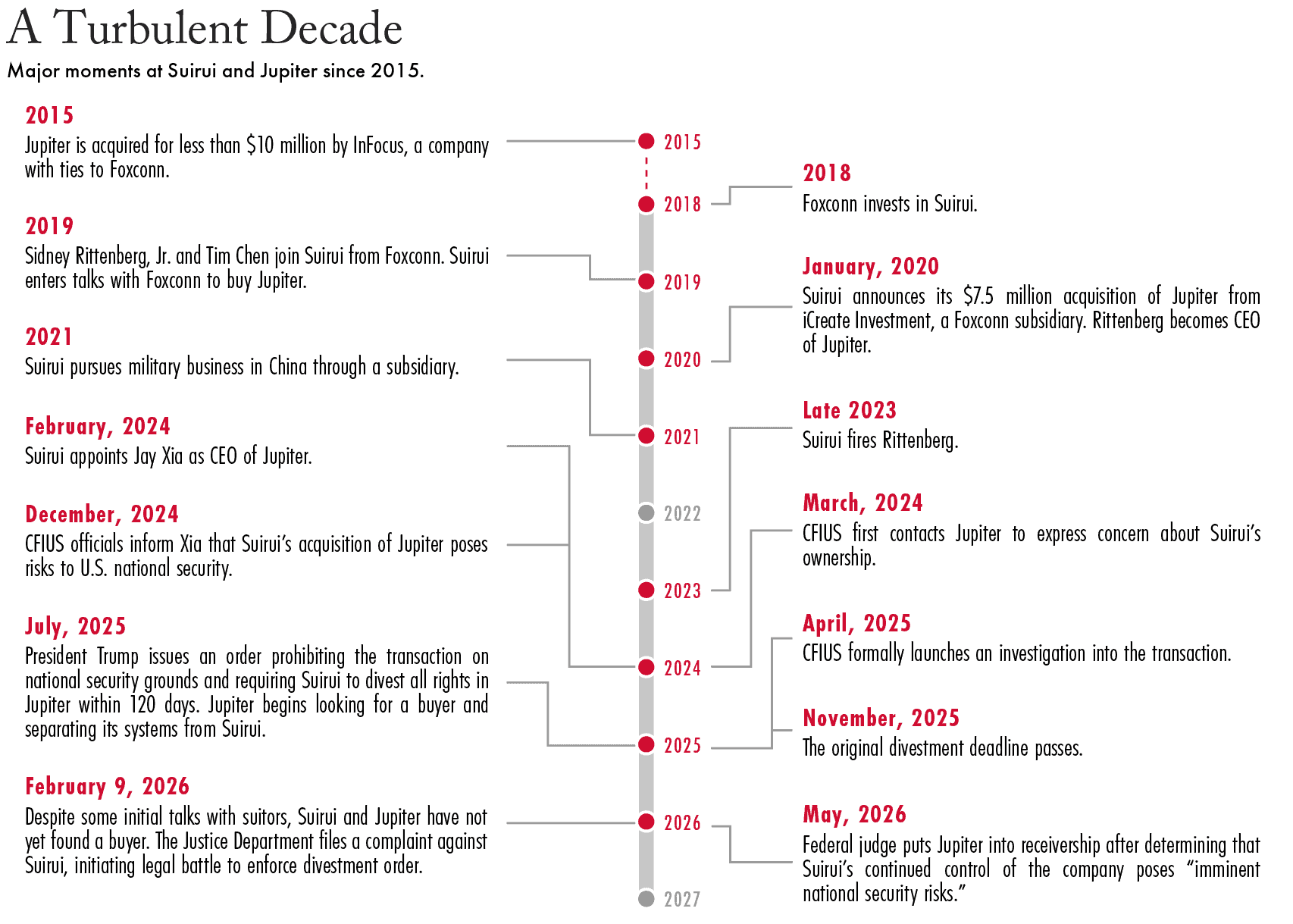
But then Wogsberg, Jupiter’s long-serving president, died in May 2015. In October of that year, Jupiter was acquired by InFocus, a down-on-its-luck manufacturer of projectors based in Oregon that had ties to Foxconn. InFocus paid less than $10 million for Jupiter, according to former executives at both InFocus and Jupiter.
The transaction was a “firesale,” recalls the former Jupiter executive who asked not to be named. “InFocus shut down the China facility and let all the employees go because they had their own Chinese presence through Foxconn.”
InFocus at the time was owned by John Hui, a Chinese-American entrepreneur who had bought the firm six years earlier. Hui concurrently served as the chief strategy officer at Foxconn, according to an SEC filing. Hui also introduced Rittenberg to Foxconn, where Rittenberg became the legal representative of InFocus’ China subsidiary, according to corporate records accessed through WireScreen.
Hui did not respond to a request for comment.
To finance the purchase of InFocus, Hui borrowed $45 million from a Cayman Islands-registered fund called Prisma Investment Co, according to securities filings. Cayman Islands corporate records show that the sole current director of Prisma is Yu Huang Chiu-lian, who at the time was a senior financial executive at Foxconn.
Foxconn founder Terry Gou went on to install a display that used Jupiter technology at his golf course estate in the Czech Republic, according to a former executive at InFocus.
In March 2019, InFocus — which was losing money — shuttered most of its U.S. business. What was left was Jupiter, which had been running largely independently.
ANOTHER NEW OWNER
Back in China, Shu Cheng had big ambitions.
Shu had worked for Microsoft in China before founding Suirui in 2006 as a provider of video conferencing software. Companies such as Zoom had not yet taken off, and Shu wanted to lead the Chinese market. In 2014, Suirui ranked 24th on Forbes’s list of the top 100 unlisted small businesses in China.
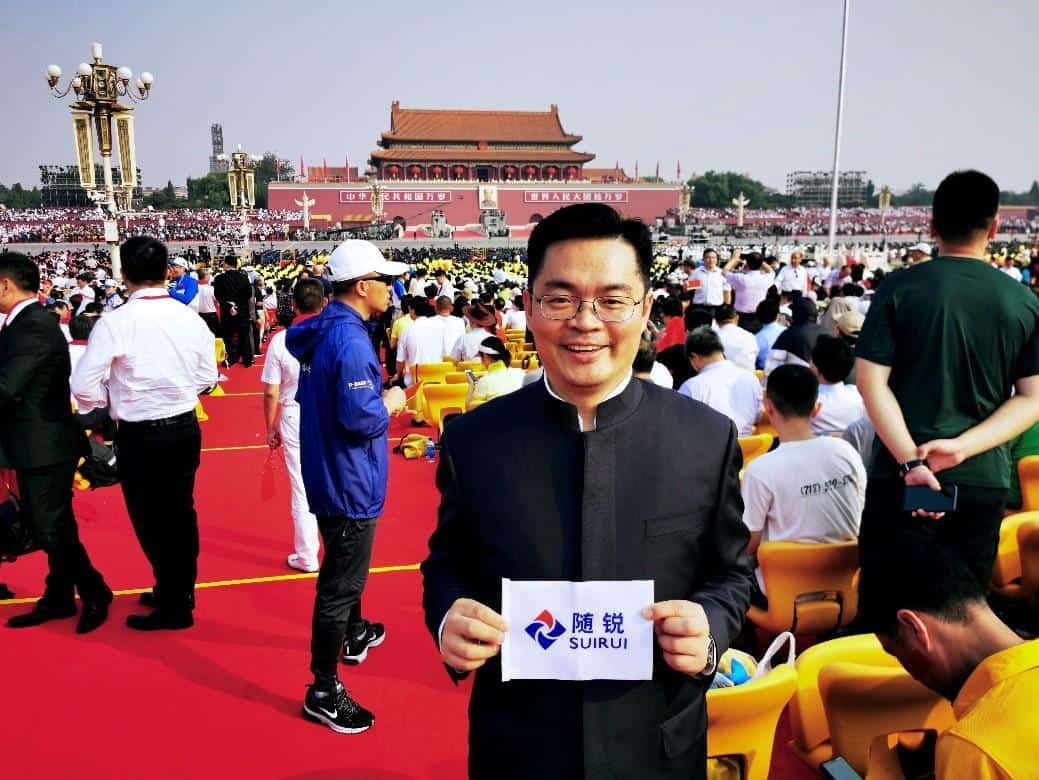
“We hope to enter the top 20 Chinese technology companies in about 8 years,” Shu said in 2016, when the company became listed on the New Third Board in Beijing, China’s over-the-counter stock market.
What was missing from Suirui’s business was hardware. In 2018, Foxconn invited Shu to meet Gou at its headquarters in Shenzhen, according to a former partner at Suirui. While Shu was only scheduled to stay for a few hours, he spoke so convincingly about Suirui’s potential that Gou asked him to stay for two or three days, the partner recalled.
Foxconn invested in Suirui later that year and two of its executives joined the company. The first was Tim Chen, who had previously led the China operations of Microsoft and the NBA. Chen resigned his position as chairman of a Foxconn subsidiary to become Suirui’s co-chairman. Then Rittenberg, who met Chen around two decades earlier when Chen worked at Motorola, left Foxconn for Suirui in 2019. Rittenberg told The Wire that Shu initially needed Chen’s “name and status to help him with fundraising.”
From a U.S. national security perspective, it was not just Jupiter’s government and military clients that worried CFIUS. Back in China, Suirui had its own relationships with investors, clients and potential clients that the U.S. viewed with suspicion.
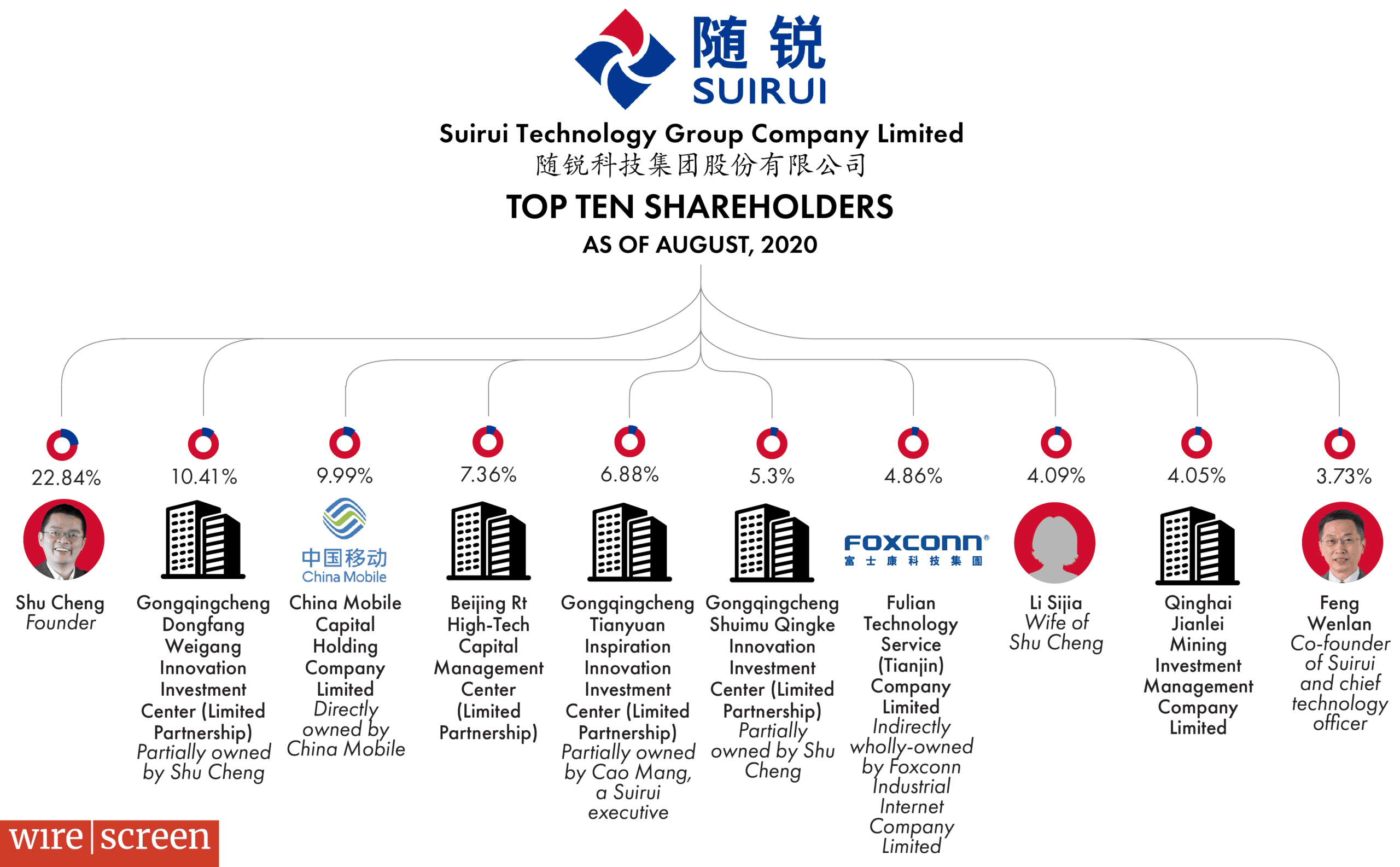
Through subsidiaries, Foxconn held a 4.9 percent stake in Suirui as of the following August, according to a Suirui securities filing made in August 2020.
Shu, who was looking to buy an established Western brand, had asked Rittenberg if Foxconn owned any it was willing to sell. It did: Smart Technologies, which makes electronic whiteboards, InFocus, and Jupiter. Jupiter was the cheapest.
It is not clear when Foxconn became the formal owner of Jupiter Systems, or whether it reported the transaction to CFIUS.
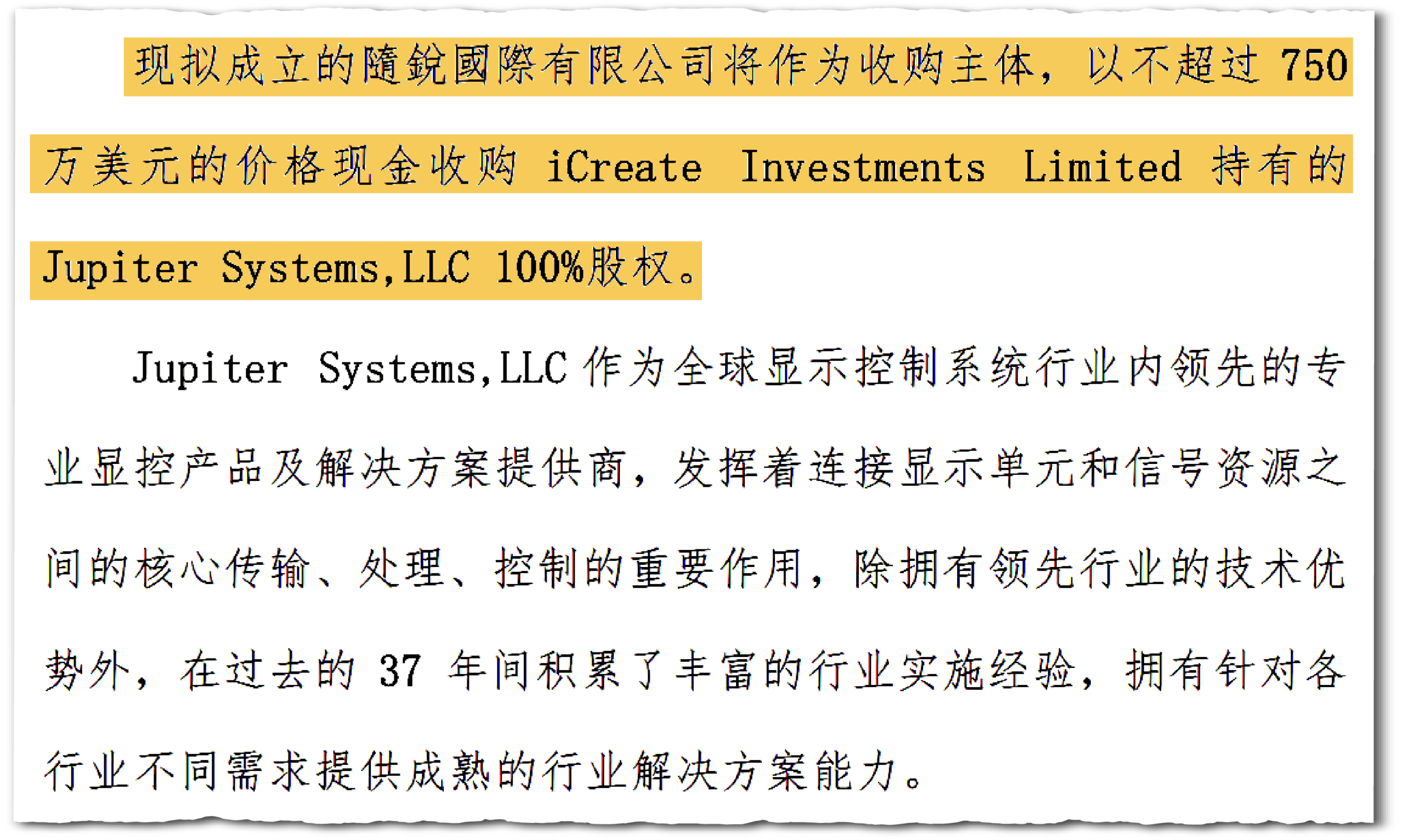
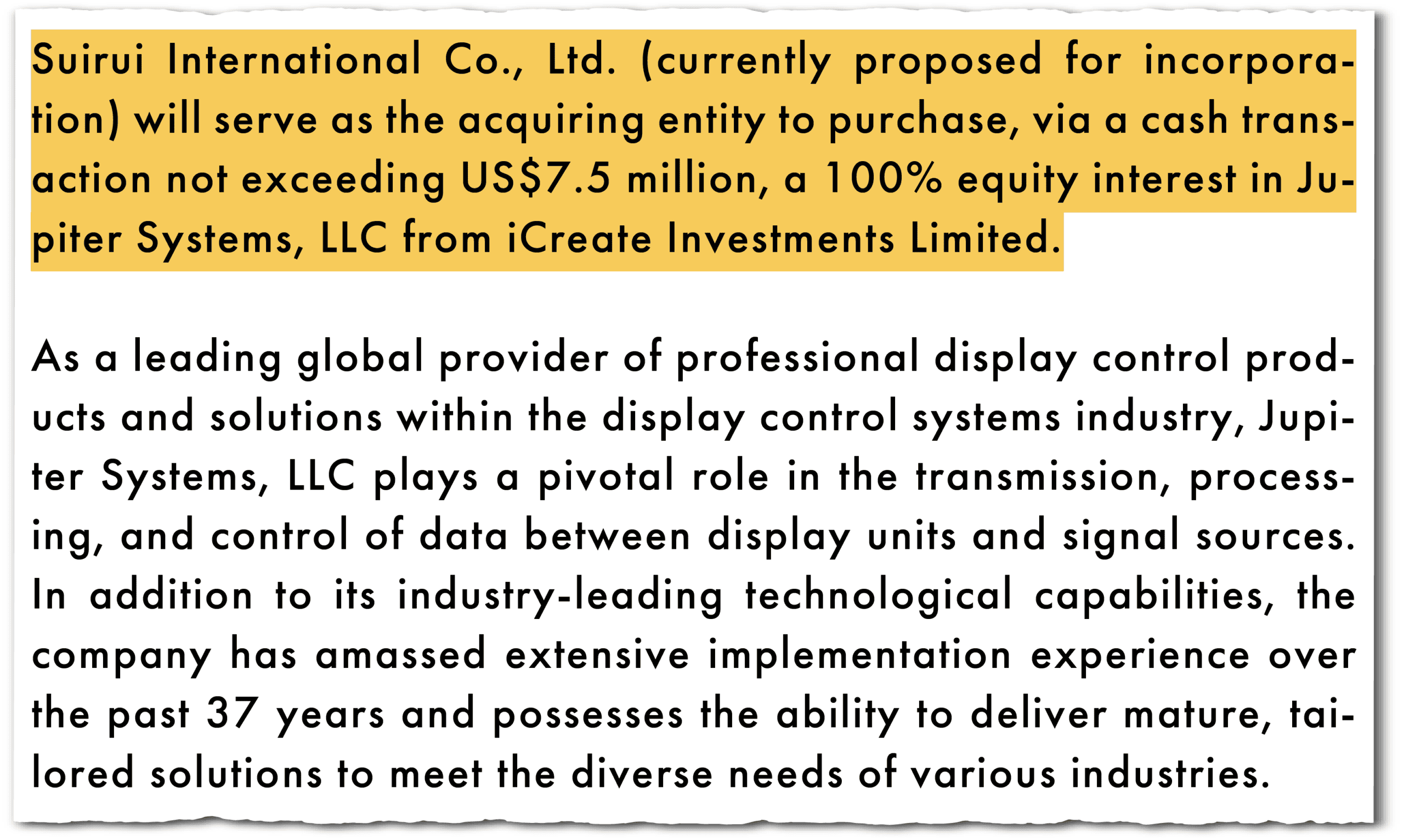
In January 2020, Suirui announced its $7.5 million acquisition of Jupiter from a company called iCreate Investments in a securities filing. Foxconn’s annual report from the same year describes iCreate as a wholly-owned subsidiary with two directors. One is named Huang Chiu-lian.
Foxconn did not respond to a request for comment; iCreate, which does not have a website of its own, could not be reached for comment.
Neither Jupiter nor Suirui informed CFIUS about the deal. Suirui believed that the deal was so small — and CFIUS-related compliance so potentially costly — that it did not need to report the acquisition, according to one person familiar with the matter.
Foxconn’s sale of Jupiter to Suirui should have raised many red flags, says Philip Ludvigson, a former CFIUS official who left the committee before it learned of the Jupiter deal. But, he concedes, it “really was a different world in 2020” in terms of corporate awareness of foreign investment screening. “People,” he adds, “are more educated now about CFIUS.”

The Jupiter deal was one of 98 transactions that CFIUS reviewed in 2024 that were not self-reported. Of these 98 “non-notified transactions”, CFIUS requested a filing for 12, including Jupiter.
“The private sector rolls the dice all the time on whether CFIUS actually comes calling,” says Jim Secreto, a former CFIUS official who was not involved in the discussions about Jupiter. “The system is built on voluntary compliance.”
From a U.S. national security perspective, it was not just Jupiter’s government and military clients that worried CFIUS. Back in China, Suirui had its own relationships with investors, clients and potential clients that the U.S. viewed with suspicion.
In 2019, Suirui was the largest supplier of vulnerability detection technology to Integrity Tech, a Beijing-based cybersecurity firm, according to an Integrity Tech securities filing. In January 2025, the Biden administration sanctioned Integrity Tech for its alleged role in supporting Chinese state-sponsored hacking campaigns.
As of 2021, Suirui was also pursuing “military business” in China through a subsidiary called Beijing Suirui Innovation Special Equipment Technology Co., Ltd, according to Suirui and Jupiter’s responses to CFIUS questions.
An interview with Shu Cheng during a Beijing News television feature on Suirui’s operations during the pandemic, May, 2020. Credit: Suirui
Suirui told CFIUS it recorded $6.5 million worth of sales to Chinese government entities between 2014 and 2024, and received more than $1 million in subsidies from Chinese state-backed entities between 2019 and 2023. One of the sales was a 328,000 yuan ($48,000) contract to supply office equipment to the State-owned Assets Supervision and Administration Commission of Guangdong province in 2020, according to procurement documents reviewed by The Wire.
After buying Jupiter, Suirui sought to revive a dormant Jupiter subsidiary in Shenzhen. The unit, which didn’t have any staff in 2020, employed 33 people by 2023. Most of them worked in hardware research and development and did not have access to Jupiter’s software codes, Suirui and Jupiter told CFIUS. After Suirui acquired Jupiter, the Shenzhen subsidiary filed for 11 China patents related to display screens and video processing.

Jupiter also began sourcing more components from China. Jupiter’s products went from having “only two parts” from China prior to the transaction to more than 20 by January 2025, including one made by U.S. chip giant Nvidia, Suirui and Jupiter told CFIUS.
The increase in China-made components, according to Justin Shong, Jupiter’s head of sales until 2024, was because Jupiter began making monitors in addition to video wall processors. While the processors were assembled at Jupiter facilities in California, Shong told The Wire, the monitors were manufactured in China.
Shong and other employees told The Wire that, inside Jupiter, Suirui appeared to be a distant and passive owner. “We almost treated Suirui as just another investor,” Shong says. “We were pretty well firewalled.”
But tensions were building. Rittenberg told The Wire that Shu wanted the codes to Jupiter’s software as well as sales data held in the company’s systems. He said he refused to share them because “Suirui’s exposure to SOEs [state-owned enterprises] and [PLA] military projects would gravely endanger Jupiter and customers in the U.S.”

“Salesforce customer data was my explosion point,” Rittenberg added.
According to Rittenberg, he and Shu also feuded over Shu’s plans to attract investment from Chinese local governments in factories that would make Jupiter products.
In late 2023, Shu called a Jupiter board meeting to demote Rittenberg, who subsequently resigned.
In February 2024, Suirui appointed a new CEO at Jupiter: Jay Xia, a former assistant of Shu’s who was born in Beijing and became a U.S. citizen in 2000. Xia technically remained a Suirui employee after assuming his new position in California, though he later testified that he did not have a Suirui title or any Suirui job responsibilities.

“Jay was beyond a yes-man,” Shong says. When Shu visited the U.S. in 2023 he asked Xia to carry his briefcase and once threw a pen at him, according to Shong.
Xia did not respond to a request for comment.
Jupiter’s VP of global sales presents the PixelNet video wall controller at InfoComm 2025. Credit: Jupiter
Shong, who describes himself as loyal to Rittenberg, says Suirui then got “access to our entire system,” including sales and code data.
In a declaration to the court, Pestana, the senior director of operations, said “Suirui has monitored Jupiter’s financials but has not sought to change or access Jupiter’s engineering, software, or technical data.”
Asked in court whether there had been a breach through Jupiter Systems’ products, Sarah Oldham, a CFIUS official, said “I can’t talk about that without getting into classified information.”
A spokesman for the Treasury Department, which oversees CFIUS, declined to comment.
JUPITER RETURNS
By the time the U.S. government caught wind of the transaction it did not know that Rittenberg had left the company. When the CFIUS staff first attempted to contact Jupiter, on March 27, 2024, their emails to Rittenberg bounced back.
CFIUS officials spoke with Xia the next day. In the following months, CFIUS sent Jupiter more than a dozen sets of detailed questions about its customers, technology, employees and relationship with Suirui. Jupiter and Suirui “routinely requested extensions,” according to court documents.
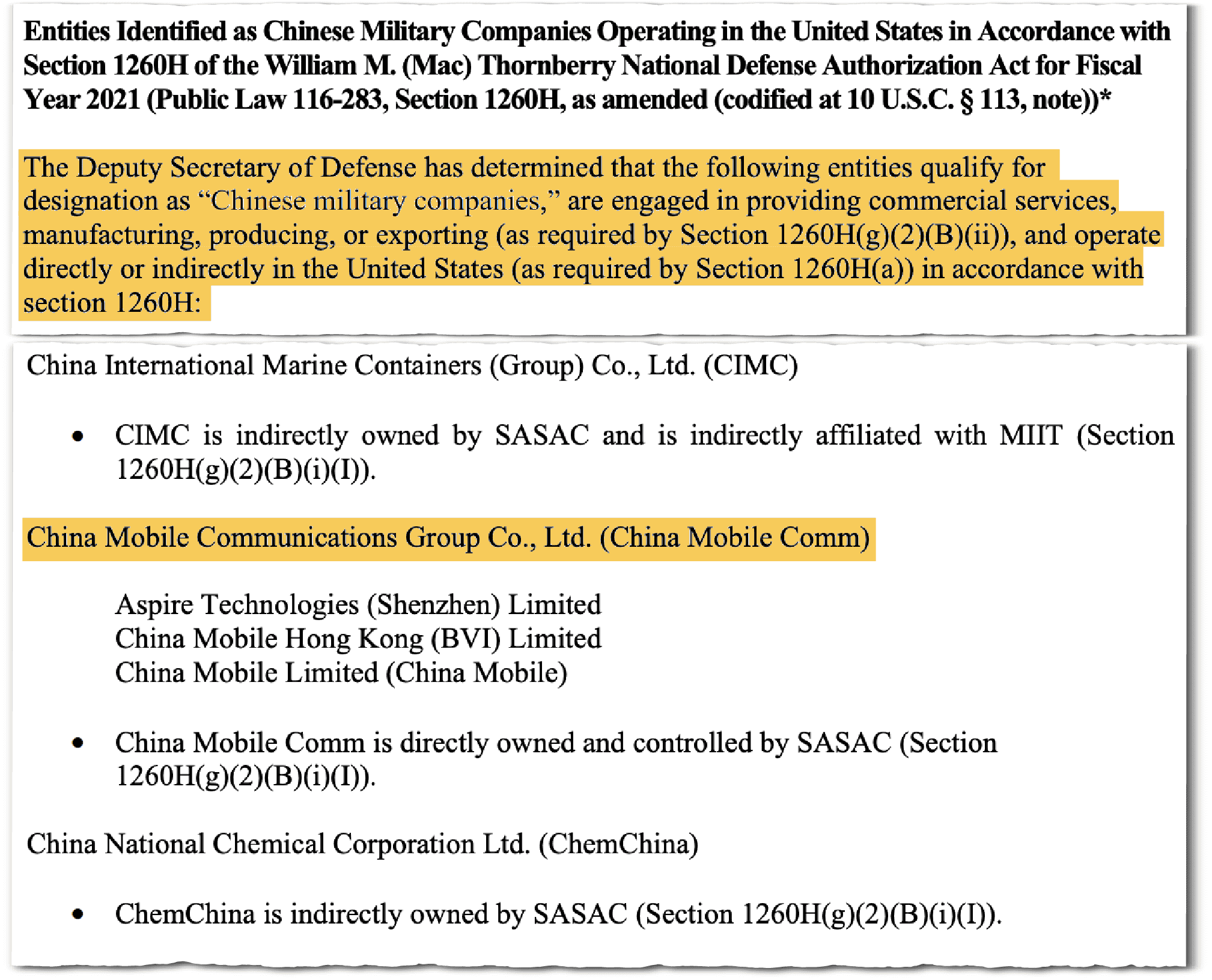
On December 30, 2024, CFIUS officials informed Xia they had determined Suirui’s acquisition of Jupiter posed risks to U.S. national security. One of their core concerns was that China Mobile, the state-owned telecom giant that the U.S. Defense Department has designated a “Chinese military company”, held an 8.9 percent stake in Suirui, according to a CFIUS letter to Jupiter.
U.S. officials proposed a mitigation agreement that included a passive governance structure; restrictions on Suirui’s access to Jupiter products, data and systems; a requirement that Jupiter’s top executives be U.S. citizens; independent cybersecurity audits; and full public disclosure of Jupiter’s foreign ownership.

Suirui and Jupiter rejected those terms, and, after five phone calls with CFIUS in January 2025, “withdrew from engagement with CFIUS,” court documents say.
In April 2025, CFIUS formally launched an investigation into the transaction, culminating in a recommendation that President Trump prohibit it on national security grounds. In July, Trump issued the divestment order.
The next week, Jupiter began implementing a series of “access measures and controls.” These included a search for a buyer and the revocation of access to Jupiter’s systems enjoyed by two people employed by both Suirui and Jupiter: Xia and Tong Yongbo. Tong is listed as Jupiter’s co-president and a vice president of Suirui’s international business on Suirui’s website.
By December, the Defense Department had again grown comfortable with buying Jupiter technology. That month — and again in March this year — a “component” of the department bought video wall processors from Jupiter to be used in a “military installation”…
In August, at least eight U.S. officials met with Xia and other Jupiter employees at the company’s headquarters to discuss progress toward divestment and other controls, according to an agenda viewed by The Wire. For at least the next seven months, Xia filed weekly updates to the U.S. government on Suirui’s search for a buyer.
Suirui also briefed the Chinese government on its progress and its discussions with U.S. officials.
“As far as we know, the Chinese government has raised the attention level of this case to the same height as the case of the divestment of the Panama port assets of Li Ka-shing’s Cheung Kong Group,” Shu wrote in an email to CFIUS officials, referring to Beijing’s continuing refusal to grant regulatory approval for Li’s proposed sale of his global ports empire to a consortium led by BlackRock, the U.S. asset manager, and Mediterranean Shipping Company.
A spokesperson for the Chinese Embassy in Washington said: “China has always opposed the U.S. side’s overstretching of the concept of national security and abuse of state power to suppress Chinese companies.”
The original November divestment deadline came and went, as did the deadlines for two extensions. Jupiter held unsuccessful talks with at least three Emirati companies, according to the weekly reports Xia filed.
According to court filings, a U.S. company, NanoLumens, proposed buying Jupiter for less than $10.5 million, but Suirui rejected the offer. Pestana, the senior director of operations, testified that Suirui didn’t think Beijing would approve the sale of Jupiter to a U.S. company.
Ney Corsino, the chief executive of Georgia-based NanoLumens, told The Wire that “limited exploratory discussions” took place in late 2025 and “concluded without formal negotiations or any resulting transaction.”

Jupiter nearly went out of business as it negotiated with CFIUS. At one point Xia told U.S. officials that the company only had enough cash to operate for two more weeks. In an October email to CFIUS officials, Pestana said the Air Force had suspended procurement of Jupiter products, citing Trump’s order.
By December, the Defense Department had again grown comfortable with buying Jupiter technology. That month — and again in March this year — a “component” of the department bought video wall processors from Jupiter for use at a military installation, according to a declaration Pestana made to the court.
The Air Force, Army and Navy declined to comment, citing pending government litigation. Pacific Northwest National Lab, which conducts nuclear research and has bought Jupiter products, also declined to comment.
Suirui is meanwhile having trouble at home.
Since January at least four former employees have filed arbitration claims demanding allegedly unpaid wages and severance pay. Four domestic business partners, including Alibaba’s cloud unit, are suing the company over contract disputes. And since 2024, Chinese courts have frozen 384 million yuan ($57 million) worth of equities owned by Shu Cheng and his wife Li Sijia, according to records on Tianyancha, a corporate database.
Last month Judge Ali found that Surui’s continued control of Jupiter Systems “poses imminent national security risks.”
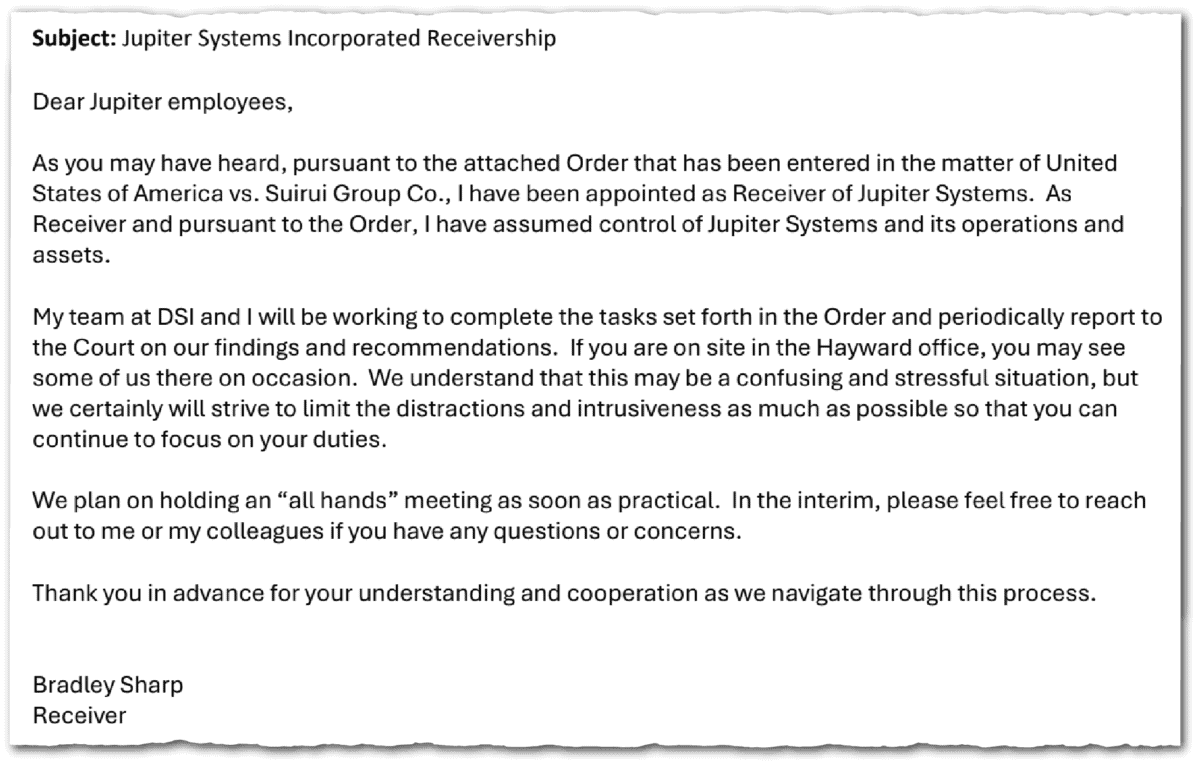
On May 26 he put Jupiter under the control of Bradley Sharp, a court-appointed receiver. Last week Suirui’s lawyers, who are appealing the decision, asked the court to remove Sharp and terminate the receivership.
“I have assumed control of Jupiter Systems and its operations and assets,” Sharp wrote in an email to Jupiter employees the day after he was appointed. He then emailed Xia and Tong, the dual Suirui-Jupiter employees, telling them they had “no authority” over Jupiter Systems and that “your direct reports have been informed that you have been suspended from your positions.”
“All of the [Jupiter] team reports to me,” Sharp told The Wire. He declined to answer specific questions about the company’s business “on behalf of the receivership estate,” saying only that his immediate task is to “maintain the business as it currently exists.”
“This is a unique situation,” he added.

Noah Berman is a staff writer for The Wire based in New York. He previously wrote about economics and technology at the Council on Foreign Relations. His work has appeared in the Boston Globe and PBS News. He graduated from Georgetown University.

Rachel Cheung is a staff writer for The Wire China based in Hong Kong. She previously worked at VICE World News and South China Morning Post, where she won a SOPA Award for Excellence in Arts and Culture Reporting. Her work has appeared in The Washington Post, Los Angeles Times, Columbia Journalism Review and The Atlantic, among other outlets.