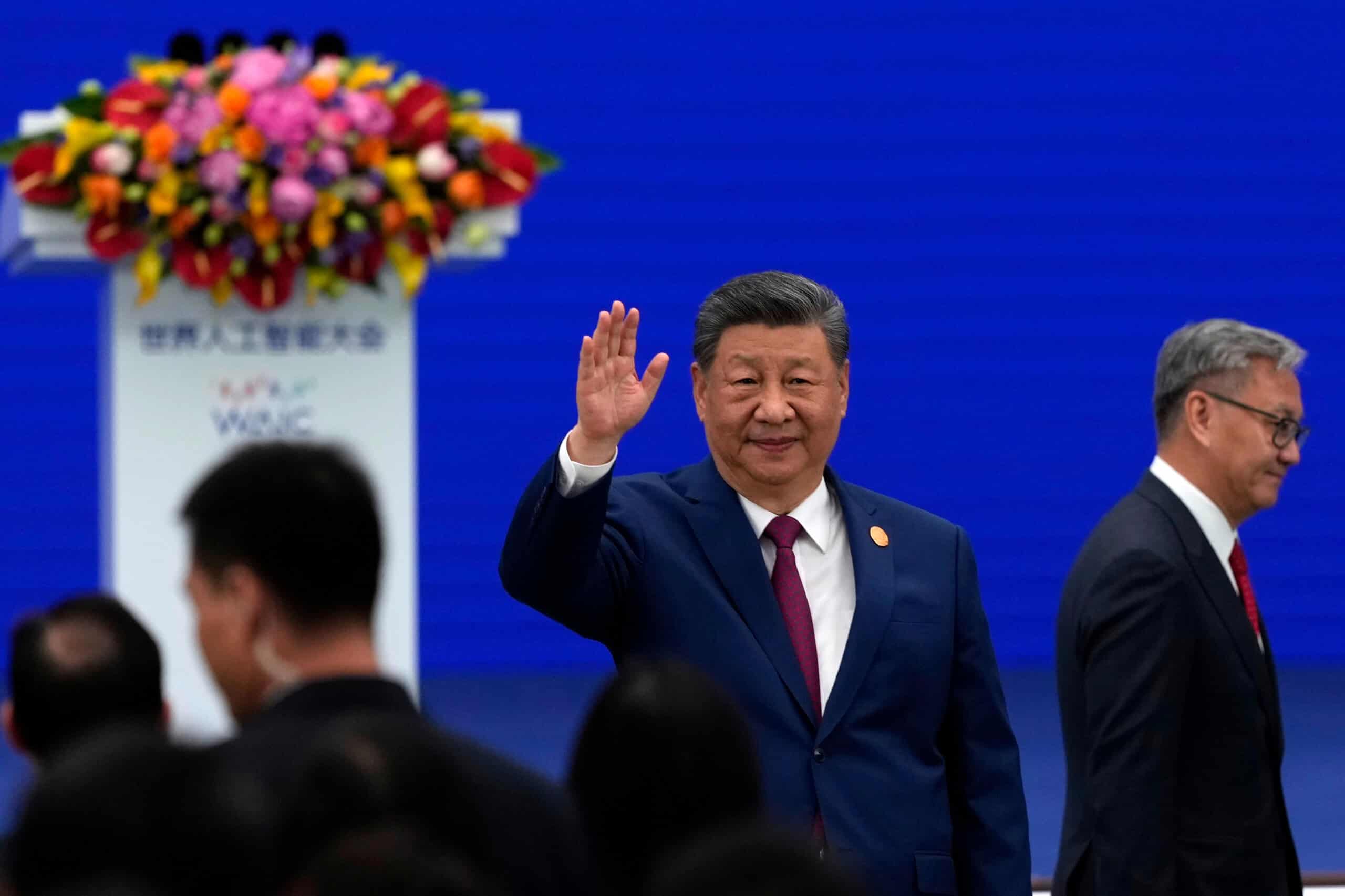
Good evening. First it was alleged smugglers in California sending proscribed Nvidia AI chips to China by way of Singapore and Malaysia. Then Texas and Virginia-based executives were accused of shipping Nvidia’s to China via North Carolina, New York, New Jersey and Hong Kong. After that, prosecutors in Texas and Georgia alleged that they too had uncovered smuggling rings that shipped Nvidia chips to China through Southeast Asia. But it is the latest China chips-smuggling case that is the biggest, allegedly involving illicit shipments of Nvidia’s worth $2.5 billion by a senior executive at California-based server maker Super Micro. In this week’s cover story Eliot Chen, who wrote about the North Carolina operation for The Wire China last month, investigates the Super Micro scandal and its implications for the company, Nvidia and America and China’s chip industries.
Our cover story is also the subject of this week’s Wire China podcast.
Other items in this week’s issue: The growing divide between the Trump administration and Congress over China policy; The Big Picture on Chinese Earth observation satellites; our conversation with journalist and author Nicolas Niarchos; and the cybersecurity implications of Anthropic’s Claude Mythos Preview.
Want this emailed directly to your inbox? Sign up to receive our free newsletter.
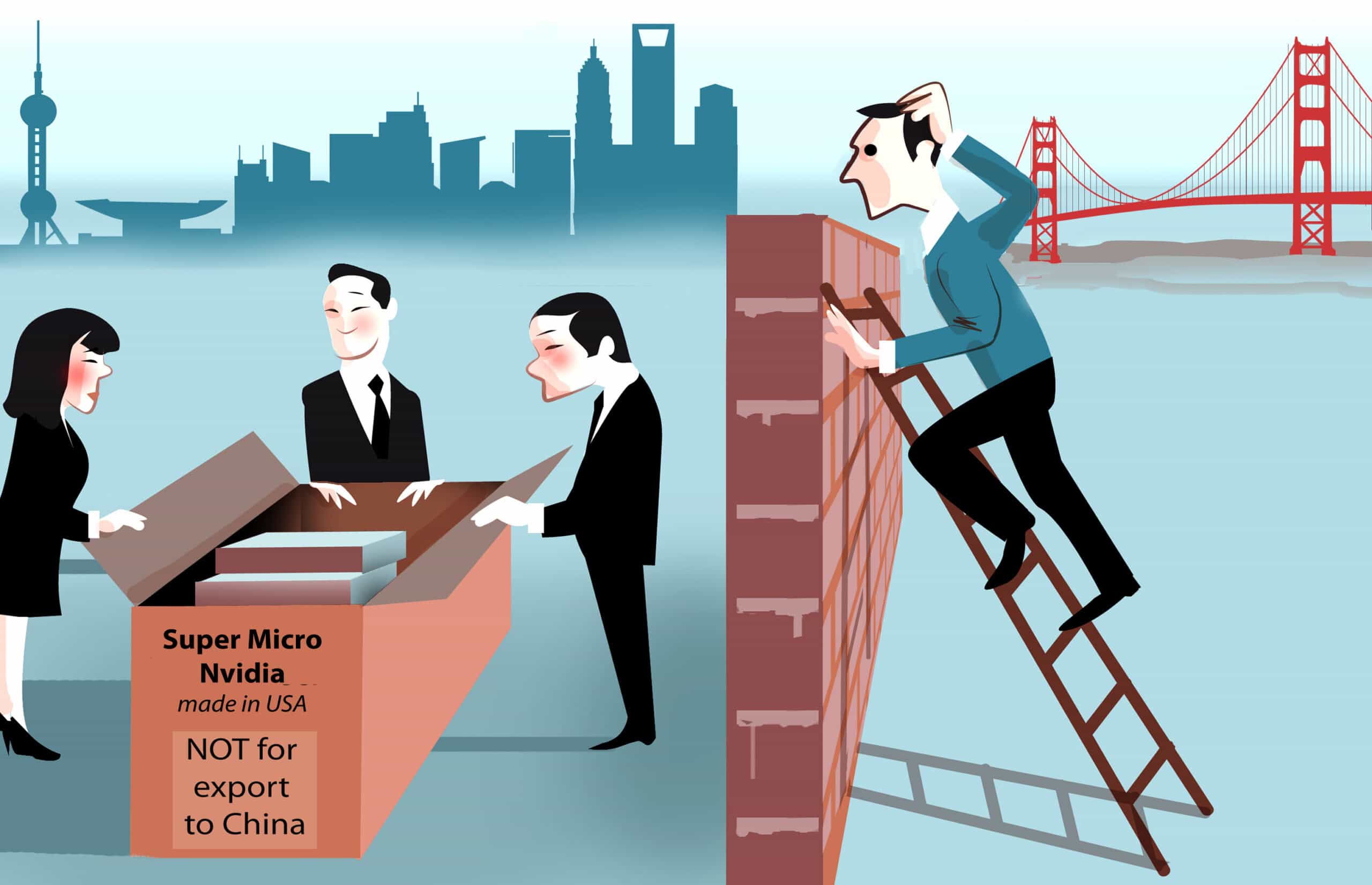
Where Have All the Nvidia’s Gone, Gone to China Every One…
How does a senior computer industry executive allegedly fool his own company into shipping Nvidia chips to China that aren’t supposed to be shipped to China? First, according to federal prosecutors, he obtained a real set of Nvidia-equipped computer servers and a dummy set of servers. Second, the executive and his partners removed the box labels from the real set with a hair dryer and repasted them on the dummy boxes. Then send the dummies set to a U.S.-based front company while the real servers are diverted to China via Taiwan and Southeast Asia. Read all about The Case of the Hair Dryer and Super Micro’s Missing Nvidia’s.
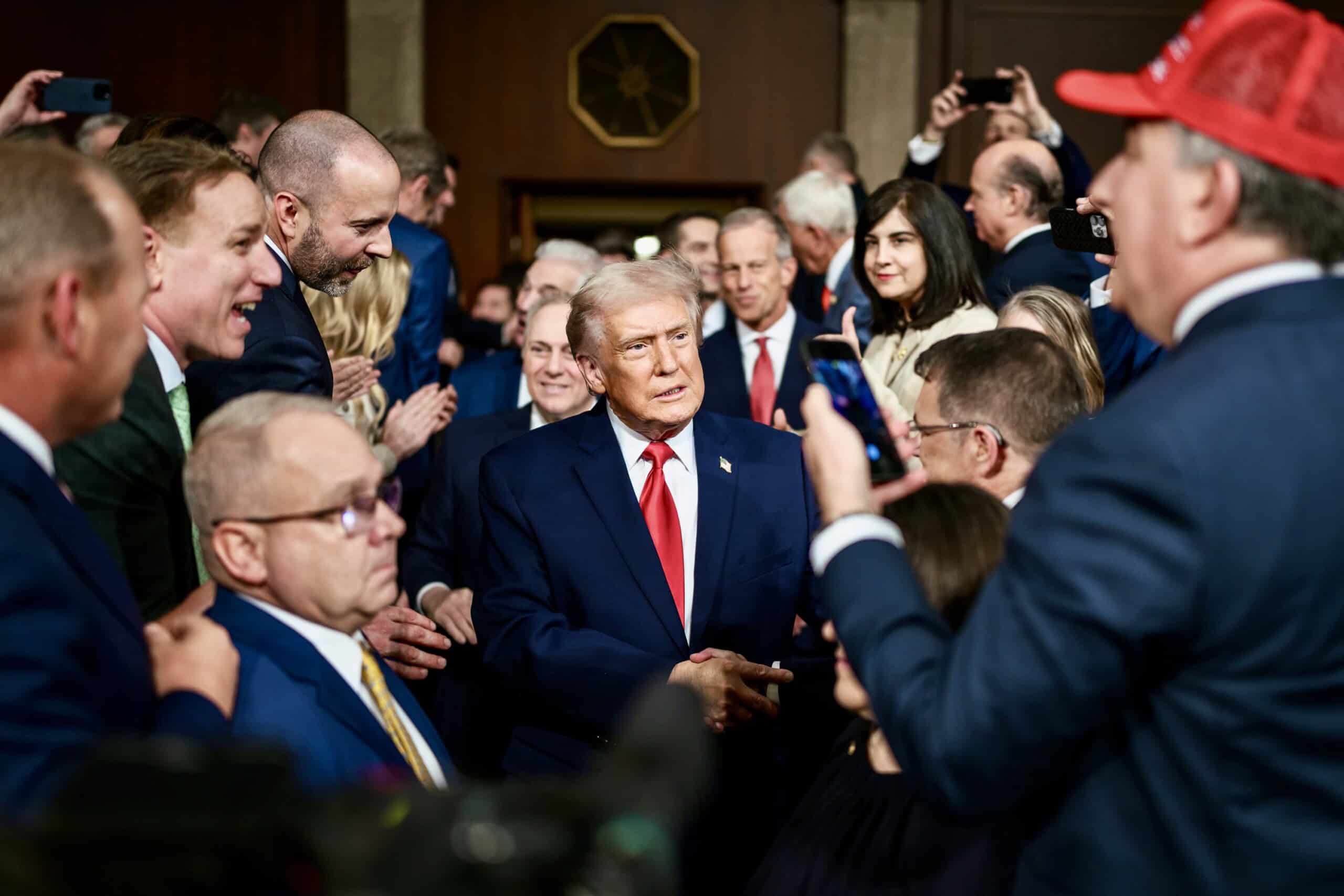
Capitol Hill’s Lonely China Hawks
During his first term, Donald Trump and hawkish advisers such as Matt Pottinger changed the China-U.S. dynamic, seemingly irrevocably. China went from being regarded as a country America could work with, albeit warily, to an outright adversary — a sea change encouraged by the rise and rise of Xi Jinping. Republicans and Democrats in Congress loved the shift, so much so that Joe Biden dared not try to change it during the brief Trump interregnum he presided over. Trump 2.0, however, doesn’t seem to have the stomach for a prolonged period of confrontation with China over issues including trade, TikTok and Taiwan. Nor is he surrounded, as he was eight years ago, by advisers determined to keep the heat on Beijing. As a result, writes Noah Berman, China hawks in Congress are feeling abandoned.
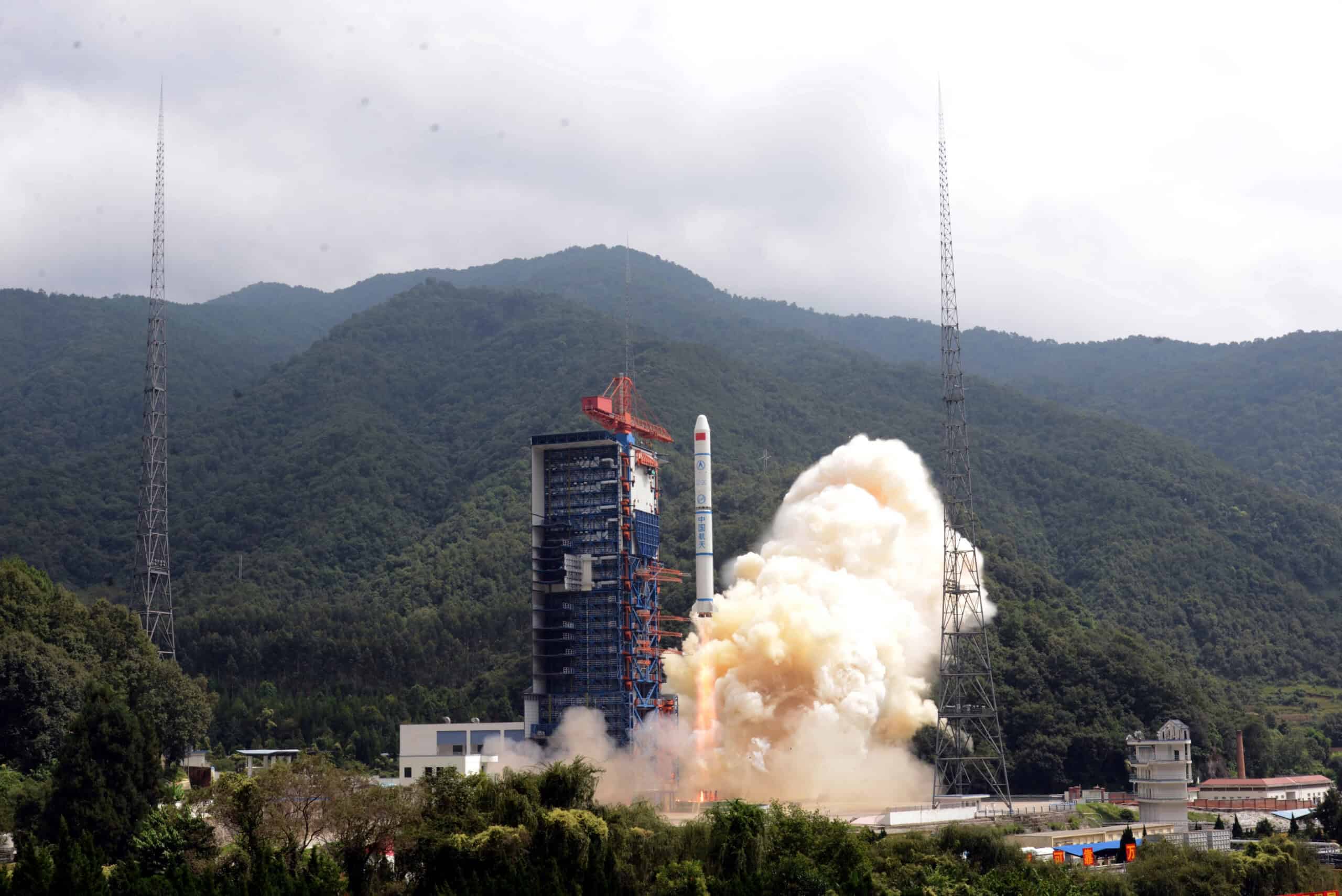
China’s Eyes in the Sky
The U.S. is the world’s leading operator of Earth observation satellites, with more than 800 “eyes in the sky”. China is the only other country with a substantial number of EO satellites, having about 400. The geopolitical implications of China’s fast-growing fleet of EO satellites have become a lot more evident during Israel and America’s war on Iran. In addition to providing images of U.S. military installations that the Pentagon does not want others to see, Chinese EO satellites have also been sold to Iranian companies. In The Big Picture, Savannah Billman looks at China’s leading providers of this critical space technology.
A Q&A with Nicolas Niarchos

In his recent book, The Elements of Power, journalist Nicolas Niarchos wrote about the many ways in which global clean energy supply chains are, well, not very clean at all.
Speaking with Andrew Peaple in our Q&A, Niarchos talks about China’s sourcing record in the Democratic Republic of Congo, the resource curse and Beijing and Washington’s industrial policies. “The difference is that China has invested in research and scientific development in a way that the U.S. is not doing,” he says. “Research on alternative technologies is almost entirely led by China.”
Nicolas Niarchos
Illustration by Lauren Crow

A Fleeting Advantage
Thanks to Anthropic’s new AI model, Claude Mythos Preview, the U.S. seems to have a generous headstart in the race to identify and defend its own cybersecurity vulnerabilities, while also exploiting those of its adversaries. But, S. Alex Yang and Angela Huyue Zhang write in an op-ed, do not expect this American advantage to last long.
Rest for the Weary
The Wire China will be taking a break over the May 1–5 (Chinese) Labor Day holiday. Our next issue will be published on May 10.
Subscribe today for unlimited access, starting at only $25 a month.