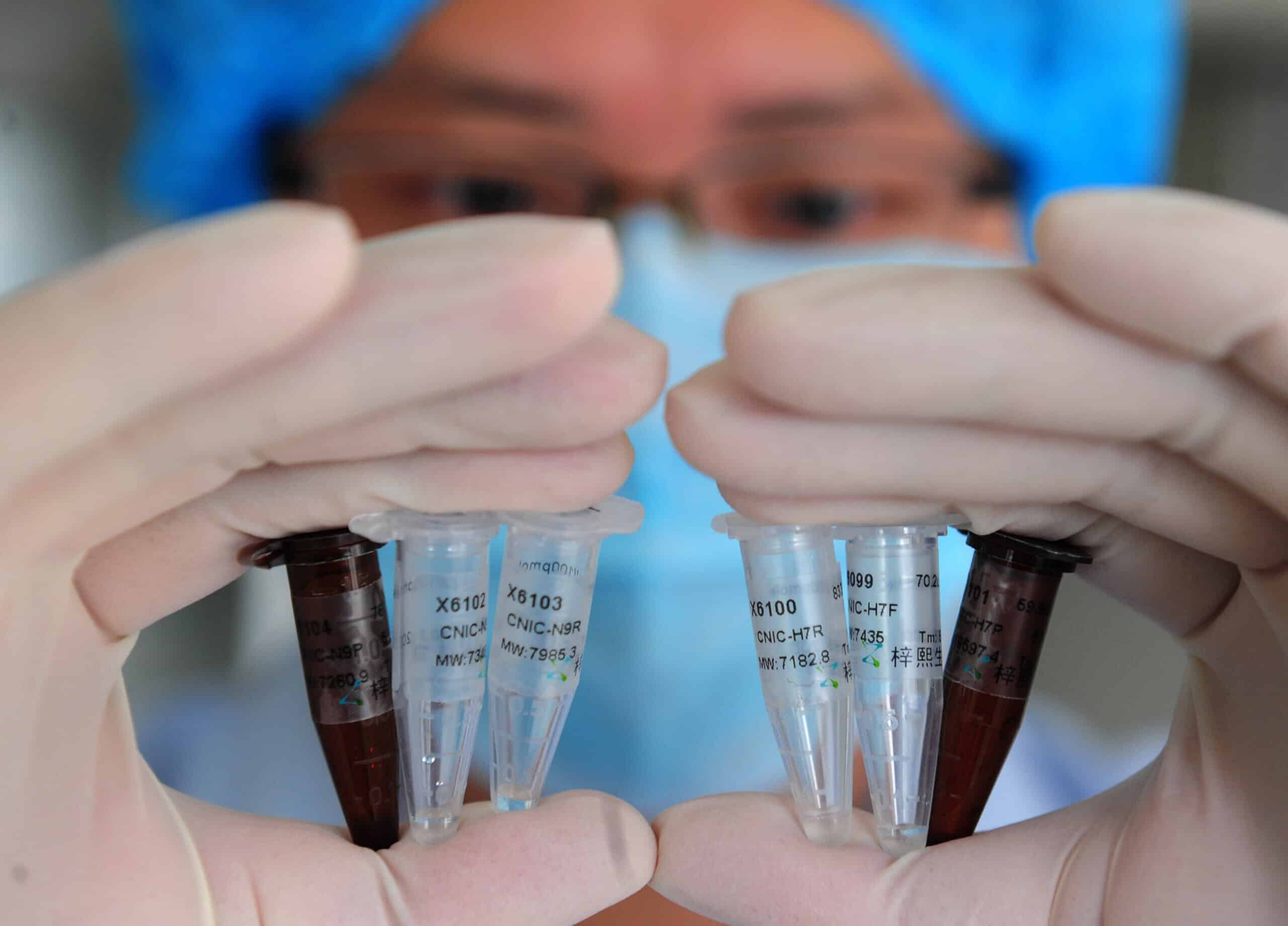
Good evening. America isn’t very good at good starts. When faced with grave or even existential challenges — the Civil War, World War Two, the space race against the USSR — the U.S. government can be slow out of the gates. It took a nerve-wracking few years to turn the tide against the Confederates, the Japanese, the Nazis and the Soviets. But in all these instances, Washington finished strong and prevailed. A similar dynamic could be playing out in at least one of the races to dominate critical next-generation technologies. While China has amassed a seemingly unassailable position in the refining of rare earths, as well as the production of related high-tech components such as rare-earth magnets, the Trump administration is making a concerted effort to catch-up. In our cover story this week, Noah Berman travels to North Carolina to meet the executives at a new start-up that is on the front lines of this contest with China.
In this week’s Wire China podcast, Noah speaks with Tom Mitchell about his article and we preview our Q&A conversation with Kei Koizumi, a senior science and technology adviser in the Biden White House.
Also in this week’s issue: An update on UFLPA enforcement, or lack thereof; the Beijing-Tehran axis isn’t what it was cracked up to be; Kei Koizumi on Sino-U.S. competition and cooperation; a tale of two China-born scientist cousins; and George Magnus on the war China wasn’t planning on.
Want this emailed directly to your inbox? Sign up to receive our free newsletter.
An American Jiangxi in the Making?
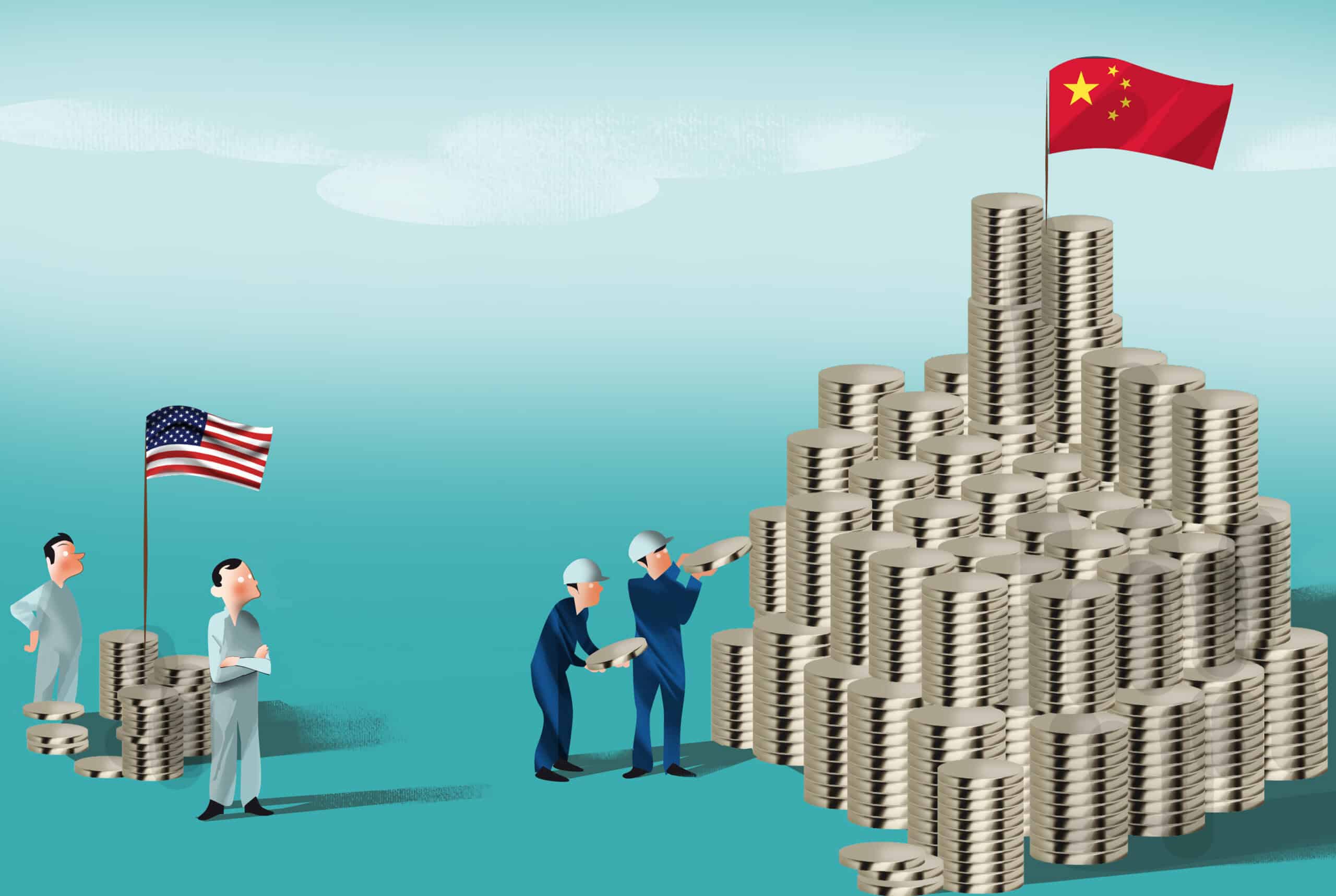
In 2019 Xi Jinping visited rare earths companies in Jiangxi province, a hub for the industry. It was a not very subtle reminder of the country’s dominant position in the industry and the power he had to cut-off supplies of rare earths to the U.S. high-tech and defense sectors. But if all goes to plan American politicians will be able to highlight a national champion of their own in Benson, North Carolina (population 4,500). Noah Berman travels to the Tar Heel State to visit Vulcan Elements, a manufacturer of rare earth magnets.
And UFLPA stands for … anyone, anyone?
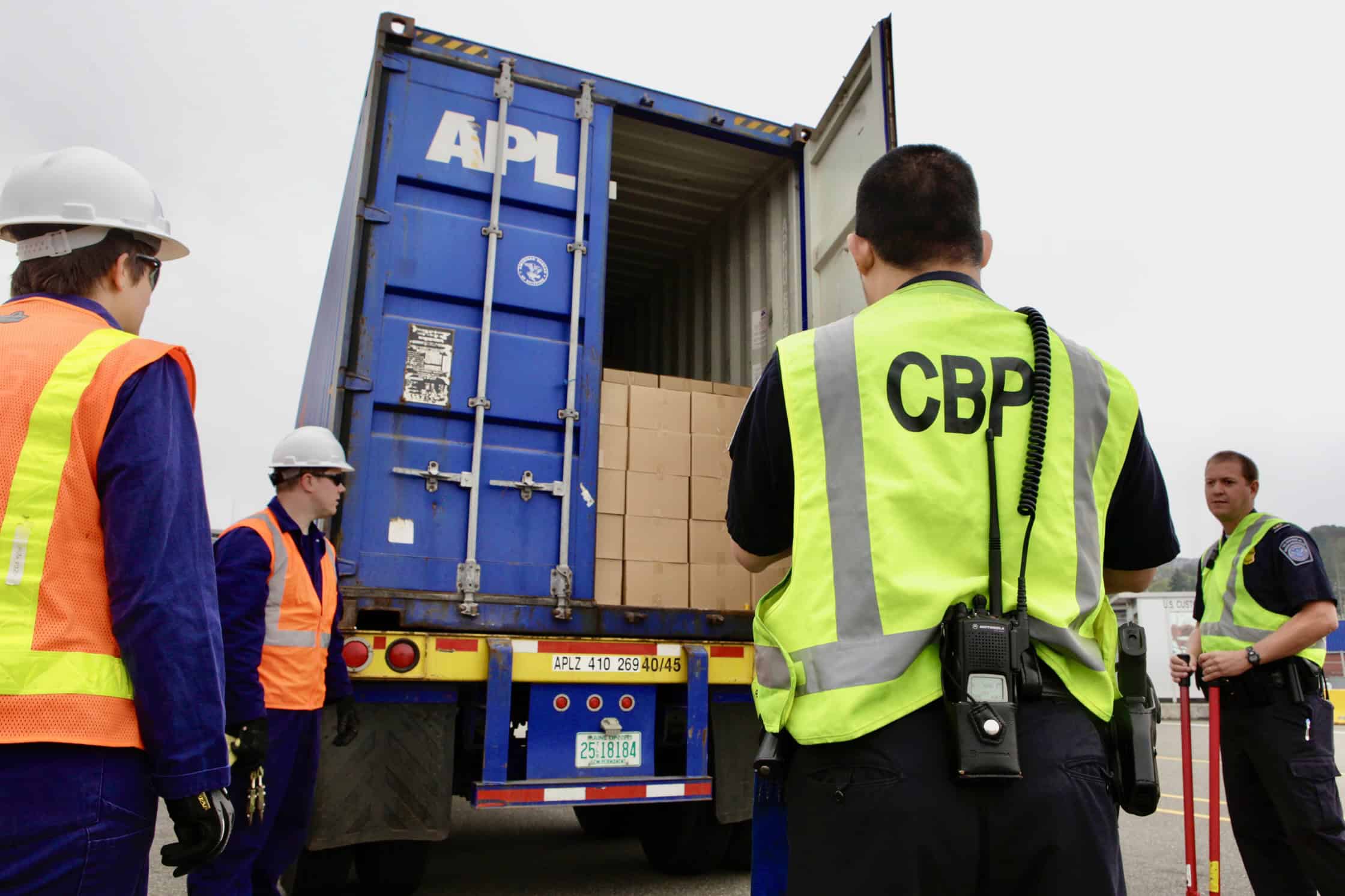
Enforcement of the Uyghur Forced Labor Protection Act, signed into law by Joe Biden in 2021, appears to be on the wane. Since Donald Trump returned to office last year, his administration has not added any Chinese companies to a blacklist of firms suspected of using Uyghur forced labor. “There is absolutely no practical reason why we should not have seen hundreds of companies added,” one Biden administration official tells Noah Berman. U.S. inspection rates and seizures of Chinese exports possibly made by Uyghur prisoners also fell dramatically in 2025 compared to Biden’s last year in office.
China and Iran, Friends with Fewer and Fewer Benefits
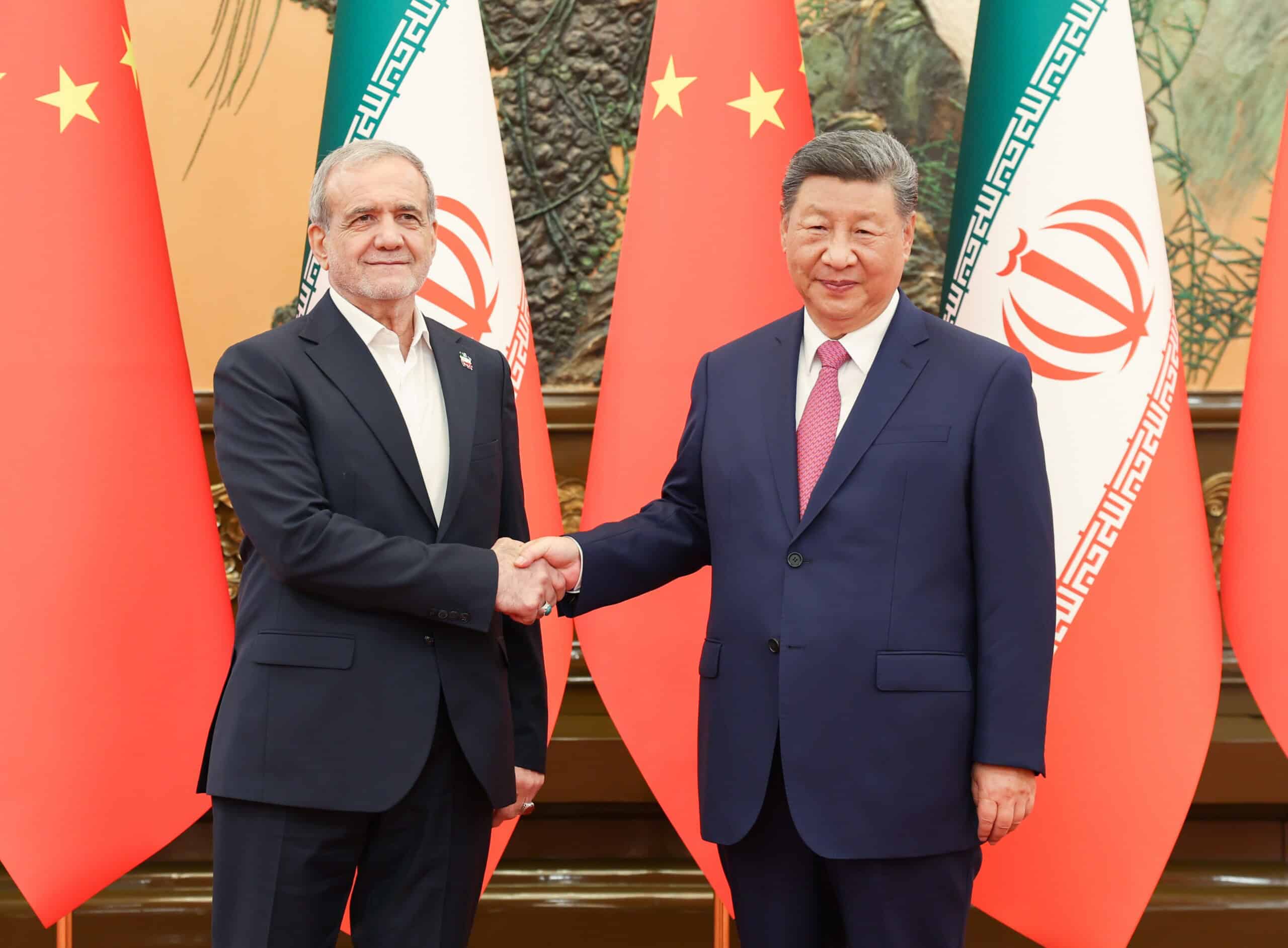
It hasn’t been a good start to the year for China’s big oil-producer friends. Venezuela’s erstwhile president is in U.S. custody, spirited away by American commandos just hours after meeting with an envoy from Beijing in Caracas, and Iran’s supreme leader is dead, a casualty of the U.S. and Israel’s war on the country. In this week’s Big Picture, Savannah Billman looks at the recent history of Sino-Iranian relations. The two countries profess to be dear friends. But if measured in terms of trade and investment, that friendship appears to be waning.
A Q&A with Kei Koizumi
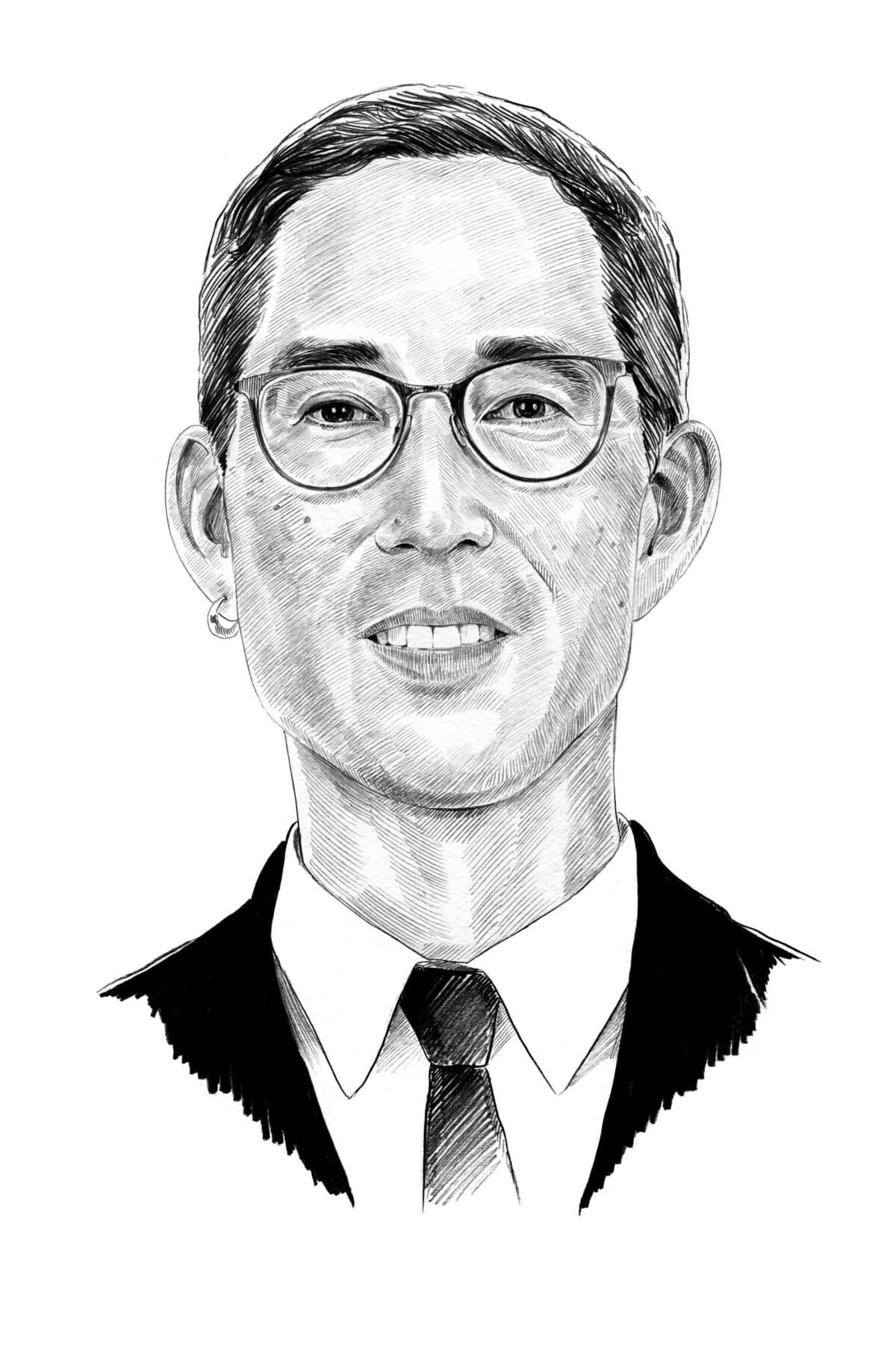
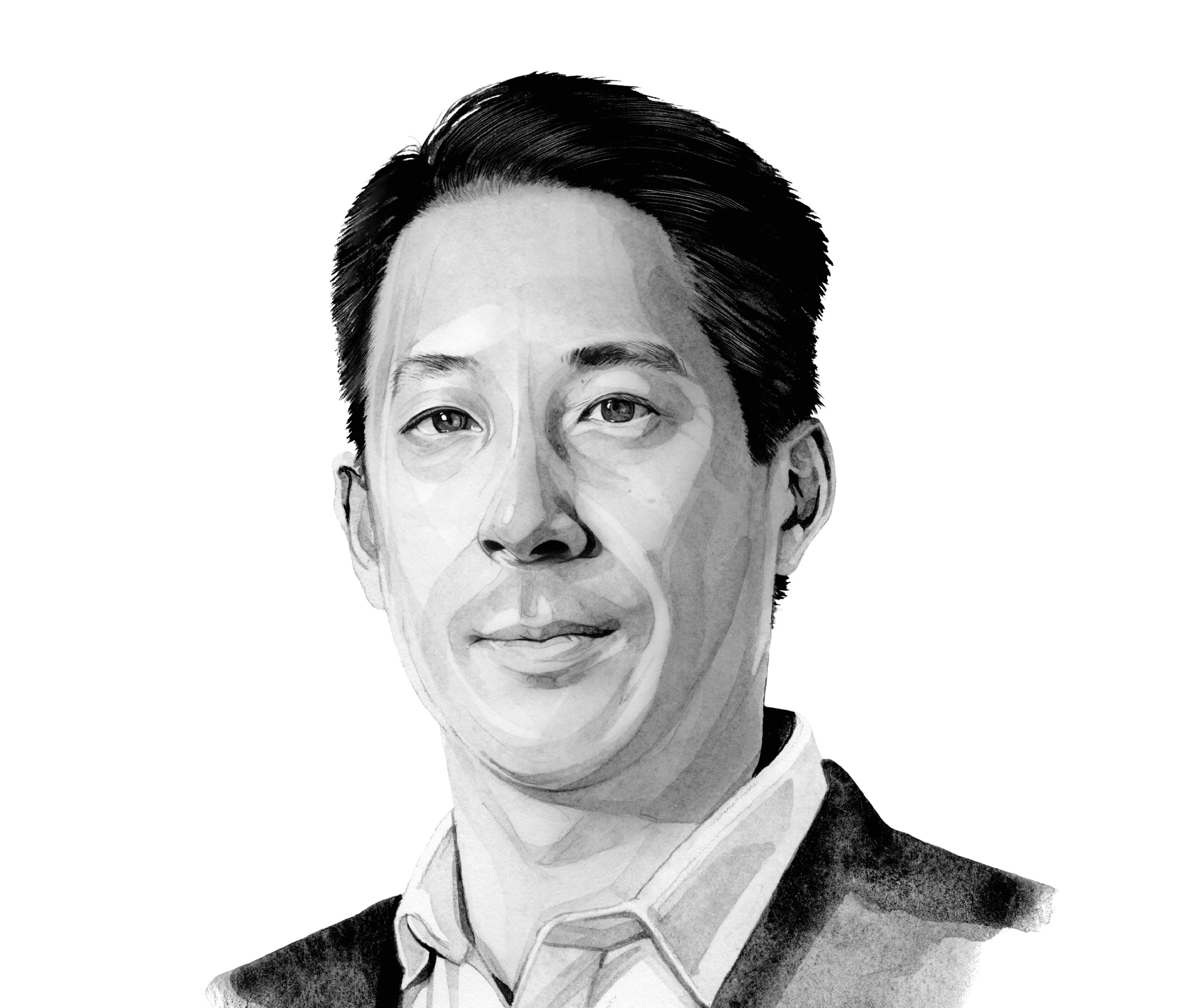
Kei Koizumi, a senior science and technology adviser to President Joe Biden, was tasked with increasing the competitiveness of America’s semiconductor industry vis-a-vis China, as well as negotiating the renewal of a cooperation agreement between the two rivals.
In a conversation with Nayan Seth, Koizumi looks back on his time in the Biden White House and at the future trajectory of U.S. China tech competition. “Imagine a Chinese military with the world’s leading AI capabilities in military and related technologies,” he warns. “They could outfight the U.S. military without firing a shot.”
Kei Koizumi
Illustration by Lauren Crow
A Tale of Two Cousins
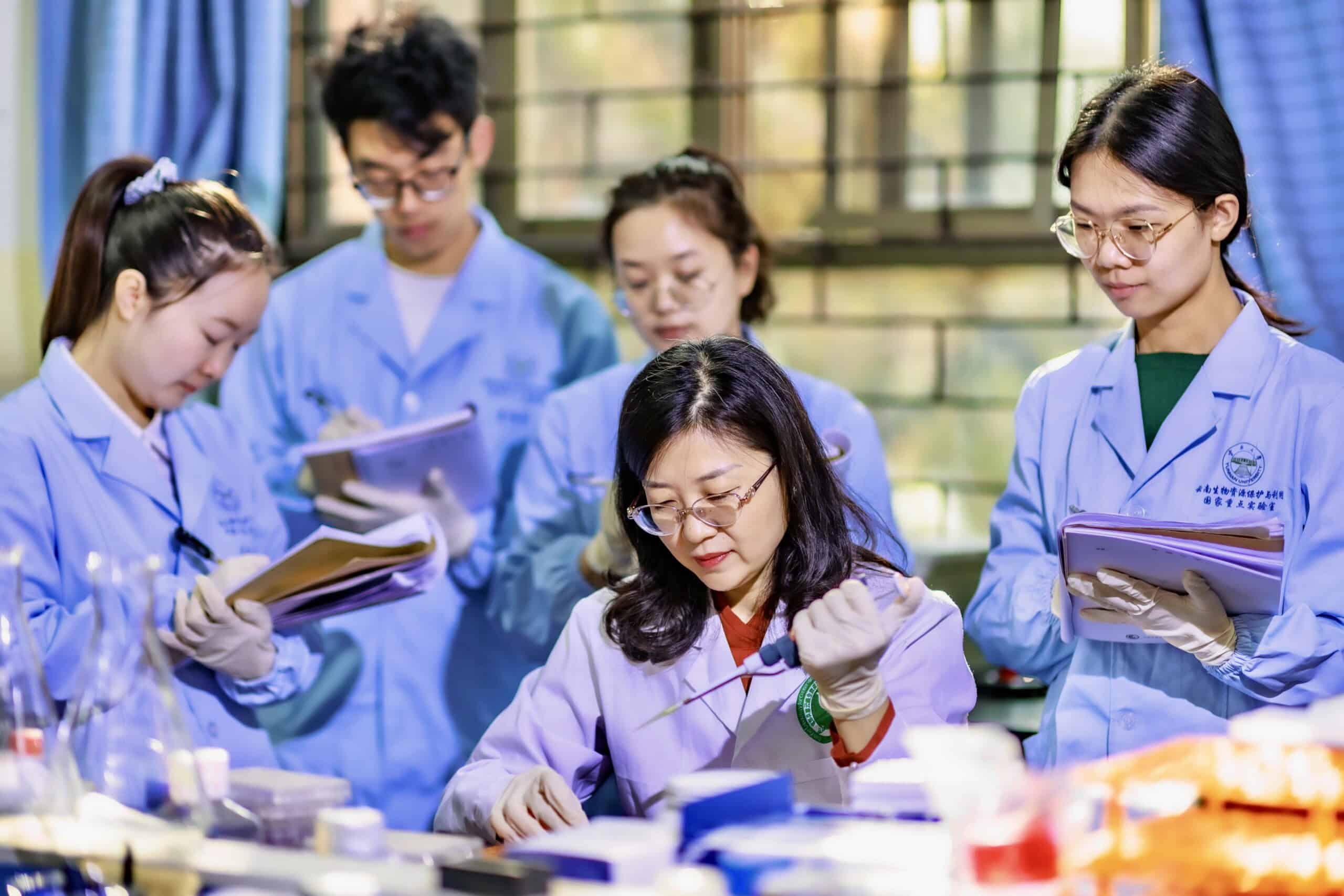
Zilan Qian writes about the divergent post-war paths of two China-born cousins — H.S. Tsien aka Qian Xuesen and H.C. Tsien — and what their lives tell us about Sino-U.S. scientific and technological competition in the 21st century.
The Best-Laid Plans…
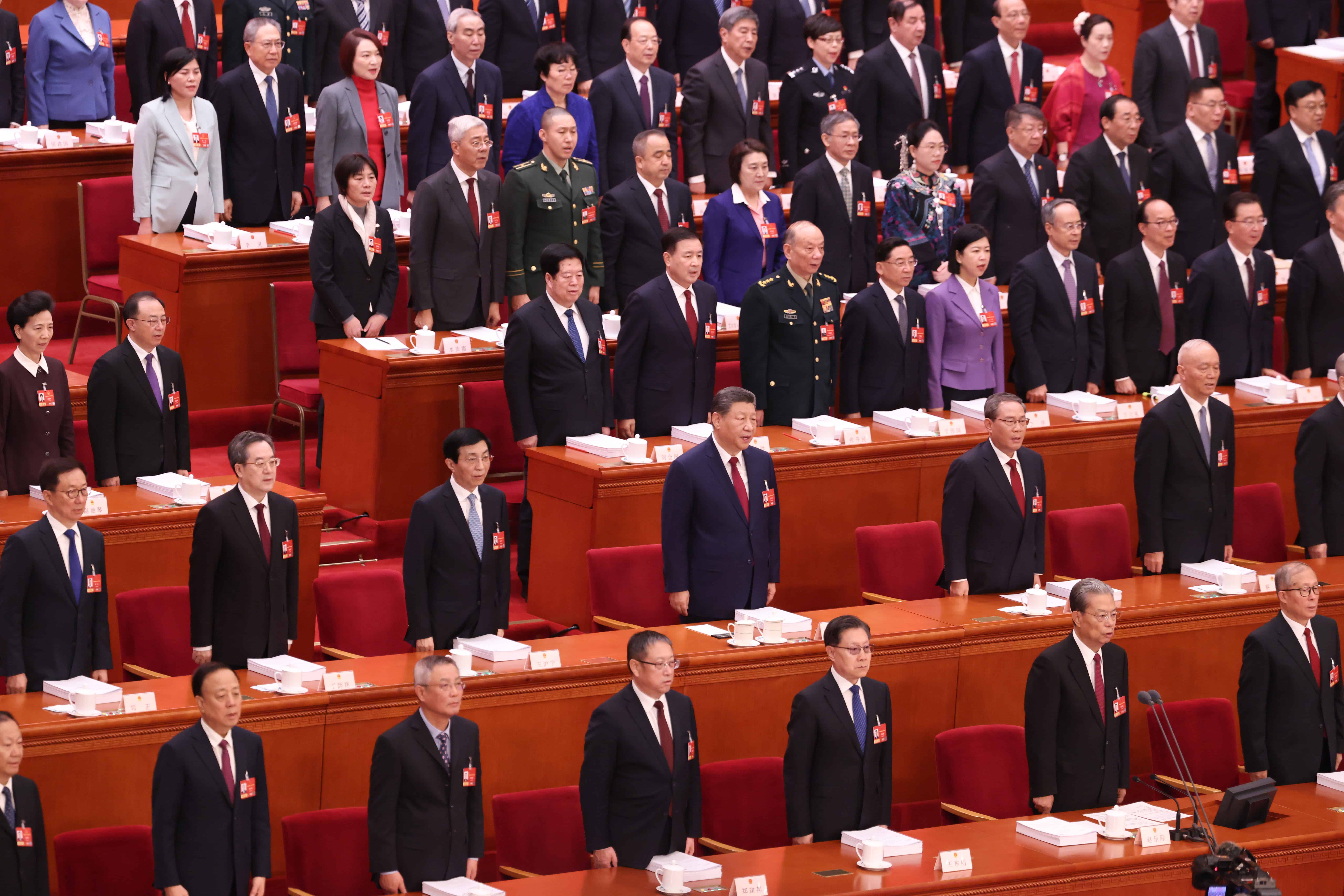
While the world’s attention has been focused on the U.S. and Israel’s war on Iran, China’s government has been busy outlining its economic targets for 2026 and finalizing its medium-term economic plan. But, George Magnus argues, the war and resulting spike in oil prices may already have blown Beijing’s “sanitized” forecasts off course.
Subscribe today for unlimited access, starting at only $25 a month.