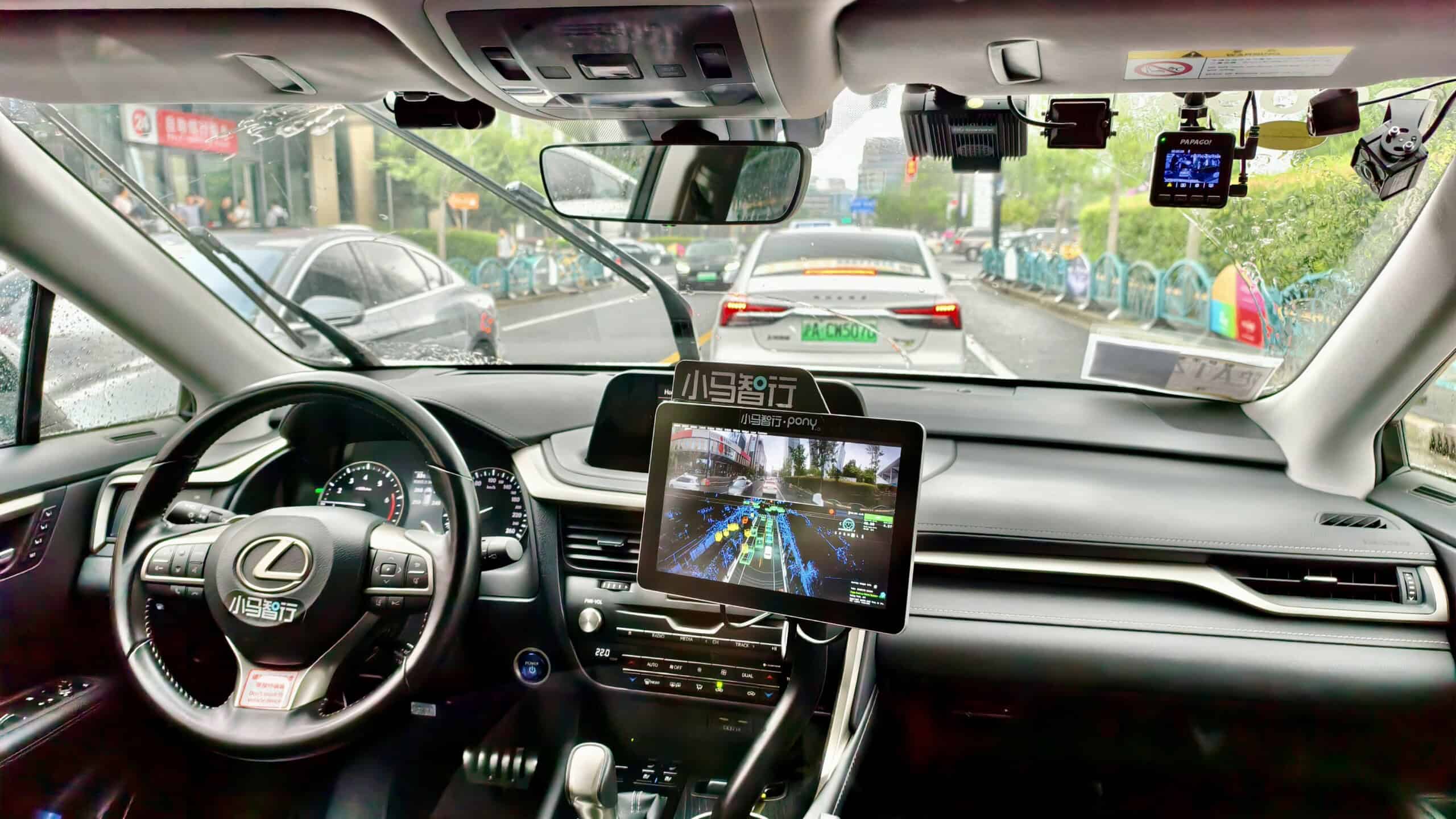
Good evening. Techno-lit skylines, vast subway networks and driverless cars gliding effortlessly along orderly roads. This is the vision of China’s mega metropolises that the Communist Party wants the rest of the world to have, especially at a time when international news headlines have been dominated by chaotic scenes of violence and death on the icy streets of Minneapolis. The futuristic skylines and impressive mass transit systems are a present reality. But as Rachel Cheung writes in our cover story, the Chinese government’s ambition to outpace the U.S. as the leading market for robotaxis and other forms of automated transport has not yet been realised, frustrated in part by recent accidents and fears of an army of unemployed taxi drivers. Industry executives are nevertheless upbeat at the start of year in which the number of driverless taxis on Chinese city streets could triple to about 11,000 vehicles. At least one projection, based on moderate fleet rollouts, estimates sector revenues could reach $47 billion by 2035.
The Wire China’s Andrew Peaple also talks to Rachel about her story in our debut podcast, posted this weekend, and previews this week’s issue.
Also in this week’s issue: Chinese EVs could be coming to America; the Big Picture on efforts to revive China’s moribund property market; a discussion with barbarian-handler David Daokui Li; and Stephen Roach on the battle between American exceptionalism and Chinese exceptionalism.
Want this emailed directly to your inbox? Sign up to receive our free newsletter.
A Slow but Steady Acceleration
You mess with Chinese taxi drivers at your peril. Baidu learned this the hard way when, in 2024, the technology giant priced its driverless taxi fares in Wuhan below those charged by its human competitors. Wuhan’s taxi drivers were not happy. Technology, complained one taxi company, would cause “those in the bottom of society to starve”. Baidu’s city-wide expansion was duly slowed by chastened municipal officials. But such setbacks, most industry figures believe, are but brief roadbumps on China’s journey to a driverless future.
A Roadmap to the U.S. Market for Chinese EVs
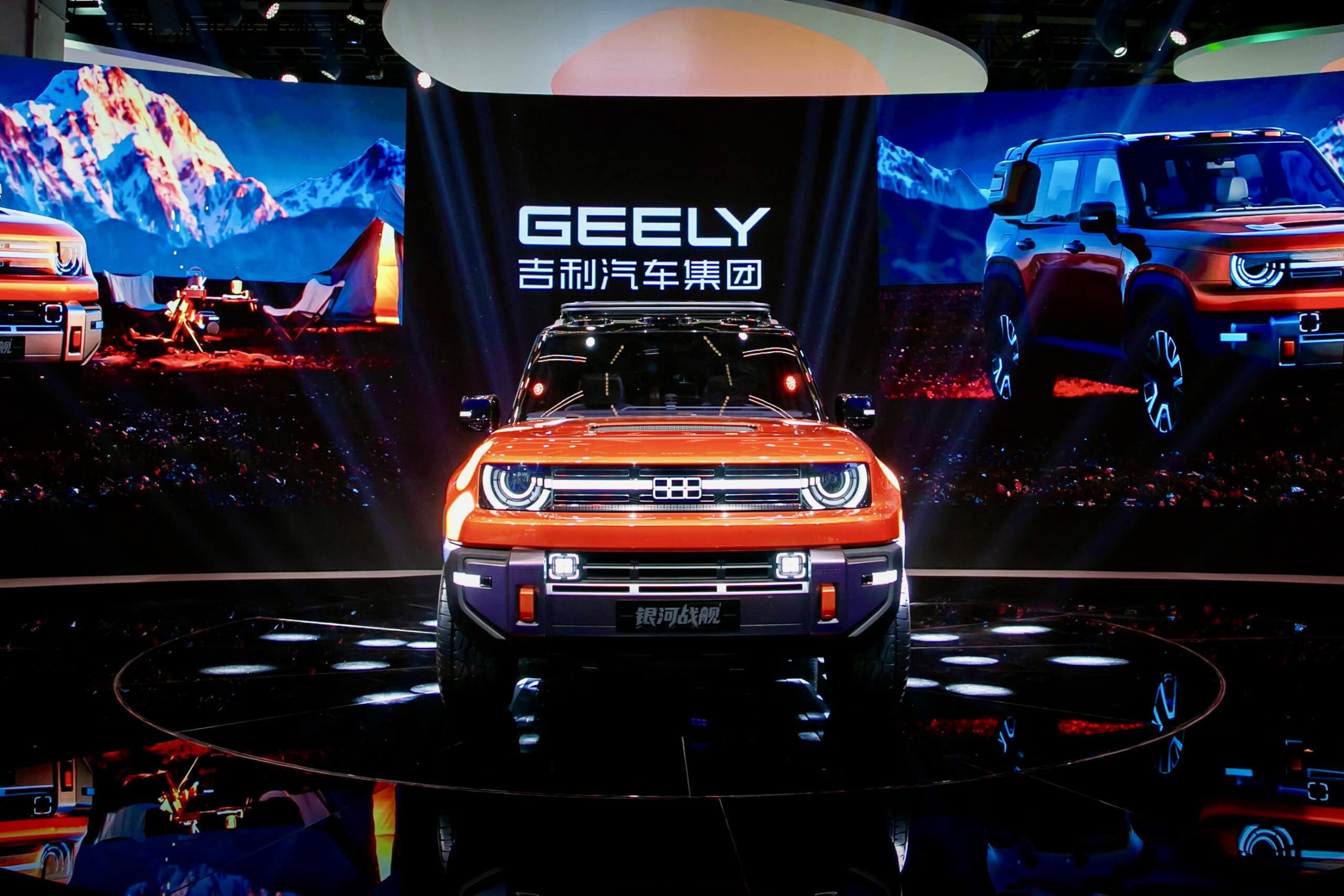
Imagine how much more remarkable China’s remarkable automotive export surge over recent years would have been if BYD et al had access to the U.S. market? The tariff and non-tariff barriers enacted to prevent this by both the Trump and Biden administrations are formidable, Noah Berman writes. But as Ottawa recently demonstrated in its recent trade deal with Beijing, they are not irreversible, especially if Chinese auto makers agree to manufacture their electric vehicles in the U.S. It is now possible to imagine a future in which Chinese EVs are as visible on the streets of New York as they now are in Bangkok and so many other cities around the world.
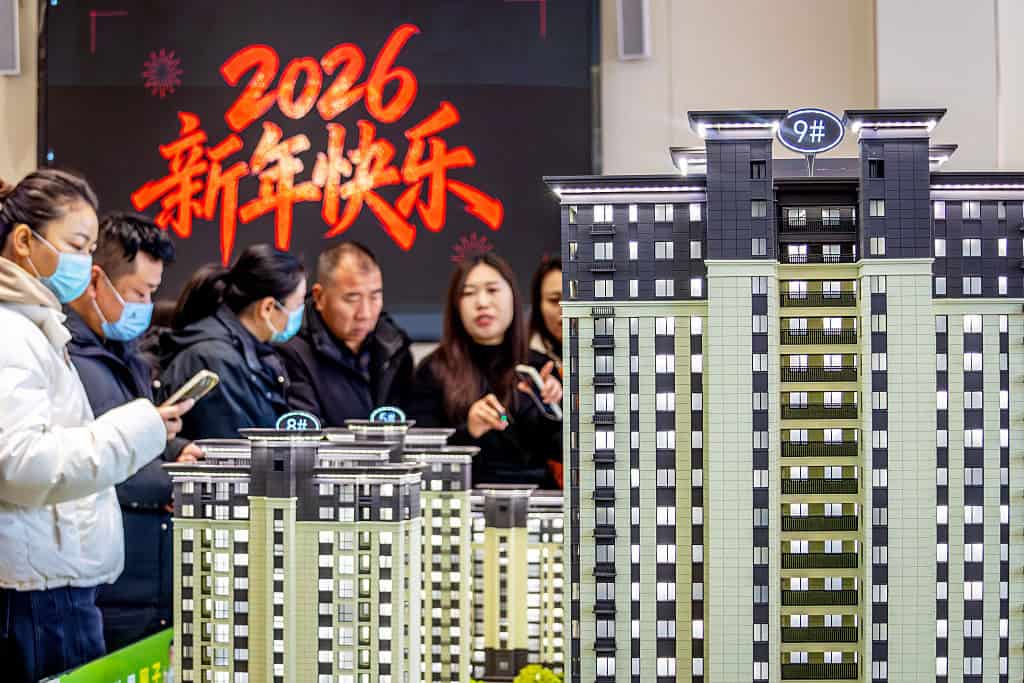
Reviving the Property Sector
In terms of value destruction, it is hard to top the policies implemented in 2020 by Xi Jinping and his then top economic adviser, Liu He, to discipline China’s overleveraged property developers. They apparently believed that it had become necessary — to borrow a U.S. military officer’s infamous quote during the Vietnam War — to destroy the sector in order to save it. In just three years the Hang Seng Property Index, which tracks 28 Chinese property developers, fell almost 60 percent. Can Xi’s administration now revive what it killed? As Savannah Billman writes in the Big Picture, Beijing appears intent on loosening the restrictive measures that did so much damage.

A Q&A with David Daokui Li
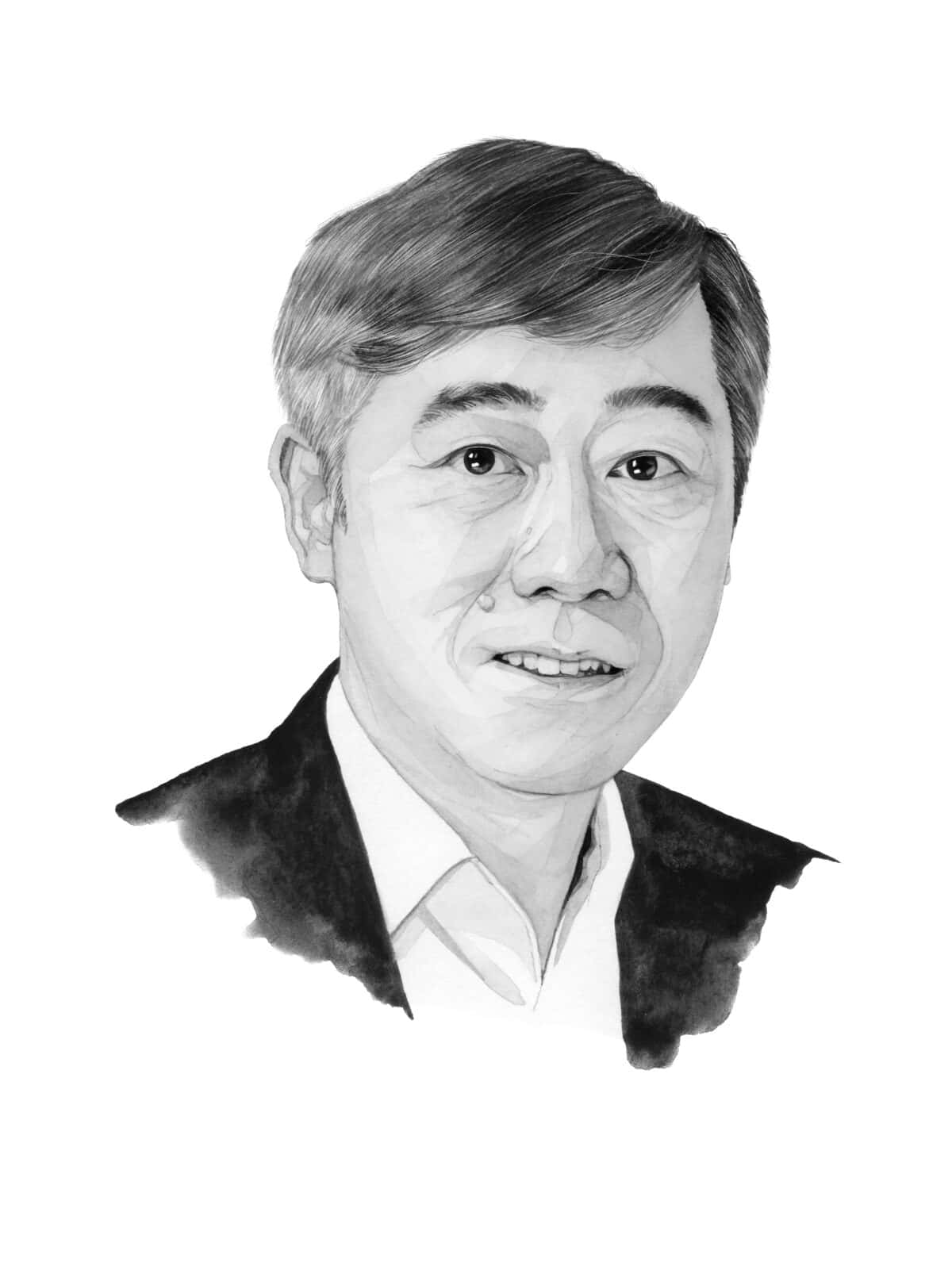
David Daokui Li graduated from Harvard and spent the early years of his academic career at Stanford and the University of Michigan. He returned to China more than 20 years ago and is now director of an academic center at Tsinghua University.
Li, also founding dean of Tsinghua’s Schwarzman College, is one of Beijing’s better-known interlocutors — a system insider who seeks to reassure foreigners about the Chinese Communist Party’s policies and intentions. “The world,” he tells Rachel Cheung in this week’s Q&A, “gets things totally wrong about China.”
David Daokui Li
Illustration by Kate Copeland
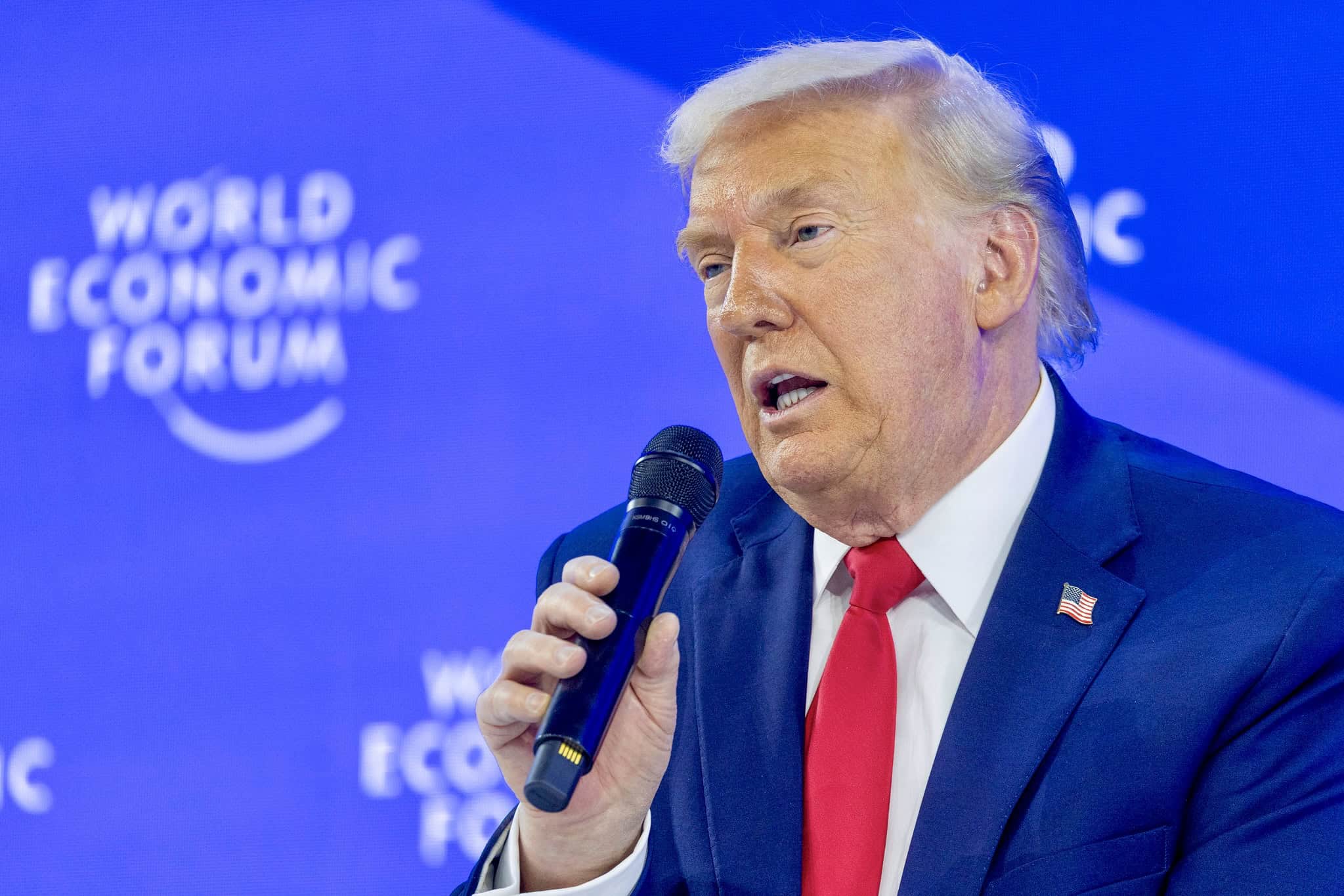
Whose Great Leader is the Greatest?
The “systems contest” between the U.S. and China has shifted profoundly since Xi Jinping assumed power in 2012 and the advent of America’s Trump Era four years later. In this op-ed, Stephen Roach urges these two countries with diametrically opposed political systems — but similarly Alpha presidents — to understand and tolerate each other, with grudging respect if necessary but respect all the same.
Subscribe today for unlimited access, starting at only $25 a month.