Both U.S. and Chinese leaders are guilty of personalizing the conflict-prone Sino-American relationship. Continuing down this path raises the question of which country is truly exceptional.
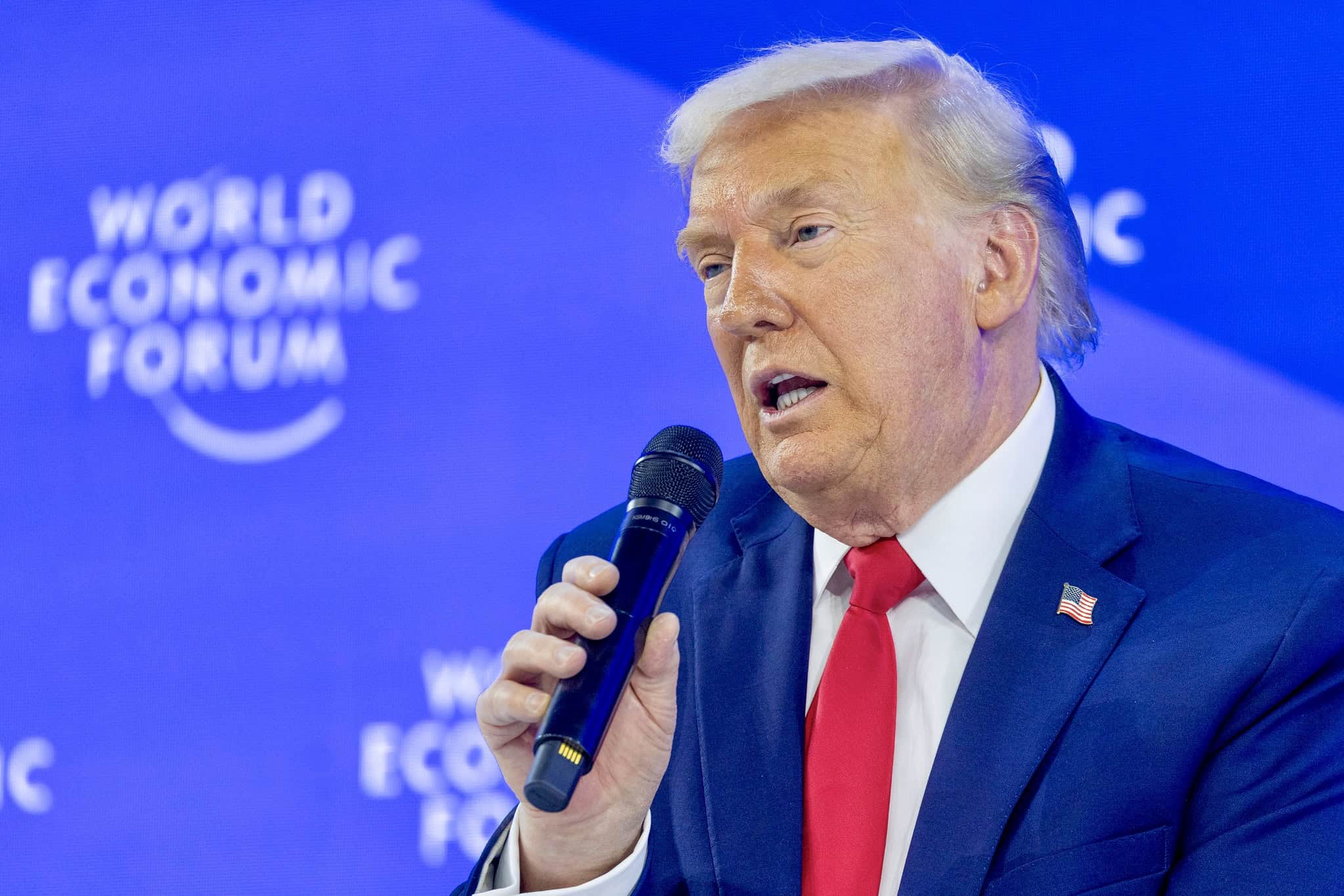
U.S. President Donald Trump speaks at the World Economic Forum Annual Meeting in Davos-Klosters, Switzerland, January 21, 2026. Credit: World Economic Forum via Flickr
The United States and China have long been the most prominent representatives of two opposing systems: democracy and socialism. But they increasingly share one crucial characteristic — personalized leadership — that blurs the otherwise sharp distinction between the two. This raises the important question: which country is truly exceptional?
The "shining city" mentioned in Reagan's farewell address, January 11, 1989. Credit: Reagan Library
American exceptionalism is, of cou
Exclusive longform investigative journalism, Q&As, news and analysis, and data on Chinese business elites and corporations. We publish China scoops you won't find anywhere else.
A weekly curated reading list on China from Andrew Peaple.
A daily roundup of China finance, business and economics headlines.
We offer discounts for groups, institutions and students. Go to our Subscriptions page for details.
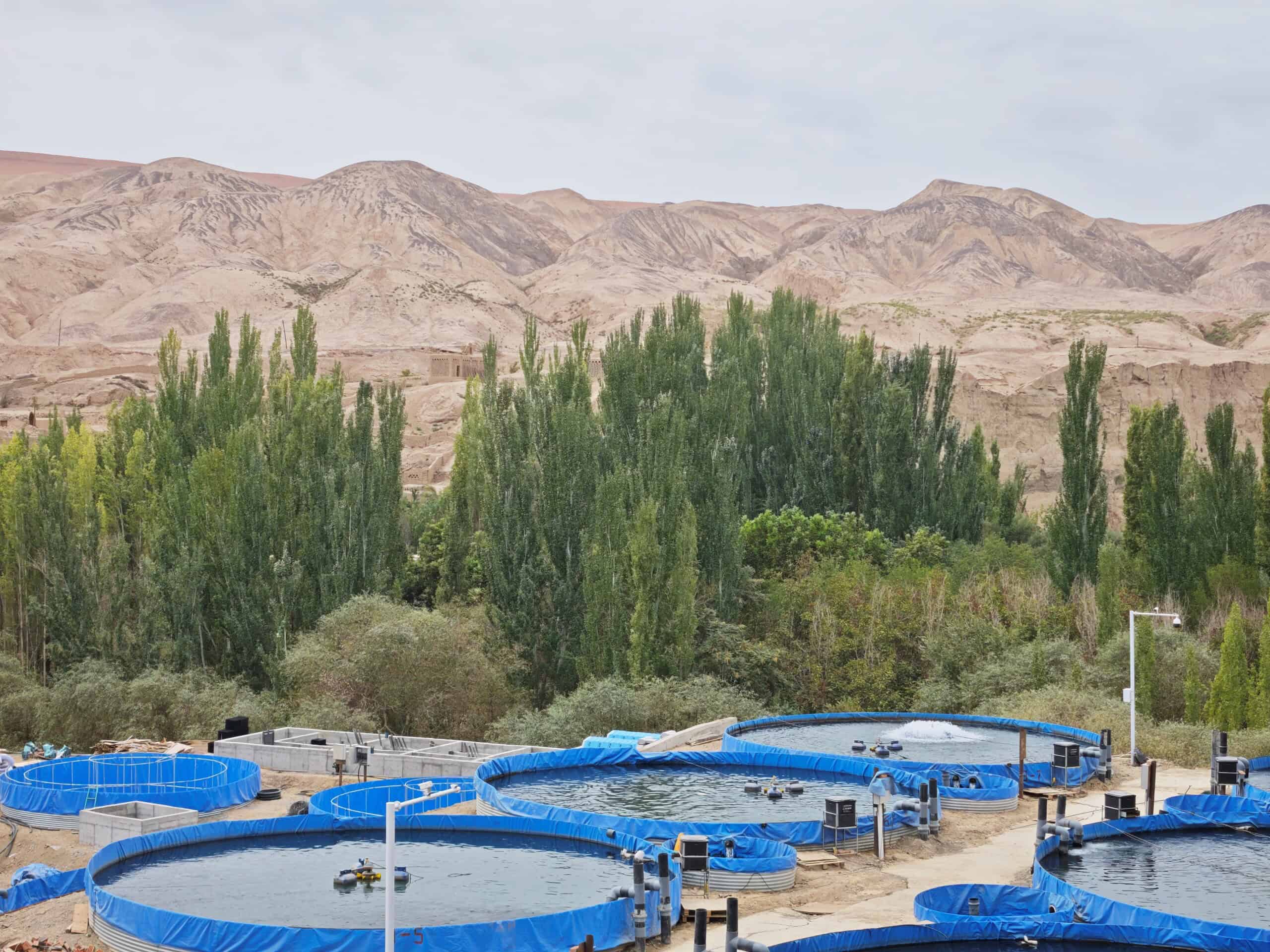
Fish farming in Xinjiang is being sold as proof that technology can overcome geography. The reality is more complicated: a desert seafood boom built on political control, imported feed and a food system that masks its real burdens.
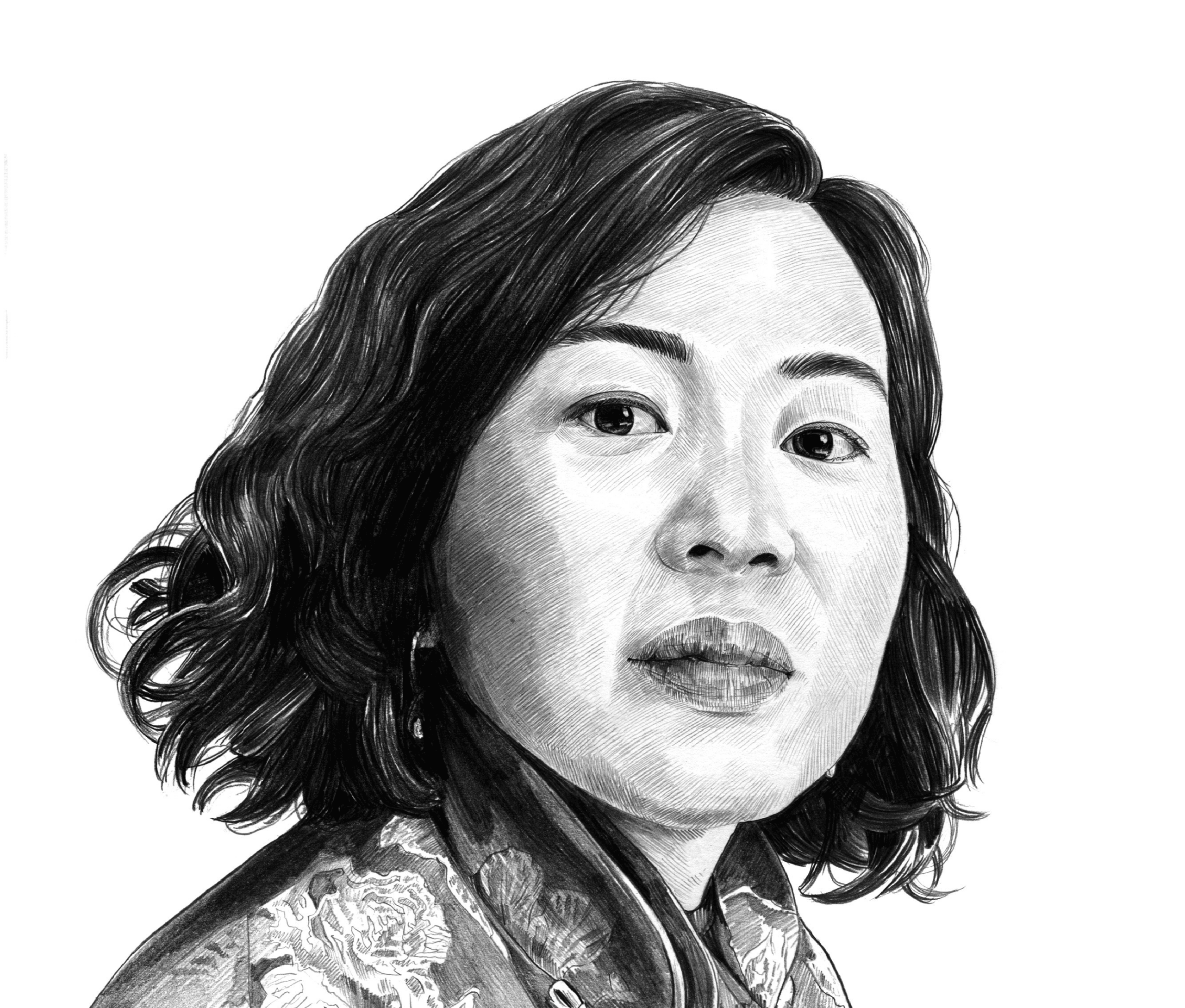
The foreign correspondent describes meeting with the Uyghurs from Xinjiang who played a key role in the Syrian civil war, but who now find themselves potentially stateless.
Corporate Risk Intelligence for National Security, Compliance & Due Diligence
We use cookies to ensure that we give you the best experience on our website. If you continue to use this site we will assume that you are happy with it.