Good evening. How do you solve a problem like Myanmar? The country represents China’s best hope of an overland alternative to the easily blockaded Strait of Malacca, by building oil pipelines and other infrastructure linking Yunnan province to the Bay of Bengal. It is also a critical source of the rare earths China needs in its century-defining technological contest with the U.S. These interests, Sean Williams writes in this week’s cover story, in turn depend upon stable relations between Myanmar’s brutal ruling junta, which controls the country’s Buddhist heartland, and the various ethnic groups that run its resource-rich hinterlands bordering Yunnan and Tibet. Such stability has been achieved off-and-on over the decades through “ceasefire capitalism”, in which the two sides suspend hostilities that threaten China’s economic interests. But it is a balancing act that has been tested as never before since the junta returned to power in Myanmar’s latest coup d’etat, launched in 2021, and may soon fail altogether.
Also in this week’s issue: Why baseballs are more expensive; America’s electricity grid gap with China; Larry Kudlow on Trump and China; and China’s fertility paradox.
Want this emailed directly to your inbox? Sign up to receive our free newsletter.
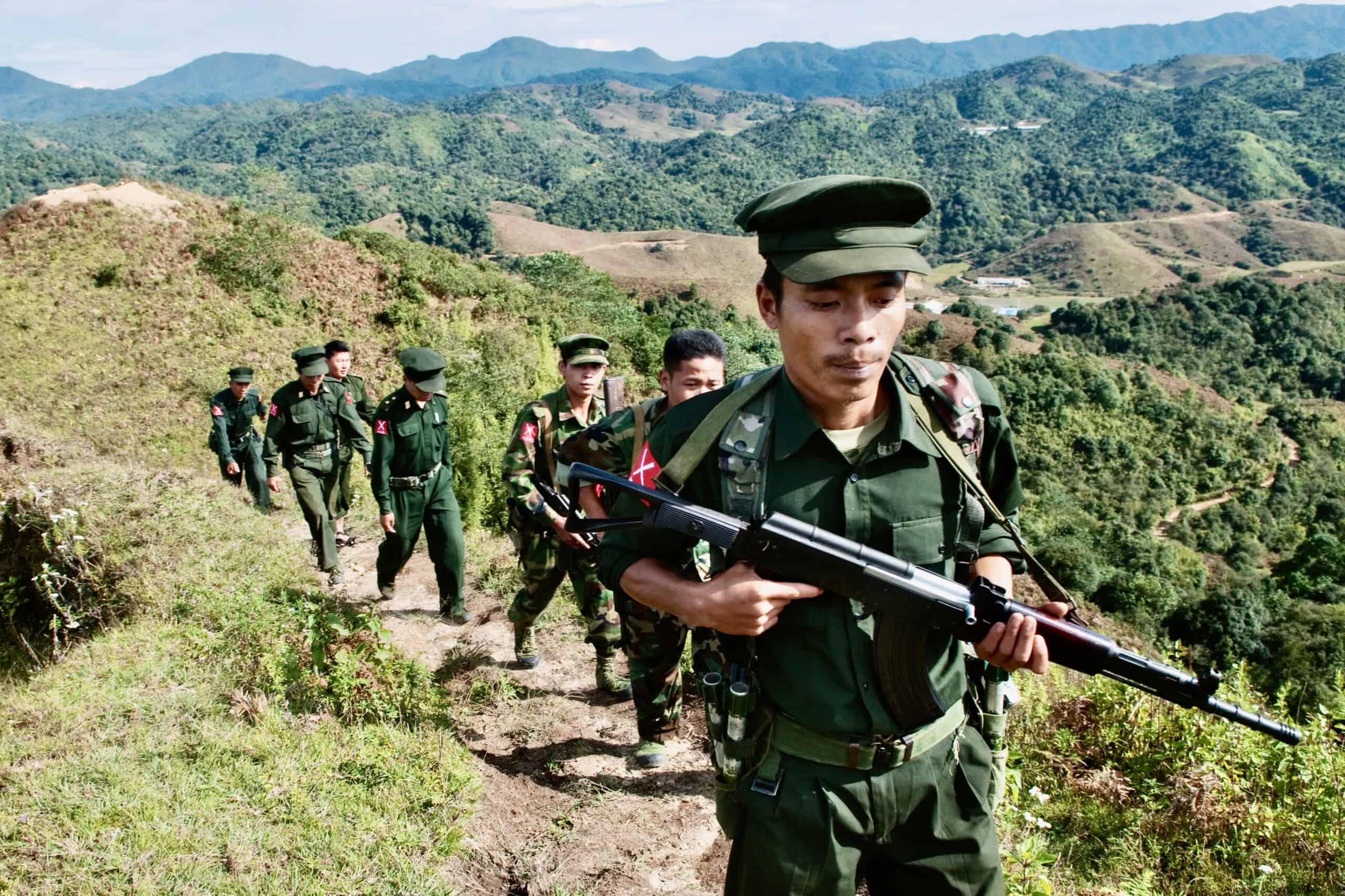
China’s Myanmar Problem
When a little-known warlord lost control over his fief in northeastern Myanmar late last year, Chinese diplomats began to worry. Zahkung Ting Ying had long held the rare-earth rich territory around Chipwi in Kachin state and was allied with Myanmar’s ruling military junta, ensuring the stable operations of mines supplying China. But his defeat by the Kachin Independence Army and the KIA’s much rockier relationship with the junta suddenly threatened China’s interests in Myanmar. It is a pattern that is being repeated with increasing frequency across the country, posing an unprecedented strategic challenge for President Xi Jinping’s administration.
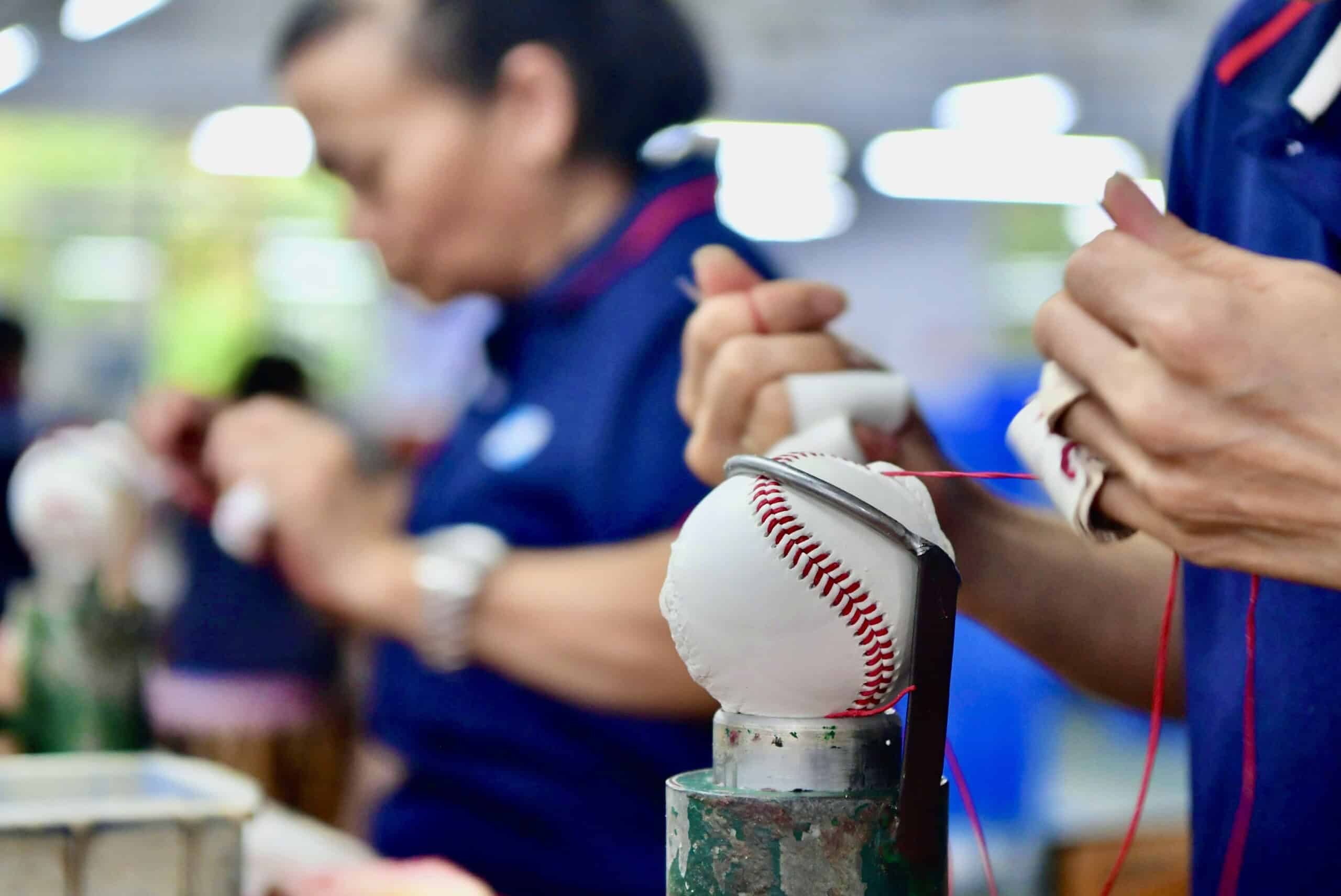
America’s Pastime Gets Caught Out
Every time a batter hits a home run or fouls off a ball into the stands, it costs U.S. baseball teams more money than ever before thanks to U.S. President Donald Trump’s tariffs on China-made goods. And baseballs are just the start of it, writes Noah Berman. China is also a major supplier of bats, gloves and all the other equipment used in the game. So play ball! If you can afford it…
The Big Picture: The Grid Gap
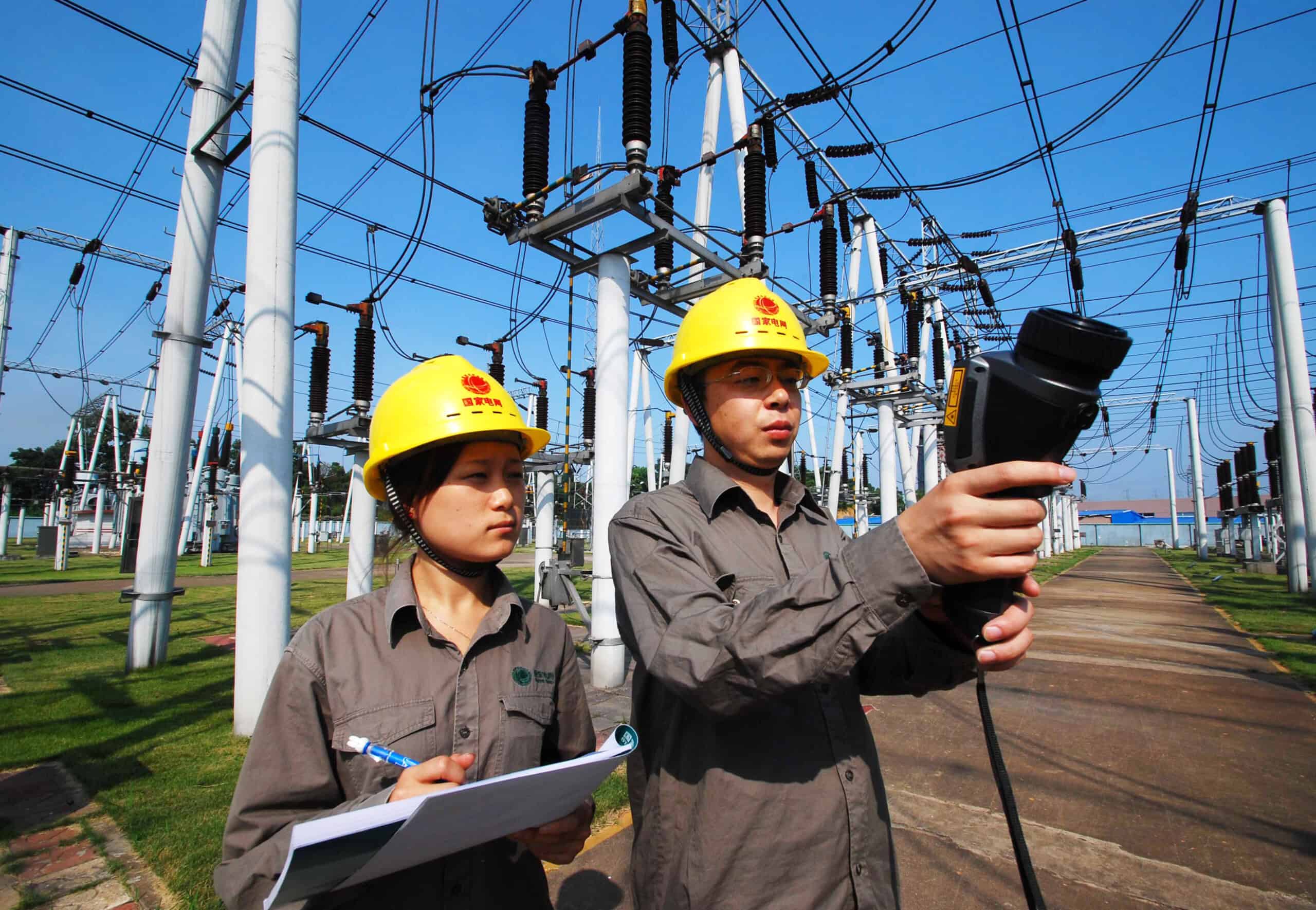
The Trump administration isn’t even trying to compete with China when it comes to the generation of renewable hydro, solar and wind power. But there is an equally important, if less known, energy system gap separating the two countries, which Dean Minello examines in this week’s Big Picture. Unlike America’s fragmented and patchwork grid system, China has prioritised the development of ultra-high voltage transmission lines to make sure it can transfer clean energy from its resource-rich interior to high-demand areas in the country’s east and south.
A Q&A with Larry Kudlow

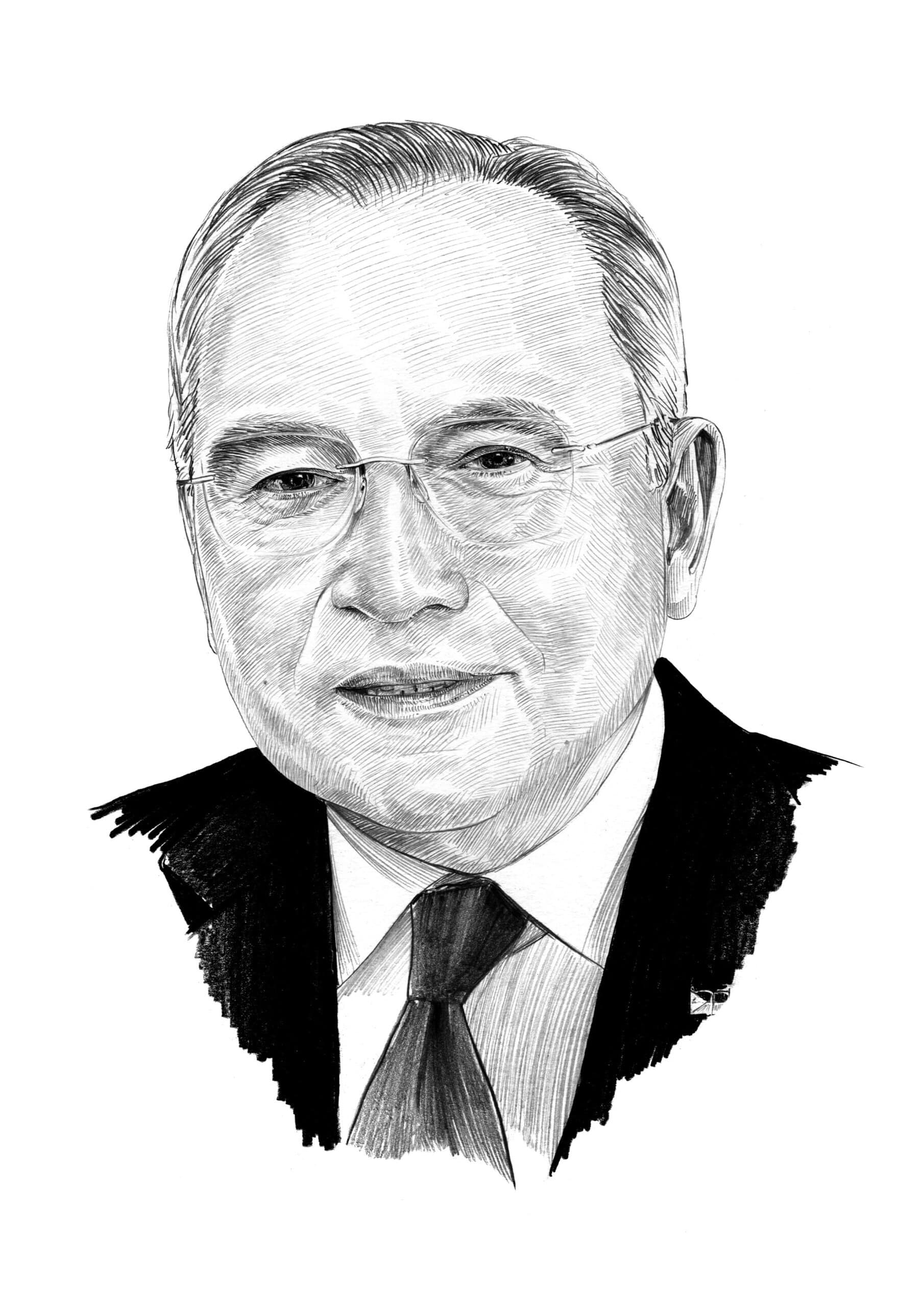
Larry Kudlow has spent his career shuttling between Wall Street and Republican presidential administrations in Washington. During Trump’s first term, he headed the National Economic Council and worked on China trade and technology policies.
In this week’s Q&A, the Fox Business host speaks with Bob Davis about his war on Huawei, his arguments with trade advisor Peter Navarro and Trump’s first-term China successes and failures. “When the president wanted to scare the hell out of the Chinese, he’d put Peter front and center,” Kudlow remembers. “But when he wanted to pull back you might see me.”
Larry Kudlow
Illustration by Kate Copeland

Don’t Let Your Daughters Grow Up to be Mothers
Everyday should be Mother’s Day in China. Seventy per cent of all Chinese mothers give birth without epidurals, child-rearing costs are extortionate, and middle-school students must be hounded year-round to prepare for a ninth-grade test that will determine whether they can go to university. And even after all that, there may not be a good job waiting for a well-mothered child. The Chinese government, writes Nancy Qian, must relieve these pressures if it wants birth rates to recover and ensure a prosperous economy for China’s people.
Subscribe today for unlimited access, starting at only $19 a month.