In the summer of 2024, I embarked on a journey through the Dongbei Provinces — China’s northeast, historically known as Manchuria. The high-speed rail network made it easy to glide from city to city in comfort. But one leg of my trip took me off the modern grid: I planned to visit a Liao Dynasty Buddhist temple in a remote county, reachable only by a slow, regular-speed train that connects small towns and county seats across the region.
I boarded at a station in the Qinhuangdao area, a coastal enclave long used as the Communist Party’s summer retreat — a kind of political backyard to Beijing. The security checks were surprisingly stringent, even by Chinese standards. After passing through the usual procedures — having my belongings screened, scanning my ID at the gate, and undergoing facial recognition — I was stopped again. Two uniformed policemen scanned my ID a second time with handheld devices. Only after a green checkmark appeared on their screen was I cleared to board.
Since it was a short ride, I had booked a seat in a standard seating car. These cars are communal by design: four to six passengers share booth-like sections, seated knee-to-knee around a narrow table. This setup creates an ideal social environment where casual conversations often emerge. Here, one encounters a different China — less polished, less affluent, and more raw. It was an unexpected chance for some impromptu fieldwork on the ground-level realities of Chinese society.
Shortly after the train departed, my fellow passengers — three others sharing my booth — began complaining about the security checks. As locals, they suggested the reason behind the heightened scrutiny: senior party leaders were vacationing nearby, and the extra ID screening was intended to identify and intercept petitioners (shangfanghu, 上访户), citizens seeking to lodge formal complaints against local authorities through the state’s Letters and Visits (xinfang,信访) system. Each year, local officials go to great lengths to prevent these “troublemakers,” who come from all different places but especially northern China, from spoiling the leadership’s holiday.
The competition between China and the North Atlantic West is not merely about geopolitics or economics. At its core, it concerns a deeper theoretical question… Which political system is better equipped to meet the most pressing challenges of our world?
This sparked a wave of frustrated stories from two of my companions — a man and a woman, both in their late fifties or early sixties. Each had been a seasoned petitioner, now disillusioned. The man, an army veteran whose labor rights had been trampled by a local employer, had spent eight years filing complaints after receiving no help from local officials. Instead of justice, he encountered relentless political harassment that left lasting psychological scars. The woman recounted an equally harrowing ordeal: after her husband’s death, local authorities denied her and her son the pension they were legally entitled to. When she persisted, officials retaliated — going so far as to frame her son and have him imprisoned.
Their mood was grim. They had tried everything, but the machinery of government proved impermeable. At the peak of their conversation, the woman — a small-town shopkeeper without formal education — said with striking clarity: “Look at the United States. They have two parties. We only have one. We have no way to resist.” The man nodded in agreement and added that, for people like them, the only sane path forward was to give up hope and practice carpe diem.
The woman’s remark about the American political system would likely provoke pushback from many in the United States — progressives, moderates, and conservatives alike. After all, criticisms abound that, despite having two major parties, the American political system largely serves the interests of the wealthy while neglecting those of the poor. With deepening polarization, the two-party system often produces gridlock, preventing meaningful legislation from advancing. On the surface, the United States remains a competitive electoral democracy; in essence, many argue, it functions as an oligarchic dictatorship. Voters do not so much support a party out of conviction as they vote out of disillusionment about the incumbent. The Chinese Communist Party (CCP), long armed with the ideological tools of Marxism, has echoed these critiques to defend the superiority of socialism with Chinese characteristics.
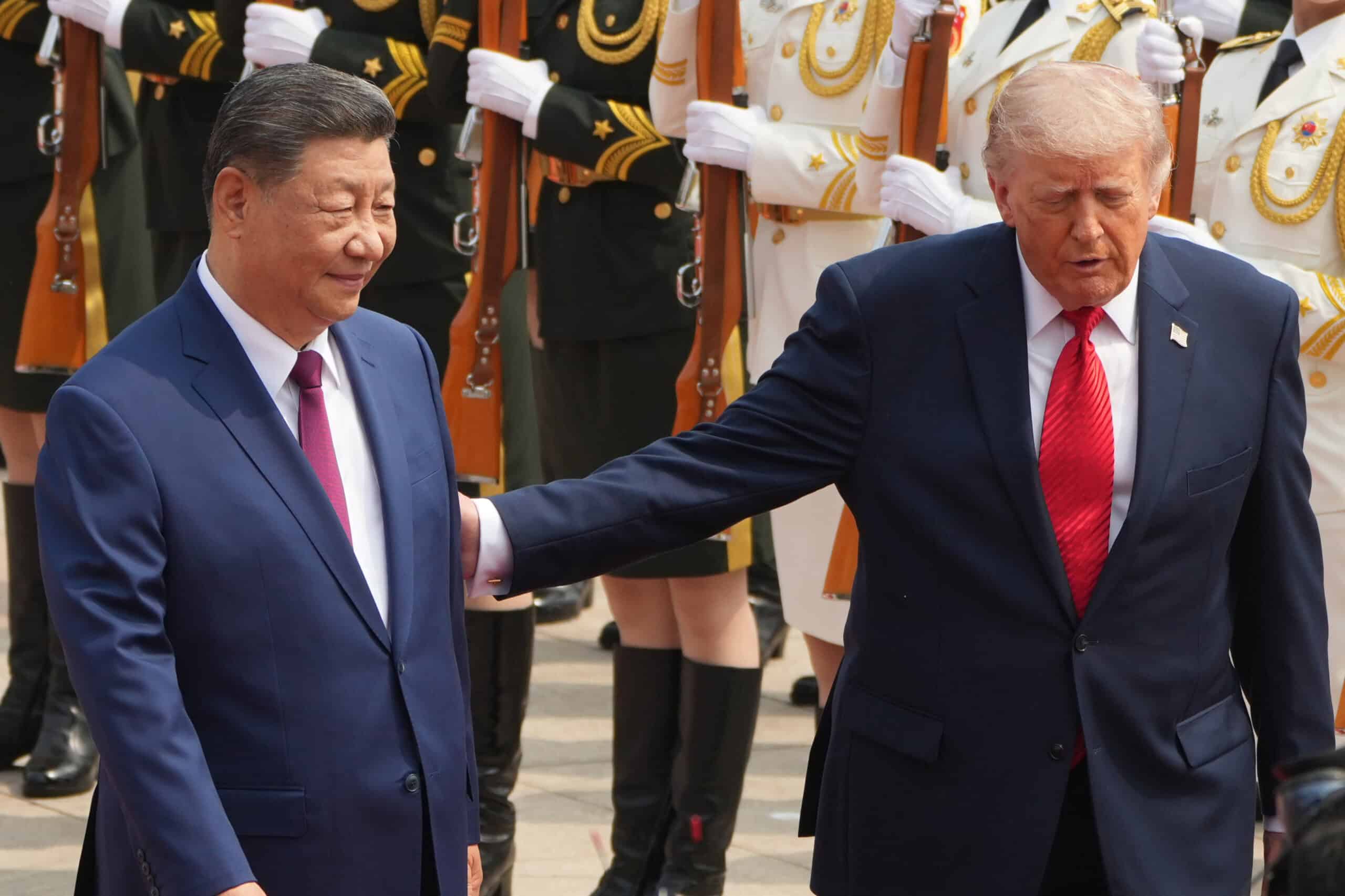
In November 2024, the reelection of Donald Trump brought the crisis of American democracy into sharp relief. [I]t appears that Trump and the Republican Party are poised to dismantle what remains of America’s democratic institutions. Meanwhile, the Democratic Party, demoralized by a devastating defeat, has shown little resolve in resisting this authoritarian turn. As the United States falters, American intellectuals look toward China with a mix of anxiety and admiration. “I just saw the future. It was not in America,” wrote Thomas Friedman in a New York Times op-ed.
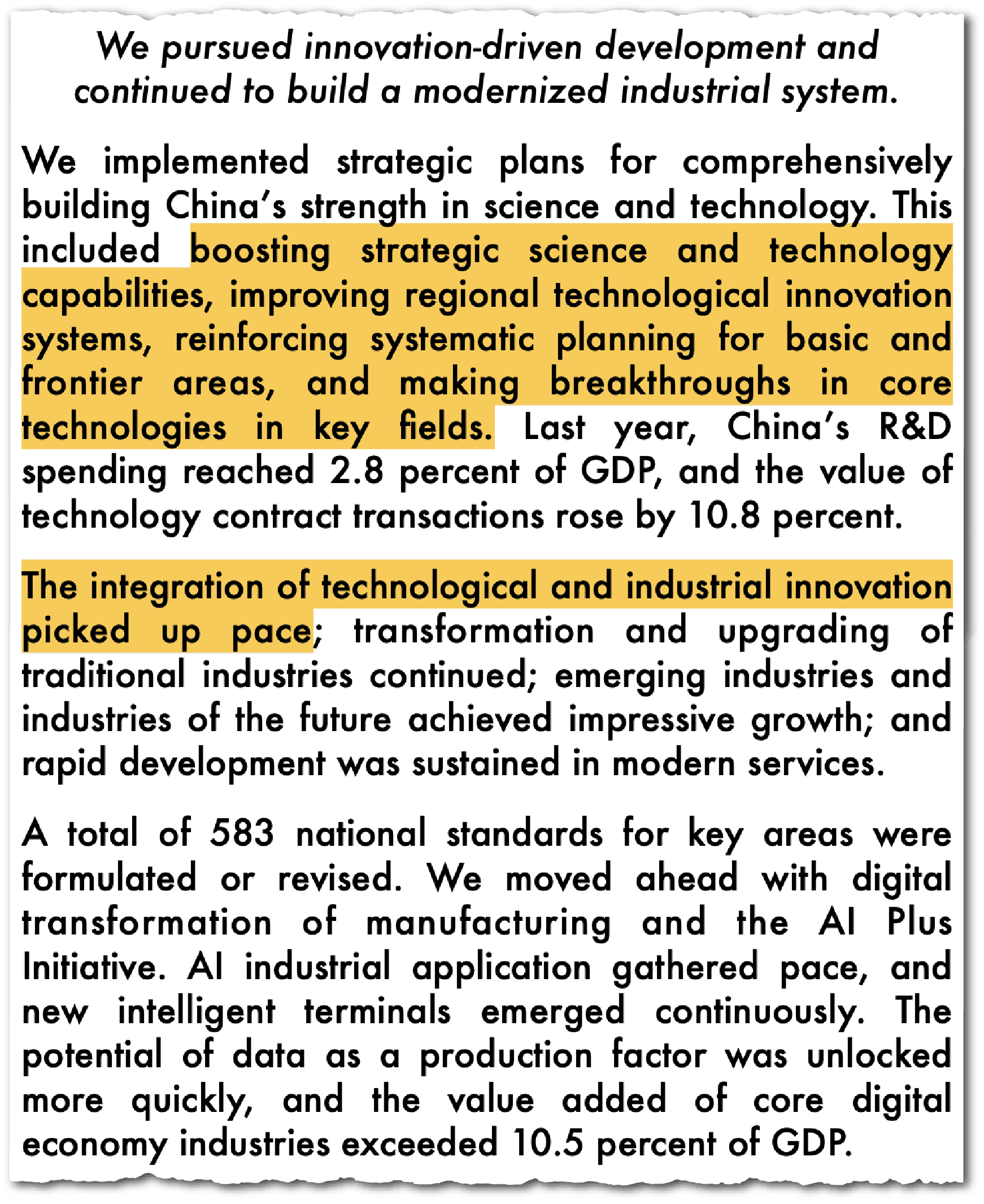
While he stops short of endorsing the Chinese political system, his words suggest a growing recognition that the CCP, unencumbered by electoral cycles, is, at least in some respects, better positioned to make long-term strategic decisions. According to Friedman, as American politicians remain mired in partisan squabbles, the Chinese state is expanding its investment in higher education and technological innovation. As one of world’s biggest countries in terms of territory, population, economic size, and global influence, China seems to represent a story of “authoritarian success”: it demonstrates the capacity of a non-electoral regime to enhance the prosperity of its citizens, foster a dynamic society, and fortify its national prowess.
Yes, we have entered a historical moment in which any serious discussion of humanity’s political future must confront the rise of China. The competition between China and the North Atlantic West is not merely about geopolitics or economics. At its core, it concerns a deeper theoretical question that has animated every generation in human history: Which political system is better equipped to meet the most pressing challenges of our world? China has emerged as a formidable contender in this debate. Yet the track record of its current political system cautions against any quick or uncritical affirmation of its supposed superiority over liberal democracy. Over the past decade, both China and the West have experienced moments of brilliance and of failure. In this ongoing contest, partisans on each side often take comfort in the short-comings of their rivals. But history has not yet declared a winner.

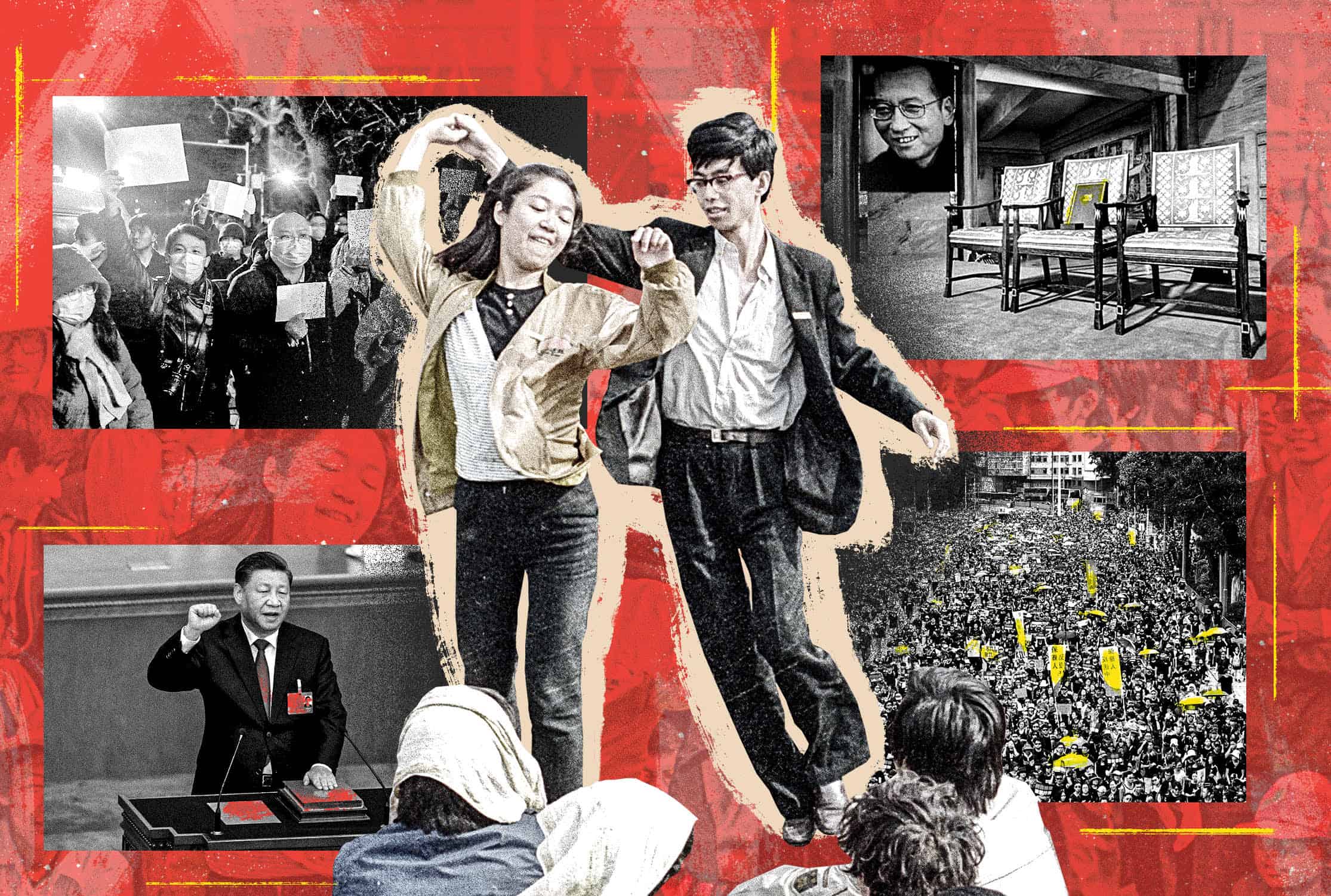
Take the COVID-19 pandemic. When the outbreak began in Wuhan, the initial cover-up, suppression of medical professionals, and chaos of the early lockdown were widely interpreted as the Chinese regime’s “Chernobyl Moment.” Yet soon after, China’s draconian containment measures were hailed as a demonstration of state capacity, especially when compared to the Trump administration’s chaotic and politicized response to the crisis. Two years later, however, with the arrival of the Omicron variant, China’s refusal to lift its zero-COVID policy sparked immense public suffering — most notably during the 2022 Shanghai lockdown — and ultimately led to the White Paper Protests demanding political change. Today, while the Chinese government may appear more professional in its policymaking than the second Trump administration, the Chinese people continue to suffer from an economic slowdown exacerbated by years of strict pandemic restrictions.
China’s pandemic response — marked by both remarkable achievements and profound failures — has underscored the ongoing need for political reform, even as Xi Jinping’s consolidation of power since 2012 has suppressed reformist voices that once thrived in the post-Mao era. During a period of relative openness in the 1980s and 1990s, Chinese intellectuals, though divided in outlook, broadly agreed on the need for reforms to enhance routinization, institutionalization, professionalization, and even limited democratization of the political system. There was a shared belief that ordinary citizens should have some say in governance; that the bureaucracy should be staffed by competent professionals; that leadership succession should be institutionalized; and that the exercise of political power must be restrained by law and constitutional norms. Whether such reforms would ultimately converge with liberal democracy remained an open question — but the consensus was clear: The Chinese political system needed change.
| RELATED ARTICLES | |
| Reinstitution of Fear | 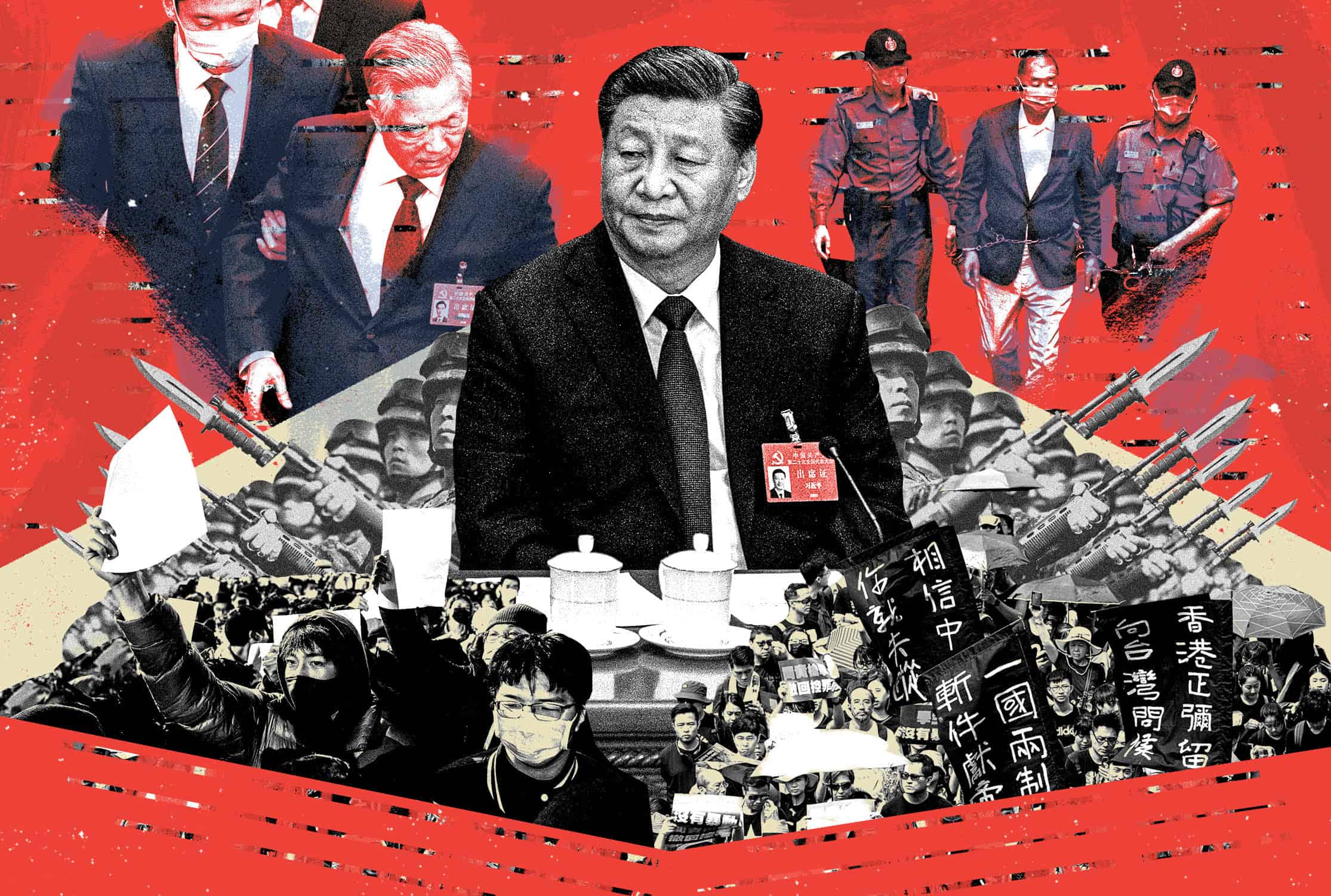 |
| The Realist |  |
| The Grand Illusion |  |
| Mao to Now |  |
| Endless Rule |  |
In this context, a noteworthy group of reform proponents has emerged, what I call the political theorists of the “China Model.” Unlike the woman on the train, who seemed to suggest a wholesale rejection of the current system, these theorists aim to synthesize what they see as the strengths of both China and the West. Their project envisions a political structure that retains one-party rule while expanding freedom of speech, strengthening adherence to the rule of law, and widening avenues for political consultation, all without granting citizens the right to choose their leaders through competitive multiparty elections. In the absence of electoral accountability, they argue, power can still be checked through the virtue and competence of ruling elites, selected through rigorous meritocratic procedures and instilled with a strong sense of responsibility. These ideas, they claim, are not only functionally viable but also culturally legitimate, grounded in China’s Confucian and/or socialist traditions.
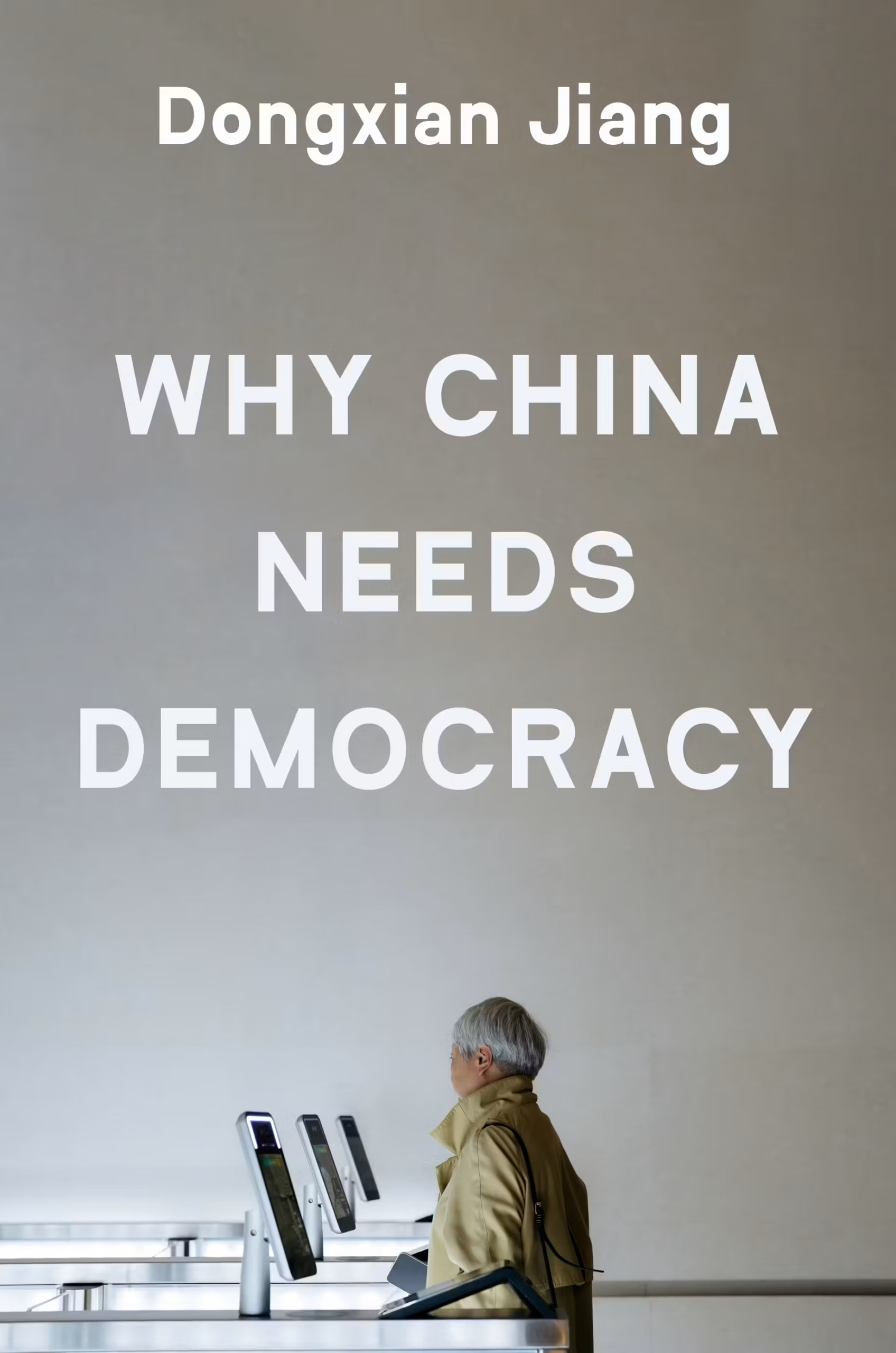
This book enters — and extends — the ongoing debate about the normative foundations of China’s political future, a debate increasingly constrained within mainland China. At its heart lies a core question: Can China’s traditions and contemporary realities yield a legitimate and desirable alternative to liberal constitutional democracy, an ideal born in the West but now globally practiced in various forms?
…constitutional democracy is not a laughable fantasy for China but a realistic path forward, whereas the China Model, often portrayed as the only realistic option, ultimately fails when judged by a richer, more multidimensional understanding of political realism.
Against the backdrop of China Model theories, my aim is to affirm the insight of the woman I met on the train — not her endorsement of American democracy as it exists, but her yearning for the ideals behind modern constitutional democracy. I argue that constitutional democracy helps decentralize power, constrain the state, protect political freedoms, and promote genuine political competition. It offers the best available response to a defining normative crisis in contemporary China: the unchecked domination of the party-state over ordinary citizens. Crucially, I argue that realizing constitutional democracy in China would require the eventual cessation of one-party rule and the introduction of competitive elections, and that certain meritocratic and socialist ideals stand a better chance of realization within the framework of constitutional democracy. Most importantly, I seek to advance a counter-intuitive claim: that constitutional democracy is not a laughable fantasy for China but a realistic path forward, whereas the China Model, often portrayed as the only realistic option, ultimately fails when judged by a richer, more multidimensional understanding of political realism.

Dongxian Jiang is assistant professor of Chinese studies in the Department of Languages and Cultures at Fordham University.