Good evening. Twenty five years ago this week, on April 1, 2001, a Chinese jet fighter and an American EP-3 spy plane collided over the South China Sea. The jet fighter plunged into the sea and its pilot, Wang Wei, was never found. The spy plane almost crashed as well, with 24 crew on board, but the pilot Shane Osborn was able to pull it out of its near fatal dive and make an emergency landing at the same People’s Liberation Army air base that Wang flew out of. George W. Bush’s presidency was supposed to be the first of the Asian Century and this crisis, occurring less than three months into his administration seemed to confirm that. It would be a tense 11 days on Hainan before Beijing and Washington negotiated a resolution and the PLA released the American crew. To mark the anniversary, The Wire China is running the first of a two-part series on the Hainan crisis drawn from interviews with, and first-person accounts written by, participants in the first high-stakes geopolitical drama of the 21st century.
In this week’s Wire China podcast, Tom Mitchell introduces the series and talks with Rachel Cheung about the recent memoir written by Wang Wei’s widow.
Other items in this week’s issue: The OpenClaw frenzy; meet XPeng, the Big Picture’s Company in the News; Neil Shearing on our “fractured age”; and a Canadian debate over Chinese forced labor.
Want this emailed directly to your inbox? Sign up to receive our free newsletter.

Eleven Days, Part 1
In addition to the ten participants in the Hainan spy plane crisis who spoke at length with The Wire China for our two-part series, Condoleezza Rice shared this memory of the incident:
“As [President George W. Bush’s] National Security Advisor, the thing I found most alarming at the time was that the U.S. and China had no de-confliction measures in place — no permanently active ‘hotline’ similar to what we had with Russia,” Rice said in an email.
“For days we could not get Chinese officials to engage directly. We tried multiple diplomatic channels … but calls went unanswered and the risk of miscalculation grew. I eventually located my counterpart in Argentina and, with help from local officials, got a phone to him while he was at a barbecue. I urged him to have his government take our call. Only then were we able to open a line of communication and begin defusing the crisis. The incident left a lasting impression on me, underscoring just how dangerously limited U.S.-China communication was — and how much that gap mattered.”

OpenClaw Grips China
OpenClaw, an AI agent that answers your queries like a chatbot, can control your computer, manage your social media accounts and monitor your stocks is all the rage in China, Rachel Cheung writes. Nvidia’s Jensen Huang has praised it the industry’s “next ChatGPT”. But the OpenClaw frenzy is also raising concerns about data security and whether Chinese consumers are too quick to embrace new AI capabilities that they don’t fully understand the implications of.
XPeng, Company in the News
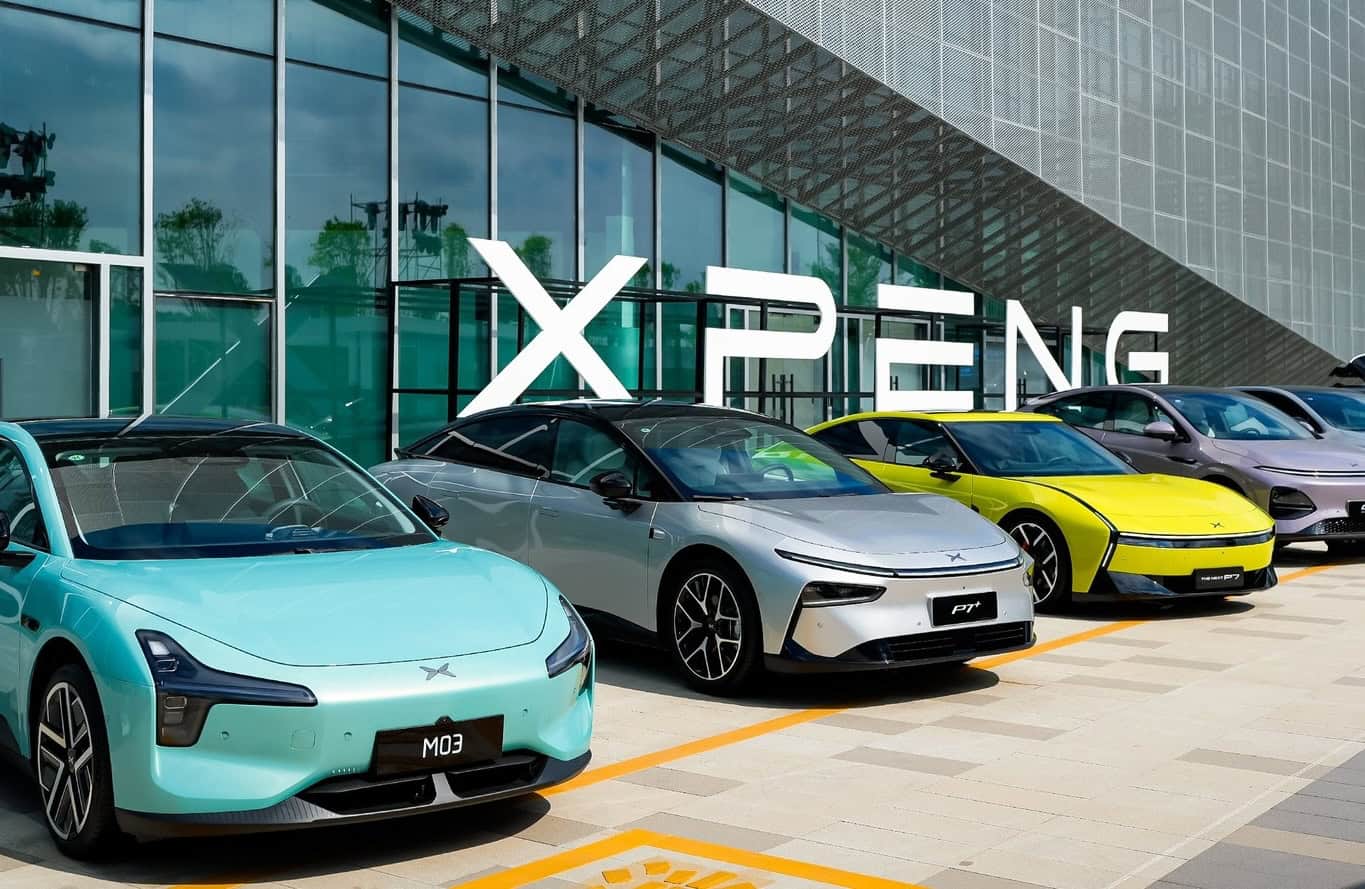
In our regular Company in the News feature, Savannah Billman looks at electric vehicle manufacturer XPeng, named after its founder and self-made billionaire He Xiaopeng. XPeng, which is 4.9 percent held by Volkswagen AG, recorded its first ever quarterly profit over the last three months of 2025. But even with its EV business finally turning the corner, XPeng is a company in transition, attempting to establish itself in new sectors including flying cars, robotaxis, humanoid robots and AI chips. He sold his first start-up to Alibaba in 2004 and worked as one of Jack Ma’s top executives until leaving to start XPeng.
A Q&A with Neil Shearing

Neil Shearing is chief economist at the Capital Group in London and a former UK Treasury official. In a conversation with Andrew Peaple, he discusses the Sino-U.S. rupture at the center of our “fractured age”.
In his book on this subject, published last year, Shearing argues that fears of “de-globalization” are not warranted. What is changing dramatically, he adds, are “the institutional underpinnings of the global economy, [driven by] an intensification of the superpower rivalry between the U.S. and China”.
Neil Shearing
Illustration by Kate Copeland
Canada’s Xinjiang Controversy
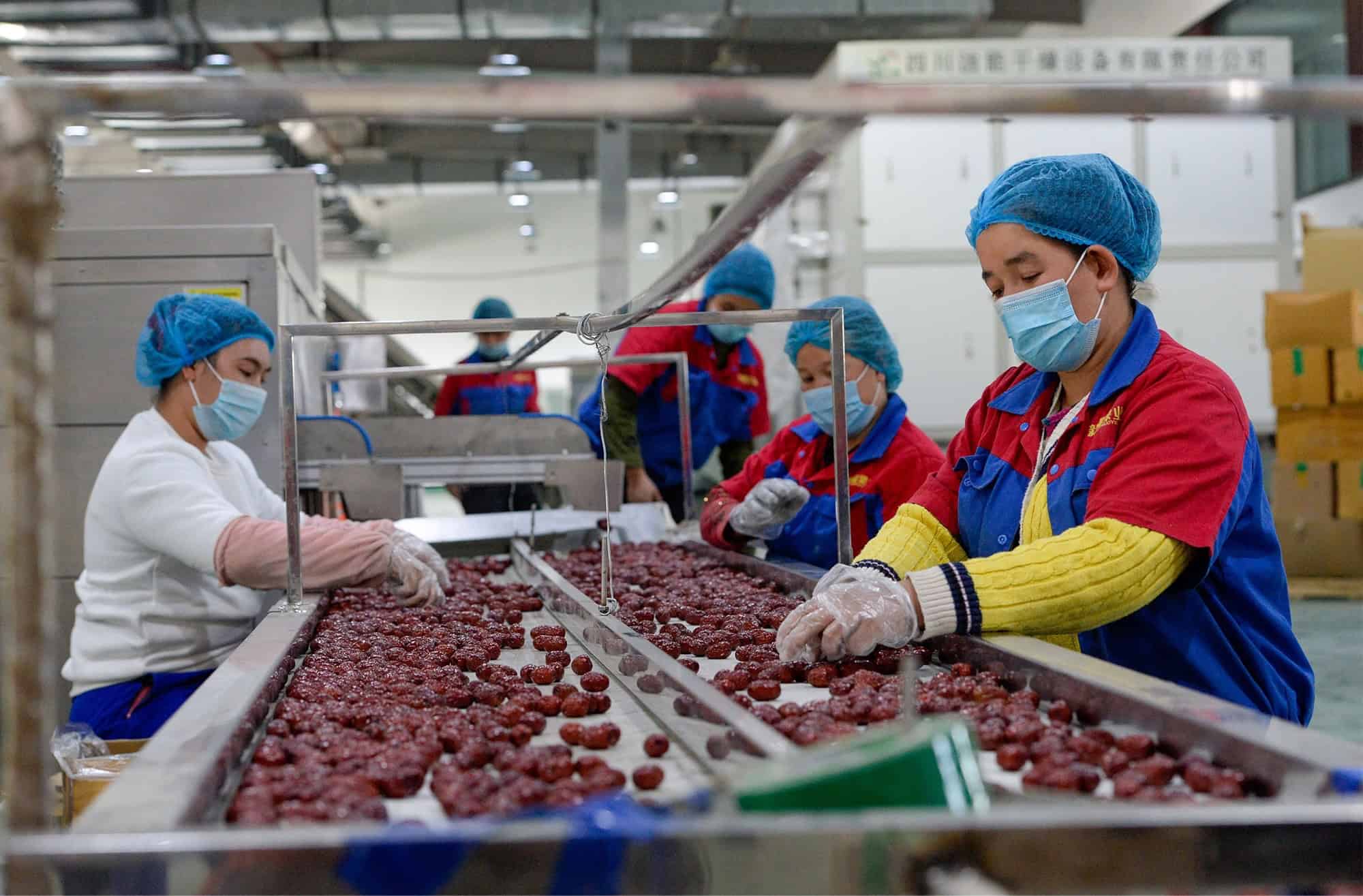
A Canadian legislator who defected to Prime Minister Mark Carney’s Liberal party last year — and traveled with him to China in January — has sparked a national controversy by questioning widespread evidence of forced labour in Xinjiang. Eliot Chen looks at the controversy — and Canada’s record when it comes to policing imports of products that may have been made by prisoners.
Subscribe today for unlimited access, starting at only $25 a month.