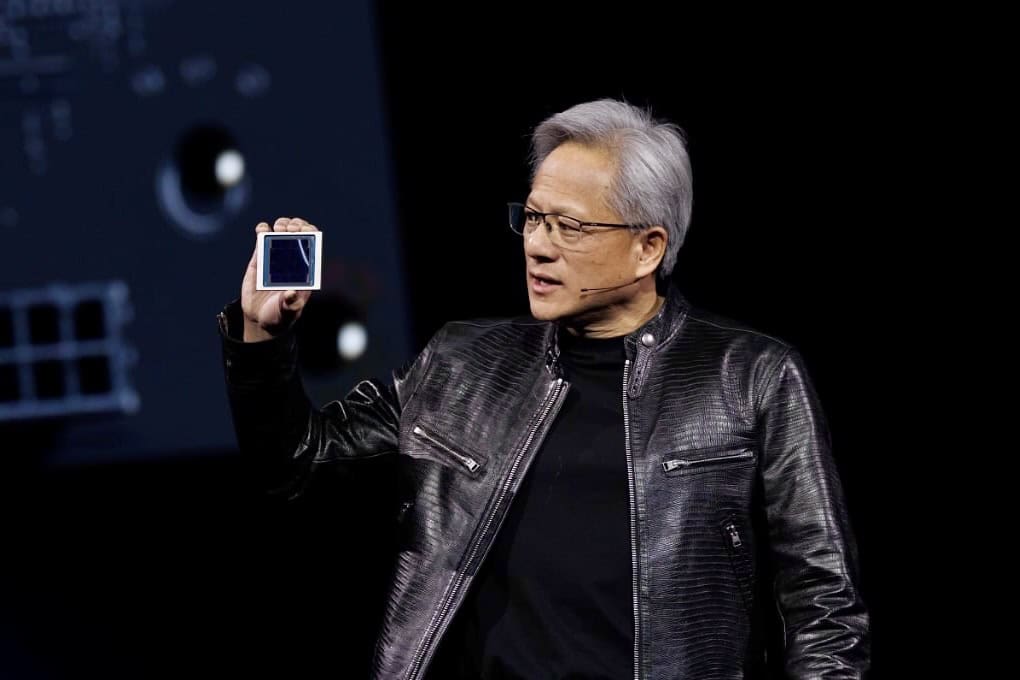
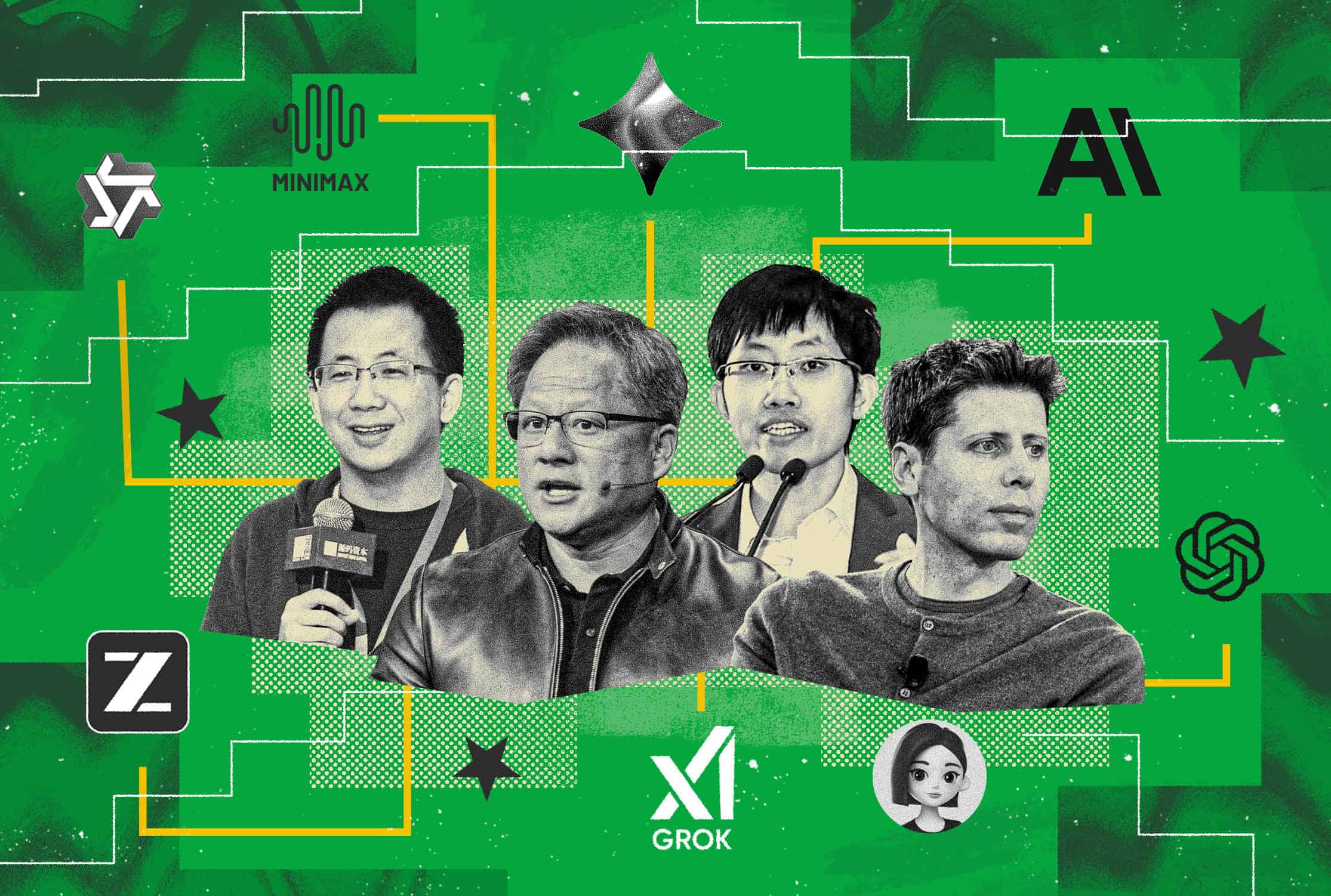
Good evening. China and America’s race to dominate AI will be determined by at least six factors including power generation, data center infrastructure, semiconductors, AI models’ capabilities, their popularity with users and industry revenues. In this week’s cover article, Rachel Cheung scores and charts each category, with the U.S. leading on points in at least four of them. But the contest is only just getting started with all to play for. As a general rule, China does better in areas where government planning is critical, while private sector-driven areas are dominated by the U.S. China is running away with the power generation race — each year it adds new capacity equal to twice the entire installed capacity of Europe’s biggest economy, Germany. The U.S. in turn, has sizable leads in data center infrastructure, semiconductors and industry revenues. In the latter category, the combined quarterly cloud revenues of Amazon, Microsoft and Google are more than $86 billion, compared to less than $8 billion for Alibaba, Tencent and Huawei.
Rachel discusses her article with Savannah Billman in the Wire China podcast, which also features excerpts of Evan Peng’s conversation with career China diplomat Sarah Beran.
Other items in this week’s issue: Ford, GM, Tesla … BYD? Why Chinese EVs could be coming to a U.S. dealership near you; Sino-U.S. trade; a conversation with Sarah Beran; and how not to manage relations with Japan.
Want this emailed directly to your inbox? Sign up to receive our free newsletter.
U.S. Muscle vs Chinese Agility
It was just over a year ago that China’s DeepSeek shocked the tech industry — and global markets — with its more-for-less AI model, which deployed clever clusters of chips that are technically inferior to those available to its U.S. rivals. China is pursuing similar shortcuts in its drive to end its dependence on superior American semiconductor technology with world-beating chips of its own. Rachel Cheung assesses this contest between U.S. muscle and Chinese agility.
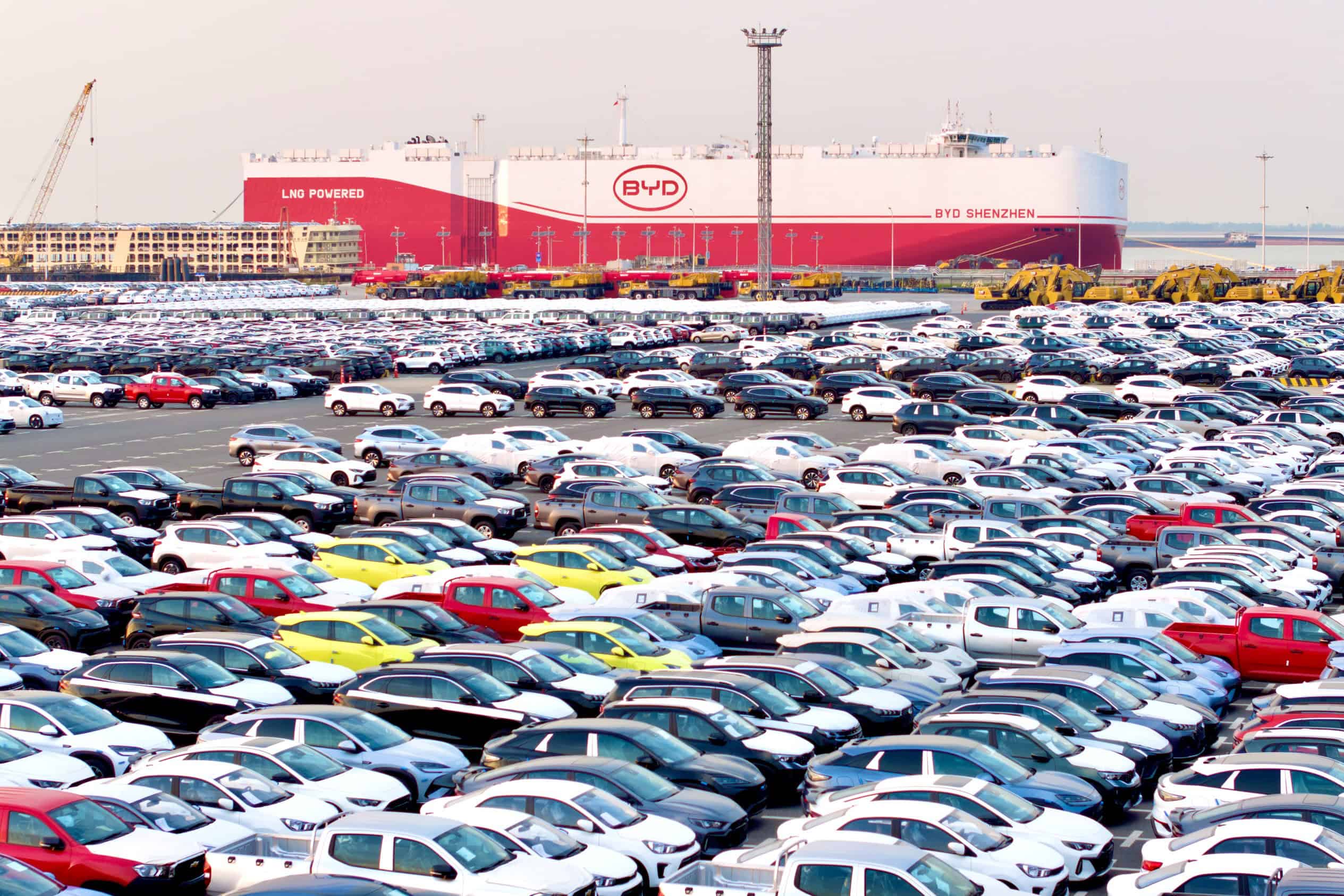
In North America, Chinese EVs Ain’t What They Used To Be
For years, the prospect of China’s world-beating electric vehicle makers selling their cars in America seemed remote, especially in Donald Trump’s America. They were subject to high tariffs and other market barriers. They were unpatriotic. They were national security risks. Then Canada decided it was time to embrace Chinese EVs and the U.S. president suggested maybe they weren’t so bad after all. Especially if they are made in America, possibly in mandatory joint ventures with U.S. partners just as China once required of foreign auto makers. And that was before Trump decided to start a war with highly inflationary consequences for gasoline and other energy prices. Eliot Chen reviews the sudden u-turn in North American sentiment towards EVs.
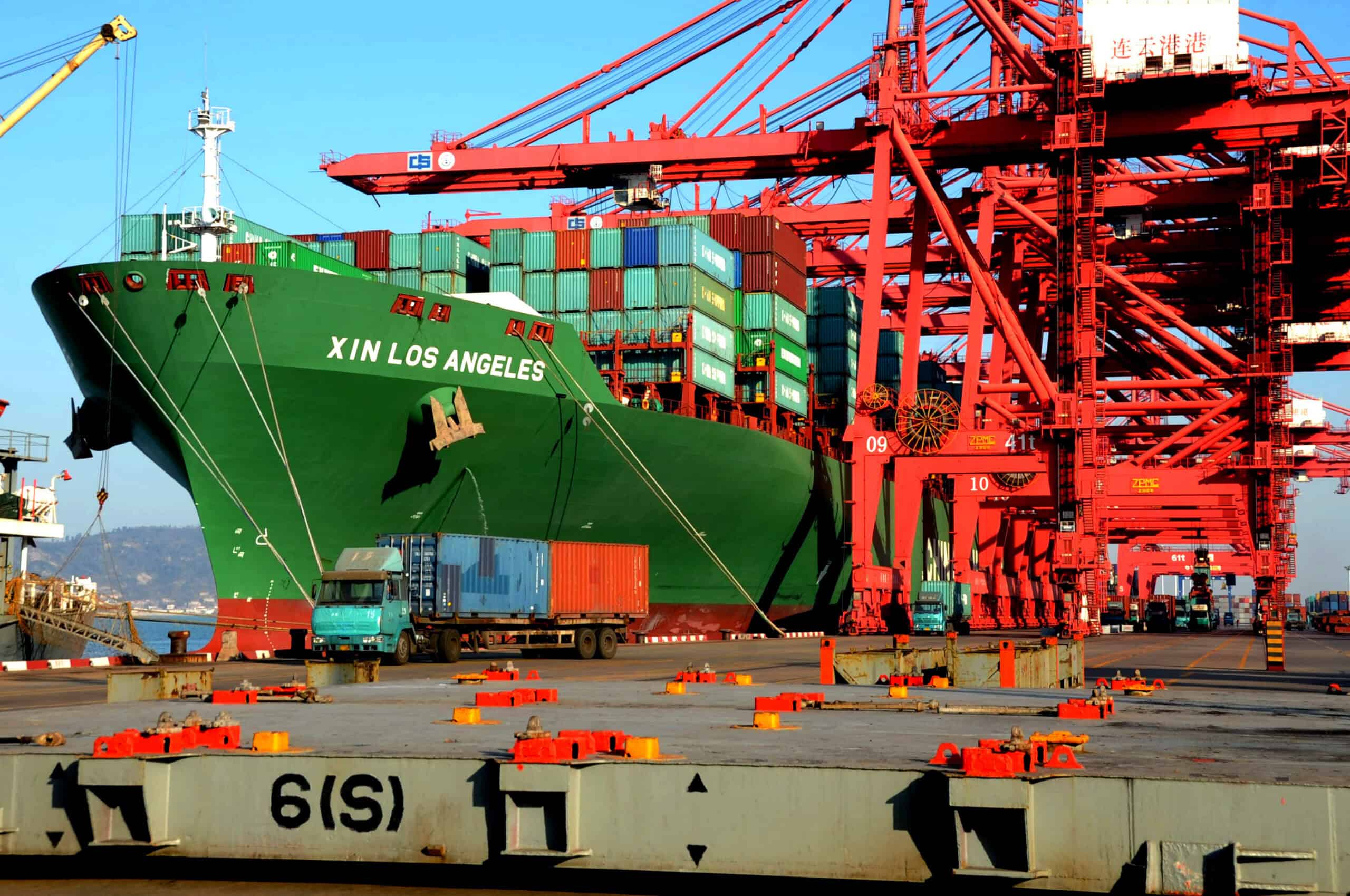
An Up and Down Year
What started at 20 percent, peaked at 164 percent and then fell to 36 percent? Donald Trump’s China tariffs, that’s what. Almost a year after “Liberation Day”, The Big Picture reviews what has been a roller-coaster 12 months for trade between the world’s two largest economies.
A Q&A with Sarah Beran

In her 23-year diplomatic career, Sarah Beran was a senior China adviser on the National Security Council and also served as deputy chief of mission at the U.S. embassy in Beijing.
In an interview with Evan Peng, Beran discusses the two countries’ leader summits, Trump 1.0 vs 2.0, and her Chinese peers. “I’ve served in Pakistan, in Jerusalem, in Tunisia, and in Ecuador,” she says, “and Chinese diplomats were by far the most well-prepared and formidable negotiators at the table.”
Sarah Beran
Illustration by Lauren Crow

Own Goal
China’s hostility towards Sanae Takaichi has backfired, argue Dennis Kwok, Sam Goodman and Andrew Yeh, by giving Japan’s new prime minister all the justification she needs for more robust policies to take on her country’s regional rival.
Subscribe today for unlimited access, starting at only $25 a month.