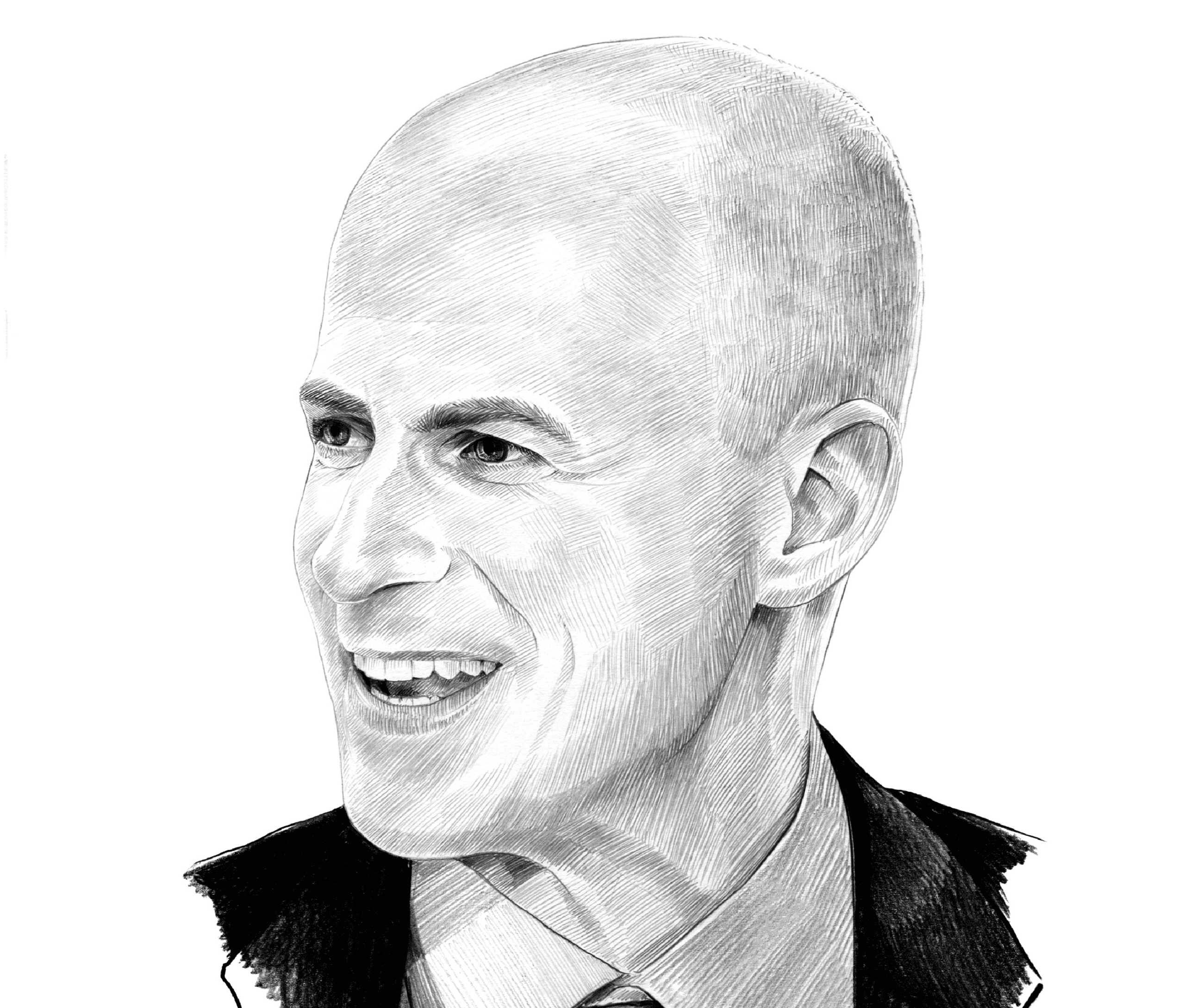
Good evening. One consequence of China’s ten-year term limit for presidents (scrapped by Xi Jinping in 2018) and premiers (still in place) was that the country’s top leaders would die years — if not decades — after they retired from the political stage. So it was for Zhu Rongji who passed away on August 12, almost a quarter-century after stepping down as premier. Such was his historical significance that his death was still met by an outpouring of thoughtful reminiscence in China and abroad. (By contrast Xi Jinping’s death, when it happens, will likely trigger much domestic and international tumult.) In this week’s issue Victor Shih examines Zhu’s legacy; Tom Mitchell remembers the Great Premier and his lesser successors; and historian Michael Dillon talks to Jonathan Chatwin about his new book on Shanghai, the city that propelled Zhu to political prominence and central power.
In our cover story, Rachel Cheung and Peiyue Wu profile Moonshot AI and its boy genius founder Yang Zhilin, which this month joined DeepSeek and Liang Wenfeng as Chinese forces to be reckoned with in the race to master artificial general intelligence.
Other items in this week’s issue: Rachel also writes about Xi’s anti-corruption campaign and its latest surprise target, top barbarian-handler Fang Xinghai; Wire China staff reporter, podcast producer and Stakhanovite Savannah Billman profiles Geely in The Big Picture. In our latest podcast, Savannah discusses her recent piece on where all China’s humanoid robots will work.
Want this emailed directly to your inbox? Sign up to receive our free newsletter.
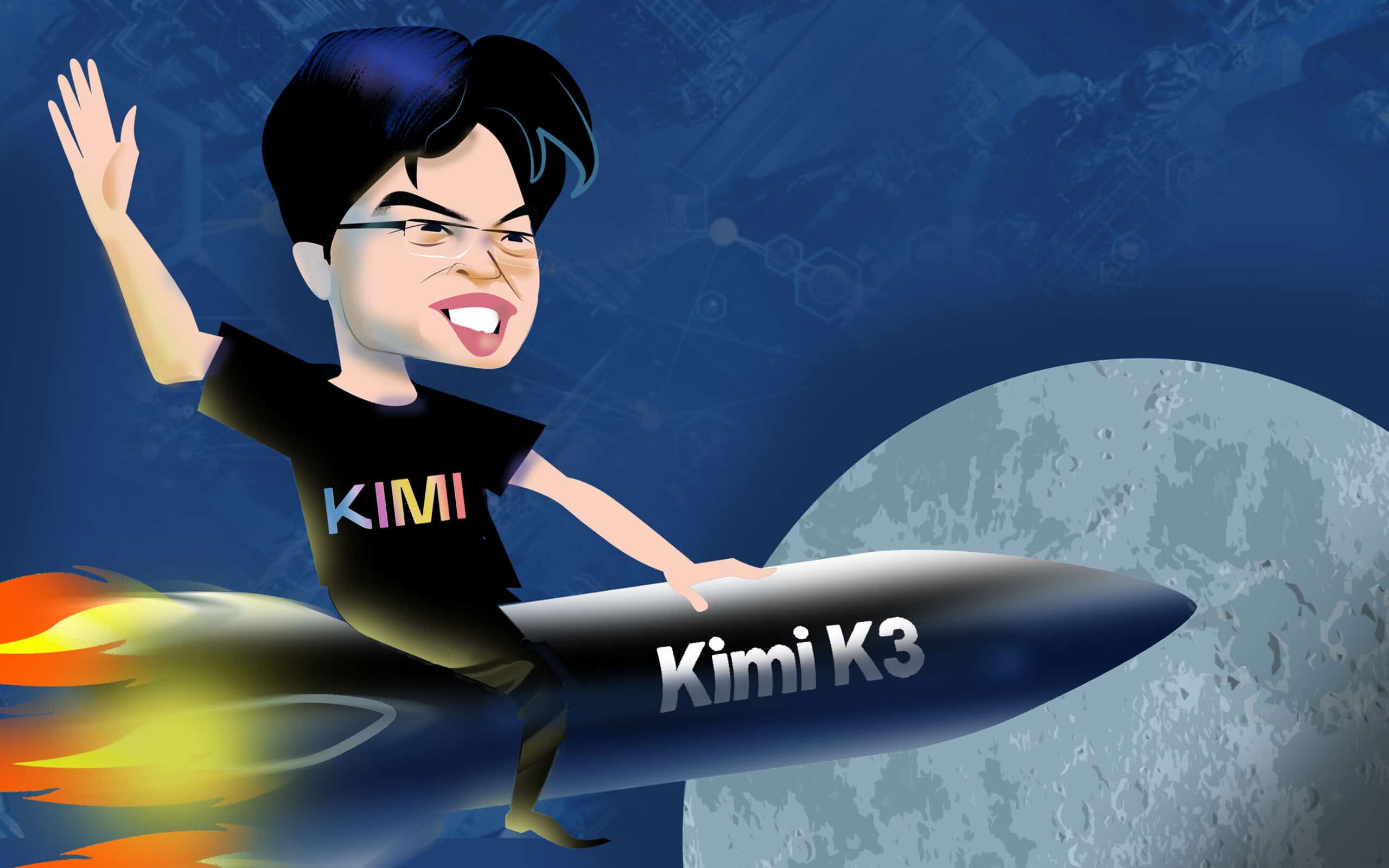
“To the Moon!” … and Beyond
After completing his undergraduate studies at Tsinghua University, Yang Zhilin raced through a PhD program at Carnegie Mellon University in Pittsburgh. Many leading U.S. tech companies would have been happy to hire him; the American dream was his for the taking. But Yang, who admires the iconoclastic characters in Haruki Marukami novels, was built different. He instead returned to China in 2019 to launch Moonshot AI, developer of the recently released and much hailed Kimi K3 model. In choosing to pursue his Chinese dream, Yang made the right choice.
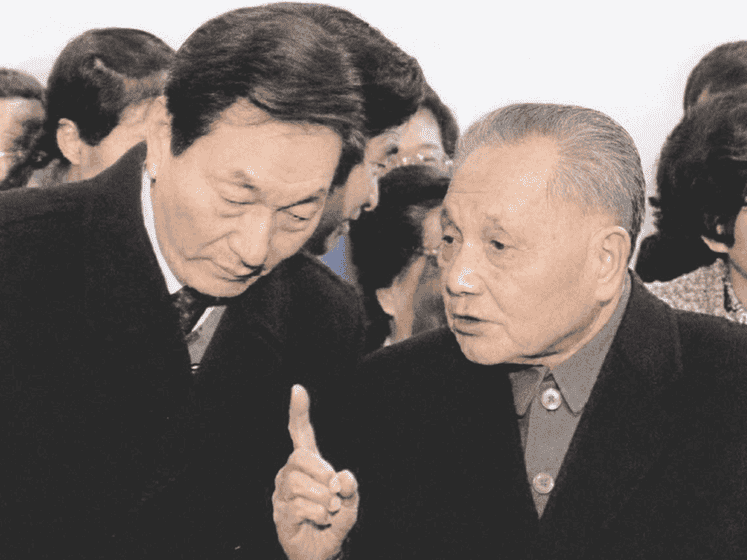
Zhu Rongji (1928–2026)
Zhu Rongji was that rare politician who made the weather. Most of his peers and successors were buffeted by it. In the wake of his death on August 12, Victor Shih argues that though he achieved many difficult economic and financial reforms, these “did not lead to a persistent unleashing of market forces in more areas of the Chinese economy — instead, his policies provided the basis for a highly centralized state, with ample fiscal and financial resources to pursue policies favored by the Party leadership.”
And in our weekly What We’re Reading briefing, Tom Mitchell remembers Zhu’s sharp and refreshing wit; rues the diminution of the premiership that followed under Wen Jiabao, Li Keqiang and now Li Qiang; and recommends some of the more interesting reflections published in recent days.
A Q&A with Michael Dillon

Historian Michael Dillion is founder of Durham University’s Centre for Contemporary Chinese Studies and author of a new book on Shanghai. In a conversation with Jonathan Chatwin, he explains why Shanghai is China’s “most dynamic city” and discusses its foreign concessions and Jewish diaspora, its occupation by the Japanese Imperial Army, and the central role it played in the Cultural Revolution and post-Mao reforms.
“Zhu Rongji was the person who actually did the developing [of modern Shanghai],” Dillon says. “Zhu was a nuts-and-bolts man who organised the economy. He was known as “One-Chop Zhu” because he made decisions with a single stamp of his chop and got things done. Without him, the ideas that Jiang Zemin and Deng Xiaoping had would not have been implemented.”
Michael Dillon
Illustration by Lauren Crow
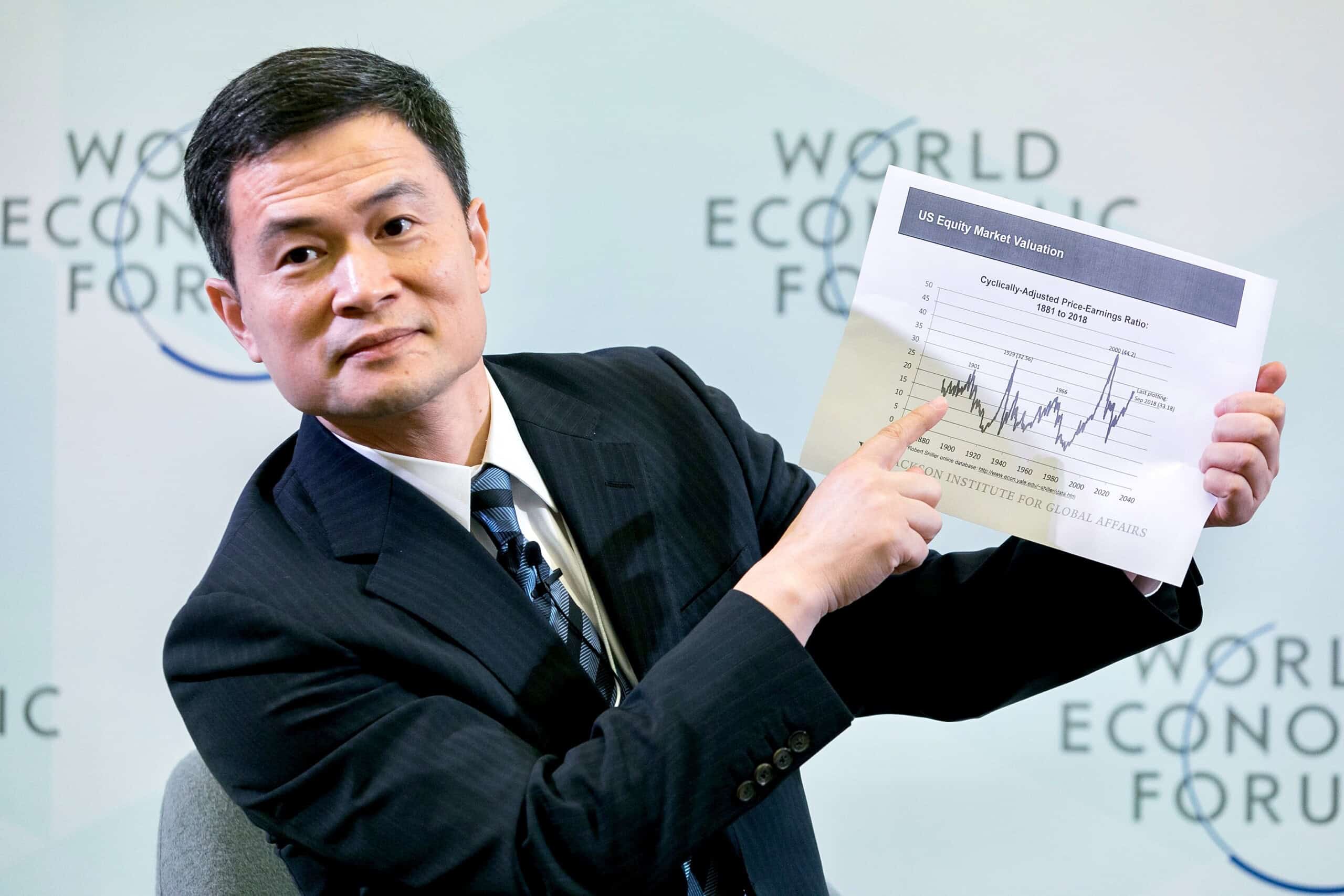
Then they came for Fang Xinghai.
In addition to his official jobs as an aide to Liu He (Xi Jinping’s top economic adviser) and later as a senior securities regulator, Fang Xinghai had an equally important informal role in the party-state apparatus: he was its best barbarian handler. Fang was completely comfortable in English; he was Stanford-educated; he was articulate, charming and disarming. There was no one better in the system at explaining Xi and Liu’s economic and financial policies in ways that were reassuring to foreign VIPs. They could forget about unpleasant subjects like repression in Hong Kong, Xinjiang, Tibet and the Han Chinese heartland when they were in a room with Fang. He also came across as modest, unassuming and incorruptible. And yet for all that, Fang was still not untouchable. On July 24 the party’s anti-graft bureau accused him of “serious violations of discipline and laws”. Rachel Cheung looks at Xi’s never-ending anti-corruption campaign and its financial-sector body count.
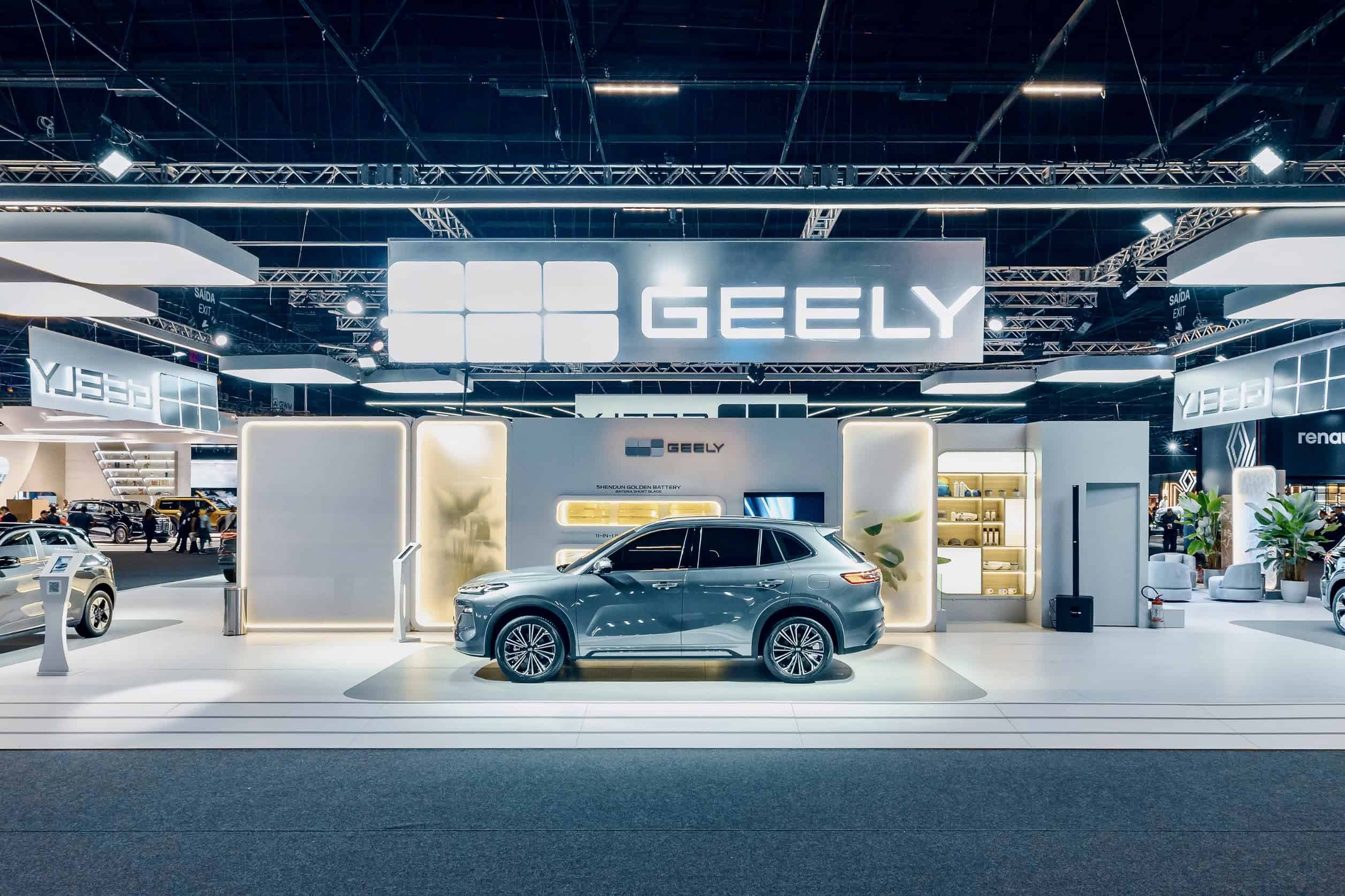
Company in the News: Geely
Geely, which bought Sweden’s Volvo Cars from Ford in 2010, is now launching a manufacturing joint venture with Ford in Spain. Geely, China’s first private-sector carmaker and still controlled by founder Li Shufu, also owns EV maker Zeekr, manufactures satellites and established a university in Chengdu. Savannah Billman profiles the group in the Big Picture’s latest Company in the News feature.
Subscribe today for unlimited access, starting at only $25 a month.