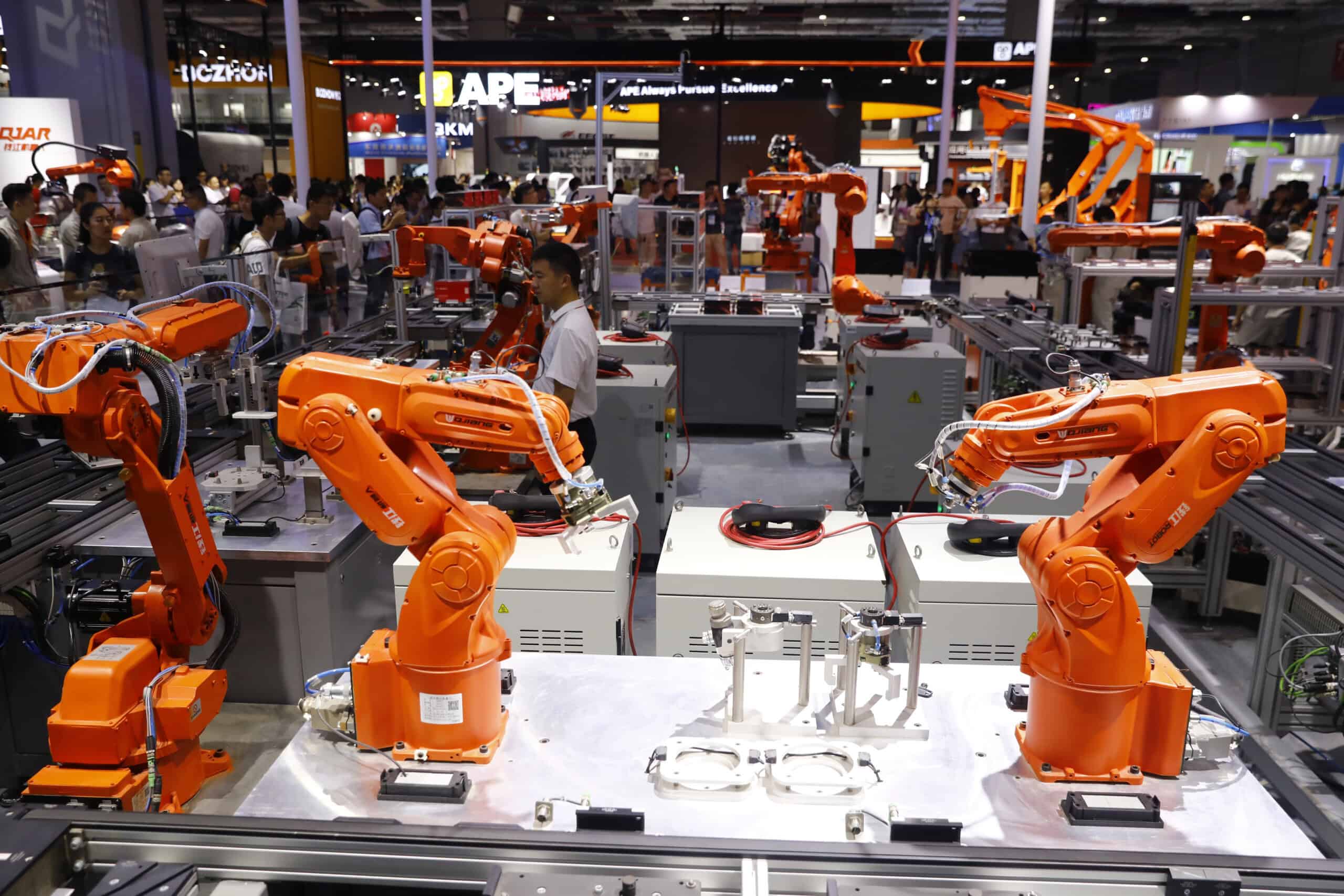
Good evening. It takes about two hours to fly from Taipei to Shanghai. Taipei to Los Angeles is 12 hours. But could it be that Taiwan is now closer to the U.S than it is to China? Thanks to Taiwan tech firms (most notably TSMC) and Donald Trump’s trade wars, over the first five months of this year the value of Taiwan’s exports to the U.S. exceeded the value of China’s exports to the U.S. (including Hong Kong’s). America is also now Taiwan’s biggest trading partner. Ten years ago, the island’s total trade with China was two times greater than its trade with the U.S. As Chris Horton writes in this week’s cover article, these economic shifts raise some intriguing geopolitical questions. As America’s most powerful companies invest billions in Taiwan, and as TSMC keeps upping the ante on its $265 billion-and-counting plant in Phoenix, will Donald Trump be more inclined to defend Taiwan in the event of a Chinese invasion or blockade? The way to the president’s heart, after all, is through his wallet.
Other items in this week’s issue: The brain-computer interface industry; The Big Picture on Tsinghua University’s AI ambitions and leadership; Rongbin Han talks about his new book about online alternative history novels; and China and America’s collision course.
Want this emailed directly to your inbox? Sign up to receive our free newsletter.

Tsai + Lai > Xi?
Have Taiwan’s last and current presidents, Tsai Ing-wen and Lai Ching-te, played a blinder? Or did they just get lucky? Or both? While the rest of the world has been shocked and awed by the rise and rise and rise of Xi Jinping (three terms and counting), Tsai and Lai (three terms and counting) slowly but surely pivoted Taiwan away from China and towards the U.S. They have been helped along the way by Trump’s trade wars, the Covid pandemic, TSMC and the rise of AI. But perhaps most worrying for Xi, Ukraine is also showing the island’s commander-in-chief how to hold off a larger aggressor by pummeling its energy infrastructure with drones.
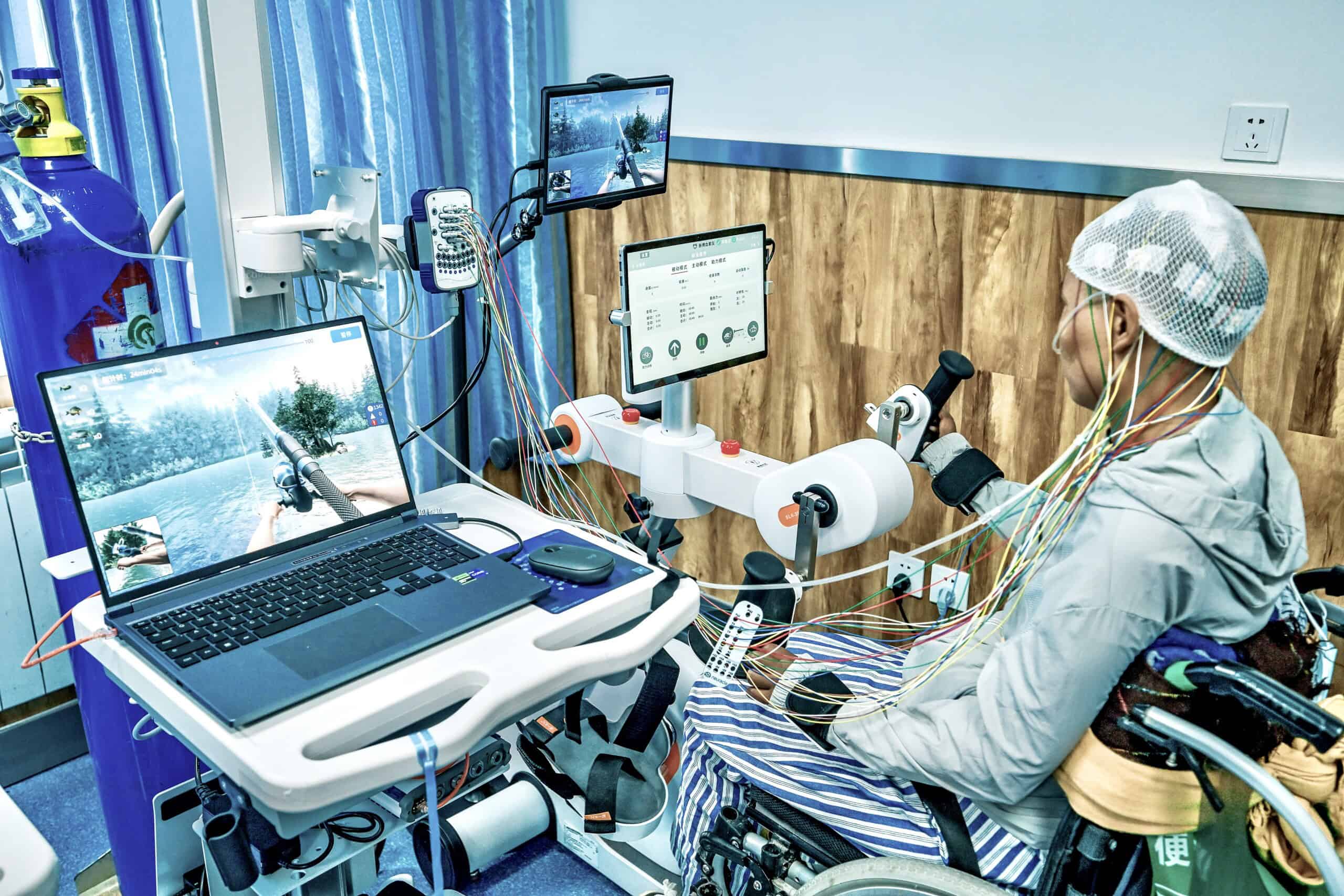
Brain Power
It sounds like a technology of the future. A quadriplegic moves a chess piece with a robotic arm controlled by a chip implanted in his or her brain. It is in fact a technology of the 2010s, pioneered by American companies such as Elon Musk’s Neuralink. But the Chinese central government, local governments and venture capital investors have woken up to the “brain computer interface” industry and are investing billions of renminbi to spur further advances. As Rachel Cheung writes, these include “non-invasive” devices such as helmets that can detect the nerve signals flashing through a patient’s brain and help to alleviate chronic pain.

The Tsinghua-AI Industry Nexus
When UC Berkeley loses a Nobel prize-winning scientist to a rival institution, the usual poachers are MIT, Carnegie Mellon or another top-tier U.S. engineering school. But now Tsinghua University is getting into the act. It recently lured away Nobel-winner Omar Yaghi from UC Berkeley to lead a new AI research lab. In this week’s Big Picture, Savannah Billman looks at the AI ambitions and leaders of Xi Jinping’s alma mater.
A Q&A with Rongbin Han

Rongbin Han is a professor at the University of Georgia and author of a new book on online alternative-history novels that have become popular in China. It follows an earlier work about why online discourse in the country has never really threatened the Chinese Communist Party’s grip on power.
In this week’s Q&A with Savannah Billman, Han talks about his favorite works of alt-history lit, why so many of them are set in the Ming dynasty, and what they reveal about the present. “When the official media says something, it often backfires,” he says. “Many people are very influenced by official propaganda, but many are also very alert to anything the Party tries to implant in them.”
Rongbin Han
Illustration by Lauren Crow
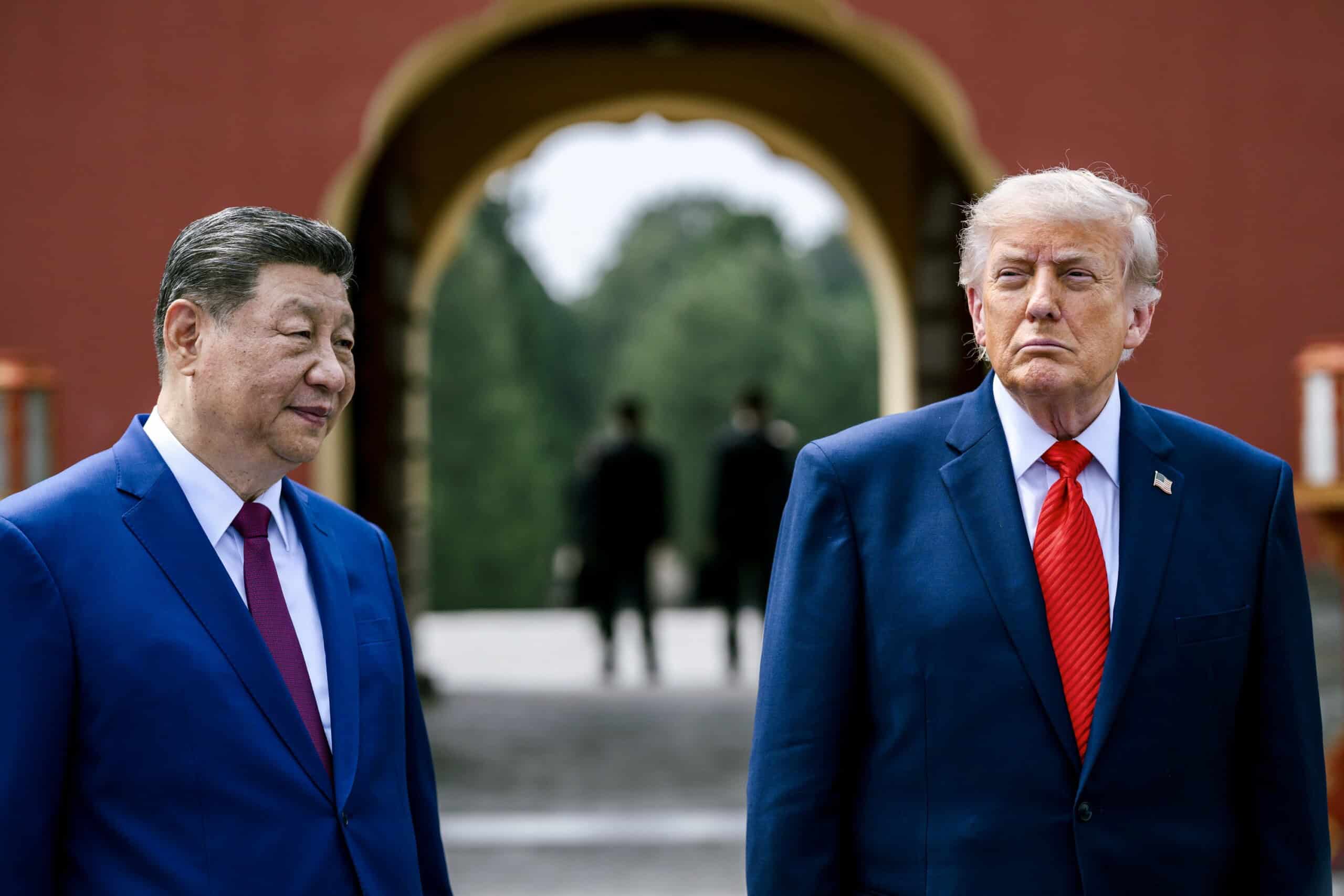
Trump, Xi and Thucydides
Don’t be fooled by Trump and Xi’s bonhomie at their May summit, write Ali Wyne and Jessica Chen Weiss. For all the best-bros-forever vibes, the world’s two most powerful nations remain on a collision course.
Subscribe today for unlimited access, starting at only $25 a month.