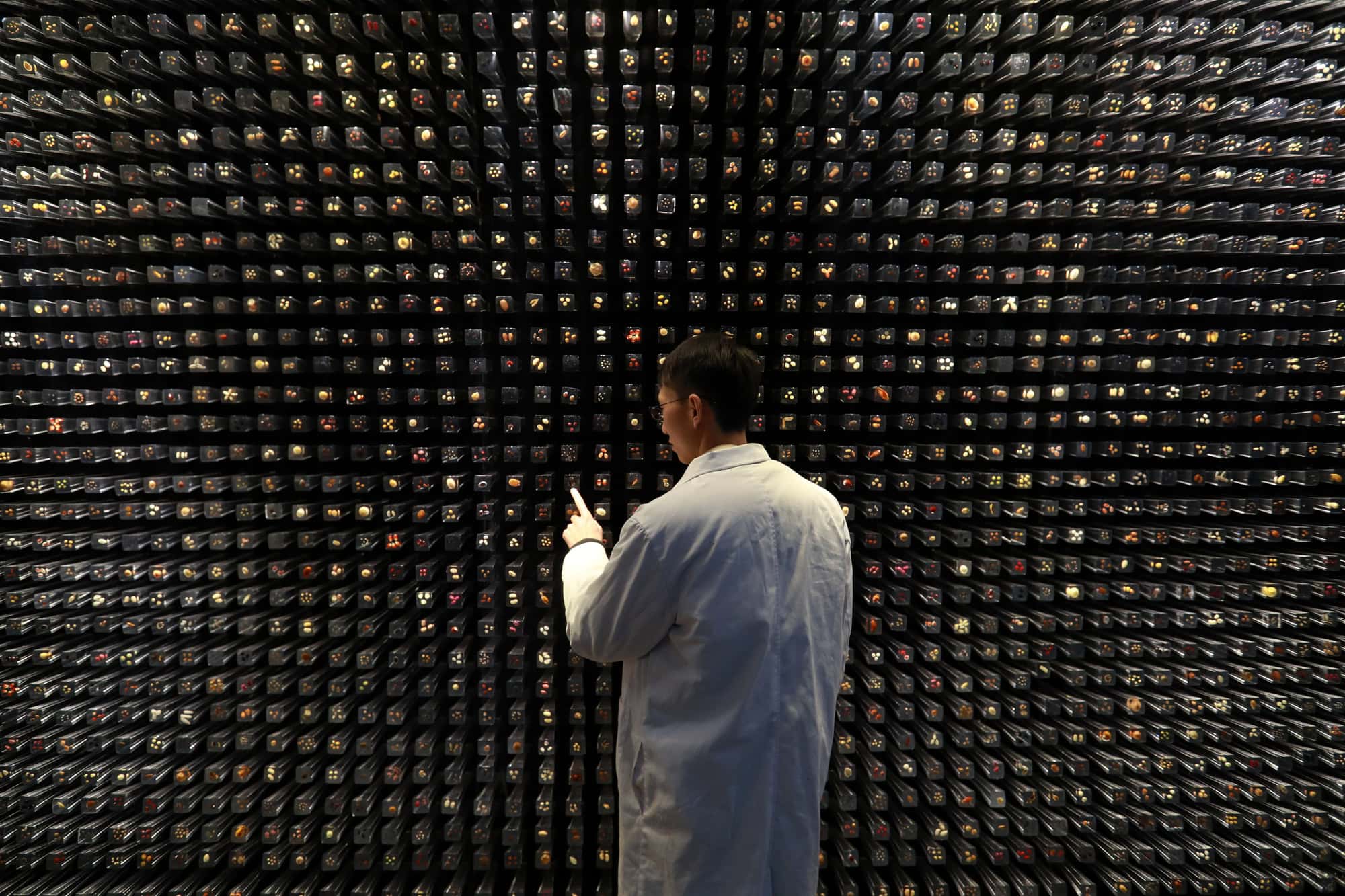
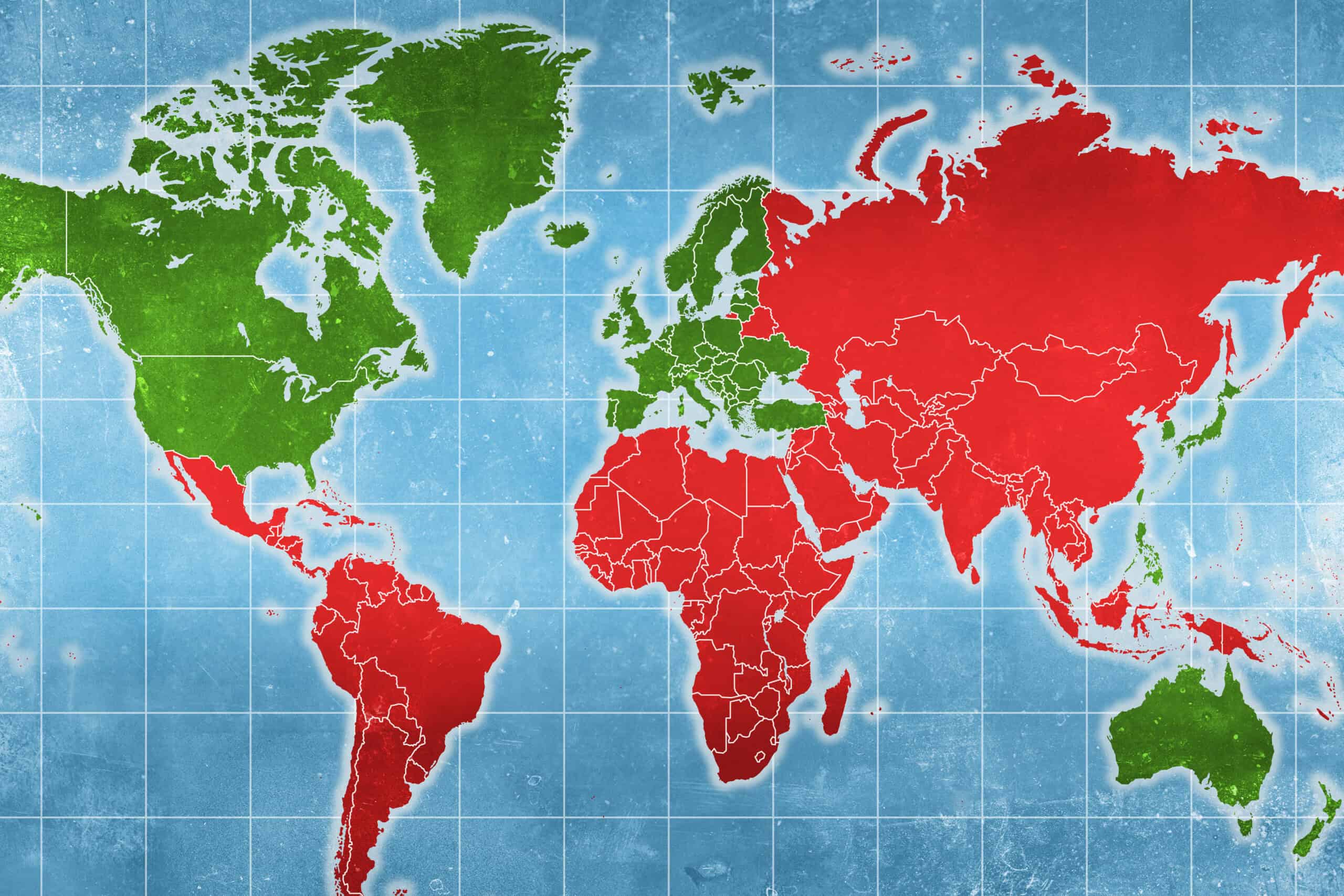
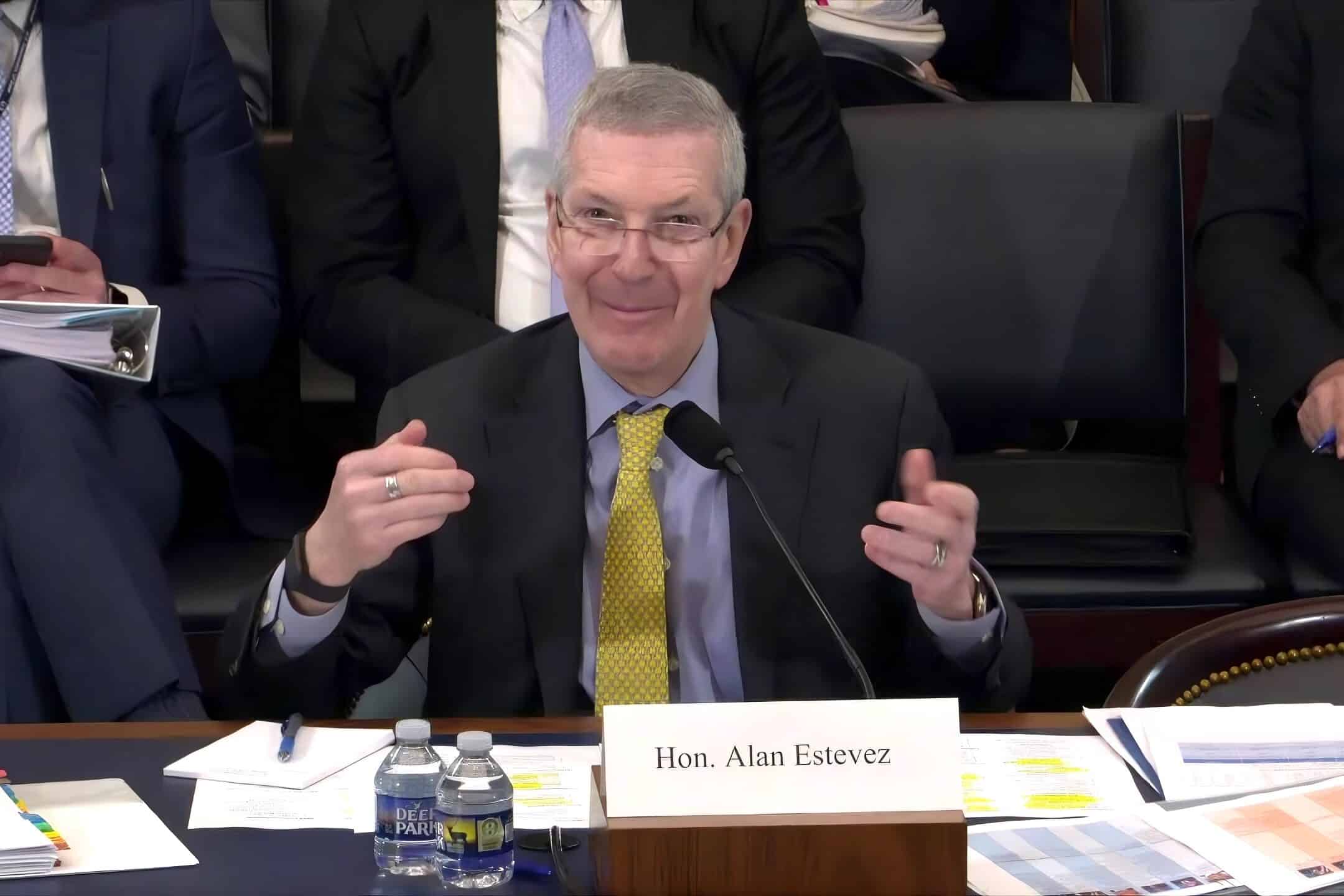
After a long career as a defense official, Alan Estevez became the head of the Commerce Department’s Bureau of Industry and Security during the Biden administration. When the U.S. imposed export controls on China in 2022, BIS, which oversees those controls, went from being a little-known wing of the government to the gatekeeper of America’s crown jewels of technology — and one of the chief regulators of Nvidia, the world’s most valuable company. We talked about why the government imposed export controls on China and whether they are still working. Below is a condensed and edited transcript of our conversation.

Illustration by Lauren Crow
Q: One of the landmark China policies passed by the Biden administration was export controls on China for advanced chips and chipmaking equipment. Why did you decide that was necessary?
A: The future of military operations is going to be driven through artificial intelligence. You’re already seeing that today, but it’s going to get more complex and more robust, through autonomy, through more rapid command and control, through rapid logistics: all the things that AI is likely going to be very good at. We wanted to sustain U.S. advantage in that space.
I’m a former defense acquisition official. I’ve testified many times about the need to have what we used to call technological overmatch. We never put U.S. forces into a fair fight. They always have better equipment and better capabilities than their adversary. This falls right in that vein. Being able to make chips, or access to the world’s best chips, is essentially the same as saying here’s how we have better radar.
How much of the policy was a carryover from the first Trump administration?
The first Trump administration was on that same path. The work that [former deputy national security advisor] Matt Pottinger and people around him did, stopping EUV [extreme ultraviolet lithography, a type of advanced chipmaking technology developed by the Dutch company ASML] sales, falls right into that vein. Some of the controls around Huawei are similar. So in fact, you can track it as a continuity of action between Trump One and Biden, with regard to controls for China.
| BIO AT A GLANCE | |
|---|---|
| AGE | 68 |
| BIRTHPLACE | Kearny, NJ |
| FORMER POSITION | Under Secretary of Commerce for Industry and Security |
It’s now three and a half years after the imposition of those controls. By some metrics, China’s AI companies are neck and neck with U.S. rivals. That gap may have expanded recently, but they’re not years behind. Did you anticipate that Chinese companies would make these gains in spite of export controls?
Export controls are not the only tool in the toolbox. They have a purpose, but the purpose is also going to degrade over time. You have to keep advancing your own technology to stay ahead. Essentially, what you’re doing is you’re putting up barriers to slow a potential adversary down. I think we accomplished that.
We also recognized, while we were doing this, that the Chinese have very good engineers. Their engineers go to the same schools ours do, for starters. They have a lot of money to work on these problems. So they certainly have the capability to develop AI tools.
| MISCELLANEA | |
|---|---|
| FAVORITE BOOK | Whatever I last read |
| FAVORITE FILM | Casablanca, any John Ford, any Scorsese |
| FAVORITE MUSIC | Eclectic variety — Dead, Stones, Dyan to Hank Williams to Miles Davis |
We recognized that there would not be a huge gap, but our goal was to sustain as big a gap as we could in this space. Even today, the Chinese would say access to high-end compute is the biggest shortfall. Even what DeepSeek just did with [Huawei] Ascend chips, that’s more in the realm of inference than it is in training models.
[Huawei said in April that DeepSeek’s latest model had been adapted to run on its chips, but some reports suggest the AI company used restricted Nvidia chips for training.]
If the impact of the controls has degraded over time, are they still working?
Yes. China does not have the capacity, partly because of the controls, not just on chips, but on chipmaking equipment, to make comparable chips. If they had access to the right chipmaking equipment, I’d be very concerned that they can make comparable chips. But they’re hampered in that. They have to stream together, in a much more complex way, chips that are not as good, with not-as-good software, that are going to consume more power. And it costs more.
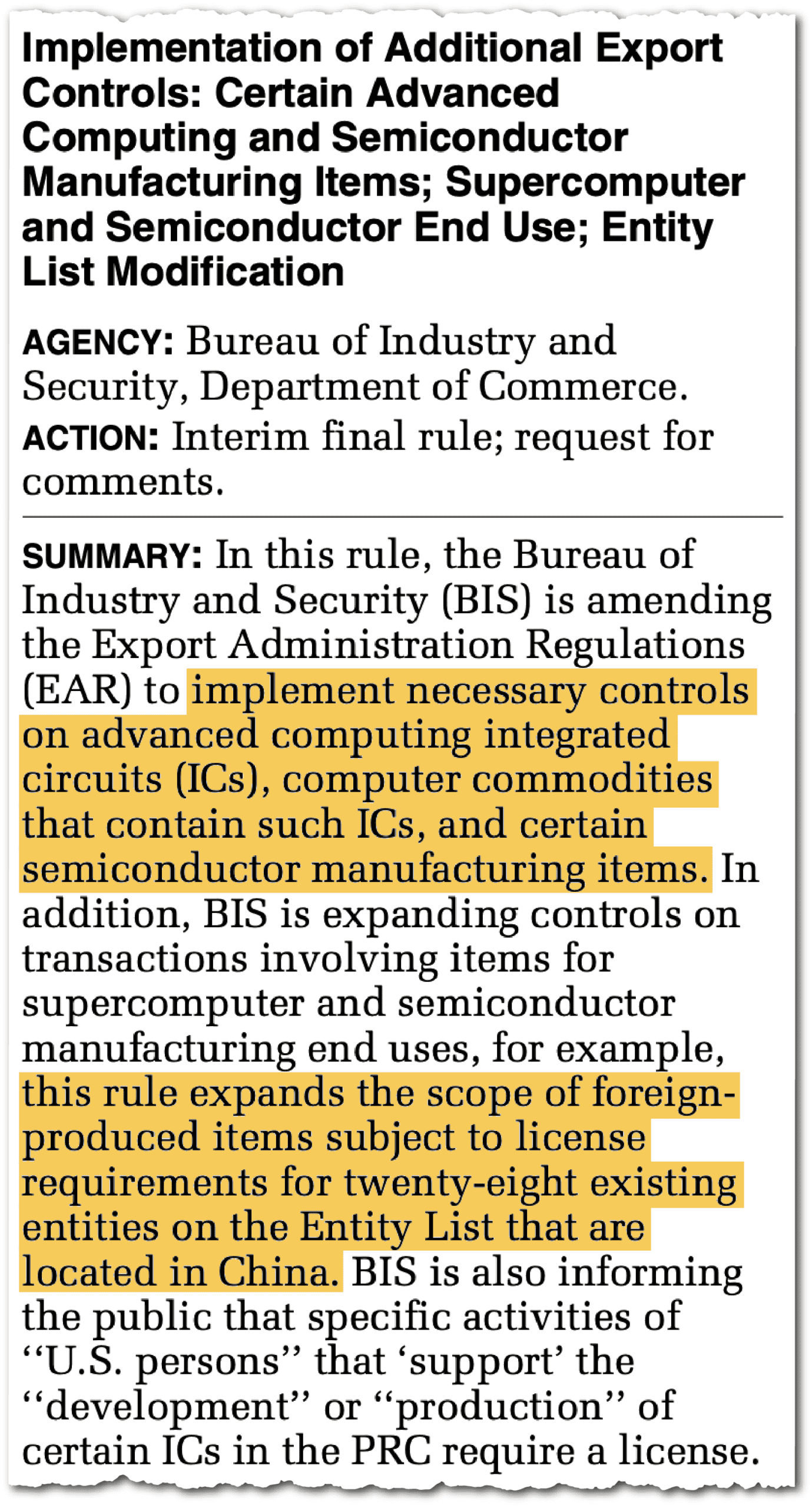
implemented by the Bureau of Industry and Security.
The semiconductor industry and other critics of export controls make a couple of arguments. One of them is that it’s in the U.S.’s interest to keep China dependent on U.S. technology. Another is that if U.S. companies can’t do business in China, they won’t have as much revenue to support research and development. Did you consider those arguments, and how would you respond to them?
Of course we considered those arguments. Back in 2015, China put out its Made in China 2025 plan. They seem to have a playbook, which they’re pretty good at executing, that says learn the technology, and then undercut the market and own the technology. Giving them access will be fine for a period of time, until they do it on their own. They’ve shown that over and over and over again. So I think that’s a specious argument. If you say, we want them to be using the American stack, but it’s a Chinese model on top of that stack, it’s a Chinese stack at that point.
For the argument about revenue loss, I’ll quote my former boss, [Commerce] Secretary [Gina] Raimondo. She said at the Reagan Defense Forum in 2024 “Democracy is good for business.”
Secretary Raimondo also said that year it was a “fool’s errand” to try to hold China back. What did you make of that comment?
Secretary Raimondo believed, and I believe too, there’s a time limit on how good these controls are going to be. China is going to pour money into trying to get around those controls. They’re going to pour money into finding new ways to do things, some of which will pan out.
The controls are good until the Chinese can produce something as good, and at that point, those controls are no longer needed. There’s no point in having a control if they can already build what you’re building.
That doesn’t mean that we shouldn’t do [export controls], but you’re going to have to recognize that if you’re not advancing at the same time they’re figuring out how to get around the controls, you’re going to be caught flat footed.
Some people argue that the export controls lit a fire under Chinese companies, so that they made advances because of export controls, and not in spite of them. Do you think that the rules had any inadvertent consequences? How would you respond to that?
I’ll go back to what I said earlier. China says they’re going to do this. They’d put a blinding effort into it, regardless of what we did. They were going to be marching towards self sufficiency in this space and then own the market. Nothing that we did that would have changed that course.
So have there been any inadvertent consequences?
I think we saw these consequences. I don’t think that there’s a correlation between them wanting to have good AI, just like we want to have good AI, and the controls we put on.
Did you expect to keep these controls on forever? Or could Beijing have done something that would have made you support loosening the controls?
The controls are good until the Chinese can produce something as good, and at that point, those controls are no longer needed. There’s no point in having a control if they can already build what you’re building.

Have Chinese companies now reached that point where some of the controls are restricting things that China can already build?
I don’t have access to all the information I had when I was at BIS, but they have not reached parity. Certainly on the advanced chips, and definitely not on the equipment. Holding the course is the prudent thing to do.
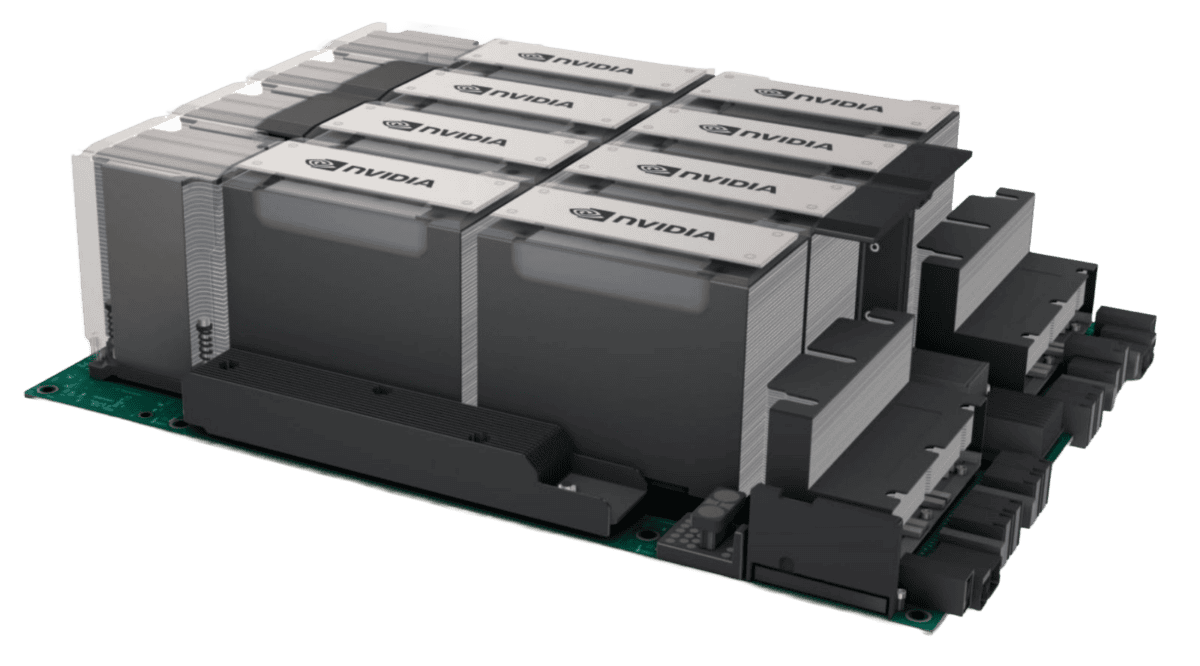
The Trump administration has allowed Nvidia to sell a previously restricted chip, the H200. Are you surprised by the way the Trump administration seems to have bought some of the semiconductor industry’s arguments?
The president is a transactional guy. When we got out, my colleagues and I got together at Stanford and did a little hot wash from the things that we had done around AI. We thought one of the greatest risks was that he would alleviate some of these controls, and that’s what happened. It’s not something I would have done.
You wouldn’t have allowed Nvidia to sell the H200?
That’s correct. An H200 is multiples better than the line that we had drawn.
When you were leaving office at the beginning of last year, you said you hoped that anyone that replaced you is a “paranoid schizophrenic.” Do you think that’s what happened?
No. I’m not going to talk about the people who replaced me. These are tough jobs to do. People who are in the administration are going to follow the president.
One of the ways that Chinese companies might be getting around export controls is smuggling. Are Chinese companies buying only the chips that the U.S. officially says are okay to go to China?
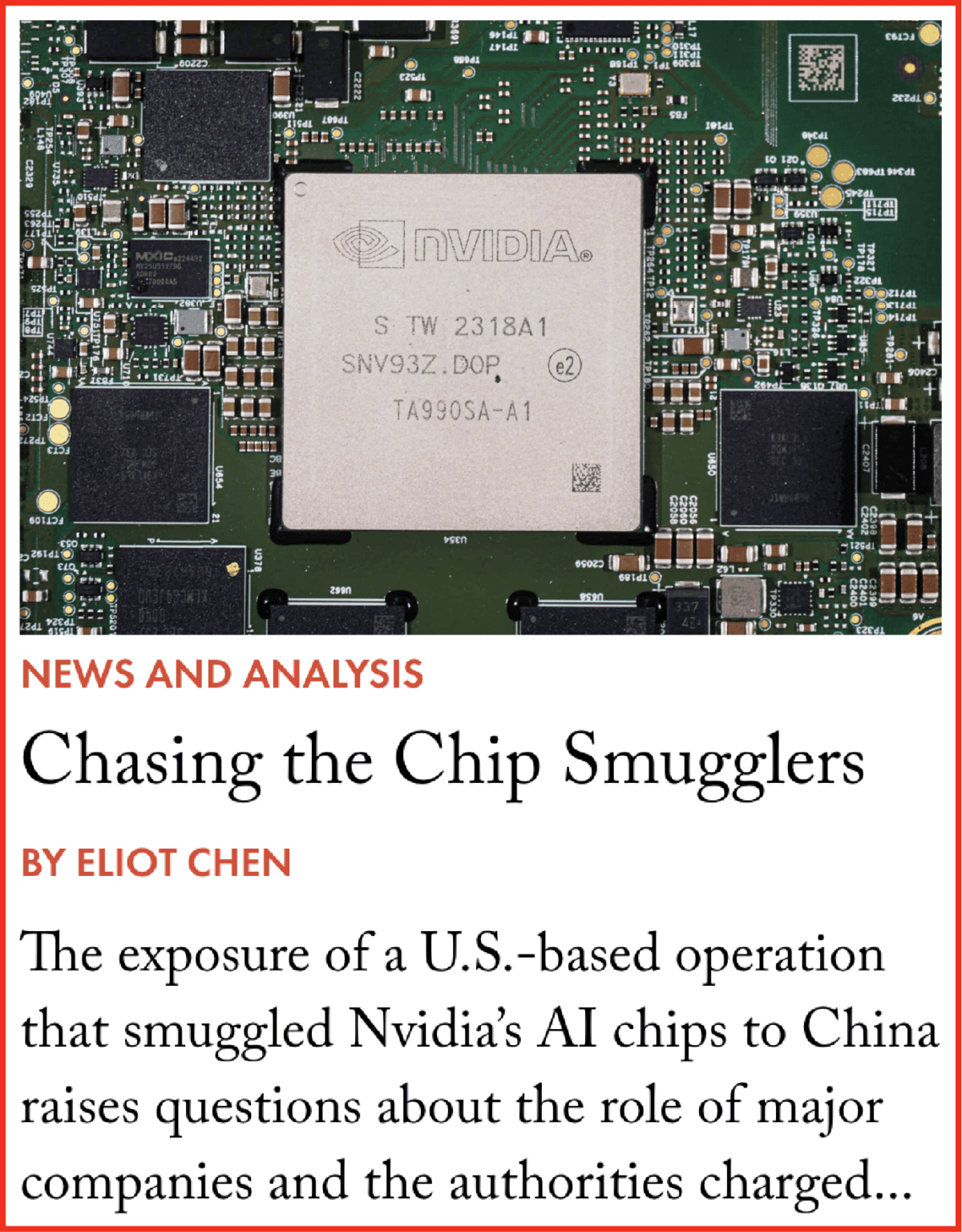
They can certainly get around the controls from black and gray markets. The same day Trump announced the H200 we were indicting people for smuggling the same type of chips. The question is, does smuggling get you the volume of chips that you really need? And the answer there is likely no. A little drip here, a little drip there. It’s not going to break the wall that we tried to put up.
Remote access [where Chinese companies rent access to data centers overseas, allowing them to use chips that are restricted for export to China while complying with U.S. export controls] is a riskier issue that needs to be grappled with. Some of the things that need to be done are to close that gap.
I’m not saying smuggling is great. BIS is a federally funded agency. The number of agents — 175 or so federal officers — is not sufficient to stop a chip that is not made in the United States from being exported to somewhere where it’s legal, and then being smuggled out.
BIS only has two export enforcement officers in mainland China and one in Hong Kong. Is that enough?
Certainly not enough. But that’s not where the issue lies. Quite frankly, it’s got to happen before they get to China. All the officers, regardless of whether they’re in China, the United States, or anywhere else overseas, have access to the full support of U.S. intelligence agencies. There’s a gamut of law enforcement. It’s not just BIS itself.
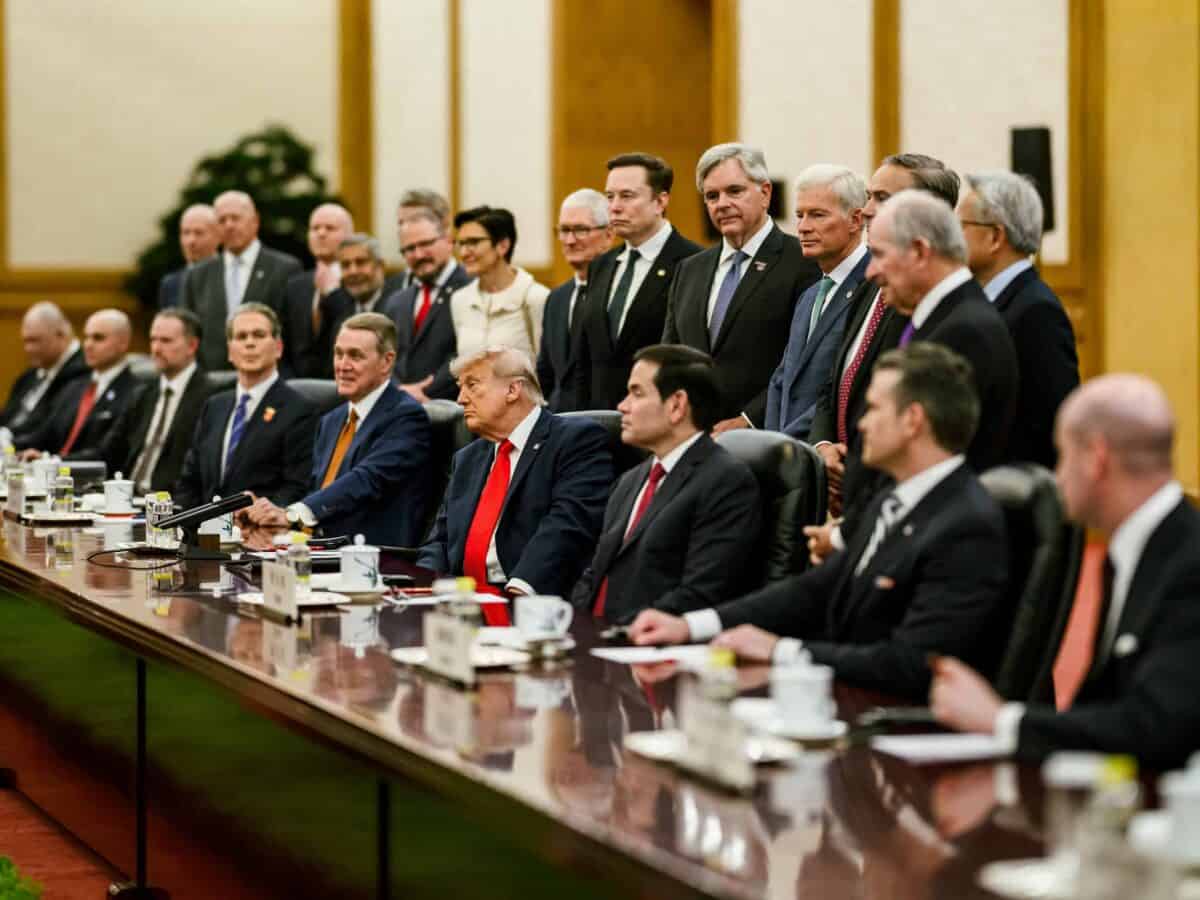
In 2024, you said export controls are a national security tool, not an economic protectionist tool. Nvidia’s chief executive, Jensen Huang, was with President Trump in Beijing. Do you still feel that they’re being treated as an element of national security and not something that could come up in trade negotiations?
That would be my view, but obviously that’s not where this current administration is. Same thing with tariffs. They are more of an economic thing, but they are blended into a national security rationale, aside from [Section] 232 [a type of tariff], which is always supposed to be national security. There’s a line there that’s not a hard line, and it’s not surprising that it can blur very easily. The president could certainly look at alleviating some of these controls in a greater deal with China.
Guessing what the Chinese might do is the easy thing. That’s the intel community. No one said, “they’re definitely going to do this.” So we paid attention to what the likelihood of retaliatory measures would be.
There are things you trade in national security negotiations. That’s how arms control works. You are trading things that you believe are core to your national security for what you look at as a greater deal. And I’m sure that’s how the administration would package anything that they do here.
Let’s move into coordinating with allies. A big part of the export controls and BIS efforts under your tenure was getting allies, especially Japan and the Netherlands, to join U.S. export controls. The rules, though, were always harsher for American companies.
I disagree. I think we achieved close to parity. I mean, in some places, U.S. companies were at some disadvantage, but in general, our negotiations led to a good, level, playing field.
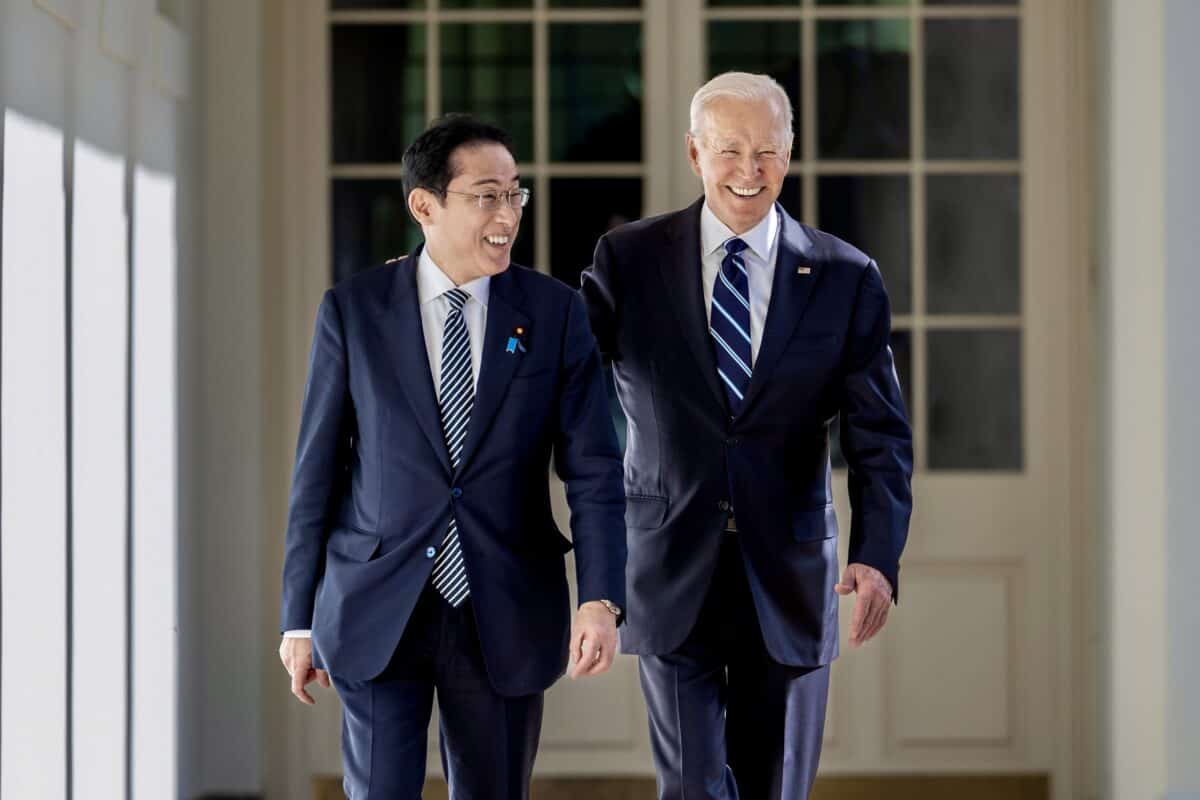
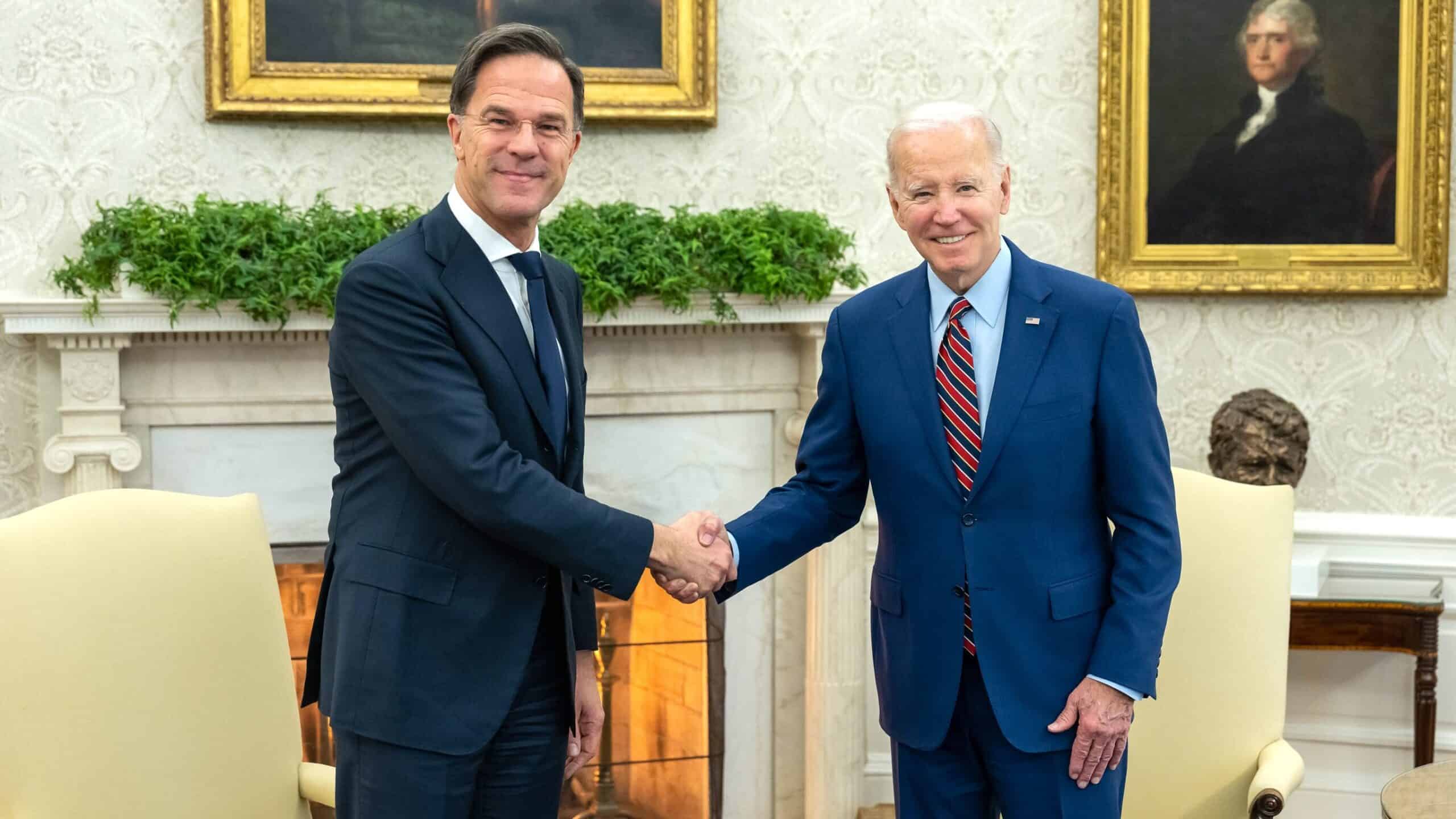
Then President Biden with then Japanese Prime Minister Kishida (left), January 13, 2023, and then Prime Minister of the Netherlands Rutte (right), January 17, 2023. Credit: Biden White House Archived via Flickr
What about servicing? [U.S. export controls prevent American companies from servicing machinery in China, while Dutch and Japanese controls do not.]
There’s a rationale for why companies that are doing servicing want to have their eyes on their equipment. To me, it was more important to stop major repairs than to worry about routine servicing, which the Chinese can do on their own.
And did Japan and the Netherlands agree to halt major repairs?
We put controls on major repairs, yes.
Who is we?
The collective people working on export controls. We needed our allies.
Are allied countries doing enough on export controls in general? Should the U.S. do more to get them to align their controls with Washington’s, as some legislation in Congress is looking to achieve?
You have to keep pace with both the technology changing, where Chinese parity is coming, and what other countries are doing that may not have been involved in the initial agreements.

You also have to put working with allies in the context of other issues that you have with allies. Slamming them is not necessarily the best way to get the best result across the board. With that said, I thought we achieved some pretty good results. It wasn’t easy. I spent a lot of time on the road. So did my counterparts.
To your point, Japan, for example, hosts the U.S. Seventh Fleet. When it comes to enforcement, do you see the U.S. punishing foreign companies that might violate these rules?
First of all, we can always invoke the Foreign Direct Product Rule [which allows the U.S. to impose export controls on goods made anywhere as long as their production involves U.S. technology]. A company that violates U.S. law certainly can be challenged.
Now, most of the companies were working under the rules of their own host country. I believe those host countries are enforcing the rules, because the reason they put those rules in place is the same reason that we put the rules in place. They also have concerns with modernization of the PLA.
Did you worry about the potential consequences, if you did have to enforce a penalty on a foreign company, that that might have for other areas of cooperation?
I thought about negotiating a fair deal. If they violated, we’d work with the country, just like we would in any other circumstance. When we were negotiating, I was also concerned there were other things going on. How hard can I push now without breaking something else, somewhere else?
One of these bills that is progressing through Congress, the Match Act, is an application of the Foreign Direct Product Rule to semiconductor manufacturing equipment.
I’m not a big fan of Match for that reason. Negotiating with your allies should be work. It’s something you need to do. You have to understand some of their issues while you’re doing those negotiations. But we were able, on a number of occasions, to get them to see things the way we saw them. Putting on a blanket, like the Foreign Direct Product Rule, takes away that negotiating capability.
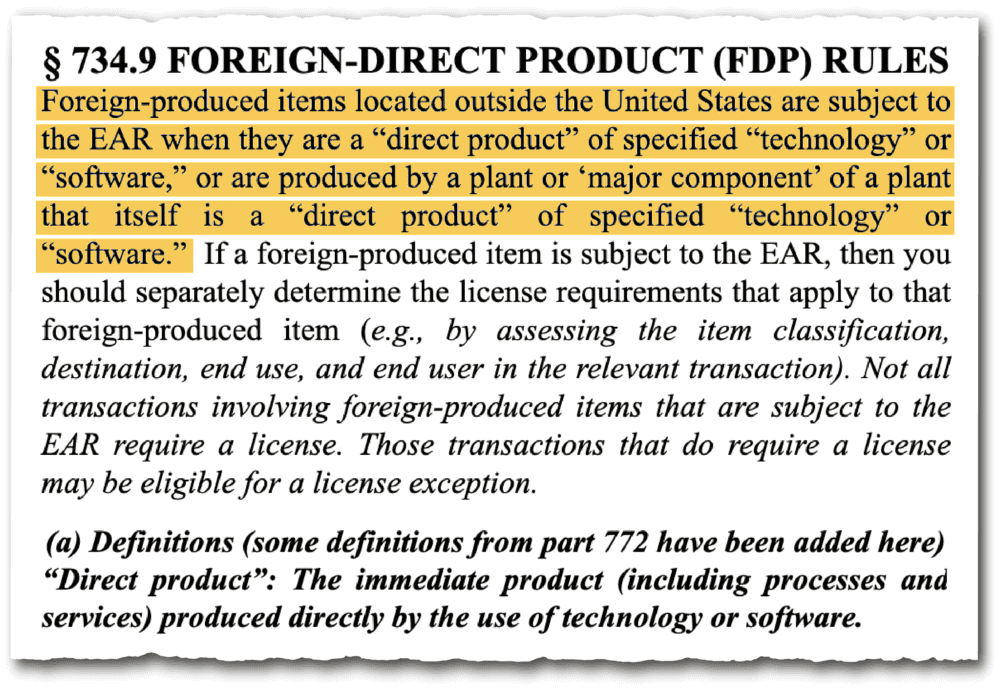
[FDPR] was always a tool that we could use. They knew we could use it. Other countries actually were more happy to have the U.S. invoke the Foreign Direct Product Rule for some of the things that we wanted to stop, instead of negotiating, because then they could blame us for why they weren’t selling.
And just to be clear, when you say they knew we could use it, are you referring to Japan and the Netherlands in particular?
Well, whoever we negotiated with.
One other BIS policy that caught a lot of flak is the so-called AI diffusion rule, which sought to impose restrictions on chip exports to many other countries, not just China. The rule had particular implications for the Middle East, where there’s now a big data center build-out. The Trump administration scrapped the rule. Should the U.S. have that type of rule, or was it too burdensome?
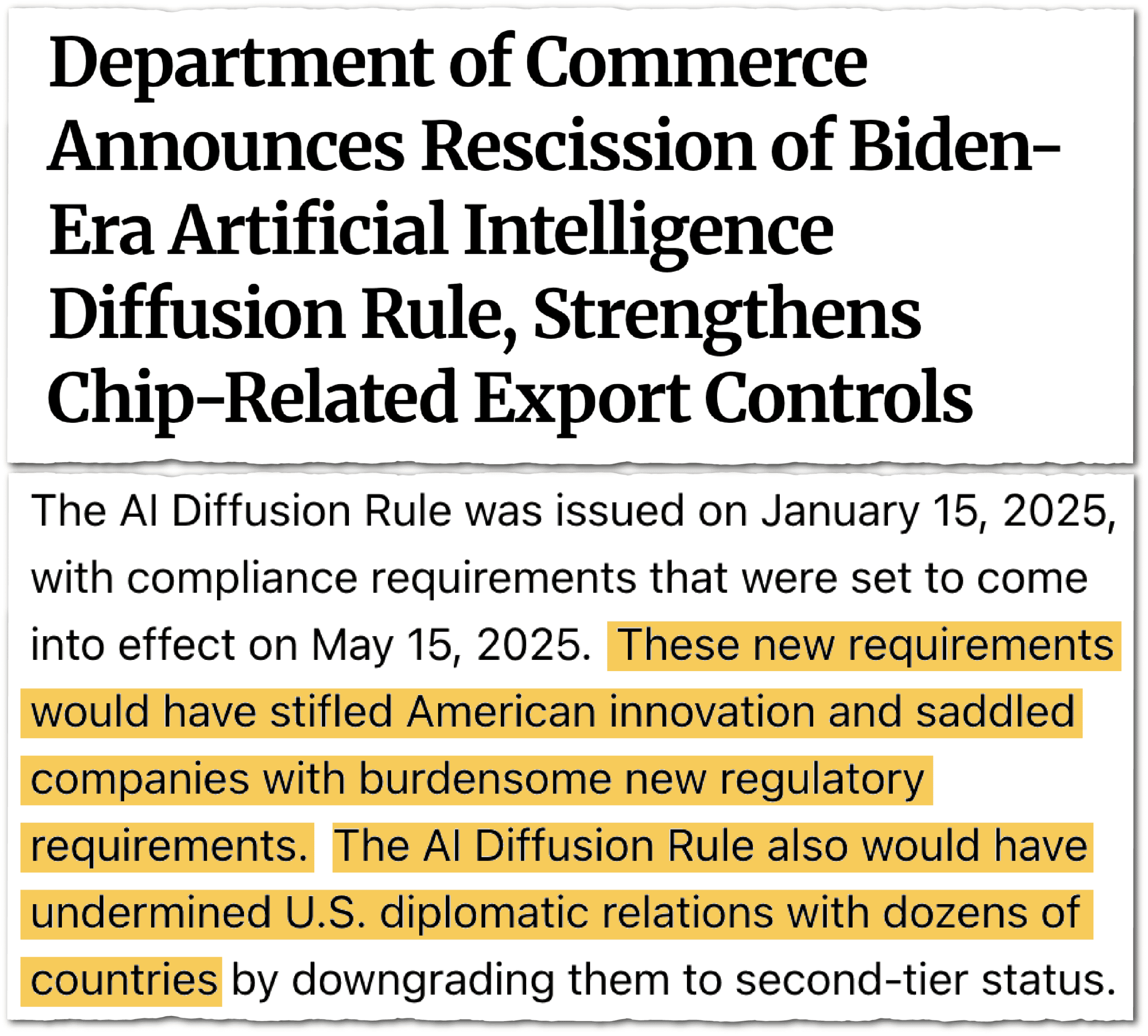
The administration did not scrap the rule. They just announced they weren’t going to enforce it. It’s still on the books.
I wasn’t a big fan of some of the factors in that rule, but I thought overall, the rule laid out a good methodology. A country with an agreement with the U.S., and then a vetted company, could get a hell of a lot of chips, more chips than anyone really would need to get in a short period of time. There were different rules for the U.S. hyperscalers. So any of those countries that have restrictions, including in the Middle East, the main facets of that rule were not to decrease the volume of chips.
What it did do is it said, if you’re going to get this number of chips now, there should be cyber protections you should be putting on your company. Here’s the physical access protections you need to be putting on your company. Here’s the remote access rules that you need to adhere to. And to me, that’s still good policy.
…leaving yourself the flexibility I thought was more important, and that we have the capability and the capacity to do that homework ourselves and decide which parts of the tree were rotten and put those parts of the tree onto the [Entity] list.
And was there concern with the Middle East, in particular, that chip exports could find their way toward helping China achieve its own AI ambitions?
The Middle East wasn’t really where I was concerned about diversion of chips, but I was certainly concerned about remote access for the PRC there.
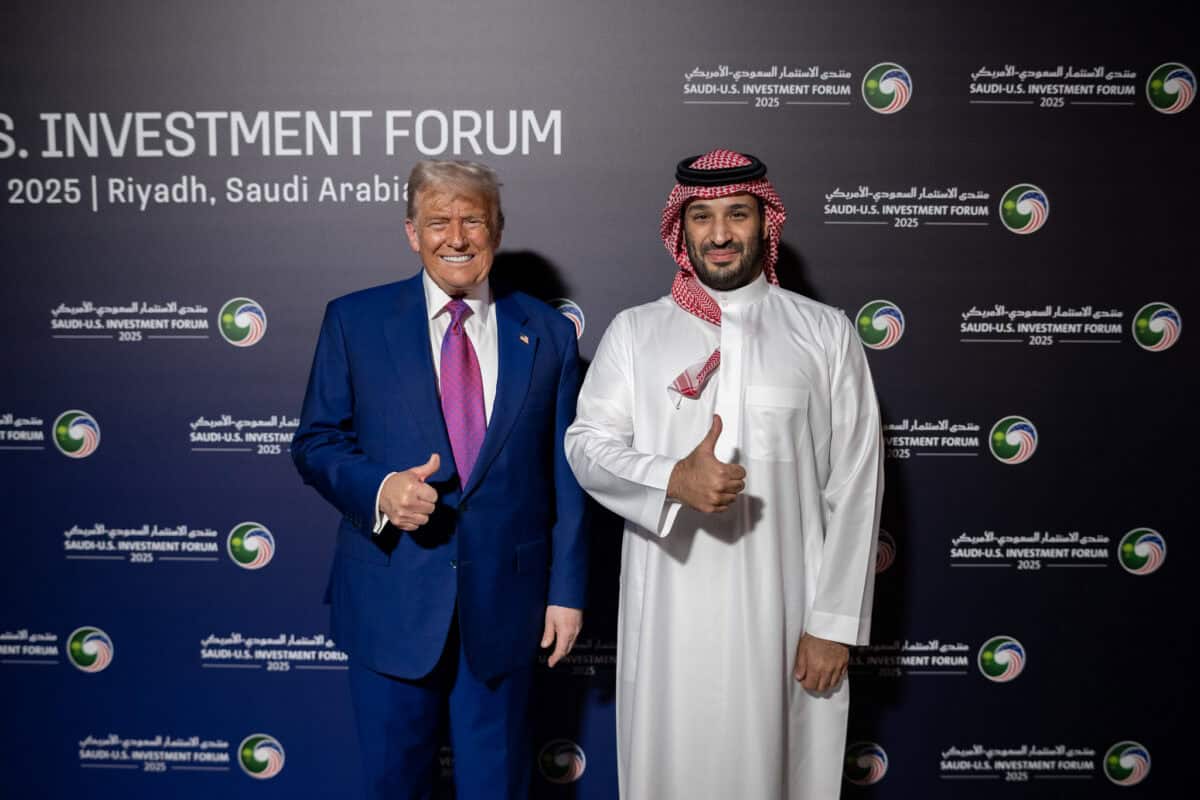
The Trump administration has now reached a number of these deals on a bilateral basis, with the UAE and Saudi Arabia in particular. But in general, do you think that this amount of chip sales to those countries is a good idea, or does it give you any pause?
First of all, those countries have a ton of other problems going on right now. Chip sales are probably not top of mind for many of them, especially since data centers seem to be one of the targets of Iran.
It depends on whether [the Trump administration is] ensuring that there’s some rule set on physical security, cyber security, remote access. If those types of things are in the agreement, I think there’s no problem.
One of the things that seemed to surprise the Trump administration last year was China’s own extraterritorial export controls. Did you anticipate that China might develop its own export controls that worked in a similar way to U.S. ones?
When we put controls out, we tried to walk through a little checklist. What are we trying to achieve? In this case, it was to slow down AI development for military applications in China. Is the control likely to achieve what we’re trying to achieve, or are we kidding ourselves? Is the control enforceable? What’s the impact on industry? Do we need allies? And then what’s the likely retaliation of the adversary? We always walked through that checklist when we were doing these major controls.
Guessing what the Chinese might do is the easy thing. That’s the intel community. No one said, “they’re definitely going to do this.” So we paid attention to what the likelihood of retaliatory measures would be.
Do you think that China rolled out rare earth controls in response to U.S. chip controls?
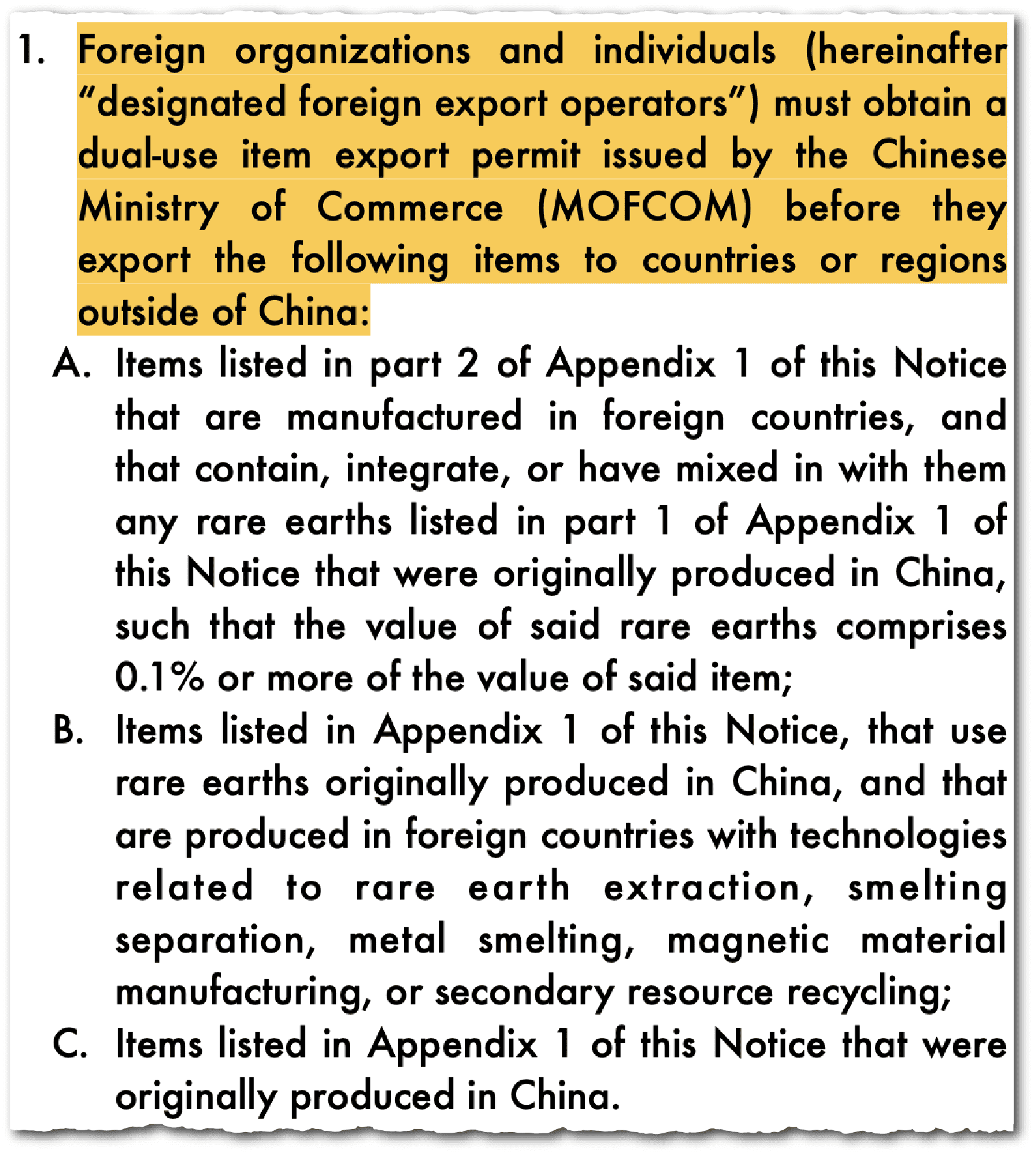
I think they rolled out those rare earth controls in response to tariffs.
Do you think chip controls played a role?
No. They would have responded directly when we were putting our controls out if that’s what they wanted to do at that point in time. They certainly learned the playbook of chokepoints from looking at what we were doing.
China expanded its rare earths controls this past fall, right after the Trump administration announced that it would roll out the so-called Affiliates Rule, or 50 percent rule, adding majority-owned subsidiaries of companies already on the Entity List to the list. Did you consider that type of rule?
I did, and there’s some logic to it. If this part of the tree is rotten, the whole tree is probably rotten. So I would just knock out the tree.
I decided against trying to pursue something like that, because I thought we should do our own due diligence and just put the companies that we wanted to put on the Entity List, onto it. Make it clean for companies [to comply]. It was tough for us, even, to figure something like that out with a lot more resources around.
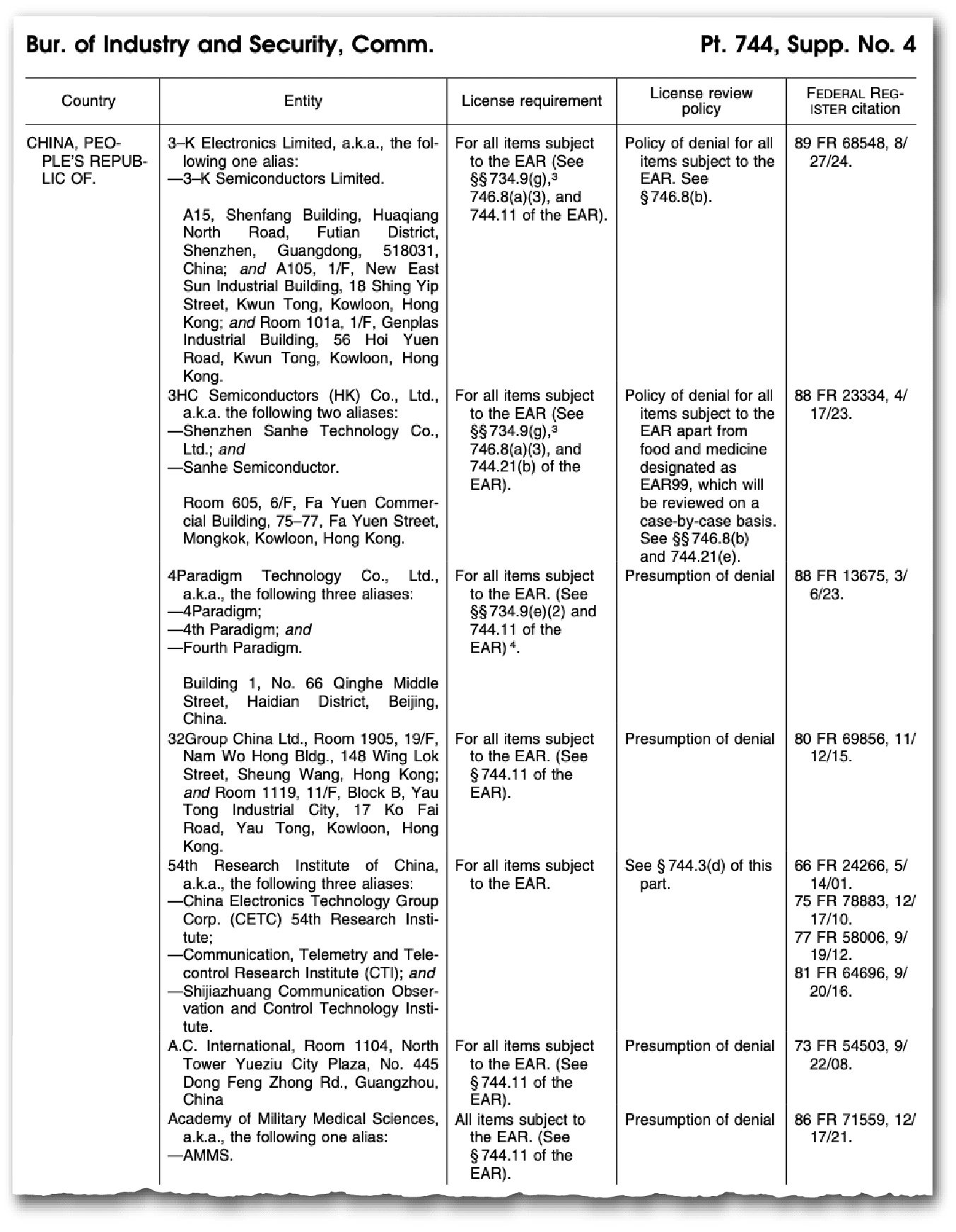
And sometimes this affiliate of this company — it actually would be hurtful to the U.S. market and the allied market not to allow sales, because they’re benign from a national security perspective. Taking the revenue away is not necessarily the best thing. In fact, it may be countervailing to your national security.
Instead, leaving yourself the flexibility I thought was more important, and that we have the capability and the capacity to do that homework ourselves and decide which parts of the tree were rotten and put those parts of the tree onto the list.
When you added a company to the Entity List, were you trying to compel change in its behavior?
We didn’t expect to see changed behavior, but if they did, there were companies that got off the Entity List.
What was the point of it, if not to compel change? Was it a penalty?
You’re not trustworthy with American technology. You’re doing things that are countervailing to our national security writ large.
Some of those companies have proved pretty resilient. How can the U.S. keep its lead in the areas where it already has one?
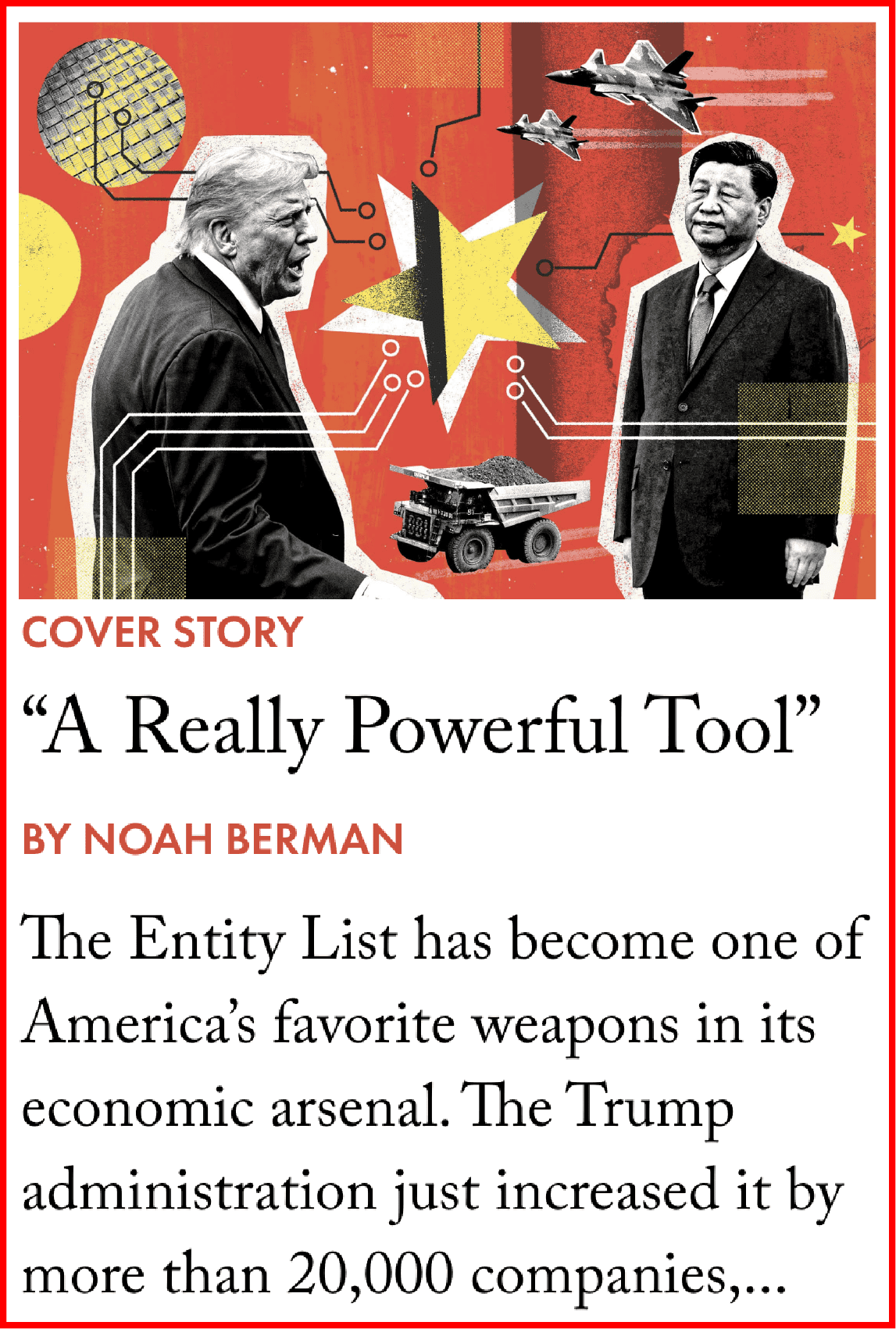
The Entity List is not designed to put a company out of business. The Entity List is designed to deny access to U.S. technology. It doesn’t really impact their market.
It goes back to our earlier fundamental discussion — export controls are a time-based tool. The best thing we can do is keep the innovative ecosystem working in the United States.
Generally is BIS struggling to do its role?
It has to follow the administration’s guidance.
There are reports that headcount is down.
They had DOGE. There was a distrust of professional civil service that was evoked through DOGE. You had some people forced out. So it’s not surprising that a lot of people left. You lose a lot of capability when you lose some of those people who, to me, were good, agnostic, nonpartisan civil servants who would give you their best effort regardless of what party [was in the White House].

Noah Berman is a staff writer for The Wire based in New York. He previously wrote about economics and technology at the Council on Foreign Relations. His work has appeared in the Boston Globe and PBS News. He graduated from Georgetown University.