For many years, Dreame Technology was best known for its vacuum cleaners. Then in 2024 Dreame’s founder, a young entrepreneur named Yu Hao, began a quest to reinvent the business.
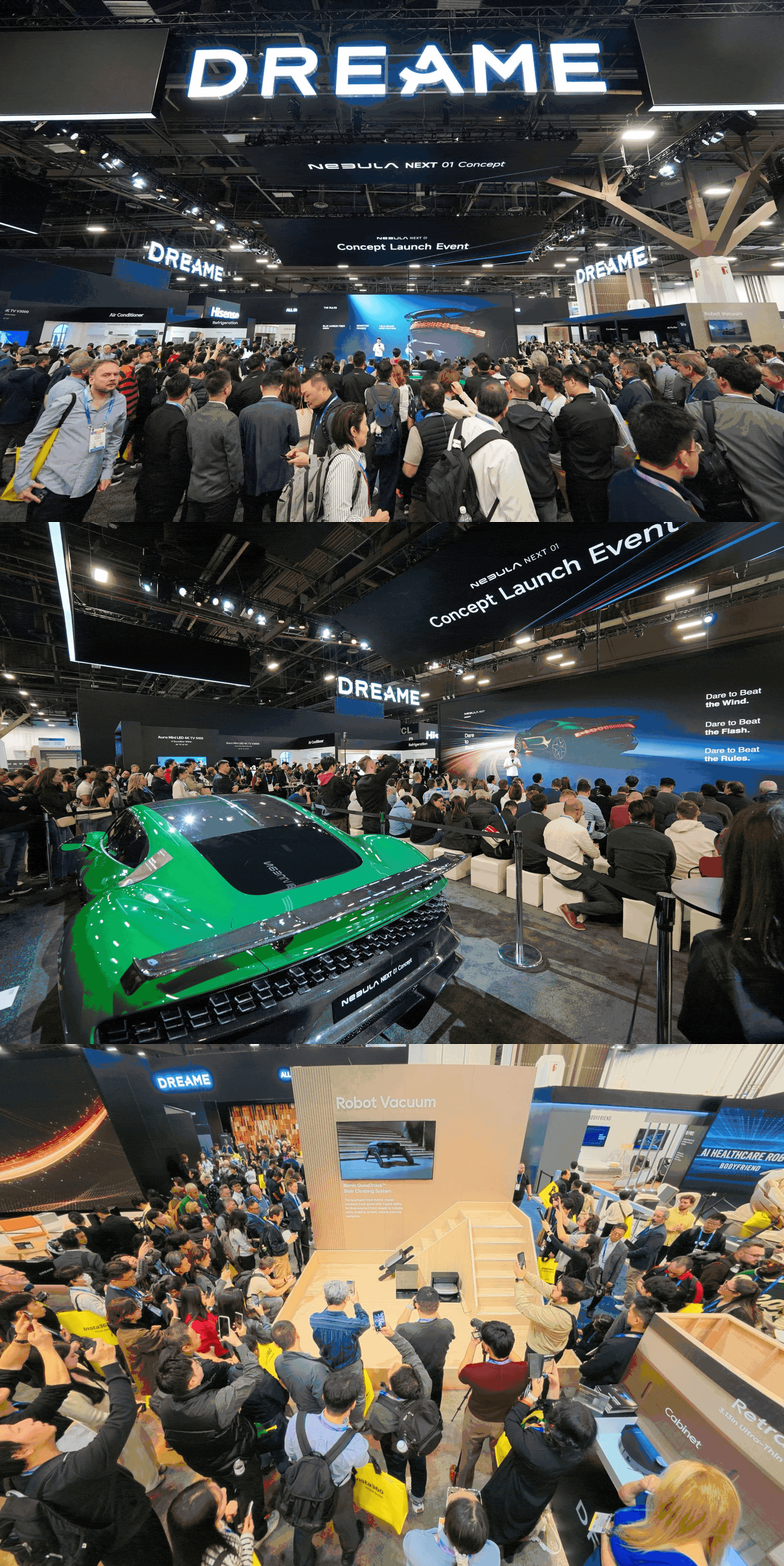
In January Dreame made a splash at the famous annual consumer electronics show in Las Vegas. It debuted a robot vacuum that can climb stairs, a refrigerator with a built-in sparkling bar that dispenses sparkling water, and a luxury sports car that looked a lot like a Bugatti.
“It was their coming out party,” says Tu Le, founder of Sino Auto Insights, an advisory firm.
The Las Vegas Show was indeed just the start of Dreame’s very busy 2026.
The National Football League’s Super Bowl, held every February, is also the Super Bowl of advertising. Many people enjoy watching the expensive, celebrity-studded ads more than they do the game itself, especially when the game is — like this year’s — a boring blow-out (Seattle Seahawks 29, New England Patriots 13).

Dreame paid $10 million for a 30-second ad that showed its vacuum cleaners and car turning into transformers.
But even an event as big as America’s biggest sporting event is dwarfed by the world’s biggest sporting event, the World Cup, so Dreame wanted a piece of that too. It recruited soccer mega-star Cristiano Ronaldo as the face of a new “Dreame to Win” global ad campaign.
As his company’s name suggests, Yu Hao has big dreams. Brash and cocky, the 39-year-old hogs limelight with controversial remarks and stunts. He compared himself to Elon Musk, then vowed to surpass the world’s first trillionaire. His goal, he said, is to build “the first $100-trillion company in history.”
To that end, Dreame has incubated over two hundred business units in a few years, ranging from humanoid robots and e-scooters to mining equipment and hotpot restaurants.
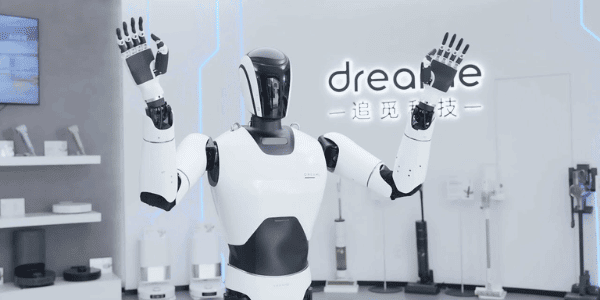
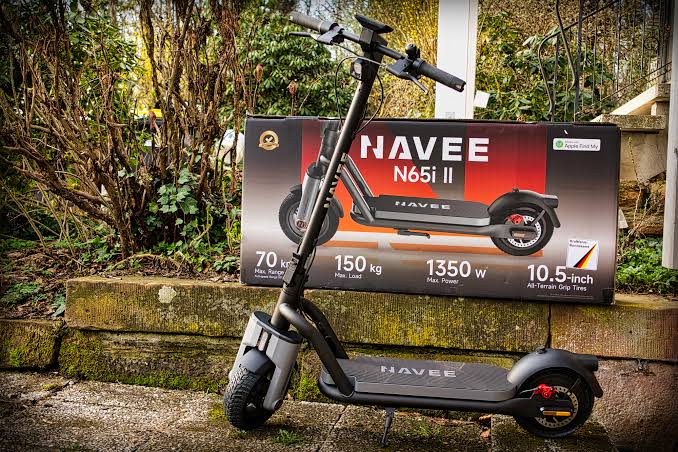

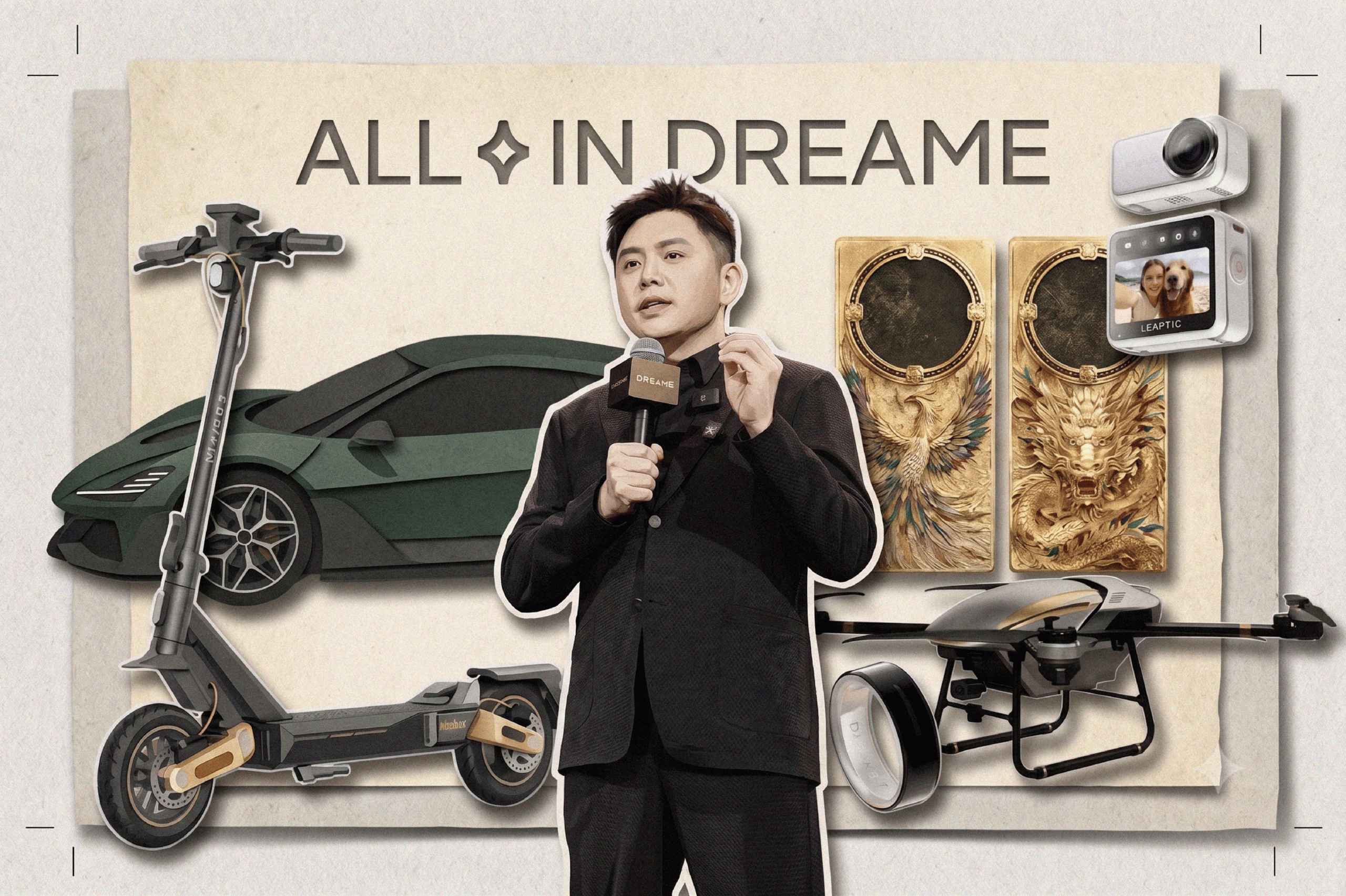
Dreame’s humanoid robot, e-scooter, and luxury phones. Credit: Dreame
In March, at a Shanghai trade show, the company marketed bejeweled “Aurora” brand phones that cost as much as $40,000 and unveiled what it claimed to be 2-nanometer chips produced by its semiconductor business NXMind. It also announced plans to put 2 million satellites into orbit.
Dreame stands out because of the breadth and theatricality of the push. The key question people wonder about is whether this is genuine ecosystem-building for Dreame’s business.
Lizzi Lee, a fellow at the Asia Society Policy Institute’s Center for China Analysis in New York
Dreame and its founder, however, are now at the center of a serious storm that has attracted the attention of the Chinese Communist Party. This is because Dreame has been funding its projects with large amounts of public money, and in doing so shed light on local government investment activities that worry President Xi Jinping’s administration.

Dreame’s venture capital arm, Sky Factory, manages 44.6 billion yuan ($6.6 billion) in assets according to Xiniu Data, a Shanghai-based research firm. Its limited partners include government funds from at least 18 cities including Suzhou, Xiamen and Jiaxing, Zhejiang. State capital accounts for more than 40 percent of Dreame’s funding, according to Xiniu Data.
Yu is not shy about this. He has publicly bragged that 80 percent of the funding for Dreame’s business units comes from external investors. “We knock on every door and are in talks with every local government that has funding capacity and is aligned with our industrial chain,” he told Chinese media outlet LatePost in January.
Sky Factory Venture Capital
Hover over the dots to see more details about the 69 companies in Sky Factory’s portfolio.
“[Yu’s] flashiness might appeal to local government investors because it creates visibility, traffic and a sense of momentum around a potential ‘star enterprise’,” says Lizzi Lee, a fellow at the Asia Society Policy Institute’s Center for China Analysis in New York. “Dreame stands out because of the breadth and theatricality of [its] push.
“The key question people wonder about is whether this is genuine ecosystem-building for Dreame’s business,” she adds, or undisciplined diversification funded by relatively unsophisticated local government investors.
Dreame’s Chinese website. Credit: Dreame
Dreame declined to comment on its business model and financing.
Last week it announced it is restructuring to consolidate its business units into four core areas: smart home appliances, outdoor & garden equipment, smart mobility products (such as e-scooters) and physical AI (robots). Capital and asset-intensive ventures, developing products such as smartphones and electric vehicles, operate under a fifth roof that Dreame refers to as its “industrial research institute.”
“We believe a more focused organizational structure, more efficient resource coordination and continued investment in R&D will further strengthen Dreame’s competitiveness in global markets,” a Dreame spokesperson said in a statement.
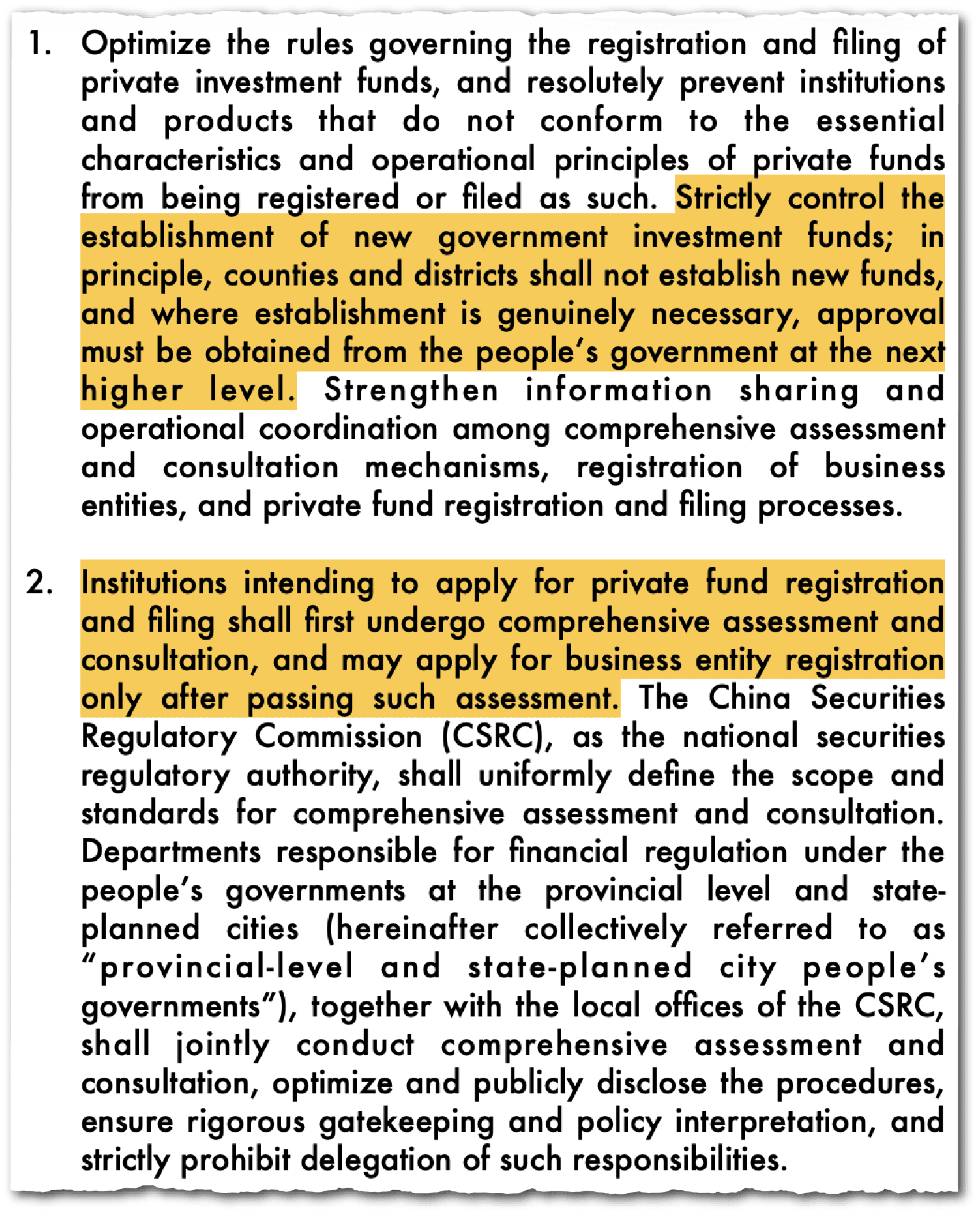
DOCUMENT 54
On June 5 the State Council published new draft rules to regulate private equity, especially the more than 2,000 government funds that collectively manage 12 trillion yuan ($1.77 trillion). Proclimated in Document 54, the rules ban county governments from launching new funds without higher-level approval and also prohibits the use of public funds to bail out troubled companies.
According to a person familiar with the genesis of Document 54, regulators have been preparing it for at least a year. The person says they have been worried about the amounts of money companies are raising from local governments, many of which have later struggled to recover their funds.
The same day that the State Council unveiled Document 54, the Changchou municipal government in Jiangsu province ordered local companies to disclose their ties with Dreame, including any joint projects, their scale and the amount of investments and of state capital invested in them, Chinese media reported. On June 24 Caixin reported that other local governments are also reviewing their agreements with Dreame.
In May of this year, Dreame held a team-building trip to Disney Shanghai. Credit: Yu Hao via Xiaohongshu
Weibo said it has suspended Yu’s account since early June for violating cyberspace regulations, after an unidentified company complained to Weibo that his posts had unfairly damaged its reputation.
One former Dreame employee told The Wire China that he joined the public relations department of a group company in May. The company was hiring aggressively at the time, luring new talent with higher pay and benefits such as a team-building trip to Disney Shanghai.
Just weeks later he was fired when his business unit cut 35 percent of its workforce. He was added to a corporate chat group where terminated staff could look for opportunities in other parts of the company. It had some 7,000 members.
FROM NANTONG TO TSINGHUA
Yu Hao grew up poor in a village in Nantong, a mid-tier city in Jiangsu province. His home did not have electricity until he was about ten years old, when he installed wires himself and designed a switch. He built his own toys using abandoned mechanical parts and makeshift materials, he recalled in an interview with the media outlet China Entrepreneur.
Lofty claims are what get Dreame’s business units money because most of these local government officials, who have never seen the world or been outside the country, want to shoot for the moon.
a former Dreame employee
Yu later entered China’s premier engineering school, Tsinghua University, where he studied aerospace. In school he started a hobby group whose members tinkered with drones and other gadgets.
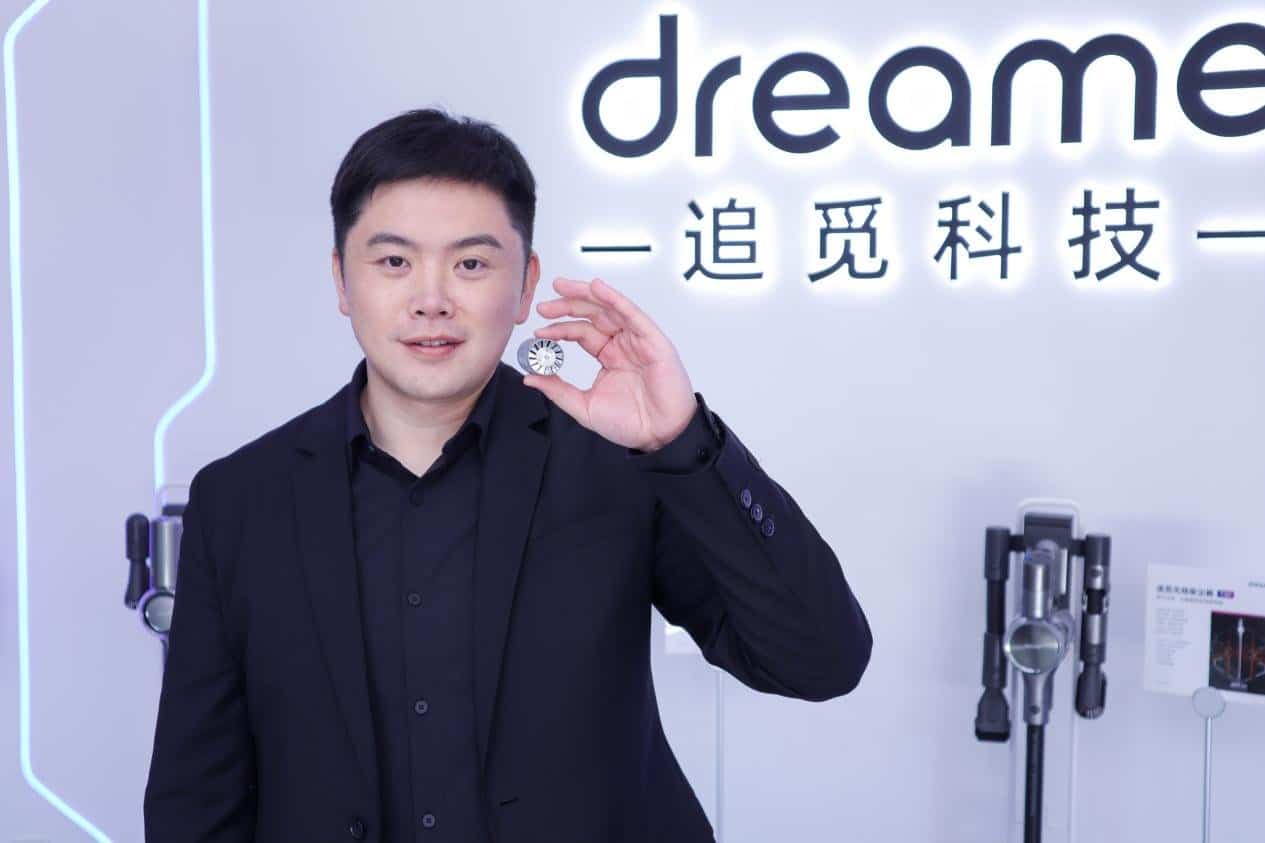
After graduating from Tsinghua in 2015, Yu wanted to start his own manufacturing business, and considered making electric vehicles or even planes. He ultimately set his sights on something simpler — the small high-speed motors used in a wide range of products such as hair dryers and vacuum cleaners. He believed he could build a better high-speed motor than the competition.
Borrowing from the drone-related technologies he had tinkered with, Yu made vacuum cleaners with strong suction power that could run longer on a single charge. These caught the eye of smartphone manufacturer Xiaomi, which, along with founder Lei Jun’s Shunwei Capital, invested 14 million yuan ($2 million) in Dreame in 2017.
Dreame initially made vacuum cleaners that Xiaomi sold under its own brand, which was challenging the likes of Panasonic and Dyson. Then, in 2019, Dreame started selling its own brand vacuums.

In 2021, Dreame raised 3.6 billion yuan ($563 million) from Jack Ma’s Yunfeng Capital, China Renaissance and other VC firms. It also started building brick-and-mortar stores across China.
In 2023, as domestic consumption growth slowed, Dreame opened stores in Seoul, Los Angeles and other cities overseas. Target and Best Buy sold Dreame robot vacuums. It splurged on social media ads, paying influencers who said they preferred Dreame’s hairdryers over Dyson’s. The company said overseas markets accounted for nearly 80 percent of total revenue, which exceeded 40 billion yuan ($6 billion) last year.
But Yu, who sees himself as a contrarian, did not want to follow a path paved by so many other export-oriented Chinese manufacturers.
Most Chinese hardware brands, he observed in the interview with LatePost, competed by making cheaper clones of successful products and undercut foreign competitor’s pricing. He claimed to be different. Dreame would make the most advanced, innovative products to justify premium prices. He called the formula ‘N+1‘ — N being the commodity product and the ‘+1” an innovation that people would be willing to pay more for.
He cited Dreame’s robot lawnmower as an example. A lot of models rely on GPS technology to map lawns.
Dreame instead equipped its lawnmowers with the same LiDAR technology used in self-driving vehicles to evade obstacles. At the time, Chinese companies had driven the average price of a lawnmower down from $999 down to $499. Dreame priced its LiDAR lawnmowers at $1,999 but they still flew out of the stores, Yu said.
Like Xiaomi, Dreame wanted to produce a wide array of different products, thus creating “an ecosystem.” Ten industry-specific incubators, each home to dozens of separate product units, were housed in different buildings across its vast campus in Suzhou. Incubator No 3, for example, is home to Navee, which develops e-scooters, and Skymotor, which makes motorcycles. Each unit functioned as an individual business, responsible for raising its own funds and sometimes even competing against other Dreame units.
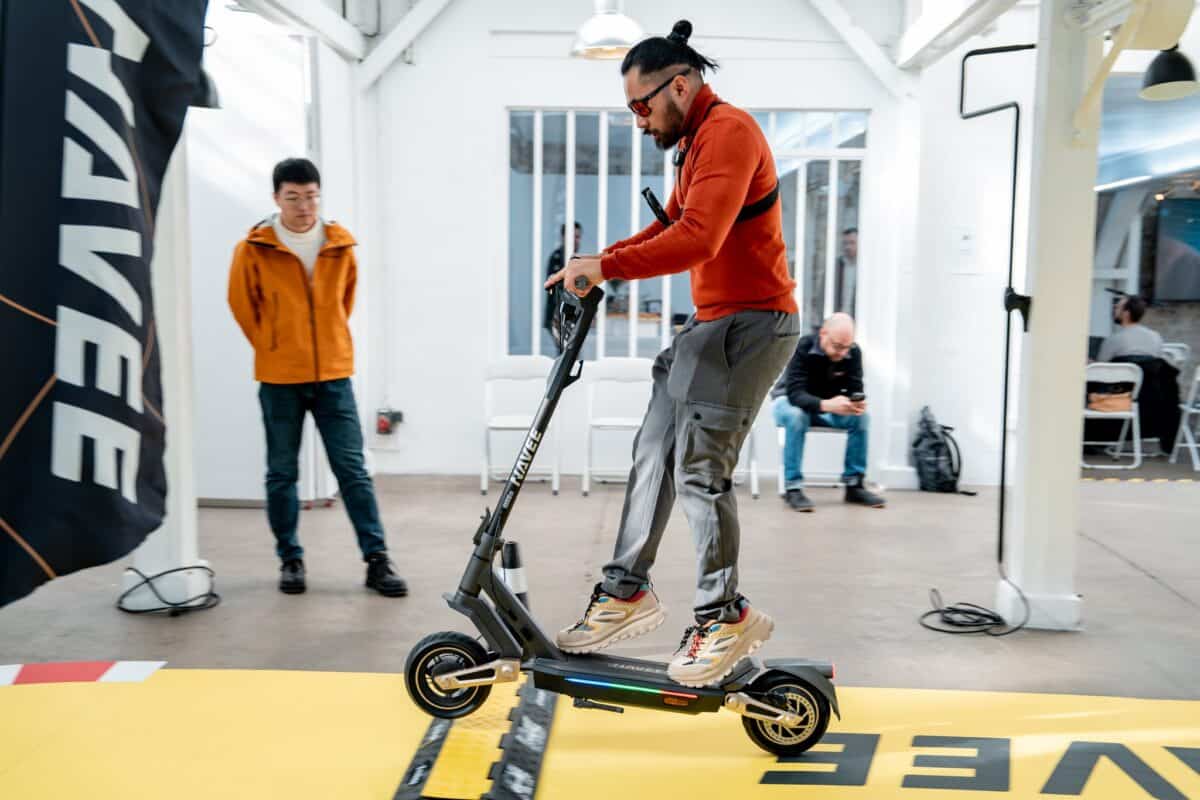
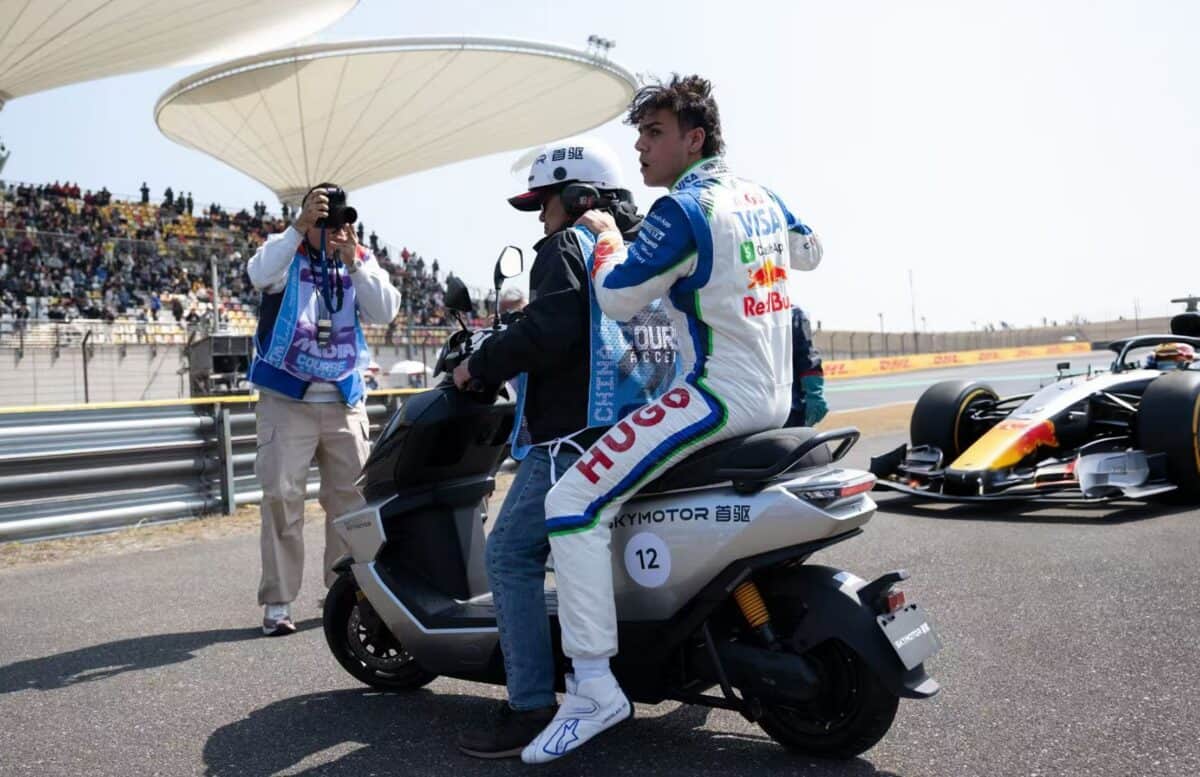
Left: A Navee e-scooter demonstration during a showcase. Right: A Skymotor bike at the Chinese Grand Prix. Credit: Navee, Skymotor
Much of the capital these experimental business units raise comes from local governments.
In 2024, Sky Factory began partnering with local governments to co-invest in these new ventures. To date, it has made 91 investments in 69 portfolio companies, and increased the pace of its deals over time.
UPPING THE INVESTMENTS
Sky Factory Venture Capital investments per quarter, from Q4 2024 to Q2 2026, show a sharp acceleration in early 2026.
INVESTMENTS
Note: Q2 2026 through June 20 only. Source: ITJuzi
Some of these companies share the stage with Dreame at public events; others are instructed not to disclose their ties with Dreame, lest they fail and tarnish their parent’s reputation. According to one tally by Shanghai media outlet The Paper, Dreame has spawned over 900 companies.
“Though it seems like each business unit leader has a lot of autonomy, Yu has a tight grip on human resources, public relations and finances,” says the former employee.
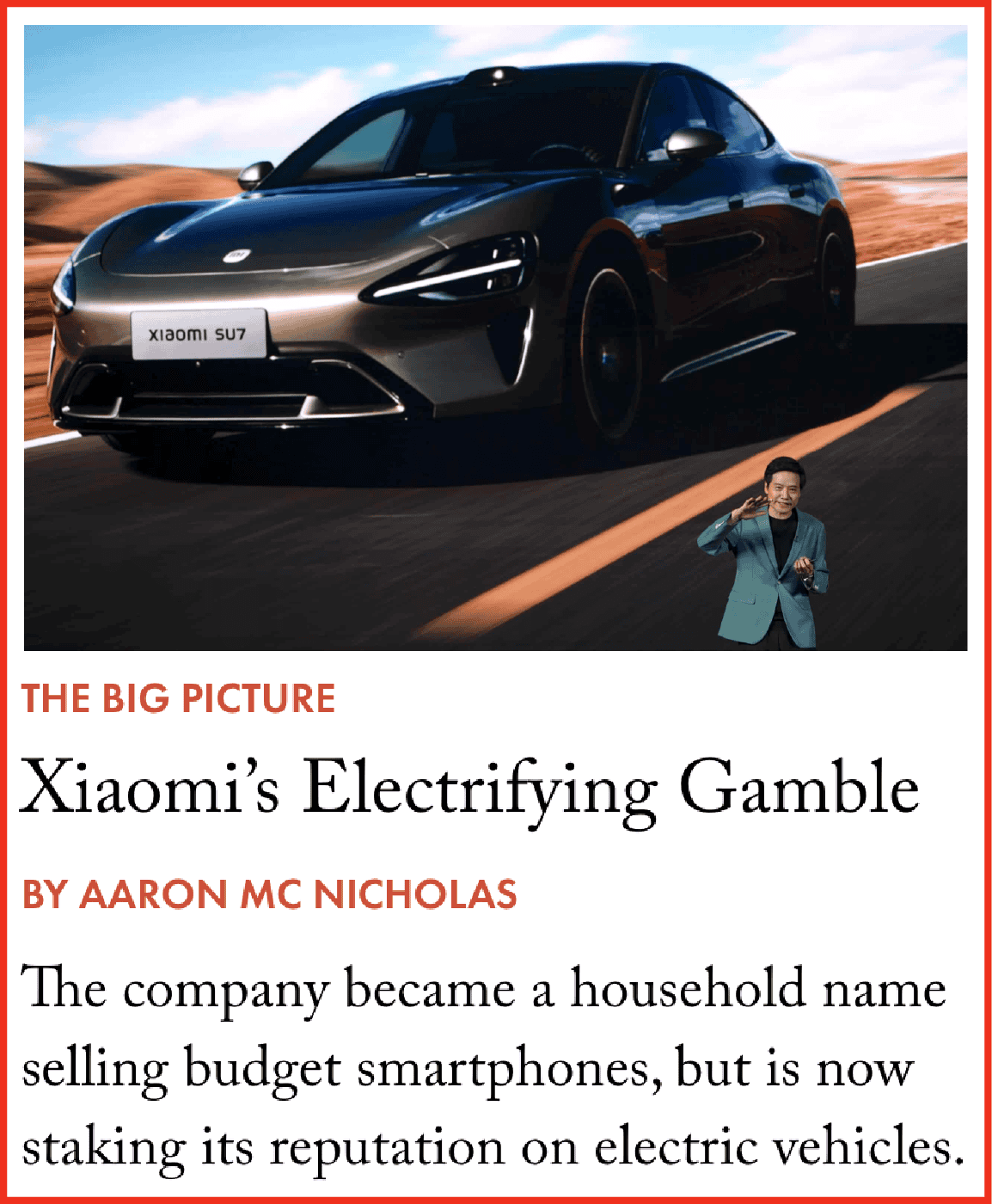
Xiaomi, by contrast, increased the size of its ecosystem through gradual acquisitions.
“Xiaomi often backed or partnered with external hardware startups, then helped them develop products and validated them through Xiaomi’s supply chain, brand and sales channels,” says Jun Yan, a former Didi executive.
“For Dreame, it’s the exact opposite. It is directly incubating companies under its platform,” adds Yan, who later founded his own technology start-up and now works as an independent consultant. “Many of their products are still just concepts or have not been commercially validated.”
Yu argues that Dreame’s business units are more likely to succeed than other startups because they can benefit from their parent’s experience in production and also use its global sales network. If a unit succeeds, to reward its investors it can go public, merge with another company or be purchased outright by Dreame.
…at the end of the day, maybe only the top 10 or 20 cities can be successful in having their own thriving tech industries. For other cities, they need to think about whether stories people are pitching are too good to be true.
Fengming Lu, a scholar at the Australian National University
Yan is skeptical. “Whether [Dreame’s] capabilities can be transferred to other companies within its ecosystem is unproven,” he says. “The key question is whether these individual businesses in the Dreame-linked ecosystem can stand on their own.”
LAST-CHANCE SALOONS
One former Dreame employee, who raised funds for several of the group’s business units, told The Wire China that it was easier to raise money from local governments than from institutional investors.
“Lofty claims are what get Dreame’s business units money because most of these local government officials, who have never seen the world or been outside the country, want to shoot for the moon,” says the former employee, who left Dreame recently because he worried its financing model was too risky.
Local government officials are not just seeking financial returns. They also value other intangibles, such as Yu’s affiliation with Tsinghua University and Dreame’s brand recognition.
“Local governments have their own policy goals,” says Yan. “They need to increase employment, tax revenue, fixed-asset investments and so on. Dreame undeniably has brand recognition, a strong supply chain, production, and — especially important right now — the ‘AI tech’ label. For the government [Dreame’s ventures] are easy to understand and easier to file a report on.”
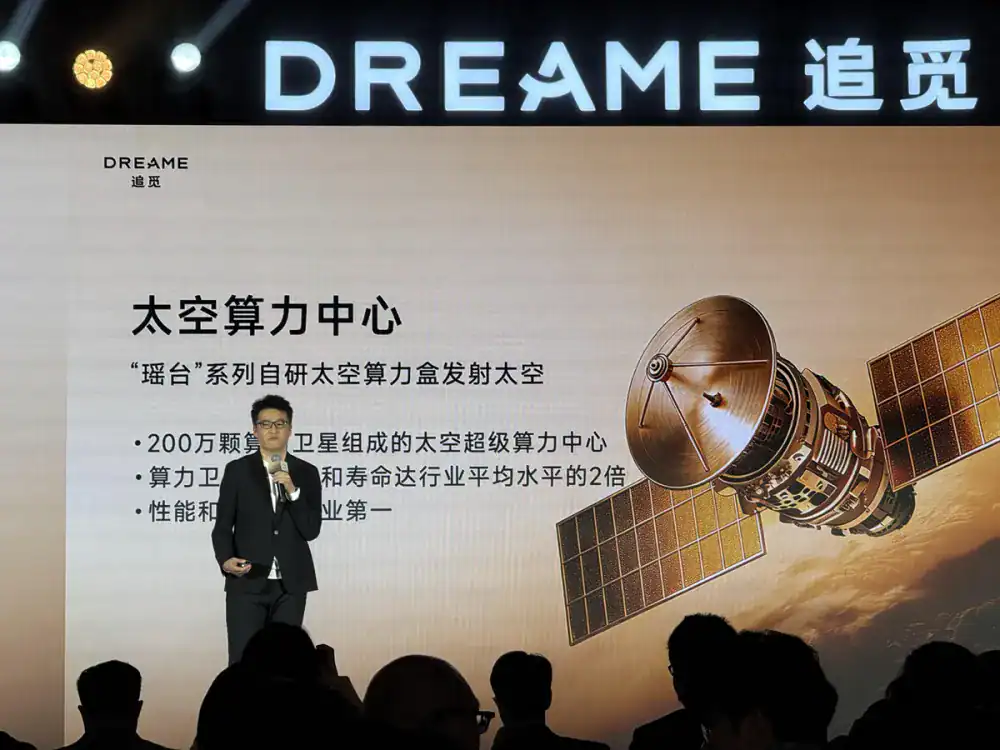
From robotics to satellites, many of Dreame’s business units dovetail with President Xi’s determination to cultivate “new productive forces”. Even the group’s hotpot restaurants claim to have developed robotic arms that cook meat to perfection.
“A lot of local governments are actually in deep panic about missing the next generation of new tech industries,” says Fengming Lu, a scholar at the Australian National University, who interviewed dozens of government officials for his research on the rise of China’s EV industry.
County-level governments in particular, he adds, are struggling to upgrade their economies and may not have what it takes to attract investment in the next BYD or CATL, because they lack industrial capabilities, investment knowledge and connections with top-tier venture capital firms. “Dreame is their last-chance saloon,” Lu says.
“In a lot of ways, peer pressure from regional competition was a key [driver] for China’s industrial success in the last decade, from solar panels to AI and robotics,” Lu says. “But at the end of the day, maybe only the top 10 or 20 cities can be successful in having their own thriving tech industries. For other cities, they need to think about whether stories people are pitching are too good to be true.”
THE HEFEI MODEL
As China’s economic transformation gathered pace over the past half-century, previously impoverished local governments began to accumulate surplus capital. Initially, they acted as passive investors, placing the money with fund management firms.
Then Hefei, capital of Anhui province, pioneered a new approach. It began to take direct stakes in companies in high-risk, capital-intensive industries such as semiconductors, electric vehicles and quantum technology.
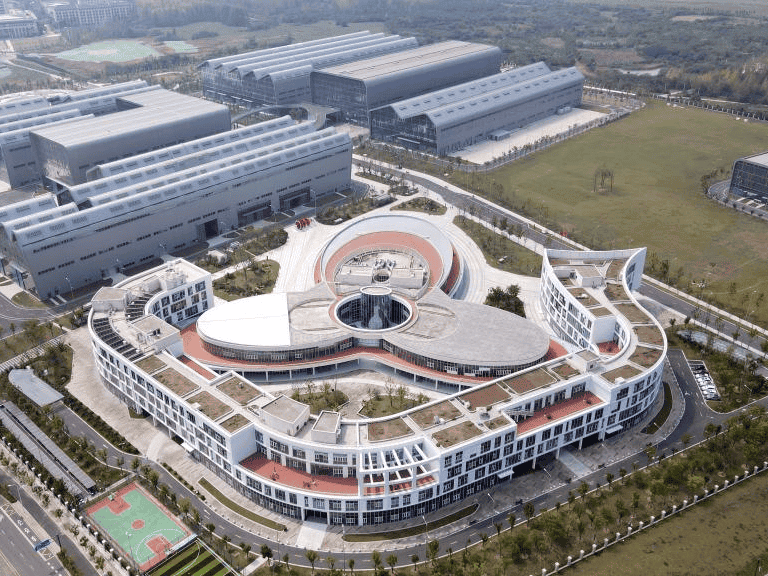
Anhui has long lived in the shadow of richer, more industrialized neighbors including Jiangsu and Zhejiang provinces and Shanghai. But Hefei is no country bumpkin. It is home to the prestigious University of Science and Technology of China. USTC was itself the home institution of Fang Lizhi (1936-2012), one of the country’s most accomplished physicists and also a famous political dissident. Today Hefei is the site of coveted projects such as a state-of-the-art experimental center for hydrogen fusion and quantum computer startups.
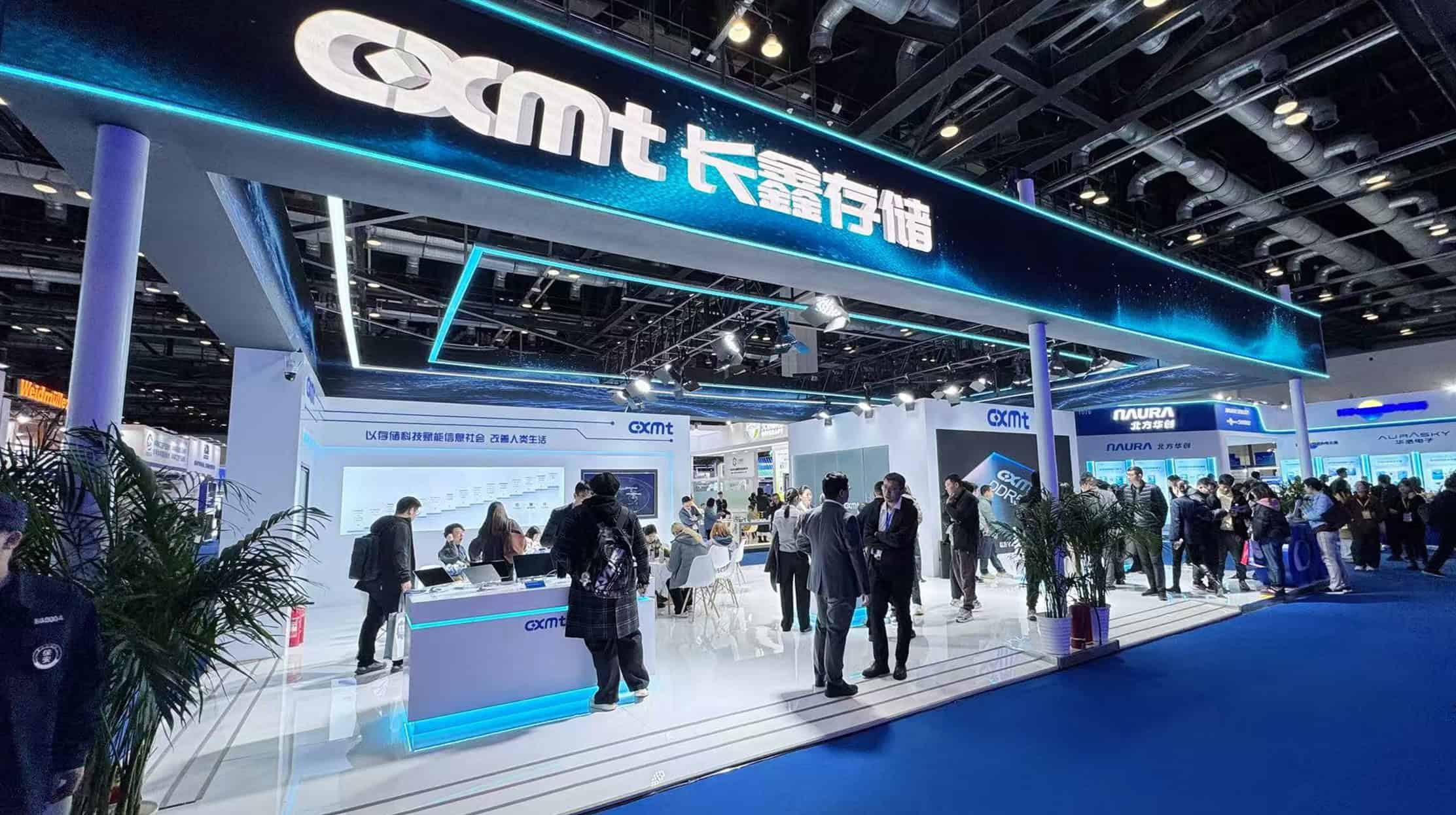
The Hefei municipal government invested money in local companies including ChangXin Memory Technologies, a chipmaker that is expected to raise at least 29.5 billion yuan ($4.3 billion) later this year in China’s biggest listing since 2022.
It became known as the Hefei model. Other governments across the country took note and sent their officials to Hefei to learn more.
Dreame noticed this shift and moved to take advantage of it.
Xiamen Guosheng Chasing Robot Industry Entrepreneurship Investment Fund, for example, is one of the first funds established and managed by Sky Factory, Dreame’s corporate investment arm. It has a registered capital of 1.13 billion yuan ($166 million).
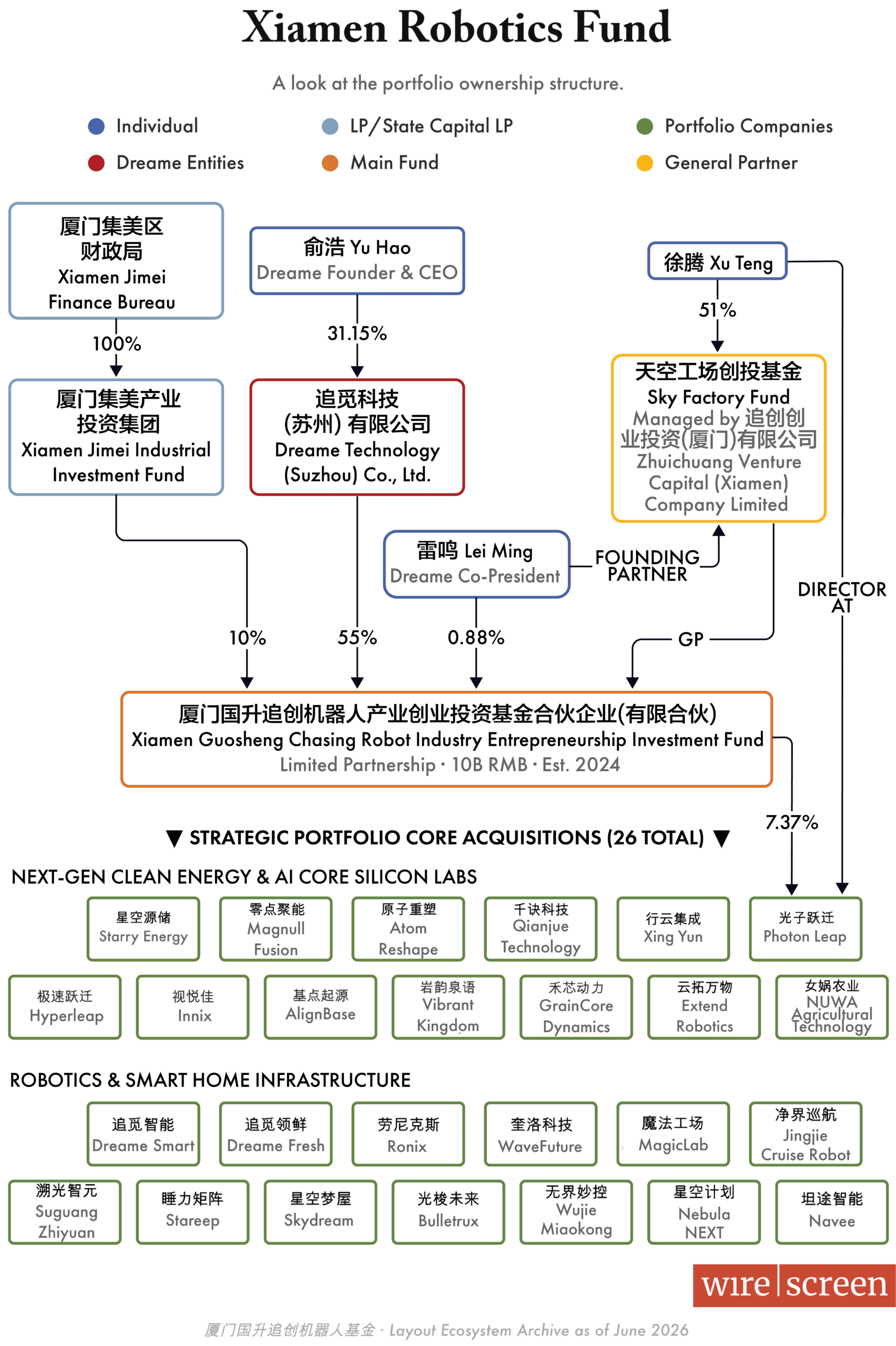
According to WireScreen data, Dreame holds a 55 percent stake in Guosheng. The finance bureau of Jimei, a county-level district in Xiamen, holds 10 percent.
Guosheng’s investments include a 7.37 percent stake in Photon Leap, a Dreame unit that sells sports cameras under the brand Leaptic.

Other investors with smaller stakes include local governments in Anhui (Quanjiao county), Zhejiang (Xiuzhou district, Jiaxing) and Shandong (Zaozhuang), according to records from Tianyancha, a corporate database.
The unit has debuted one product since its launch in March 2025: an action camera that online reviewers said looked a lot like DJI’s Osmo Nano but offers a higher resolution. True to Yu’s “N+1” philosophy, it comes with a higher price tag of 2,599 yuan ($380) compared to 1,988 yuan for an Osmo Nano.
One danger for Dreame is that it becomes a poster villain for a bigger trend that the Communist Party has decided, as per Document 54, must be reined in.
When the Party worried that some of China’s biggest corporate names were investing too aggressively in trophy assets abroad, it cracked down on the likes of Anbang, Fosun, HNA and Wanda. Then came the 2020-21 “rectification” of Big Tech platforms, epitomised by Jack Ma’s Alibaba and Ant Group as exemplars. Evergrande and its founder, Hui Ka Yan, were targeted during the “three red lines” campaign to rein in over-leveraged property developers.
Unfinished Neta cars outside the former factory in Yichun, Jiangxi, seen in a CCTV special. Credit: CCTV
Since January, the Party has made it clear that it sees local-government venture capital investments as a big concern — a concern that state media are now amplifying.
In April, China Central Television named and shamed Neta Auto, which accumulated losses totaling 18.3 billion yuan before collapsing last year. According to the report, the Yichun city government in Jiangxi province helped raise 5 billion yuan ($735 million) for the project and gave the company 20,000 yuan ($3,000) in subsidies for every car sold.
“If local funds invest in lemons, the losses will add to already strained local finances,” Lee says.
The risk may also spread into the banking system as some government funds are known to use state-owned assets as collateral to borrow money for their investments. With the new regulations on private equity, China is trying to address systematic financial risk as well as rein in reckless investments by eager local officials. Document 54 states that local authorities should strictly supervise existing funds, and hold the officials who initiate and approve funds responsible for them.

In May The Liberation Daily , published by the Shanghai Party Committee, ran a commentary headlined “Are Dreame ventures worthwhile investments? Local governments should think twice.”
“Many projects dressed up as high-quality or deep-tech ventures take advantage of local governments’ desperation to tap into local industrial funds and rapidly inflate their valuations,” the commentary warned. Potential repercussions, it added, included losses of state capital, destructive competition or “involution”, and price wars, all of which would worsen the Chinese economy’s structural imbalances.
A compilation videos of Dreame’s Yu Hao talking about the potential for Dreame. Credit: Douyin
If Yu is worried about any of the recent policy changes or state media broadsides, he is not showing it. On June 24 Yu made an appearance at the Summer Davos Forum in Dalian, where he shrugged off his company’s critics and proudly expounded on his vision for Dreame.
Lee, at the Asia Society, notes that most entrepreneurs worried about getting caught in the Party’s cross hairs quickly adopt lower profiles. The once ubiquitous Jack Ma effectively disappeared from Chinese public life and the international conference circuit after Ant’s IPO was blocked by regulators in November 2020. “Yu,” Lee says, “has done the opposite — a lot of social media presence, provocative claims and highly personalized founder branding.”
Speaking to reporters in Dalian, Yu doubled down on his grandiose vision for Dreame, claiming inspiration from the late Apple founder Steve Jobs. “Every one of our engineers,” he predicted, will “turn into [a] Jobs.”

Rachel Cheung is a staff writer for The Wire China based in Hong Kong. She previously worked at VICE World News and South China Morning Post, where she won a SOPA Award for Excellence in Arts and Culture Reporting. Her work has appeared in The Washington Post, Los Angeles Times, Columbia Journalism Review and The Atlantic, among other outlets.