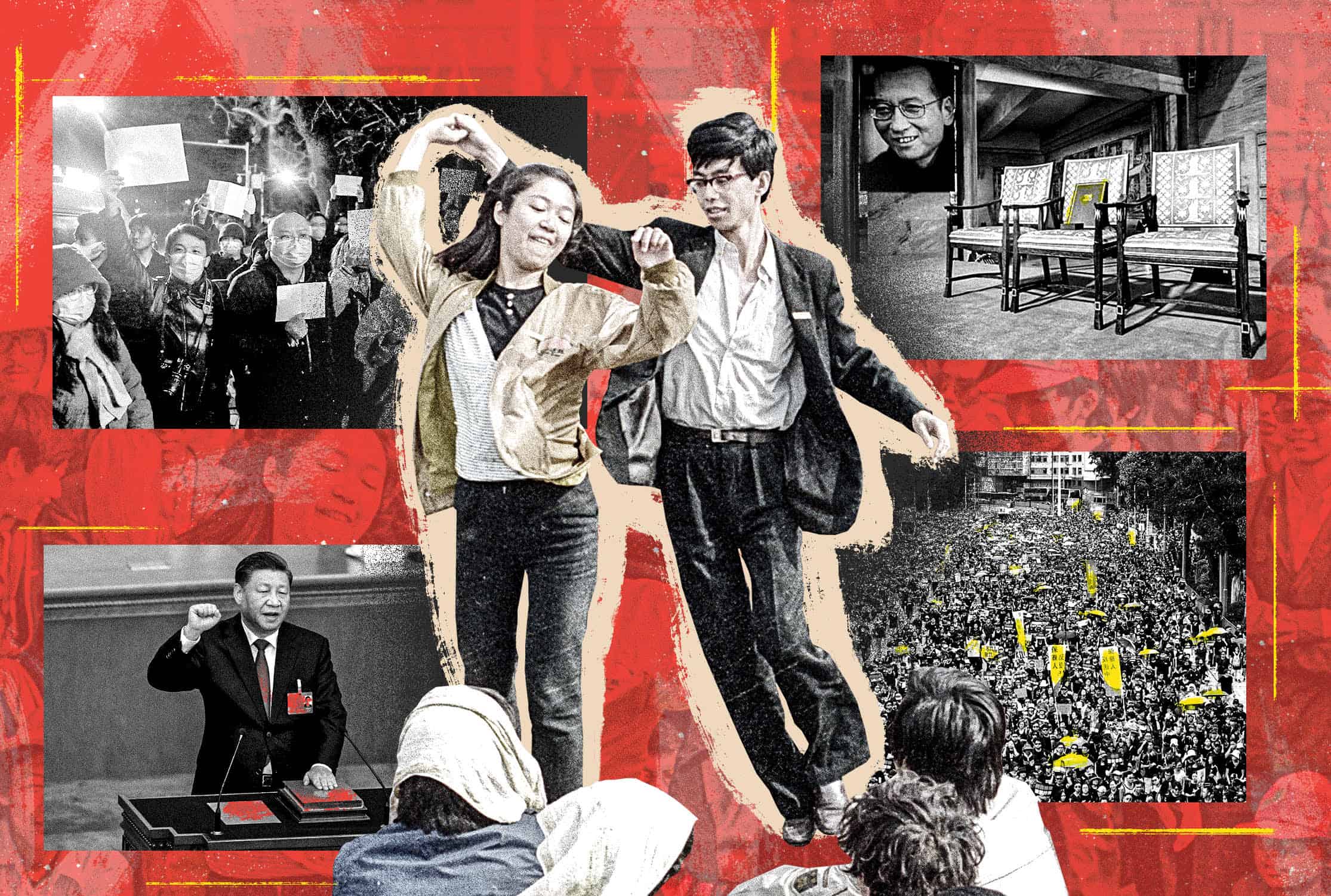
Good evening. Thirty-seven years ago this week, dreams of a freer China died on the streets of Beijing when the Chinese Communist Party sent in the army to crush the 1989 Tiananmen Square protests. By the turn of the century there were renewed hopes that the Party would at least tolerate labor and legal rights activism and a more vibrant media and arts scene, provided none of the above directly challenged its monopoly on political power. Those hopes would ultimately fade with the rise and rise of Xi Jinping. Xi’s admirers argue that the system that benefits him and them is also in the best interests of everyone else. In his new book excerpted in this week’s issue, Fordham University’s Dongxian Jiang argues that democracy can work in China. “The track record of China’s current political system cautions against any quick or uncritical affirmation of its supposed superiority over liberal democracy,” he argues. “In this ongoing contest, partisans on each side often take comfort in the short-comings of their rivals. But history has not yet declared a winner.”
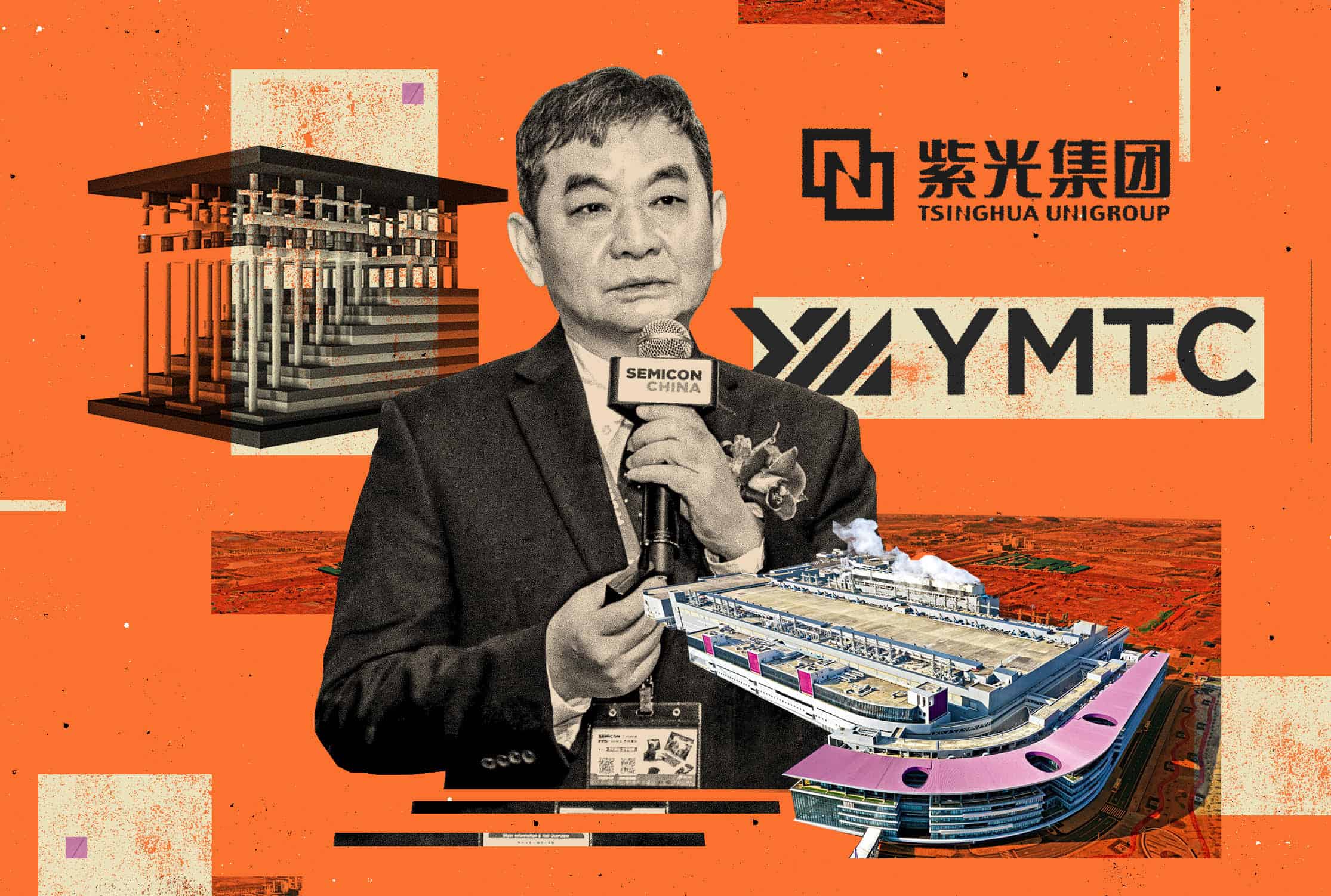
And in The Wire China podcast, Rachel Cheung interviews Noah Berman on the rise of Chinese memory chip makers.
Other items in this week’s issue: A conversation with Jeffrey Wasserstrom; why Chinese AI won’t be cheap; meet JinkoSolar, The Big Picture’s Company in the News; David Henig on Trump-Xi and Nixon-Mao; and Elisa Hörhager on China Inc’s challenges for Germany.
Want this emailed directly to your inbox? Sign up to receive our free newsletter.
There is an Alternative
What would the people of China choose if given the chance to vote in a referendum for government of, by and for the Chinese Communist Party or a more democratic alternative? As long as the Party exists in its current form, we will never know the answer to that question. It would no sooner permit a referendum on that question than it would a referendum on independence in Taiwan or jury trials for national security cases in Hong Kong. In his new book, Why China Needs Democracy, Dongxian Jiang makes an argument the Party will not allow others to hear.
A Q&A with Jeffrey Wasserstrom

Jeffrey Wasserstrom is a professor of Chinese studies at UC Irvine and a prolific author. In a conversation with Brent Crane, he discusses his latest book on the country, popular misconceptions of the 1989 Tiananmen square protests, and why contemporary China is more like the world depicted in Brave New World than that in 1984.
“The Chinese Communist Party,” Wasserstrom says, “has developed an appreciation for how important it is to keep at least some parts of society feeling that they have choices — about how to be entertained, how to consume — that maybe will help delay the intensity of their demand for choices in how they’re ruled.
Jeffrey Wasserstrom
Illustration by Lauren Crow
Expensive at Half the Price
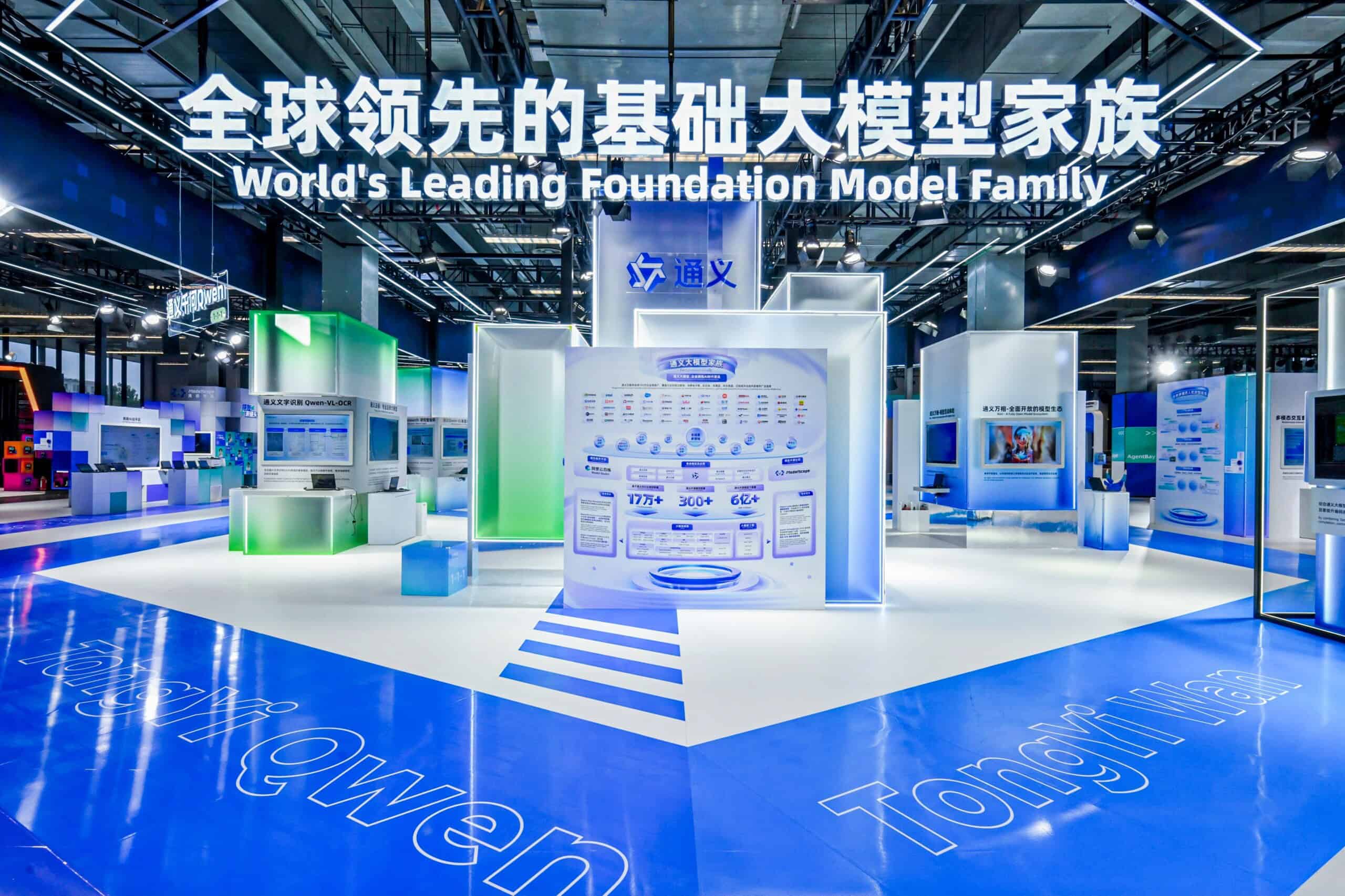
China’s route to the commanding heights of industry after industry has followed the same general path: master the technology; let scale to drive down unit costs; use lower costs to acquire market share at home and abroad. But this proven model, Peiyue Wu writes, is unlikely to work in China’s new AI “factories”. This year Alibaba, Zhipu and many others in between are having to raise prices for their AI services. As one industry expert puts it, “The illusion of cheap AI is breaking down.”
Company in the News: JinkoSolar
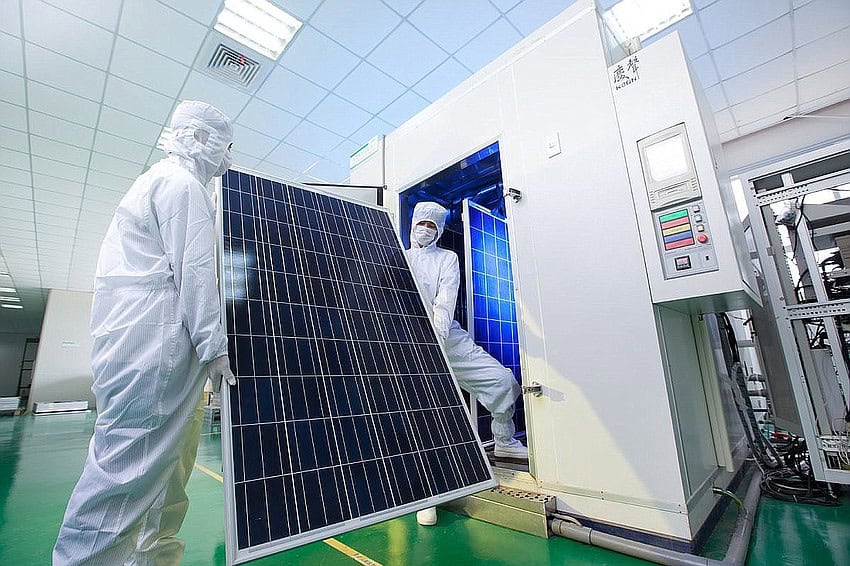
JinkoSolar, a struggling Chinese solar industry giant, has relinquished control of its Florida subsidiary and last year sold its Texas plant. Its parent company has also divested from operations in Xinjiang because of concerns over the use of forced labor. In our Big Picture Company in the News profile, Savannah Billman looks at JinkoSolar. Its founder, Li Xiande, comes from a family where sibling rivalries revolve around business. His older brother Xianshou founded London-listed ReneSola. Another brother, Xianhua, started a car repair business before joining JinkoSolar.
Peer Powers
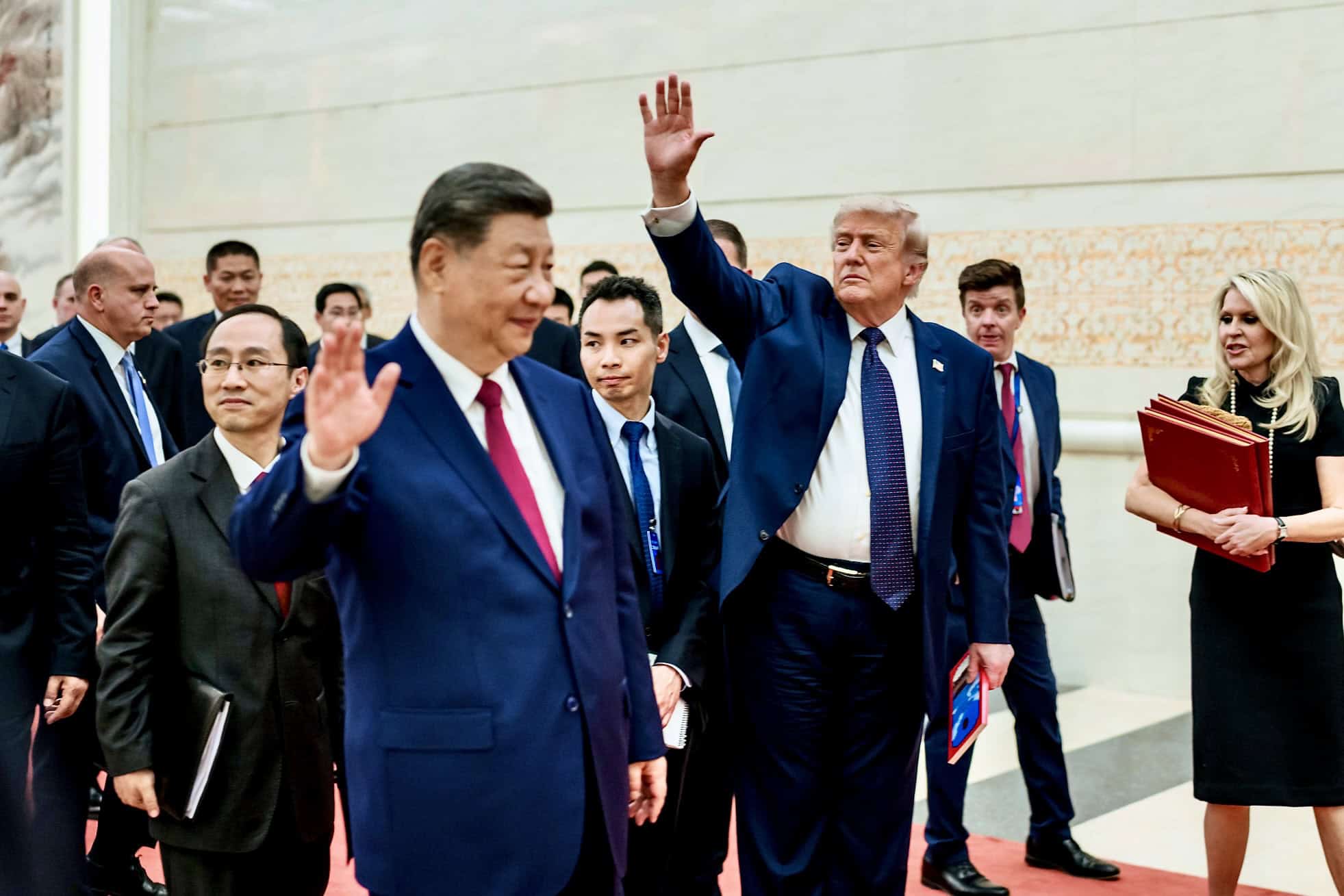
Donald Trump’s visit to Beijing this month represented a tectonic geopolitical shift to match Nixon’s rapprochement with Mao in 1972, writes David Henig. “It was a recognition the U.S. and China are now fellow trade superpowers and that an uncomfortable economic détente is needed, given each can impose significant damage on the other.”
Peer Partners
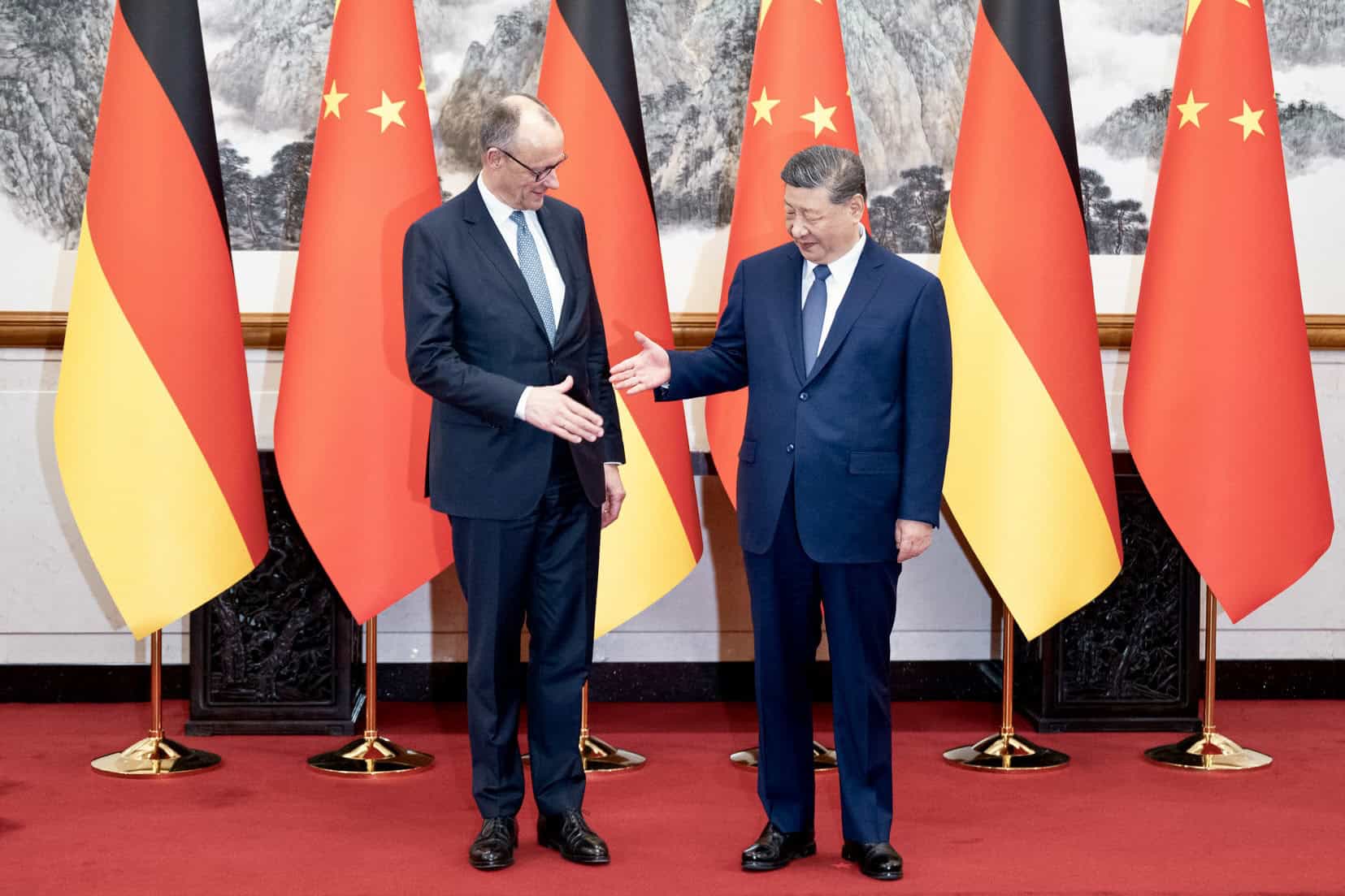
Elisa Hörhager is head of the Federation of German Industries’ China office in Beijing. German companies, she writes, are engaged in ever “deeper localization” in China because they can no longer ignore the country’s industrial maturity. “Partnerships with Chinese firms increasingly reach into core areas such as software, chips and systems architecture,” she says. “In some cases, German firms are no longer the dominant technological partner.”
Subscribe today for unlimited access, starting at only $25 a month.