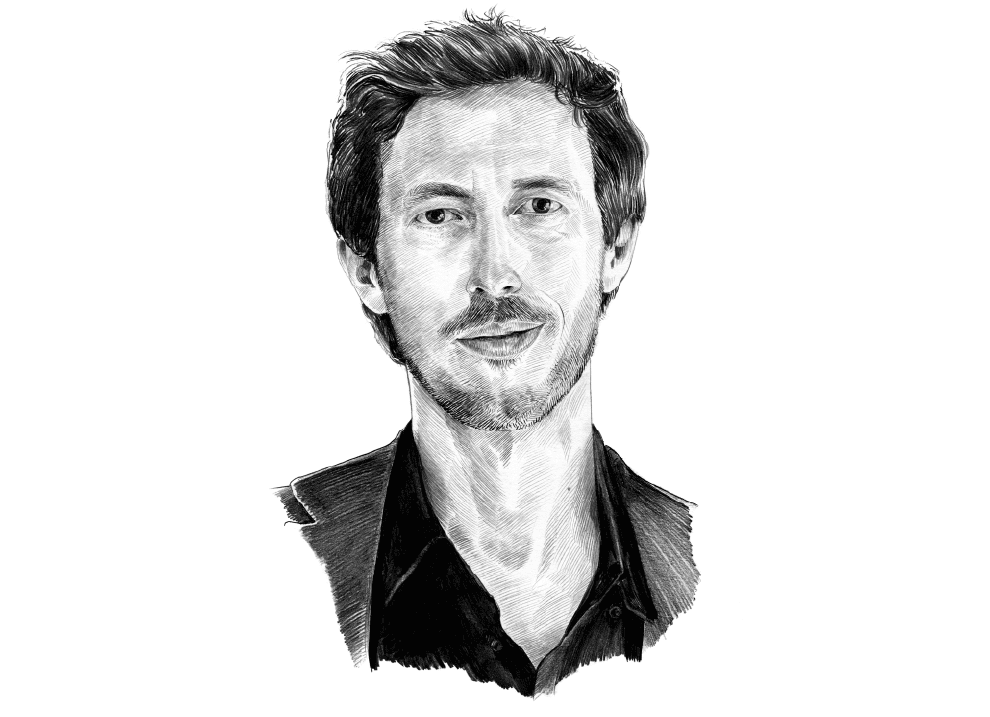
Good evening. How does a belligerent power hide its preparations to conquer a neighbor, as Russia tried to do before moving against Ukraine in February 2022 and as China one might day attempt ahead of a blockade or invasion of Taiwan. The answer is it can’t. The necessary logistical and political preparations will be visible to the rest of the world. But as Eyck Freymann writes in an essay adapted from his forthcoming book, Defending Taiwan, that will not make it much easier for the U.S. to deter or defeat a move by Xi Jinping to take the island by force. China would be able to choose from a variety of intermediate “grey zone” steps that would make the timing and nature of its ultimate move hard to predict precisely. And unlike the Chinese Communist Party, which at least initially would be bolstered by a surge of popular nationalism, any sitting U.S. president would have to deal with a free media, opposition politicians and a free-thinking citizenry that might not be willing to spend American blood and treasure in the defense of the continued freedom of a far-away island.
And in this week’s Wire China podcast: North America has always been a tough nut to crack for Chinese electric vehicle makers, but now everything’s different as they look to set up shop in Canada. Eliot Chen and Savannah Billman discuss how Canada and the U.S. fell out over EV policies and why security concerns still remain — especially given the close ties between one Chinese EV company and a sanctioned surveillance firm.
Other items in this week’s issue:
Will you be able to drive from Canada to the U.S. in a Chinese EV? ; The Big Picture on international drug development and clinical trials in Xinjiang; Martin Thorley on the UK and China’s short-lived “golden era”; and Yanmei Xie on Xi Jinping’s ill-conceived “abundance strategy”.
Want this emailed directly to your inbox? Sign up to receive our free newsletter.
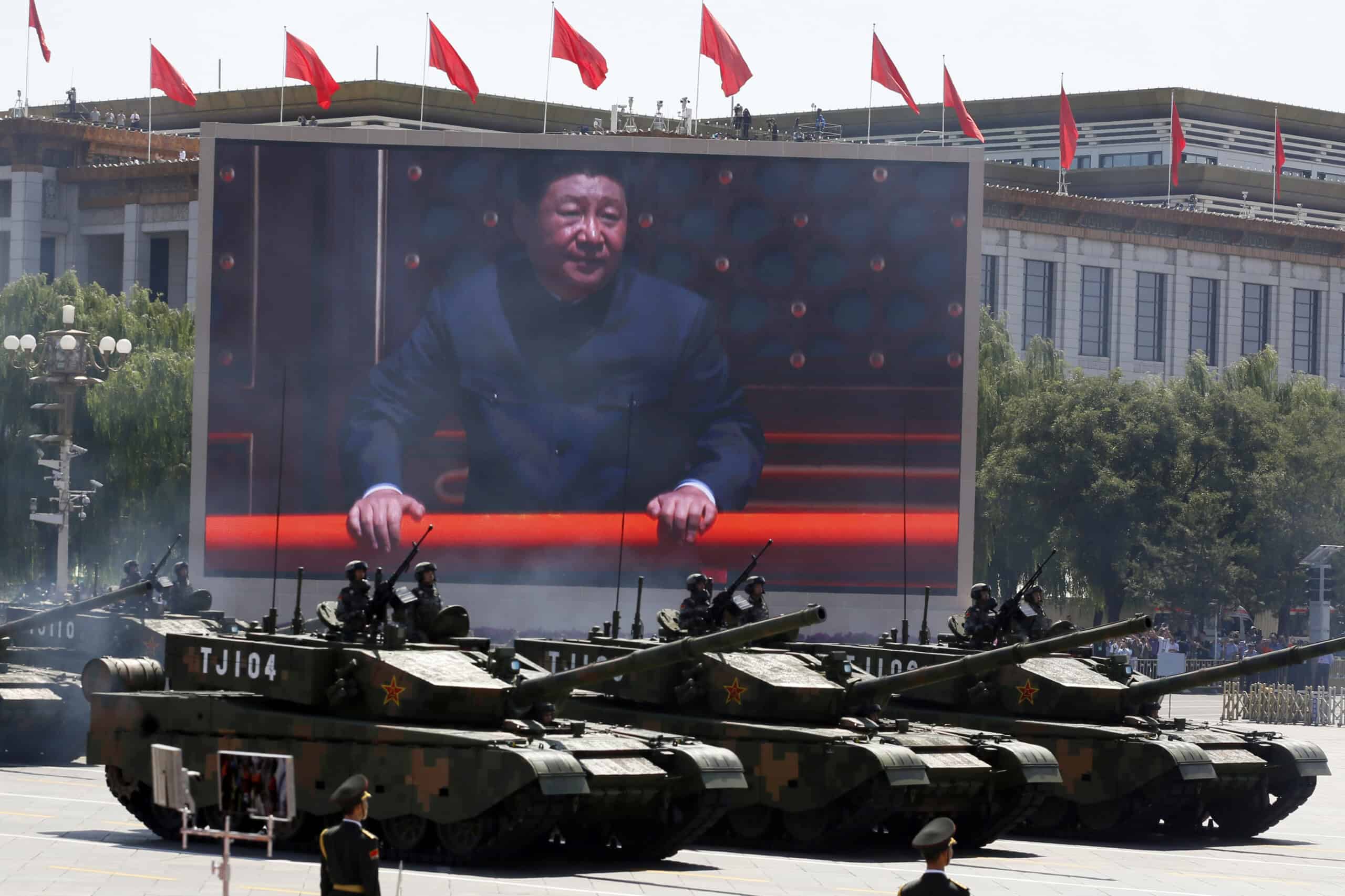
Preparing for the Worst
In the run-up to the “day that will live in infamy”, Franklin Delano Roosevelt and his advisers knew that a Japanese attack on a U.S. territory was likely sooner rather than later. As Eyck Freymann notes in an essay adapted from his new book, Defending Taiwan, on November 25, 1941 FDR’s Secretary of War, Henry Stimson, wrote in his diary “that we are likely to be attacked perhaps next Monday [December 1]”. America was still taken by surprise at Pearl Harbor on December 7 and struggled mightily to respond with the military, political and financial strategies that would finally help the Allies turn the tide in the Pacific against the Japanese. Those same challenges will confront any future U.S. president unlucky enough to have to decide how to react to a Chinese blockade or invasion of Taiwan.
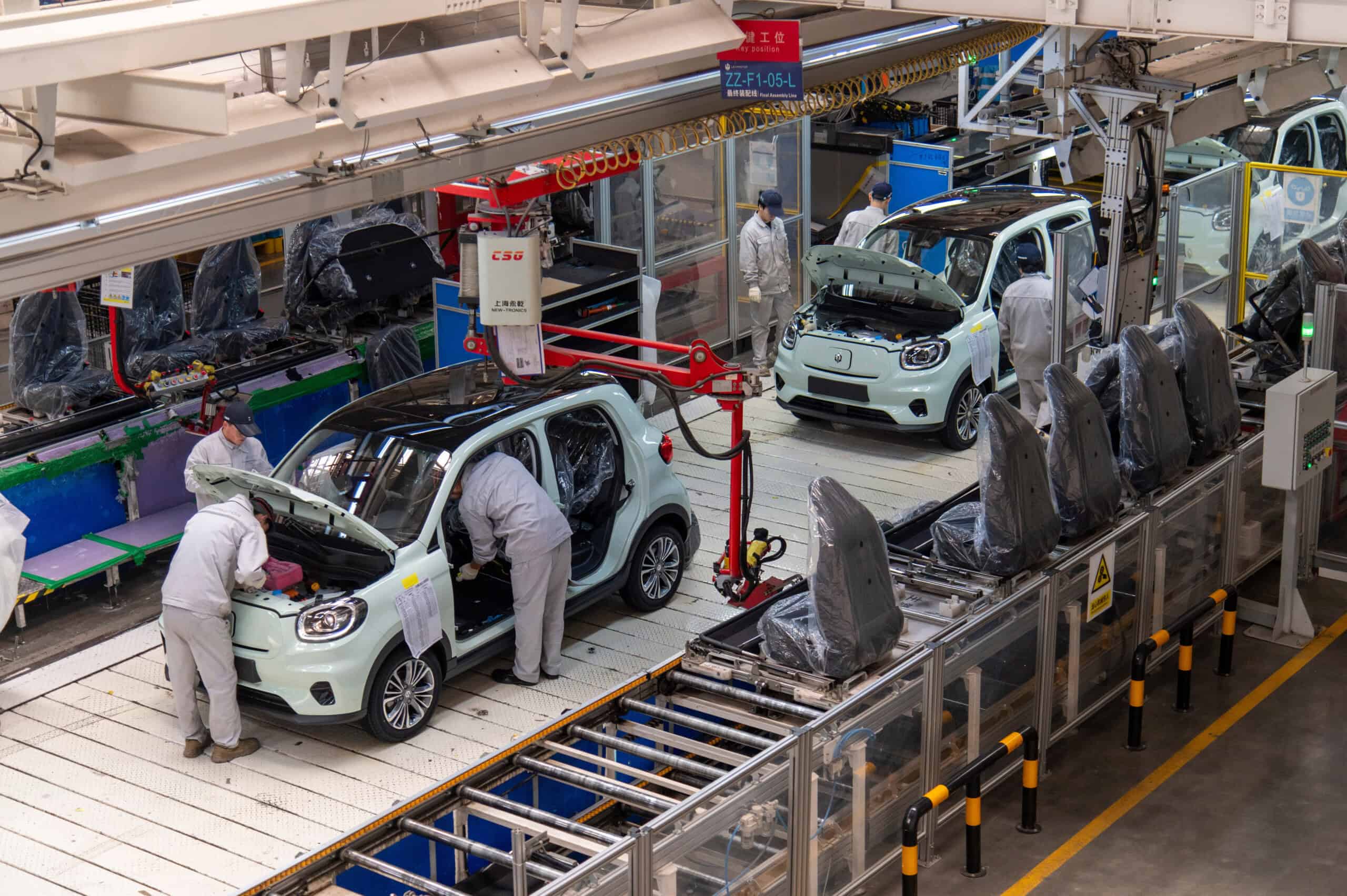
Road Closed
One big advantage of owning a car in Canada is the freedom to drive, say, from Banff in the Canadian Rockies across the U.S. border to Glacier National Park in Montana. But what if, The Wire China’s Ottawa-based Eliot Chen asks, that car is a Chinese electric vehicle, thanks to the market opening moves included in Canada’s recent trade agreement with China ? Donald Trump’s ambassador to what the president thinks of as America’s future 51st state (or 52nd after Greenland) has warned that data-hoovering Chinese EVs posed a national security risk and might not be allowed to cross the border.
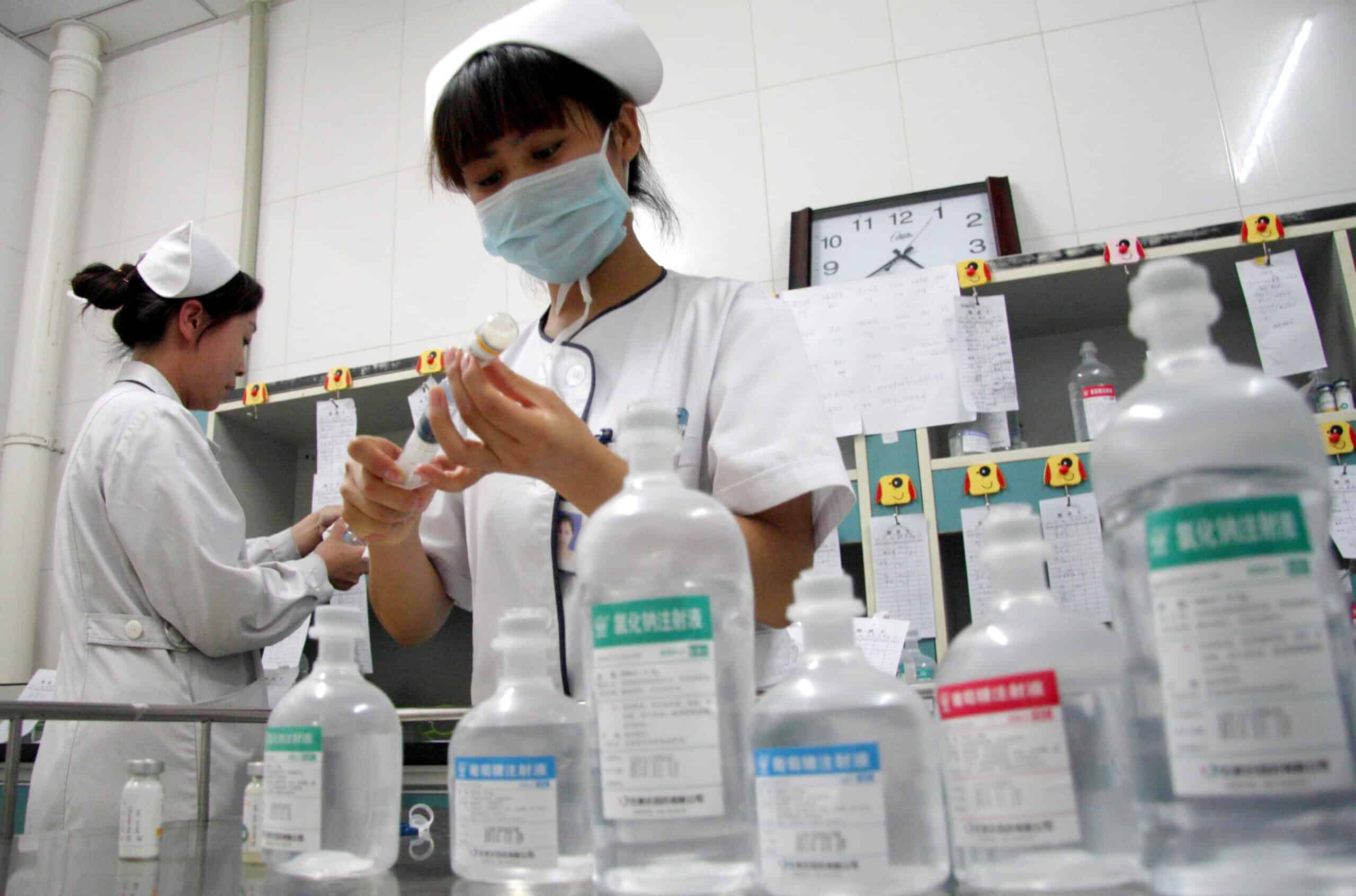
Cotton No, Cars No, Drugs Yes
Because of the international furore over forced labor practices stemming from China’s repression of its Muslim Uyghur population, multinational companies making textiles, cars and many other products have to make sure their supply chains do not have a stray link or two that leads back to Xinjiang. But as Savannah Billman writes in The Big Picture, there is an interesting exception — the global pharmaceutical industry, which continues to develop and trial new medicines in Xinjiang.
A Q&A with Martin Thorley
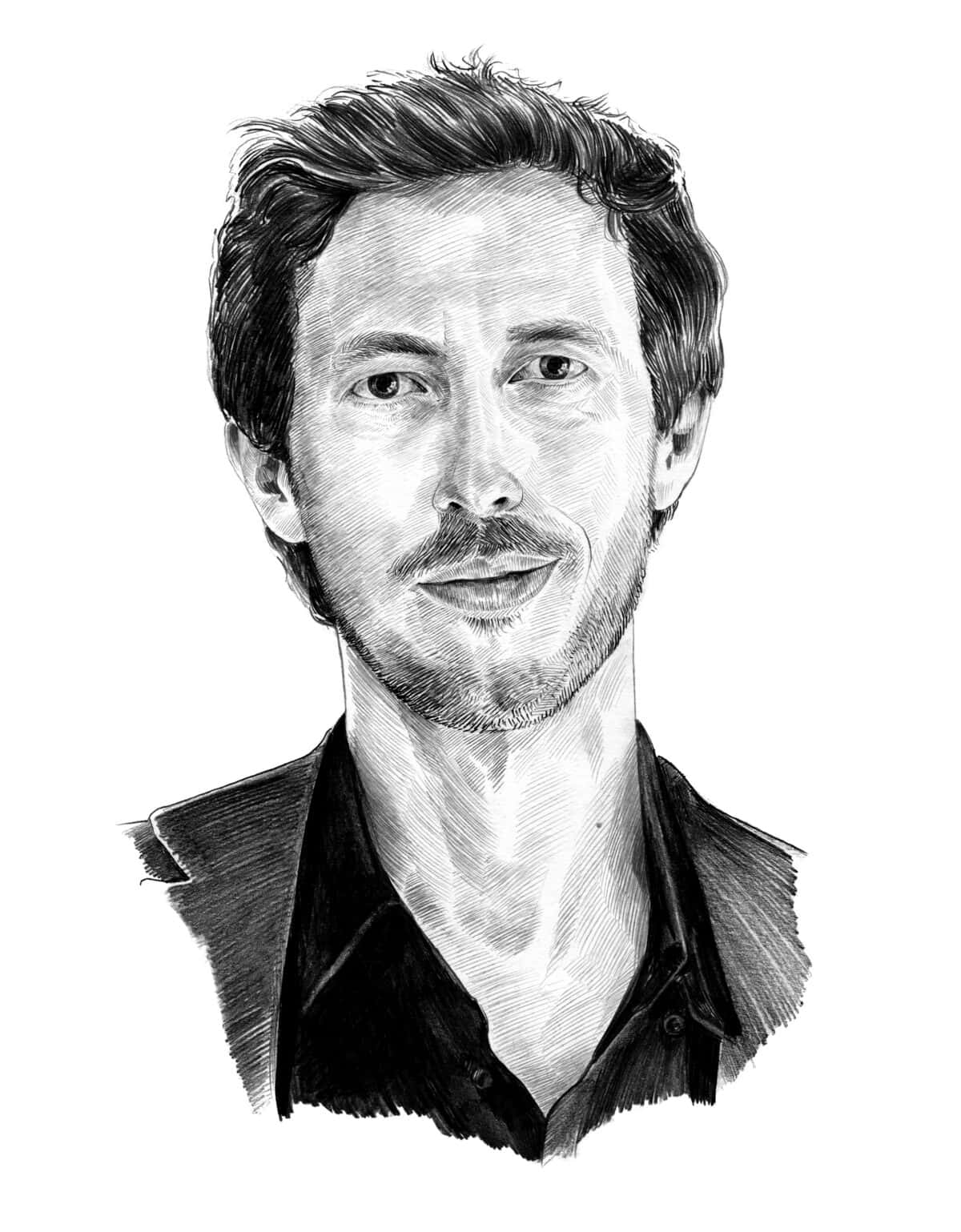
Martin Thorley is the author of All that Glistens, a book about the tarnishing of Britain’s so-called “golden relationship” with China. It was a policy championed by former UK Prime Minister David Cameron and his Chancellor of the Exchequer, George Osborne, before they sank their government with the ill-conceived 2016 referendum on EU membership.
“Individuals and governments are often totally unprepared and ill-equipped to understand engagement with an authoritarian state,” Thorley tells Andrew Peaple. “The Chinese party-state is a very different beast from a liberal democracy.”
Martin Thorley
Illustration by Lauren Crow
Too Much Abundance
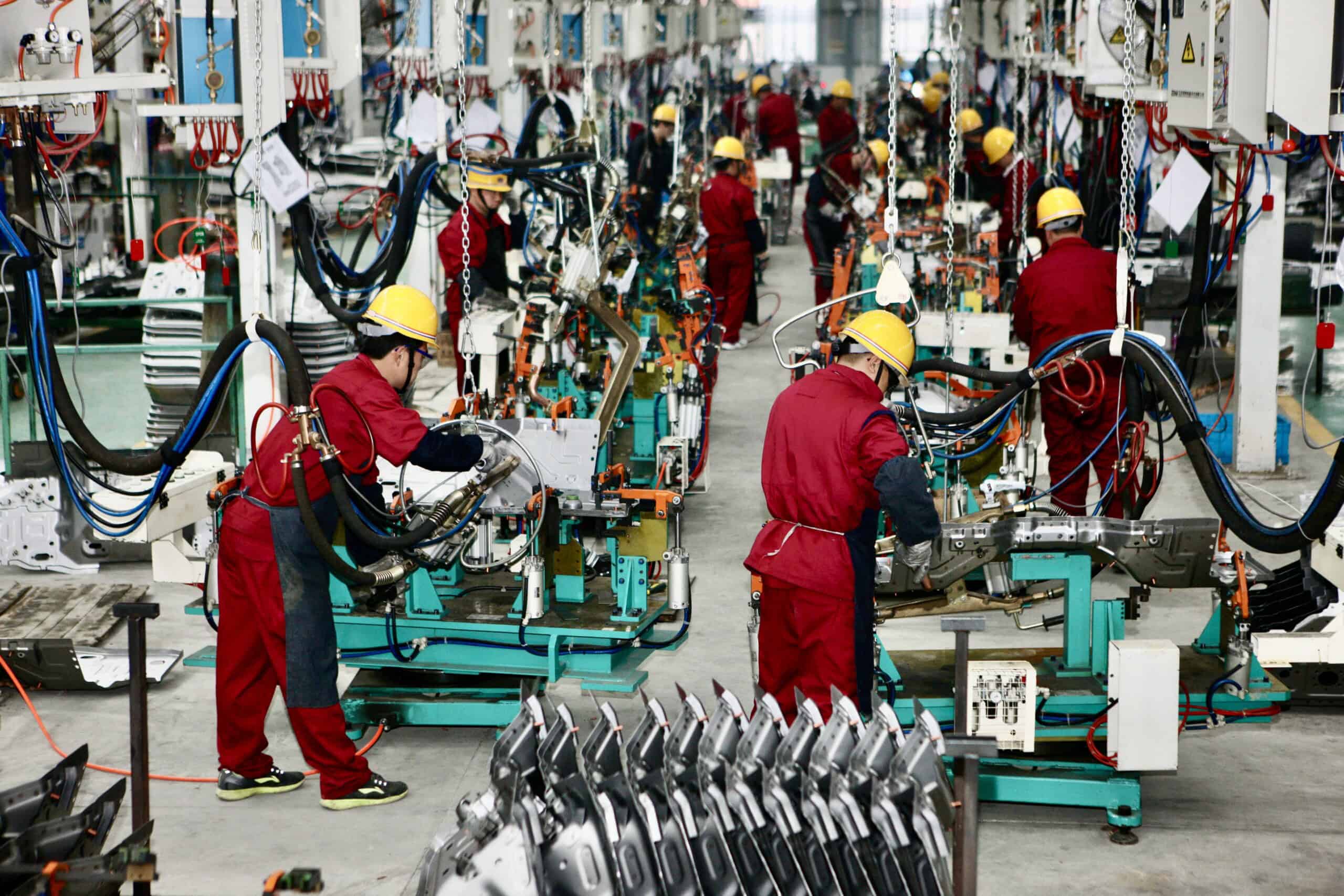
Xi Jinping and the Chinese Communist Party’s obsession with controlling the means of production has backfired badly, Yanmei Xie writes. Rather than ensuring “abundance”, Xi’s insistence on micromanaging the world’s second-largest economy has only further delayed the emergence of robust and desperately needed consumer demand.
Subscribe today for unlimited access, starting at only $25 a month.