In March and April 2021, up to 100,000 Russian military personnel and large quantities of military equipment began to mass along the Ukrainian border. Russian Defense Minister Sergei Shoigu claimed that Russia’s mobilization was a “response to threatening activities” by NATO, citing the Defender Europe 2021 exercise, which involved 28,000 troops. However, this excuse strained credibility. NATO’s exercise was long-planned, and the nature and timing of Russia’s response suggested that Moscow was not engaged in standard deterrence behavior. Satellite imagery showed movements of Russian armor, missiles, and heavy weaponry, including some transported all the way from Siberia. Russia took other unusual steps, too, including moving ships between the Caspian Sea and Black Sea and firing mortars at Ukrainian positions in the Donbas. On the night of April 14, a naval confrontation took place in the Sea of Azov between Ukrainian artillery boats and Russian coast guard vessels. Thereafter, Russia closed parts of the Black Sea to foreign vessels. Russia withdrew some of the troops in June, but left infrastructure for a potential invasion in place.
Seven months before Russia finally launched its frontal invasion of Ukraine, U.S. intelligence began to suspect that a major operation was coming. In July, Putin published an essay, “On the Historical Unity of Russians and Ukrainians,” in which he claimed that Russians and Ukrainians were “one people.” Putin had made similar statements before, but “his rhetoric began to change quite markedly in public,” U.S. National Security Advisor Jake Sullivan later recalled. “At that point, our antennae went up higher. Something was shifting in his mindset.” By September, Russia was planning a new exercise, called Zapad. By this time, the U.S. military knew something was wrong. “They came to me with this map, and laid it out on my table,” Chairman of the Joint Chiefs of Staff Mark Milley recalled. “They explained, ‘this was different, sir, this looks different, this is bigger in size and scale and scope, the disposition, composition of the force, etc.’ We talked for maybe an hour. I gave them a bunch of questions. Next day, they come back [sic]. They drilled down in a lot of detail.” By the time Russia began its second build-up in October, with more soldiers on more fronts, the Biden administration knew that Putin was planning a major operation.
While every war is different, countries generally cannot mobilize for war in secret. Mobilization involves moving hundreds of thousands of people and millions of tons of equipment and supplies, plus political work to prepare the population and state institutions for the strains of wartime. In the modern era, it is almost impossible for any state to hide these activities from its adversaries. Popular narratives of history tend to forget this point. Even Japan’s attack on Pearl Harbor in 1941, which came as an operational surprise to U.S. forces in Hawaii, was not a strategic surprise. The Roosevelt administration was aware that Japan was likely to strike first, but it suspected that it would begin by attacking the Philippines or Guam, rather than attacking all U.S. forces in the Pacific in a single coordinated strike. As Secretary of War Henry Stimson wrote in his diary on November 25 — twelve days before Pearl Harbor — FDR expected “that we were likely to be attacked perhaps next Monday [December 1], for the Japanese are notorious for making an attack without warning.” According to Stimson, FDR believed that “the question was how we should maneuver them into the position of firing the first shot without allowing too much danger to ourselves.”
If the United States lacks credible contingency plans to handle the domestic political and economic response to a crisis, its broader deterrent threats will lack credibility. In such a moment, to put it plainly, China’s economic deterrent against the United States could prove more effective than the U.S. economic deterrent against China.
Far from falling out of the blue, the outbreak of great power wars typically mark the culmination of prolonged political processes in which both sides try to prepare themselves while projecting strength, probing each other for weaknesses, and exploring the possibility of a negotiated off-ramp. In the years and months leading up to Pearl Harbor, for example, the United States had demanded that imperial Japan end its war of aggression against China, and imposed an escalating trade embargo to backstop the demand. In 1940, President Roosevelt ordered the Pacific fleet to deploy to Pearl Harbor to strengthen deterrence against Japan. Congress hiked naval spending by 70%. In July 1941, five months before Pearl Harbor, FDR froze Japanese assets in the United States. In August, he embargoed exports of gasoline to Japan, cutting off 80% of Japan’s oil supply. Negotiations continued through the day of the Pearl Harbor attack. U.S. strategists miscalculated, but they knew the risks.
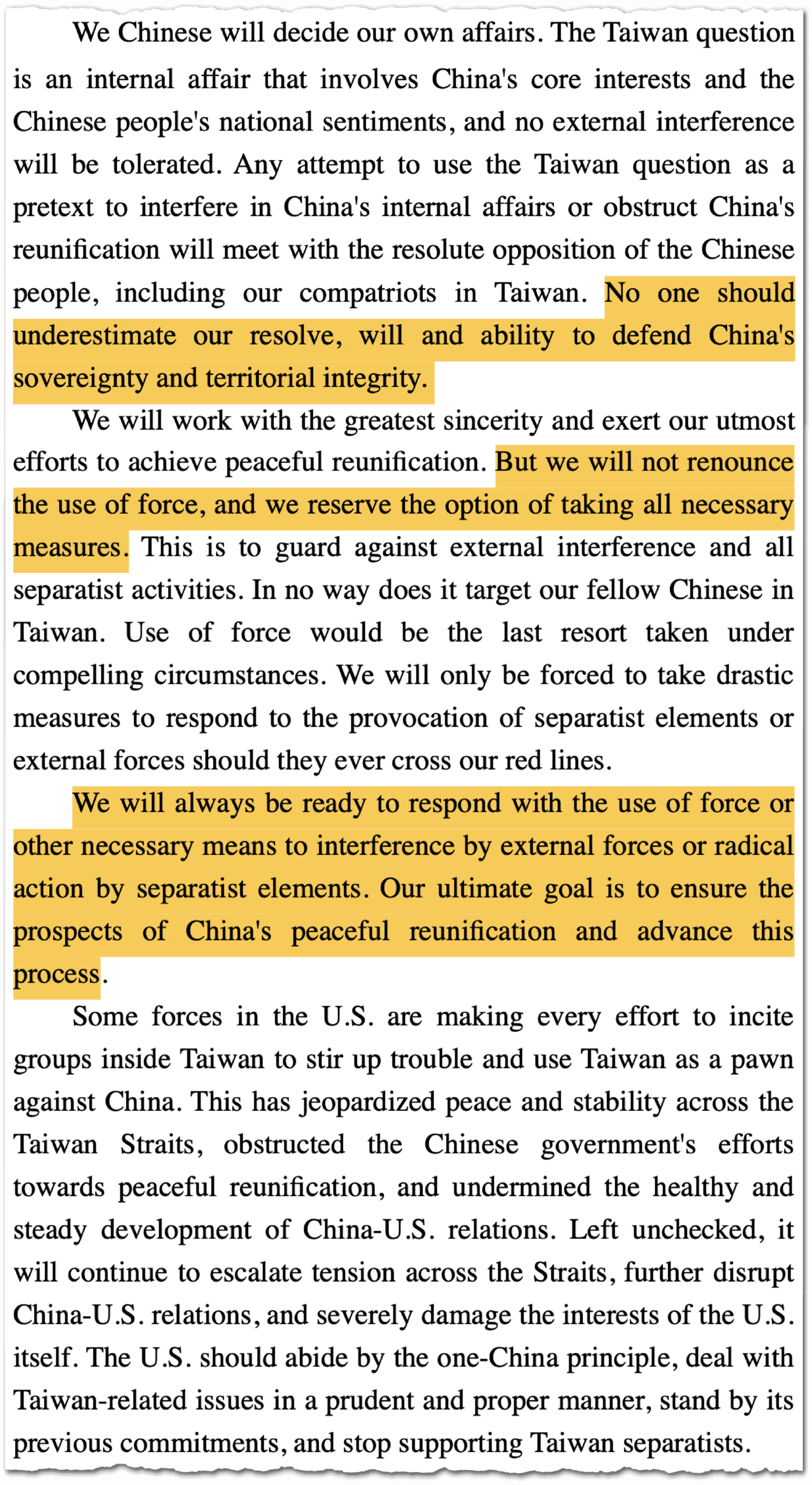
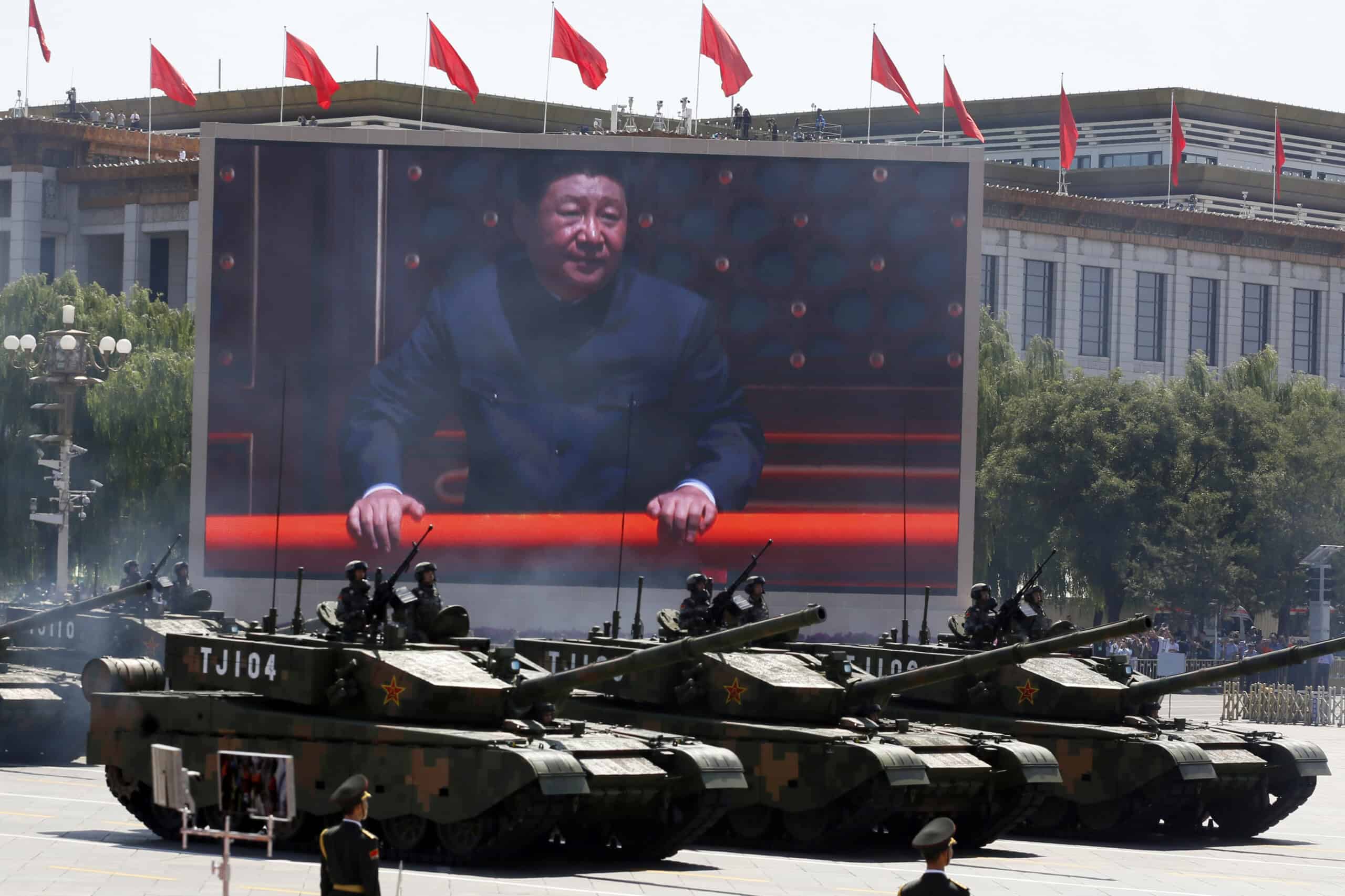
Thus, China could not invade Taiwan out of the blue, but it might mobilize for war as a form of political coercion. Along the way, several key early warning signals would flash red. Beijing could take some preparatory actions in secret, some in ways that only military professionals would truly understand, and others Beijing would likely take ostentatiously for signaling purposes. PLA preparations for an invasion could likely be visible in open sources at least three months before maximum readiness was achieved. China would also likely send signals through private channels to signal its resolve. However, it would not be clear at first whether these were preparations for war, or simply exercises with a coercive intent. Just as Russia initially did in Ukraine, Beijing may partially or completely mobilize under the guise of routine exercises to test its adversaries’ resolve and pressure Taiwan towards a settlement. To understand the deterrence challenge Washington faces in the gray zone, it is therefore essential to understand what the pathway to war might look like, including the key early warning indicators and the key choices Washington would face as tensions grew.
Politics on the Road to War
While these military preparations would be highly visible to the international community, Beijing would also need to prepare politically, both internally and externally. At home, the CCP’s propaganda machinery would need to lay the groundwork for public support for what could potentially be a long and costly conflict with the United States and allied nations, as well as Taiwan. At a minimum, Beijing would need to manufacture a credible casus belli, just as Deng Xiaoping needed to fabricate an excuse for China’s 1979 invasion of Vietnam. Abroad, China would seek international legitimacy by coordinating with developing countries to endorse its claim that U.S. and allied intervention to support Taiwan is illegitimate under international law. China would also probably seek to resolve, freeze, or de-escalate disputes with other countries, particularly India, to reduce the risk of unwanted multi-front escalation. China may also strike deals with Russia and Central Asian republics such as Kazakhstan and Turkmenistan to increase supplies of overland oil, gas, and minerals, and it would likely seek to improve relations with both North and South Korea.
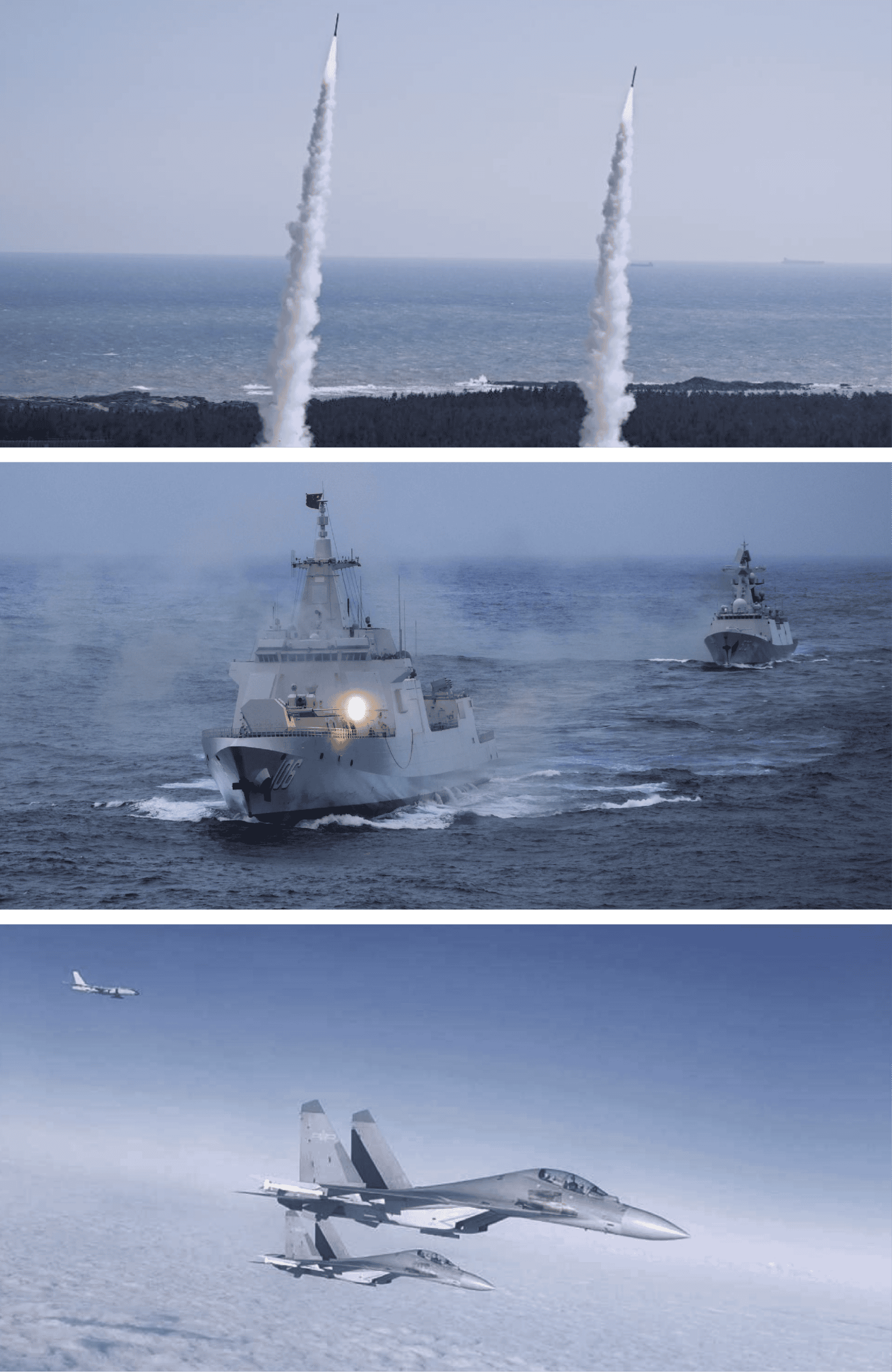
Given the dual imperatives of military and political preparation, Beijing is therefore more likely to mobilize ostentatiously as a form of political and psychological coercion than to try to mobilize in secret. China could mobilize and demobilize multiple times or stay mobilized for an extended period before attacking. It could synchronize mobilization with an accelerating tempo of exercises and gray-zone activities in the Taiwan Strait, to confuse its adversaries about whether it plans to attack, impose a blockade, or just to posture. Once it was fully mobilized, it could choose the time and character of the first strike. China could also use psychological and political warfare to throw the United States and its allies off balance. The PLA Information Support Force could conduct coordinated cyberattacks. Beijing might use ICBM and nuclear tests as signaling mechanisms, as it did during the Third Taiwan Straits crisis in 1996.
History also shows that as crises mount, states often escalate with the ultimate goal of de-escalating. Leaders use public statements and ultimatums to “tie their own hands,” putting themselves in situations where it would be reputationally costly to back down. Sometimes, in the case of the Austrian démarche to Serbia in July 1914, these statements are simply excuses for a premeditated attack. At other times, states are simply trying to signal resolve or preserve their freedom of action, and the push towards conflict is unintentional. For example, Tsar Nicholas II decided to mobilize Russian forces on July 30, 1914, because he knew that Russia’s vast size and low level of development meant that mobilization would take longer than for rival states. Other European states, fearing that they would fall behind in their own mobilizations, rapidly followed. Nicholas’s precautionary action therefore accelerated the process that led to the outbreak of conflict. In a U.S.-China political crisis that teetered on the edge of conflict, miscalculations could tip a volatile situation into a conflict that neither side wanted. To deal with these risks while strengthening deterrence, U.S. planners must think systematically about roads to war — and consider articulating in advance what they would or might do to strengthen deterrence at each stage of an escalating crisis.
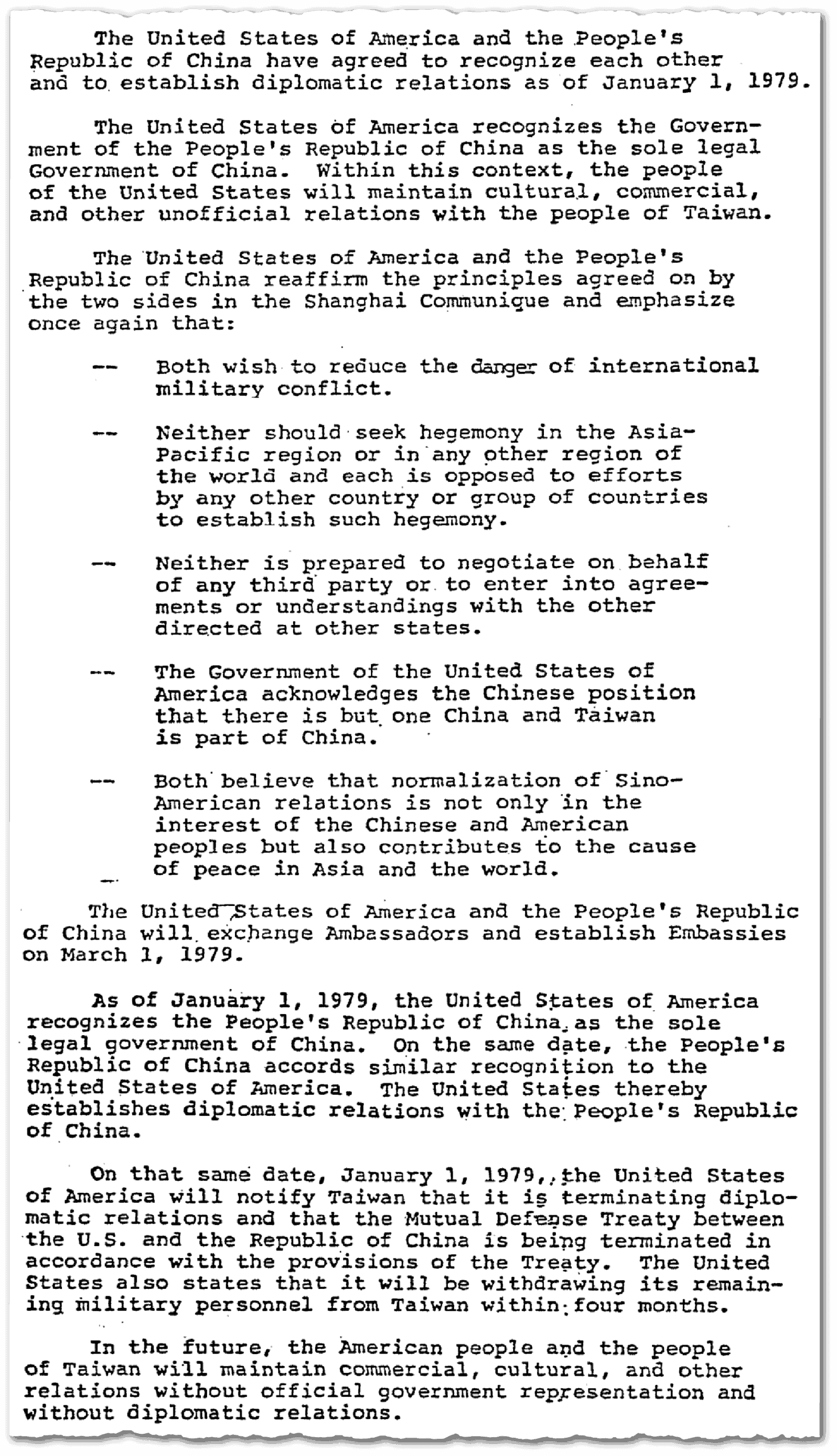
Neither the United States and its allies nor other adversaries would remain passive as China mobilized for an invasion. Some nations might call for dialogue and de-escalation, while others — especially Russia, Iran, and North Korea — could exploit U.S. distraction by pressuring their neighbors, potentially triggering simultaneous crises on the Korean Peninsula, in the Middle East, and along NATO’s eastern border. Countries fearing U.S. abandonment in a broader conflict might issue their own deterrent threats, including hints at pursuing weapons of mass destruction. Meanwhile, the United States and its allies would scramble to improve readiness and strengthen deterrence. Though ramping up production of advanced armaments would be impossible on short notice, Washington might redeploy forces to the Western Pacific — some openly, some covertly, and some designed for Beijing to notice. Political threats, ultimatums, and high-profile visits to Taiwan by prominent U.S. and Japanese figures would likely follow. Intelligence might be declassified, and pressure would mount to reconsider the One China Policy. Allies and partners worldwide would face pressure to take a stand.
The final weeks before a potential invasion would be critical for pursuing off-ramps while preparing for the possibility that no diplomatic solution could be reached. To maintain deterrence in the gray zone, it is essential to anticipate and plan for these scenarios. A key consideration would be Washington’s responsibility to protect U.S. citizens on Taiwan.
The decision to break the glass
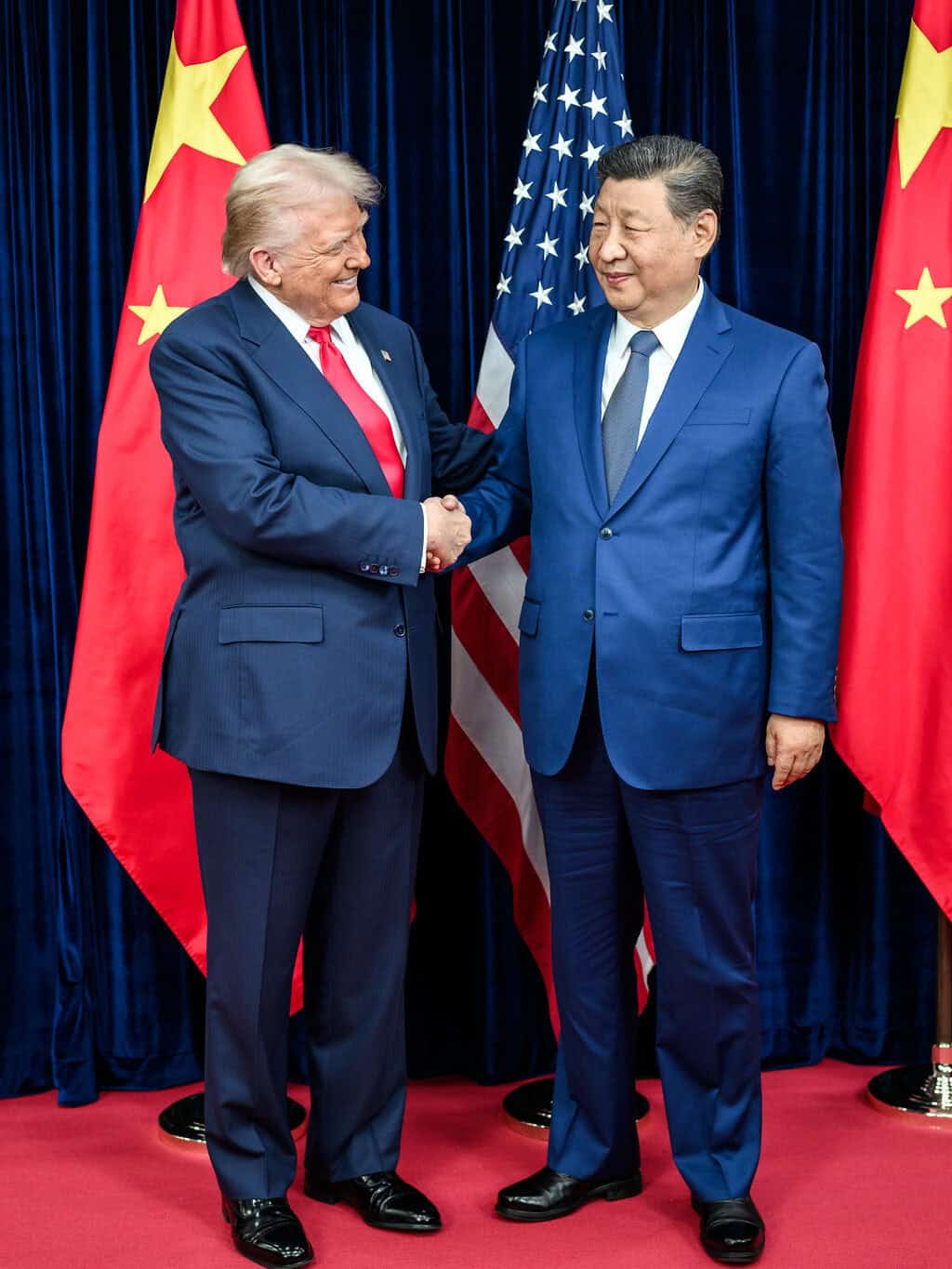
In scenarios of gradually increasing pressure, a moment eventually comes in which the United States must choose: take actions to secure U.S. interests at the price of triggering regional or even global chaos, or back down. This is why escalating gray zone pressure is an effective strategy for China. A quarantine, a gradual ramping up of military exercises, and mobilization for amphibious invasion are all ways of pushing the burden of escalation onto the United States. If Washington fails to respond effectively to gray zone pressure, China succeeds in shifting the so-called “status quo” in its favor, eroding the U.S. ability to defend its interests in the region until the U.S. position eventually becomes untenable. At some point, the United States must make a decision one way or the other about whether to break the proverbial glass and move decisively to evacuate its civilians and prepare a robust defense or resupply of Taiwan.
The nature of the crisis that forces this choice will shape the domestic response in the United States. Powerful interest groups, including businesses, labor unions, and consumer advocates, may resist escalation due to concerns over economic fallout. Even in the face of blatant PRC aggression, such as an unprovoked attack that results in American casualties, some may quietly argue against actions that would disrupt the U.S.-China economic ties. The decision to break the glass is therefore theoretically in the hands of the president alone, but practically shared between the president and Congress. Because the decision to accept the costs of a rupture with China is so momentous, economic and political deterrence are fundamentally interconnected. Washington must recognize that defending U.S. interests in gray zone crisis scenarios could require taking steps that make it seem to the world that war could be imminent. If the United States lacks credible contingency plans to handle the domestic political and economic response to a crisis, its broader deterrent threats will lack credibility. In such a moment, to put it plainly, China’s economic deterrent against the United States could prove more effective than the U.S. economic deterrent against China.
Washington’s strategy for the gray zone cannot simply be to wait for the PLA to fire the first shot before taking action. It must have a plan for what to tell financial markets and business to shape perceptions and communicate resolve over time through an evolving crisis.
If the United States fails to provide clear guidance to the market about how it is approaching its decision about whether or when to break the glass, financial markets might have a say in when and how the decisive moment comes. U.S. lawmakers have warned that if U.S.-China relations break down, sweeping sanctions might be the first response. Any Taiwan crisis, even without war, would also cause major disruptions to supply chains. Shipping in East Asia, where nearly half the world’s container ships pass through the Taiwan Strait, would be heavily affected. Insurance costs for merchant vessels would skyrocket, and $3 trillion in trade flows could face immediate risk. Financial markets and businesses are aware of this possibility, and they would start pricing in the risk before shots were fired. First, investors could try to liquidate assets in China and Taiwan and withdraw their capital to safer countries. Beijing would probably ban or restrict foreign investors from selling assets in China or withdrawing funds. It might also accelerate its ongoing process of liquidating assets in the United States and moving capital to countries that are less likely to freeze them. (This could also be an early warning indicator.) However, these moves would rattle markets further by indicating that Beijing planned to escalate. Shipping prices could soar and panic-buying of scarce commodities could begin. Volatility would soar and investors would dump risky assets, putting pressure on banks and other systemically important financial institutions. Questions would arise about how the United States might respond if a crisis escalated, including whether strikes on targets inside mainland China would be on the table. Markets’ main focus would be predicting and correctly pricing the U.S. response, particularly U.S. economic action and possible PRC retaliation. At any point, the merest hint that Taiwan’s semiconductor production could be disrupted would send markets into a tailspin, with technology stocks like NVIDIA and Apple leading the way.
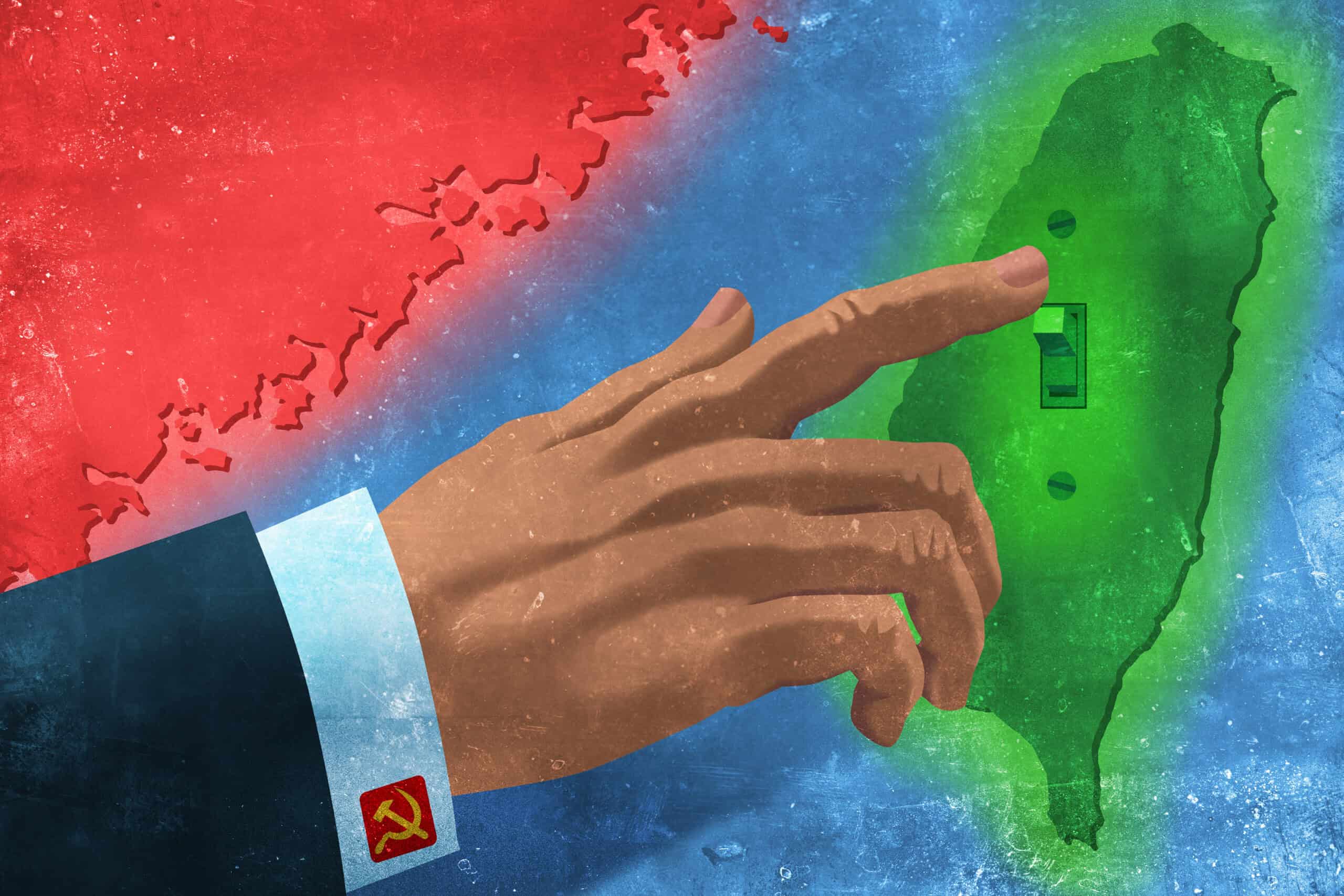

Since markets would largely be following the U.S. government’s lead, federal government agencies would need to tightly coordinate their communications. In normal circumstances, officials like the U.S. secretary of the treasury give interviews to reassure markets that the U.S. government will preserve financial stability. In a brinkmanship crisis over Taiwan, however, Beijing may read such statements as a sign that Washington lacks resolve — particularly if U.S. economic deterrence before the crises were based on threats of mutual economic devastation. Thus, Washington’s strategy for the gray zone cannot simply be to wait for the PLA to fire the first shot before taking action. It must have a plan for what to tell financial markets and business to shape perceptions and communicate resolve over time through an evolving crisis. Financial markets are highly sophisticated readers of public officials, particularly central bankers. Markets react to news at lightning speed. If the U.S. government is caught unprepared for a financial shock in the gray zone, markets will quickly discern that Washington has no plan — and they may start to move in ways that Washington will struggle to control.
Policymakers and the public must therefore understand that the United States and its allies have an economic plan for the “break-glass scenario,” even if not all the details are public. The analogy to fire safety is helpful. Fire alarms and fire extinguishers are typically placed behind glass. Everyone knows they are there, but we rarely think of them. People don’t usually pull the alarm and take away the fire extinguisher when there isn’t a fire, because breaking glass is dangerous and unpleasant. But if there actually is a fire, it is likely that someone will break the glass. That means when we hear a fire alarm ringing or see someone break the glass to grab the fire extinguisher, we all know what to do: get out of the building as soon as possible, even if it is inconvenient, and wait for the firefighters to arrive. Breaking the glass in the U.S.-China relationship is not a decision that would be taken lightly. Still, if the moment comes, Washington must be prepared, since it would be playing the roles of both the glass-breaker and firefighter. Amidst the uncertainty of a crisis, America could not afford to play a passive role. It must be prepared to take control of events.
This essay is adapted from Eyck Freymann’s new book, Defending Taiwan: A Strategy to Prevent War with China, out April 15 from Oxford University Press.

Eyck Freymann is a Hoover Fellow at Stanford University, where he directs the Allied Coordination Working Group.