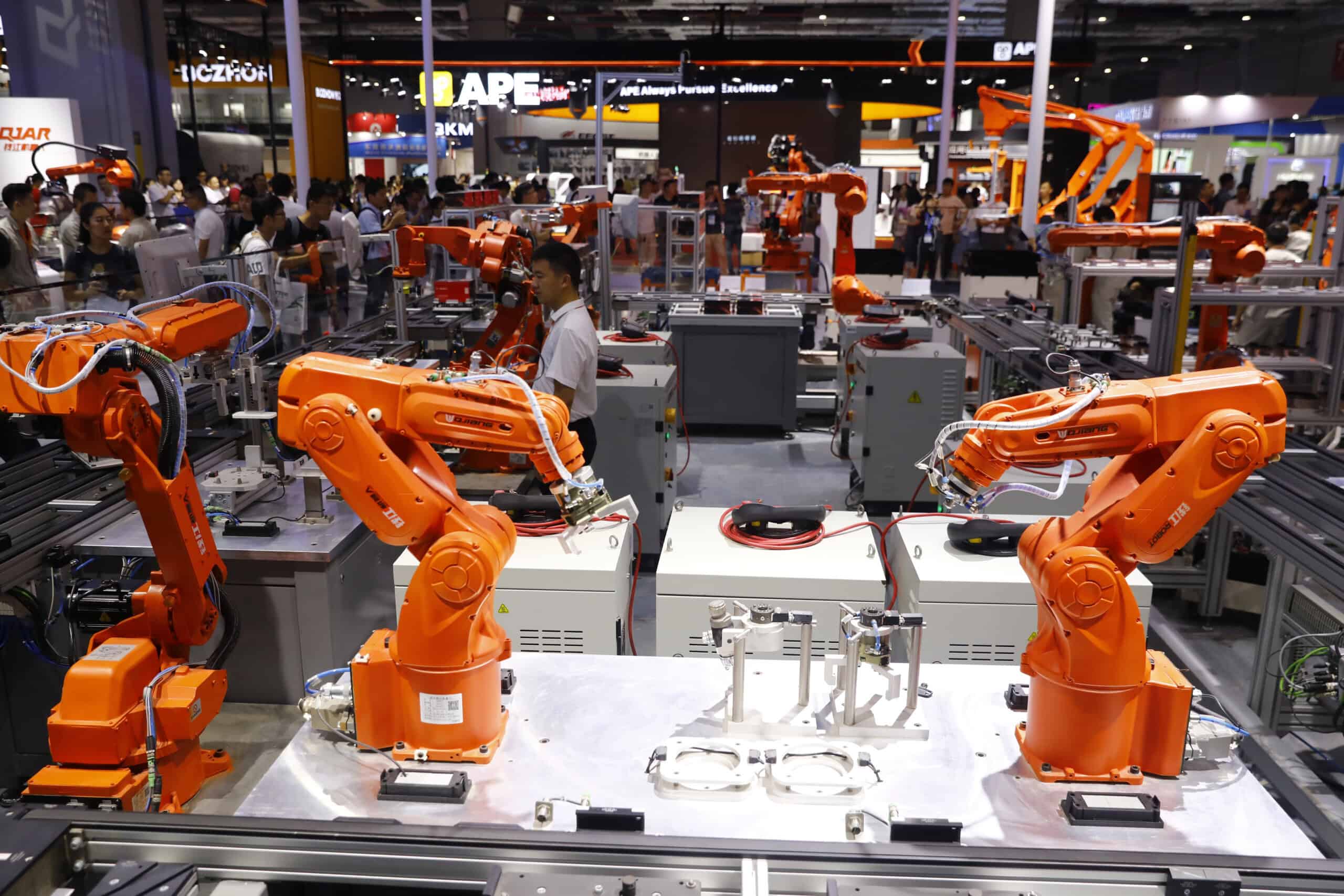
Good evening. The Allied Powers prevailed in World War Two in part because they were able to restrict Germany’s access to tungsten from mines in Spain and Portugal, while the U.S. ramped up production of the critical military raw material in Idaho. Some 80 years later it is Communist China that mines and refines most of the world’s tungsten, used in a range of weapons and also the machines that manufacture armaments. This, poses a dilemma for European democracies, which are authorizing massive new spending on defense as Russia continues its war on Ukraine and the U.S. menaces Greenland. Of the 12 raw materials NATO says are critical to European defenses, China dominates the markets for ten of them. That, Luke Patey writes, has concentrated minds on the need to reduce this dependency. As one German industry official puts it: “These days I learn about new raw materials all the time because companies keep calling me saying they are not sure they will receive licenses or shipments from China that are necessary for their business.”
Also in this week’s issue: January has been a rich month for Chinese AI and chip companies; meet Quectel, the Internet of Things champion; David Feith talks to Bob Davis; Lee Jong-Wha on Beijing’s economic policy; and Xi Jinping is purging generals again — a primer from our archive.
Want this emailed directly to your inbox? Sign up to receive our free newsletter.
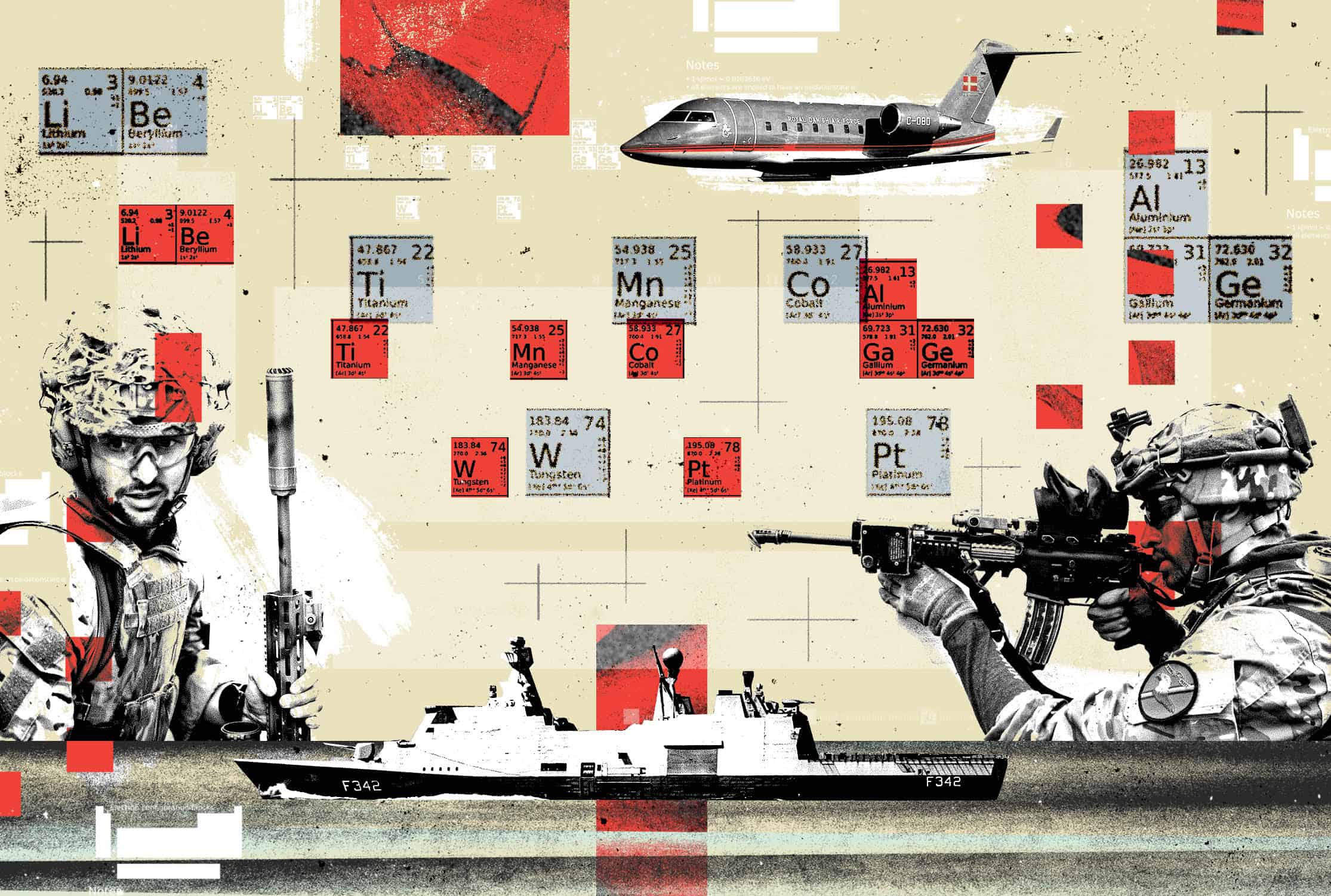
The Critical Raw Materials Gap
In 2020 Danish politicians passed on an opportunity to save the country’s last operational ammunition supplier. Two years later, with Russian armies on the march in Ukraine, they realised that was a mistake. A new owner is now hoping to reopen the factory in late 2027, two years behind schedule and by which point Greenland might be America’s 51st state if Donald Trump has his way. Denmark and other European democracies are also waking up to the fact that such factories are but the end points of long and complicated supply chains that depend upon critical raw materials that are largely mined and refined in China.
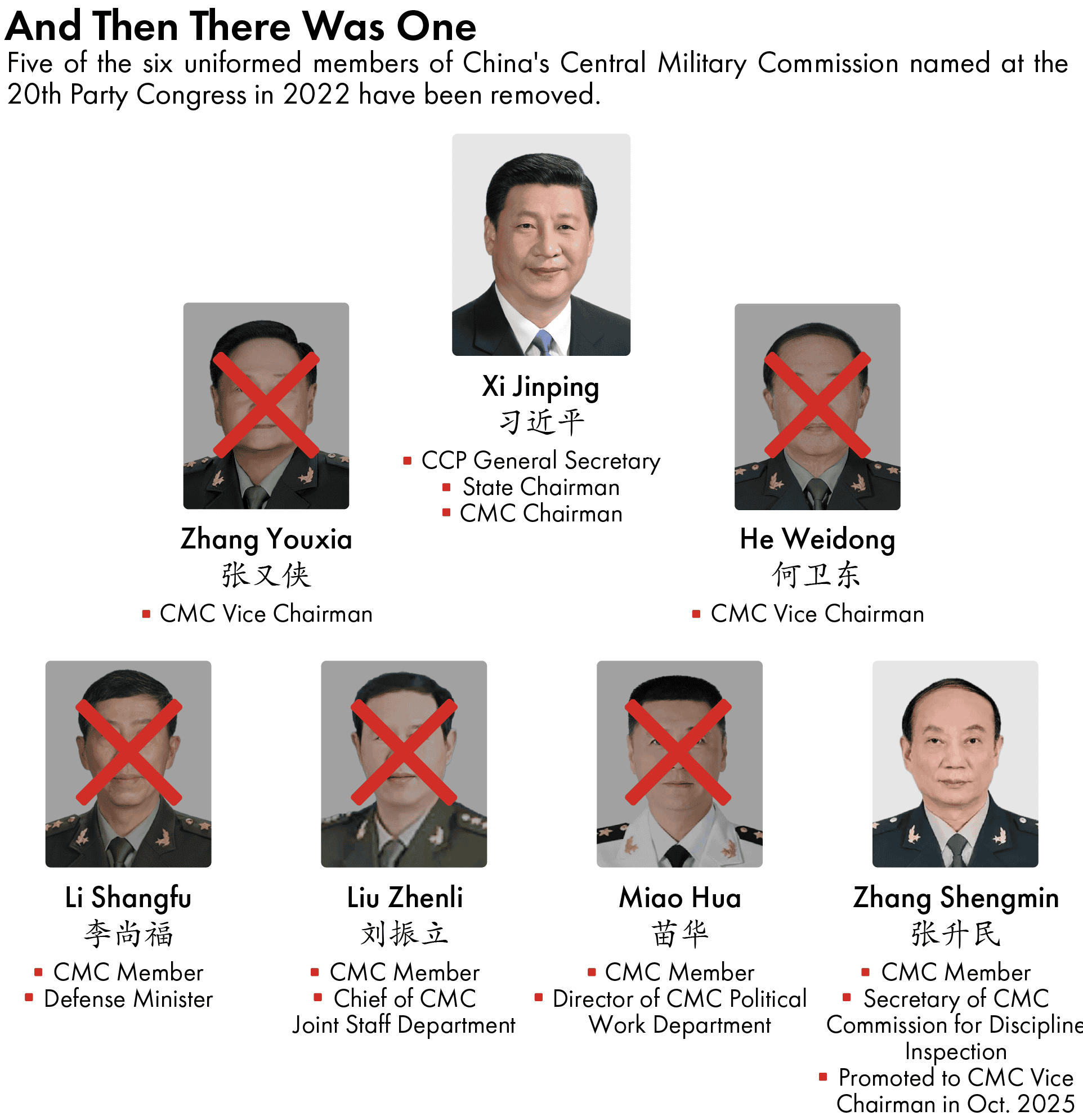
And Then There Was One — Xi’s PLA Purges
With the weekend’s confirmation of investigations into Generals Zhang Youxia and Liu Zhenli, just one of Xi Jinping’s six appointees to the Chinese Communist Party’s Central Military Commission is left standing. Here we reprise Eliot Chen’s cover from last year on the turmoil at the top of the People’s Liberation Army.
Bumper New Year for Chinese AI IPOs
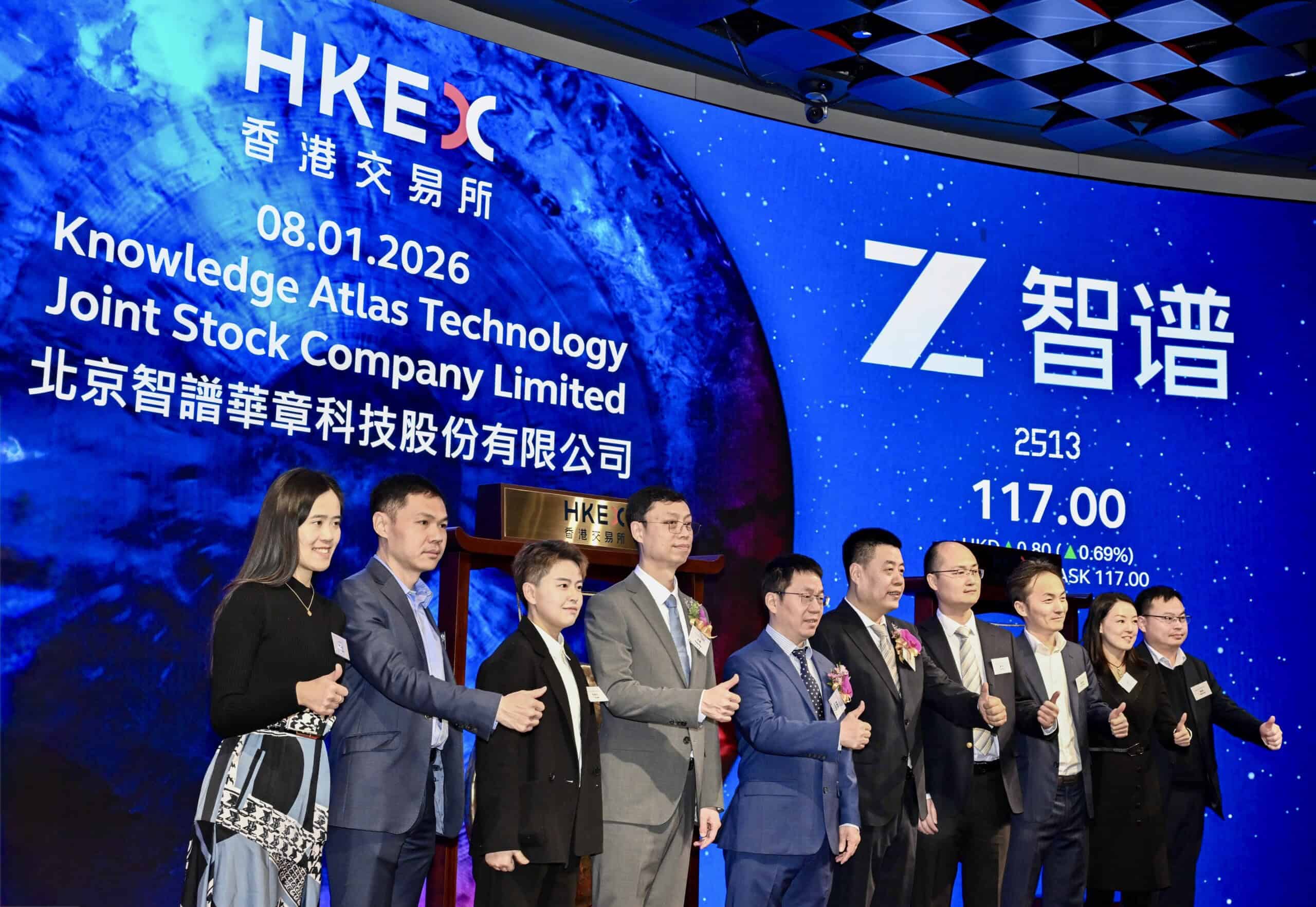
Since New Year’s Day six Chinese AI and chip companies have raised a total of $3.6 billion in initial public offerings on the Hong Kong Stock Exchange — or more than half the amount of capital raised on the bourse in the first quarter of 2025, writes Noah Berman. In particular, the IPO of Beijing-based GigaDevice Semiconductor has made some of its shareholders very rich as the company now boasts a market capitalization of more than $30 billion.

Quectel, Company in the News
Shanghai-based Quectel leads the market for connection modules in the Internet of Things sector. Last year, Savannah Billman writes, it was put on a watch list — but not sanctioned — by the U.S. defense department for its alleged connections to the Chinese state and military. That did not stop it from raising more than $300 million at the end of last year. Quectel’s founding chair and CEO, Patrick Qian, previously worked at Hangzhou Motorola and ZTE.

A Q&A with David Feith
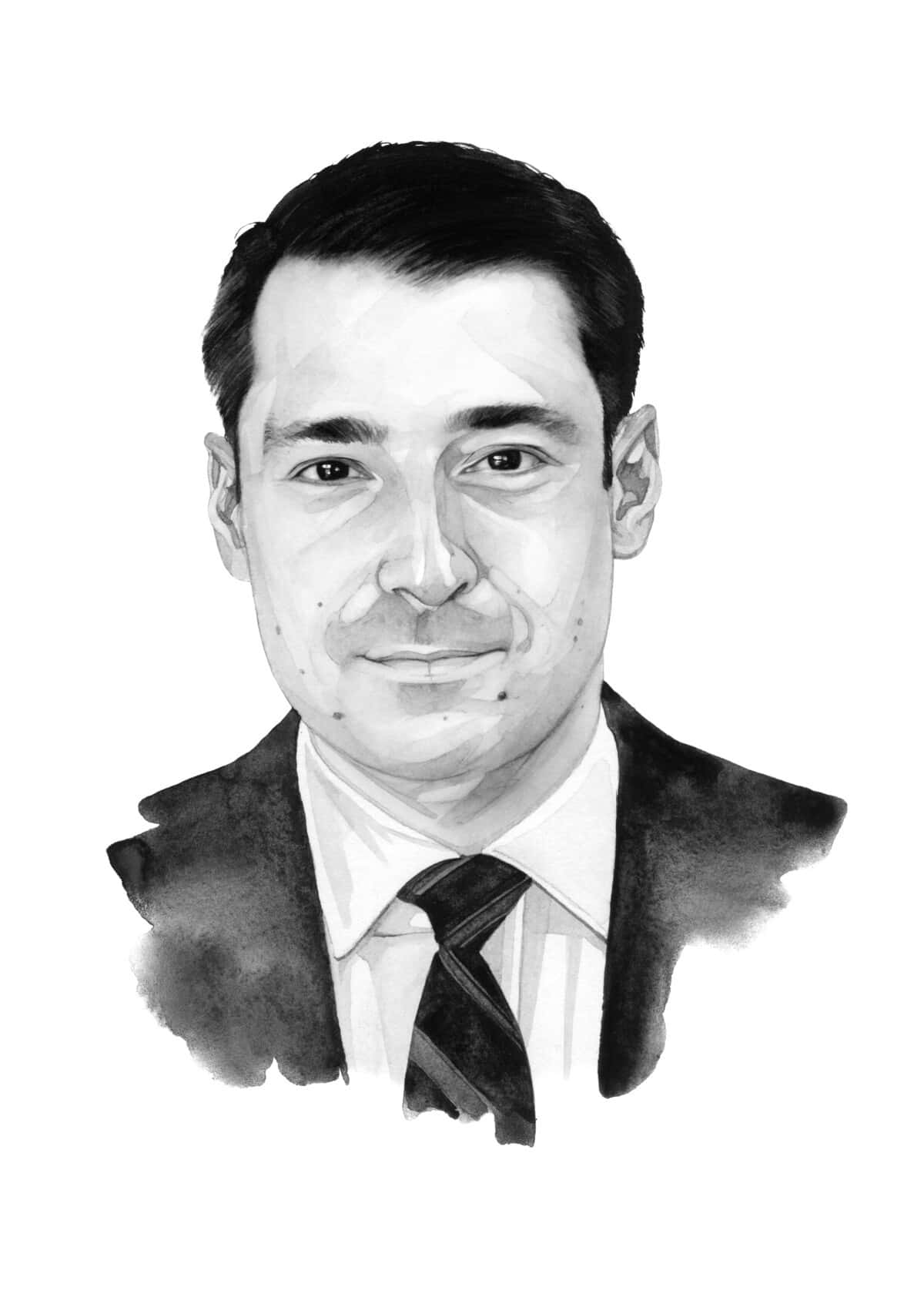
David Feith served in Trump 1.0 and began Trump 2.0 as the National Security Council’s senior director of technology — until he ran afoul of Laura Loomer, the president’s self-appointed loyalty cop, and was fired.
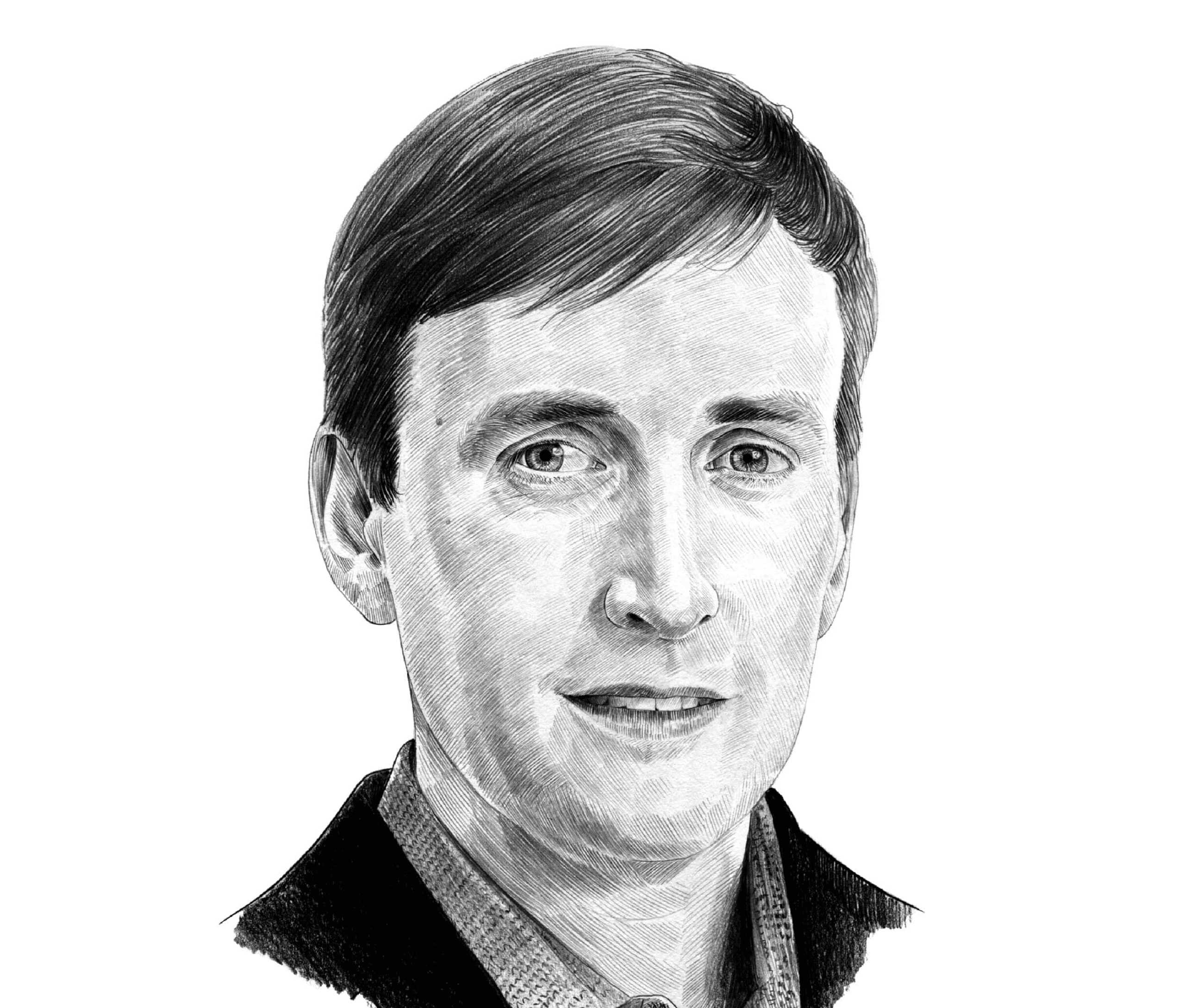
In this week’s Q&A, Feith speaks with his former colleague at the Wall Street Journal, Bob Davis, about the shifts in Trump’s China policy, TikTok’s growing political clout in Washington, and a defense budget that he says is “completely inadequate to the scale of the challenge that we face from China and others”.
David Feith
Illustration by Kate Copeland
Be Bolder
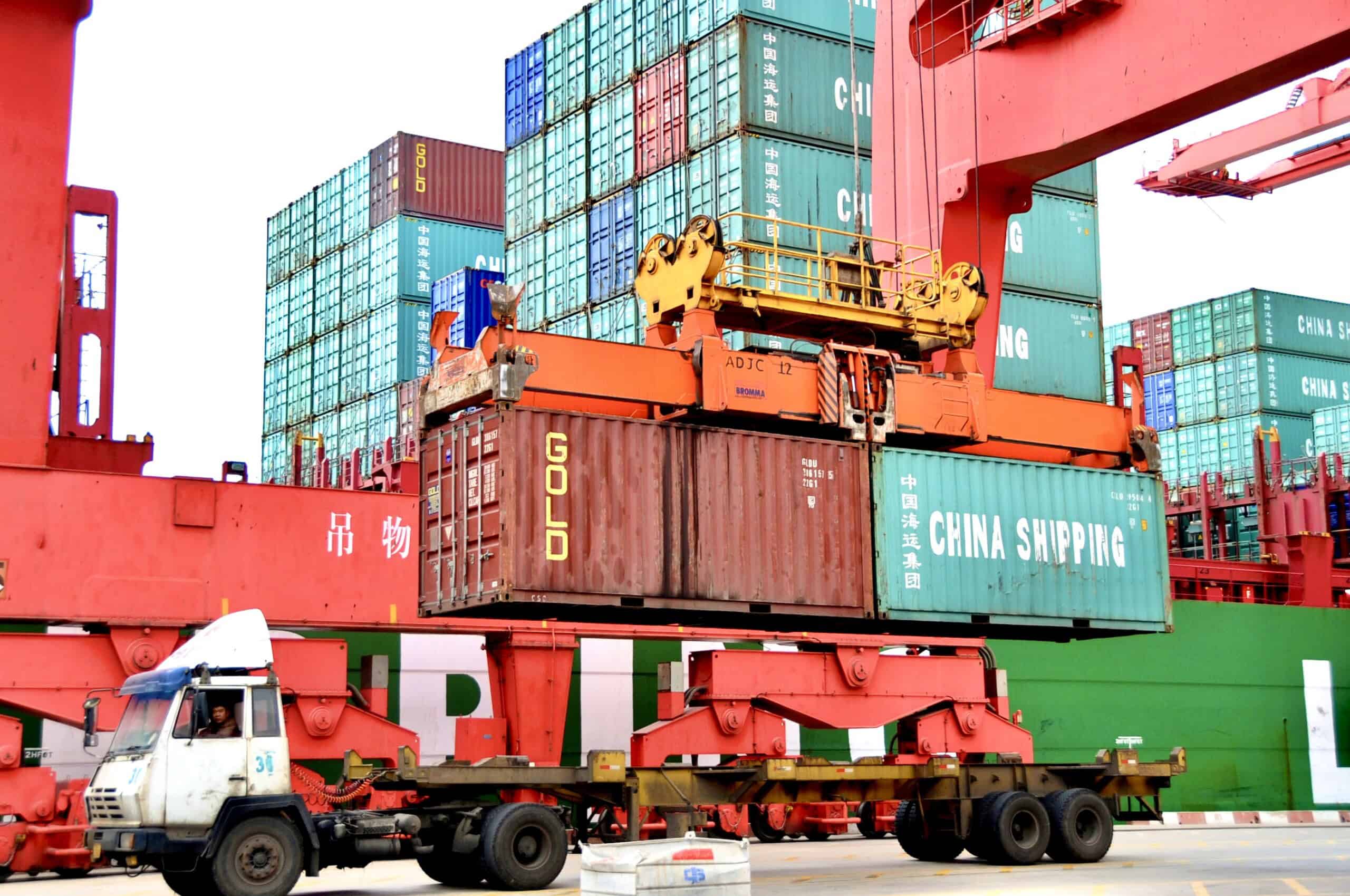
China’s economy proved itself resilient and flexible last year in the face of the Trump administration’s multiple tariff onslaughts, Lee Jong-Wah, former chief economist at the Asian Development Bank, writes in this op-ed. But policy makers still need to be bolder to tackle weak domestic demand and stubborn deflation.
Subscribe today for unlimited access, starting at only $25 a month.