From Starbucks to Burger King, multinationals are tapping domestic partners to survive in China’s cutthroat market.
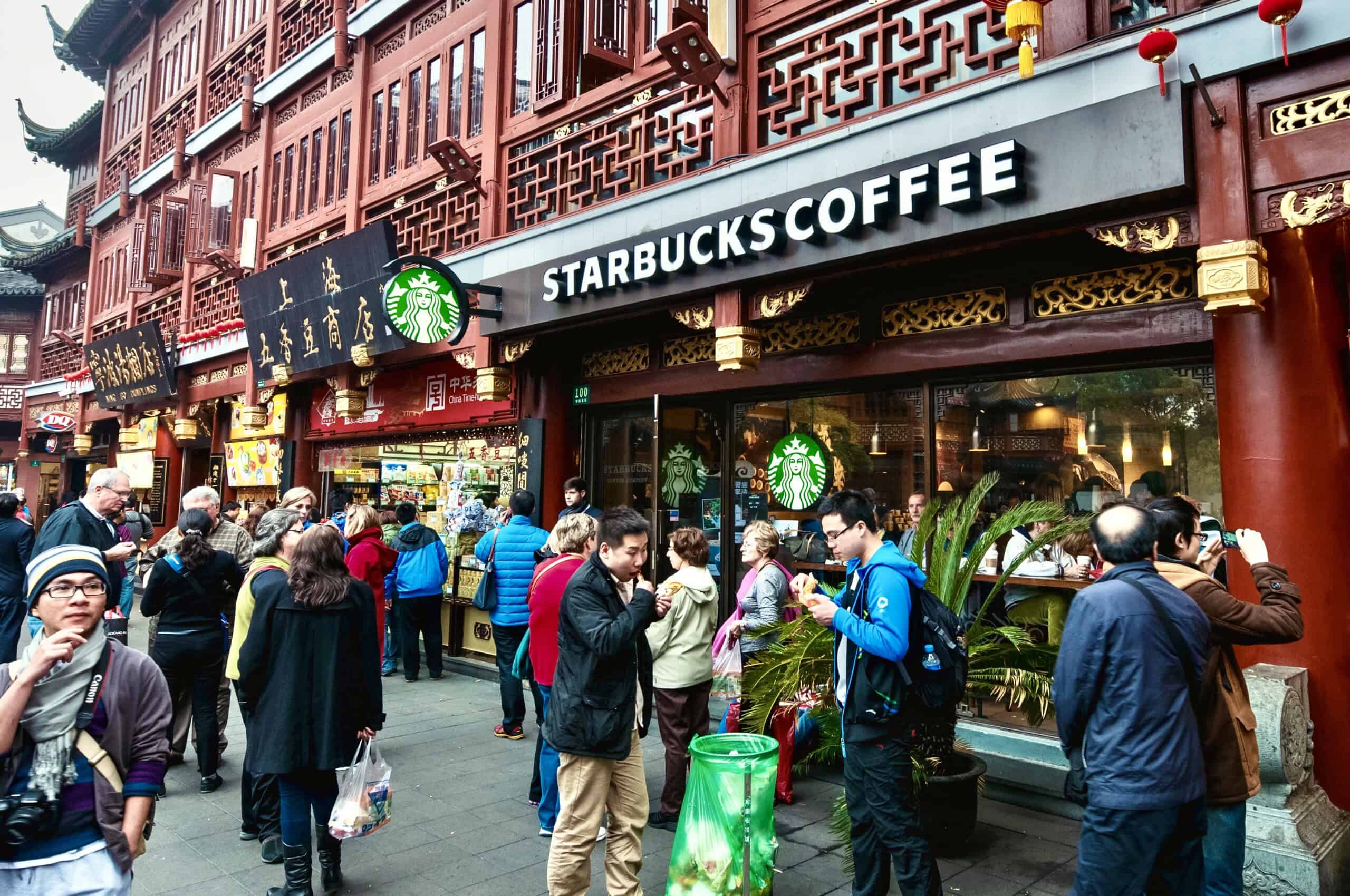
Starbucks in Yuyuan Market, Shanghai, China. Credit: fotokon via Depositphotos
Restaurant chains were among the first foreign companies to enter China when the country opened up in the late 1970s. These days, however, their Chinese businesses have more often become a liability.
Starbucks’s lackluster sales in China have been a major drag on its share price, which has dropped 14 percent in the past year. Burger King’s nearly 1,500 outlets in the country each made less than half a million dollars last year, a fraction of sales in other major markets.
Da
Exclusive longform investigative journalism, Q&As, news and analysis, and data on Chinese business elites and corporations. We publish China scoops you won't find anywhere else.
A weekly curated reading list on China from Andrew Peaple.
A daily roundup of China finance, business and economics headlines.
We offer discounts for groups, institutions and students. Go to our Subscriptions page for details.
In an excerpt from his new book, Nicolas Niarchos examines how China and the Democratic Republic of Congo negotiated an infrastructure-for-commodities agreement involving two large Chinese state-owned enterprises and unlikely private sector partner.
We use cookies to ensure that we give you the best experience on our website. If you continue to use this site we will assume that you are happy with it.OKPrivacy policy