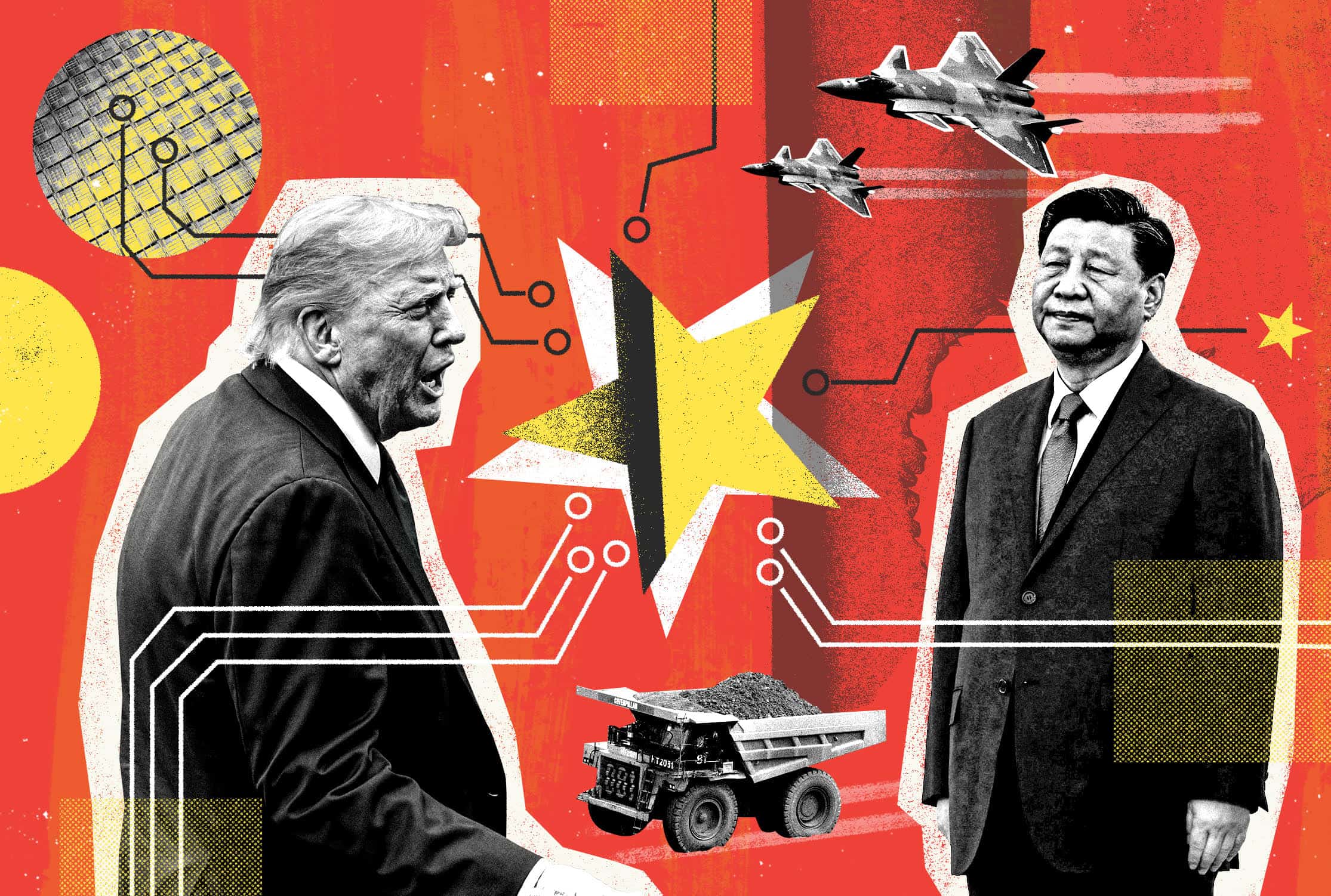
Good evening. It sounds like the title of a hot new science fiction movie starring Keanu Reeves. The Entity List is in fact one of the most powerful weapons in President Donald Trump’s China trade war arsenal — and one that has given rise to derivatives including the Foreign Direct Product Rule, the Affiliates Rule and Footnote 5 (another good movie name). U.S. exporters need special permission to sell to Chinese companies placed on the Entity List. In late September the U.S. vastly expanded the number of Chinese companies on the list, from about 1,400 to more than 20,000, provoking a furious response from Xi Jinping’s administration and further counter-measures from the Trump administration. Both sides announced new export controls on, respectively, rare earth elements and software. This has set the stage for a dramatic showdown later this month, when the two presidents are expected to meet in South Korea. In this week’s cover story, Noah Berman examines the origins and evolution of the Entity List.
Also in this week’s issue: Who is Wingtech?; China’s “broker butcher” eases up on listing candidates; a Q&A with Ma Jun, former chief economist at China’s central bank; and Dennis Kwok and Sam Goodman on the challenges companies face in trying to navigate Cold War II.
Want this emailed directly to your inbox? Sign up to receive our free newsletter.
The Entity List
Nexperia was a little-known Dutch technology company until this month, when it got caught in the middle of an extraordinary Sino-U.S. trade tempest. As Noah Berman writes in our cover story, the proximate cause of Nexperia’s fame — or infamy, depending on your perspective — was the Trump administration’s threat to include it on an expanded blacklist of sanctioned companies because it has a blacklisted Chinese parent company. In a dramatic illustration of the power of the so-called Entity List, which the Chinese government regularly rails against, the Dutch government subsequently seized control of Nexperia.
The Big Picture: Wingtech Laid Low in the Netherlands
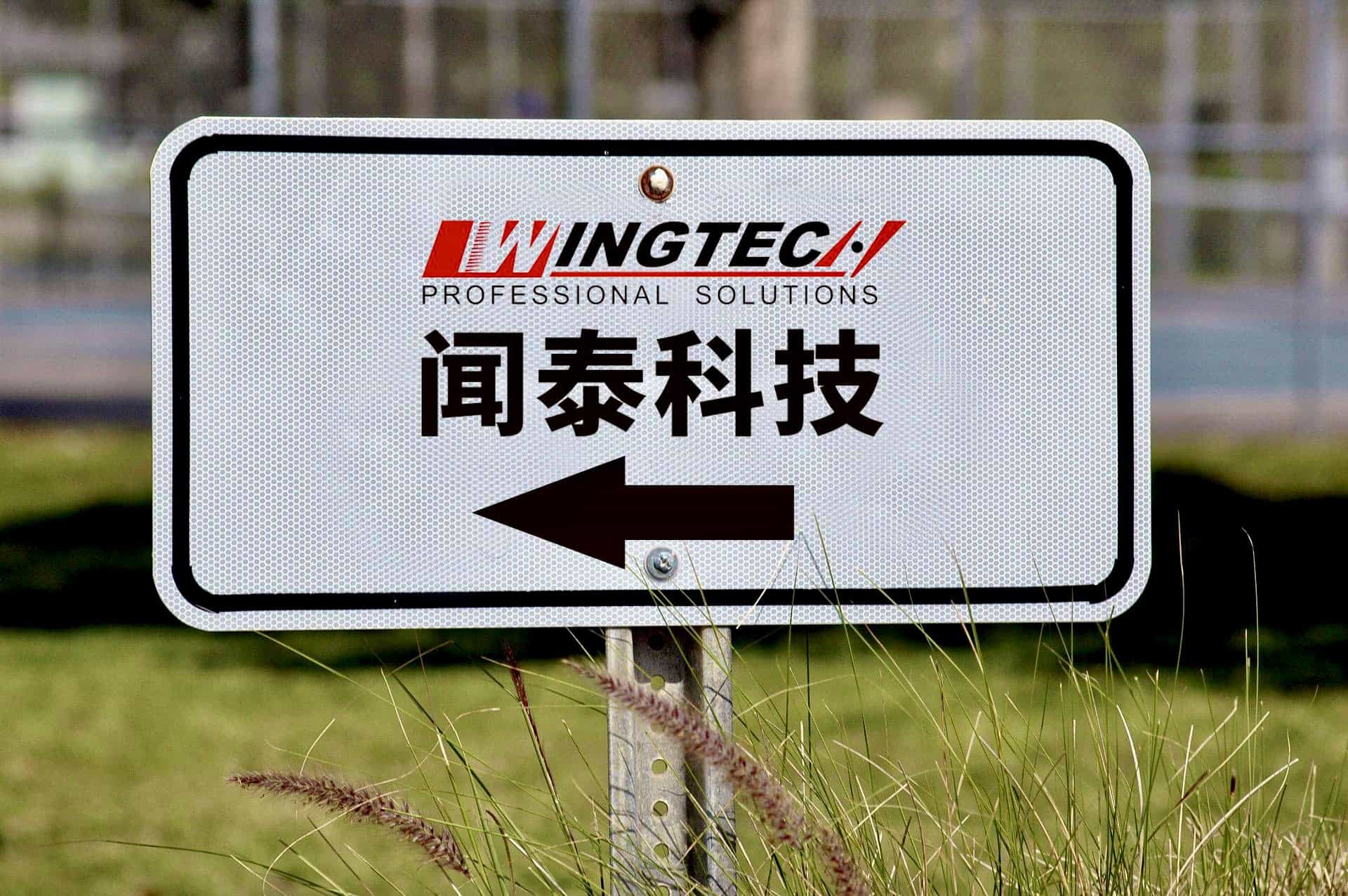
In this week’s “company in the news” Big Picture, Noah Berman looks at Wingtech, the Zhejiang-based firm at the center of the current Sino-U.S. trade tempest. Wingtech is the parent company of Nexperia. Wingtech’s billionaire founder, Zhang Xuezheng, was accused of using Nexperia to aid a firm he controls in Shanghai, and ousted by a Dutch court from his position as Nexperia’s CEO. The former Apple supplier acquired Nexperia in 2019. Zhang is Wingtech’s biggest individual shareholder, with a 15.1 percent beneficial stake, although Chinese provincial and municipal governments ultimately hold 15.6 percent of the company combined. Zhang previously worked for a European semiconductor manufacturer, STMicroelectronics. Under his leadership, Wingtech emerged as one of the largest players in China’s smartphone market.
Let a Hundred IPOs Bloom
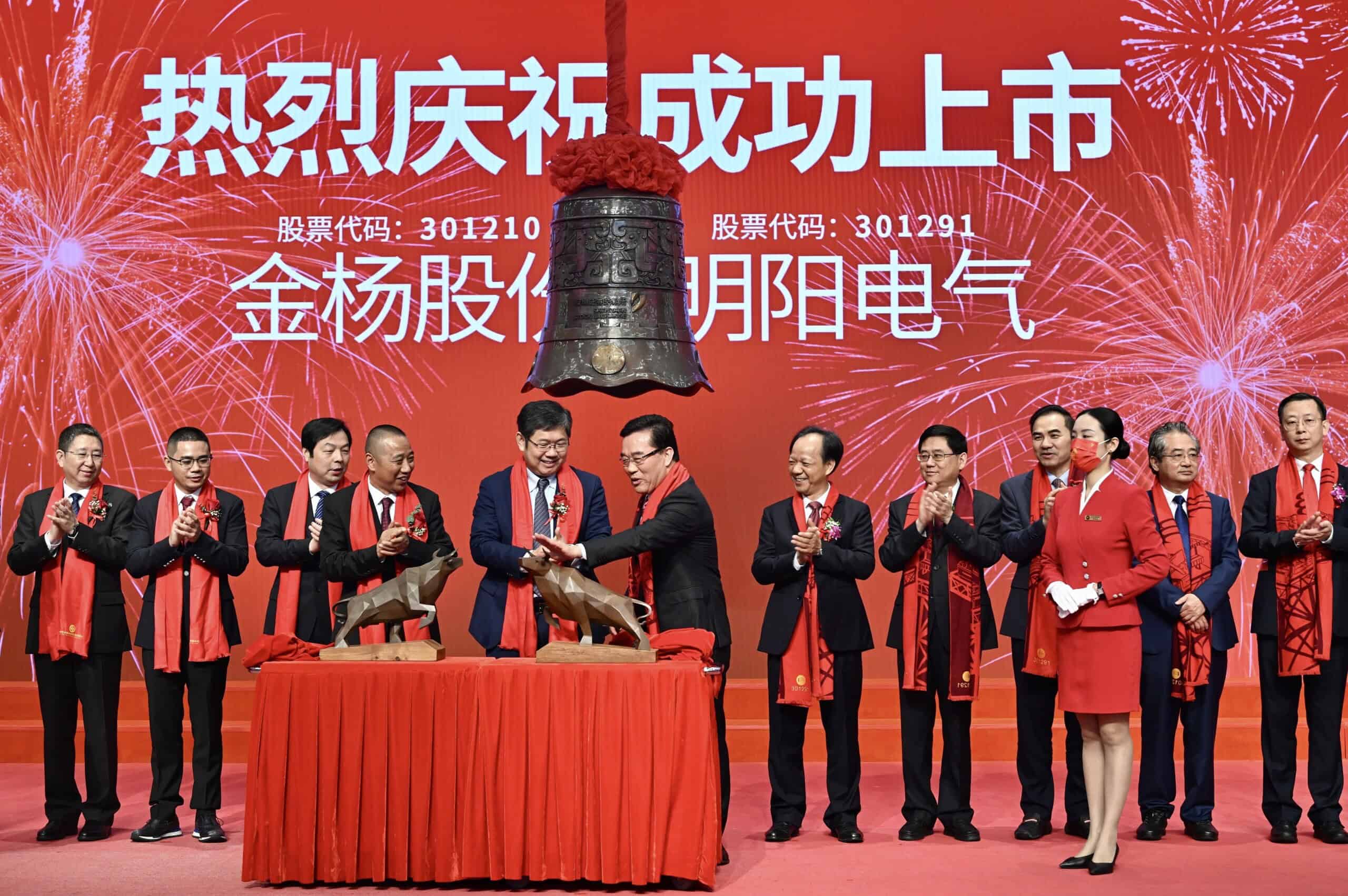
The IPO bulls are starting to run again in China, writes Rachel Cheung. After two years of declining year-on-year listing proceeds, they are finally rising this year. Over the first three quarters of this year Chinese companies raised 77 billion yuan ($10 billion) — 60 percent more than over the same period last year. The China Securities Regulatory Commission, headed by “broker butcher” Wu Qing, is helping to steer the turnaround by relaxing profitability requirements for certain startups.
A Q&A with Ma Jun
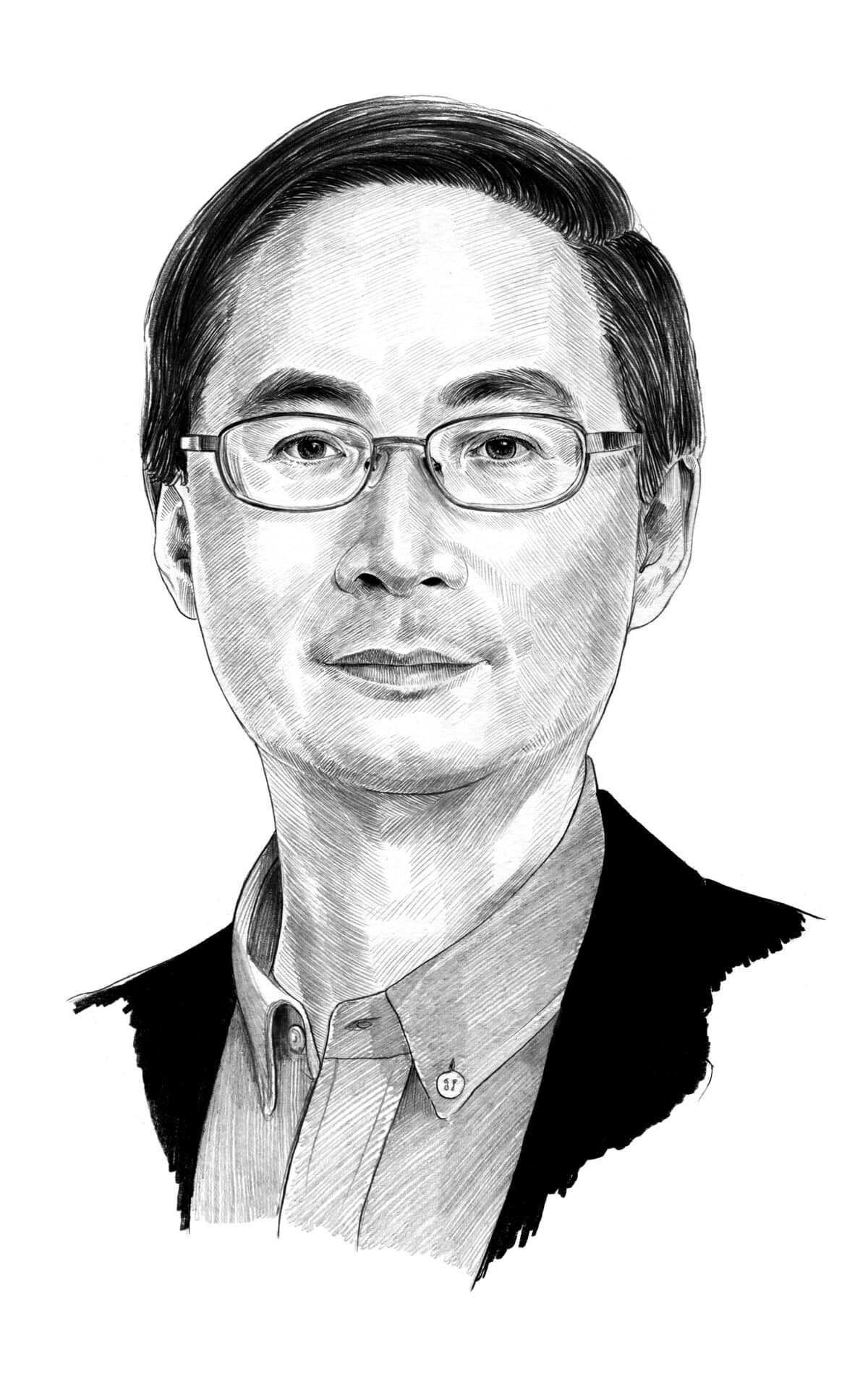
Ma Jun has held influential positions at western investment banks and China’s central bank. The economist is now head of the Institute of Finance and Sustainability, a Beijing think tank that focuses on green finance and sustainability.
In this week’s Q&A with Yi Liu, Ma discusses how China can finance its ambitious environmental goals, his participation in “Track II” dialogues with U.S. counterparts, and criticism of Chinese industrial policy. “Some countries,” complains the former Deutsche Bank and People’s Bank of China economist, “tend to politicize things by attributing trade imbalances to government subsidies of their trading partners to justify their actions, such as imposition of punitive tariffs.”
Ma Jun
Illustration by Lauren Crow
Trading with the Enemy
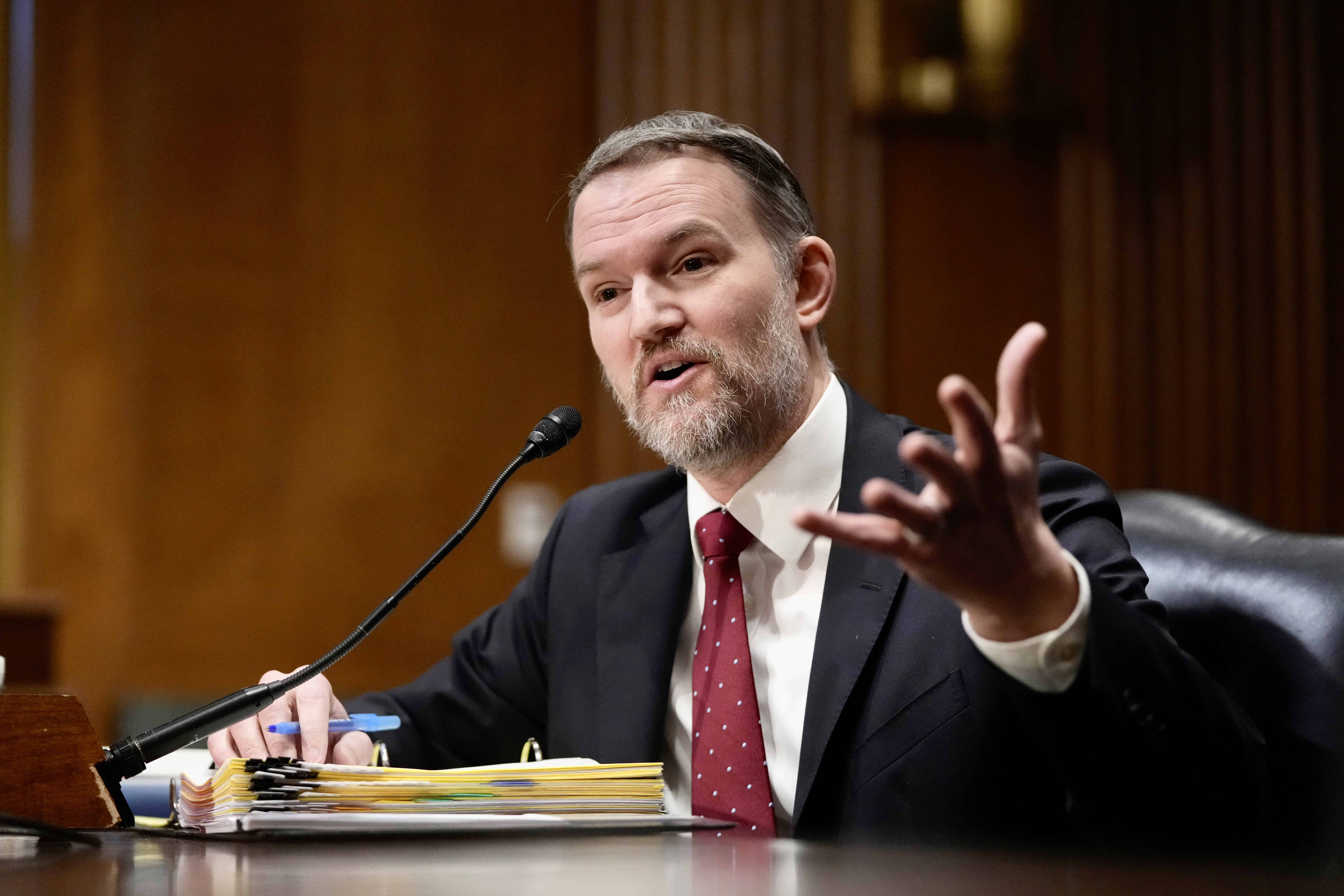
Chief executives at multinational companies are struggling to keep current — and compliant — with the constantly shifting measures and counter-measures announced by the U.S. and China in their ongoing trade war. During the Cold War between the U.S. and Soviet Union, write Dennis Kwok and Sam Goodman, American law provided ample “guidance and consensual guardrails” to executives. A similar approach is needed now, they argue, especially when dealing with a geopolitical rival that is far more economically and financially intertwined with the U.S. than the Soviet Union ever was.
Subscribe today for unlimited access, starting at only $25 a month.