Keeping the borders closed may make it easier to govern China near-term, but the broader consequences would be tragic and potentially dangerous.
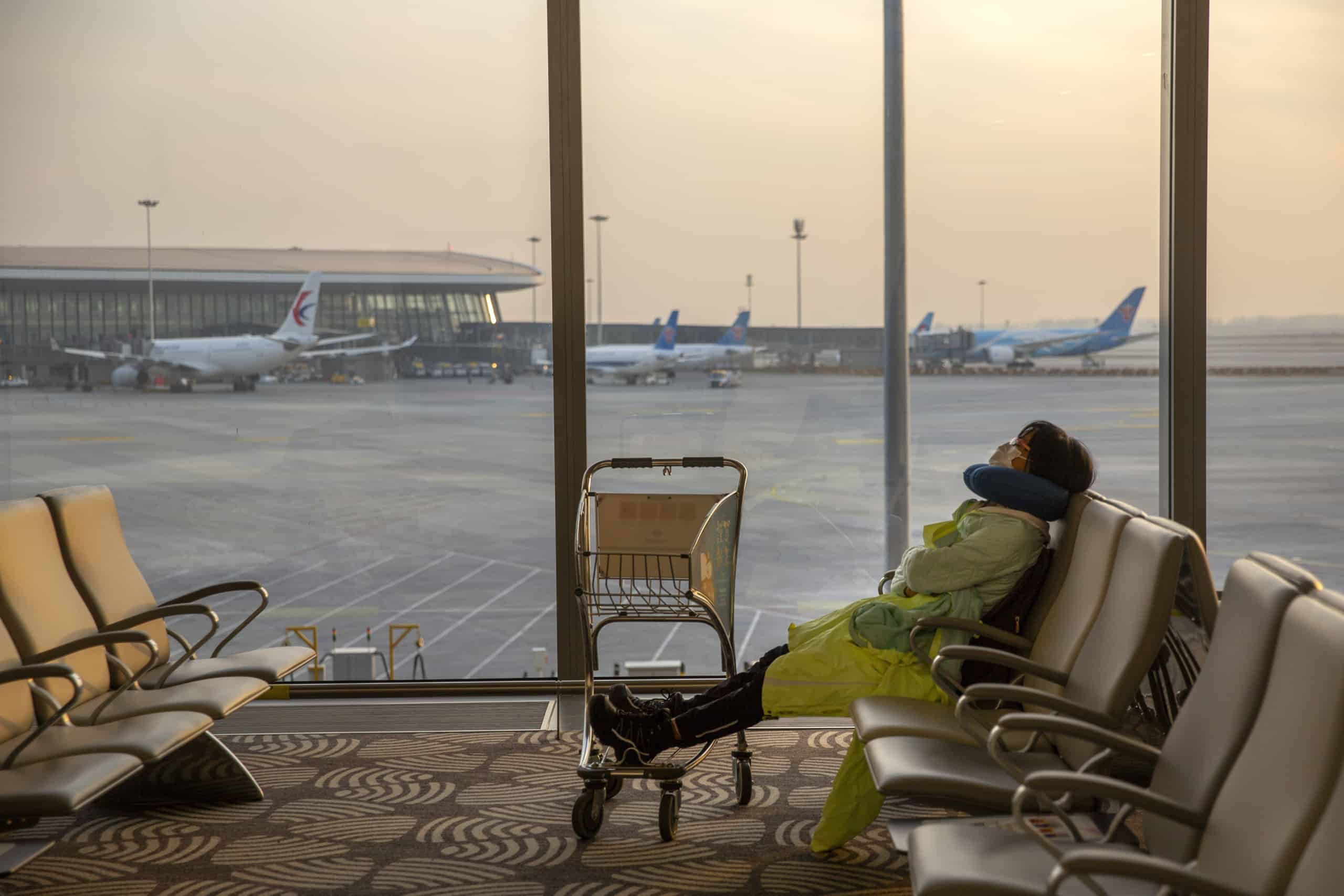
A lone traveler at Beijing Daxing International Airport, November 2020. Credit: Mark Schiefelbein/AP Photo
For the last sixteen months, the world’s most populous country has kept its borders almost entirely closed. Visitors can usually enter China only for specific “business” purposes, and if they have received a Chinese vaccine. Students, non-essential workers, and family members have seen their visas rejected. Those who get approval must submit to a hotel quarantine lasting 14 to 21 days — plus humiliating, medically unnecessary, weekly anal swabs. Unsurprisingly, the flow of foreign visito
Exclusive longform investigative journalism, Q&As, news and analysis, and data on Chinese business elites and corporations. We publish China scoops you won't find anywhere else.
A weekly curated reading list on China from Andrew Peaple.
A daily roundup of China finance, business and economics headlines.
We offer discounts for groups, institutions and students. Go to our Subscriptions page for details.
In an excerpt from his new book, Nicolas Niarchos examines how China and the Democratic Republic of Congo negotiated an infrastructure-for-commodities agreement involving two large Chinese state-owned enterprises and unlikely private sector partner.
An award-winning podcast about the world’s two superpowers, the two men in charge, and the vital issues that affect us all. Face-Off cuts through the noise for the real story, with essential historical context.
In this season, longtime foreign correspondent for The New York Times Jane Perlez and celebrated China historian Rana Mitter cover Xi at the negotiating table, Gen Z disillusionment, China’s military rise, Pacific tensions, tech advances, and soft power.
We use cookies to ensure that we give you the best experience on our website. If you continue to use this site we will assume that you are happy with it.OKPrivacy policy