In 2019 Alice Huang, the alleged Chinese spy who had an affair with Nvidia founder Jensen Huang, made $145 million from the sale of an online gaming group that three years earlier had annual revenues of just $36,000.
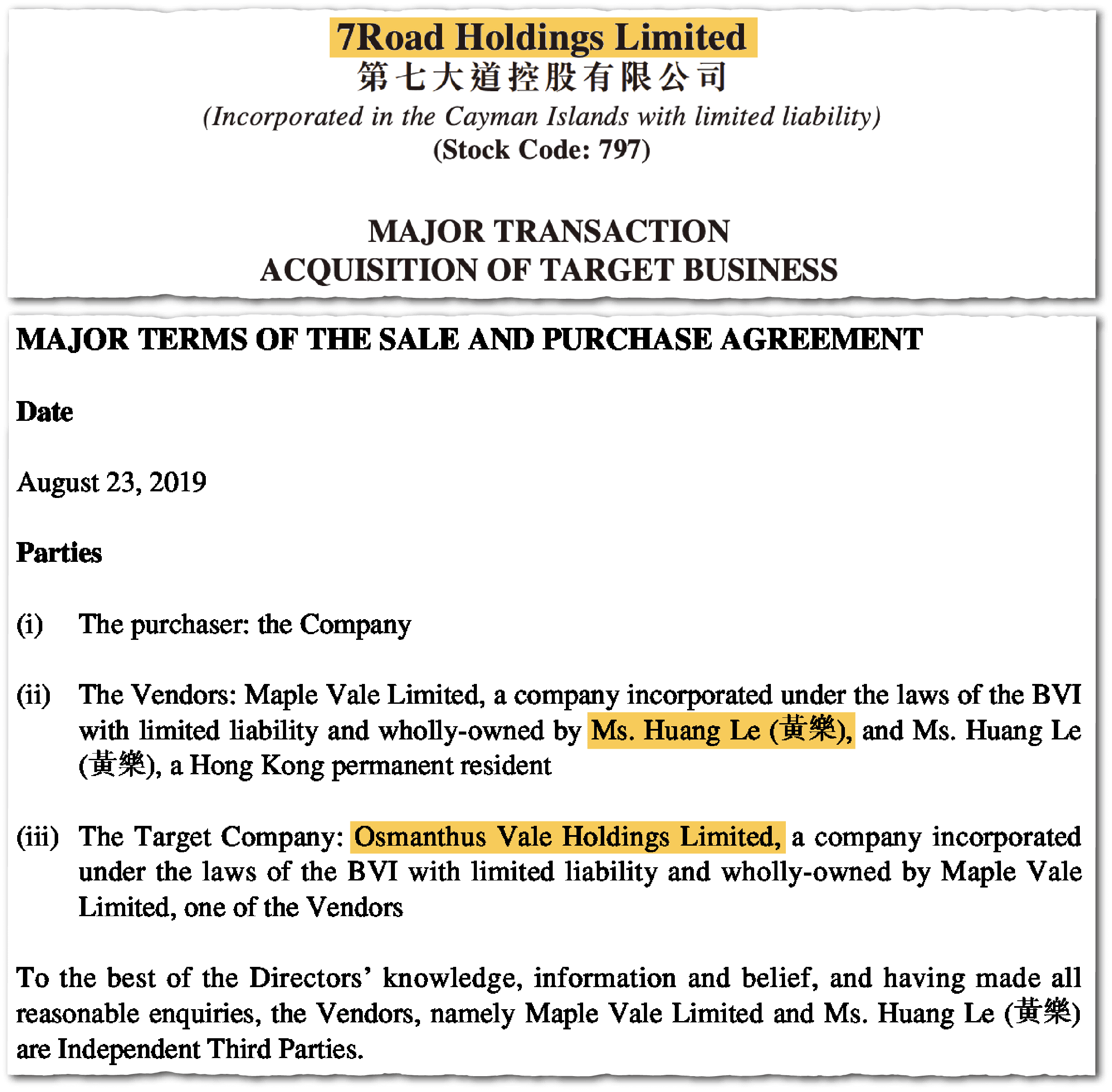
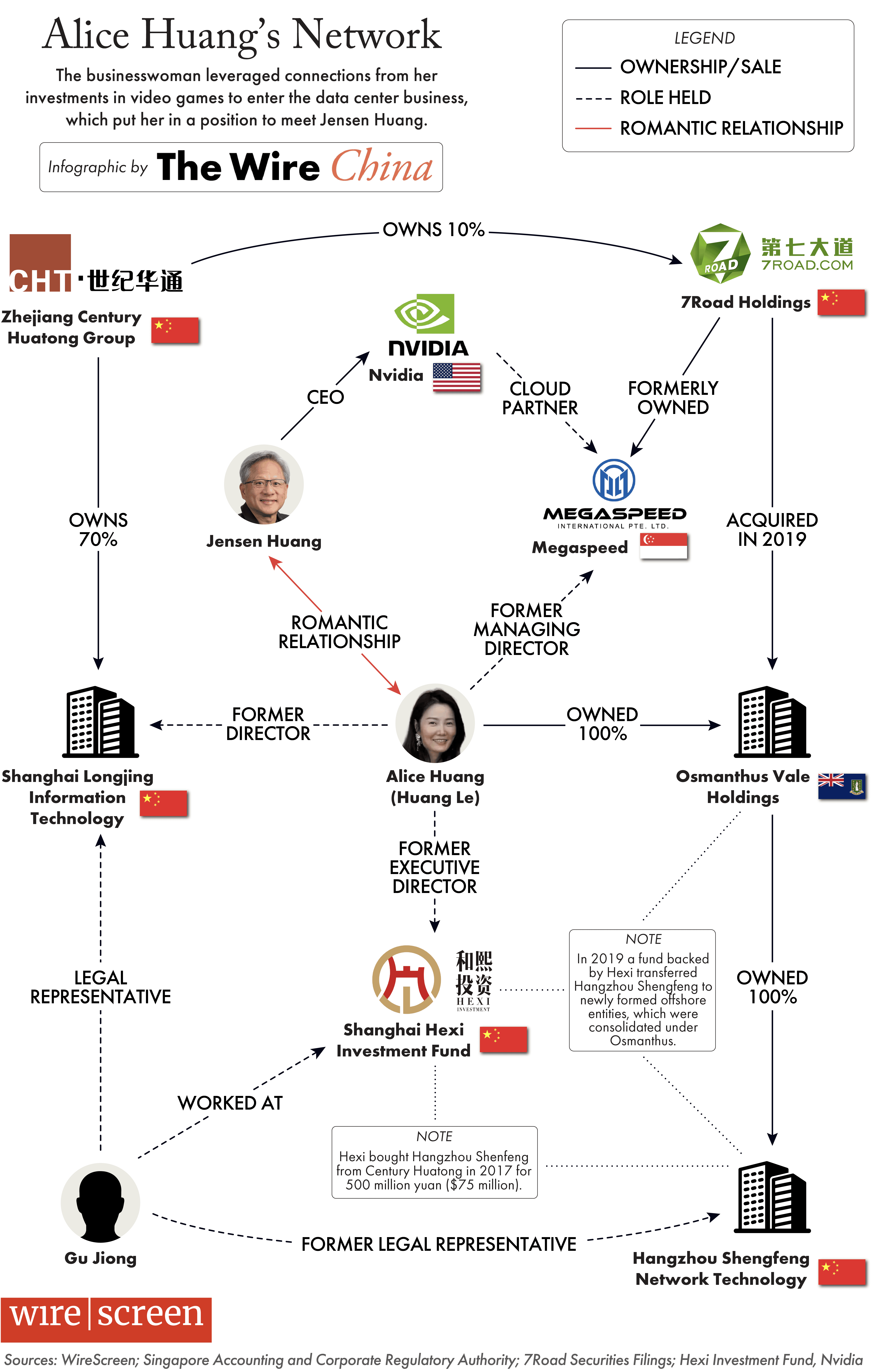
According to a securities filing, Ms Huang’s sale of her British Virgin Islands-based holding company, Osmanthus Vale Holdings Limited, came shortly after its revenues had soared 1,000 fold to $36 million in 2018. The transaction was also the catalyst for a dramatic career shift for Huang, also known by her Chinese name Huang Le, who by 2023 had risen to become managing director of a major data-center operator and Nvidia partner, Singapore-based Megaspeed.
The company that purchased Osmanthus from Huang was 7Road Holdings, a video game developer based in Shenzhen and listed on the Hong Kong Stock Exchange.
In 2021, 7Road entered the cloud computing industry, just before the release of ChatGPT created a boom in such stocks. But when the Biden administration imposed export controls on China in October 2022, the company could no longer buy the most advanced AI chips from the likes of Nvidia.
7Road decided to spin off its Singapore subsidiary, which could buy America’s best AI chips. That subsidiary, 7Road International PTE, was sold to a BVI-registered company associated with Ms Huang and renamed Megaspeed.
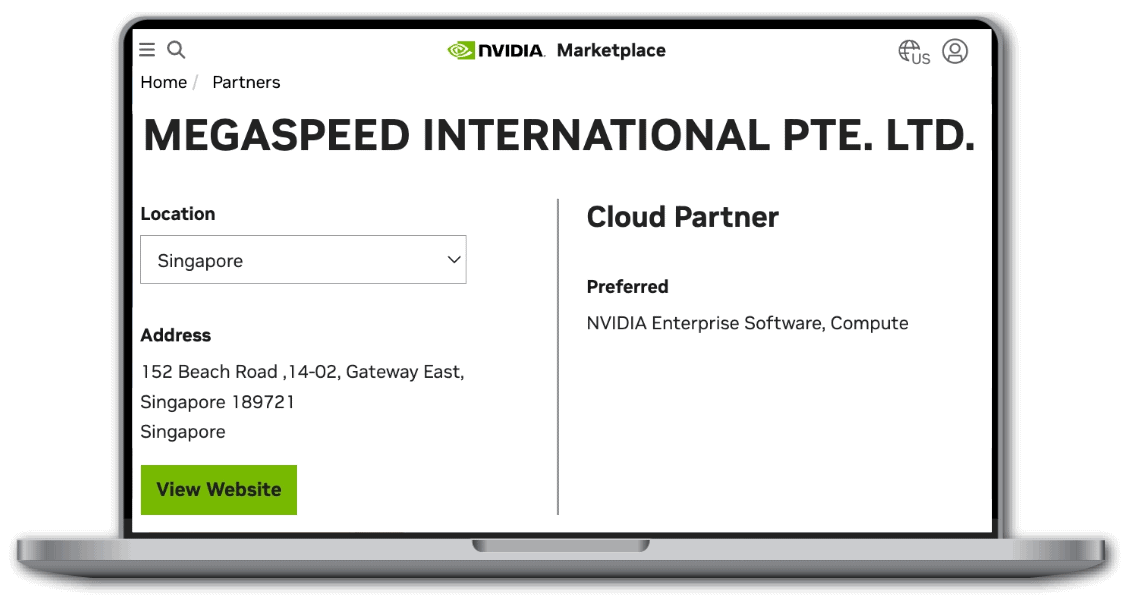
Megaspeed went on to buy billions of dollars worth of servers containing advanced Nvidia AI chips, and is the subject of U.S. and Singapore government investigations into whether it smuggled chips to China.
As of November 11, Nvidia continues to list Megaspeed as an official partner on its website.
The New York Times and Financial Times were the first to report, respectively, that U.S. officials suspected Ms Huang worked for China’s state security ministry and had an affair with Jensen Huang. China’s foreign ministry denied that Ms Huang worked for the MSS.
Jensen Huang told Bloomberg there was nothing improper about his relationship with Ms Huang.
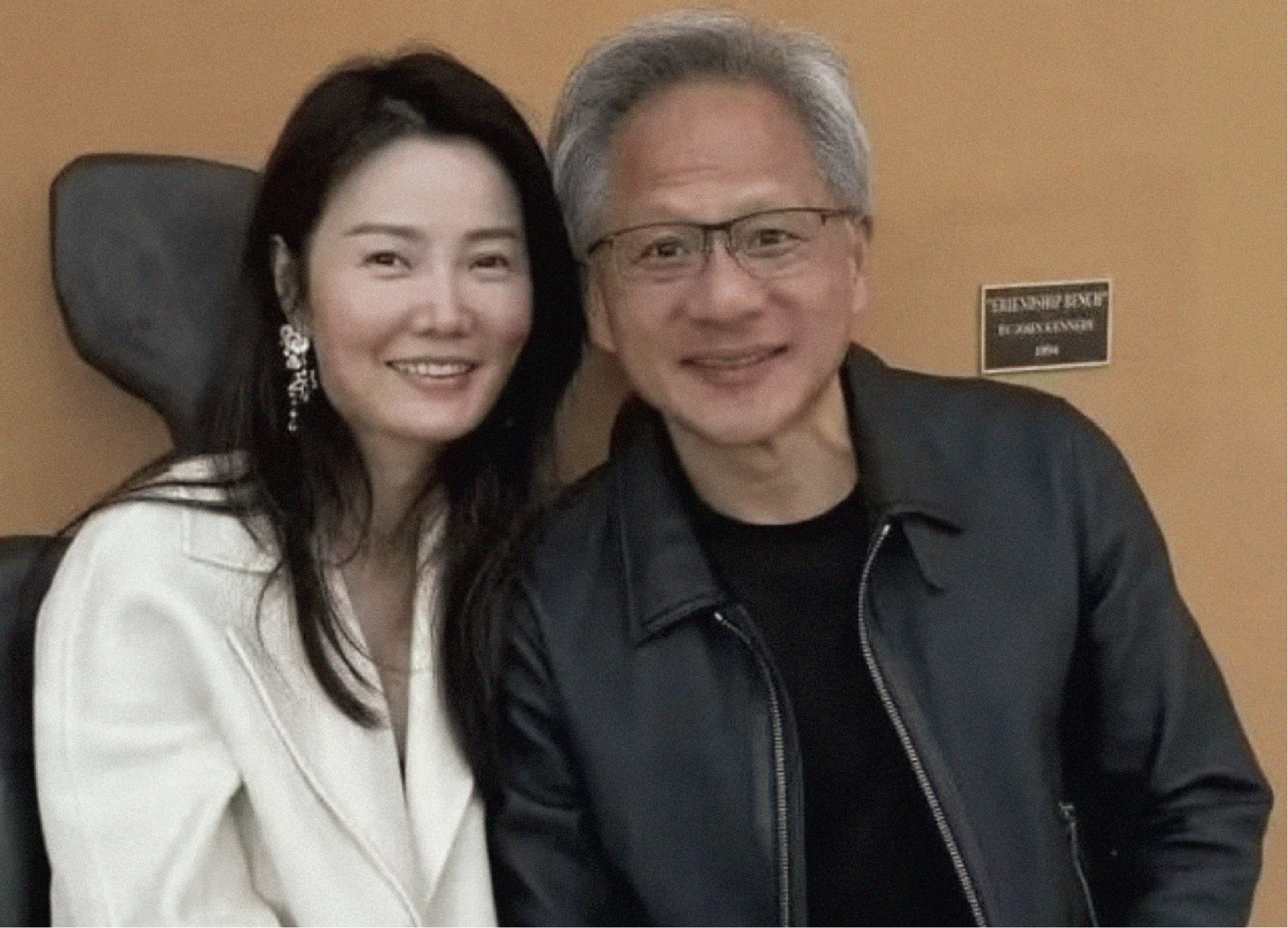
The Nvidia founder subsequently admitted he had been unfaithful to his wife, but did not admit to an affair with Ms Huang.
President Donald Trump said that, in a phone call with Jensen Huang, the Nvidia founder told him he was unaware of any connections Ms Huang might have to China’s intelligence service. The scandal will hang over the president’s Asia trip next week to attend summits in the Philippines and China.
JUST THE BEGINNING
The 7Road deal was just one of many that would propel Ms Huang into the world of AI data centers.
She started her career as a news reporter for state television before moving into finance, according to her bio at an investment firm where she later worked. She eventually became the executive director of the firm, Shanghai Hexi Investment Fund, according to the Asset Management Association of China, a regulatory body.
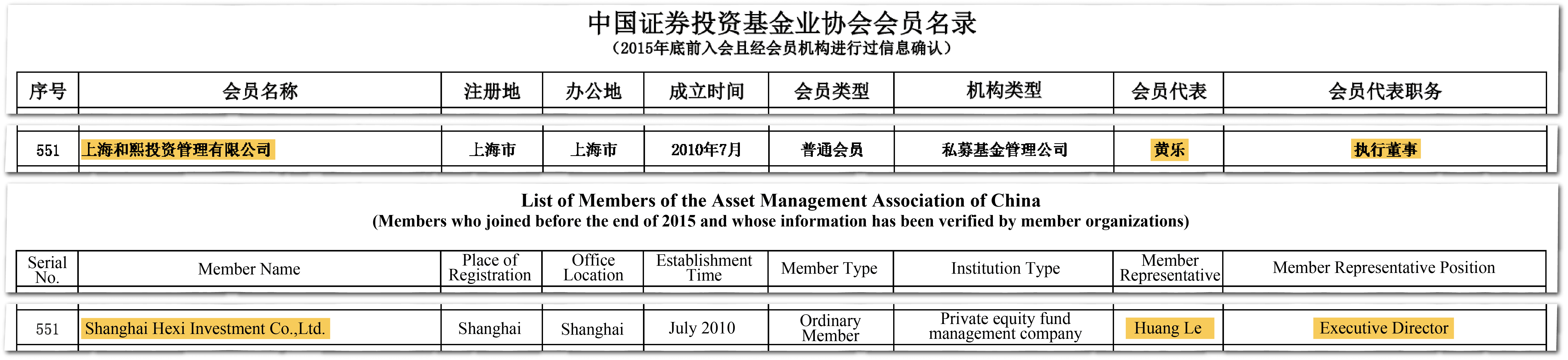
Funds associated with Hexi invested alongside the Zhejiang Century Huatong Group, a maker of internet video games, as it entered the cloud computing business.
Between 2021 and 2022, Ms Huang served as a director of Shanghai Longjing Information Technology, according to corporate records accessed through WireScreen. The company was founded in December 2020 as a data-center focused subsidiary of Huatong. That same month, Huatong acquired a 10 percent stake in 7Road, securities filings show.
Seducing foreign executives is a common tactic used by China’s Ministry of State Security, especially on their visits to China, says Randal Phillips, a former CIA Beijing station chief.
“The lion’s share of [MSS] resources were devoted to [compromising] private sector interests,” he adds.
WireScreen records show that Shanghai Longjing’s legal representative is Gu Jiong, who worked with Ms Huang at Shanghai Hexi Investment Fund, according to the fund’s website. Gu was also the legal representative of Hangzhou Shengfeng Network Technology, a Chinese video games company that Alice Huang sold to 7Road in 2019. Gu could not be reached for comment.
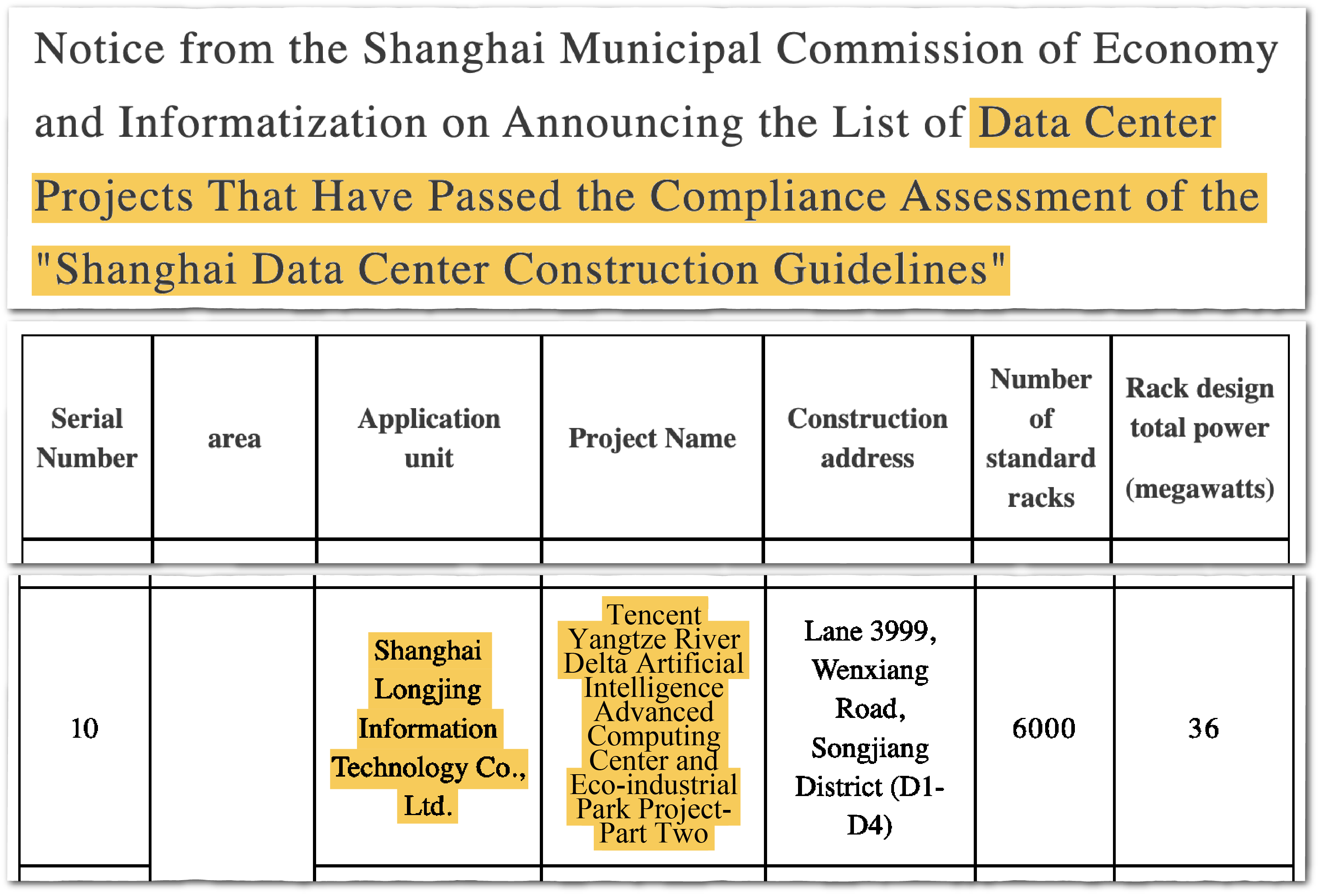
In 2023, the Shanghai municipal government announced that Shanghai Longjing would build a data center with 6,000 AI server racks at a larger complex where Tencent is a major tenant.
Tencent rents rack space from Shanghai Longjing that it fills with its own chips, according to people close to Tencent. When it is finished, the complex will provide 10 times as much computing power as the world’s largest supercomputer, according to Shanghai’s Songjiang district government.
A Tencent spokesperson said the company has never had a stake in, or operated, the complex.
It is not clear if Ms Huang held an operational role at Shanghai Longjing. She could not be reached for comment and the firm did not respond to a request for comment.
Huatong and 7Road did not respond to requests for comment.
A WHITE GLOVE?
Ms Huang’s involvement in several financing deals raises questions of whether she was a corporate fixer. Desmond Shum, whose ex-wife Duan Weihong held billions of dollars in shares of insurance company Ping An on behalf of the family of former Chinese premier Wen Jiabao, said Huang appeared to be a “white glove” — an investor whose name appears on documents on behalf of others.
In 2025, the China Securities Regulatory Commission fined Kang Wei, the founder of Shanghai Hexi, $375,000 for failing to make proper disclosures after he used complex investment vehicles to acquire an electronics company.
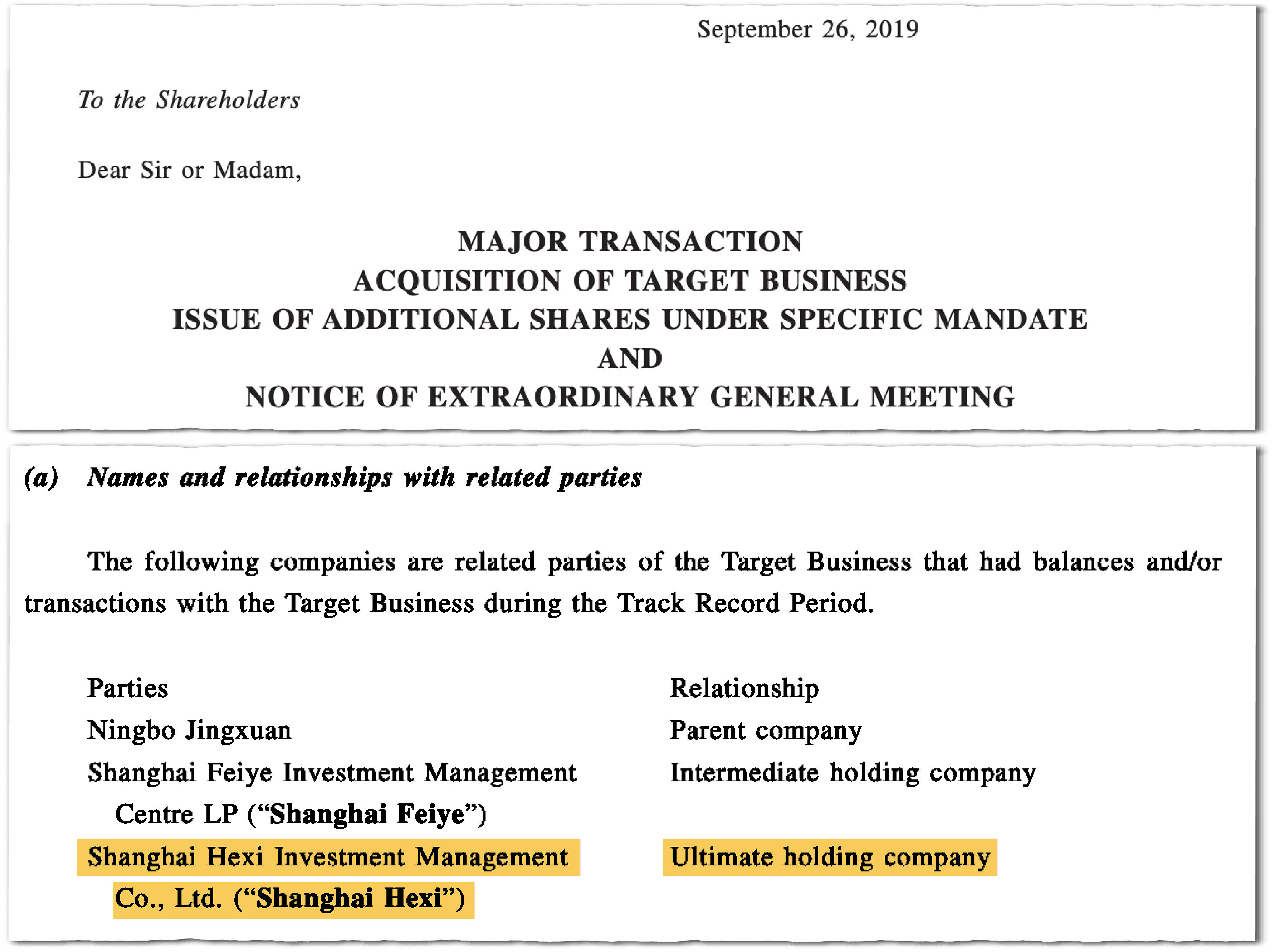
Osmanthus, Ms Huang’s video-game investment vehicle, had been incorporated in the British Virgin Islands less than two months before 7Road bought it, according to securities filings. Shanghai Hexi was the firm’s “ultimate holding company.”
Osmanthus’ biggest operating subsidiary was Hangzhou Shengfeng. According to a corporate filing, a Hexi-backed fund purchased Hangzhou Shengfeng from Century Huatong in 2017 for 500 million yuan (around $75 million). In 2019 the fund transferred Hangzhou Shengfeng to newly formed offshore entities, which were consolidated under Osmanthus, securities filings show.

That acquisition could explain the exponential jump in Osmanthus’ revenues, from $36,000 in 2016 to $36 million in 2018.
It is not clear how Ms Huang came to own 100 percent of Osmanthus.
“A woman whose documented career centered on corporate restructuring, leveraged acquisitions, and offshore holding companies suddenly emerged as the public face of [Megaspeed,] a multibillion-dollar AI infrastructure business,” Shum wrote on Substack.
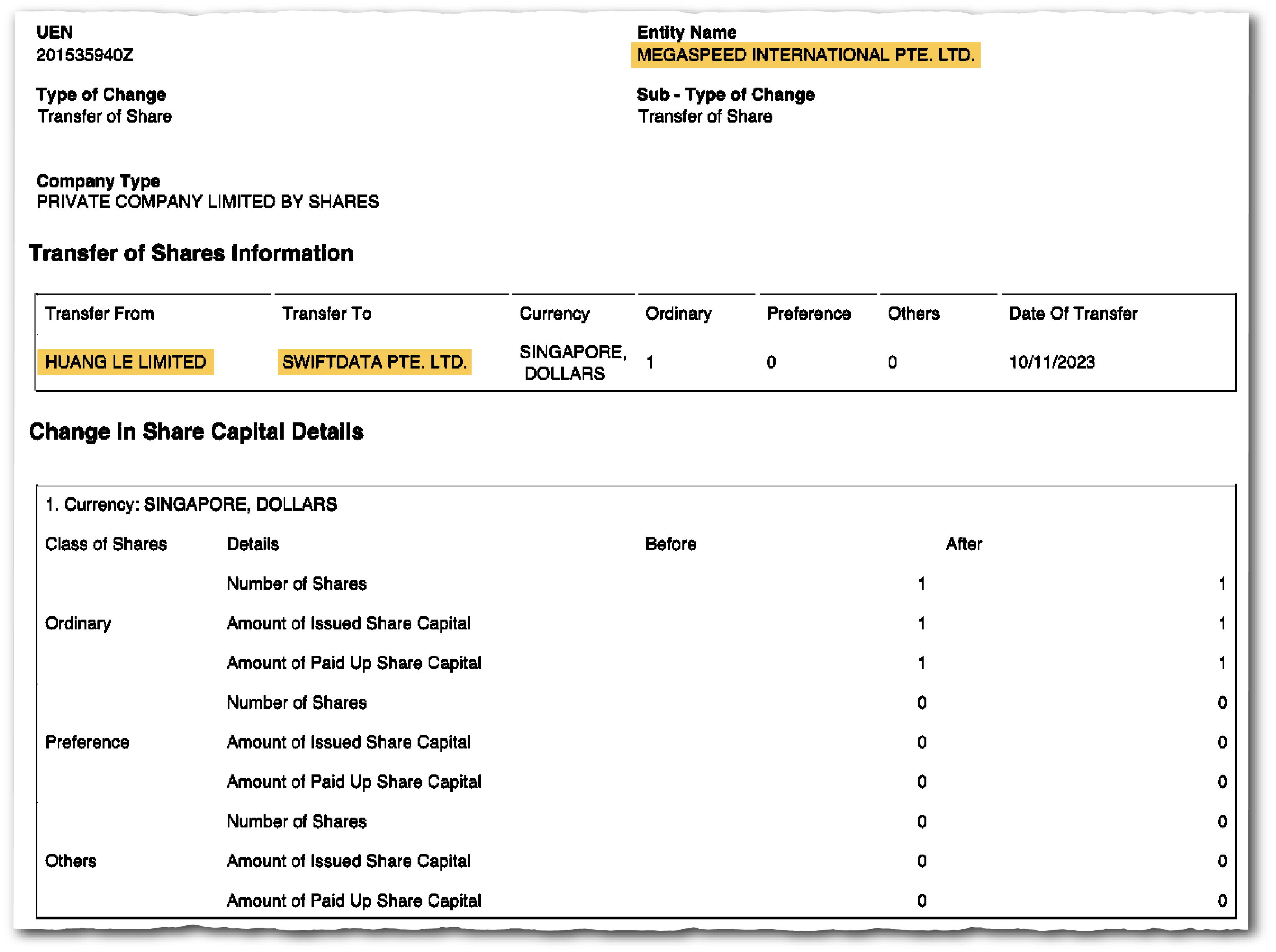
Alice Huang served as Megaspeed’s managing director from March to November of 2023, according to corporate records. That November Megaspeed’s shares were transferred to another company, Swiftdata Pte, which had been incorporated just weeks earlier. By the end of 2024, Megaspeed’s assets had jumped to $3 billion, from just $33 million the year prior. The sole current director of Swiftdata is Tan Yong Pong, a Singaporean citizen, corporate records show.
Megaspeed said on Monday that there is “no evidence of any violations concerning the illicit transfer of chips or any illegal activities.” The company did not respond to a request for comment.
A spokesperson for the Commerce Department’s Bureau of Industry and Security, which enforces export controls, declined to comment when asked if it is considering taking any measures targeting Megaspeed.
Nvidia has long lobbied for weakening the export controls that prevent it from selling AI chips to China. President Trump loosened controls on Nvidia’s H200 chip last year.
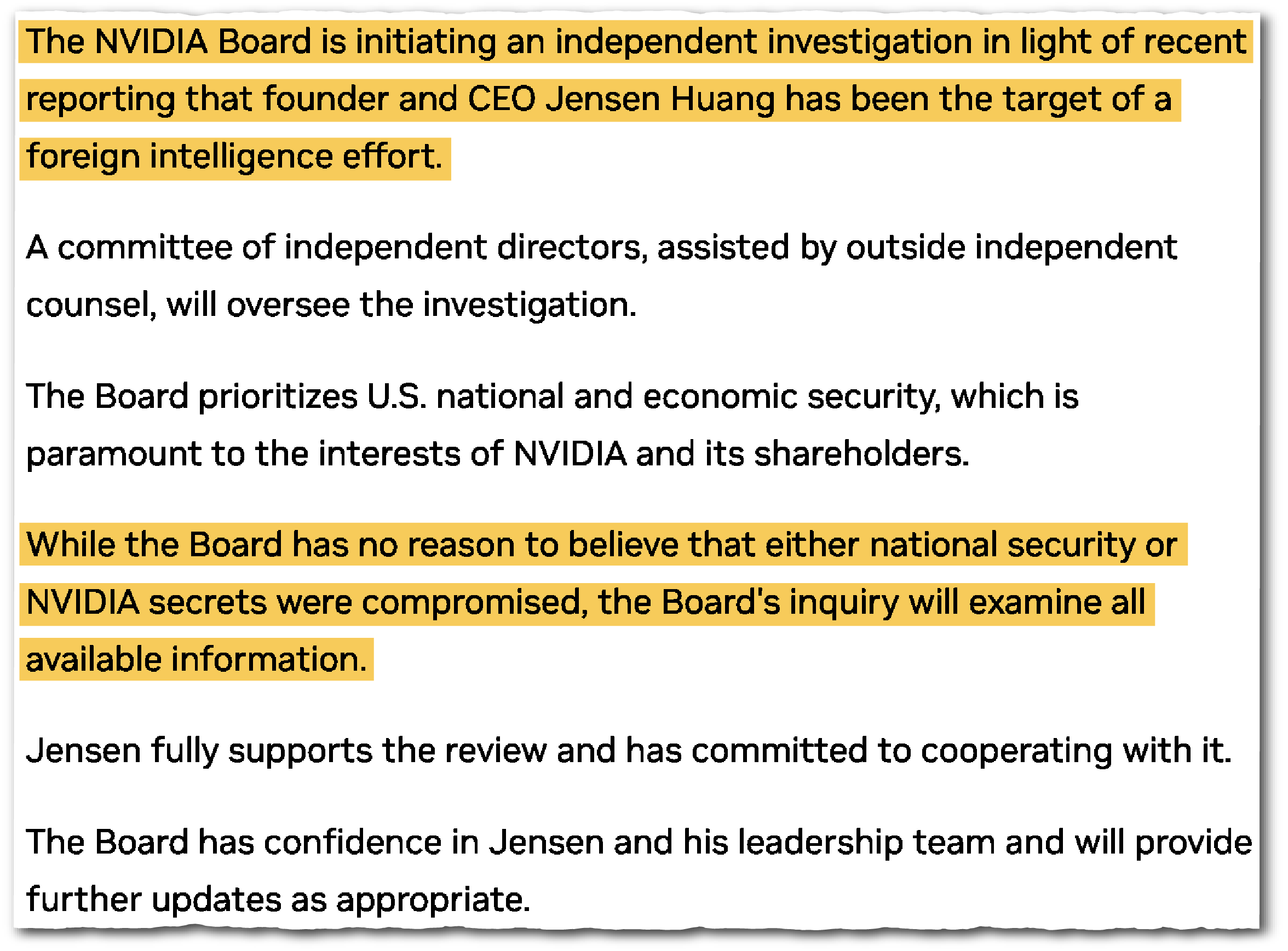
Nvidia initially said Jensen Huang’s relationship with Ms Huang was “not unusual.” On Sunday, Nvidia’s board announced that it will open an inquiry into whether Jensen Huang was the target of a “foreign intelligence effort.” Its share price has dropped around 10 percent over the past five days.
The FBI is also looking into a matter related to Jensen Huang, Trump said at a press conference on Monday, without offering specifics.
Seducing foreign executives is a common tactic used by China’s Ministry of State Security, especially on their visits to China, says Randal Phillips, a former CIA Beijing station chief. He recalled frequently warning visiting CEOs that “when you flew over the Pacific, that didn’t make you any better looking.”
The revelations about Ms Huang’s relationship with Jensen Huang has led a bipartisan group of senators to call for congressional investigations into Nvidia as well as for tighter controls on sales of AI chips to China.
“The lion’s share of [MSS] resources were devoted to [compromising] private sector interests,” he adds.
Jensen Huang is committed to staying on as Nvidia’s chief executive, according to a company spokesperson. “America’s longstanding policy has always supported the buildout of American infrastructure worldwide, bringing prosperity, influence, and jobs home,” the spokesperson added.
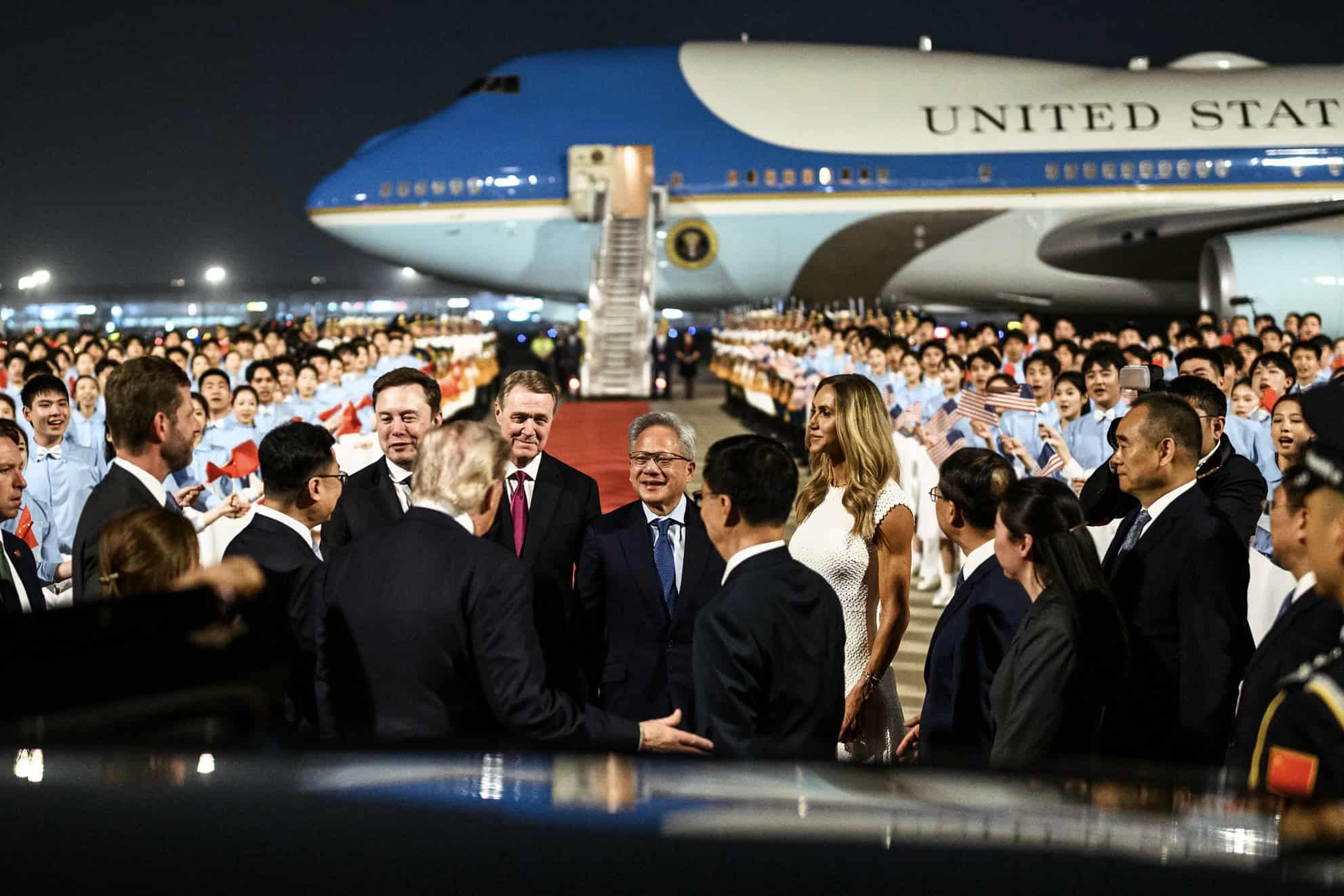
The revelations about Ms Huang’s relationship with Jensen Huang has led a bipartisan group of senators to call for congressional investigations into Nvidia as well as for tighter controls on sales of AI chips to China.
“I’m pushing to investigate Jensen Huang and Nvidia to determine whether our national security was compromised,” Democratic Senator Chris Coons, the incoming head of the Senate Foreign Relations Committee, wrote on X on Monday.
Last week the Republican chairmen of three congressional committees requested that Jensen Huang appear at a closed-door briefing on November 18. “It is vital that Congress determines the extent to which U.S. national security has been placed at risk,” they wrote.

Noah Berman is a staff writer for The Wire based in New York. He previously wrote about economics and technology at the Council on Foreign Relations. His work has appeared in the Boston Globe and PBS News. He graduated from Georgetown University.