Good evening. When a Chinese spy balloon drifted over the continental U.S. in February 2023, it was ironic and appropriate that it was first spotted over Montana. Ironic because Chinese officials have long been grateful for the instrumental role that two Montana senators, Mike Mansfield and Max Baucus, played in normalising Sino-U.S. diplomatic and trade relations. And appropriate because, over recent years, the state has embraced an increasingly paranoid view of China even though it also covets the country as a market for its beef and other agrarian exports. Montana’s legislature banned TikTok (only for the new law to be quickly thrown out after a court challenge) and state politicians proudly trumpet their admiration for and close relationship with Taiwan. In this week’s cover story, Brent Crane reports from Montana on the state’s love-hate relationship with the People’s Republic of China.
Other items in this week’s issue: China’s Big Tech companies go big on the business of weightloss; The Big Picture profiles the people leading China’s space industry; Nicholas Eftimiades on better ways to counter Chinese espionage; and the new global climate paradox.
Gone but not for long: The Wire China’s weekly podcast was asleep on the beach last week, enjoying the last few days of summer. It will resume later this week. You can catch up on earlier episodes that you might have missed here.
Want this emailed directly to your inbox? Sign up to receive our free newsletter.
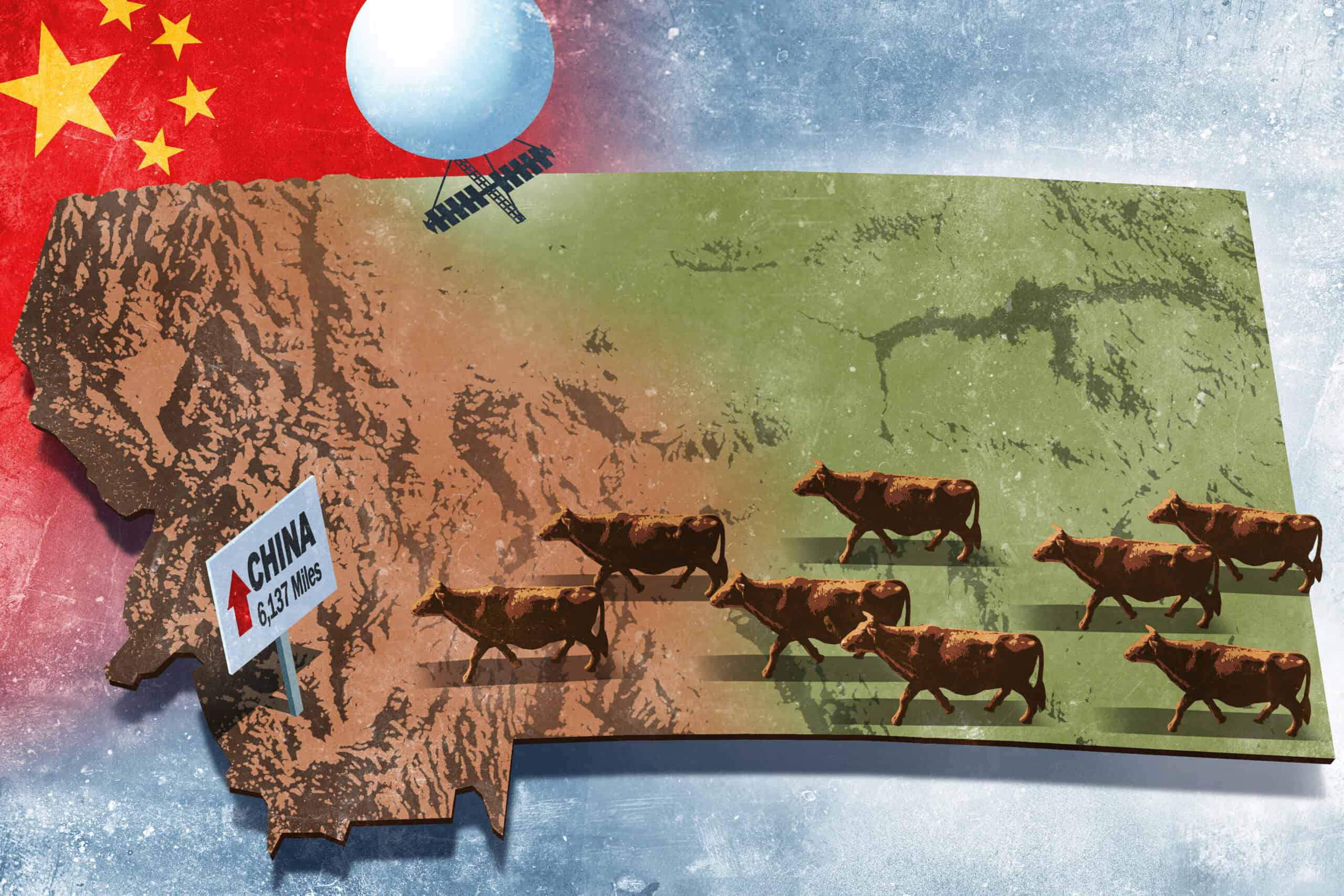
Red China and Red-State Montana: “It’s Complicated.”
FDR had a China problem. During World War Two, America’s greatest post-Lincoln president was allied to Chiang Kai-shek’s anti-communist Kuomintang regime, which had retreated to Chongqing. But his most senior general in the China-Burma-India theater, “Vinegar Joe” Stilwell, believed the KMT Generalissimo was a cowardly incompetent who didn’t want to take the fight to the Japanese. Chiang indeed preferred to save his ammo for the coming civil war with Mao Zedong’s Chinese Communist Party. As Stilwell famously put it: “The trouble in China is simple. We are allied to an ignorant, illiterate, superstitious, peasant [S.O.B.]” In November 1944, with the war in its final stages, FDR dispatched a young Democratic congressman from Montana, Mike Mansfield, to assess the mess in Chongqing and help formulate America’s post-war China policy. It was the beginning of a long and complex relationship between the Treasure State and Communist China.

Slimmer Waistlines, Fatter Profits
Oh the dilemmas of growing richer. There is the middle-income trap. And then there is the midriff trap. As Peiyue Wu writes, a richer China needs to beware its richer diet and lose some weight. The National Health Commission, worried that 70 percent of Chinese adults could be overweight or obese by 2030, designated 2024–2026 as “National Weight Loss Years”. China’s big tech companies, led by Ant Group and JD.com, have launched weightloss apps to help reach — and profit from — the NHC’s drive. Ant’s goal for its app users is a cumulative weight loss of 50 million kilograms (22.7 million pounds).
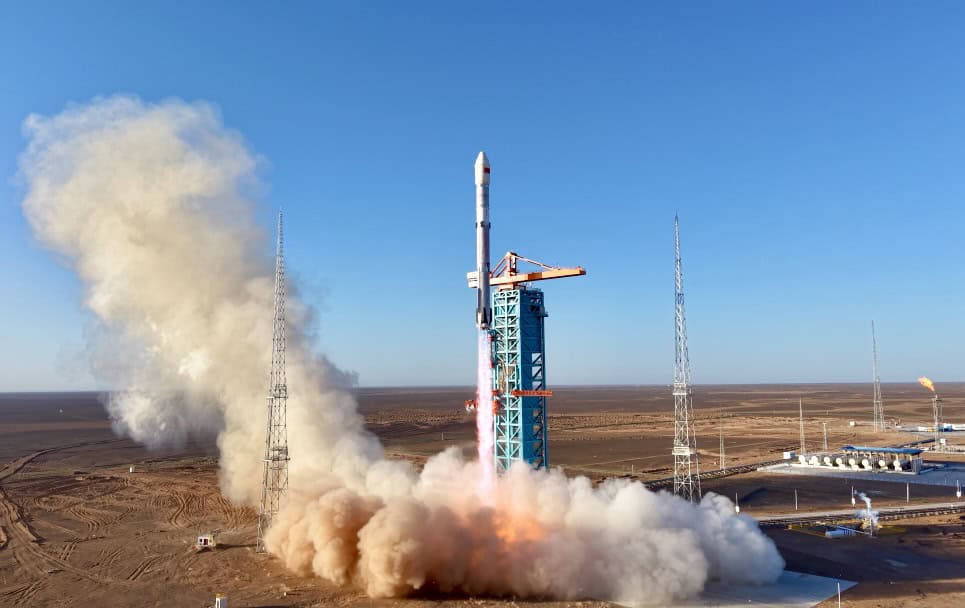
Thirty-two Men and Women with The Right Stuff
Savannah Billman profiles the leading figures in China’s space industry in a special Who’s Who edition of The Big Picture.
A Q&A with Nicholas Eftimiades

Nicholas Eftimiades is a retired U.S. intelligence officer, Sinologist and author of a recently updated book on Chinese espionage. In this week’s Q&A, he tells Brent Crane why he thinks China is better at spying on America than America is on China, his lessons learned from interviewing Chinese state security officers and why a Bolivian ambassador recruited by Cuban intelligence is his “ideal spy”.
“You have to take this as a strategic issue and do things that make China say, ‘We better not do that,’” he argues. “Put an aircraft carrier through the Taiwan Strait [and tell Beijing]: Maybe we will do a port call in Taiwan. You keep stealing, we keep upping the ante. Stop it.”
Nicholas Eftimiades
Illustration by Lauren Crow
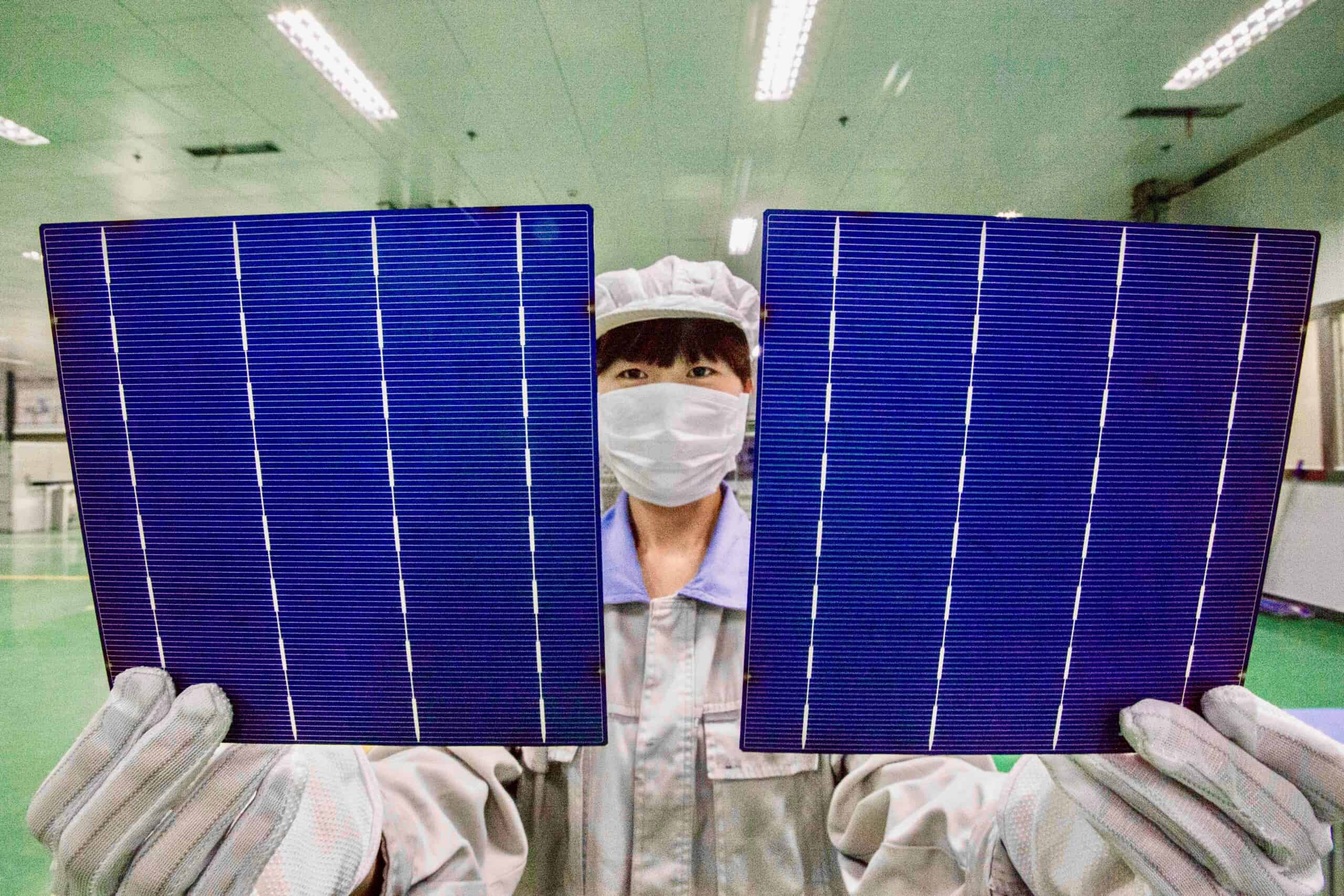
The New Climate Paradox
China has proven that green energy is technically and economically feasible. But global acceptance of this new reality will only increase other countries’ dependence on China-based industries. James Jackson and Mathias Larsen argue that the U.S. and Europe should embrace China’s advances in this sector regardless.
Subscribe today for unlimited access, starting at only $25 a month.