The emergence of unparalleled amounts of green technology is causing widespread regression on policies designed to combat climate change.
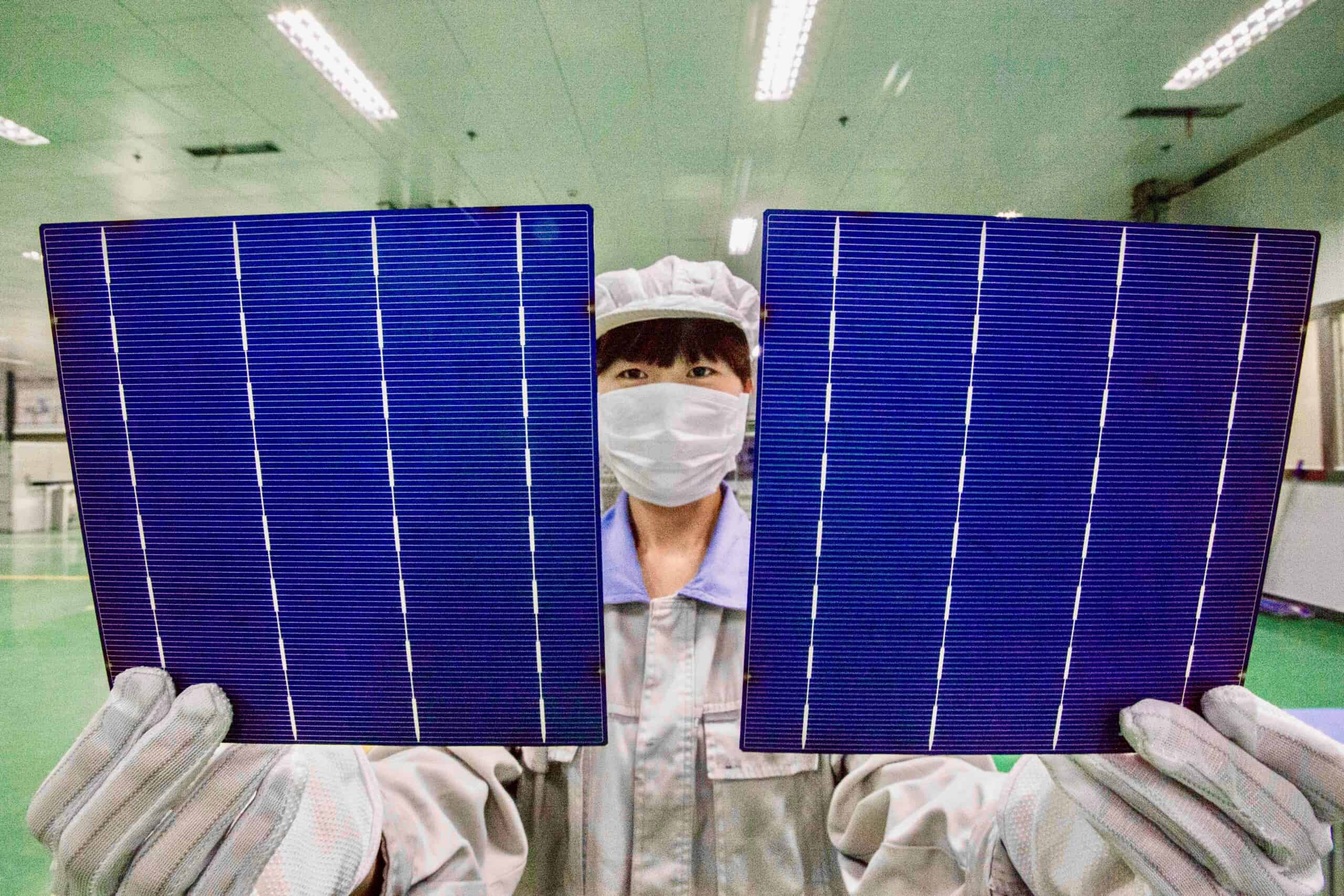
A worker shows photovoltaic cells to be used to make solar panels at the plant of Shanghai Shenzhou New Energy Development Co., Ltd. in Lianyungang, Jiangsu, China. Credit: IC Photo via Depositphotos
For decades, many have assumed that the green transition would unfold once two conditions were met: First, that low-carbon alternatives would demonstrate their technical viability compared with incumbent carbon-intensive technologies. And second, that these technologies would need to reach ‘price parity’ with established alternatives.
As of 2026, both of these conditions have been met. In fact, there has never been a greater amount of green energy technology available globally
Exclusive longform investigative journalism, Q&As, news and analysis, and data on Chinese business elites and corporations. We publish China scoops you won't find anywhere else.
A weekly curated reading list on China from Andrew Peaple.
A daily roundup of China finance, business and economics headlines.
We offer discounts for groups, institutions and students. Go to our Subscriptions page for details.
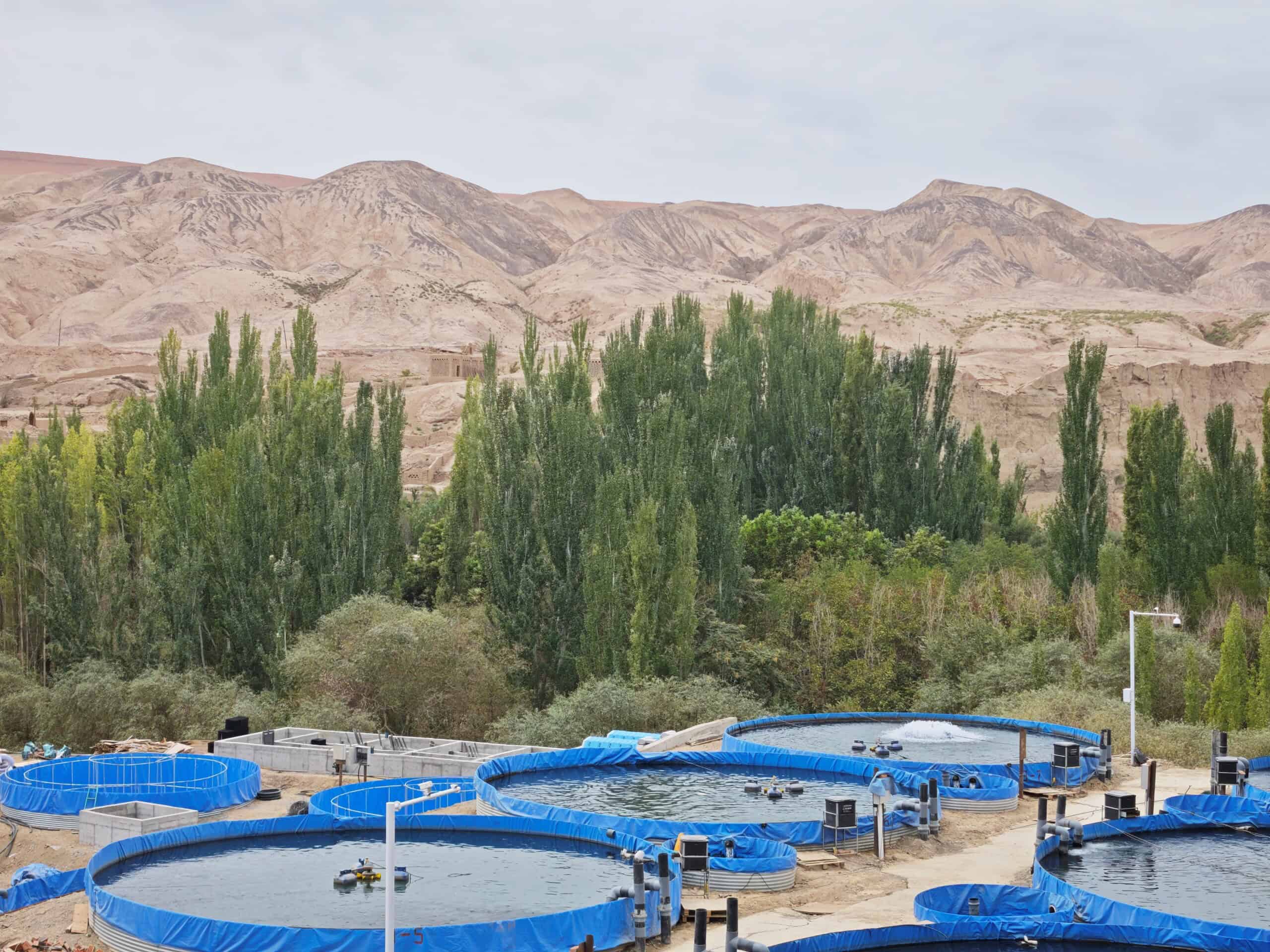
Fish farming in Xinjiang is being sold as proof that technology can overcome geography. The reality is more complicated: a desert seafood boom built on political control, imported feed and a food system that masks its real burdens.
Sanctions and export controls failed to contain the rise of Yangtze Memory Technologies Corp. Now the national champion is riding the AI boom to a record IPO.
We use cookies to ensure that we give you the best experience on our website. If you continue to use this site we will assume that you are happy with it.