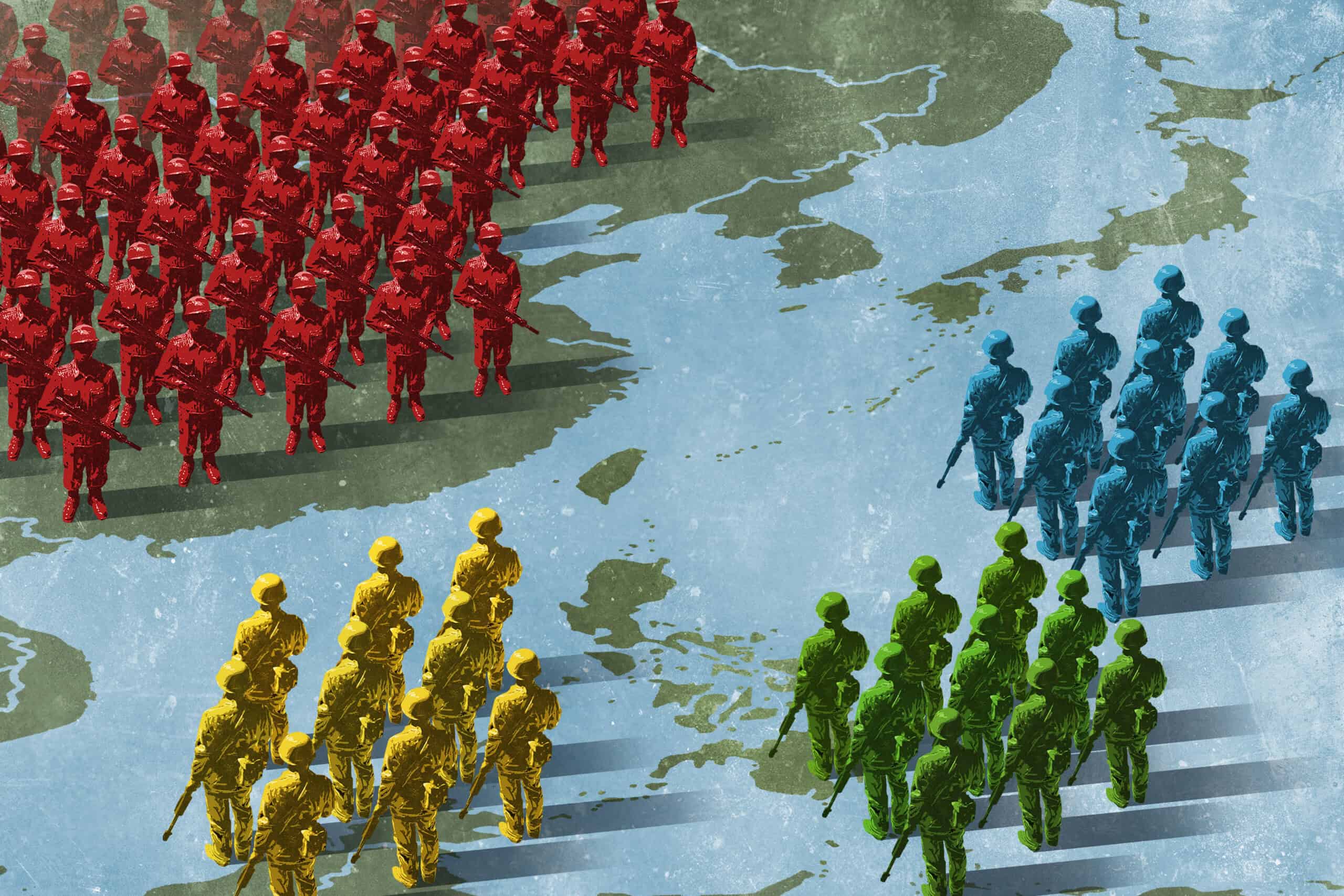
China’s fraught relationship with Japan and its many maritime disputes with the Philippines are uniting the two archipelago nations against a common adversary. Tokyo and Manila also fear the geopolitical consequences of a successful Chinese attack on Taiwan, which would shatter the “first island chain”.
Illustration by Sam Ward
On May 6 Japanese troops sank a foreign naval vessel in Philippine waters for the first time since World War Two. The vessel was the BRP Quezon, a minesweeper commissioned by the U.S. Navy in 1944 and acquired by the Philippines in 1967. Positioned 75 kilometers off the northern Luzon coast, the ship went to the bottom after being hit by two new Japanese Type 88 anti-ship missiles. It was a demonstration of growing defense ties between Japan and the Philippines — and a warning to China.
Exclusive longform investigative journalism, Q&As, news and analysis, and data on Chinese business elites and corporations. We publish China scoops you won't find anywhere else.
A weekly curated reading list on China from Andrew Peaple.
A daily roundup of China finance, business and economics headlines.
We offer discounts for groups, institutions and students. Go to our Subscriptions page for details.
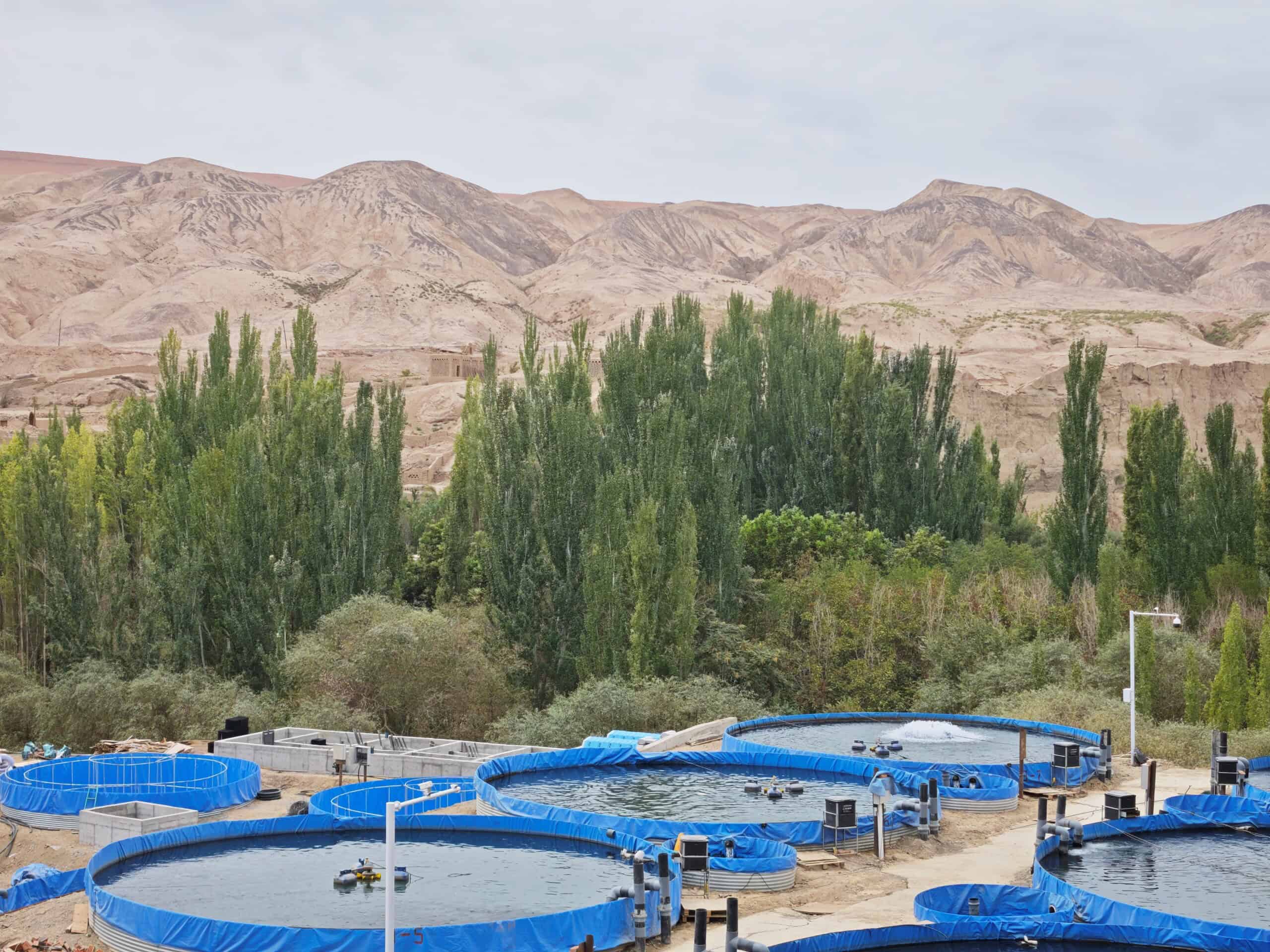
Fish farming in Xinjiang is being sold as proof that technology can overcome geography. The reality is more complicated: a desert seafood boom built on political control, imported feed and a food system that masks its real burdens.
The foreign correspondent describes meeting with the Uyghurs from Xinjiang who played a key role in the Syrian civil war, but who now find themselves potentially stateless.
Corporate Risk Intelligence for National Security, Compliance & Due Diligence
We use cookies to ensure that we give you the best experience on our website. If you continue to use this site we will assume that you are happy with it.