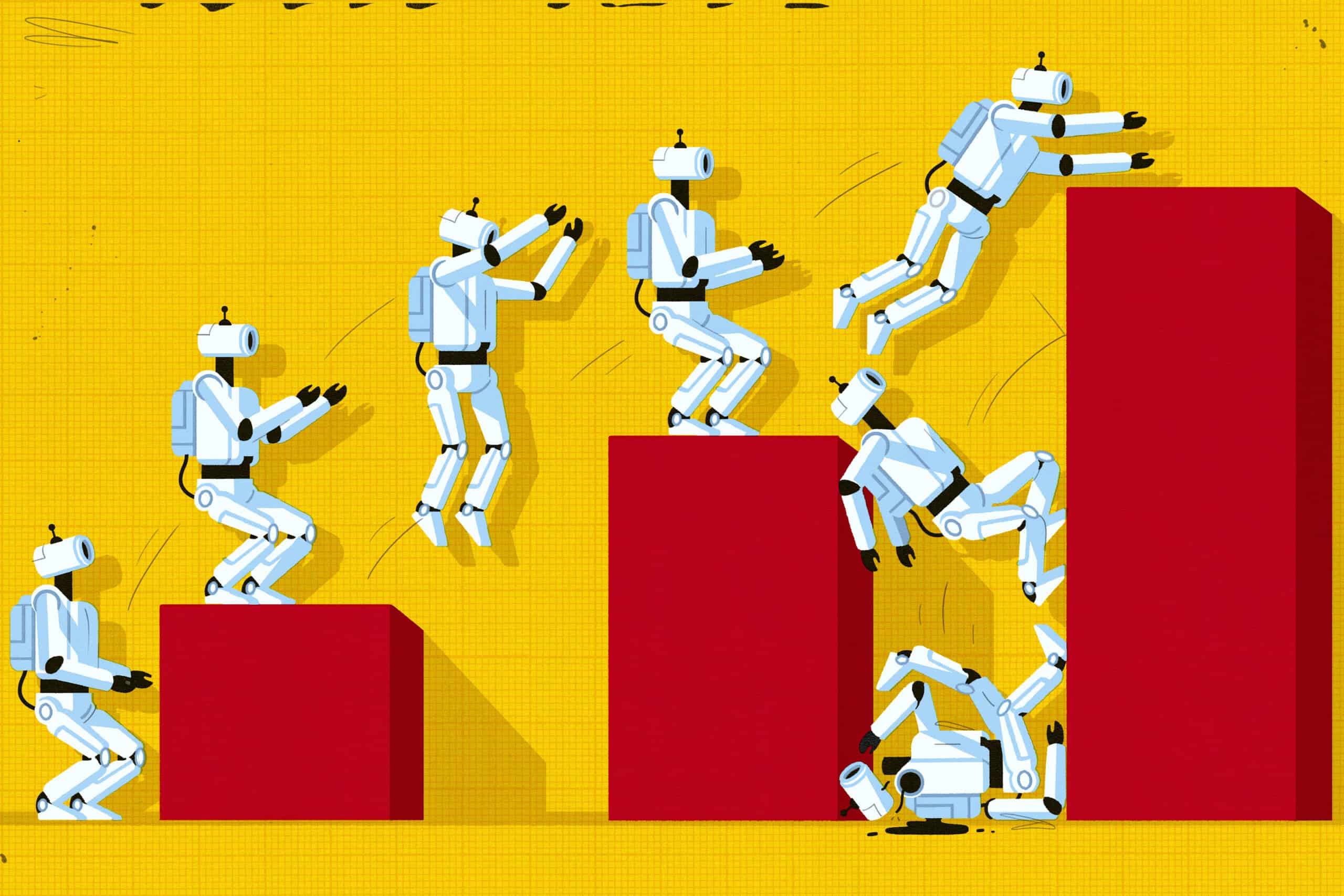
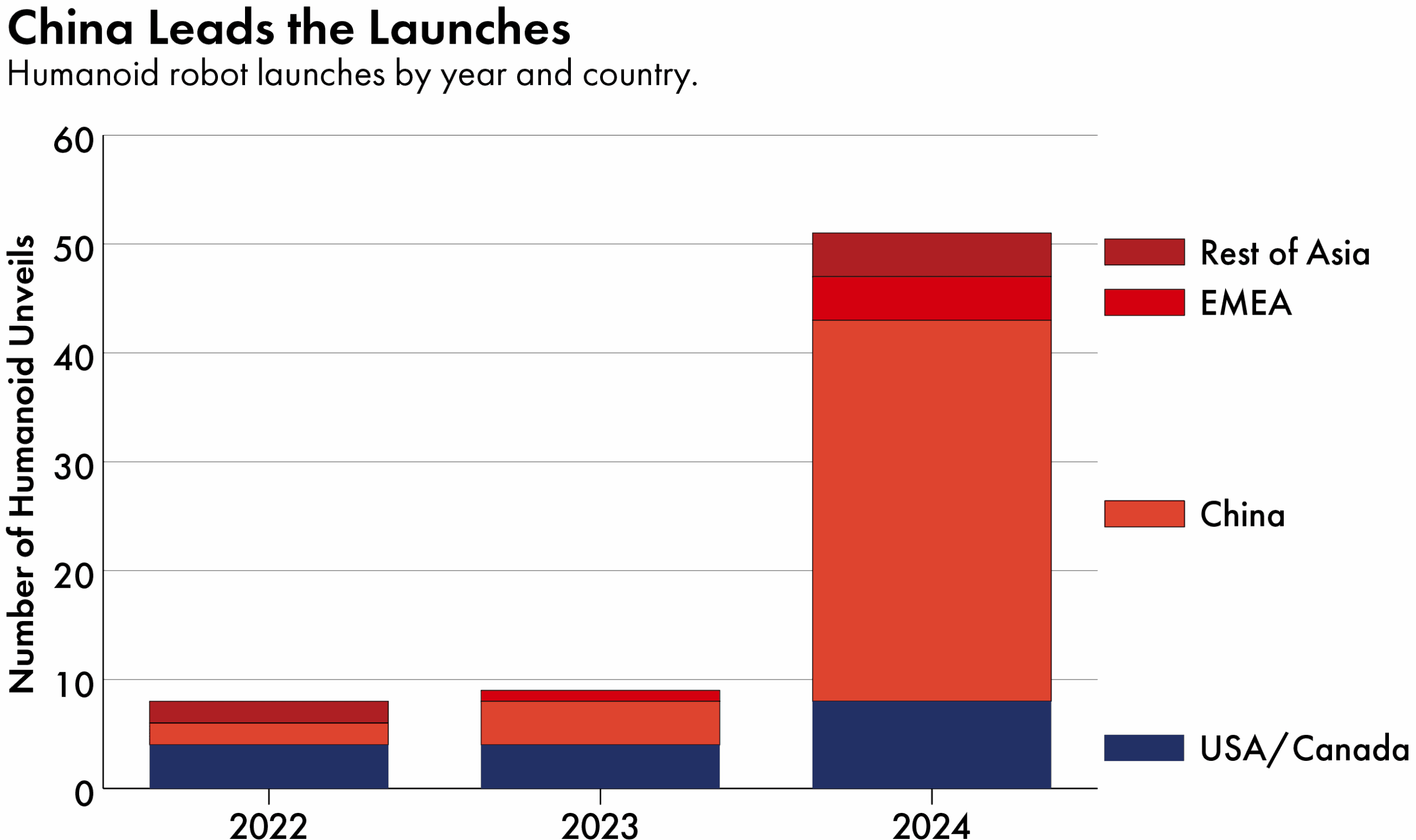
Some 500 machines from 16 countries starred in the first World Humanoid Robot Games held in August in Beijing, where they cleaned rooms, folded laundry, played soccer and kickboxed. The Games were meant to showcase the strides China has made in robotics, by taking the machines out of their labs. But the event was equally revealing of their limitations.
A humanoid robot runs into an operator at the 2025 World Humanoid Robot Games. Video via Newsflare
On the running track and football field robot heads rolled, arms popped out of their sockets and machines stumbled over one another. In one trending clip, a humanoid robot knocked over a human operator on the athletic track. In another viral moment, a boxing robot threw punches at a human referee in the ring.
The blooper moments were emblematic of the yawning gap between China’s humanoid ambitions and reality.
The ambitions are vast as fascination with humanoid robots reaches fever pitch in China, buoyed by hopes that “physical AI” — which enables machines to perform complex tasks autonomously — is fast approaching. The Chinese government is pumping funds into research and companies, sponsoring training centers, and actively encouraging adoption at state-owned enterprises.
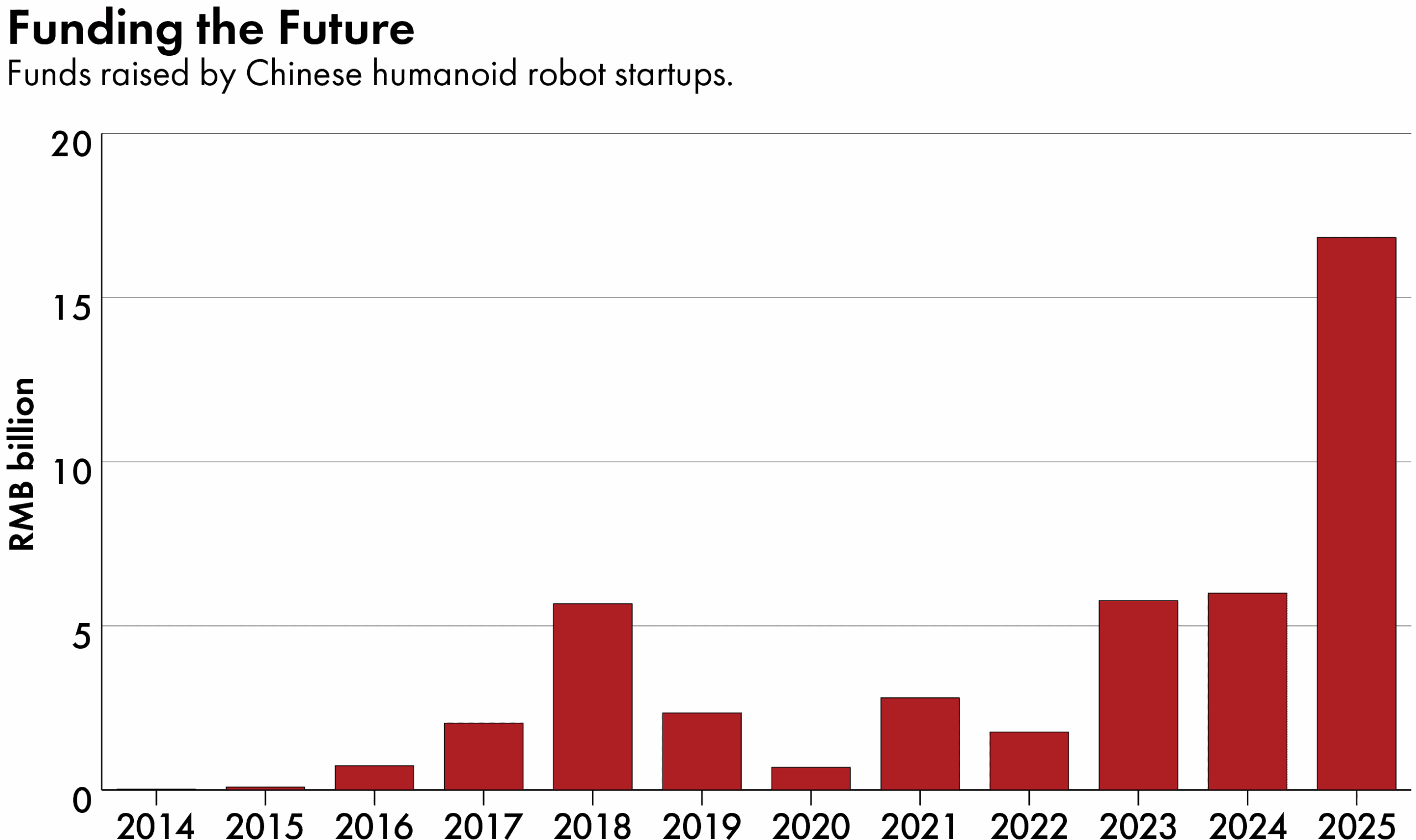
Investment in the industry has increased exponentially. Chinese humanoid robot companies raised nearly 17 billion yuan ($2.4 billion) in the first nine months of this year alone, according to ITJuzi, a market research firm, making it one of the hottest sectors in China. Many leading tech giants — from e-commerce companies such as Meituan and JD.com to home appliance makers including Midea and Haier — have also jumped on the bandwagon.
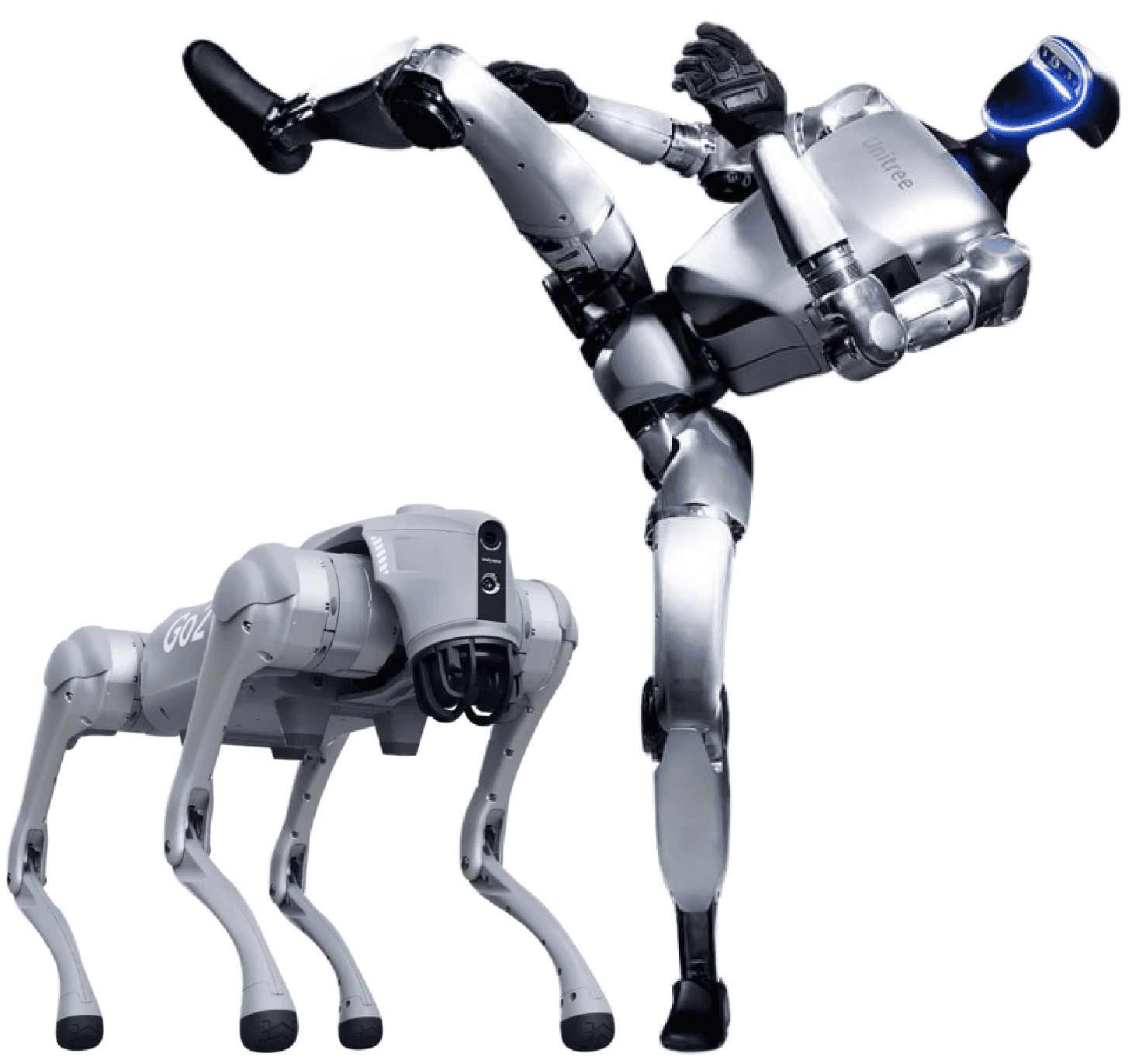
The drive has also produced superstars like Unitree, a Hangzhou-based startup that is planning a Shanghai IPO with a valuation of up to 50 billion yuan ($7 billion), Reuters reported. (Unitree denied the report.)
But for all the enthusiasm, most robots in the public eye still perform in accordance with pre-programmed codes, says Fu Mengzhen, head of humanoid robots at MIR Databank, a research firm. “Creating robots that can truly process complex information and perform actions based solely on voice commands is still quite difficult.”
As a result, the advent of humanoid robots that can replace humans for various tasks remains a long way off. From physical hardware to data and training methods, the industry has yet to reach a consensus on the best technological approaches, not to mention possible paths to commercialization.
Selling hundreds of units or lowering the costs all sounds really good. But what can a humanoid robot actually do? That is something we all have to think about.
Eric Wang at Deep Robotics, a Hangzhou-based company that produces humanoids, robodogs and components

Some investors are warning against irrational exuberance.
“A lot of my investor friends have stayed away from investing in this space because they’re shocked at the steep valuation climbs of these companies,” says Rui Ma, an investor and founder of Tech Buzz China, a research firm.
“Selling hundreds of units or lowering the costs all sounds really good,” says Eric Wang at Deep Robotics, a Hangzhou-based company that produces humanoids, robodogs and components. “But what can a humanoid robot actually do? That is something we all have to think about and isn’t that easy.”
It is an urgent question for the industry. Aaron Prather, director of Robotics and Autonomous Systems Program at ASTM International, a nonprofit that develops standards for different products and systems, says he is impressed by what the Chinese government has “pulled off” in terms of support for the robotics industry. “But,” he adds, “my growing concern is that they’re almost creating a bubble that’s about to pop because they’re pushing it so fast and so hard.”

Others question the fundamental need for robots that mirror the human form. “Most of the smart robots in the world, they don’t need to look like human beings,” said Joe Tsai, chairman of Alibaba Group, at a conference in May.
Allen Zhu, a prominent venture capitalist at GSR Ventures, has pulled out of several startups focused on “embodied AI” — the integration of AI into physical, real-world systems. “We favor commercialization that is sustainable and creates value for customers. I don’t see much of that [in the industry] today,” he told China Venture in March.
“A COMPLETE UNKNOWN”
Two years ago Hao Cheng felt that the time had come for him to return to his first love, automation. The Tsinghua graduate quit his job at Bytedance, the parent company of TikTok, and founded Booster Robotics. The Beijing-based startup is among a wave of Chinese humanoid robotic companies that have emerged in China in recent years.

Like many of its peers, Booster Robotics cited the arrival of OpenAI’s ChatGPT as the catalyst. “Until 2022, how smart robots can be depended on how much code you put in,” says Chaoyi Li, Booster Robotics’ head of globalization. But ChatGPT opened the possibility of AI-powered robots that could reason, learn and develop new capabilities. “There was actually a new path for robots to become autonomous, instead of just being preprogrammed.”
The company’s vision is to bring humanoid robots into daily lives. “We want to make humanoids just as reliable, as successful and as affordable as laptops are today,” Li says.
To that end, the company focuses on the hardware. Last summer, it launched Booster T1, an open source robot that sells for $30,000. By March this year, the company had shipped over 100 units to developers and researchers at universities around the world.
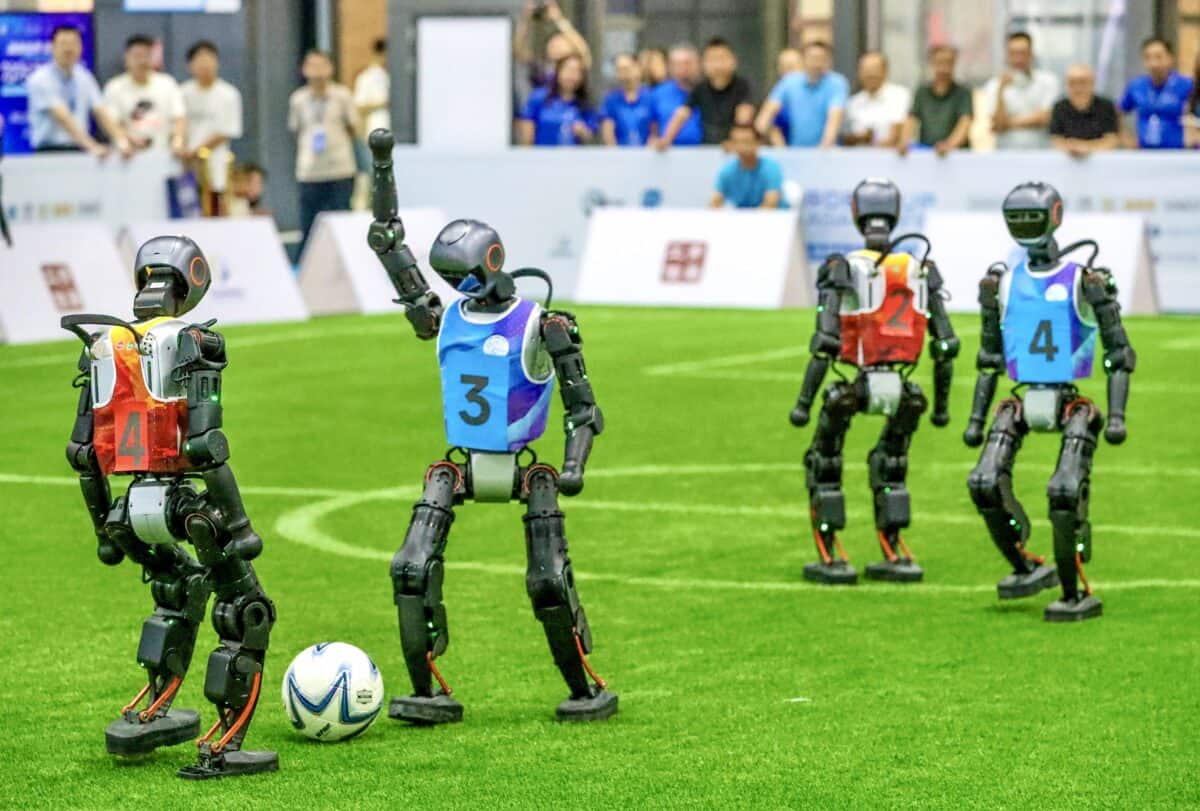
Booster T1 greeted Jensen Huang and other guests at Nvidia’s spring festival reception in Beijing in January; won the gold medal for the Chinese team at the latest RoboCup, a global humanoid soccer tournament; and took on other machines in robot fight clubs in San Francisco. “Similar to how smartphones work, we build a basic platform so that a lot of people can make different applications,” Li says.
Booster Robotics’ humanoid robot being shock tested.
In doing so, Booster Robotics is leaving to its users the question of what humanoid robots can do.
Humanoid robot enthusiasts envision a future in which the machines replace humans in a range of environments — on factory assembly lines, behind the counter at a cafe, or in an ordinary household’s kitchen.
Some proponents, such as Elon Musk, anticipate that legions of humanoid robots will work around the clock and liberate humans from manual tasks, vastly increasing output and productivity. Others see them as an answer to short-term labour shortages as well as long-term demographic crises. China has faced the former frequently over the past decade, and seems condemned to the latter: Its 1.4 billion population could fall by more than half by the end of the century, according to United Nations’ forecasts. Governments are also keenly aware of the military implications — robodogs trotted alongside ballistic missiles at China’s Victory Day parade last month.
The humanoid bet potentially risks pulling companies with really amazing engineering talent into a specific, narrow approach that might not be the one with the greatest potential.
Kyle Chan, a postdoctoral researcher at Princeton University
Morgan Stanley estimates that the global humanoid market could exceed $5 trillion by 2050; Goldman Sachs forecasts, in a bull case scenario, deployment of a million units by 2031.
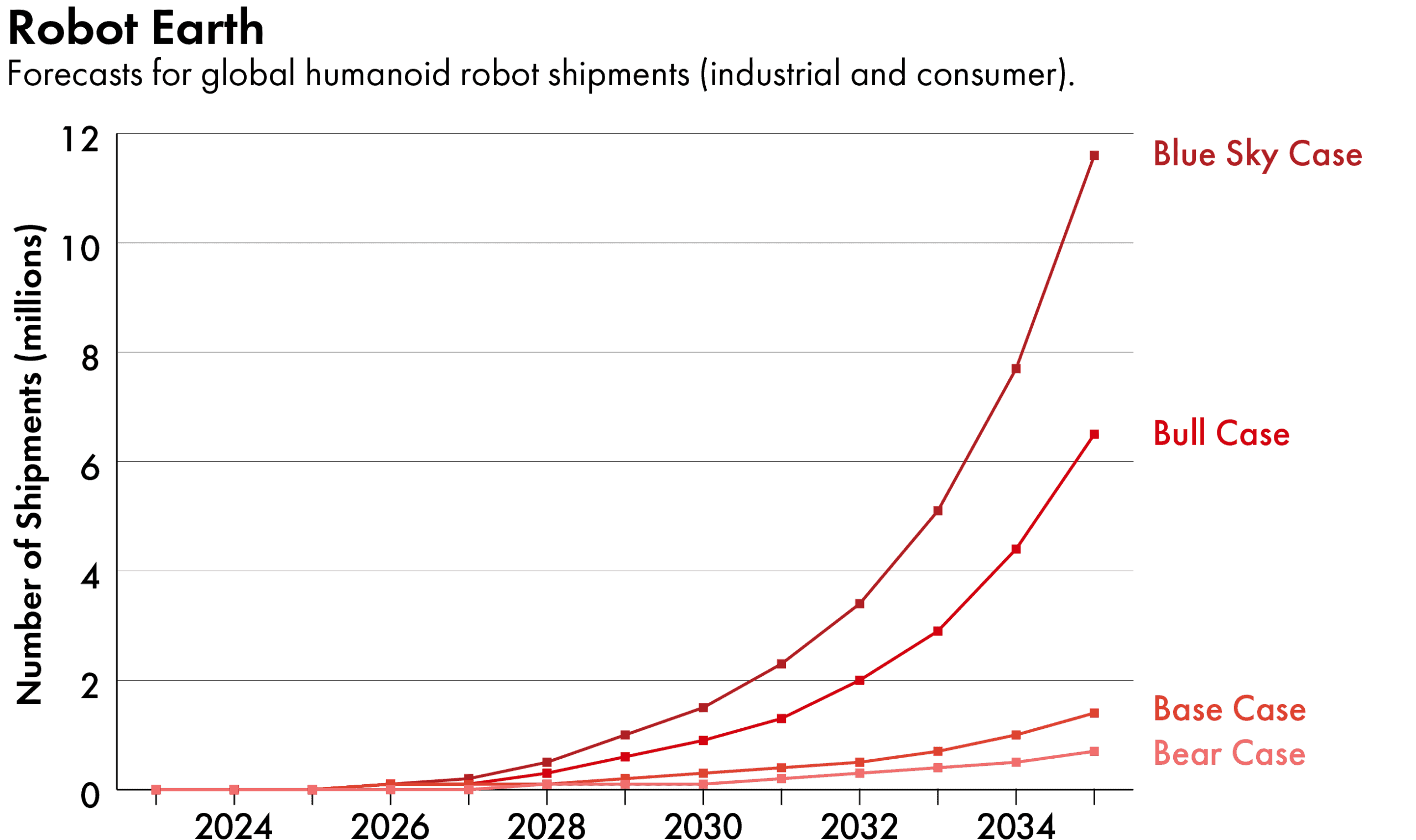
However, Musk’s plan to deploy humanoid robots, called Optimus, on Tesla factory floors has been delayed repeatedly, most recently by China’s chokehold on rare earth magnets. FigureAI, a California-based startup, came under fire earlier this year for allegedly exaggerating the work its robots did in BMW’s car manufacturing plants.
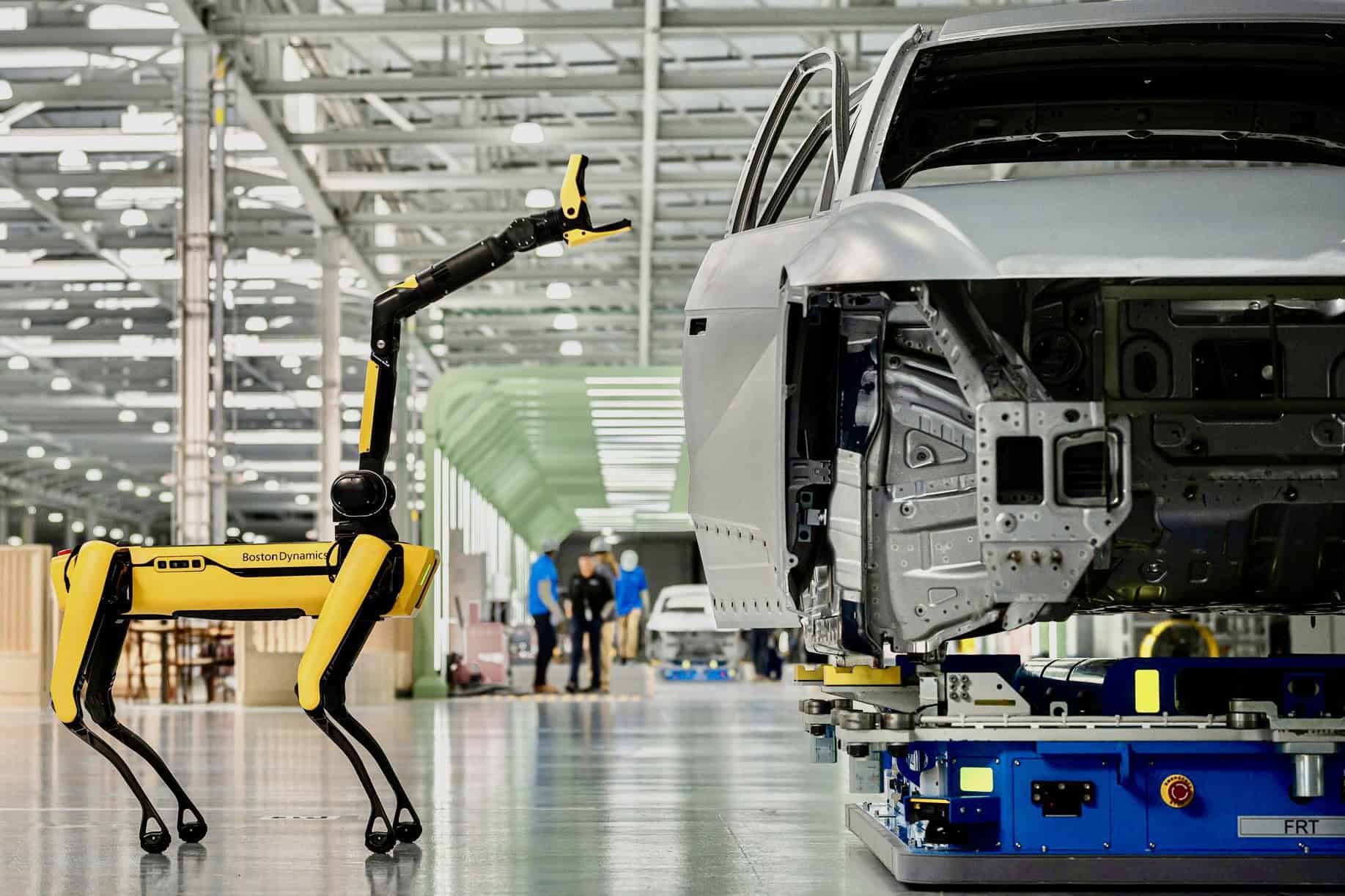
Boston Dynamics, which first dazzled the world with its somersaulting humanoids nearly a decade ago, is still experimenting with real world applications. Korean carmaker Hyundai, which acquired a controlling interest in Boston Dynamics four years ago, plans to test the firm’s robots in its auto factories this month. Boston Dynamics has referred to the Hyundai factory trial as its “first proof of concept”.
What sets China apart in humanoid robotics, as in so many other industrial sectors, is the weighty state support it enjoys. Facing an aging workforce and shrinking population, the country has embraced automation, installing more industrial robots in recent years than the rest of the world combined. There are now over 2 million robots working across factory floors in China, according to a new report by the International Federation of Robotics.

In 2023 the Ministry of Industry and Information Technology published an industry blueprint, the goals of which included mass production of humanoid robots by 2025 and the sector’s emergence of a growth engine by 2027. In March, the National Development and Reform Commission announced a state-backed fund for cutting-edge technologies, including robotics and AI, that is expected to raise as much as 1 trillion yuan.

Local and provincial governments are now competing for companies and talents. Hubei launched a 10 billion yuan fund dedicated to humanoid robots that aims to help researchers and companies turn prototypes into “market hits.” Shenzhen, which is home to at least 18 humanoid robot companies, is issuing companies vouchers worth up to 10 million yuan to purchase computing power.
“China is trying to replicate the same playbook it used for electric vehicles,” says Georg Stieler, a managing director at Stieler Technology & Market Advisory. The playbook’s essential elements include bankrolling research and development, leveraging manufacturing strengths to drive costs down, and capturing market share through rapid development of new products.

But there is a catch. Humanoid robotics is vastly different from other industries where Chinese industrial policy has succeeded, such as EVs, solar panels and wind turbines. “In other areas, there were either existing technologies that were established or proven markets and products,” says Kyle Chan, a postdoctoral researcher at Princeton University. “But the humanoid industry and market is a complete unknown at this point.
“The humanoid bet potentially risks pulling companies with really amazing engineering talent into a specific, narrow approach that might not be the one with the greatest potential.”
CHINA’S EDGE
When Gordon Cheng first started building humanoid robots in Japan two decades ago, the process was very different. After placing an order, it typically took three to six months for a motor for a new robot design. “Now you just sit on your computer, click a button, and then it gets delivered within the day,” says Cheng, now a professor of Cognitive Systems at the Technical University of Munich in Germany. He credits China for making this possible.
China has the competitive advantage, because you can find all the sensors, actuators, modules, usually within one industrial cluster.
Denis Kalinin, a tech investor and writer of the newsletter DeepTech Asia
“All the things that we’ve been working on in research and development, China is taking it to the next level — the mass producible level,” Cheng says.
Humanoid robots use technologies and basic components similar to many already developed for the autonomous EV and electronics industries. The overlap has made it easy for Chinese suppliers to switch lanes.
Early last year Ningbo Tuopu, a leading parts supplier for international and domestic car brands, began producing actuators that control the limbs and joints of humanoid robots. Now it is developing dexterous hand motors and sensors, shock absorbers for feet and electronic “skin”, which helps robots assess temperature and pressure.
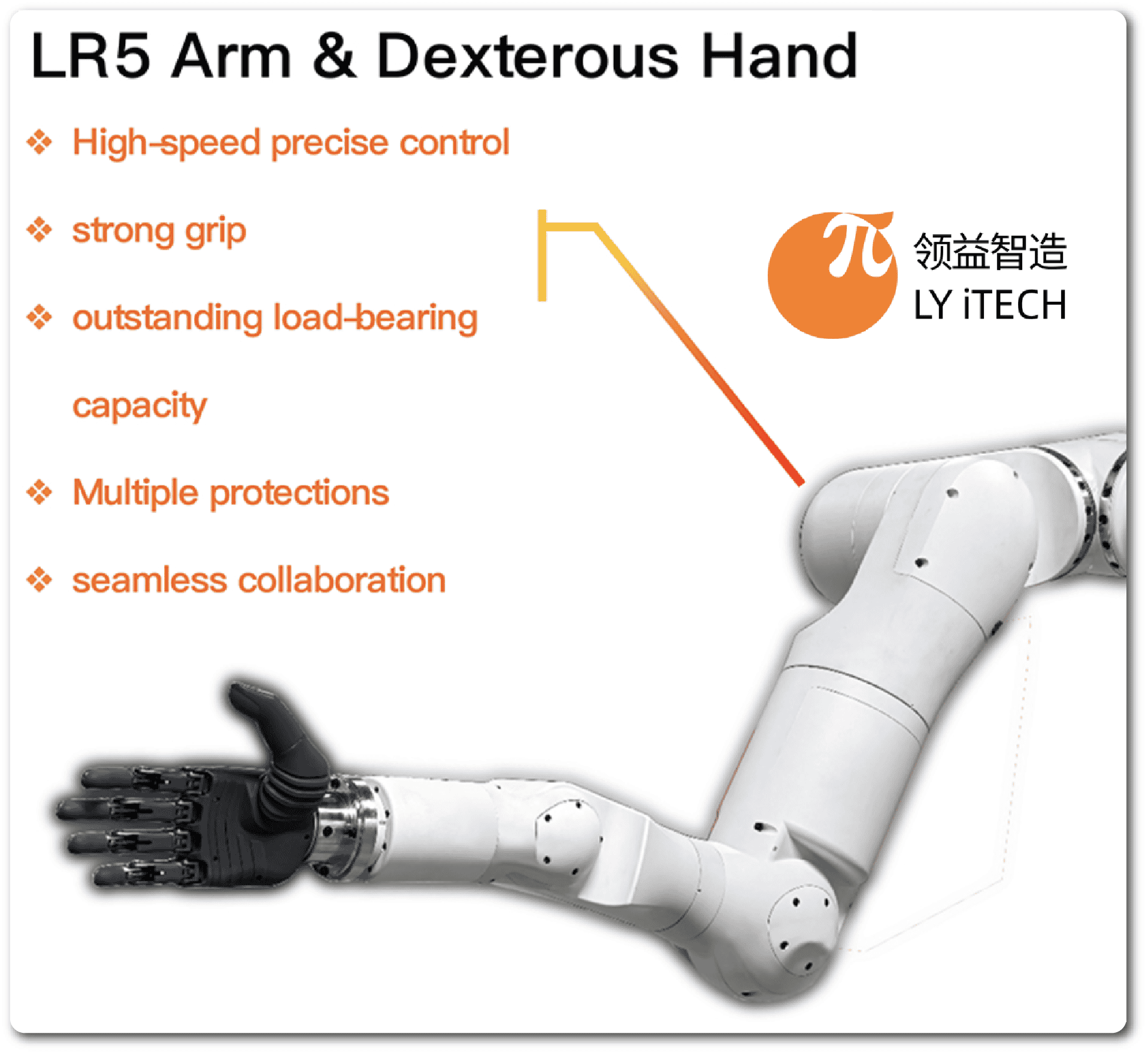
Lingyi iTech, a Shenzhen-based manufacturer that supplies precision parts and modules to Apple, has started making robotic joints, hands and heat dissipation modules. To lower costs, it is working with clients to standardize designs.
“China has the competitive advantage, because you can find all the sensors, actuators, modules, usually within one industrial cluster,” says Denis Kalinin, a tech investor and writer of the newsletter DeepTech Asia.
Thanks to China’s manufacturing strengths and intense competition, the cost of a humanoid robot and its parts is dropping rapidly — faster, even, than what optimistic industry insiders had expected. The manufacturing cost of a humanoid robot fell by 40 percent in 2024 compared to the year before, Goldman Sachs estimates. Bank of America expects it to halve in China over the next five years, falling below $17,000 by 2030.
Teleoperating Unitree’s R1 humanoid. Credit: Unitree
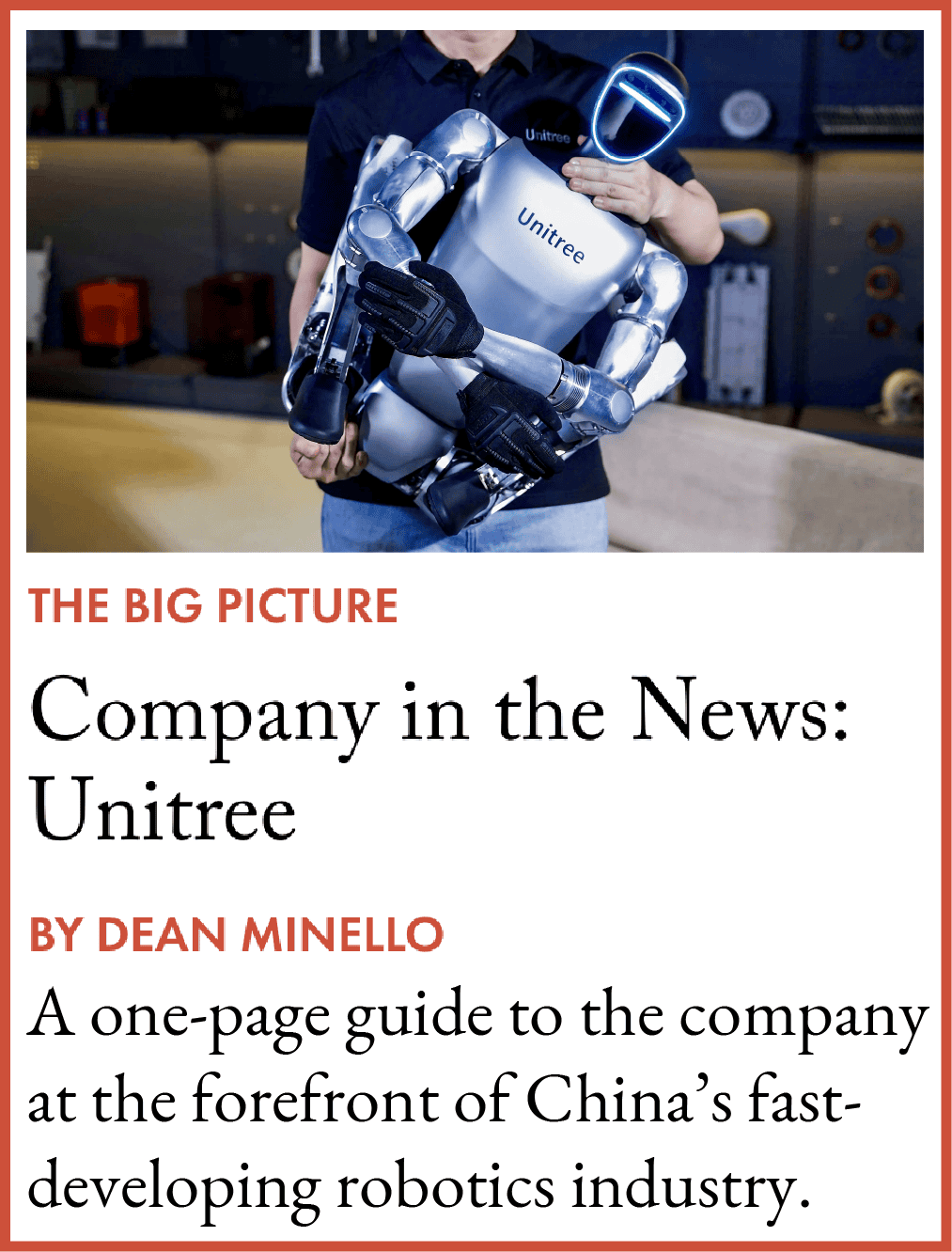
The G1 humanoid model Unitree released last year sells for 99,000 yuan in China and $16,000 overseas, a fraction of other offerings in the market. The company’s latest R1 model, released in July, is priced even lower at 39,900 yuan ($5,600). Unitree’s robots can manipulate “fine objects” and are capable of “dynamic locomotion”, but what precise tasks they might ultimately perform is for buyers to figure out.
As a result, humanoid robots are now affordable not just for well-funded research labs, but also enterprises and individuals. “This will encourage experimentation, expand deployment, and accelerate iteration,” says Poe Zhao, writer of the newsletter Hello China Tech.
In contrast to U.S. companies, which race to advance technological frontiers before figuring out what buyers can afford to pay, China “is constantly pushing the envelope on what it can do within a reasonable cost boundary,” says Rui Ma, the investor. “That’s where China has a good strategy.”

But the hardware, whether made in China or elsewhere, is still far from perfect.
Hands are one of the hardest problems to solve. Chinese companies have made breakthroughs: Yuequan Bionics from Beijing recently presented a bionic hand that can thread needles and turn the pages of a book; others have tactile sensors to help robots recognize shapes and textures. But most humanoid robots are still equipped with clumsy digits that struggle with folding clothes and other basic tasks.
Another challenge is getting various parts of a humanoid robot — joints, limbs and all the rest — to work together. There is a debate in the industry over whether humanoid robots should have wheels, which use less energy, or legs, which allow more precise movements.
China is also dependent on foreign imports for some key components, such as high precision sensors and chips.
BETWEEN THE EARS
As Chinese startups flood the market with humanoids of all shapes and sizes, the critical importance of their software “brains” is becoming clearer. “Last year, investors looked more into companies that can actually build these humanoids and prototypes,” says Stieler. “This year, they’re asking who will be making the software so that these devices can actually serve a commercially viable purpose?”
That’s not an easy question to answer. Unlike in large language models, where ChatGPT blazed a trail for others to follow, “in embodied AI, the leader has not appeared,” says Ian Goh, founding partner of 01VC. “Everyone’s developing their model separately. Everyone’s methodology is different.”
I think the path is going to be long. We are selectively betting on players whose technology is the most sound, without assumptions on what the end form would look like.
Murong Yang, managing director of Future Capital
All embodied AI companies are facing the same challenge — harnessing the data needed to build the AI models to power robots. “This is the biggest bottleneck,” says Kalinin. “We don’t have enough real world, quality data for training robots.”
SpiritAI, a Beijing-based startup, is scraping the internet for body or head cam footage to pretrain its robot’s AI model. It has been a slog. The company estimates that only one percent of the content it has gathered is usable.
Simulations of Amazon Robotics’ Proteus robot using Nvidia’s Isaac Sim, built on Omniverse. Credit: Nvidia
The next step of helping robots navigate the world is even more complicated. One method used to refine robots’ movements is “reinforcement learning” which trains them to operate in a virtual environment, such as Nvidia’s Isaac Sim. This approach is more scalable and safer for robots, which are spared real-world bumps and falls, but require huge amounts of computing power. There is also a sim-to-reality gap — like that between kids’ Minecraft worlds and the living rooms where they play them — when the robots are eventually deployed in the real world.
Another method is “imitation learning”, where humanoid robots mimic the movements of their human teleoperators to acquire fine motor skills. It is a labour-intensive and time-consuming process. Galaxea AI, another Beijing-based startup, has deployed staff and robots to painstakingly collect datasets of robot behavior in homes, hotels, restaurants and factories. DEEP Robotics has training centers where robots “go to school.”
American robotics firm Figure AI’s Helix robot demonstrates folding laundry. Credit: Figure AI
Many companies use a mix of both. But some experts criticize these methods as “bruteforce approaches” and question how far they will go in achieving the intelligence needed to create general purpose robots. For large language models that underpin ChatGPT and its rivals, doubts are being raised about the law of scaling — or the more data, the smarter the model. The same questions are being asked about embodied AI.
“You generate some statistical model that is capable of reproducing the same type of robot behavior, but there’s no understanding,” says Alessandro Saccon, an associate professor of robotics at Eindhoven University of Technology in the Netherlands. Throw a ball in front of a laundry-folding humanoid, for instance, and chances are it won’t realise the same “knowledge” it possesses to fold laundry can be adapted to catch, or at least bat away, the ball. As Saccon says, “there’s no generalization that might work” when confronted with a bouncing ball.
“At the low level, such as control systems and integration, progress has been rapid,” says Zhao. “But at higher levels, such as task generalization, long-horizon autonomy, and stability in messy environments, Chinese companies are still catching up.”
Speaking at a conference in August, Wang Xingxing, founder of Unitree, said robots will finally be nearing their potential when they can process verbal instructions, walk around a new venue and hand out water bottles. This “ChatGPT moment” for robots, he predicted, is one to five years away.
“LAY EGGS ALONG THE WAY”
While developers race to build the perfect humanoid robot, widespread adoption of them will ultimately hinge on a simple calculus for potential buyers: does their return exceed their cost? As an executive at one smart manufacturing business put it, “clients ultimately don’t care what technology you use, only whether you can solve their problems and save them money.”
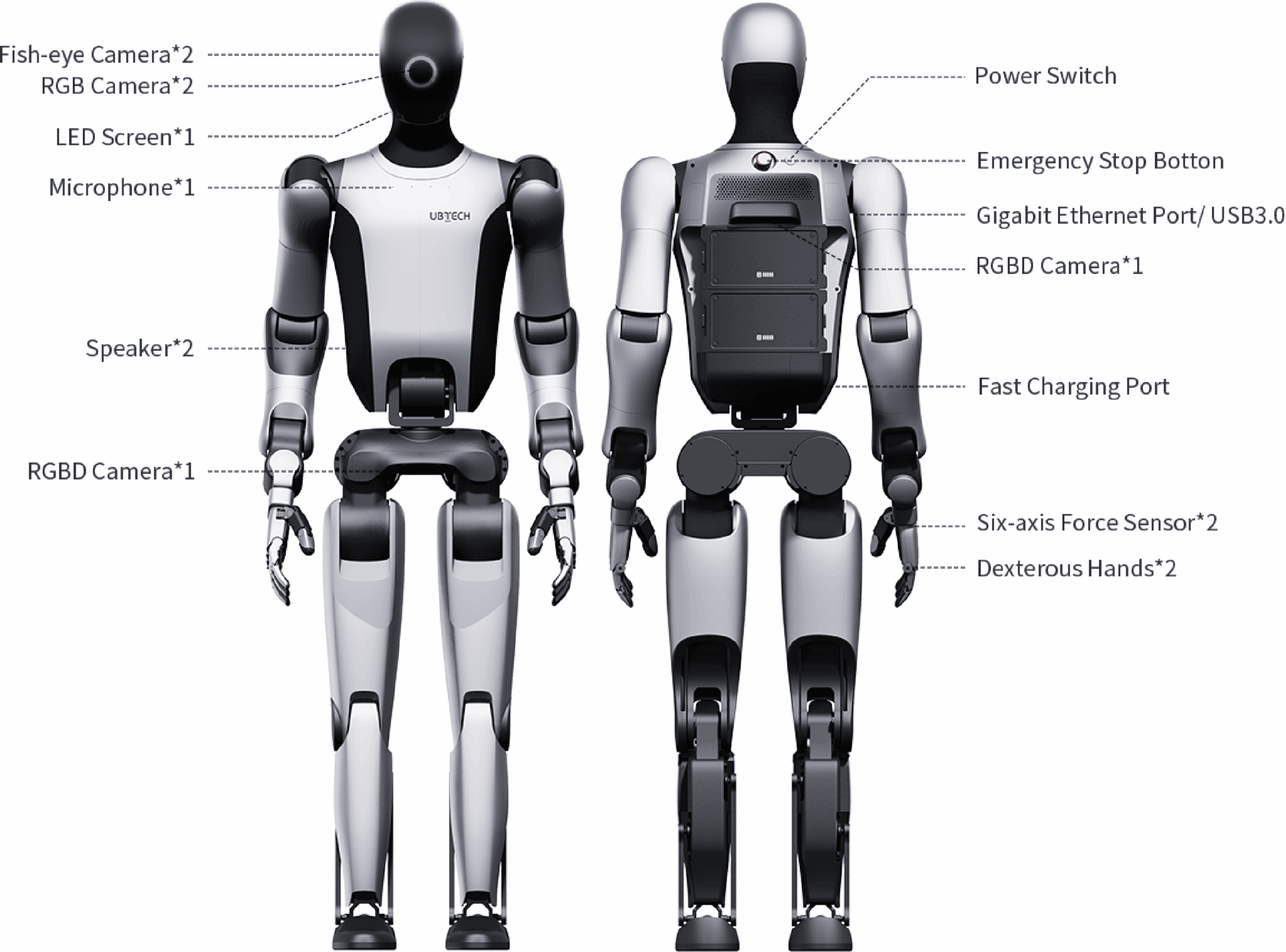
Last month, Shenzhen-based UBTech Robotics said it secured a 250 million yuan ($35 million) contract — to date the largest known deal for humanoid robots globally — from an undisclosed client.
In August AgiBot, a Shanghai startup, announced that it will deploy nearly 100 wheeled humanoids to move boxes at auto parts factories belonging to Fulin Precision. A month earlier, AgiBot and Unitree won a 124 million yuan tender from China Mobile.
While these deals represent progress, they are also still proof-of-concept pilot schemes. “[Companies] show willingness to pay, but [these deals] are often phased or policy-driven,” says Zhao. “True commercialization depends on what follows delivery: whether robots can work stably, deliver measurable cost savings, and trigger repeat orders.”

Given a typical return-on-investment timeframe of 18 months, analysts estimate that a humanoid robot intended to replace a factory worker making 108,000 yuan ($15,000) annually would have to be priced below 150,000 yuan ($21,000). This estimate also assumes that a robot’s running costs — for things such as installation and maintenance — are relatively modest.
Ultimately, many argue that specialized robots, rather than humanoids, make more economic sense for most potential buyers. “It’s very difficult to see the ROI or the real value of humanoids within existing processes and value chains,” George Chowdhury, an analyst at ABI Research, says, referring specifically to the manufacturing and logistics sectors.
[Companies] show willingness to pay, but [these deals] are often phased or policy-driven. True commercialization depends on what follows delivery: whether robots can work stably, deliver measurable cost savings, and trigger repeat orders.
Poe Zhao, writer of the newsletter Hello China Tech
In the long run, humanoid robots may do better in hospitals, elder care centers and homes, where they could be trained to handle a wide range of tasks. But adapting machines for these environments will be challenging. Zhou Jian, founder of UBTech, estimates humanoid robots may enter households within the next decade provided that those apartments have the same layout, and even same-colored cups.
Unitree’s R1 humanoid. Credit: Unitree Robotics
And if the development of autonomous vehicles is any guide, the deployment of humanoids will also be slowed by regulatory and safety concerns. “An AV developer has to drive through all the highways, the big towns and the small roads, and … cover all the possible road and weather conditions and ensure that in each situation, it can provide the right response,” says Lian Jye Su, chief analyst at Omdia, a tech research firm. “That is probably what humanoid robots must go through.”
“I think the path is going to be long,” says Murong Yang, managing director of Future Capital. “We are selectively betting on players whose technology is the most sound, without assumptions on what the end form would look like.”
With general purpose robots still a distant prospect and a capital winter looming, many Chinese startups are trying to “lay eggs along the way” — an expression coined by Huawei’s founder, Ren Zhengfei, that refers to the discovery of niche applications that generate enough cashflow for a company to survive until its core business finally takes off.
Deep Robotics is one example. It released its first product — a quadruped robodog — in 2017.
The company’s robodogs are now patrolling electricity grids and power stations across China, including some in unforgiving environments such as the Gobi Desert. With 18 percent of China’s robodog market, Deep Robotics is now China’s second largest robodog maker by sales revenue. The company is finding new environments they can operate in, such as mines and tunnels. It is also developing export markets for them.
Last summer Deep Robotics revealed its first humanoid robot, DR01, which like its robodog predecessor can navigate complex terrains. It raised 500 million yuan ($70 million) in a recent funding round to advance its research in humanoid robots, and has generated reliable revenue streams by selling joints and other components.
“There are usually two extremes: people with overly high expectations for robots or people that are overly pessimistic,” says Deep Robotics’ Eric Wang. “In reality, it will be a gradual process where robots solve more and more problems.”

Rachel Cheung is a staff writer for The Wire China based in Hong Kong. She previously worked at VICE World News and South China Morning Post, where she won a SOPA Award for Excellence in Arts and Culture Reporting. Her work has appeared in The Washington Post, Los Angeles Times, Columbia Journalism Review and The Atlantic, among other outlets.