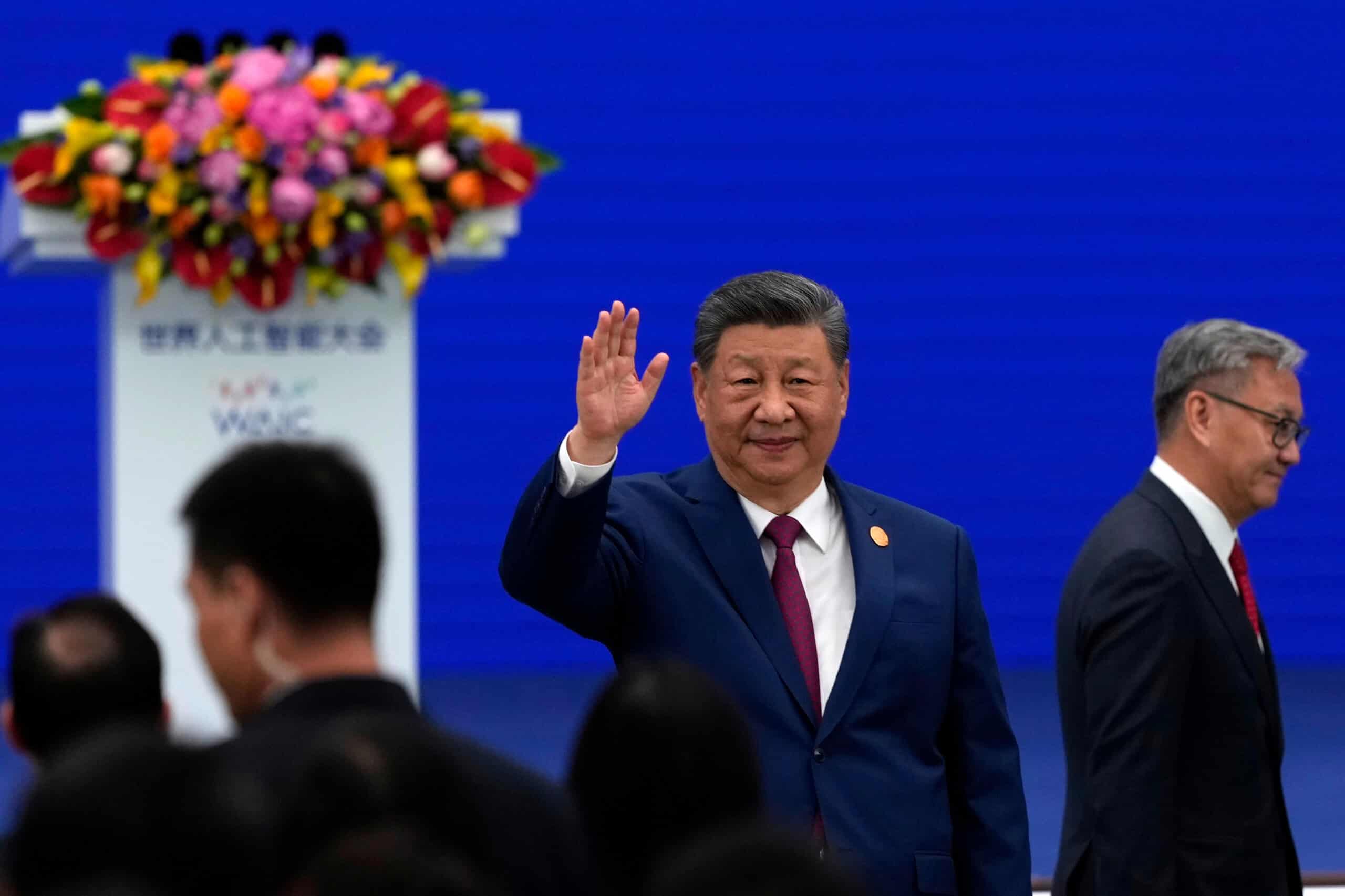
Good evening. As first reported in our June 14 issue, the U.S. government has used nearly every tool at its disposal to force a Chinese technology firm, Suirui Group, to relinquish ownership of Jupiter Systems. Jupiter is a California-based manufacturer of processors that connect video walls used by every branch of the military. While a federal court severed Suirui’s control of Jupiter over two months ago, its Beijing-based parent — which faces legal issues at home from former employees and business partners alike — continued to fight the government and court orders. In an update of subsequent developments, Noah Berman reports that the struggle could put Jupiter out of business. In recent weeks it had less than $1 million in its bank account, and the only lifeline it could find was offered by Suirui. Jupiter is now on the verge of bankruptcy. If the company does go bust, the U.S. military will lose a supplier that it has counted on for a critical technology for more than two decades.
Other items in this week’s issue: Three companies catering to thrifty customers; the China robots are coming, lots of them; Lily Qi’s journey from Red China to Blue Maryland; and Jeroen Groenewegen-Lau on Europe’s response to China’s Bluetooth and WiFi alternative. And in our latest podcast, Savannah Billman talks with Peiyue Wu about her recent reporting on the patent dispute being fought between Chinese rivals DJI and Insta360 in Texas of all places — and what it reveals about how highly scrutinized Chinese companies try to capture and build U.S. market share regardless.
Editor’s note: Last week’s edition of this newsletter (August 2) noted that “In 1999 the U.S. military accidentally bombed China’s embassy in Belgrade on purpose.” The U.S. military hit the geographic location that it intended to hit, but did so believing that it was the location of a Serbian target and not realising that it was in fact the location of China’s embassy. The Clinton administration’s statement on the incident can be read here.
Want this emailed directly to your inbox? Sign up to receive our free newsletter.

Jupiter’s Descent
Imagine this scenario. Xi Jinping’s administration discovers that an American company owns a Chinese company that sells sensitive tech equipment to the People’s Liberation Army and Chinese government clients. In July 2025, the American company is ordered to divest its interest in the Chinese company. A year later, the American company is still fighting that order in the Chinese courts. It is hard to imagine because that is not how power works in China, where Xi pretty much gets what he wants when he wants it. But it is easy to imagine in America. As Noah Berman reports in this week’s update of his June 14 cover article on the battle between the U.S. government and the Beijing-based company that owns California’s Jupiter Systems, even in Donald Trump’s America a stubborn Chinese litigant can fight its corner for months if not years in the federal court system.

Crisis? What Crisis?
The Chinese government’s “three red lines” campaign was launched in August 2020 to curb what it saw as dangerous leverage levels in the property sector. The campaign, master-minded by Xi Jinping’s then financial tsar Liu He, was a chemotherapy-like “cure” that almost killed its patient. Over the ensuing half-dozen years, the Hang Seng Mainland Properties Index has fallen more than 80 percent, ravaging a sector that for two decades had underpinned households’ sense of wealth and given Chinese consumers confidence to spend. But hard times can be good times for companies that cater to buyers who feel far less flush than they used to. Peiyue Wu looks at a snacks company, a luxury goods reseller and a hotel chain that are benefiting from China’s consumer confidence crisis.
Only Robots Need Apply
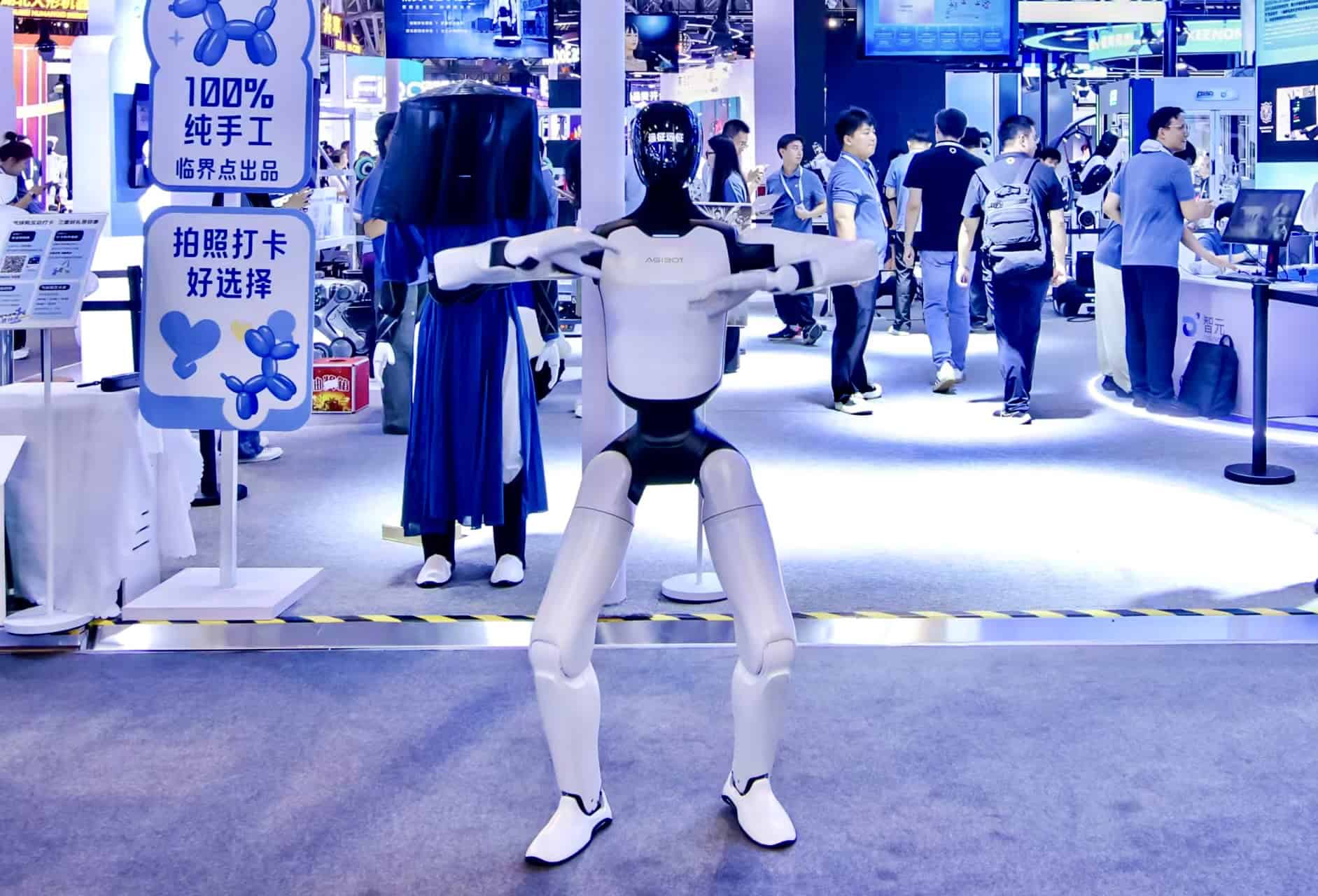
China’s running, dancing, kung-fu fighting humanoid robots are better at being influencers than anything else. But soon they will have to get real jobs, and fast, Savannah Billman writes in this week’s Big Picture. The industry, which needs more real-world data in order to build robots that can do a wider variety of tasks, is racing to produce and sell as many humanoids as possible. China now expects to produce 100,000 humanoids in 2026, much more than most analysts had predicted.

A Q&A with Lily Qi

In 1989, after the People’s Liberation Army killed hundreds if not thousands of people in Beijing, Lily Qi gave up lucrative job offers in Shanghai for the opportunity to study in the U.S. She landed “in the middle of cornfields in Indiana.” Three decades later, Qi was elected as the first Chinese-born state legislator in Maryland and is now running for her third term. The lawmaker speaks with Rachel Cheung about finding her footing in America during those early years, engaging the immigrant community in local politics, and coping with an unexpected online backlash during her current campaign.
Qi, who lived through the Cultural Revolution as a child, sees similarities to that tragedy in American politics today. “It’s a difficult time to be Chinese American, especially in public office,” she says. “There are policies I voted for, didn’t vote for, that you can fairly criticize me on. But to call anyone born and raised in China in public office a Chinese Communist Party agent, it’s just fear-mongering. That’s the tactic that some people used during the Cultural Revolution — guilt by association.”
Lily Qi
Illustration by Lauren Crow
Europe’s NearLink Challenge
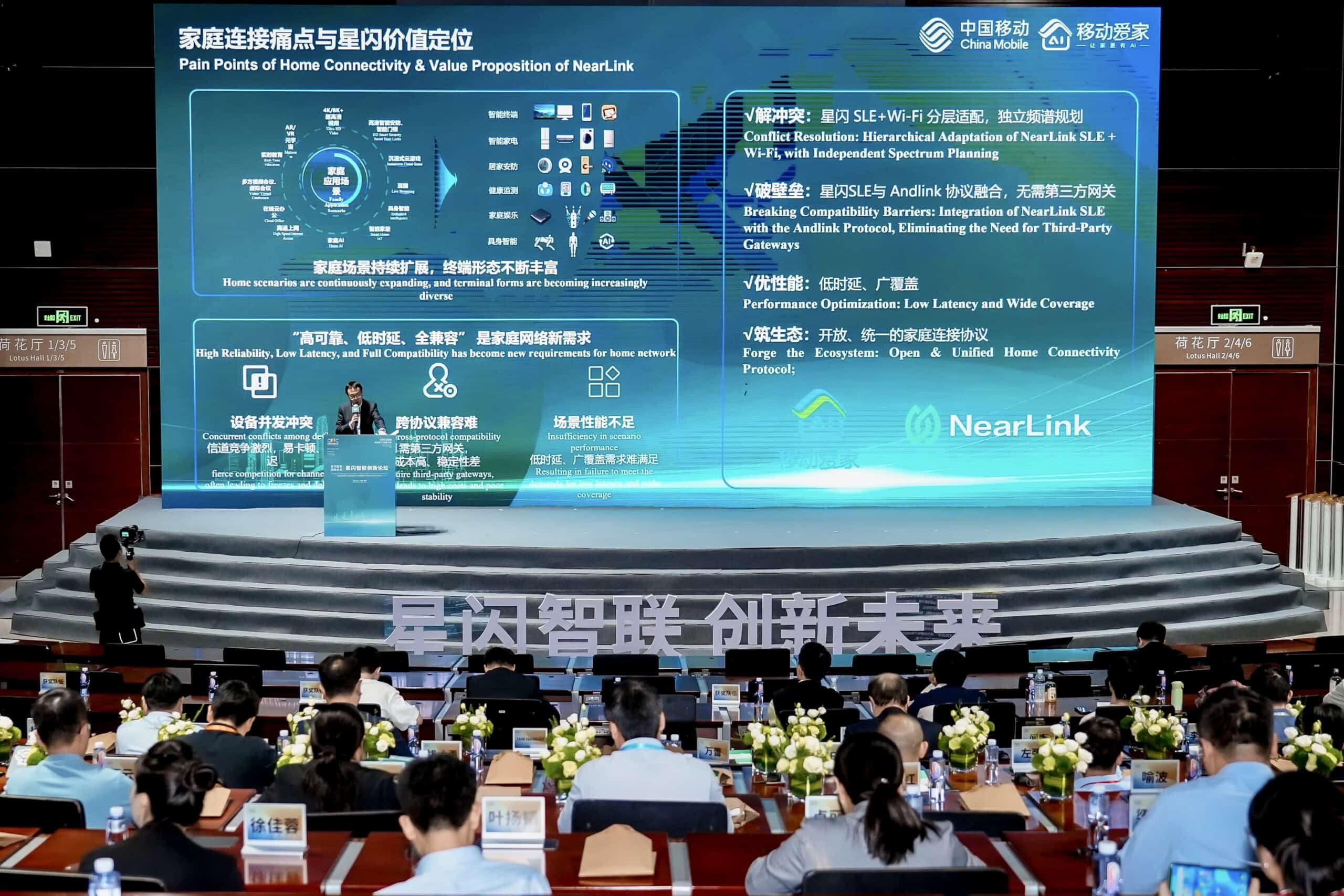
NearLink, China’s alternative to Bluetooth and WiFi, is entering Europe through imported smartphones, wearable devices, digital keys and industrial control modules, sparking concern over its integration into security-critical data flows. MERICS analyst Jeroen Groenewegen-Lau argues that the EU has most of the tools needed to manage the risks associated with this new technology — it only needs to use them.
Subscribe today for unlimited access, starting at only $25 a month.