Good evening. American presidents aren’t the only ones who crave to be recognised and remembered as accomplished “foreign policy presidents”. In the 1990s China’s then President, Jiang Zemin, tried and failed to establish a State Security Commission modeled on America’s National Security Council. It was, as Steve Tsang and Olivia Cheung write in their new book on Chinese foreign policy under Xi Jinping, a prescient wish. Jiang would twice face crises that could have escalated into military conflicts with the U.S. In 1999 the U.S. military accidentally bombed China’s embassy in Belgrade on purpose. Two years later, a Chinese jet fighter collided with a U.S. Navy reconnaissance aircraft, sparking the 13-day Hainan Spy Plane Crisis. As in so many other arenas, Xi would get what Jiang wanted when it came to foreign policy. In an excerpt from their book, Tsang and Cheung examine how Xi was able to seize total control of China’s foreign policy apparatuses.
Other items in this week’s issue: The U.S. patent battle pitting dronemaker DJI against a Shenzhen neighbor; Shein’s IPO; Chinese environmental law expert Alex Wang; and Alicia García-Herrero on Chinese tech stocks.
And in our latest podcast, Andrew Peaple talks to Noah Berman about his reporting on Nvidia’s China partners and their ties to the People’s Liberation Army.
Want this emailed directly to your inbox? Sign up to receive our free newsletter.
Mao, Nixon, Kissinger, Xi
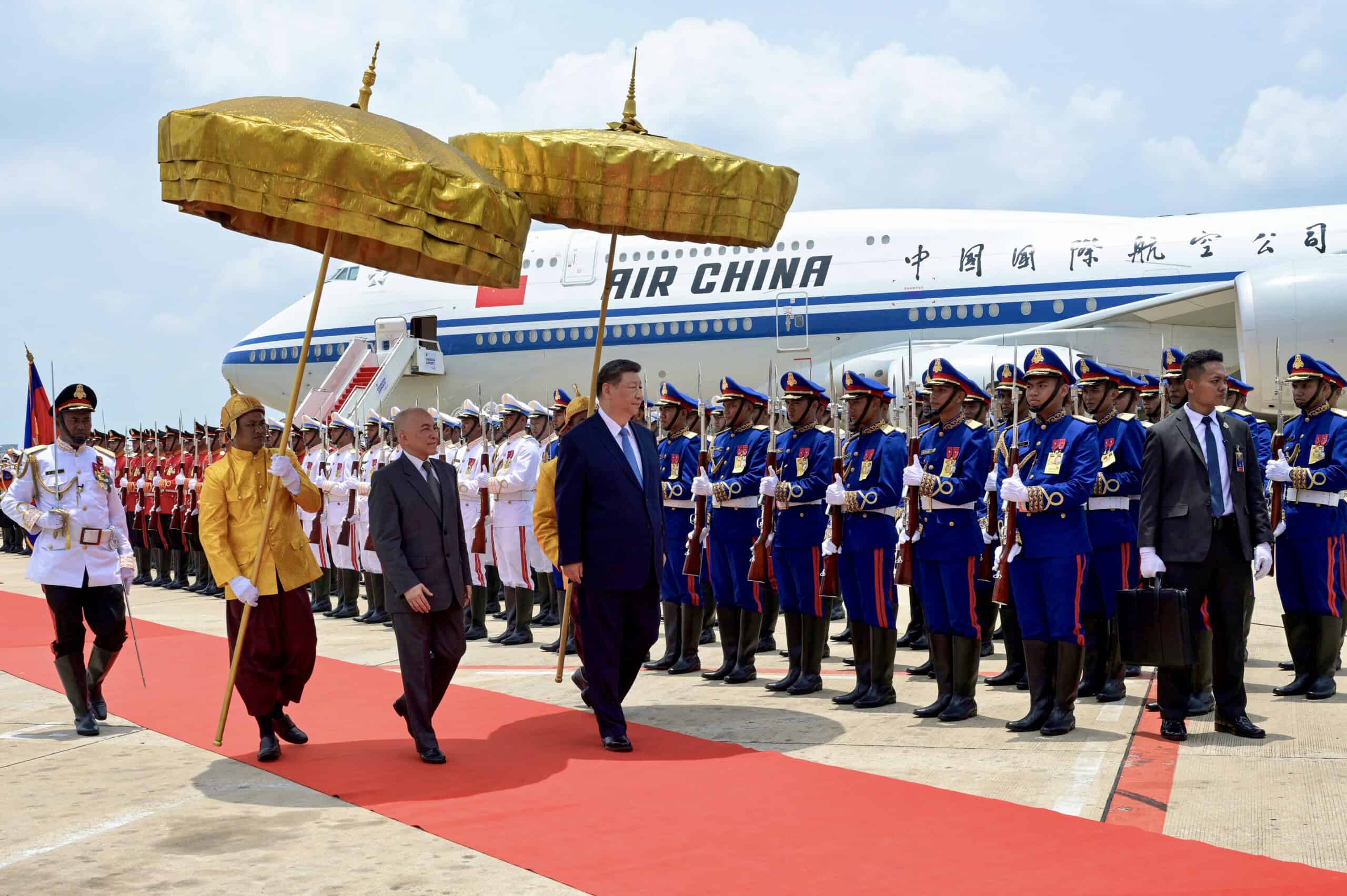
For any self-respecting Communist Party General Secretary who aspires to be Mao 2.0, political dominance at home is not enough. After assuming power in 2012, Xi made it clear that his ambitions extended to a structural revamp of the People’s Liberation Army, unification with Taiwan in his lifetime, and global influence for China greater than America’s. The advent of Donald Trump has greatly helped this last goal. In their forthcoming book, China’s Global Strategy Under Xi Jinping, Steve Tsang and Olivia Cheung look at how Xi set about realising his grand foreign policy ambitions.
A Shenzhen Civil War in Texas
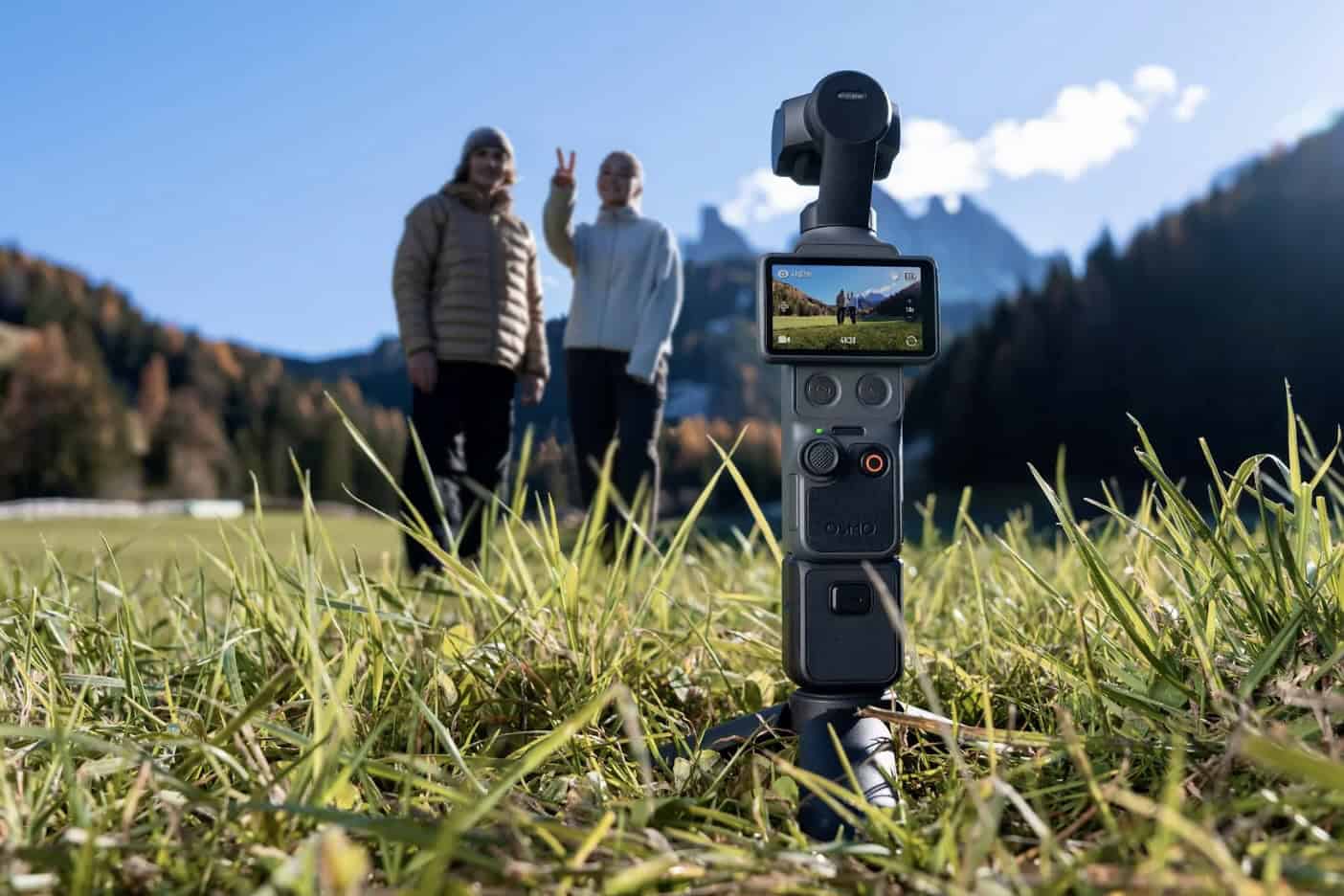
The U.S. government has never been keen about Chinese-made drones. So it is not surprising that the Federal Communications Commission has been slow to approve a related product made by Shenzhen-based dronemaker DJI — handheld cameras — for sale in America. That has given another Shenzhen company, Arashi Vision Inc, a chance to accelerate U.S. sales of its popular Insta360 handheld cameras. To slow its rival’s advance in this critical market, DJI has sued Arashi in Texas for alleged patent infringement. Peiyue Wu looks at this rare battle (and battlefield) and its implications.

Slow Growth, Narrow Margins, Big IPO
Last week Shein, the ultra-cheap online only fashion retailer, released its Hong Kong IPO prospectus. Shein’s initial public offering has been a long time coming. Scrutinized for its China ties, the company tried New York then London before finally winning approval to list in Hong Kong. But its long-awaited prospectus raises questions about the true value of its business, Savannah Billman writes in this week’s Big Picture. The company can churn out as many as 5,000 new clothing styles a day — at very low margins.
A Q&A with Alex Wang
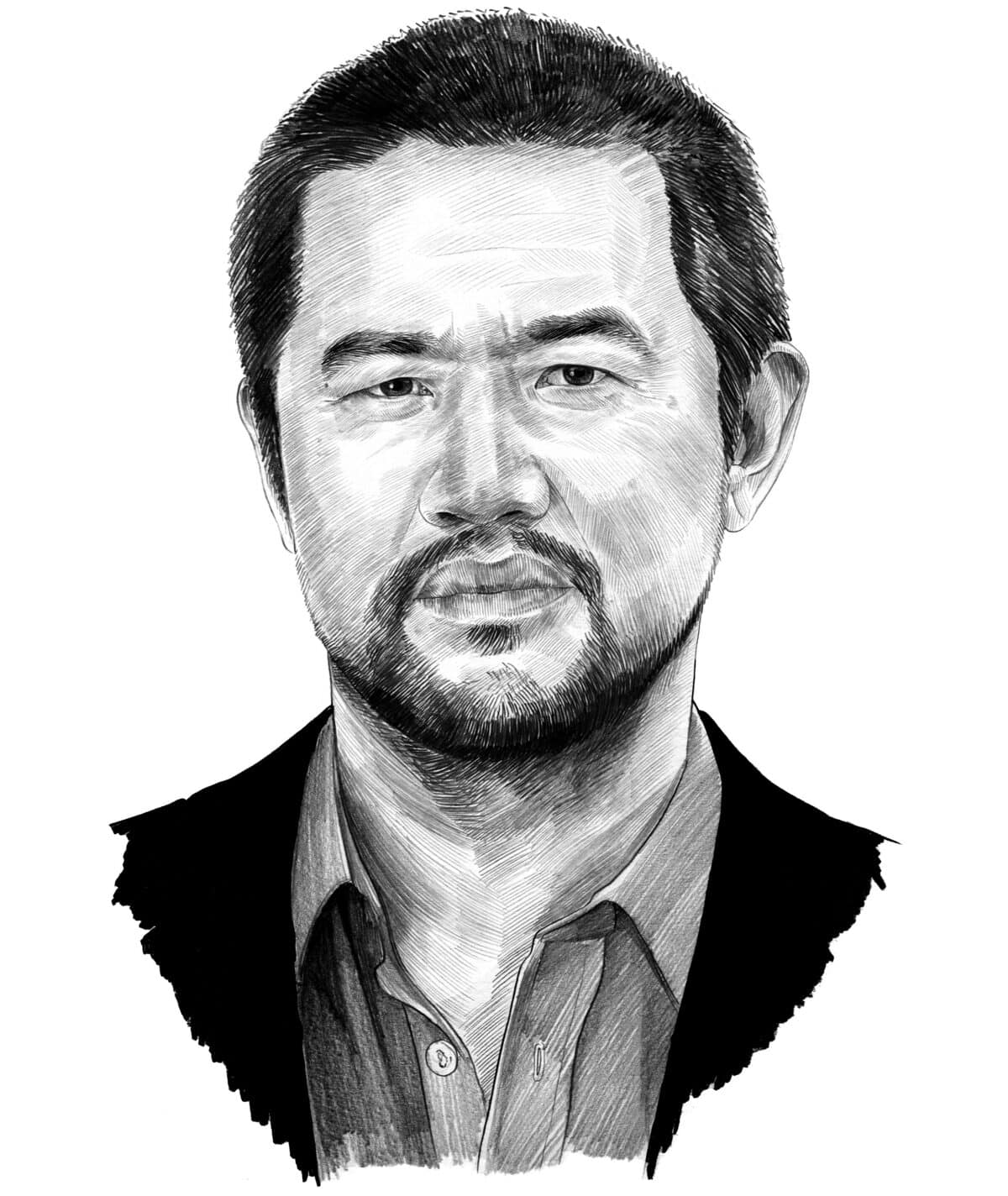
Alex Wang teaches law at the University of Southern California and is an expert in Chinese environmental law. He speaks with Brent Crane about his years working for the Natural Resources Defense Council in Beijing, the government’s enthusiasm for green development and “good environmental authoritarianism”.
He says history will remember China for its pioneering development of green energy technologies but worries about the country’s coal dependency and its dams. The latter, he says, “hold back silt and alter the natural cycle of flooding and nutrient replenishment that fishing and agricultural communities depend on”.
Alex Wang
Illustration by Lauren Crow

Not What You Might Expect
Recent Chinese semiconductor and AI breakthroughs have coincided with a correction, not a surge, for Chinese tech stocks. Alicia García-Herrero explains why.
Subscribe today for unlimited access, starting at only $25 a month.