Good evening. Like all companies, Nvidia, the world’s most valuable company, wants to become more valuable. Selling its advanced chips in China would further this ambition. Nvidia has argued that this can be done without compromising U.S. national security interests, and that not doing so would help Chinese rivals such as Huawei seize market share and close their technology gap with American chipmakers. But as Noah Berman writes in this week’s cover story, procurement records show that more than two dozen Chinese companies and institutions that Nvidia describes as “partners” have also sought to supply companies and institutions affiliated with the People’s Liberation Army and — in one case — to supply a PLA unit. Some of their contracts with China’s military have included Nvidia components. In a China where, as Xi Jinping famously said, “the Party leads all” and civil-military “fusion” is a priority policy, it is increasingly difficult to distinguish a civilian end-user from a military one.
Other items in this week’s issue: Can China reconcile AI openness with security?; The Big Picture on CXMT; a conversation with Geremie Barmé; why the U.S. needs to absorb, not ban, Chinese technologies.
And in our latest podcast, an excerpt from Andrew Peaple and Sandrine Zerbib’s panel discussion at the Asia Society’s Paris Summer Summit about China’s consumer sector.
Want this emailed directly to your inbox? Sign up to receive our free newsletter.
Two Degrees of Separation
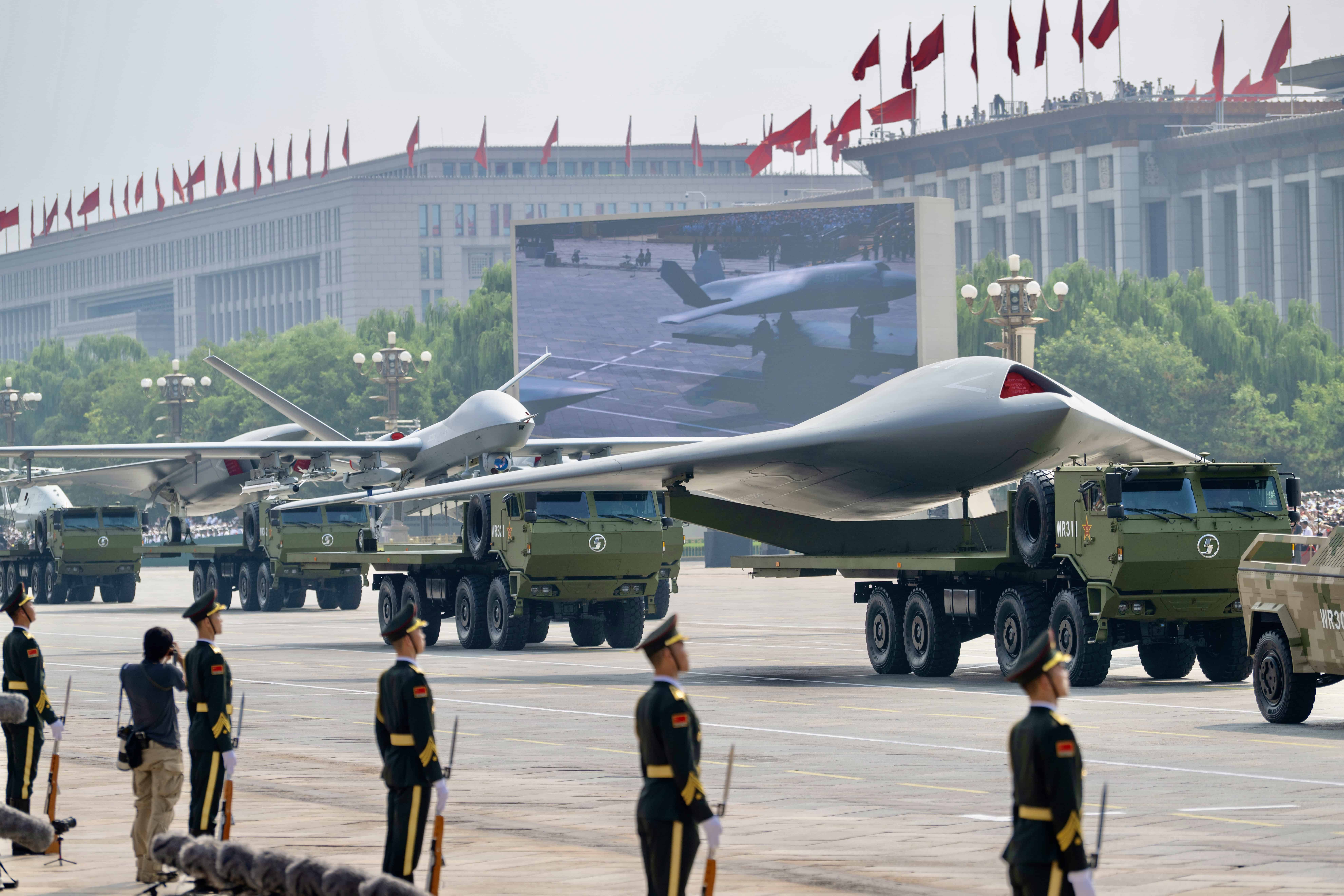
SinoInfo, an authorized Nvidia reseller based in Beijing, labels itself an “Nvidia elite partner” next to its own logo on its website. On its website, SinoInfo posted a letter from an Nvidia executive granting it approval to sell Nvidia data center products in mainland China. The letter says that the arrangement is subject to “restrictions on destinations, end-users and end-use.” Just below the letter, SinoInfo lists its own partners. Among them are China Aerospace Science and Technology Corporation (CAST) and China Aerospace Science and Industry Corporation (CASIC). CAST designs and makes satellites. CASIC is one the largest manufacturers of missiles in China. Both, says one China expert, “play an indispensable role in equipping the PLA with advanced aerospace, missile, and space-based systems.”
Xi Jinping’s Open AI Dilemma
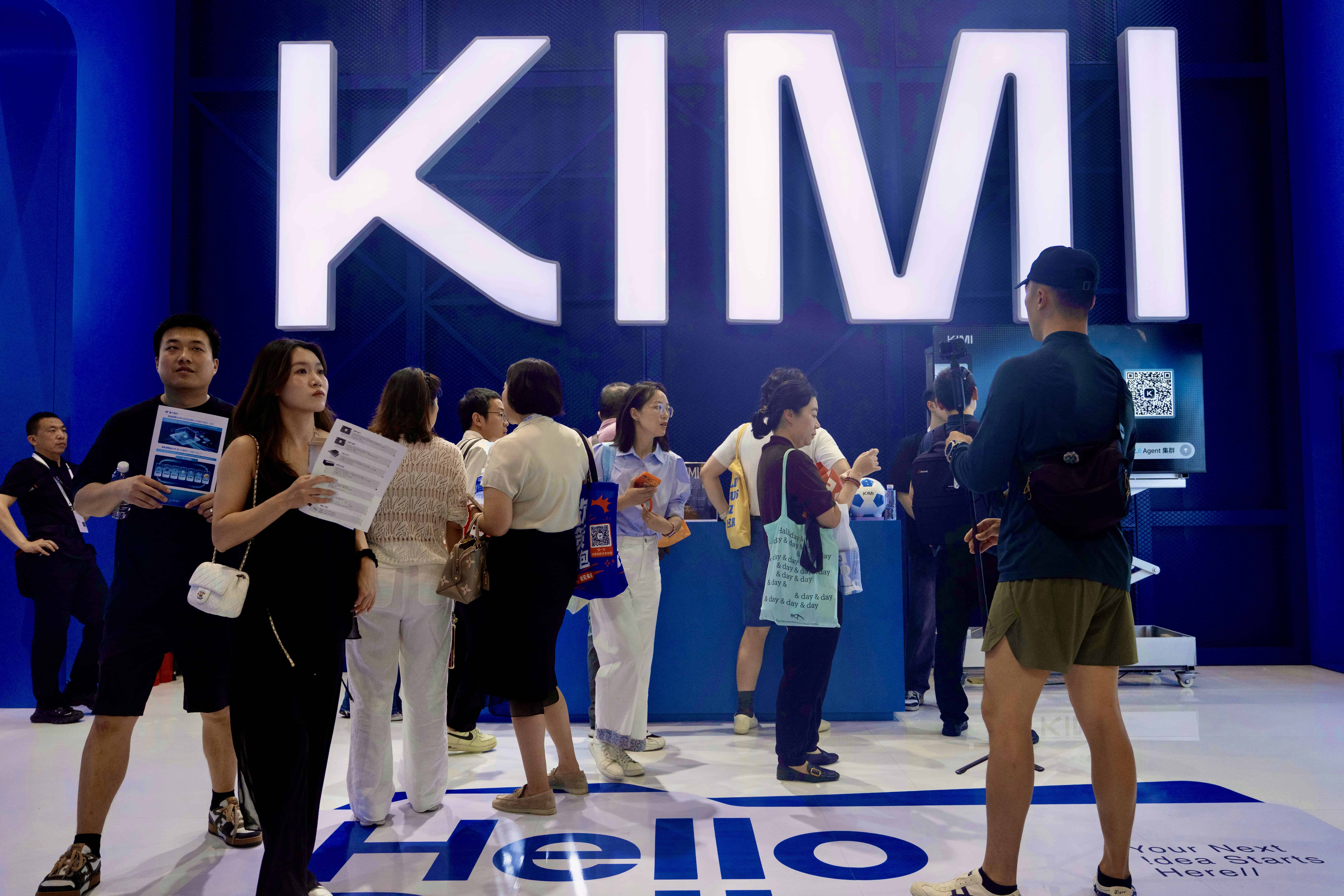
The Chinese Communist Party’s two AI priorities, openness and security, are becoming increasingly difficult to reconcile, writes Ruby Scanlon. Open-weight models risk diffusing powerful AI capabilities beyond Beijing’s ability to control. The likely result is that Xi Jinping’s administration will have to narrow its stated commitment to openness.
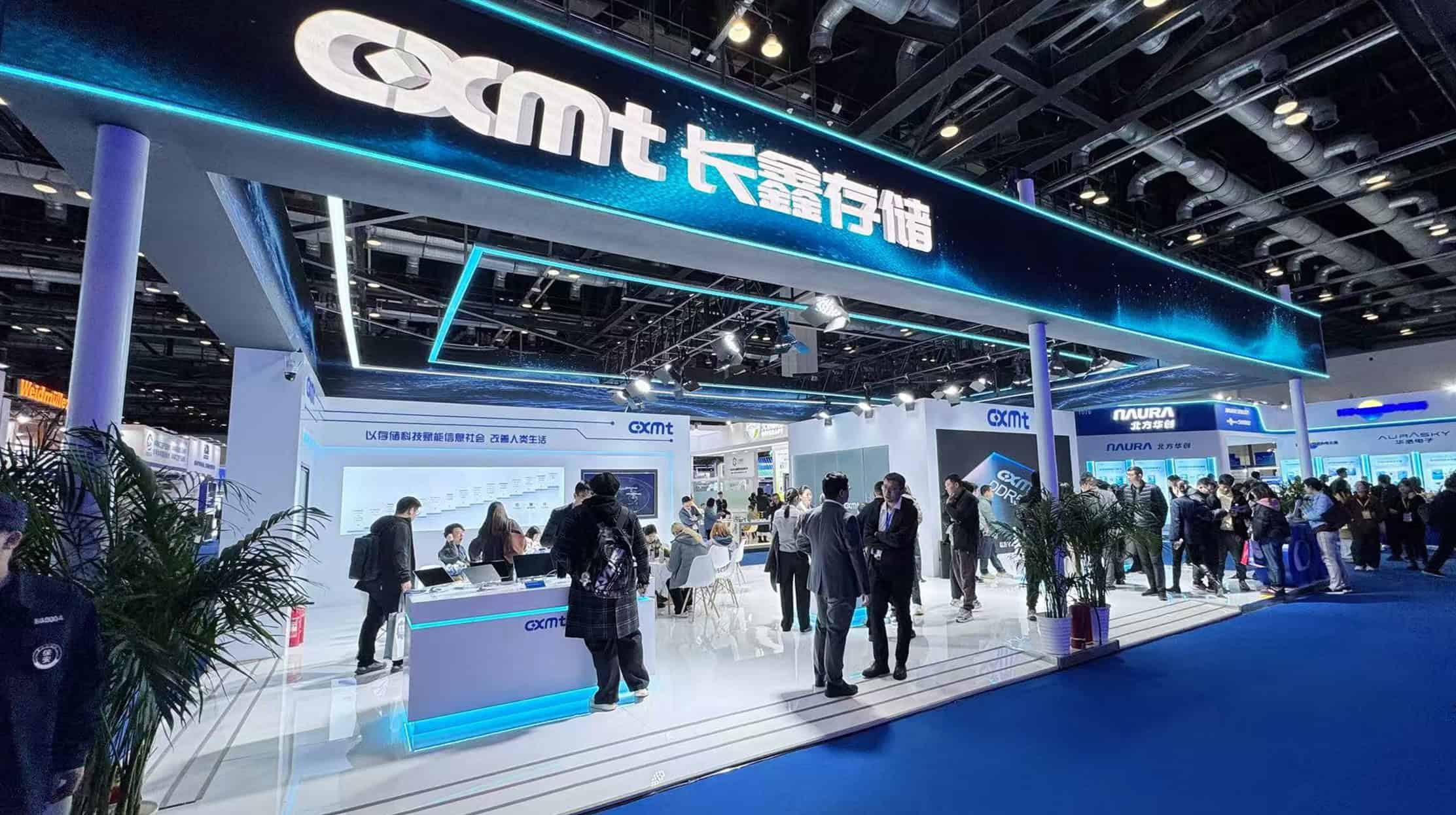
Company in the News: CXMT
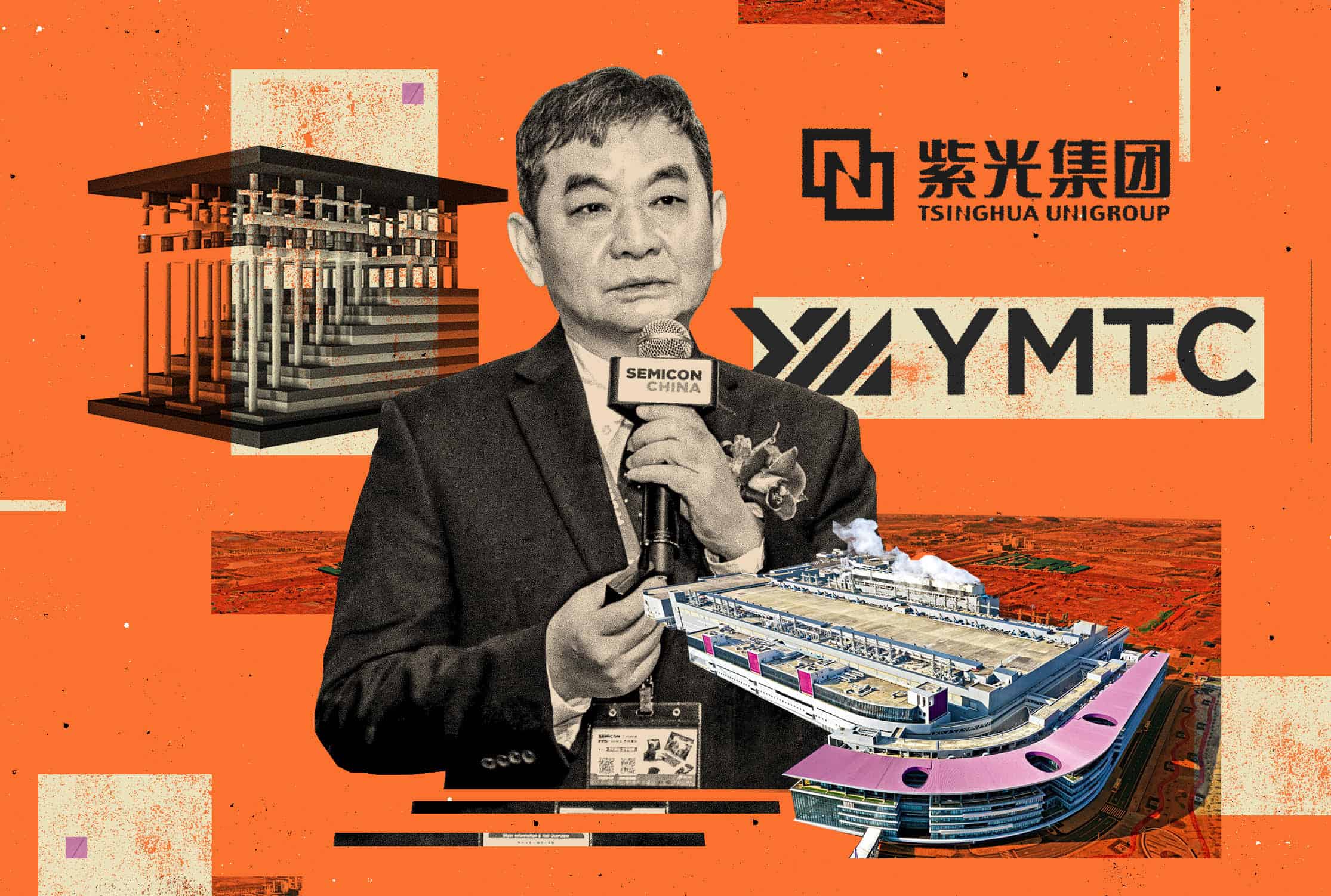
One of China’s biggest memory chip manufacturers is going public this week, valued at an estimated $85 billion. ChangXin Memory Technologies, profiled by Savannah Billman, was founded a decade ago by the Hefei municipal government and tech executive Zhu Yiming. It turned its first profit in 2025 and revenues grew by more than 700 percent in the first three months of this year. Boosted by Chinese industrial policies, CXMT appears to be the perfectly-timed winner of the global chip shortage.
A Q&A with Geremie Barmé

Few scholars, Chinese or non-Chinese, have involved themselves as deeply as Geremie Barmé has in what he calls the “Other China”, as distinct from the Chinese Communist Party and Xi Jinping’s “Empire of Tedium”. The Australian was a regular at the vibrant Beijing salons of late 1970s and 1980s; translated a memorable interaction between Bob Hawke and Li Peng; befriended and fell out with and mourned Liu Xiaobo; and now runs the unique and encyclopedic China Heritage website. In a conversation with Brent Crane, Barmé discusses the “33 Questions” campaign, the death of Mao and a chance encounter with Xi’s father.
Geremie Barmé
Illustration by Lauren Crow
Factory Turned Laboratory
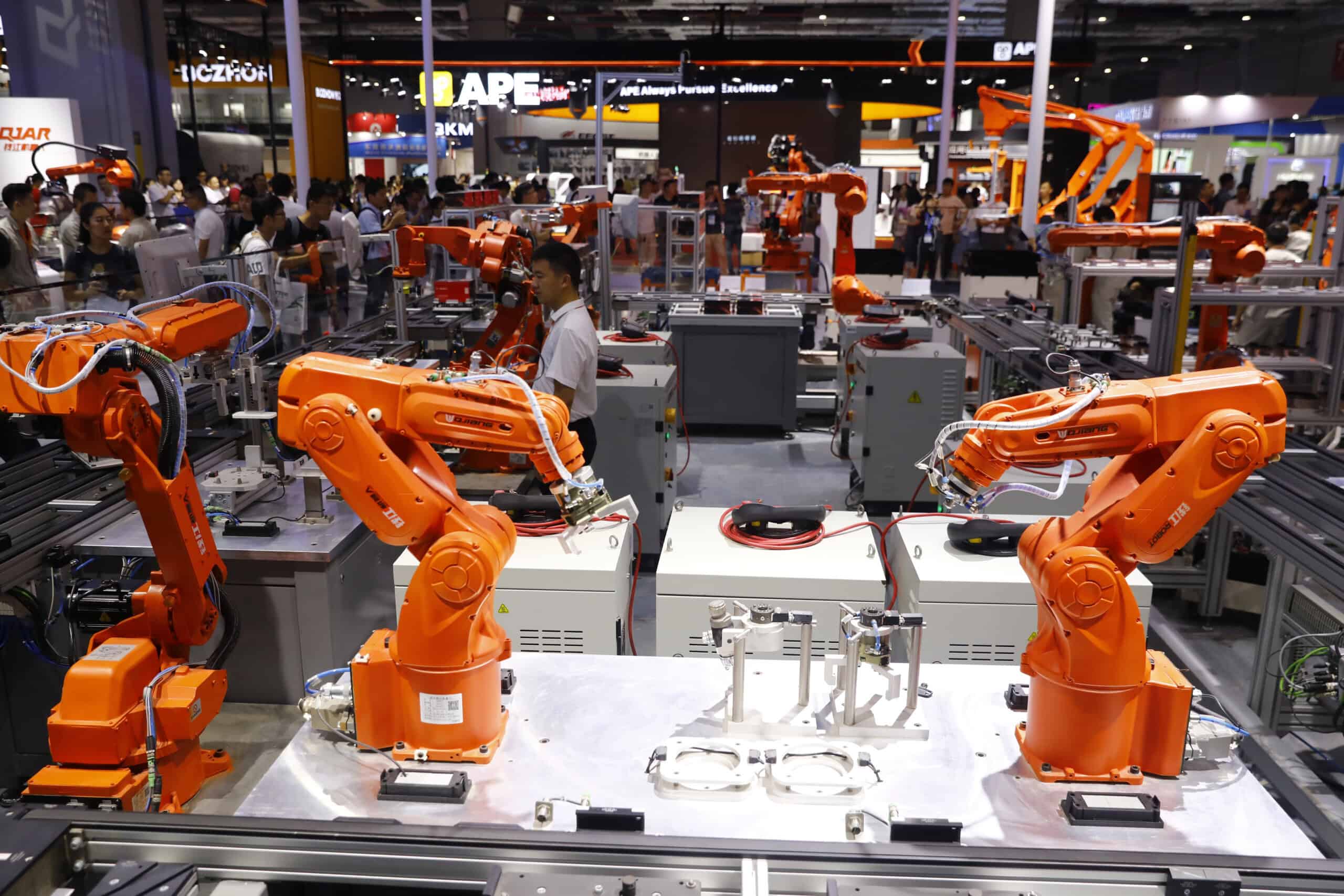
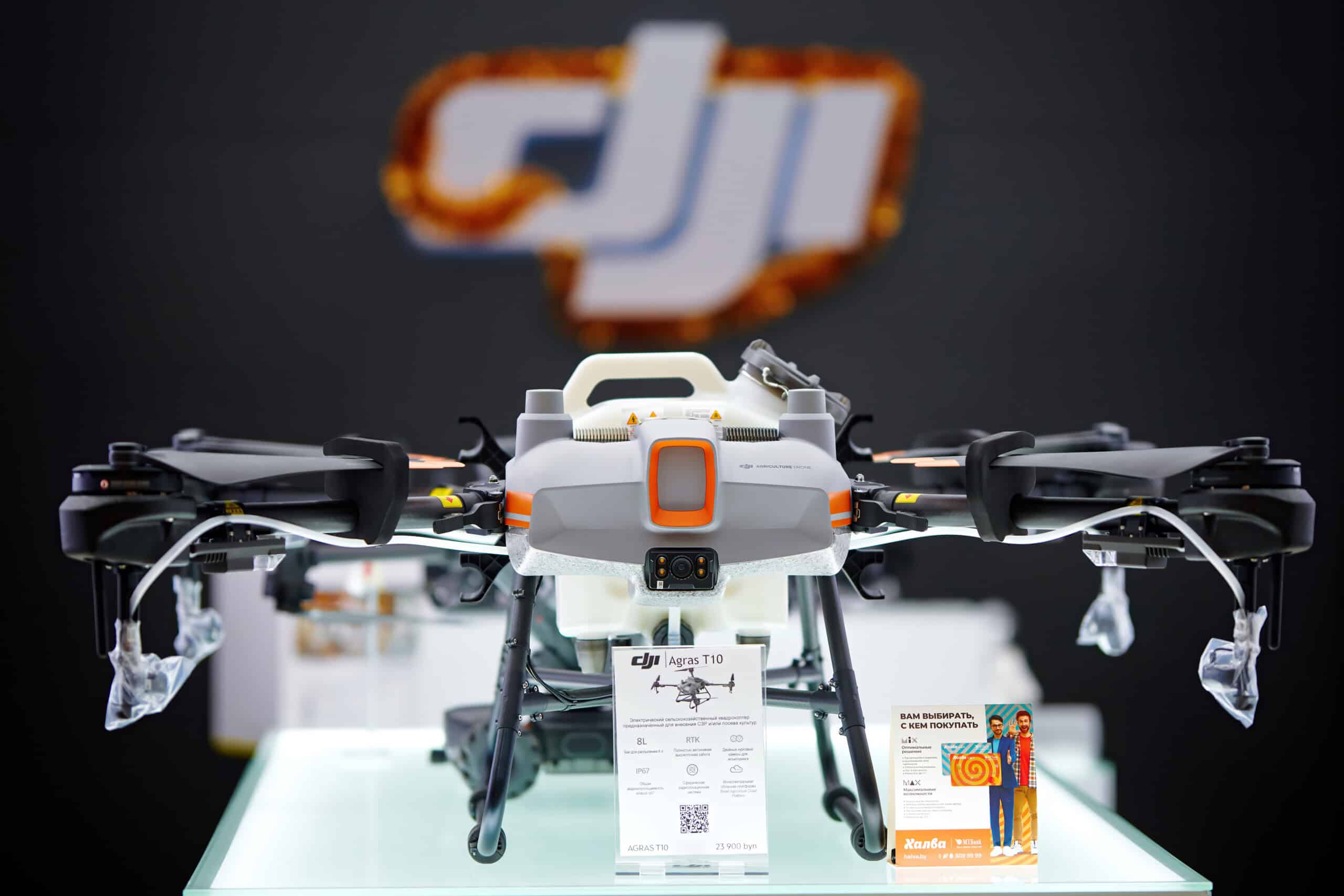
Whether it be open-source AI models, drones, robotics, advanced manufacturing, electric vehicles, batteries or autonomous driving systems, U.S. companies have much to learn from China, argues Anja Manuel. But just as the rest of the world needs China’s best technologies, Beijing is restricting access to them.
Subscribe today for unlimited access, starting at only $25 a month.