An emphasis on open-weight AI models has suited both China’s AI industry and Beijing to date, but limits may now be necessary.
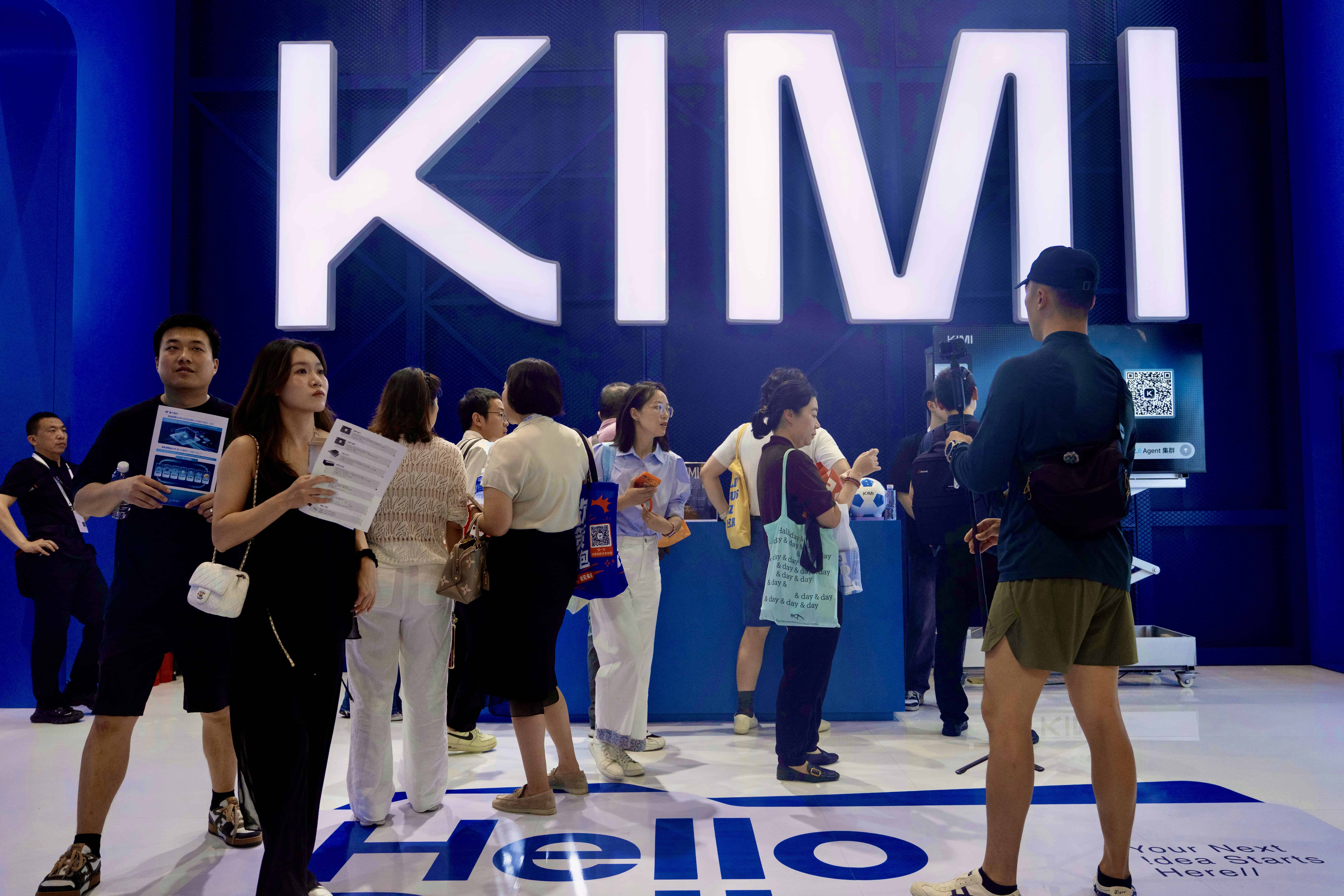
Visitors at the booth for Moonshot's Kimi K3 during the World AI Conference in Shanghai, July 17, 2026. Credit: Ng Han Guan via AP Images
On July 16, Chinese lab Moonshot AI released Kimi K3, a 2.8 trillion parameter open-weight model that within a day had displaced Anthropic’s most advanced offering, Fable 5, atop a widely watched frontend coding leaderboard, a first for a Chinese model. The following day, Chinese President Xi Jinping told attendees at the annual World AI Conference in Shanghai to “seize this rare, historic opportunity to encourage open-source.” Yet in the same speech, he warned that AI is “advancing at a
Exclusive longform investigative journalism, Q&As, news and analysis, and data on Chinese business elites and corporations. We publish China scoops you won't find anywhere else.
A weekly curated reading list on China from Andrew Peaple.
A daily roundup of China finance, business and economics headlines.
We offer discounts for groups, institutions and students. Go to our Subscriptions page for details.
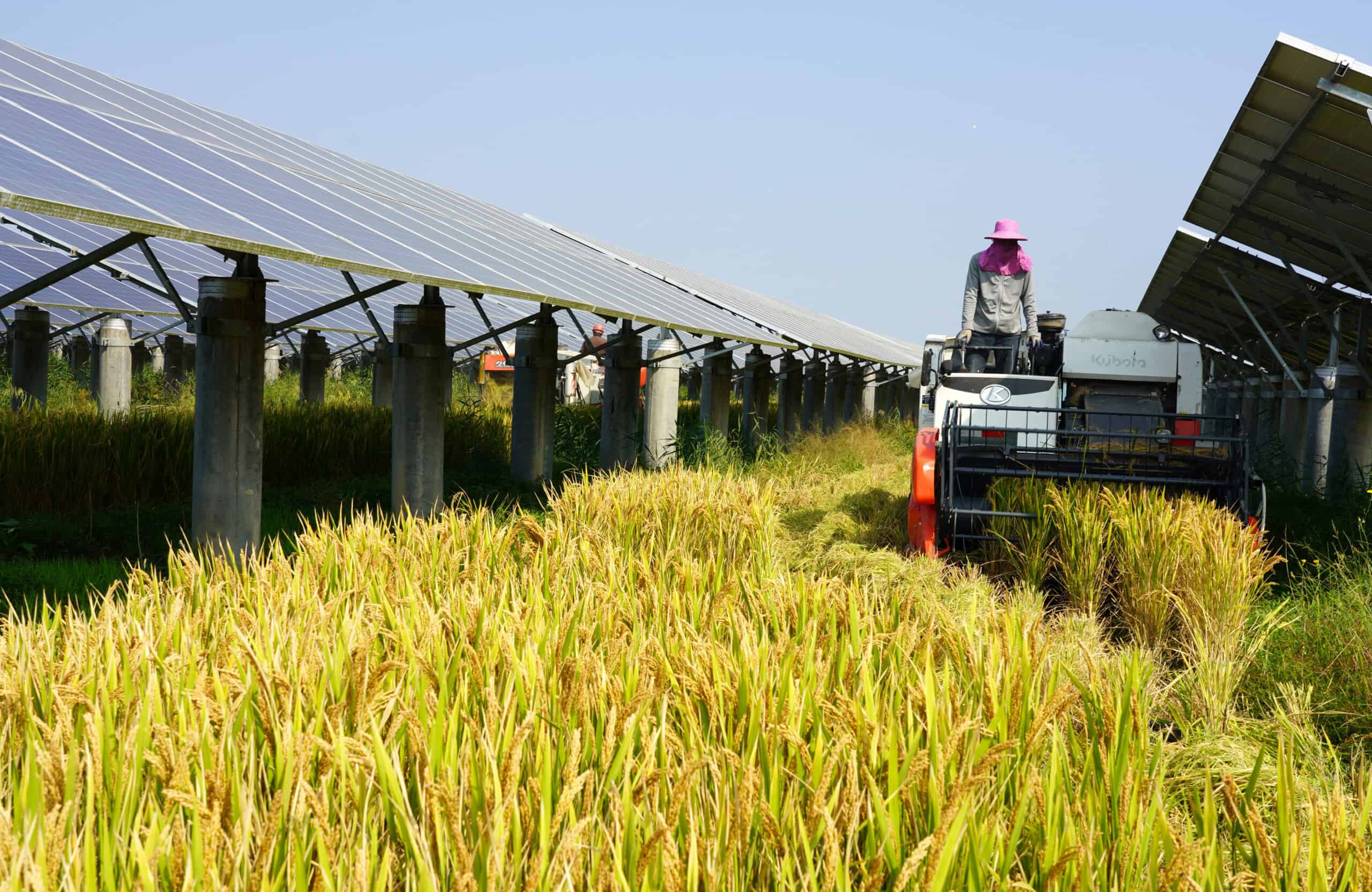
China needs land for crops and solar energy installations. Rather than compete against each other, farmers and green energy companies are realizing that they can cooperate by using one piece of land for both purposes. They are also now exporting their newfound dual land-use expertise around the world.
We use cookies to ensure that we give you the best experience on our website. If you continue to use this site we will assume that you are happy with it.