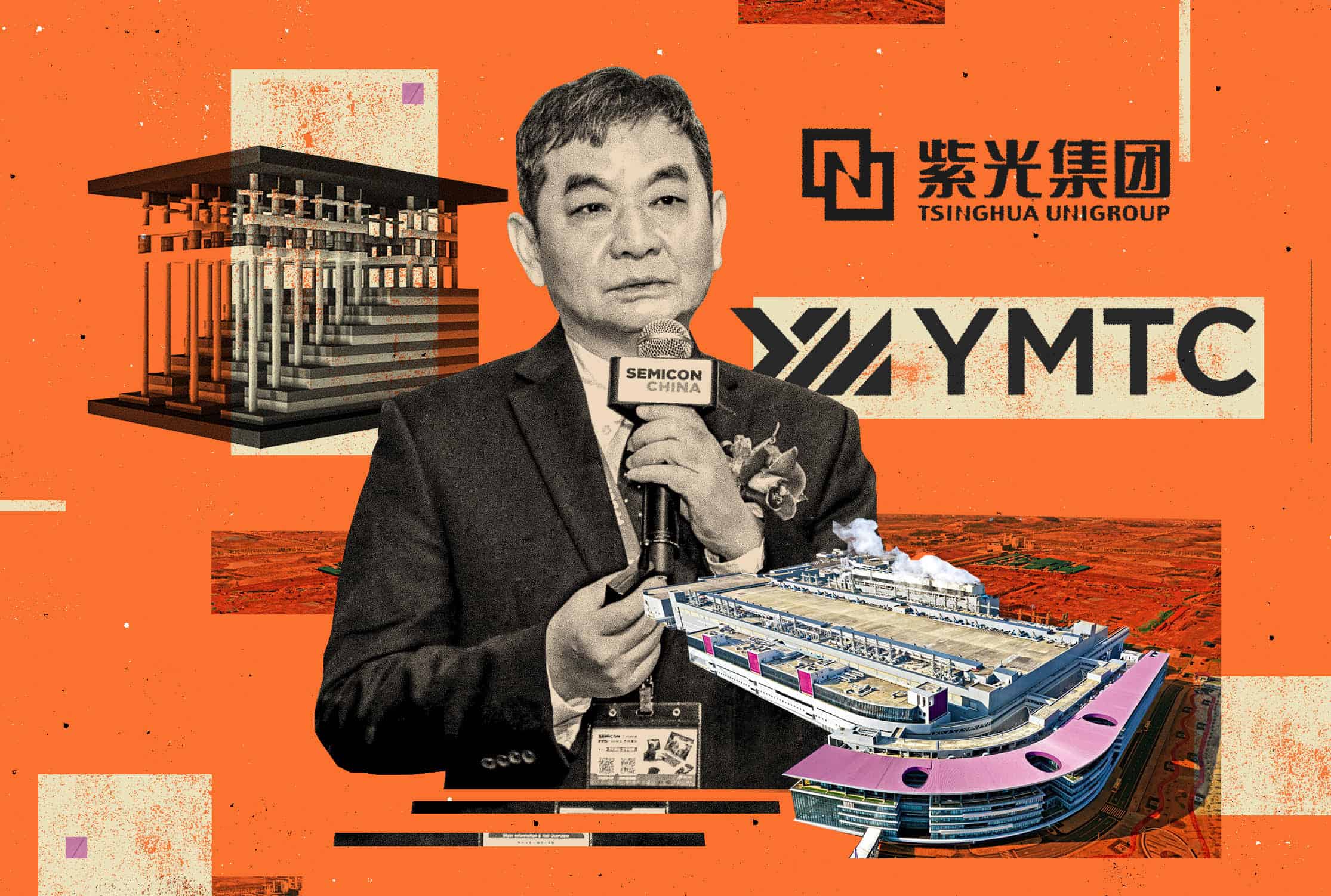
Good evening. For no reason in particular, let’s think of America and China’s geopolitical competition as a game of two 250-year halves. Thanks to its best players, Washington, Lincoln and FDR, Team USA dominated most of the first half and had a comfortable 4-0 lead as the halftime whistle neared. Subbing off the Qing dynasty was a wise tactical move by China, but even then it took a while before its players stopped fighting among themselves. The game’s momentum finally turned when China’s two midfield generals, Deng and Xi, got two goals back in quick succession just before the first half ended. Should China get the first goal of the second half, it will be 4-3 with a lot of time still on the clock. And the U.S. will not be helped by its controversial assistant coach, Don Trump, who took charge after Head Coach Joe Biden lashed out at the ref and got a red card that he has only himself to blame for. Trump is adored by half of his players but hated by the rest, undermining their on-field cohesion. In this week’s issue, The Wire China examines three critical areas of Sino-U.S. competition that will help determine the outcome of the Game of the Millennium: solar energy, electric vehicles and semiconductors. May the best team win!
Eclipsed
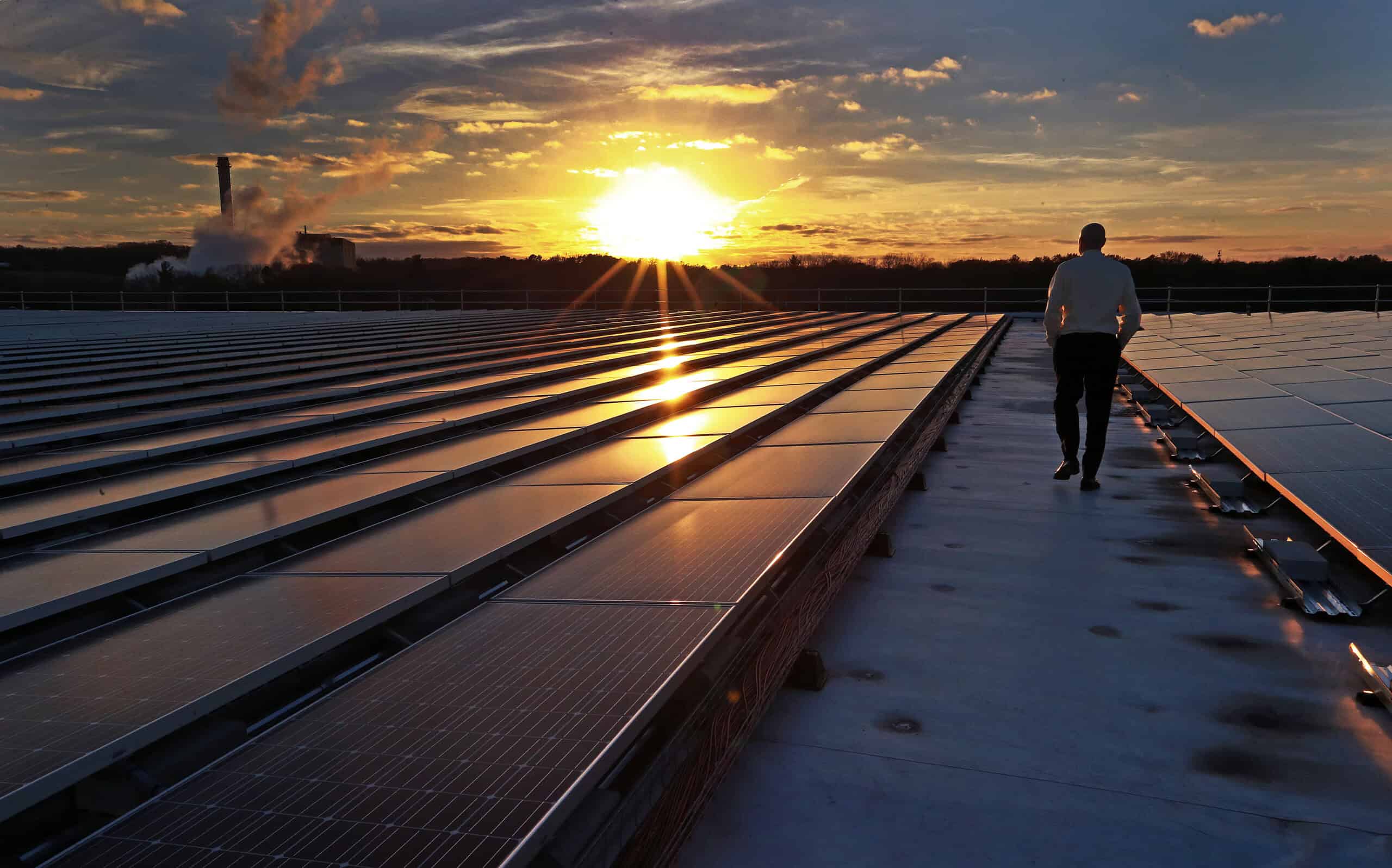
The U.S. pioneered the technologies that made solar energy feasible but couldn’t muster — across the Obama, Biden and two Trump administrations — the policy consistency necessary to lead the industry. So China said thank you very much, built huge overcapacities, drove down costs, and appeared poised to make large investments in U.S. solar projects. But in a rare instance of the Biden and Trump administrations agreeing on something, neither thought this was a good idea. Savannah Billman looks at China’s subsequent retreat from the American solar industry.
Other items in this week’s issue: A letter from Xiaomi HQ; doth Nvidia protest too much?; the China-EU tipping point; the CFR’s Benn Steil on the fall of the WTO and the rise of CIPS; and Ann Listerud on the Communist Party’s contingency plans for a possible Chinese financial crisis.
Want this emailed directly to your inbox? Sign up to receive our free newsletter.
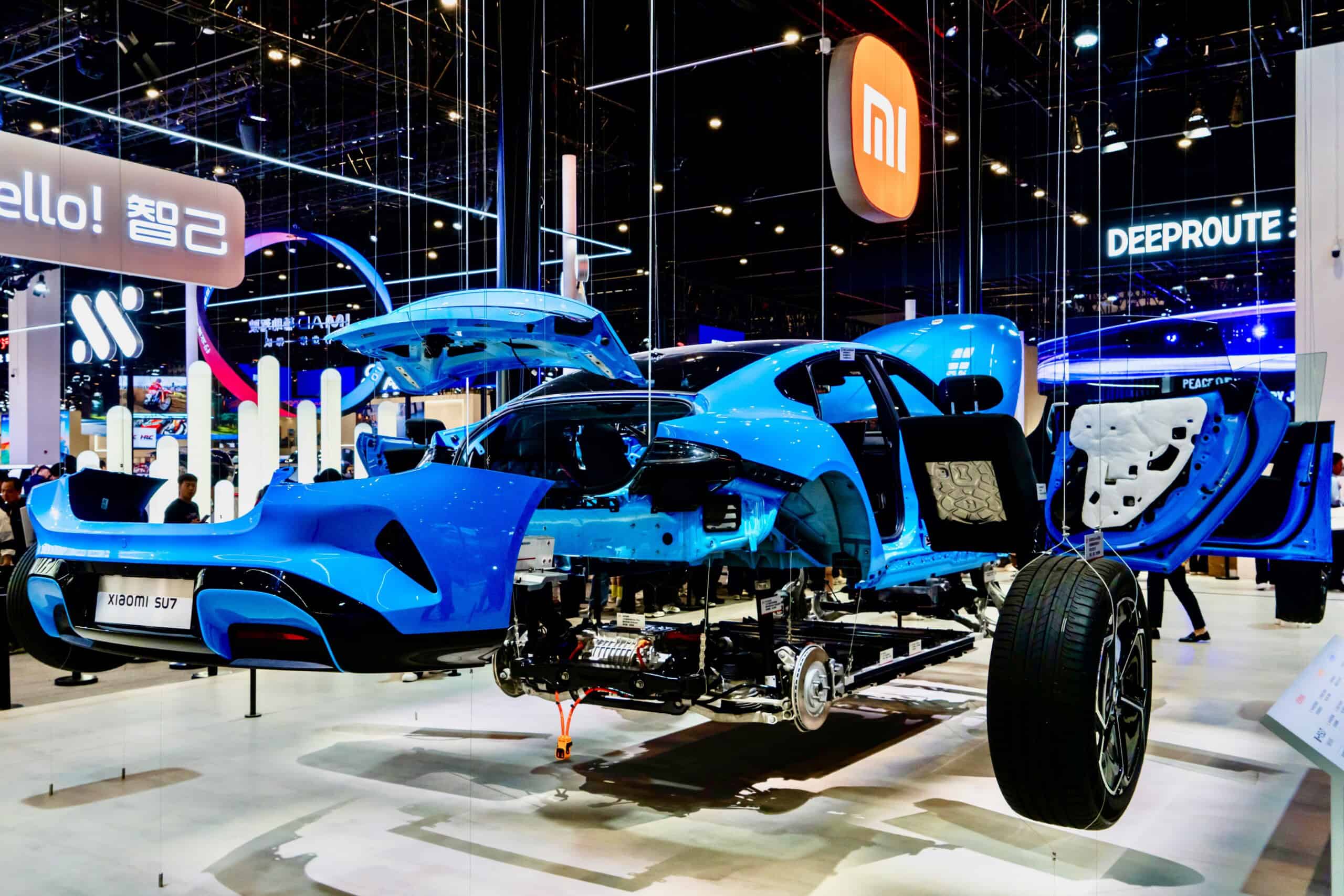
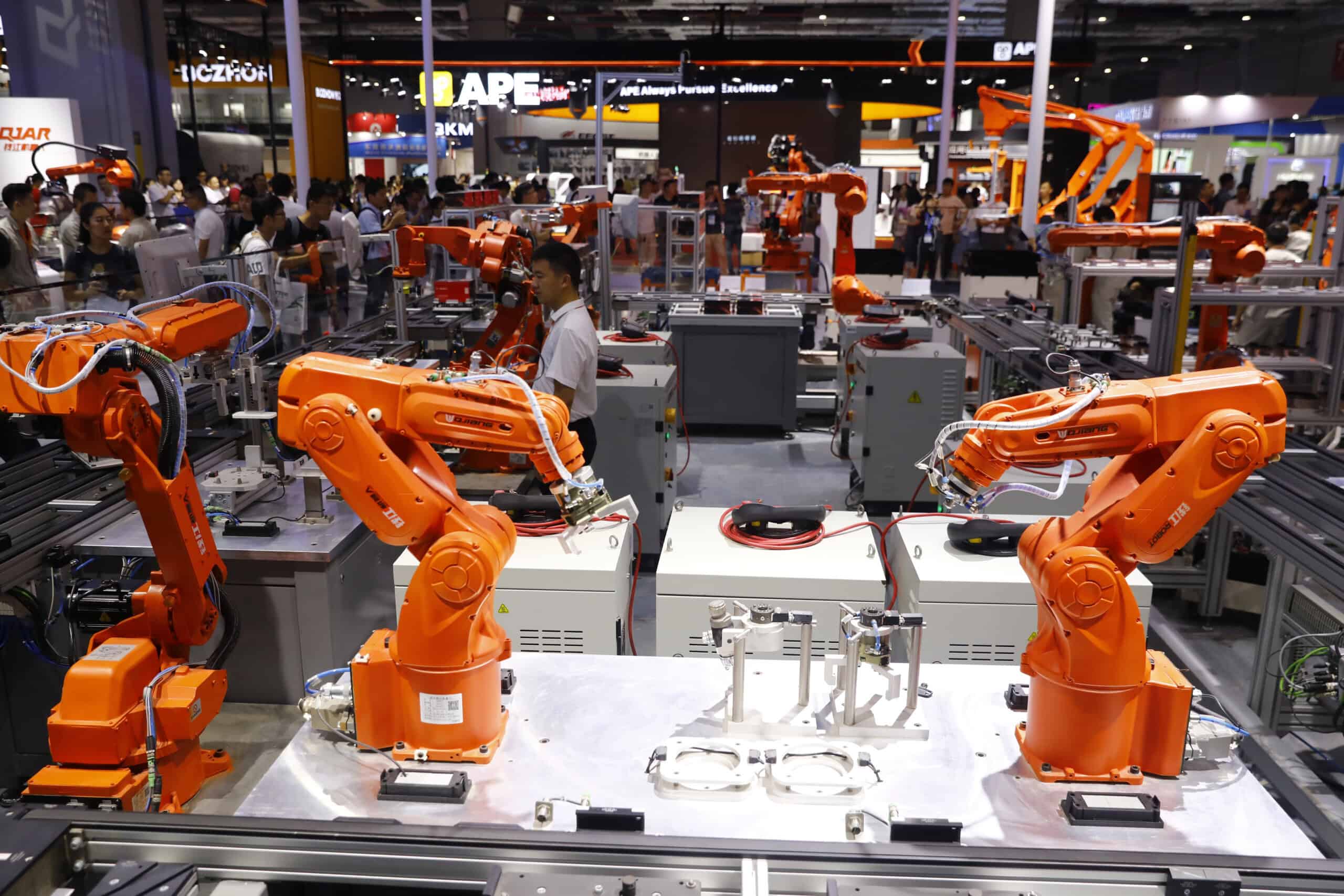
America’s EV Reckoning
The acronym ICE stands for two of Donald Trump’s most favorite things, Immigration and Customs Enforcement and the internal combustion engine. Upon returning to the White House, Trump binned the Biden administration’s plans to support electric vehicles. China, meanwhile, went all-in on EVs and in doing so transformed the global automotive industry. Joshua Busby, a Biden-era Pentagon climate change adviser, recently visited Xiaomi’s new EV factory in Beijing to see just how big China’s lead has become.
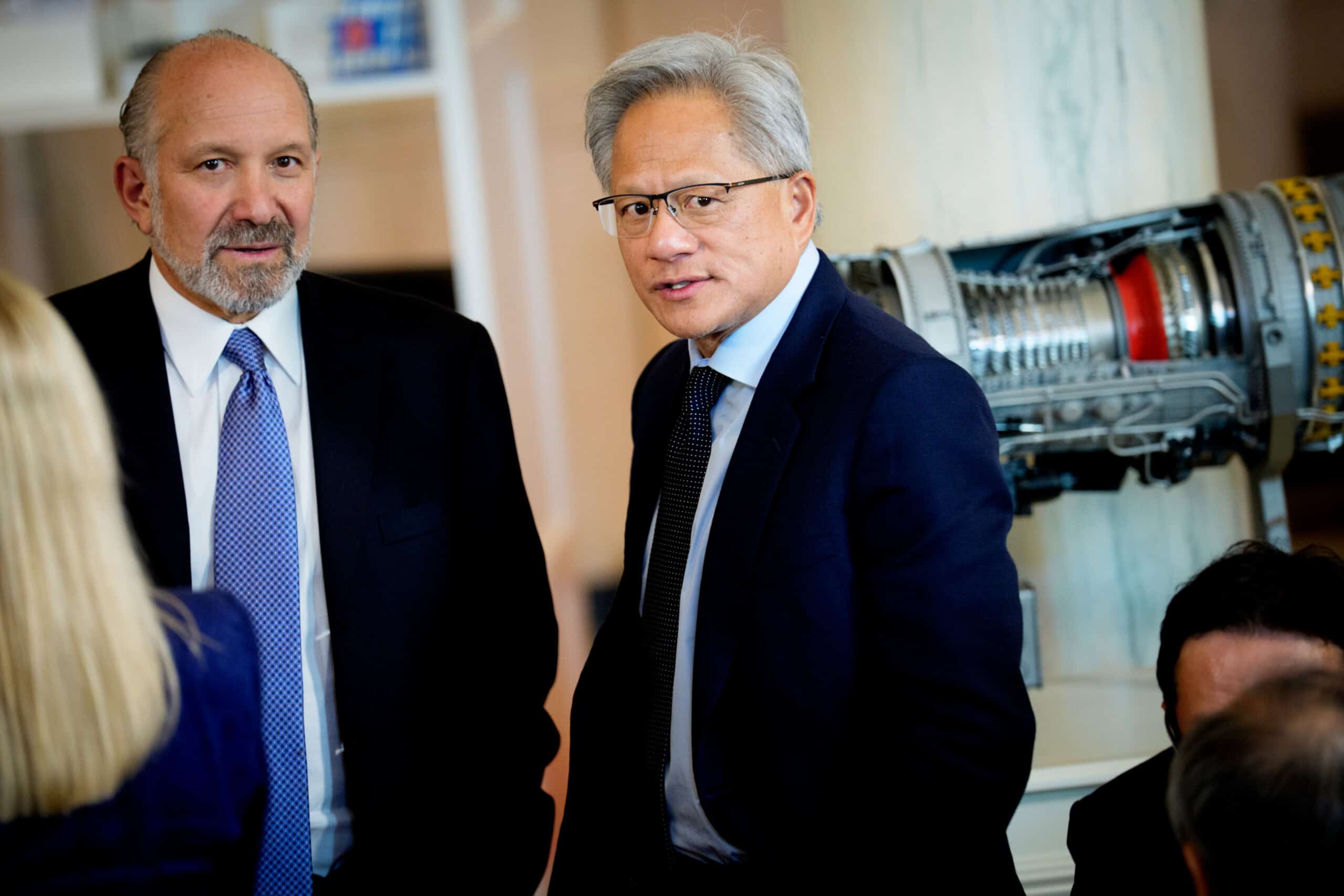
The Company That Cried Huawei
Noah Berman lifts the lid on the tactics Nvidia used to argue that it should be allowed to sell its advanced semiconductor chips to China. In a report viewed by The Wire, which Nvidia presented to the U.S. government last year, the company argued that if it was not allowed to do so, its Chinese rival Huawei would have the “flexibility to satisfy global AI chip demand” and could soon dominate the global industry.
Noah’s scoop is also the subject of the latest Wire China podcast.
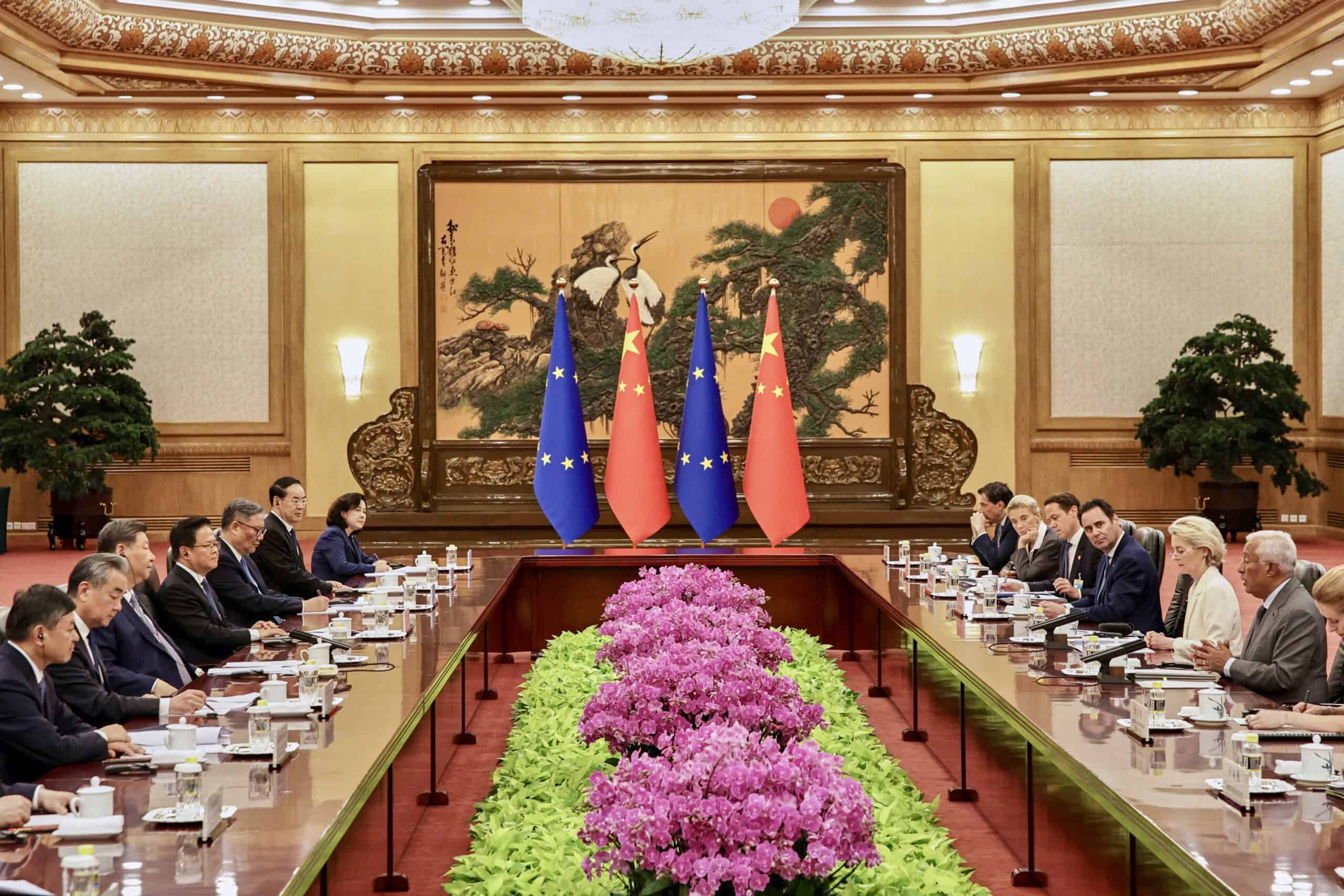
Trade as War by Other Means
The causation chain is not hard to follow. China’s manufactured and industrial goods surplus with the U.S. and EU goes up. The number of U.S. and EU manufacturing and industrial jobs go down. The number of votes for Trump or his European far-right imitators goes up. In The Big Picture, Savannah Billman maps the increasingly one-way trade autobahn between China and the EU.
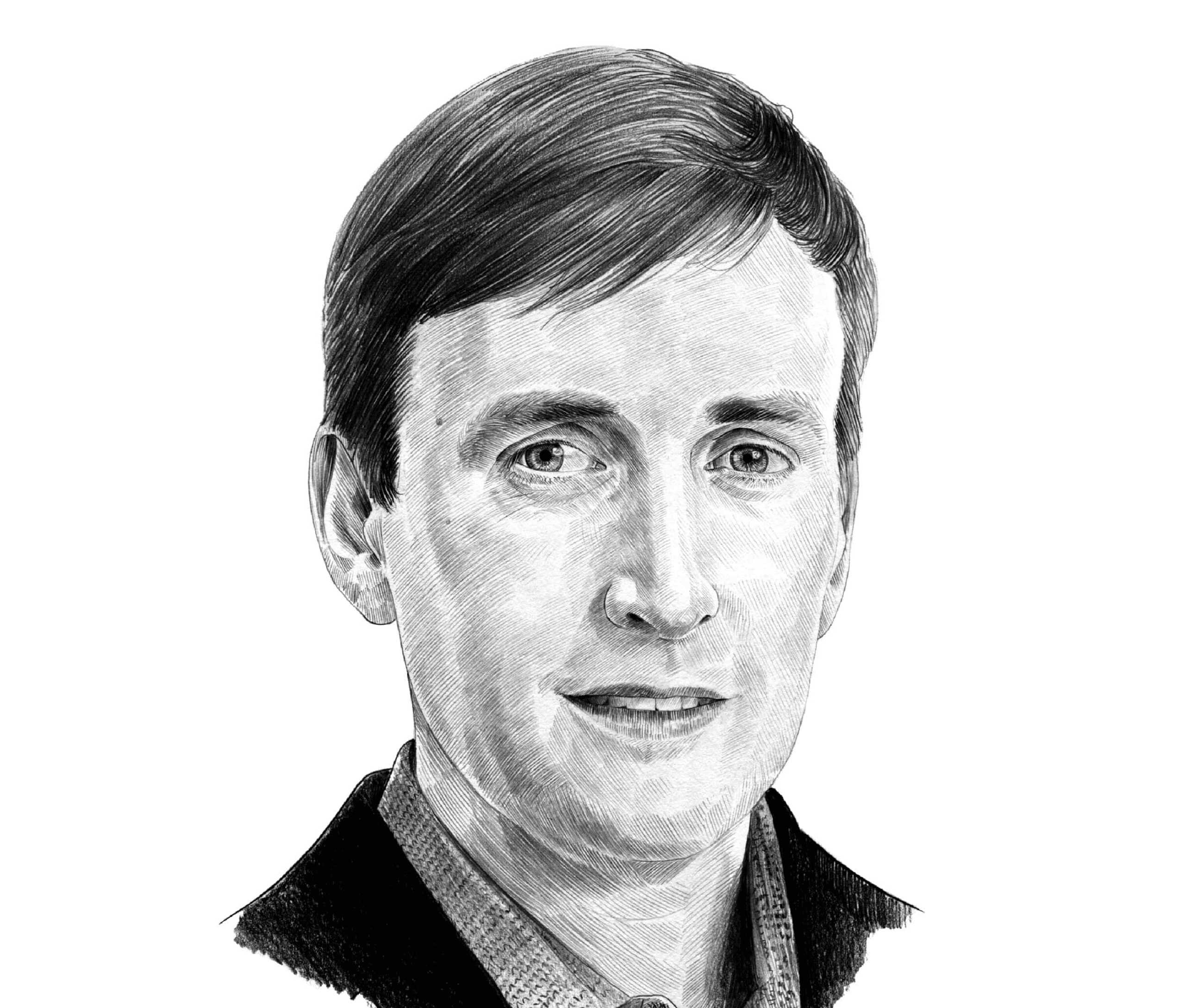
A Q&A with Benn Steil
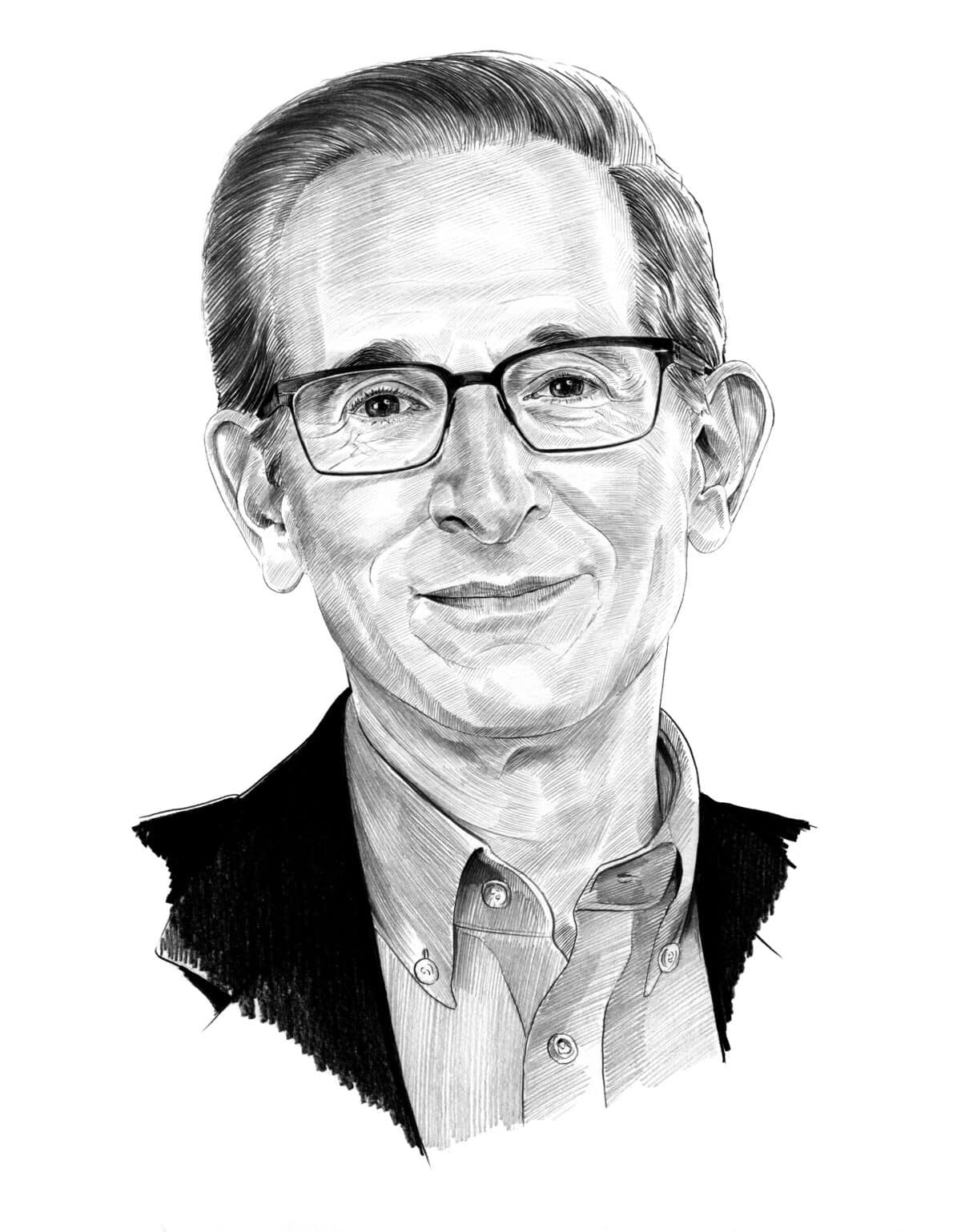
Benn Steil is director of international economics at the Council of Foreign Relations and the author of three books on the intersection of money, markets and geopolitics. He speaks with Addis Goldman about how China overwhelmed the World Trade Organization, helped create President Donald J. Trump, and is now attempting to bypass the dollar-centric SWIFT international payments system with a “CIPS” alternative of its own.
The last of these, says Steil, “is being driven by the world’s desire to immunize itself from U.S. sanctions — when the U.S. attacked Iran, you saw a sharp spike of renminbi transactions on CIPS”.
Benn Steil
Illustration by Lauren Crow
What the Party is Really Worrying About
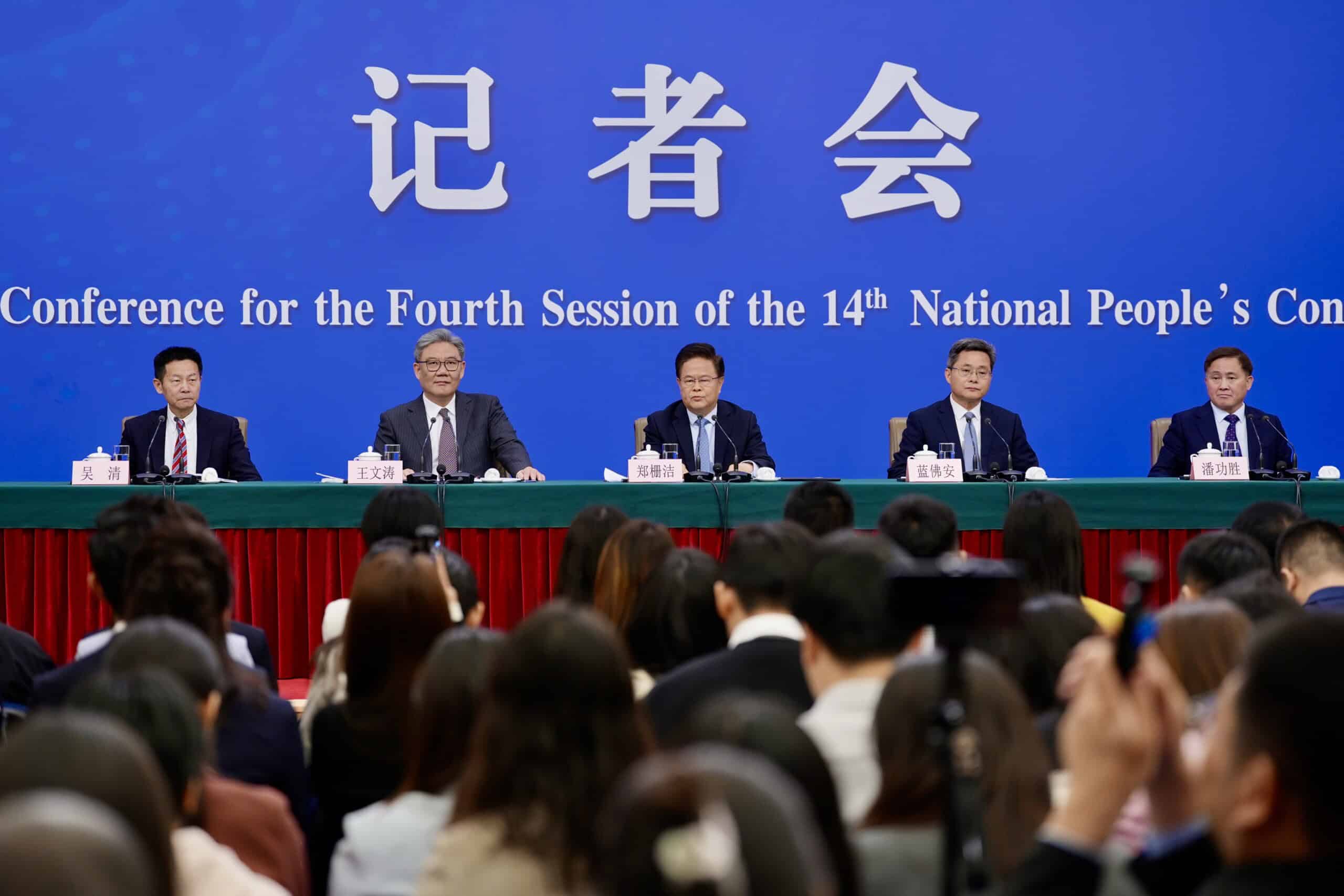
Don’t just read China’s latest five-year plan to learn of its grand ambitions. Ann Listerud writes that it should also be read with the Chinese Communist Party’s fears in mind. The latter include a domestic financial crisis, as belied by the bank bailout funds discussed in the plan.
Subscribe today for unlimited access, starting at only $25 a month.