When Donald Trump returned to the White House last year, China hawks in Washington had high hopes he would resume taking the kind of assertive actions against Beijing that marked the end of his first term.
But as Trump and his team now prepare for a delayed summit with Xi Jinping in China next month, those wishing for more of the same are feeling disappointed. Aside from raising tariffs on China, Trump has introduced few restrictions on Beijing since resuming office last January.
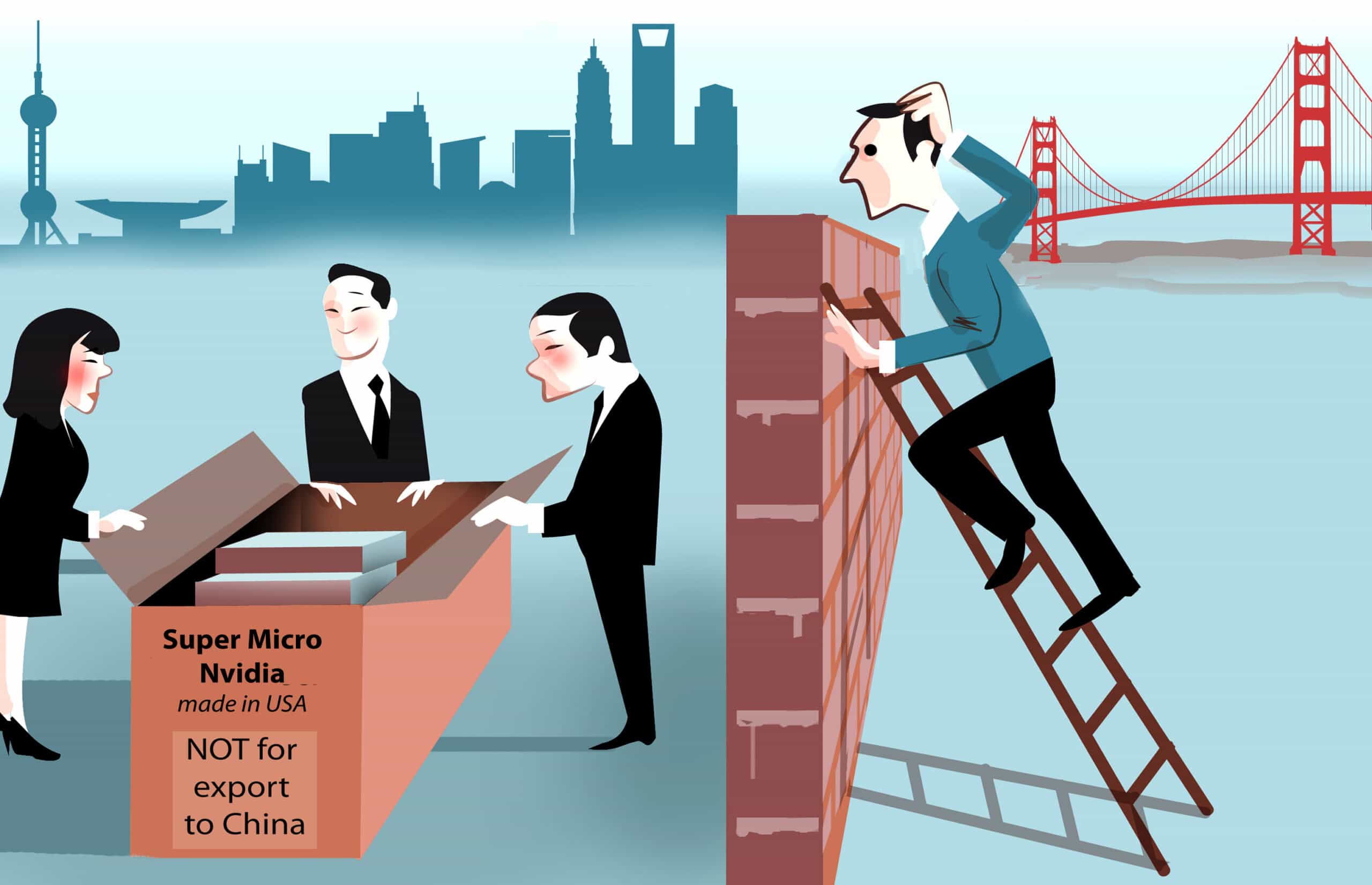
In fact, a series of concessions to the United States’s top strategic rival have been a feature of Trump’s second term. His administration has watered down export controls that prevent companies such as Nvidia from selling advanced AI chips to China, and reached a deal on TikTok that allows Bytedance, its Chinese former parent firm, to keep control of the social media platform’s powerful algorithm. The president has backed off a major trade war with China and has even suggested that he would let Chinese electric vehicle manufacturers invest in the United States.
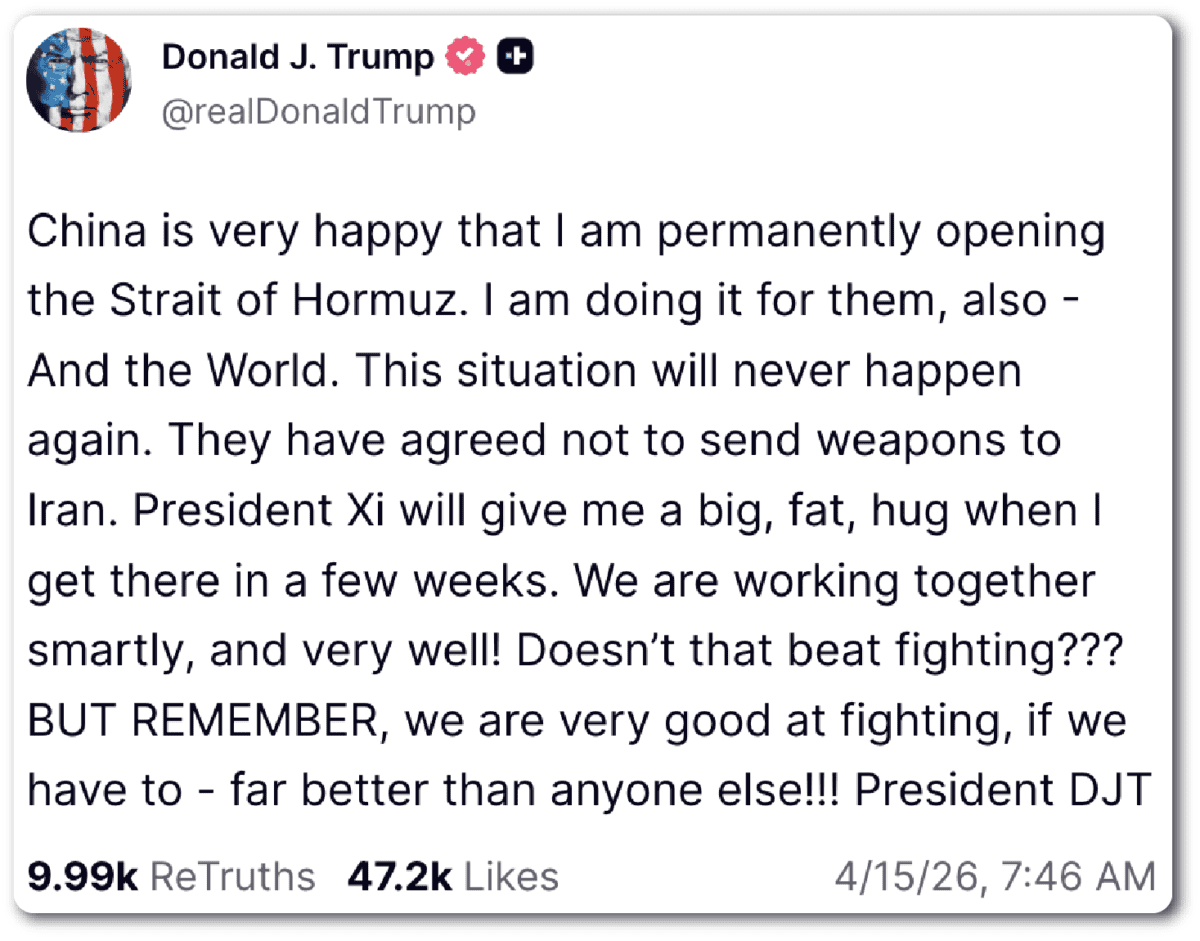
And while Trump has often had harsh words for leaders of long-term American allies, he has repeatedly signaled his respect for Xi Jinping. On April 15, he wrote on social media that Xi would give him “a big, fat, hug” when he gets to Beijing on May 14.
Congress, meanwhile, has remained in a more aggressive mode. The House of Representatives this week advanced a bipartisan bill to further restrict foreign companies from selling chipmaking equipment to China. The most recent congressional defense bill, which passed last December, contained several China-related restrictions.
The result is that while analysts used to speak of a cross-party desire for the U.S. to get tougher on China, Trump’s stance has created a divergence on China both within the Republican camp, and between the White House and Capitol Hill. Such splits reflect what is happening in the U.S. at large, where an older generation with more hawkish views on China contrasts with younger people whose views are softening.
“There has been an expectation in both parties that a bipartisan consensus on China could somehow transcend other political realities,” says Julian Gewirtz, who focused on China as a senior policy official during the Biden administration. “Whatever one thinks of the accuracy of that expectation, it is no longer the case, as Trump has dramatically shifted the way many Republicans are approaching China.”
Perhaps the largest shift came last October, after the Trump administration announced plans to expand a trade blacklist that would have affected more than 20,000 Chinese companies. In response, China unveiled its own extraterritorial export controls on rare earth elements that threatened to hamstring global trade. That move led the U.S. to drop its proposed restrictions.
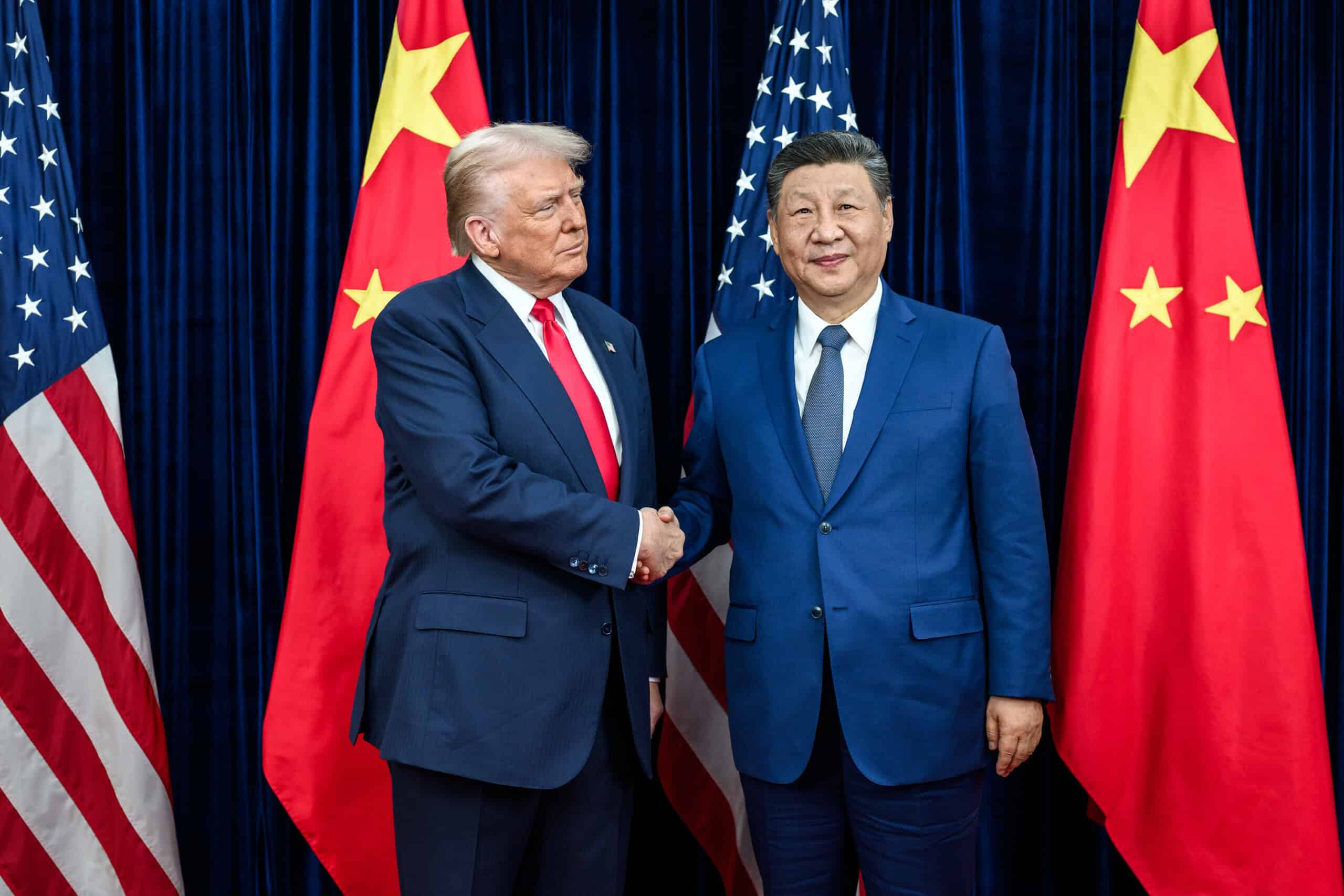
“Both sides are invested in keeping the U.S.-China relationship relatively stable,” says Patricia Kim, a senior fellow at the Brookings Institution. “That’s what’s going to be driving the trajectory of the relationship for at least the next year.”
Many observers say Trump’s team has had to take a less confrontational approach after underestimating China’s ability to exploit its control of rare earths. A handful of federal agencies have dropped China-related actions since last autumn.
War with Iran could now be making Trump even more wary of stirring up issues with China that could lead to further economic disruption. The president has instead sought Beijing’s help to open the Strait of Hormuz, a chokepoint through which around 20 percent of global oil passes.
“The Trump administration is committed to ushering mutually beneficial trade relations with China without compromising on our national and economic security,” a senior administration official told The Wire.
The Iran conflict could yet be a factor that reignites U.S.-China tensions. American officials have previously accused Chinese companies of aiding Iran’s military efforts. On Friday, the Treasury Department sanctioned nine companies based in China and Hong Kong for buying and shipping Iranian oil.
Beijing sees the United States undermining and squandering its strengths, alienating much of the world, and behaving with a degree of violence and impetuosity on the world stage that is profoundly unsettling to everyone.
Julian Gewirtz, a senior policy official during the Biden administration
And while Trump has backed off a serious trade war, tariffs on nearly all imports from China remain much higher than when he returned to office. The effective U.S. tariff rate on China was 31.6 percent in February, almost triple the 10.7 percent rate in January 2025, according to an analysis by the Penn Wharton Budget Model.
“The truce is quite fragile between the U.S. and China,” says Liza Tobin, a China director on the National Security Council during the first Trump administration. “It could shatter at any time.”
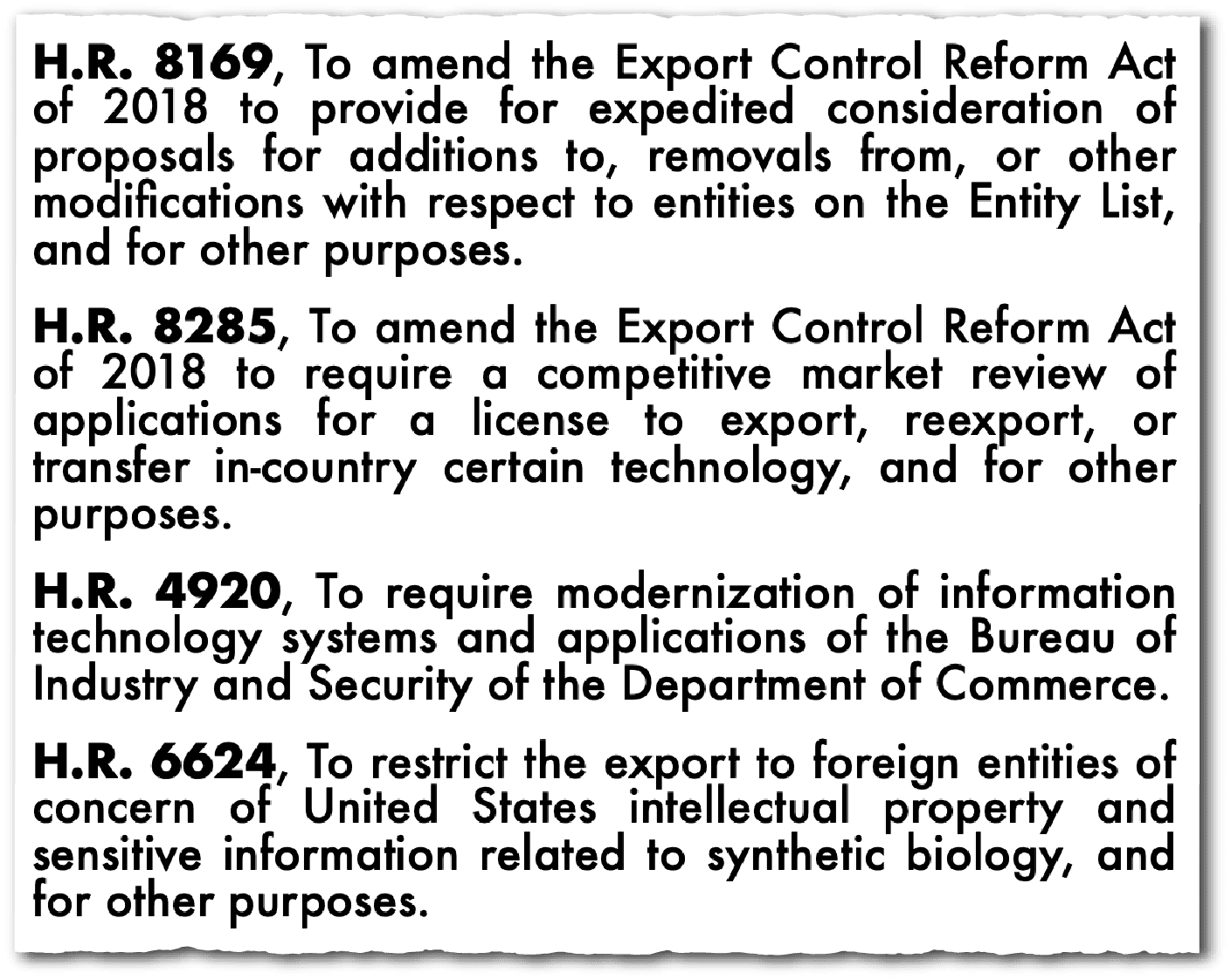
For now, Congress is setting the hawkish agenda. Last month, the House Foreign Affairs Committee unanimously advanced Republican-led legislation aimed at reeling in chip smuggling to China. The House voted on Wednesday to advance more than a dozen other export control bills.
“This is the biggest push from Congress on export controls since 2018,” says Michael Sobolik, a senior fellow at the Hudson Institute who worked as a staffer for Republican Senator Ted Cruz for five years.
The flurry of bills signals congressional frustration with the Trump administration’s approach to tech exports. The White House approved sales to China of Nvidia’s previously restricted H200 chip last December, around five weeks after Trump met Xi at a summit in South Korea.
“China is notorious for importing and stealing American and allied civilian technologies and maliciously using them in support of its military,” Republican Congressman Jim Baird said in a statement on Wednesday. “We cannot allow our advanced technologies to give China the upper hand.”
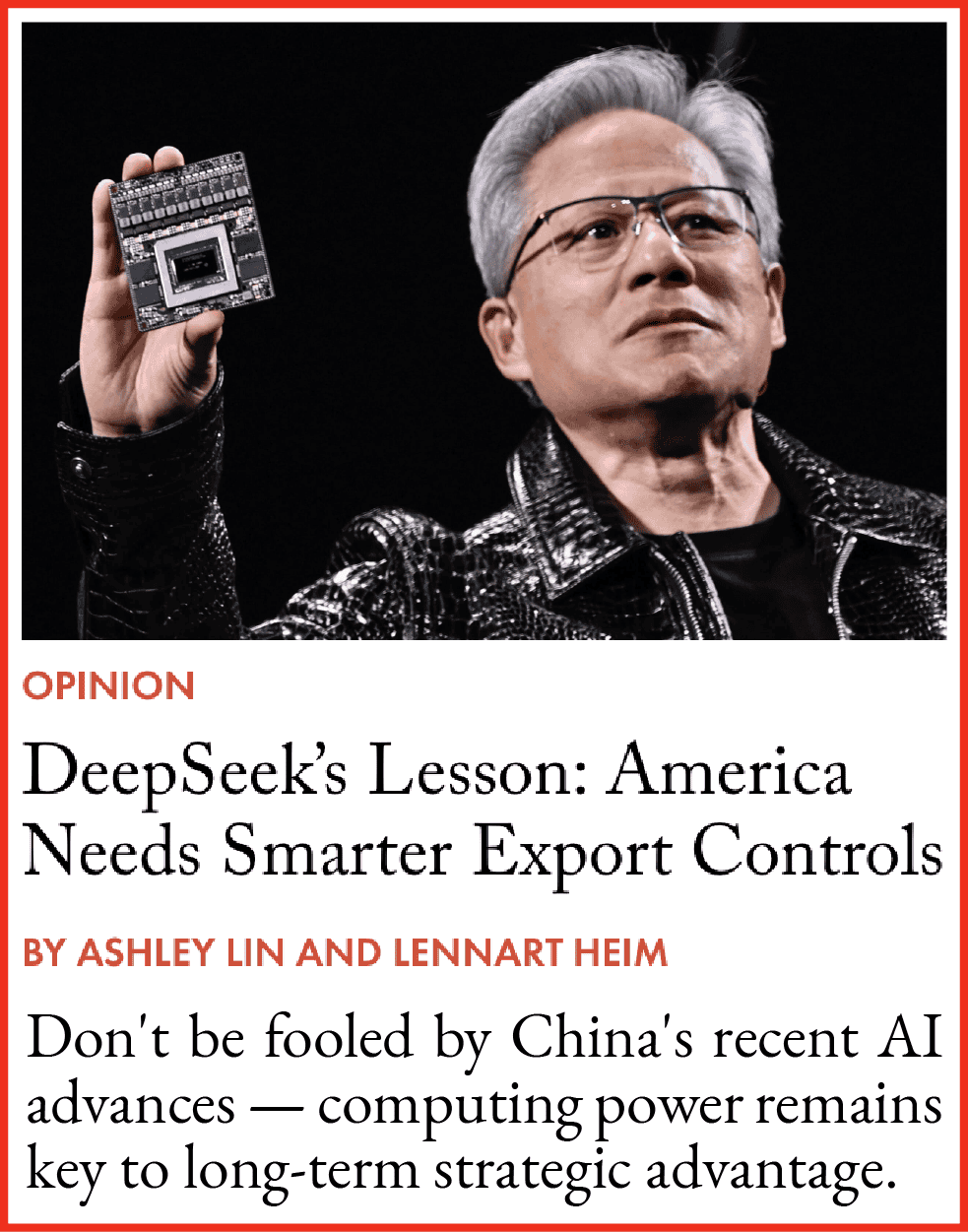
Congress’s export control bills still face powerful industry opposition and unclear support from Trump, who to date has been sympathetic to major U.S. chip companies. Nvidia’s chief executive, Jensen Huang, has been “very effective at cultivating that personal touch with President Trump,” Sobolik says. A different, bipartisan, export control bill passed the Senate last year, but died after facing pushback from the White House.
Many Republicans in Congress are “not happy” with the administration’s soft stance on China, says Eyck Freymann, a fellow at Stanford University’s Hoover Institution. “But they’re not going to pick a fight with Trump.”
Some argue that President Trump has never been as motivated by China-related national security concerns as other Republicans.
“President Trump wants from China what he’s always wanted, which is a trade deal,” says Sobolik. Many members of Congress, he adds, “view the relationship being fundamentally confrontational.”
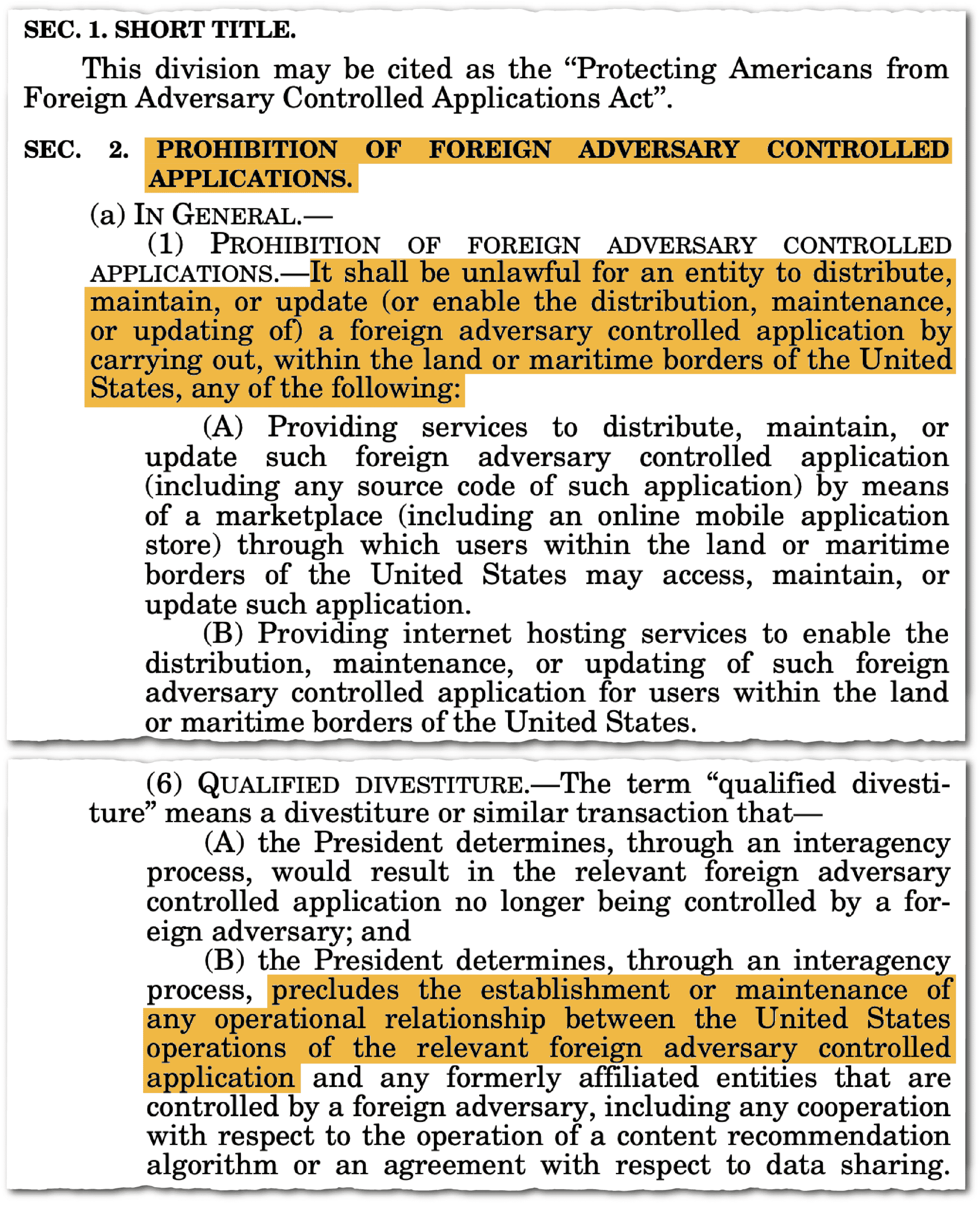
Trump has rankled Congress before. For months he avoided enforcing the letter of a law passed in April 2024 that threatened to ban TikTok on national security grounds unless Bytedance sold it to a non-Chinese buyer.
A U.S. consortium finalized a deal to buy the social media platform in January, but it continues to license its algorithm from Bytedance — putting it in conflict with the law, which requires a severing of any “operational relationship” with the Chinese company.
“They are blatantly violating the law,” says Brendan Ballou, a former federal prosecutor who is now leading a lawsuit against the Trump administration over the TikTok deal.
TikTok did not respond to a request for comment.
The Trump administration’s more emollient approach chimes with a shift in American public opinion. A Pew Research Center poll from last year found that only a third of American respondents supported a TikTok ban, down from half of those surveyed in 2023.
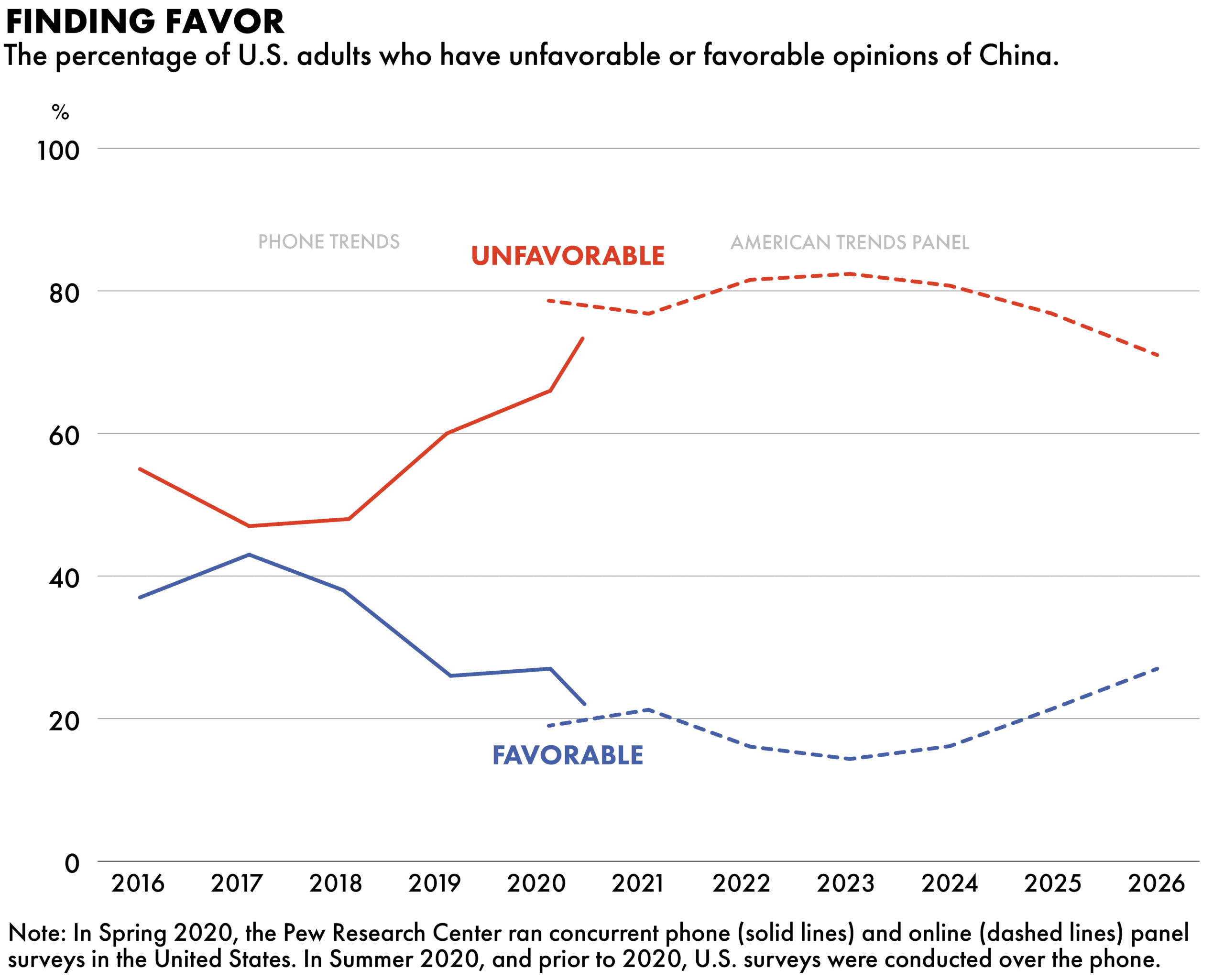
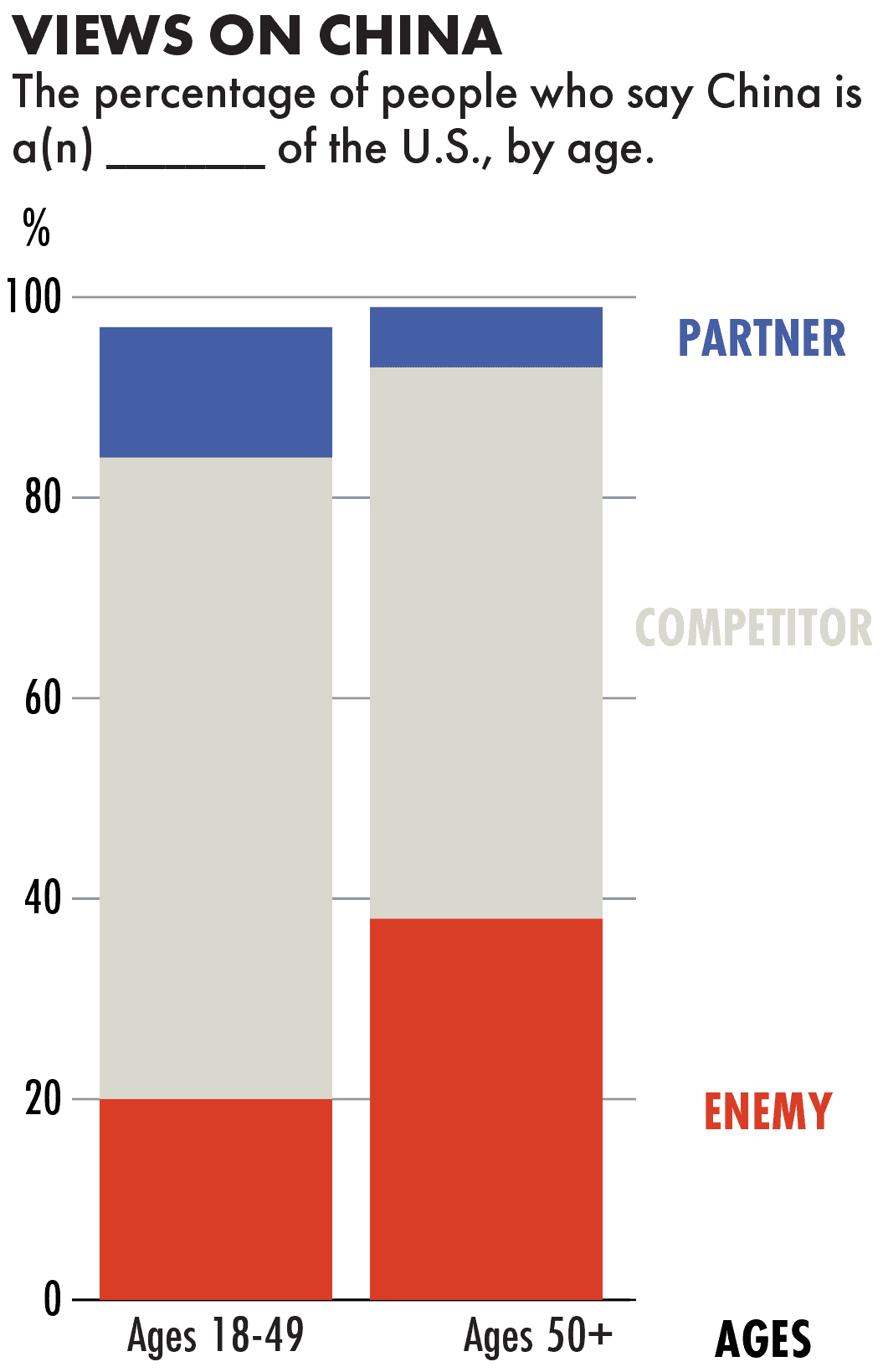
More recent Pew polling from this month shows that Americans are feeling more favorable towards China than at any time since before the Covid-19 pandemic, although almost three quarters still hold an unfavorable view. Democrats and Republicans under 50 years old were both far less likely to view China as an enemy relative to their older peers, the poll also found.
Influencers have played a “major role” in changing generational attitudes toward China, says Hasan Piker, a left-wing political commentator who visited the country last year. He adds that while many people in the U.S. are experiencing “a deterioration of the accessibility of the American dream,” social media platforms such as TikTok have made it easier for people to see an “unvarnished” view of China — even if they do not show its worst aspects.
“That’s a big shock for a lot of people, and it [has] caused them to reconsider their opinion on China,” Piker says.
The same Pew poll found that Americans are growing less confident about Trump’s ability to handle the U.S.-China relationship — and are more than twice as confident in Xi’s ability to handle world affairs than they were in 2023.
“Xi Jinping has Donald Trump and his administration right where he wants them,” says Gewirtz, the former Biden official. “Beijing sees the United States undermining and squandering its strengths, alienating much of the world, and behaving with a degree of violence and impetuosity on the world stage that is profoundly unsettling to everyone.”

Noah Berman is a staff writer for The Wire based in New York. He previously wrote about economics and technology at the Council on Foreign Relations. His work has appeared in the Boston Globe and PBS News. He graduated from Georgetown University.