The Wire profiles the Chinese government bodies responsible for managing the country’s AI rollout.
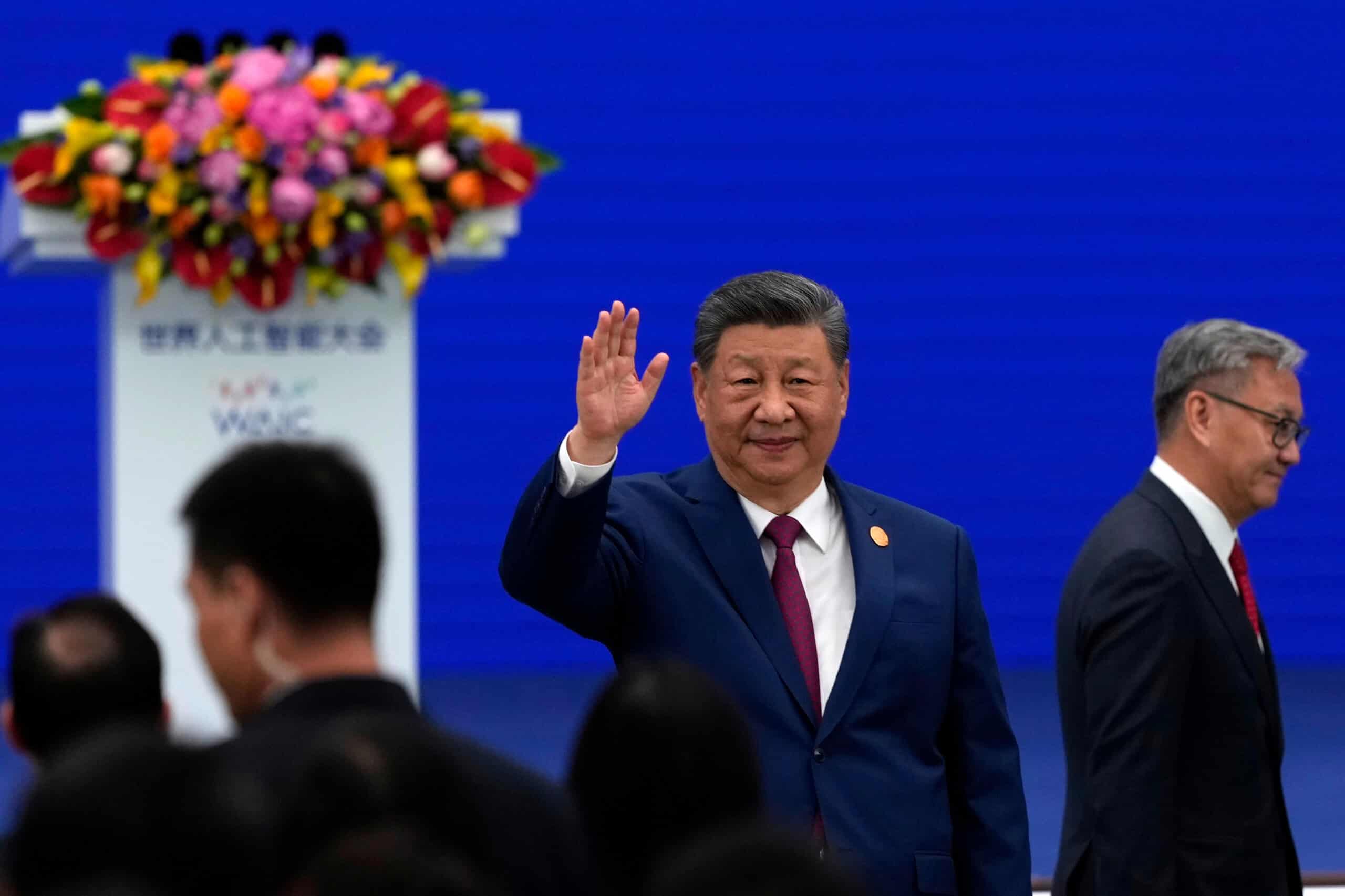
Xi Jinping waves as he arrives at the opening ceremony for the World AI Conference in Shanghai, July 17, 2026. Credit: Ng Han Guan via AP Images
Beijing has gone all-in on AI as a pathway to technological self-sufficiency, but with limits: Like other governments around the world, it is grappling with how to regulate the burgeoning industry.
Chinese officials have for decades closely managed digital content and what can and can’t be shared online inside the country. Their initial moves to manage AI continued in this vein, with early regulation in 2017 and 2018 focused on deepfakes and AI’s potential to sway public opinion.
Exclusive longform investigative journalism, Q&As, news and analysis, and data on Chinese business elites and corporations. We publish China scoops you won't find anywhere else.
A weekly curated reading list on China from Andrew Peaple.
A daily roundup of China finance, business and economics headlines.
We offer discounts for groups, institutions and students. Go to our Subscriptions page for details.
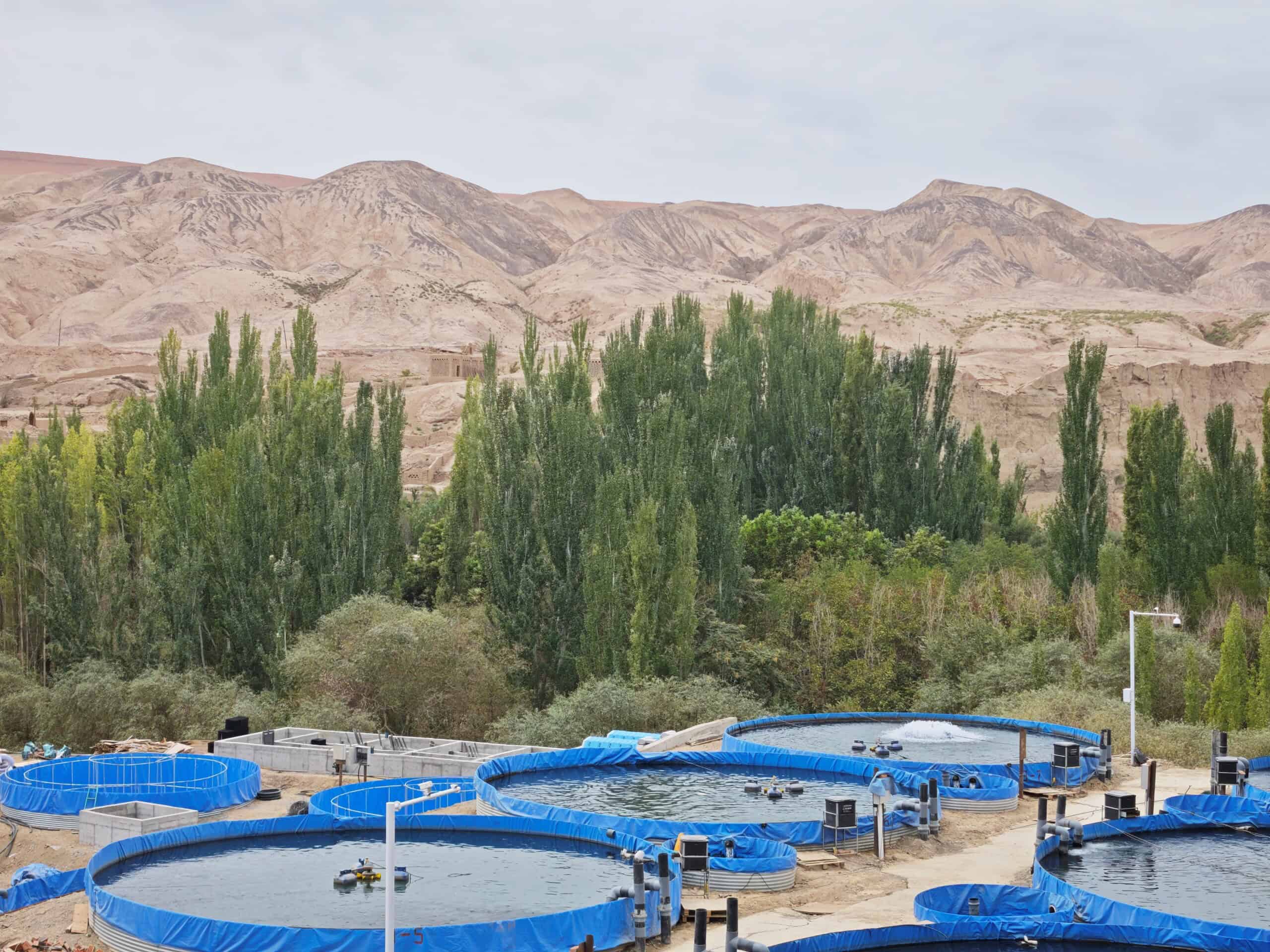
Fish farming in Xinjiang is being sold as proof that technology can overcome geography. The reality is more complicated: a desert seafood boom built on political control, imported feed and a food system that masks its real burdens.
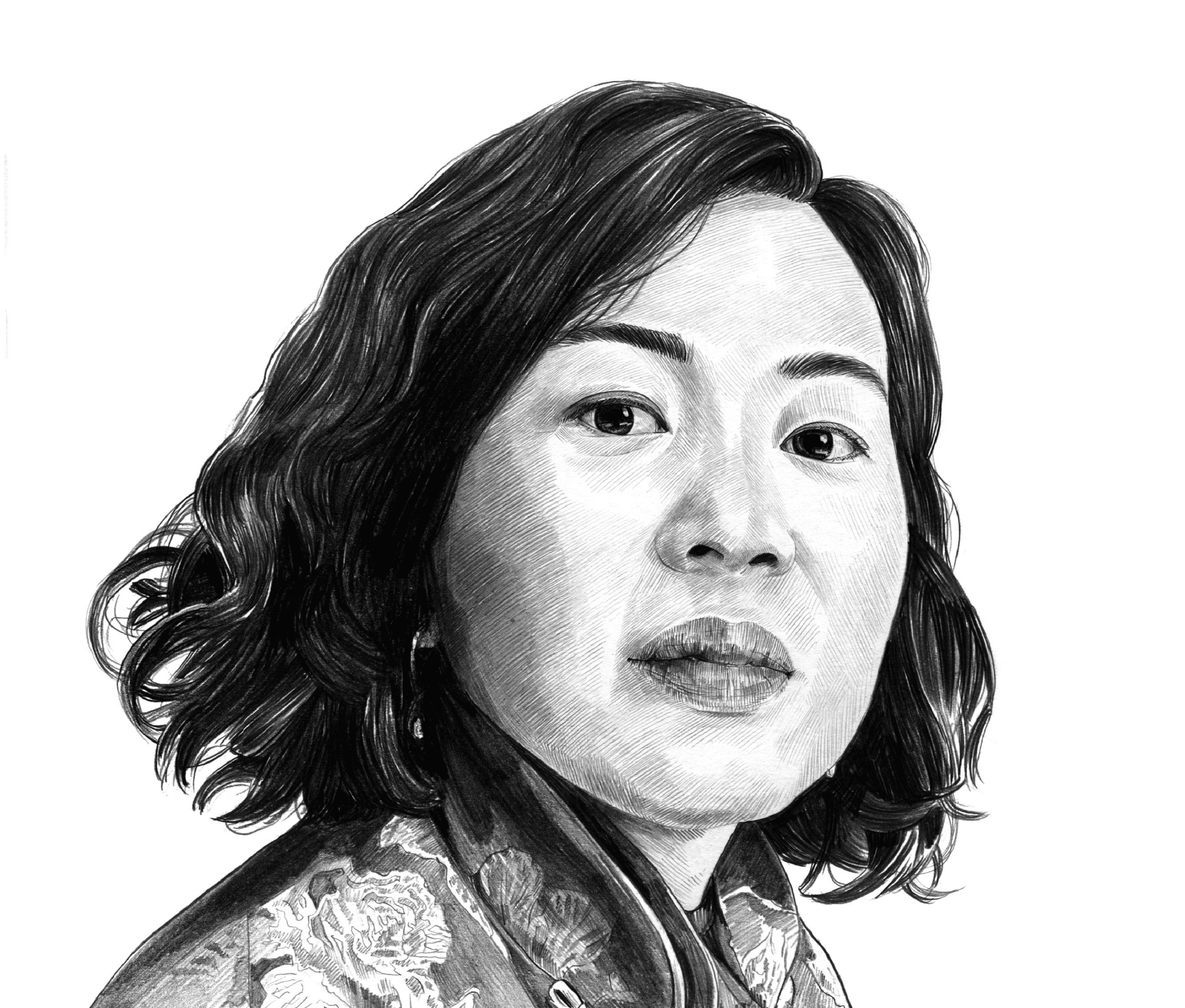
The foreign correspondent describes meeting with the Uyghurs from Xinjiang who played a key role in the Syrian civil war, but who now find themselves potentially stateless.
The highly profitable battery making giant dominates the global and domestic market. Now, struggling EV manufacturers are pushing back with their own products.
Corporate Risk Intelligence for National Security, Compliance & Due Diligence
We use cookies to ensure that we give you the best experience on our website. If you continue to use this site we will assume that you are happy with it.