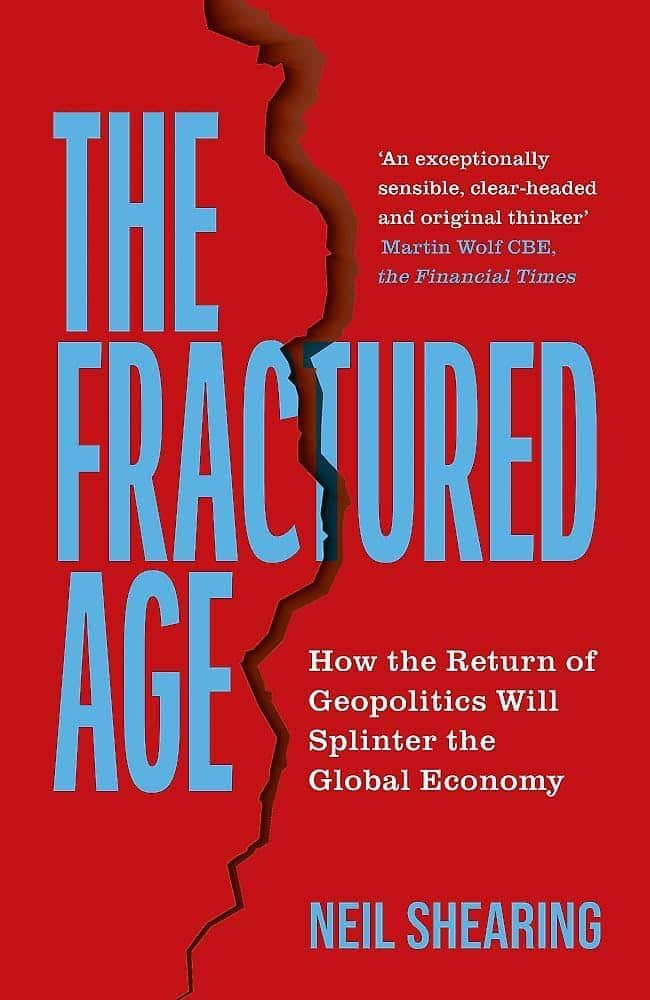
Neil Shearing is the group chief economist at London-based advisory firm Capital Economics, having previously worked at the UK Treasury. His new book, The Fractured Age, was chosen by Financial Times commentator Martin Wolf as one his top books 2025. In it, Shearing sets out why he sees the world economy splitting into two camps led respectively by the U.S. and China, even though globalization itself is not going into reverse. This is an edited transcript of our recent conversation about the book.

Illustration by Kate Copeland
Q: Could you talk us through why you think we are now living through what you describe in your book as the ‘fractured age’?
A: The genesis of the book lies in the first Trump administration, when it placed tariffs on China and other countries in 2018. The financial press was full of headlines around a return to the 1930s, countries turning inwards, and the world de-globalizing.
But the more we looked at the data, the less evidence we could find of this de-globalization. If you looked at global trade flows, they were close to a record high as a share of global GDP. Global capital flows were still extremely high by historic standards. And despite the repeated efforts of Western governments, migration flows were still extremely high. The rhetoric of de-globalization was everywhere, but there was really no evidence of it in the data.
So we asked ourselves, what has changed, because clearly something had shifted. The more we looked, the more it seemed that what had shifted was the institutional underpinnings of the global economy: in particular, an intensification of the superpower rivalry between the U.S. and China.
The whole thesis around globalization and integration in the 1990s and 2000s, which is when I worked at the UK Treasury, was that this would bring not just prosperity, but also peace — and that China in particular, but also Russia, Brazil, and India, would emerge as strategic partners for the United States.
| BIO AT A GLANCE | |
|---|---|
| AGE | 45 |
| BIRTHPLACE | Shrewsbury, UK |
| CURRENT POSITION | Group Chief Economist, Capital Economics |
Clearly that has not happened in the case of China and Russia; and China has emerged as a kind of peer competitor to the United States. The U.S. and China are locked in an intensifying superpower rivalry, and other countries are being forced to pick a side. And as other countries are forced to pick a side, the global economy itself has started to fracture.
This is a process in which we don’t quite know the exact end game. The key question is going to be who countries align with and how strong those alliances are, and what are the fault lines along which that fracture takes place. Is this going to be confined to geostrategically important goods, or will it be much wider?
What do you see as the underlying causes of the fracturing that is taking place?
| MISCELLANEA | |
|---|---|
| BOOK REC | My editor would ask me to plug The Fractured Age but, economics aside, the best book I’ve read in the past year is A Gentleman in Moscow. It’s wonderfully uplifting. |
| FAVORITE FILM | Anything by the Coen Brothers. |
| FAVORITE MUSICIAN | Dylan, Springsteen, Bowie — impossible to pick just one. |
There are three main things. The first is that faith in the early promise of globalization, that it would bring prosperity and peace, was undermined by the global financial crisis, which revealed vulnerabilities that had been allowed to build into the system. Now, I don’t believe for one minute that globalization was solely responsible for those vulnerabilities: but it became a convenient scapegoat for it, and for the fact that we’ve had a period of 10-15 years of relatively weak growth in advanced economies.
The second issue starts with the rise of President Xi Jinping in China in 2012. That signalled to the world that China was taking a slightly different path, that the priorities under Xi would be reasserting the primacy of the party at home and challenging U.S. supremacy overseas; and that would increasingly be embodied in economic policies, most famously in Made in China 2025. They started to use the open global training system as a means to achieve those goals rather than to partner with Western countries — and to challenge those countries instead.
I think it’s possible to hold a paradoxical view that China will continue to challenge the U.S. on the technological frontier, while also experiencing a sustained slowdown in productivity growth as a result of the structural strains in its growth model.
And now under Trump 2.0, the third factor is mercantilism. It’s quite clear that China is following a mercantilist growth model, to export its way to prosperity. That means everyone else has to do the importing, and the U.S. is the main economy capable of doing that. That’s anathema to Trump, who is pushing back. This factor has overtaken the values-based drivers of fracturing under President Biden.
Do you see this fracturing as potentially a temporary pullback from the years of integration and globalization, or as something likely to be more permanent, along the lines of the first Cold War?
One response to the idea of fracturing is to say, if only we could shake policymakers on both sides of the divide out of their complacency, and make them realize what’s at stake, then we could revert back to a pre-fractured, globalized economy, in which everyone prospers. Because there are economic costs and political risks to the fractured world.
That ignores the reality that there are actually policymakers on both sides of the fracturing divide pushing this. This manifests itself in different ways, but the one thing that unites an otherwise fractured political environment in the U.S. is a belief that the country needs to stand strong against China. The thread that runs through the first Trump administration, the Biden administration, and the second Trump administration is pushing back against China.
Similarly in China, various policies are being driven to reassert its primacy in the global economy. It’s possible that could change under a different leadership, but I am pretty skeptical that it would.
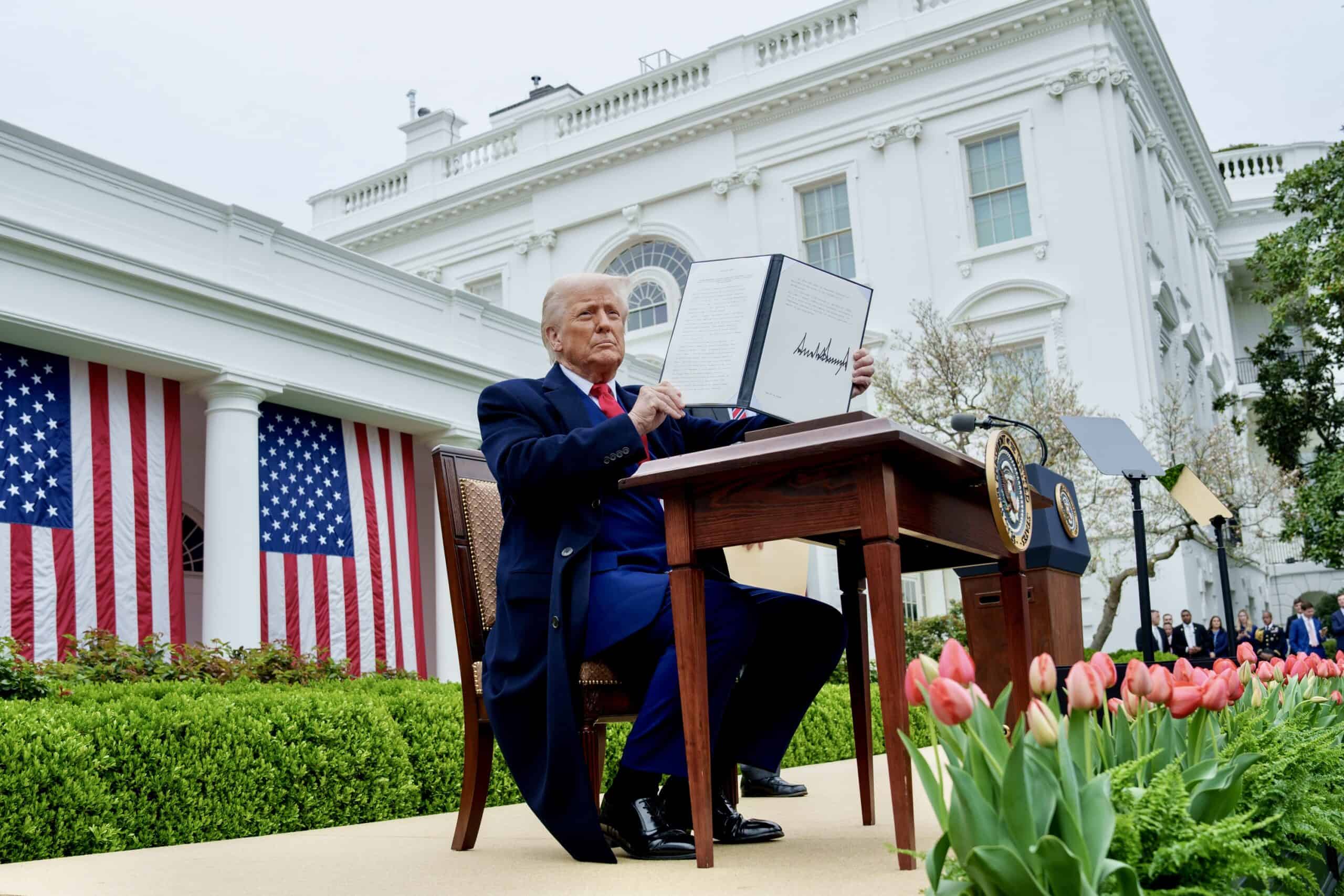
So my sense is that fracturing will ebb and flow, and will go through periods where it feels incredibly intense, like after ‘Liberation Day’, and then there will be what seems to be a rapprochement. But fundamentally, this is the direction that we are set on.
What role do you think technology is playing in this process of fracturing?
Technology is a central part of this fracturing world, along with energy and data. The world is being reordered in a way that means there’s less emphasis on what’s economically efficient, and more emphasis on how we uphold national security. And technology is a clear part of that.
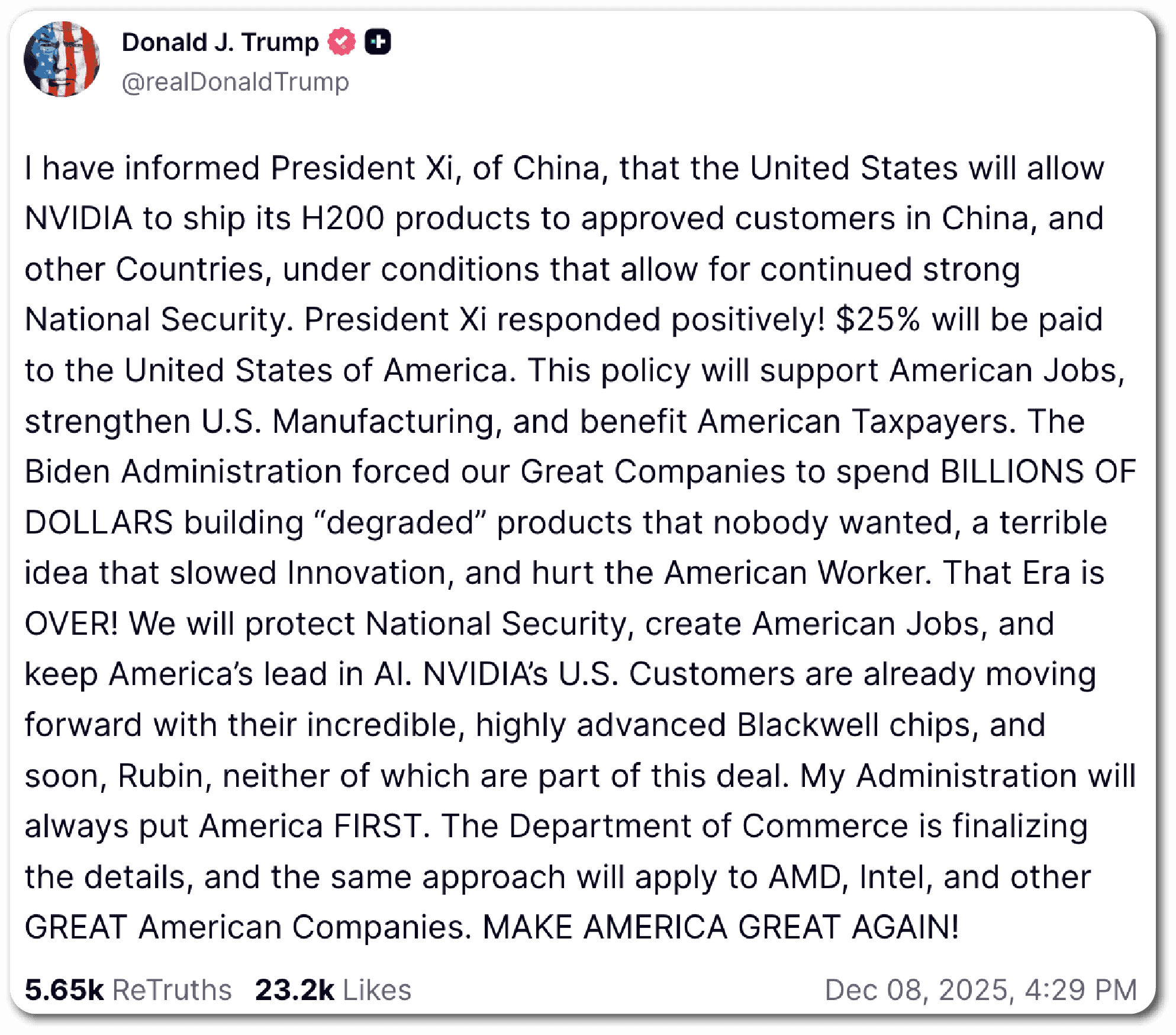
Under President Biden, that manifested itself in tech export controls on China. One notable aspect of the Trump administration’s policies towards China in the past three or four months, has been the loosening of those tech controls. Exactly why that’s happened, and what the motivations are, is unclear. It could just be a sense that China’s going to get their hands on the technology anyway, so we may as well make some money out of it. But it could also be a sense, that it’s better to get U.S. technology into the Chinese ecosystem, and that way you develop an area of strategic leverage over time. I suspect that’s a slightly naive view.
One alternative perspective on recent history is that rather than fracturing, the U.S. and China are in some ways becoming more similar. China has opened up and absorbed elements of market capitalism over the last several decades. Meanwhile the U.S. under Biden adopted industrial policy, while Trump has also made major interventions into the operations of private businesses.
I’ve heard people make that argument. It reflects the fact that in the 1990s and early 2000s, the Washington consensus, which essentially held sway over policy in the Western world, promoted a laissez-faire approach, and held that markets do best at allocating resources. By contrast, in a world that’s more fractured and where greater emphasis is placed on national security, that by definition diminishes some of the role played by markets — because you don’t necessarily want to do everything according to what’s economically efficient.
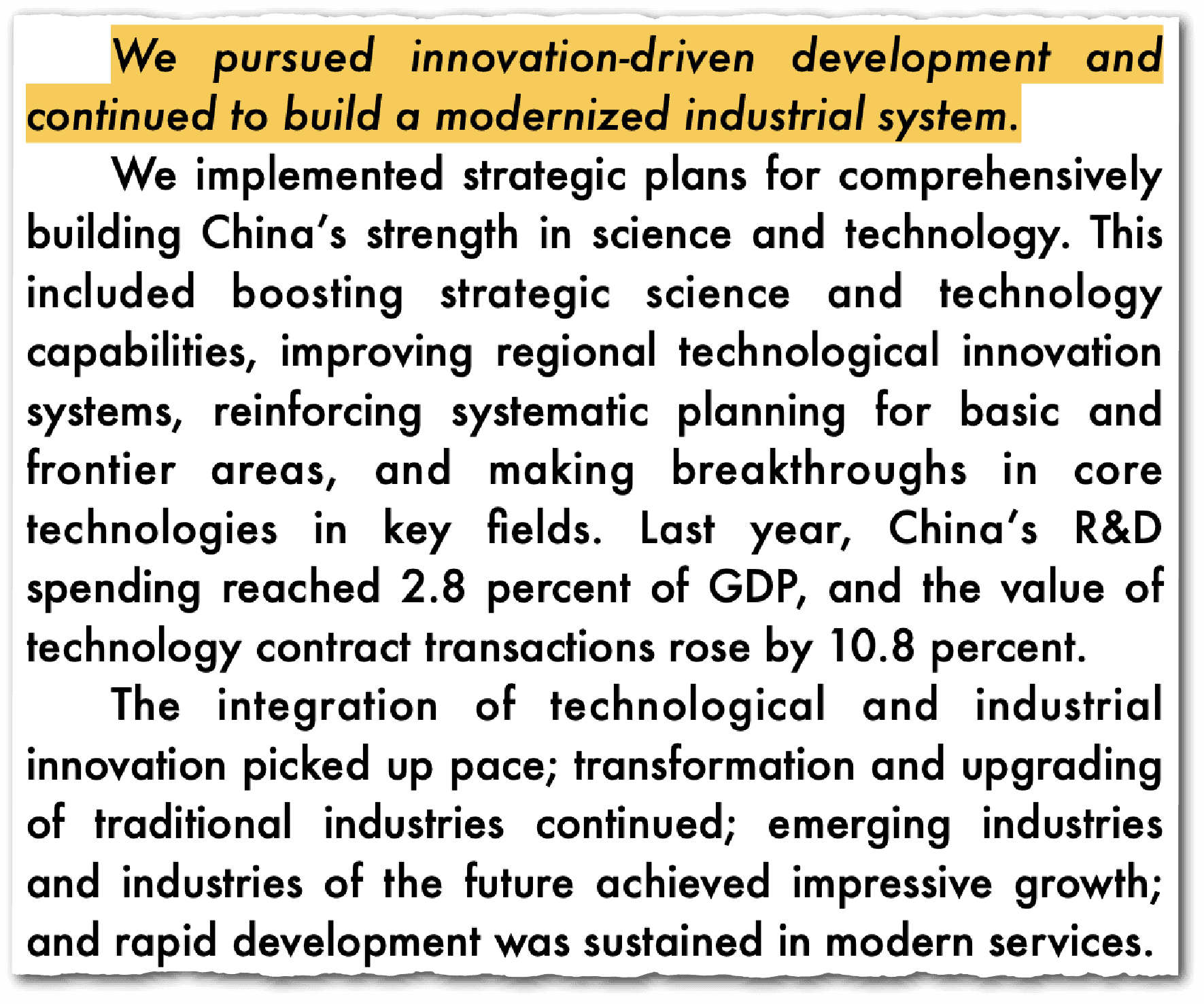
However, it’s a false equivalence to draw a parallel between China’s model and the U.S. model. It is incredibly difficult to put numbers on this, but in China government industrial subsidies are equivalent to about 5 percent of Chinese GDP. It’s enormous. This takes various forms: cheap labor, cheap energy, public procurement, soft loans, all of those types of policies.
So yes, in the U.S. there’s been greater intervention by the government in some aspects of allocating resources. But it’s a far cry from the Chinese model.
As you mentioned above, while you argue that fracturing is taking place, you also say it doesn’t necessarily mean that deglobalization is underway. Can you expand on that distinction?
Let’s consider the role of trade: the argument I make is that trade flows will shift rather than shrink. For example, in 2020, on the eve of the pandemic, China supplied around two thirds of the U.S. mobile phone market. Fast forward to today, and China supplies barely one in five mobile phones sold to the U.S. market. India and Vietnam were the largest suppliers last year.

That doesn’t mean that the U.S. is importing fewer mobile phones. It’s just where they’re coming from has shifted. Apple is now producing the iPhone 17 in India, and some of the supply chain around that manufacturing has shifted too. So you get different locations of trade flows, rather than less trade altogether.
As a corollary of that, you’re skeptical of the idea that major developed countries like the U.S. can reshore manufacturing jobs in any meaningful numbers in the coming years.
There will be some reshoring of jobs in some sectors. Take domestic chip manufacturing: I’m sure the U.S. will produce more semiconductors and will employ more people to do so in ten years’ time than now. But these are very specific, niche sectors that are important, but not necessarily major employers.
The reason we’re not going to see widespread reshoring of manufacturing production is because the economics are stacked against it. If the justification and the impetus for shifting supply chains is more around national security, then you can shift them to your allies instead, or to countries that meet your national security requirements, without necessarily foregoing the cost benefits of local production in emerging economies. That, indeed, is what we’ve seen play out.
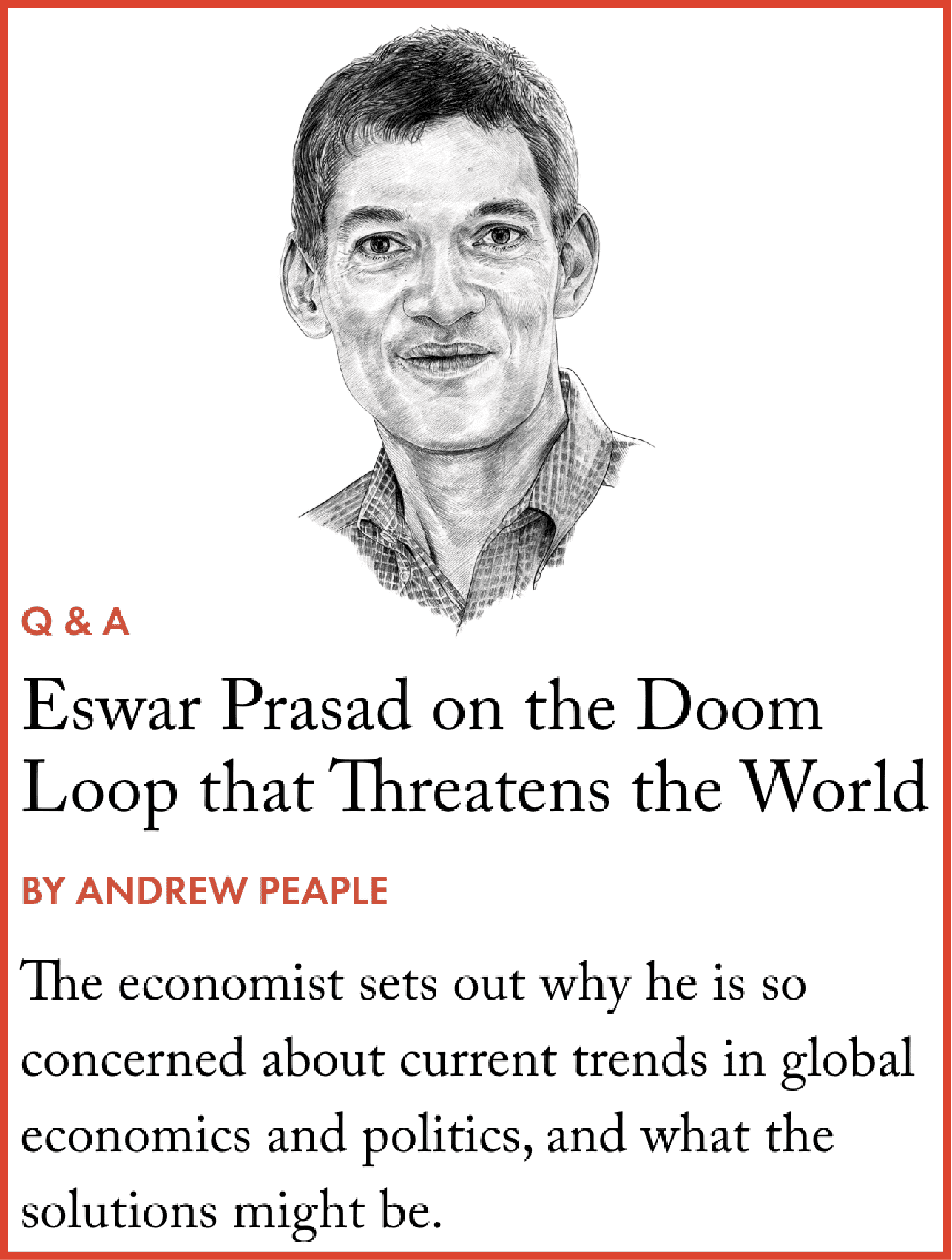
If you look at Mexican industry, for example, the architecture around data centers has exploded over the past two years. Previously, that would have happened in China; now it’s happening in Mexico. So you can meet your national security goals without necessarily having to shift all the production back to the United States.
When we look at manufacturing employment in the U.S., it’s down by about one million over the past year, even though manufacturing output is pretty steady. The response to the tariffs of the past 12 months has not been widespread reshoring of production.
What do you see as the broader impact of fracturing on the world economy?
The economic consequences of fracturing are going to be determined by two things: firstly by how other countries align themselves, and secondly, the faultlines along which those blocs then pull apart. Will this be confined to strategically important goods, or become more widespread?
The composition of the blocs really matters, and if the U.S. does push its allies away, more of the economic costs of fracturing will fall onto it and less onto China. America first, in that sense, really means America last.
We run a big exercise each year at Capital Economics, where we look at global trade and capital flows, membership of defense and security organisations, how countries vote in the UN and so on. Then we allocate countries into whether they’re strong U.S. allies, strong China allies, whether they lean towards the U.S. or China, or whether they’re unaligned.
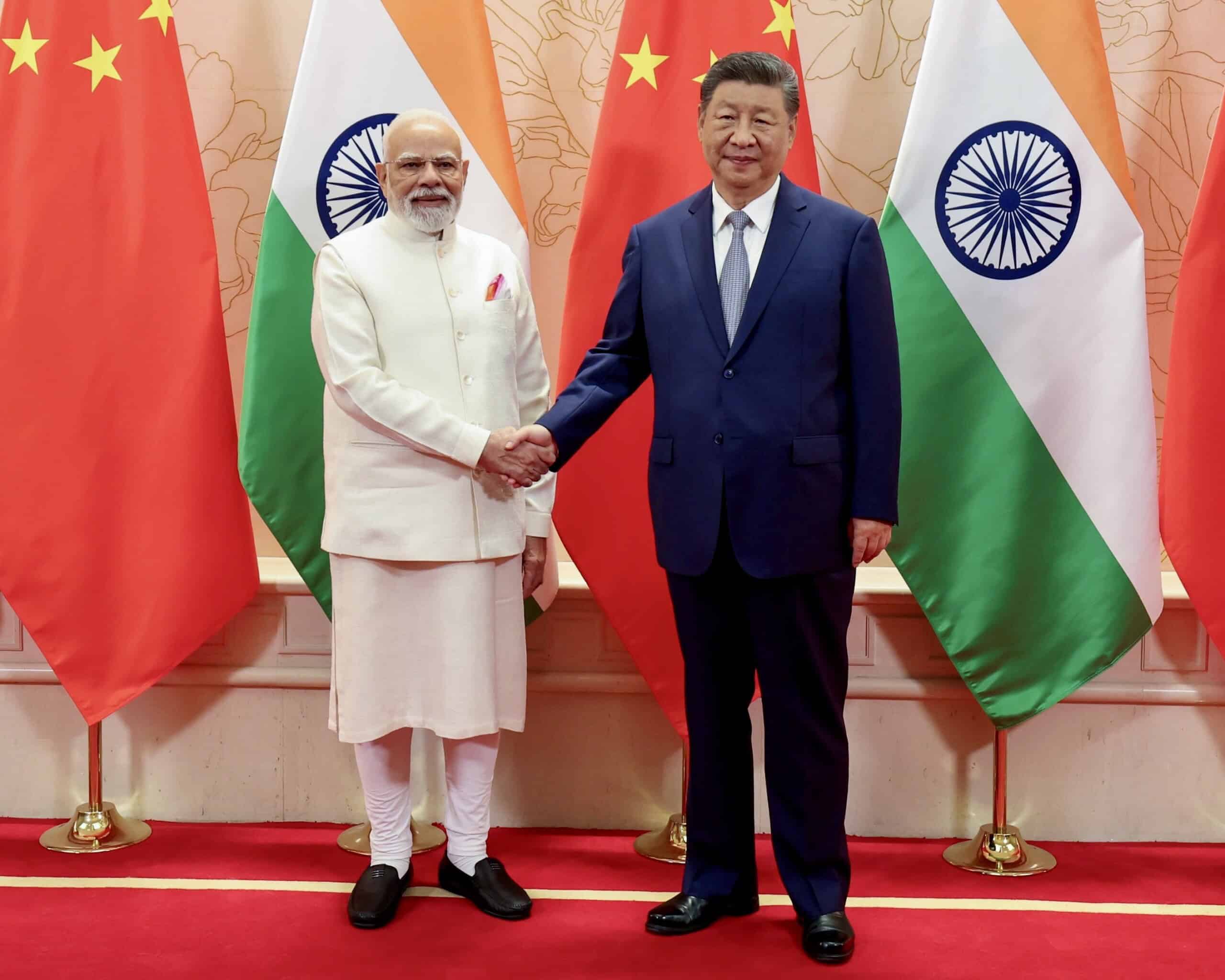
If you wind the clock back 18 months, about two-thirds of global GDP was in the U.S. bloc, about 25 percent in the China bloc, with a small number of countries unaligned. Wind the clock forward 12 months: actually, some countries have shifted closer towards the United States. There is a sense in the West that Trump has pushed allies away and towards China. But countries like Saudi Arabia have moved closer to the U.S. over the past 12 months. However India, in our analysis, has moved out of the U.S. camp, and towards the unaligned camp; and so has Vietnam. If we start to see a country shifting from the U.S. bloc towards being unaligned or even towards the China bloc, that would be to the detriment of the United States.
At the moment, though, the U.S. is in a position of enormous strength. It has economic diversity within its bloc; it has low cost producers like Mexico in there, it has energy and commodity producers like Canada, Australia. It has traditional manufacturing economies like Germany, high tech economies like Taiwan, and Korea, and Japan, and so on.
Whereas China really just has Russia; it did have Venezuela and has Iran for the time being. It has some countries in sub-Saharan Africa. It has greater control over the flow of natural resources in this fractured world. But from the perspective of technology, for example, it is going to have to do the heavy lifting itself.
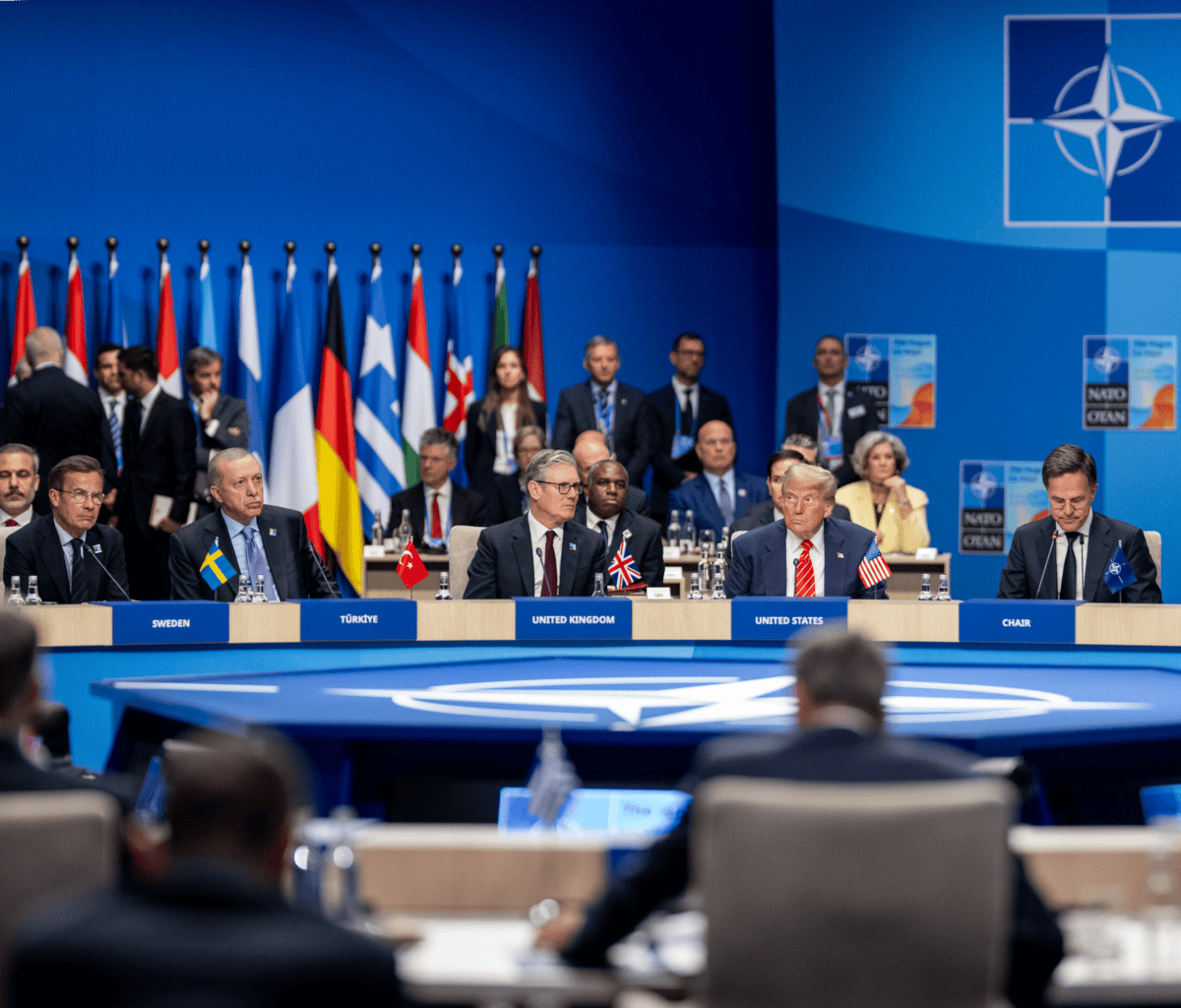
The composition of the blocs really matters, and if the U.S. does push its allies away, more of the economic costs of fracturing will fall onto it and less onto China. America first, in that sense, really means America last.
The second issue is the fault lines of the fracturing. Anything that puts friction in the global economy will create some loss of economic efficiencies and costs. But if the U.S. bloc holds together broadly, and we contain those areas of fracture only to areas that are geopolitically sensitive, then the economic efficiency losses will be relatively small and manageable, probably about one percent of global GDP. And if the U.S. bloc holds together, then more of that falls on China.
If, however, there’s a much wider split, and a much greater share of trade between the two blocs starts to drop off, the economic costs will be greater, up to four to five percent of global GDP, I estimate. That’s similar to the loss of output that we saw in the global financial crisis.
And for central bankers, you’re forecasting a world where inflation isn’t necessarily higher all the time, but could be more volatile, right?
Yes, indeed. In a world where supply chains shift but don’t shrink, and there’s no reshoring of production back to the U.S. or back to Europe, then we shouldn’t expect substantial increases in the cost of manufacturing and traded goods. In that sense, the implications for inflation are relatively benign.
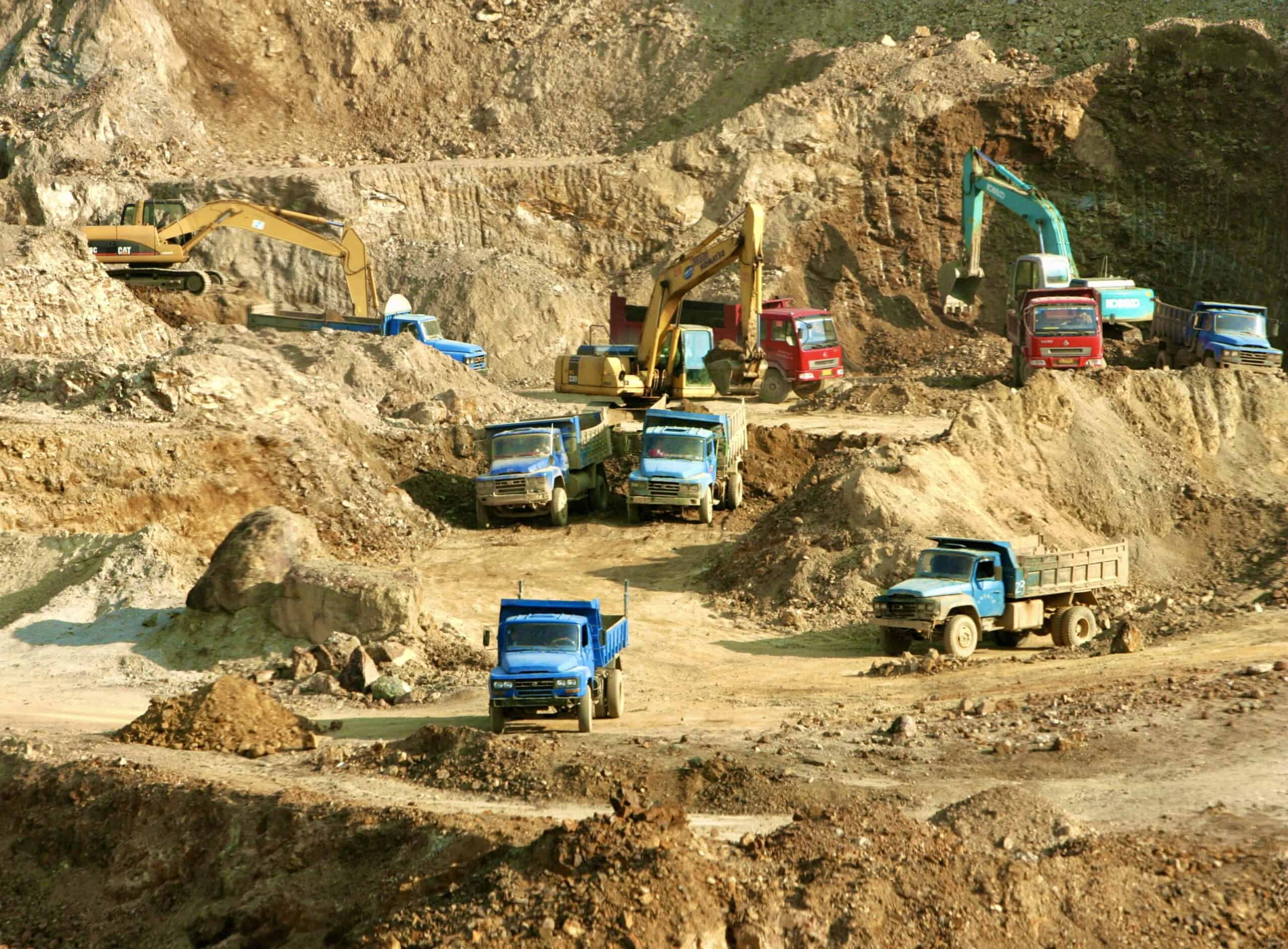
We could end up with more volatile inflation if, to take the example of rare earths, China puts controls on their export. What that does is to send the price of rare earths spiralling higher, creating some inflation; those high prices then incentivize the production of rare earths elsewhere, and eventually, the supply of rare earths globally increases, and their price comes back down. The cure for high prices becomes high prices: and we have more volatile inflation, rather than inflation that is structurally.
Talk us through where you see China’s medium-term economic outlook, and why you’re relatively skeptical about its growth prospects.
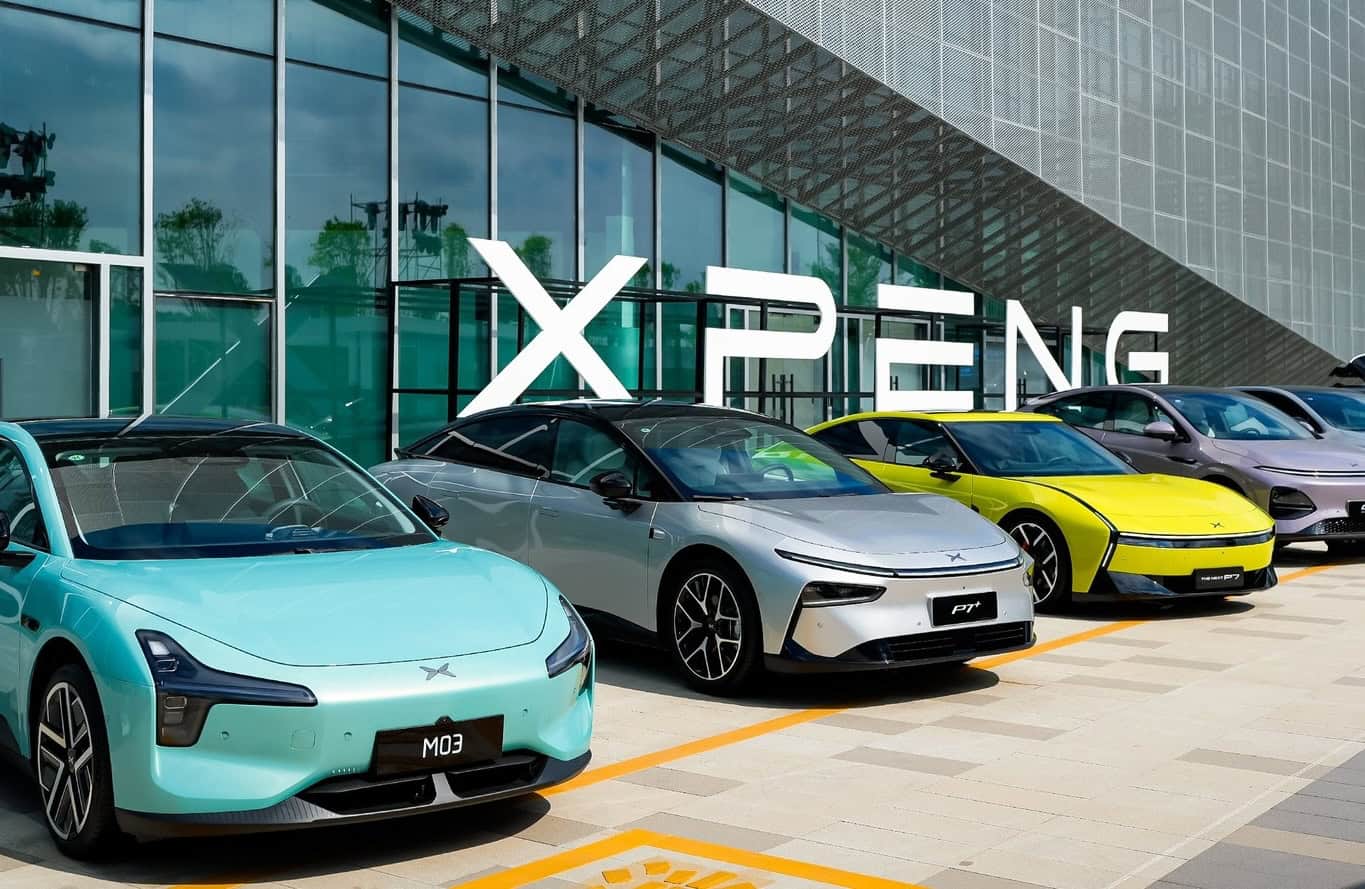
It’s a paradoxical economy. In many areas, it is now the world’s technological leader. In batteries, CATL is the preeminent producer, in electric vehicles BYD is preeminent, Huawei’s now challenging the major telecoms firms. So it’s shown itself able to challenge the U.S. and others on the technological frontier, and I think it will continue .
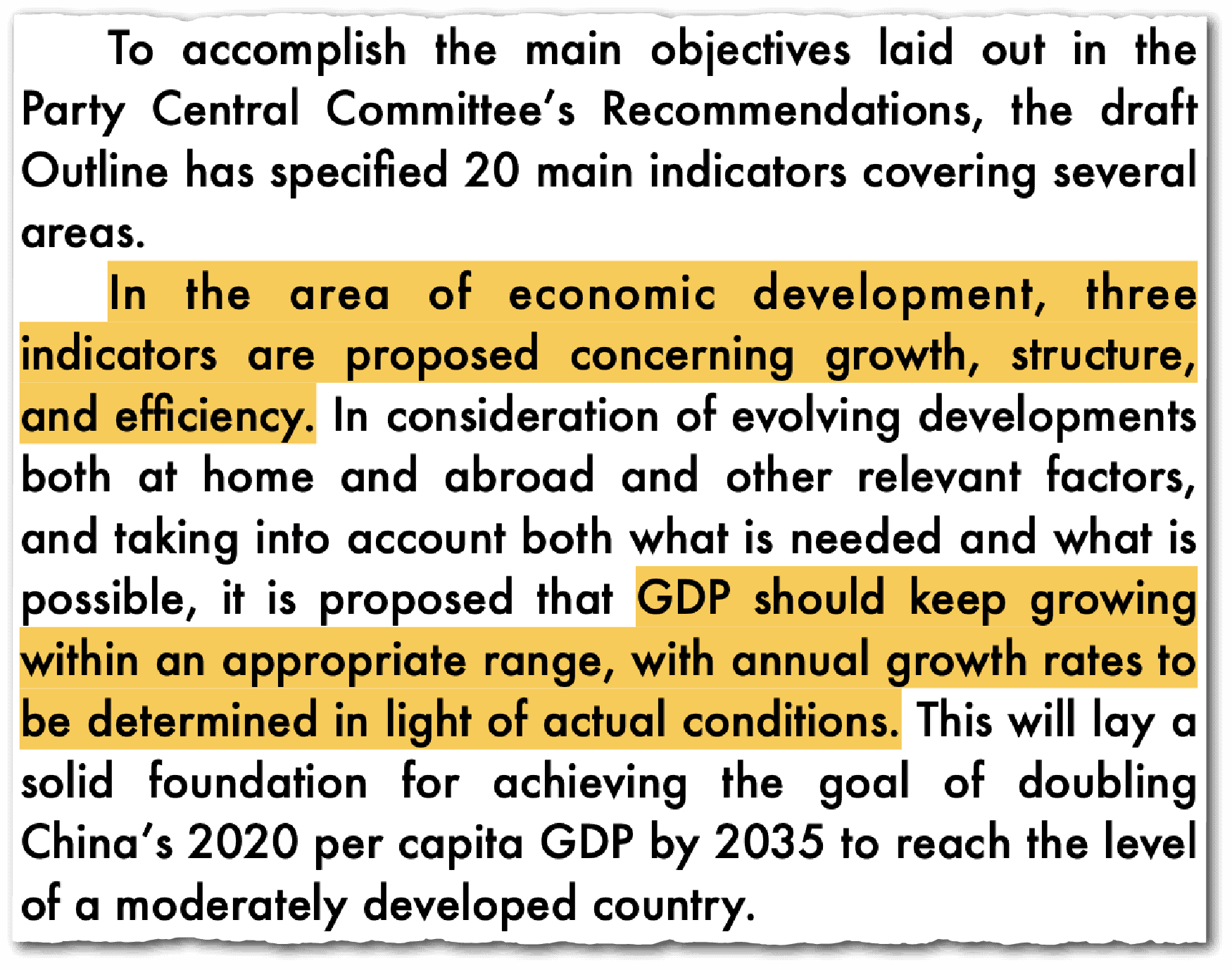
However, that has gone hand in hand with slowing productivity growth in China. You mostly don’t see that if you look at the official GDP numbers, but we have our own activity proxy for China that shows productivity probably grew about 3.5 percent last year. Some of that is about demographics, but it’s mainly about slowing productivity in a structural slowdown. I think those things are linked: the common thread is the increasing use of state subsidies to pick and support winners, and increasing centralization and direct control over the allocation of resources in the economy.
That’s produced, these global technological leaders; but those subsidies have helped sustain a long tail of increasingly loss making firms. One in three industrial firms in China now makes a loss. I think it’s possible to hold a paradoxical view that China will continue to challenge the U.S. on the technological frontier, while also experiencing a sustained slowdown in productivity growth as a result of the structural strains in its growth model.
It’s possible that China experiences a Schumpeterian revolution, where it allows creative destruction to emerge. To do so, it would have to force those loss making companies to compete; and, if they struggle to compete, allow them to fail, and allow the employees to be laid off and be absorbed in other parts of the labor market. That would be an enormously disruptive process that would create an awful lot of dislocation. If that’s allowed to happen, it would lead to faster productivity growth in the future. But I wonder how compatible that is with the political objectives of stability at home, and maintaining the primacy of the party.
There’s a great debate among economists about what year China is going to take over the U.S. economy, at market exchange rates. The year gets pushed back and pushed back. We’ve had a view for a while that it won’t overtake the U.S. as the world’s preeminent economy. It’ll get close, but it won’t necessarily take over. We’ve had three decades in which China’s share of the global economy has increased inexorably, and the West’s share has declined. But if China’s growth model starts to falter, then actually its share now shows some signs of peaking.
Do you see a major interruption to patterns of global capital flows, as the fracturing that you talk about deepens in the global economy?
You have struck upon a really important issue. One of the key facets of the previous wave of globalization was just how broad it was. It was not just about supply chains, integration, and trade. It was also about financial liberalization and the integration of the global capital and labor markets.
It might be that the U.S.-China relationship becomes the central relationship in the global economy, but it’s one that’s going to be framed by competition rather than cooperation a lot of the time.
Now, it’s clear there is some pushback to highly open, global, capital markets — and I think rightly so. Having said that globalization was not even primarily responsible for the challenges we’ve had in the West over the past 15 years, I think you can say that ultra liberalized capital markets contributed to, and facilitated, elements of the global financial crisis in 2008. It’s right that even the IMF is now advocating for capital controls, in some instances. There’s been a kind of institutional pushback against very deregulated capital flows in some parts of the policymaking fraternity.
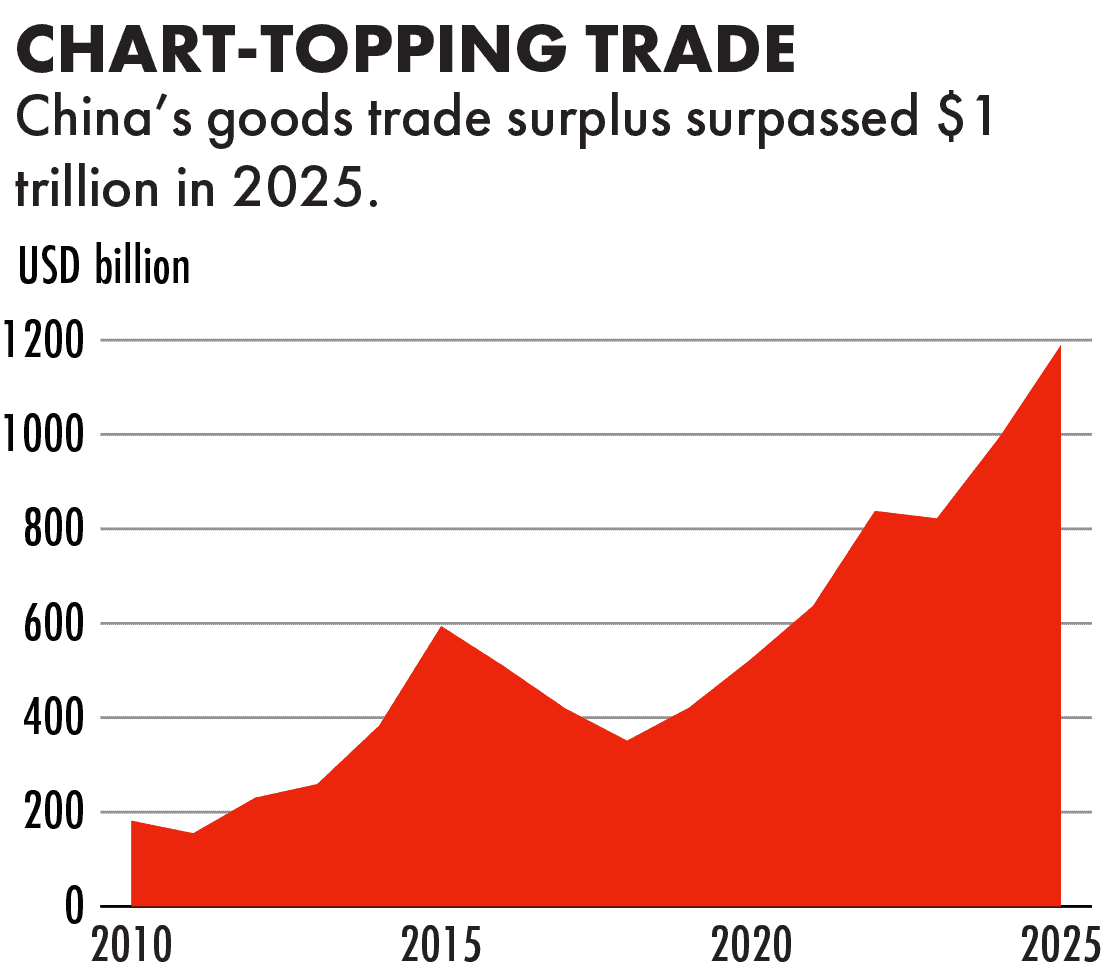
That’s overdue and correct. However, I’m more skeptical about whether we see a larger and sustained pull back in capital flows from China to the U.S.. The reason is that those capital flows are the counterpart to China’s trade surplus. If you run a trade surplus, by definition, you’re accruing external assets. And if you run a trade surplus and capital account surplus on the scale that China’s running, then there’s only really one place that those external assets can go, and that’s into dollar-denominated markets.
Now, China has tried, and will continue to try, to diversify so it can minimize its holdings of U.S. Treasury securities. However, the idea that there would be a major pullback by China from dollar-denominated securities in general I find it difficult to believe — because there’s nowhere else to go. If you’ve got $9 trillion dollars worth of external assets, which is what China has, broadly speaking, those by definition almost have to go into dollar-denominated securities, because the U.S. is just so dominant in financial markets.
I think the discussion around de-dollarization in financial markets conflates a number of different concepts. One is just shifts in the value of the dollar. Over the past 12 months, we’ve seen a weakening in the dollar, but that’s long overdue. That should not be confused with a general shift towards de-dollarization in global markets.
It’s perfectly plausible that over the next decade, a greater share of global trade will be denominated in renminbi, and a greater share of global assets will be held in securities outside of the U.S. dollar. But that is not the same thing as saying there will be widespread de-dollarization.
How can the process of fracturing be managed, at least on an economic level? Can it be done and through what mechanisms — existing institutions like the IMF or G20?
They will have some role, but it will be diminished. Whether we move to a G2 world [the U.S. and China], I’m less sure about, because the common thread that linked the various multilateral bodies together was cooperation; whereas the world that I’m painting is one of increased competition. It might be that the U.S.-China relationship becomes the central relationship in the global economy, but it’s one that’s going to be framed by competition rather than cooperation a lot of the time.
The decline of multilateralism more generally has important implications, particularly when we think about efforts to solve what are collective action problems — the most important of which is climate change. If multilateral institutions have left less heft and influence in the fractured world, then it becomes much harder to solve such problems.

Andrew Peaple is a UK-based editor at The Wire. Previously, Andrew was a reporter and editor at The Wall Street Journal, including stints in Beijing from 2007 to 2010 and in Hong Kong from 2015 to 2019. Among other roles, Andrew was Asia editor for the Heard on the Street column, and the Asia markets editor. @andypeaps