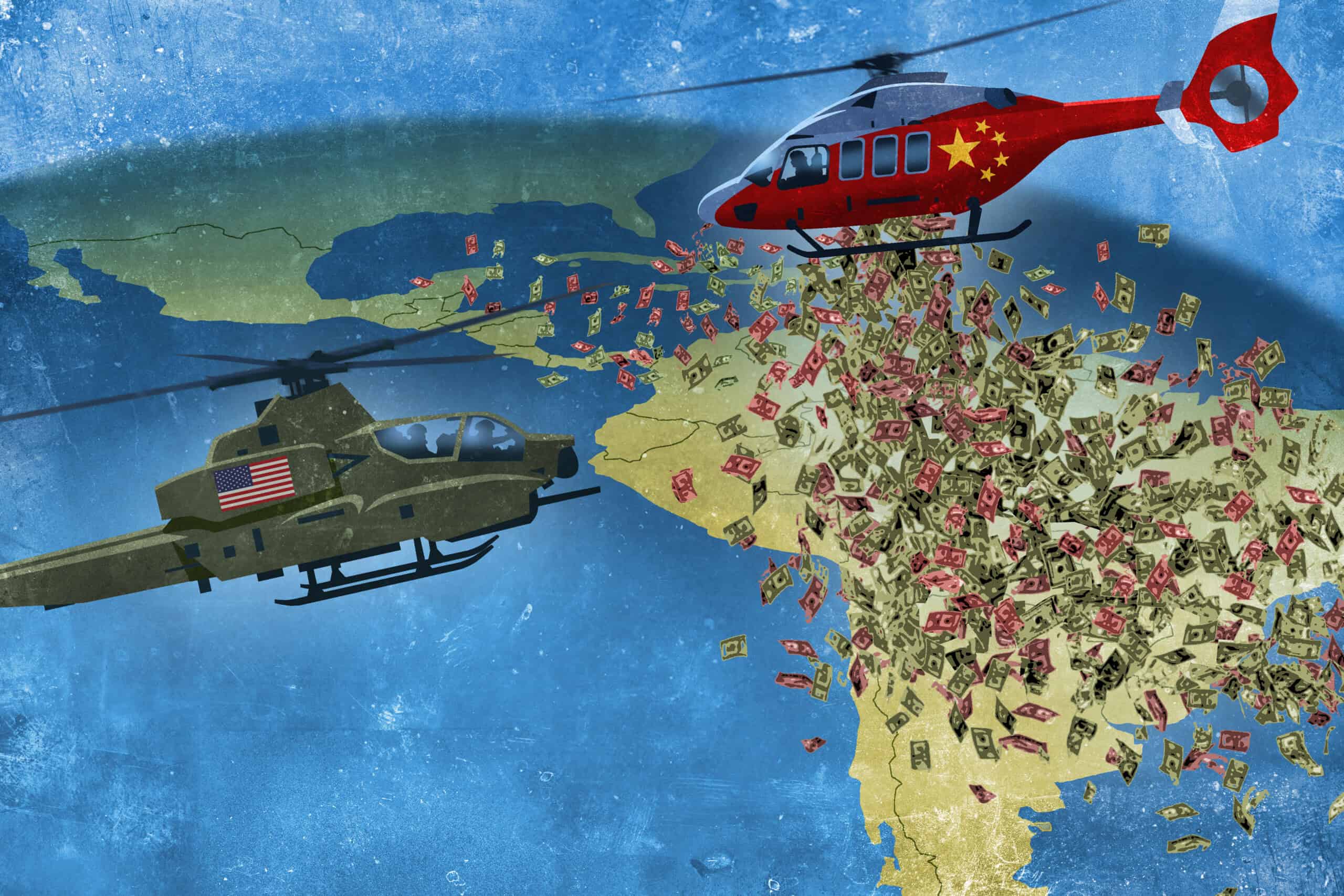
Good evening. Cash or the cosh? When it comes to making friends and influencing countries in Latin America, the Chinese government has long preferred to lead with largesse. In the first two decades of this century, Brent Crane writes in our cover story, trade between China and Latin America grew exponentially, from $12 billion to $315 billion. Beijing also continues to exert influence through large-scale commodity purchases from the region and state-to-state lending. Donald Trump prefers the cosh, as demonstrated by the U.S. military’s humiliating rendition of Venezuelan president Nicolas Maduro from Caracas to a New York jail cell. Panama is also bending to American pressure, having recently seized the port operations of Hong Kong-based CK Hutchison. But such victories, if that’s what they are, will not easily negate twenty years of compounding Chinese economic investments. China’s “rich web of economic ties in the region”, as one analyst puts it, may yet prevail.
In this week’s Wire China podcast, Eliot Chen talks to his fellow staff writers Rachel Cheung and Savannah Billman (also our multi-tasking podcast producer) about their recent articles on China’s AI industry, including a lunar new year marketing blitz and the Tom Cruise-Brad Pitt “fight” that has scared Hollywood.
Also in this week’s issue: Rachel Cheung looks at whether Chinese AI champions are trampling on overseas copyrights; The Big Picture on China’s nuclear arsenal; an interview with Eswar Prasad; and Neil Thomas on a new change of emphasis for China’s climate change policy.
Want this emailed directly to your inbox? Sign up to receive our free newsletter.
You Do You, America, China Will Take Care of the Infrastructure and EVs
There is an American hard power vs Chinese soft power showdown building in Latin America. A $1.3 billion megaport in Peru, a $300 million Huawei research center in Brazil and a $1.4 billion bridge over the Panama Canal are just some of the many tangible signs of China’s influence across the region. Another is the proliferation of Chinese smartphones, electronics, drones and electric vehicles. In 2024 Chinese brands accounted for 90 percent of all EVs sold in Brazil. But if you need to snatch the leader of a Latin American country or appropriate its oil industry, the U.S. has that covered.

When Tom Fought Brad
A 15-second video clip, in which a Chinese AI-generated Tom Cruise fights a Chinese AI-generated Brad Pitt, has shaken the entertainment world. “Tom” appears to land more blows than “Brad” in the sequence, but the real loser is Hollywood. The clip was created by an Irish filmmaker who used ByteDance’s new AI tool, Seedance 2.0, to generate it. Cue immediate outrage and threats of lawsuits from major U.S. film studios for alleged copyright infringement. Rachel Cheung examines the controversy.
China’s House of Dynamite
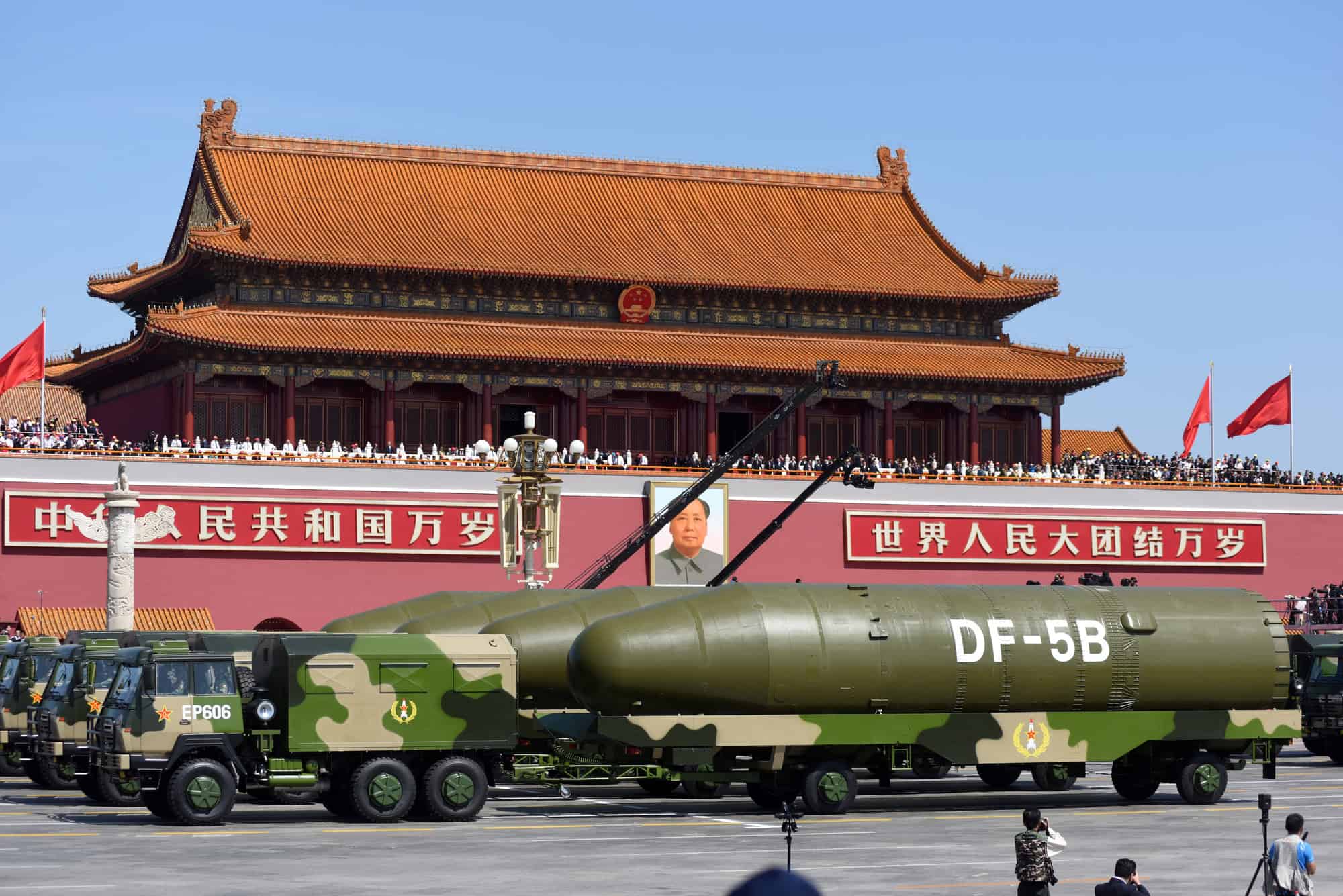
Recent U.S. allegations that China conducted a clandestine nuclear test in 2020, in violation of an international test ban treaty, has refocused attention on the country’s nuclear arsenal, Savannah Billman writes in The Big Picture. From 2019 until the end of last year, China’s stockpile of nuclear warheads doubled to about 600. In a Doomsday showdown, they could be delivered to their targets by the country’s 370-odd land-based ballistic missiles, 70 submarine-based ballistic missiles or 20 nuclear bombers. The U.S. and Russia both have far more warheads — about 1,500 each. But China is catching up; its arsenal is expected to expand to 1,000 warheads by 2030.
A Q&A with Eswar Prasad
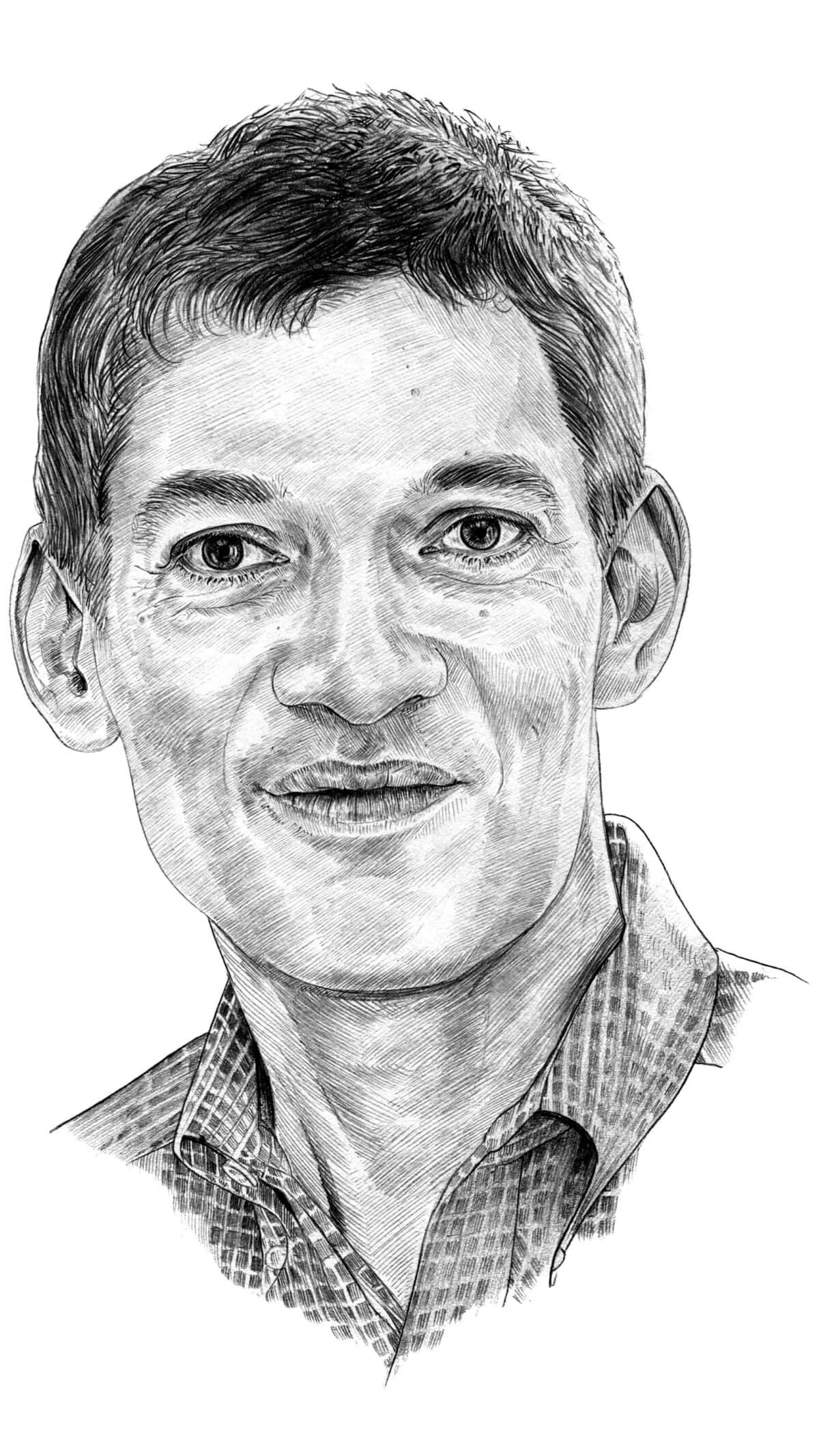
Prior to Covid, Eswar Prasad, a former head of the IMF’s China division now at Cornell University, was a regular visitor to Beijing. China correspondents would happily make the long trek across town to catch up with him in the Financial Street area, in between his meetings with senior Chinese financial officials.
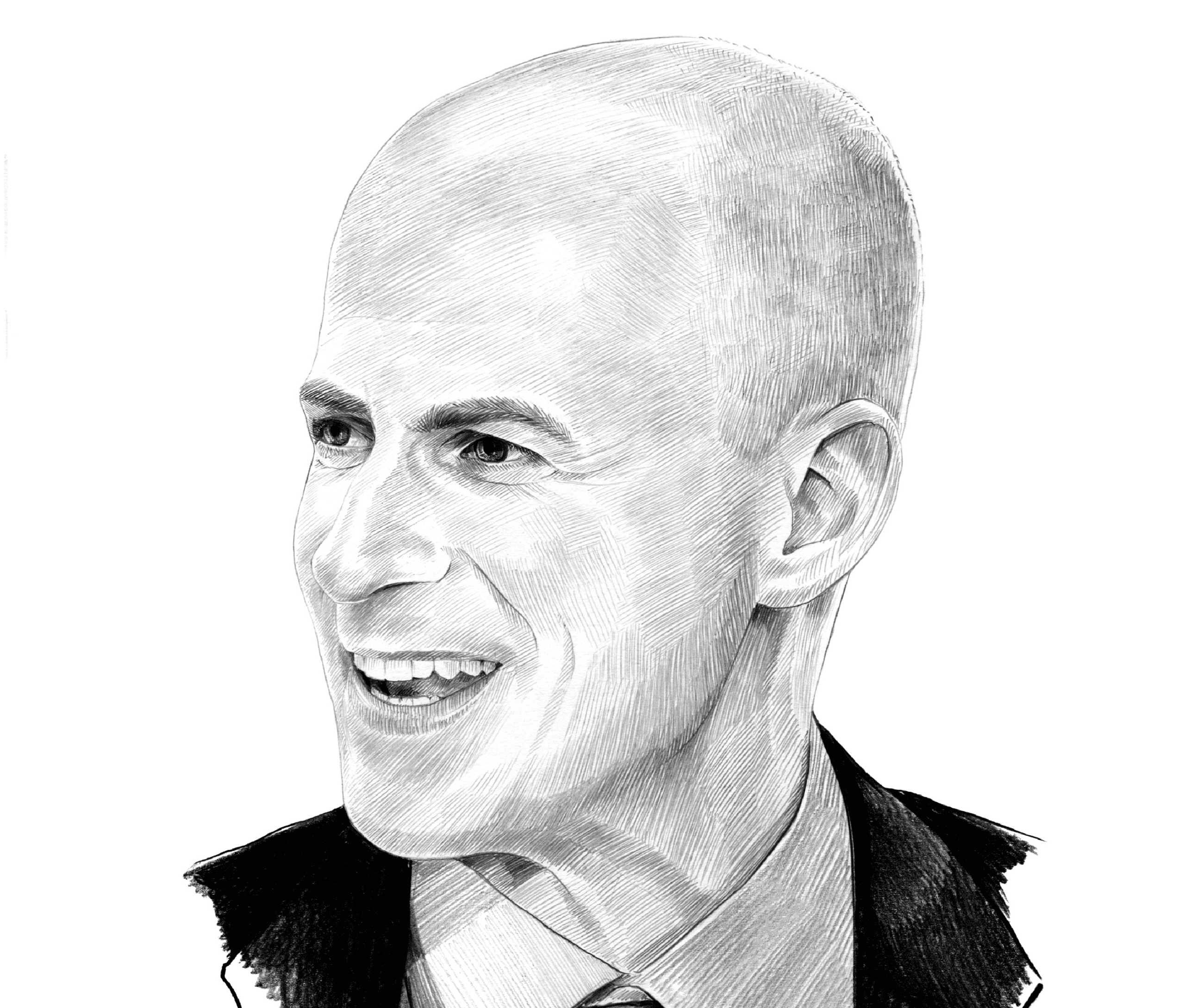
In this week’s Q&A, Andrew Peaple speaks with Prasad about his pessimistic new book on the global economic order and the problems arising from the U.S. and China’s “completely incompatible visions of the world, government and rule of law”.
Eswar Prasad
Illustration by Lauren Crow
Green is Good — For the Economy
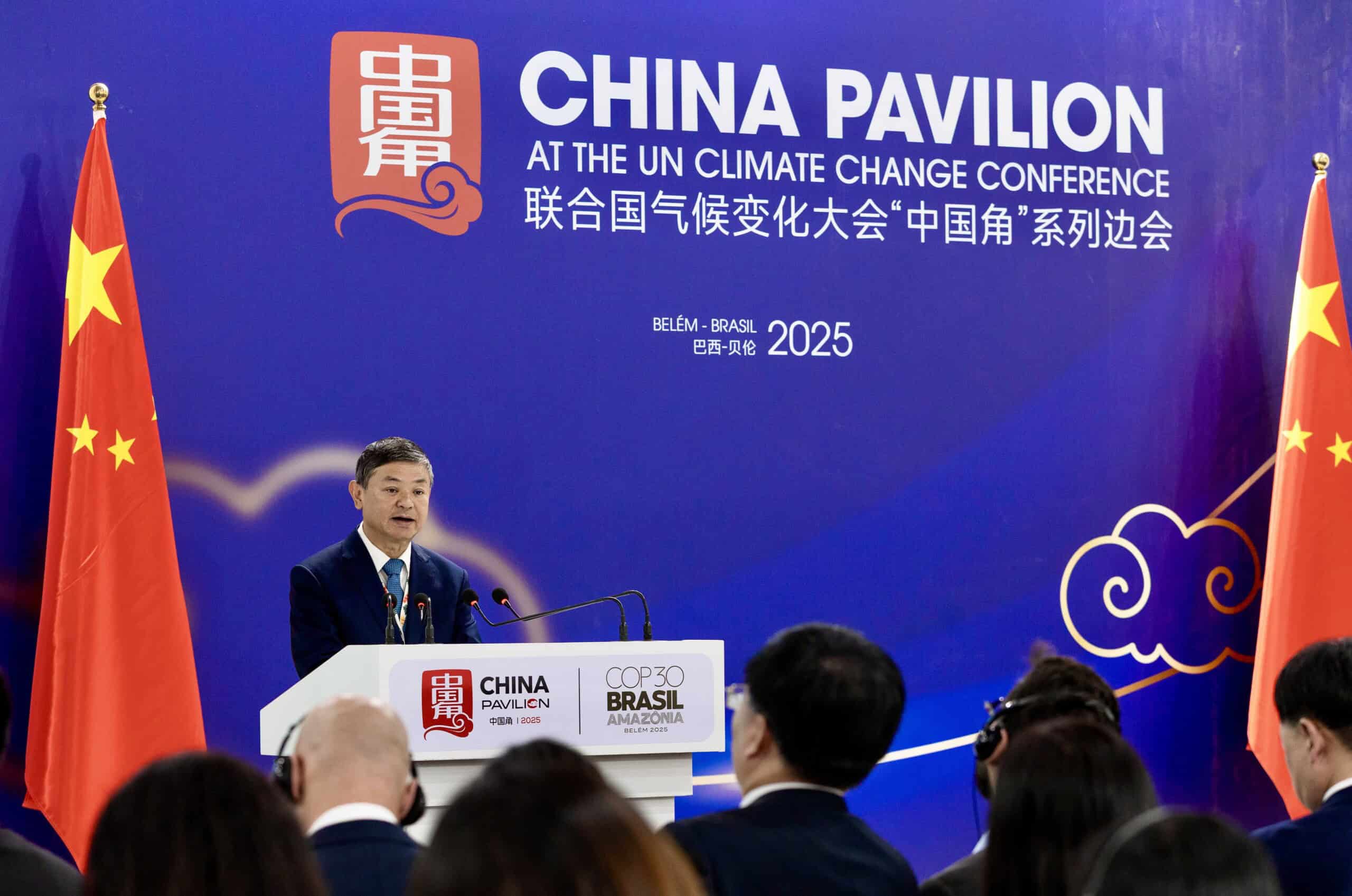
Neil Thomas, a prolific China analyst with the Asia Society Policy Institute, writes about a “subtle but consequential shift” in the country’s climate change policy. President Xi Jinping is emphasizing dominance of green technology industries — and the economic dividends that flow from this — rather than emissions control as a virtuous end in itself.
Subscribe today for unlimited access, starting at only $25 a month.