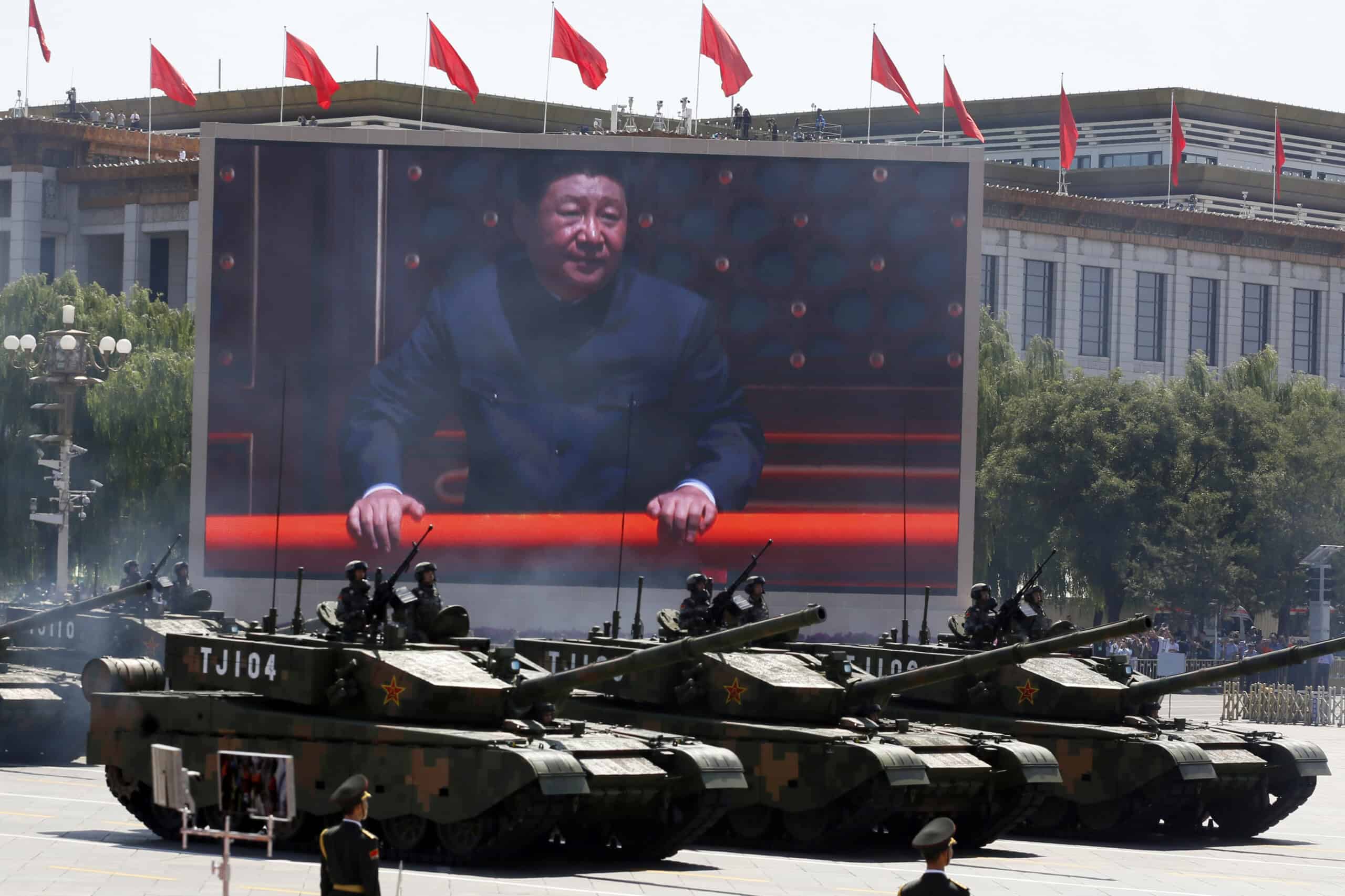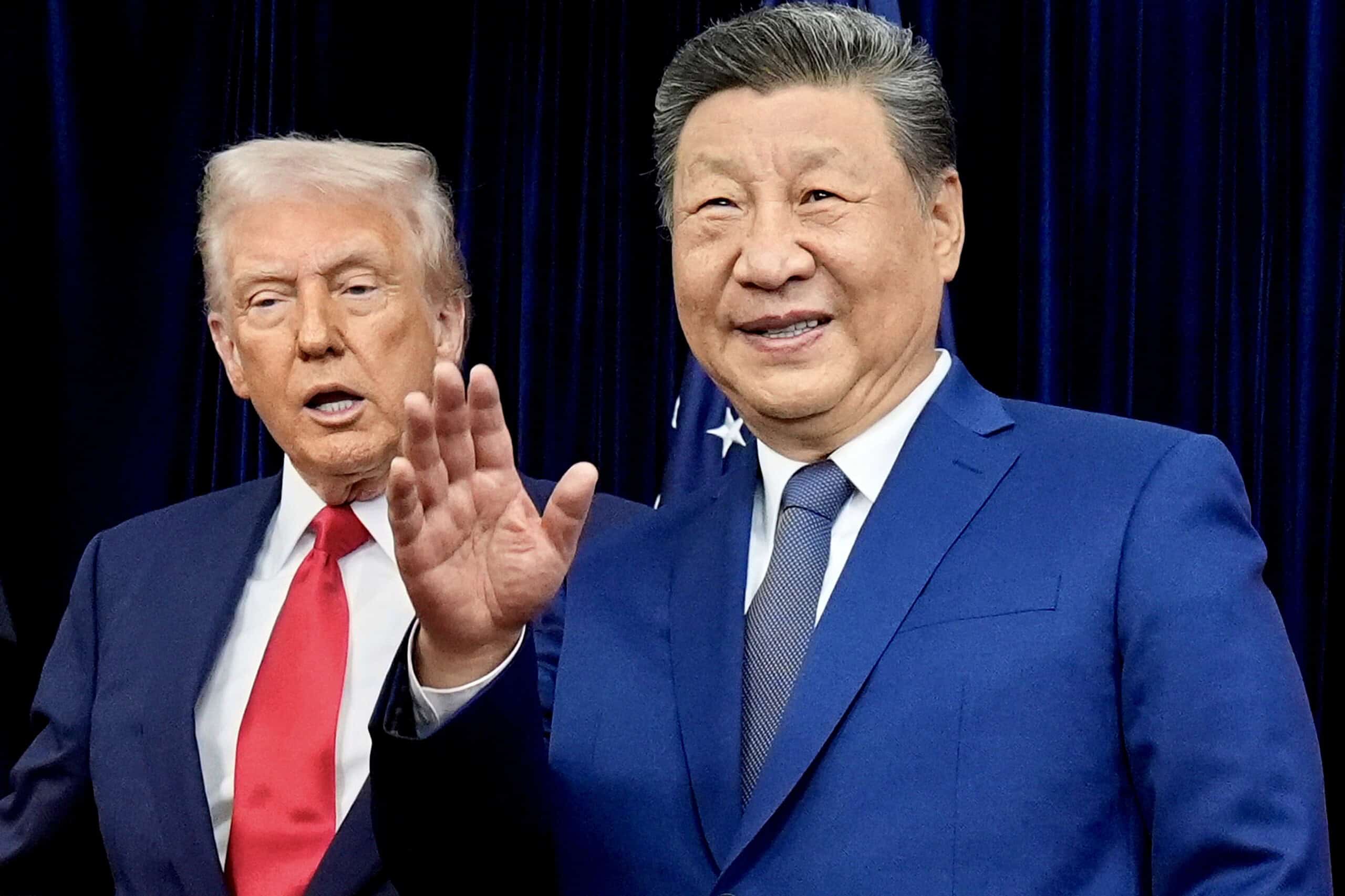
A certain pessimism has settled over the United States. It surfaces in debates on technology, industry, and geopolitical positioning, reflecting a belief that America is losing its edge just as China is gathering momentum.
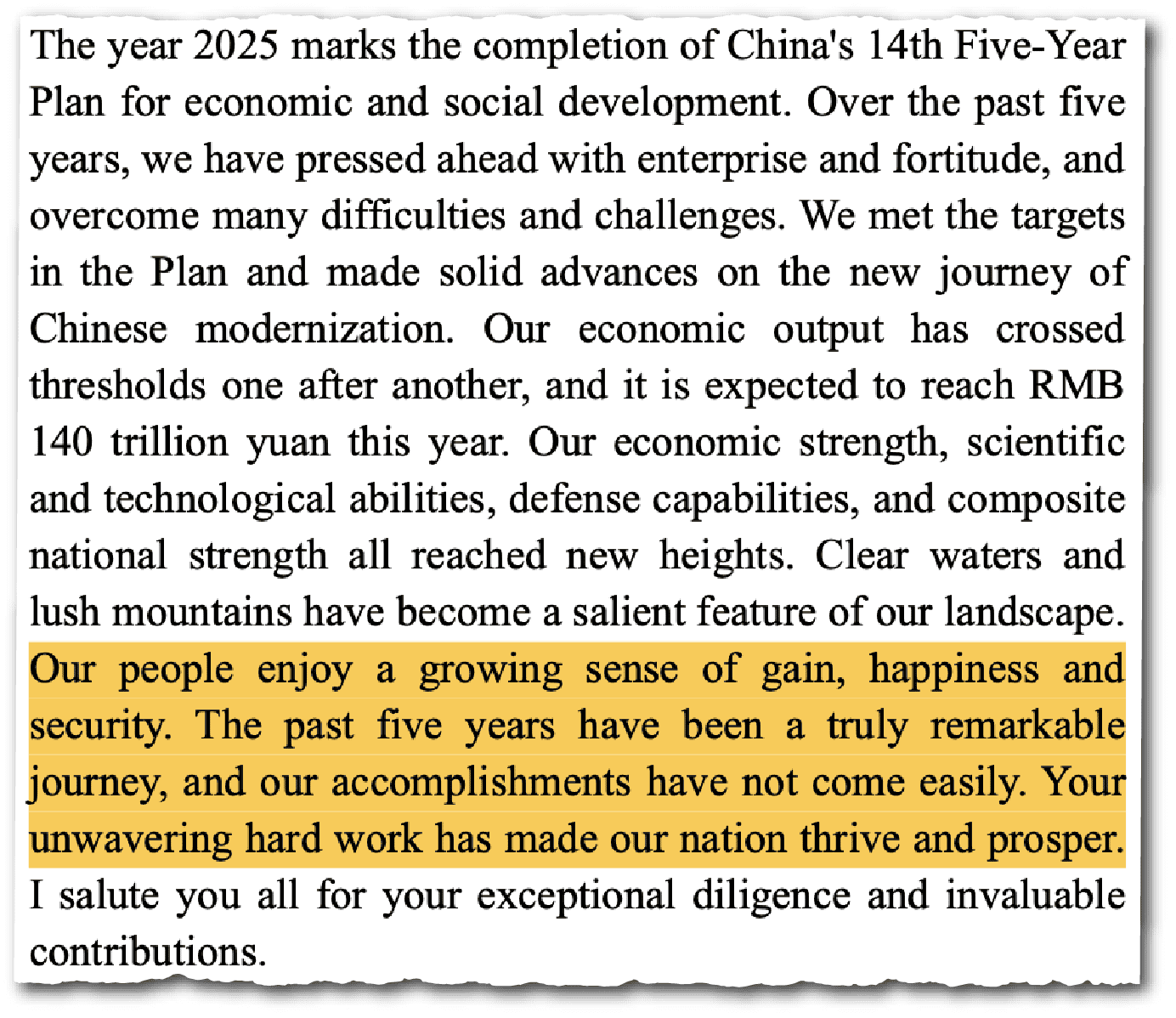
A measure of concern is healthy; strategic competition does demand vigilance. But when anxiety hardens into a narrative of inevitable decline, it risks becoming self-fulfilling, particularly at a time when China is entering 2026 with notable strengths and a clearer recognition of its structural challenges. In fact, neither country fits the caricature held by the other. That widening gap between perception and reality may now be shaping the strategic environment as much as material capabilities themselves.
China’s strengths certainly deserve recognition. Its manufacturing ecosystems remain unparalleled in scale and speed, accounting for roughly 30 percent of the global manufacturing added value in 2024. Its export sectors have proven remarkably resilient despite a global slowdown and heightened geopolitical uncertainty. In several advanced industries from clean-energy equipment to electric vehicles to certain categories of automation, Chinese firms continue to push technological and cost frontiers simultaneously. Over the past two years, breakthroughs in AI, robotics, and biotech have surprised even domestic policymakers with their pace and level of integration across supply chains.
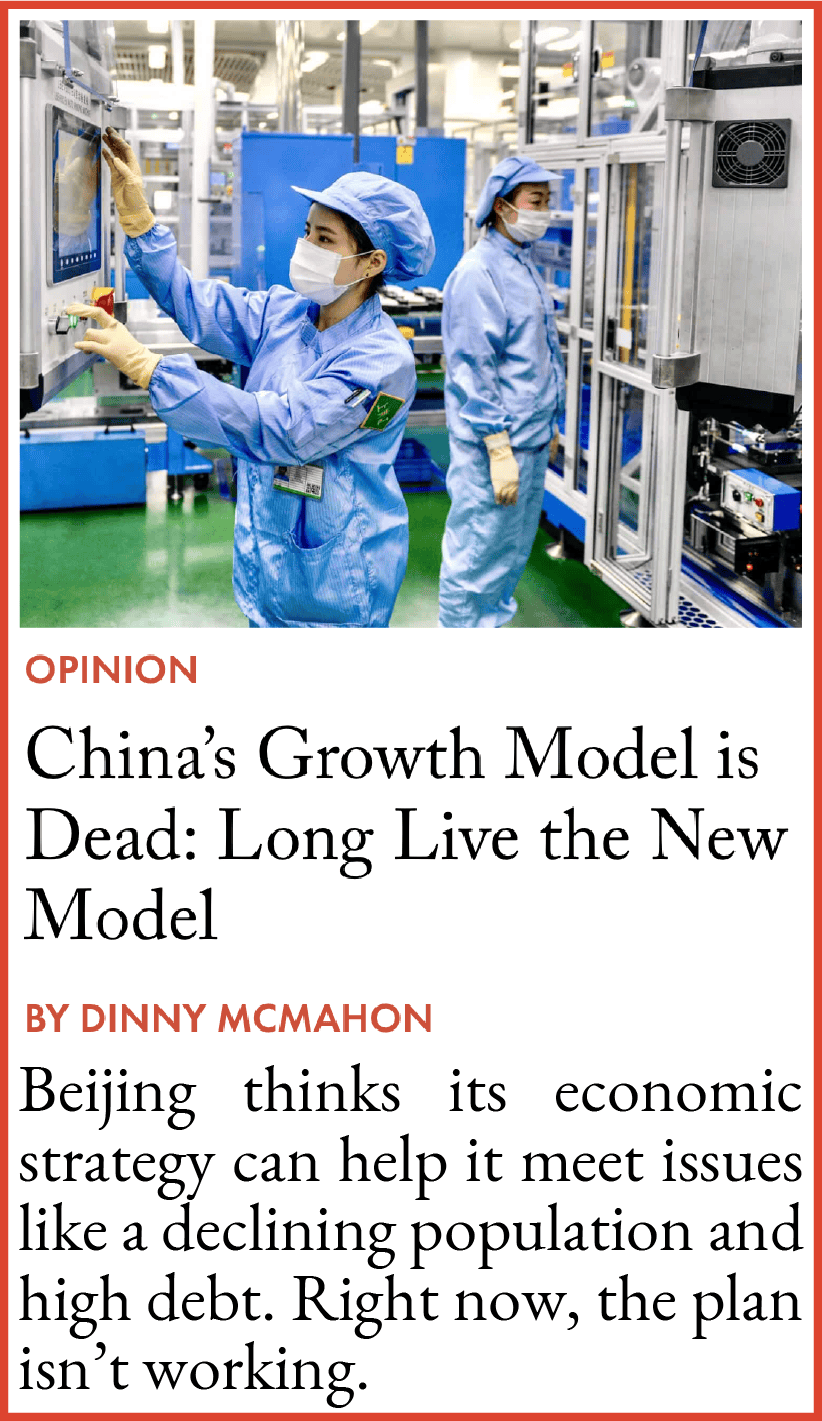
These advances reflect institutional capacities built over decades: an ability to marshal large volumes of capital, including through debt-driven investment; mechanisms that align, or at times compel, public and private actors toward national priorities; and a system capable of concentrating resources in strategic sectors even when that comes at the expense of others. All of this is amplified by a large, technically trained workforce of more than 200 million people that gives China unusual breadth and resilience in applied innovation.
Yet these achievements coexist with a more sober internal assessment than is commonly assumed abroad. Chinese policymakers are increasingly explicit about the limits of the existing growth model, as underscored in the blueprint of the 15 Five-Year Plan: Demand continues to lag behind industrial capacity, and the property sector, still central to household balance sheets and local-government budgets, remains in a slow and painful adjustment.
Demographic pressures are real and urgent: more than 310 million Chinese were aged sixty and above in 2024, and the dependency ratio is projected to fall from roughly six workers per retiree to just three by 2040, even as the socioeconomic infrastructure required to support an aging society remains incomplete. Local governments are under fiscal strain after the property-market crackdown, while private-sector confidence has not fully recovered from the regulatory whiplashes of the early 2020s.
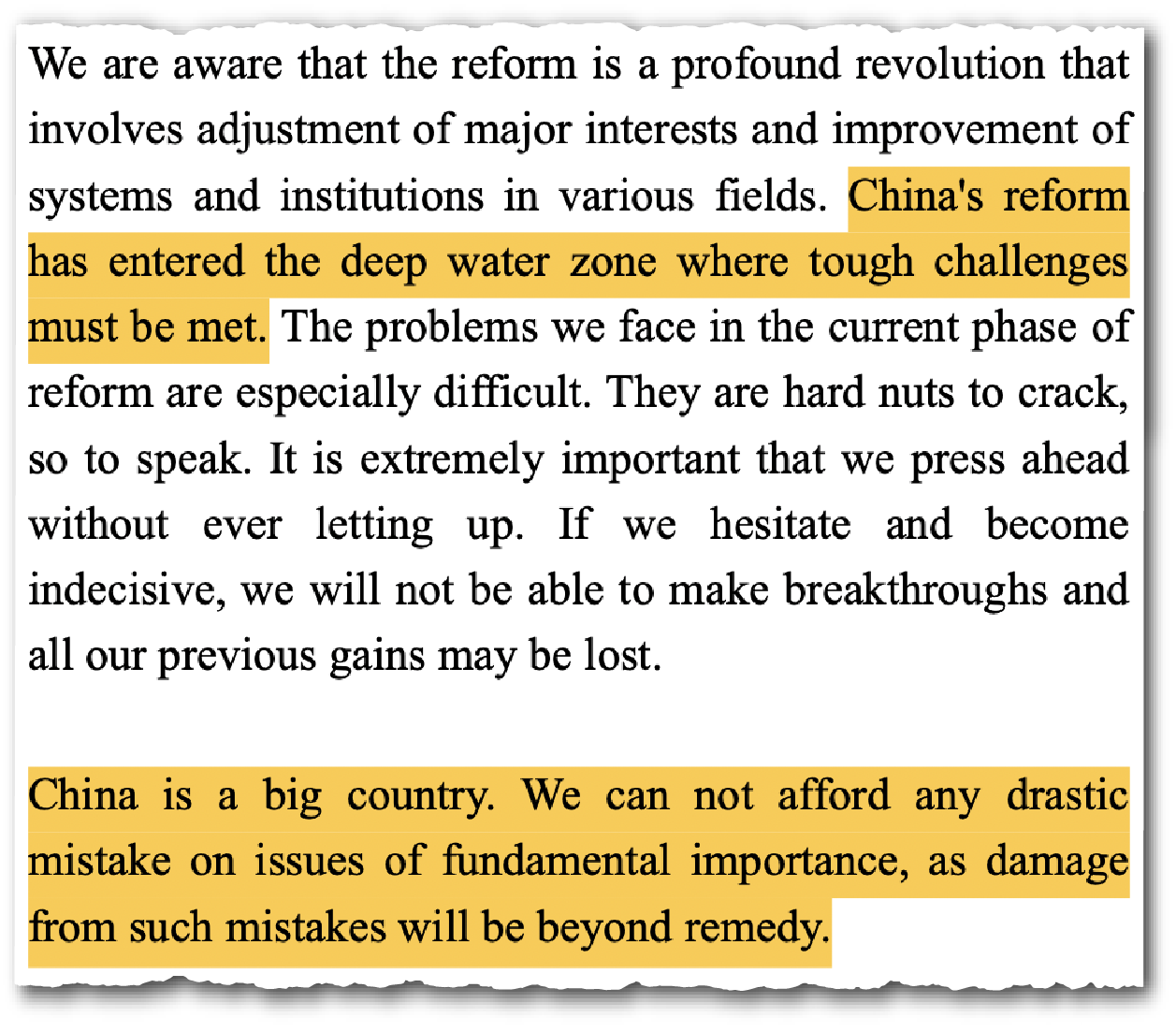
These challenges are significant and openly acknowledged in Beijing, something Xi Jinping himself has emphasized repeatedly. Since taking office, he has described China as having entered the “deep-water zone” of reform, a stage in which long-standing structural problems become harder to ignore and harder still to resolve. In his own framing, many of the obstacles ahead stem from entrenched interests, uneven development, and institutional rigidities that cannot be addressed through incremental adjustment. The underlying message is a recognition that future growth will require confronting issues that are politically and administratively difficult, and that reform and opening must continue even as the space for easy solutions narrows.
Even China’s recent successes highlight underlying tensions. The first tension lies in the mismatch between world-class capabilities and weak domestic demand. Driven by industrial policy, rapid expansion has sometimes created redundant capacity, intense price competition, and compressed margins.
…China is not retreating from industrial policy or from its manufacturing-centric development model. Continued investment in strategic emerging industries, and, if anything, a stronger whole-of-nation push behind sectors with geopolitical significance, is still all but certain.
In the automobile industry, for example, years of price wars have severely squeezed profit margins: in 2024, the average margin fell to 4.3 percent from 8 percent in 2017, data from the China Passenger Car Association shows, while capacity utilization remained around 50 percent. Falling profits have hurt quality, and the supply chain continues to struggle with late payments. These “involution” dynamics, spanning multiple sectors, reflect a system that excels at scaling up technologies and deploying them throughout the economy, but now needs to evolve towards deeper innovation and more sustainable competition.

The second tension is that China depends on a dynamic private sector even as it remains under political pressure. Many of the country’s most striking advances have come from private firms rather than state entities. In AI software, DeepSeek has built a cutting-edge model rivaling global giants spending only about $5.6 million and employing fewer than 150 R&D staff. In robotics, another private startup, Unitree Robotics, has captured roughly 70 percent of the global market with robots priced at a fraction of Western competitors’. These successes stem primarily from private entrepreneurial initiative rather than from state-driven efforts.
Yet while China needs its private sector to drive frontier innovation, the state remains determined to ensure political oversight and strategic alignment. As a result, a new approach is taking shape, one that is not a simple tightening or loosening of control, but an ongoing effort to formalize the boundaries within which private firms operate.
Beijing’s emerging approach aims to make supervision more predictable through clearer legal and regulatory frameworks from new statutes that articulate the rights of private entrepreneurs, to data-security rules tightening controls on sensitive information. The broader goal is to clarify and institutionalize the boundaries between firms and the state, while still leaving room for entrepreneurial spirits to take risks and innovate.

This is neither a return to full liberalization nor a slide into blanket political control, but an attempt to rebalance the relationship after a turbulent and frankly confusing period of guo jin min tui (国进民退) — the state advances while the private sector retreats. Whether this emphasis on providing predictability will be sufficient to rebuild entrepreneurial confidence is uncertain. What is clear, however, is that China’s ambitions in frontier tech including AI, robotics, biotech, quantum, etc., increasingly depend on the dynamism of the private sector.
The third tension lies between China’s pursuit of technological self-reliance and the need for global collaboration. Life sciences offer a particularly instructive example. Over the past decade, China has become a major contributor to global drug pipelines, clinical trial networks, and cutting-edge biotech innovations. In 2024, China accounted for 20 percent of drugs in development worldwide, surpassing the European Union and becoming the second-largest developer of new drugs. Its trial infrastructure is extensive, its scientific talent pool continues to deepen, and its manufacturing capacity is increasingly competitive. Several therapies originating in China — such as Akeso’s cadonilimab, RemeGen’s telitacicept and Junshi’s toripalimab (Loqtorzi) — have earned approval from major foreign regulators.
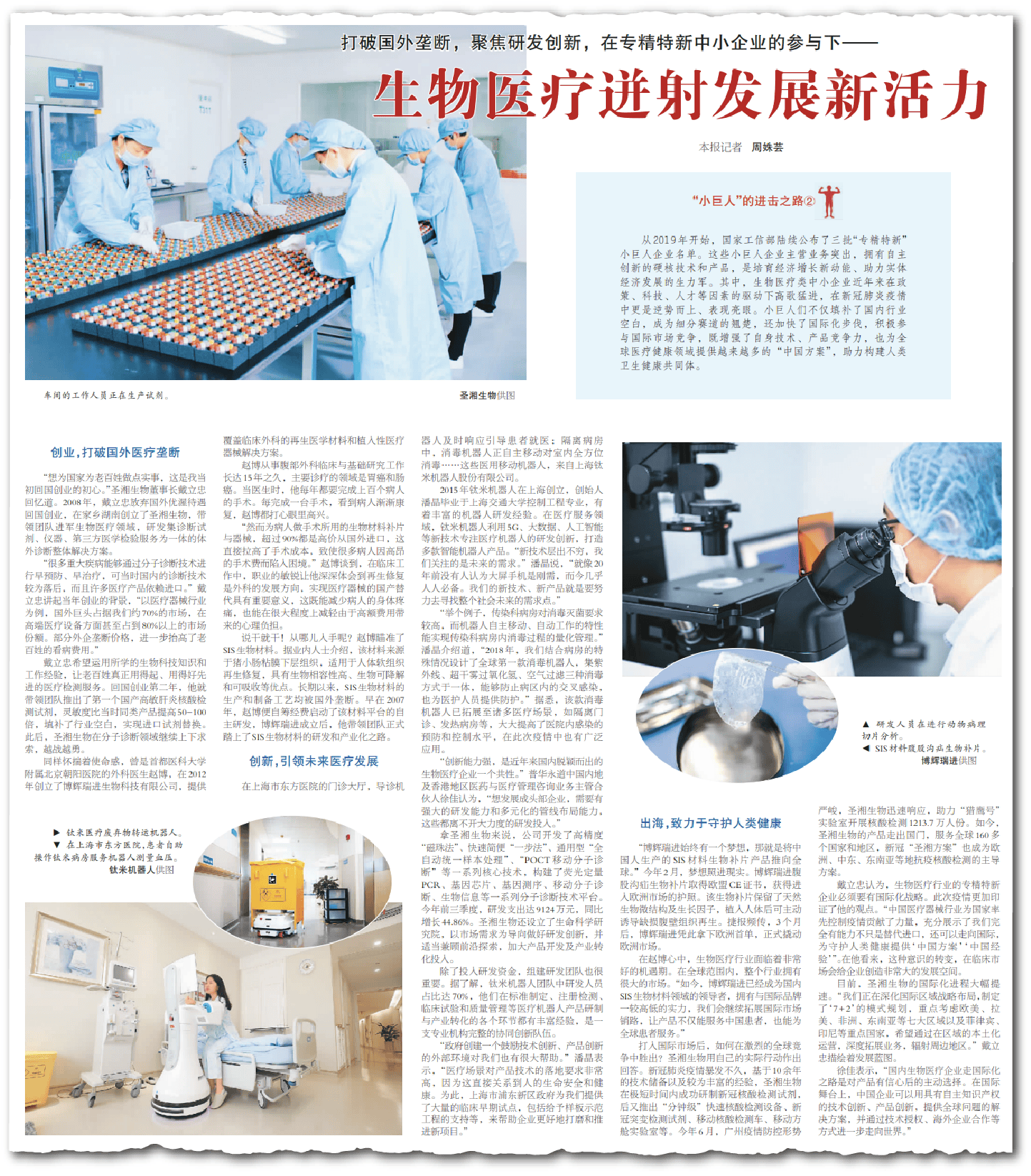
These advances have been made possible not by turning inward, but by integrating with global research standards, multinational trials, and cross-border partnerships. Even Chinese officials who stress self-reliance acknowledge that biomedicine cannot progress in isolation: the entire industry depends on international data, collaborative science, and access to diverse regulatory systems. Paradoxically, China’s own interests to be self-sufficient in critical industries vulnerable to “chokeholds” are pushing it toward more openness, not less, even as national-security considerations tighten controls and scrutiny over cross-border investment and trade.
This mix of capability, constraints, and adaptation is shaping Beijing’s priorities for 2026 and beyond. Make no mistake: China is not retreating from industrial policy or from its manufacturing-centric development model. Continued investment in strategic emerging industries, and, if anything, a stronger whole-of-nation push behind sectors with geopolitical significance, is still all but certain.
…rivalry can sometimes clarify priorities. The presence of another superpower forces a reckoning in national self-understanding, pushing each country to confront not only what it fears in the other, but also what it must strengthen within itself.
What may change is the balance of emphasis. Alongside industrial upgrading, policymakers are signaling a greater focus on the foundations of a more resilient economy: social services, household incomes, and the institutional reforms needed to support domestic demand. Fiscal and tax restructuring, in particular, has moved to the foreground as Beijing confronts the structural roots of local-government debt. None of this amounts to a sharp departure from existing practice. Instead, these adjustments reflect a more sober understanding and growing sense of urgency about where China’s real bottlenecks lie and what it will take to sustain long-term growth.
What this means for the United States is more complicated than the familiar tropes we hear, whether that China’s rise is unstoppable and the United States is doomed, or that China is on the verge of decline. Neither view is accurate. China is neither a juggernaut nor a system in free fall. It is a continental-scale economy wrestling with the structural challenges that come with uneven development across regions, sectors, and institutions, even as it continues to advance in industries that shape global competitiveness.
The United States, for its part, retains extraordinary advantages. The list is familiar: world-leading universities, deep and liquid capital markets, a global reserve currency, an unrivaled research environment, and alliances China has no plausible path to replicate. America’s core challenge is not a deficit of capability but a political environment poorly suited to sustaining long-term industrial strategy. And in several areas, such as advanced manufacturing, infrastructure build-out, and the deployment of new technologies, the United States faces a genuine second-mover disadvantage relative to China, which has spent decades building the physical and institutional foundations supporting the rapid scale-up of industries.

This is why the prevailing mood of defeatism is so risky. When China’s strengths are overstated and America’s weaknesses exaggerated, or, conversely, when China’s vulnerabilities are romanticized and U.S. advantages minimized, the policy debate in Washington becomes distorted in both directions: toward unnecessary alarmism about China’s trajectory, and toward underinvestment in America’s own considerable assets that it fails to recognize.
The first direction distorts the reality that China is in a period of transition, grappling with constraints that require policy adjustment and institutional reform. The second obscures the fact that the United States still has substantial room for strategic recalibration. For all of America’s political dysfunction, its institutional system is not structurally rigid in the way China’s can be. The U.S. has its own governance challenges, but they are not hardwired into the system’s design. The danger is that by talking itself into decline, the United States risks being distracted from and thereby surrendering one of its enduring advantages: the ability to rethink, reinvent, and redirect when conditions demand it.

The geopolitical landscape may also be more fluid than recent years suggest. Washington’s latest national security strategic documents adopt a more pragmatic tone toward countries with different political systems, emphasizing stable relations and commercial engagement where possible. Beijing, facing a more complicated domestic and external environment, has also shown openness in specific areas, particularly those where foreign expertise supports its domestic reform goals, such as healthcare, insurance markets, and segments of frontier science. None of this signals a return to the cooperative era of previous decades. But it does suggest that rivalry and selective engagement will coexist, and that competitive interdependence is likely to define the next phase of U.S.–China relations.
Both countries share, in different ways, a need to reorient themselves. China must chart a course beyond its current growth. The United States must translate its considerable strengths into a coherent and sustained strategy for industrial renewal and technological leadership. The good news is that rivalry can sometimes clarify priorities. The presence of another superpower forces a reckoning in national self-understanding, pushing each country to confront not only what it fears in the other, but also what it must strengthen within itself.
The author is grateful to CCA intern Huiyan Li for excellent research assistance.
The author is a contributor to the Asia Society Policy Institute’s Center for China Analysis China 2026 report, which examines key themes and tensions shaping China’s economy in 2026.

Lizzi C. Lee is a Fellow on Chinese Economy at the Asia Society Policy Institute’s (ASPI) Center for China Analysis (CCA). She is an economist turned journalist, and graduated from MIT’s Ph.D. program in Economics before joining the New York-based independent Chinese media outlet Wall St TV.