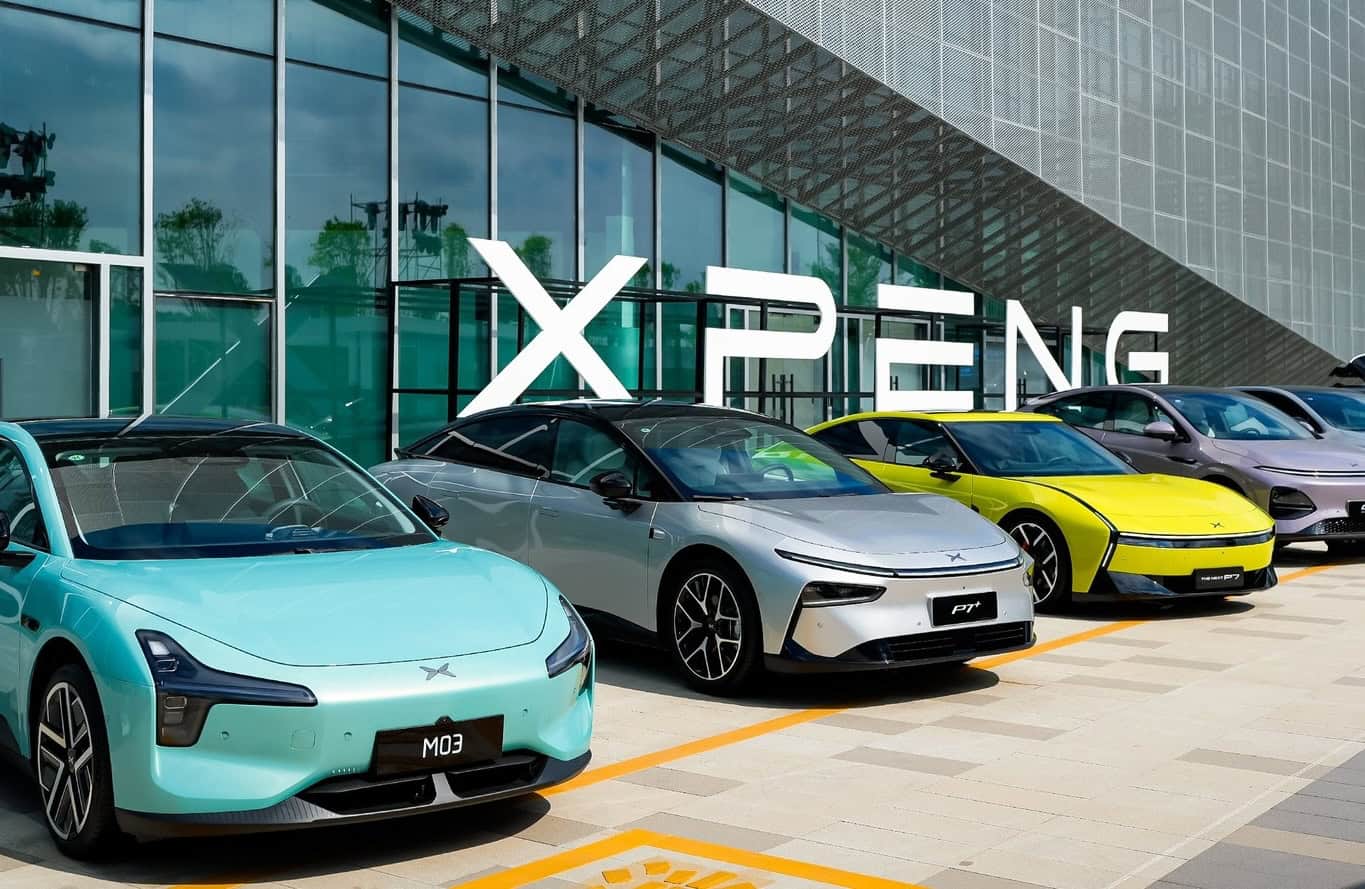
Good evening. When the Chinese Communist Party sets out to dominate an industry of the future, it often does so for geopolitical reasons vis-a-vis the U.S.: green energy to render the American navy’s ability to blockade the Strait of Malacca an irrelevance; semiconductors to eliminate another “chokepoint” vulnerability; and quantum computing and hypersonic missile technologies to leapfrog U.S. military capabilities. But in at least one other area, the motivation is more humanitarian than Machiavellian. As Rachel Cheung writes, China is racing ahead of its peers in the implementation of artificial intelligence capabilities in the healthcare sector. If successful, the effort could finally help reduce the chasm separating regions cursed with near third-world medical infrastructure and urban areas boasting some of the best hospitals in the world. But is Beijing trying to do too much too fast in a sector where AI applications trained on Chinese medical data will replicate the system’s flaws or, in worst-case scenarios, make potentially fatal mistakes?
Also in this week’s issue: Chinese crypto miners, friends or foes?; the Big Picture profiles Hengrui Pharma; a farewell conversation with AIIB head Jin Liqun; and Brad Setser on Chinese currency manipulation.
Want this emailed directly to your inbox? Sign up to receive our free newsletter.

China’s Search for an AI Magic Cure
Dr Mao Hongjing is a highly sought-after expert on depression and sleeping disorders who sees about 20 patients a day in Hangzhou, one of China’s most modern and attractive cities. Now meet his avatar which can advise 30,000 patients a day, according to the company whose healthcare AI app created it. And as Rachel Cheung writes in this week’s cover, those tens of thousands of patients need not come to Hangzhou, but can access his expertise from some of the country’s most medically under-served regions. Such is the promise of healthcare AI in China. But is the promise real and, even if it is, who will pay for it?
Friend or Foe?
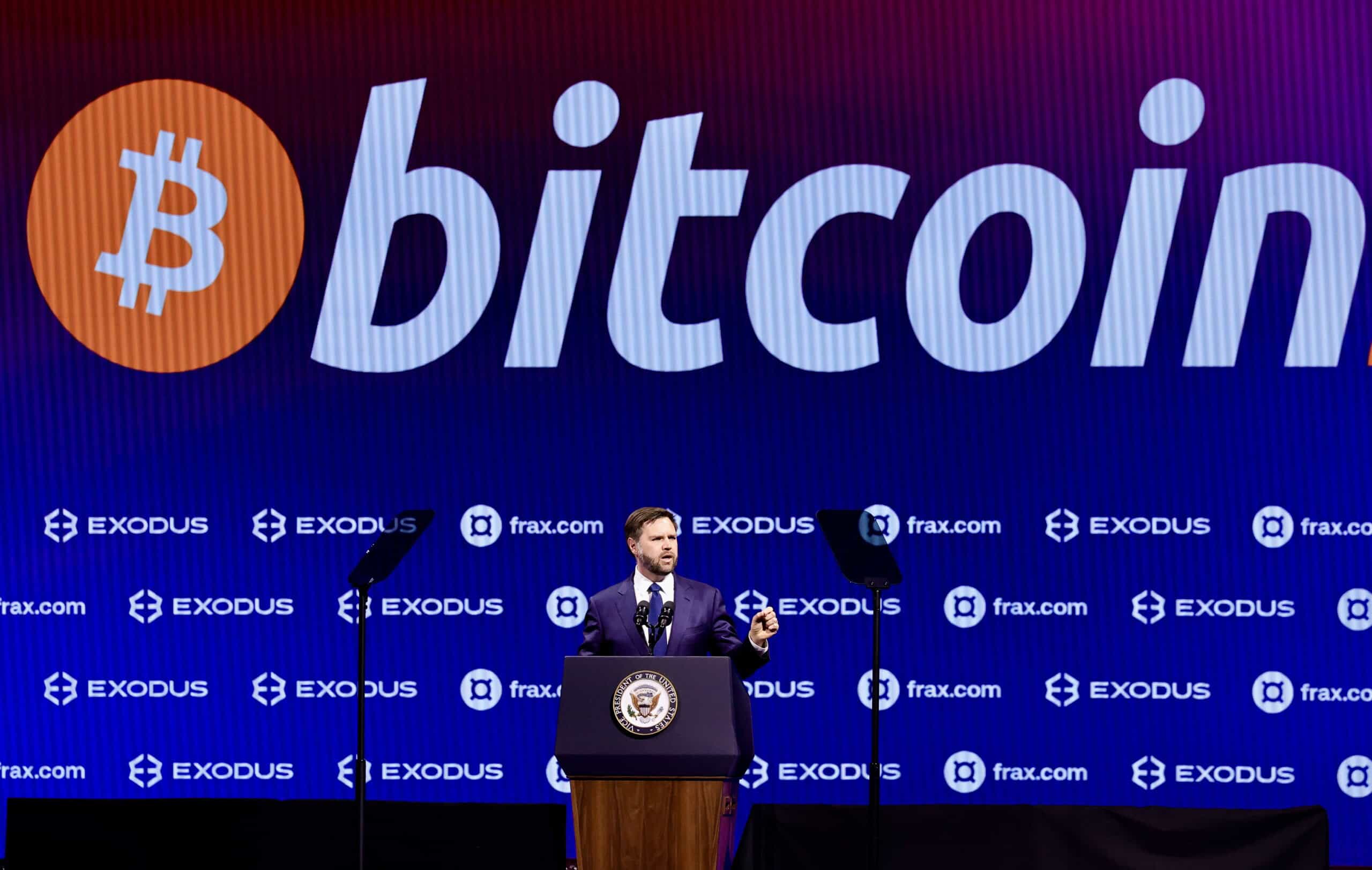
China banned crypto currency mining in 2021 but, as Noah Berman writes, that hasn’t prevented Chinese companies from dominating the markets for crypto mining and related computers. Many of them are also active in the U.S. In Washington, China hawks are starting to look askance at these corporate refugees fleeing a hostile homeland, worrying that they pose a threat to American national security interests. On the other side of the argument, U.S. crypto miners worry about becoming collateral damage if the Trump administration “panics [its] way into a policy that needlessly damages American miners, American energy projects and American jobs based on unproven allegations”.
China’s Biggest Pharmaceutical Company and the Power Couple Behind It
The subject of this week’s Big Picture Company in the News profile is state-owned Jiangsu Hengrui Medicine Company, aka Hengrui Pharma. It is China’s biggest pharmaceutical company and earlier this year secured a $500 million deal, which could eventually be worth as much as $12 billion, with GSK of the UK. Chairman Sun Piaoyang and his wife Zhong Huijian, who controls a rival drug company, have a combined net worth of more than $36 billion, according to Forbes.

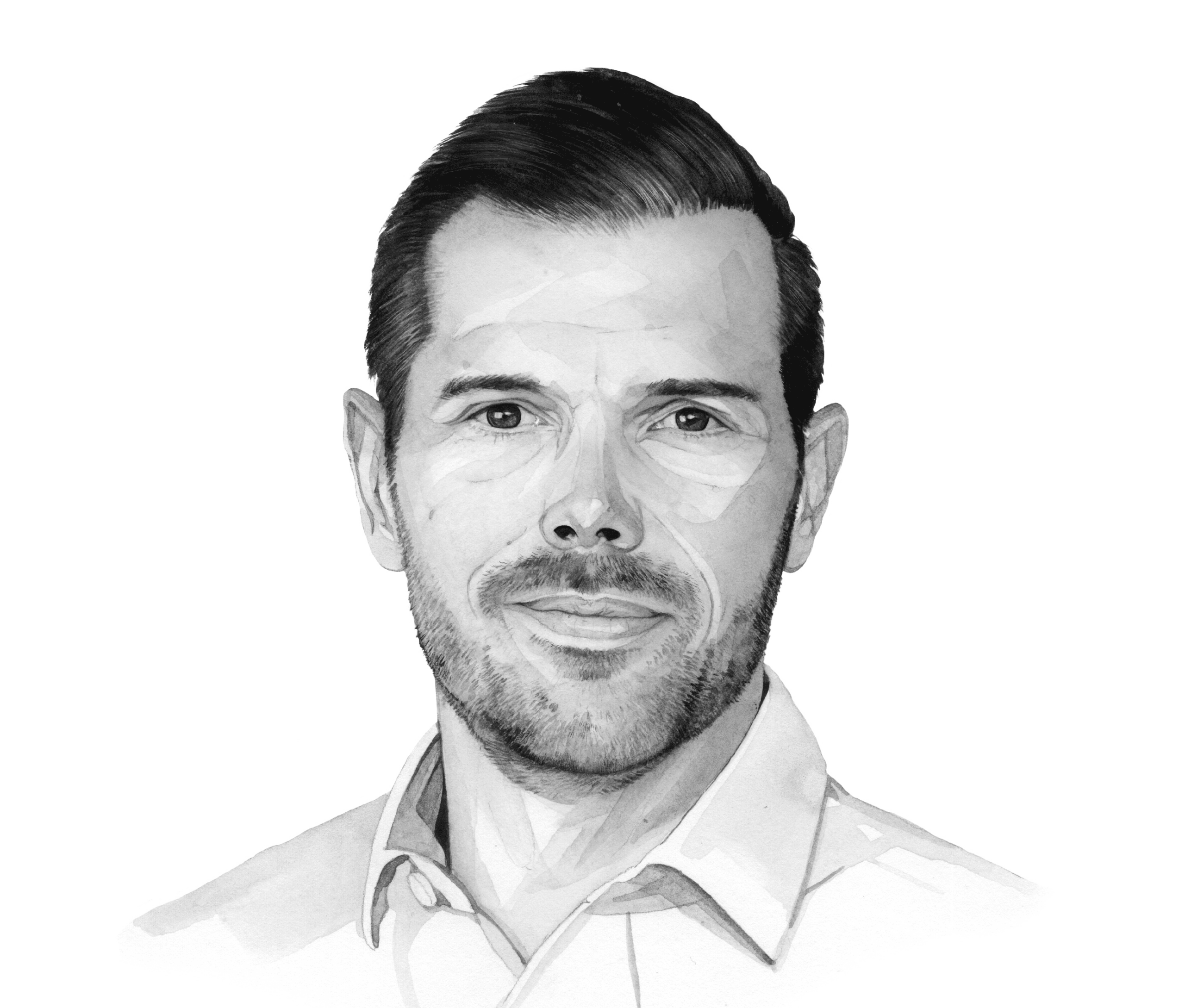
A Q&A with Jin Liqun
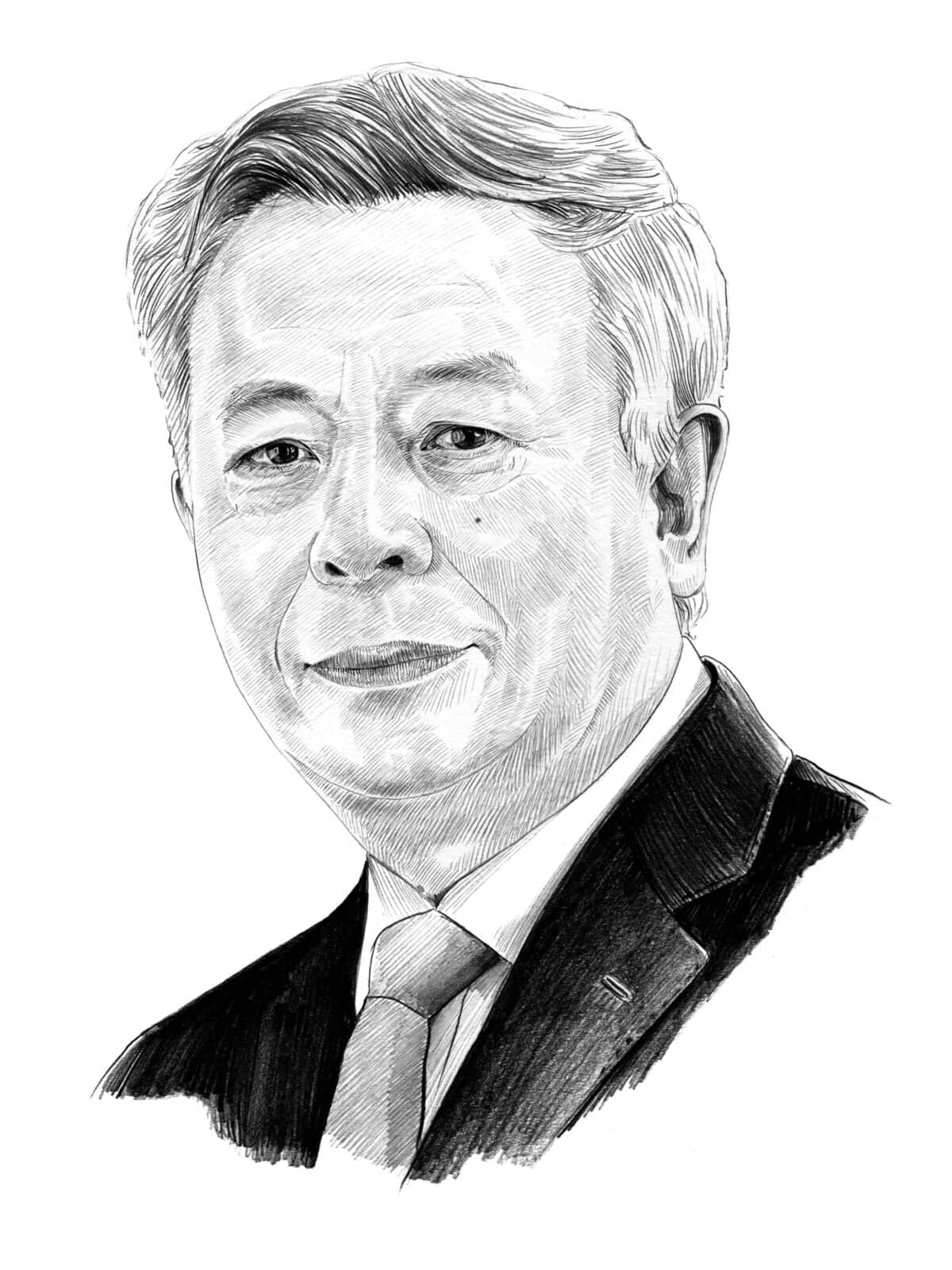
Few people have done more than Jin Liqun to promote Chinese soft power. When the outgoing head of the China-led Asian Infrastructure Investment Bank was named to lead the fledgling institution a decade ago, the Obama administration tried to dissuade U.S. allies from joining it. They did so anyway and under Jin’s stewardship the AIIB has established itself as a credible and respected multinational lender with an internationally diverse staff.
In a valedictory conversation with Andrew Peaple, Jin talks about the AIIB’s relationship with the Chinese Communist Party, lending to more projects beyond Asia and the bank’s decision to freeze lending to projects in Russia and Belarus after Vladimir Putin’s invasion of Ukraine.
Jin Liqun
Illustration by Lauren Crow
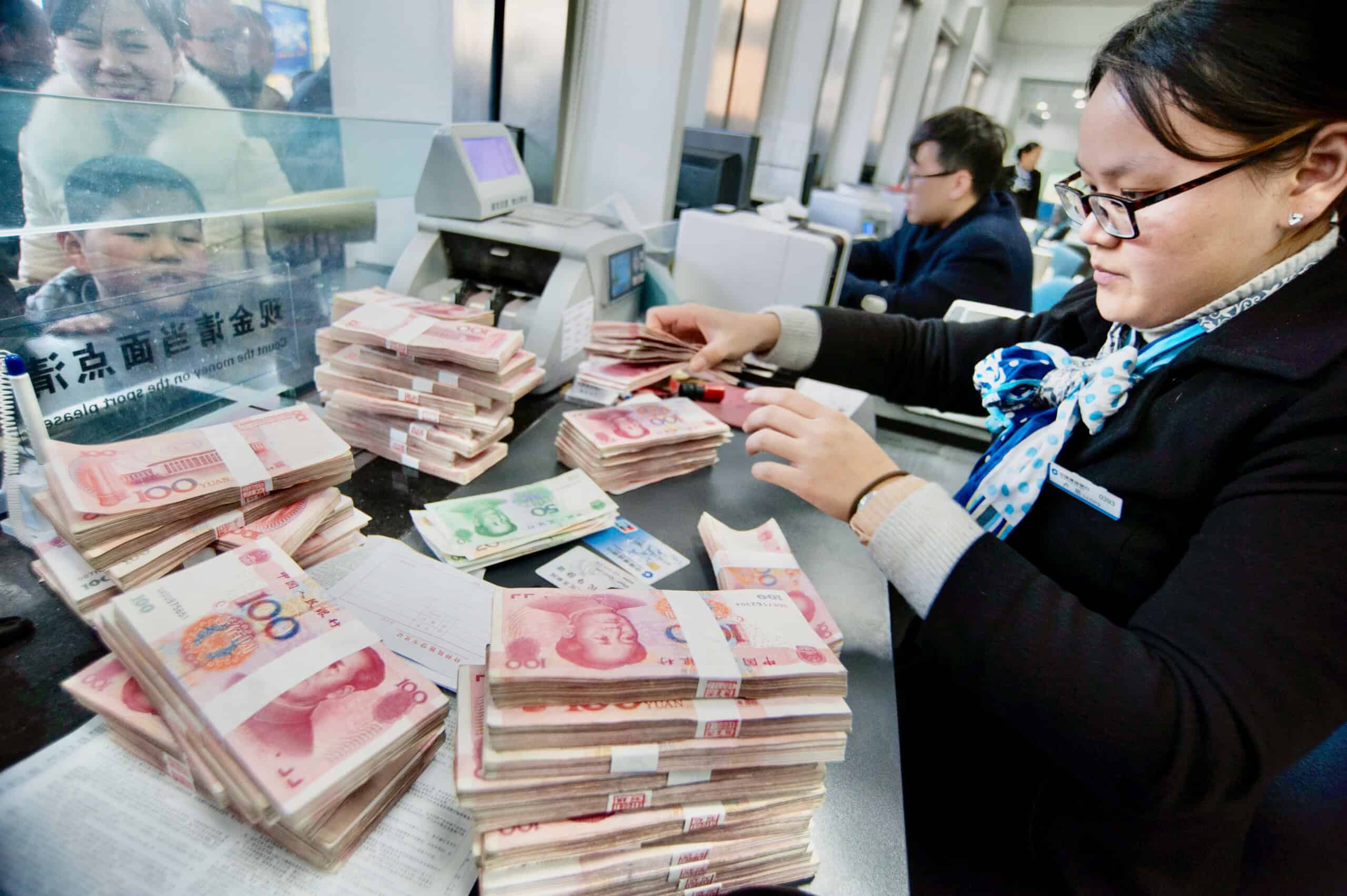
How China is Weakening the Renminbi
China is quietly using its state banks to weaken the renminbi, Brad Setser writes in this week’s op-ed. This has helped the country’s goods trade surplus to soar past $1 trillion this year despite the imposition of U.S. tariffs. It’s high time, he argues, for the Trump administration to act.
Subscribe today for unlimited access, starting at only $25 a month.